
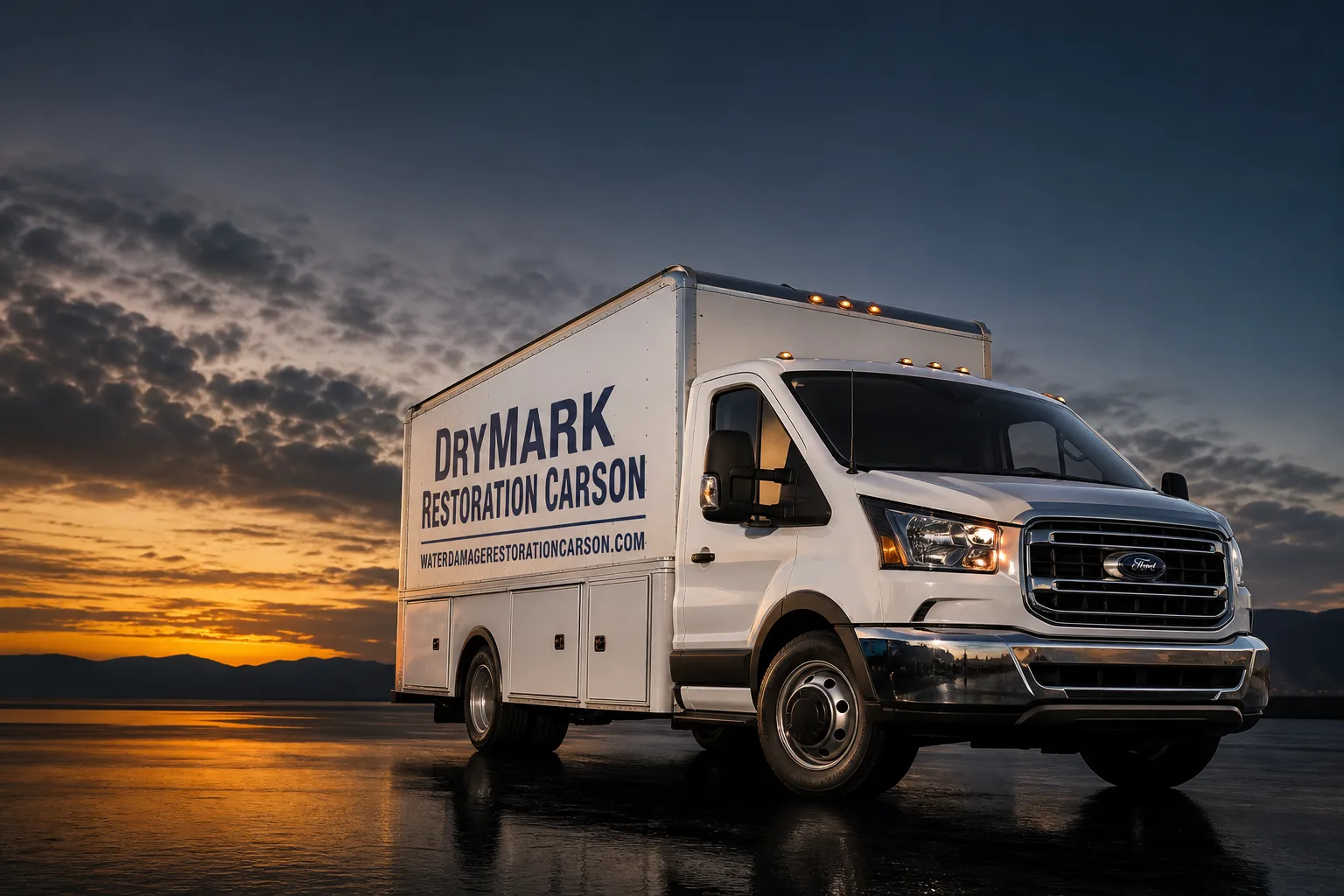
Free visual inspection and a written scope of work before any mitigation begins - photos, moisture readings, and drying logs go in your claim file
The scope we write is the scope we bill. Anything new gets shown to you, in writing, before we touch it.
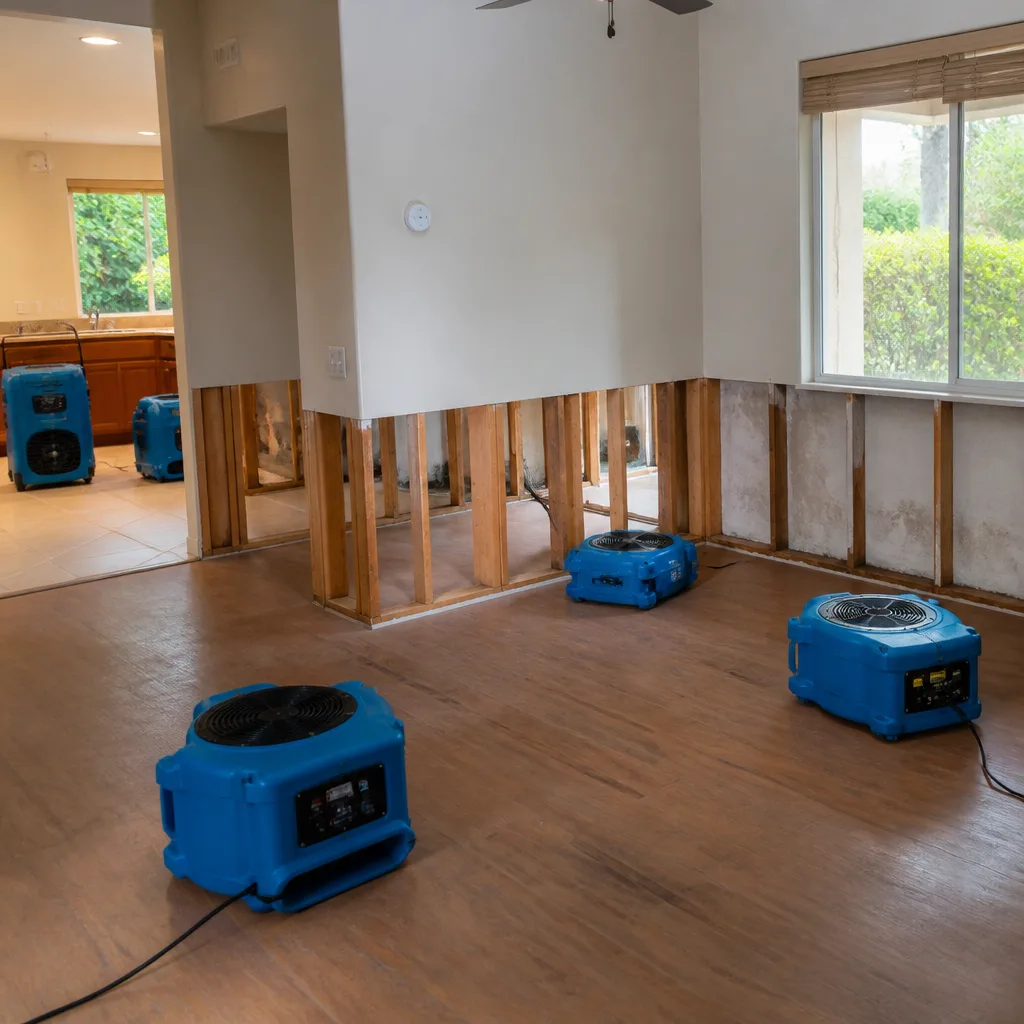
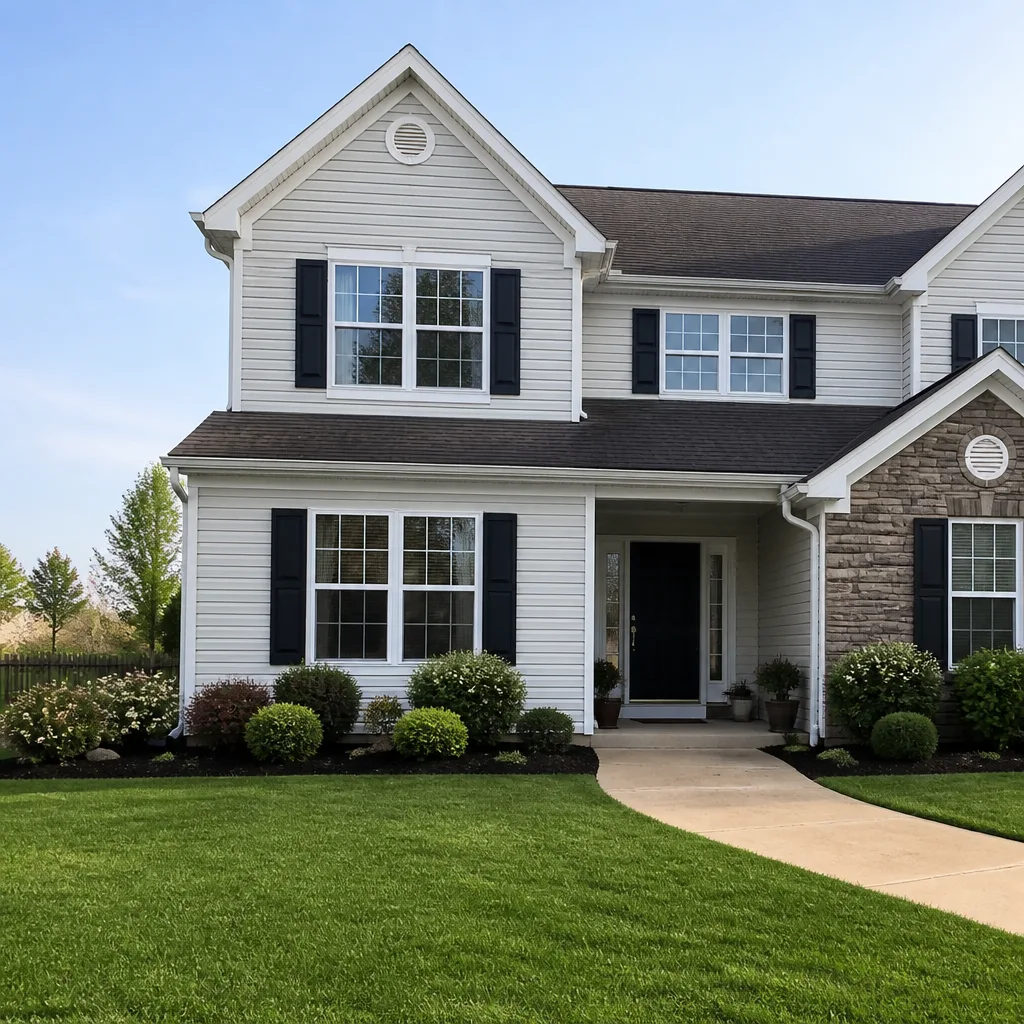
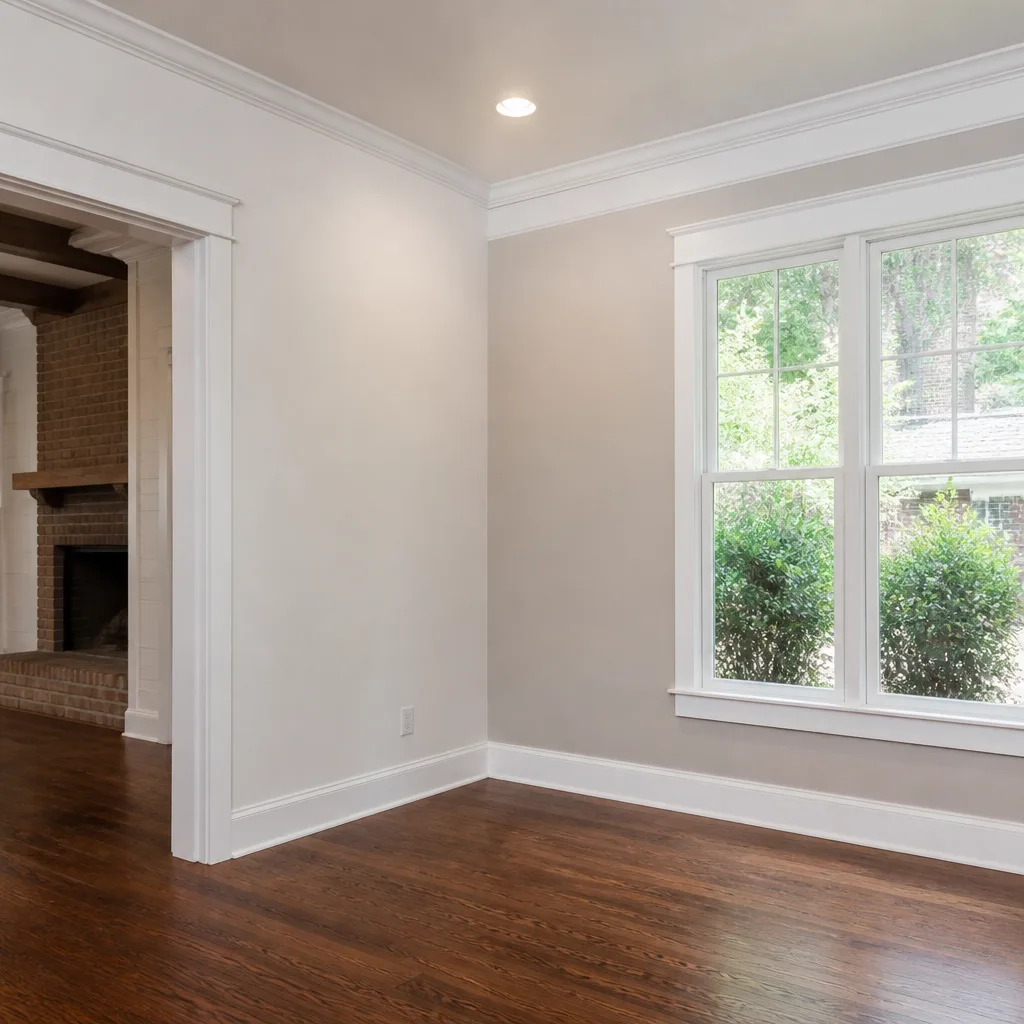
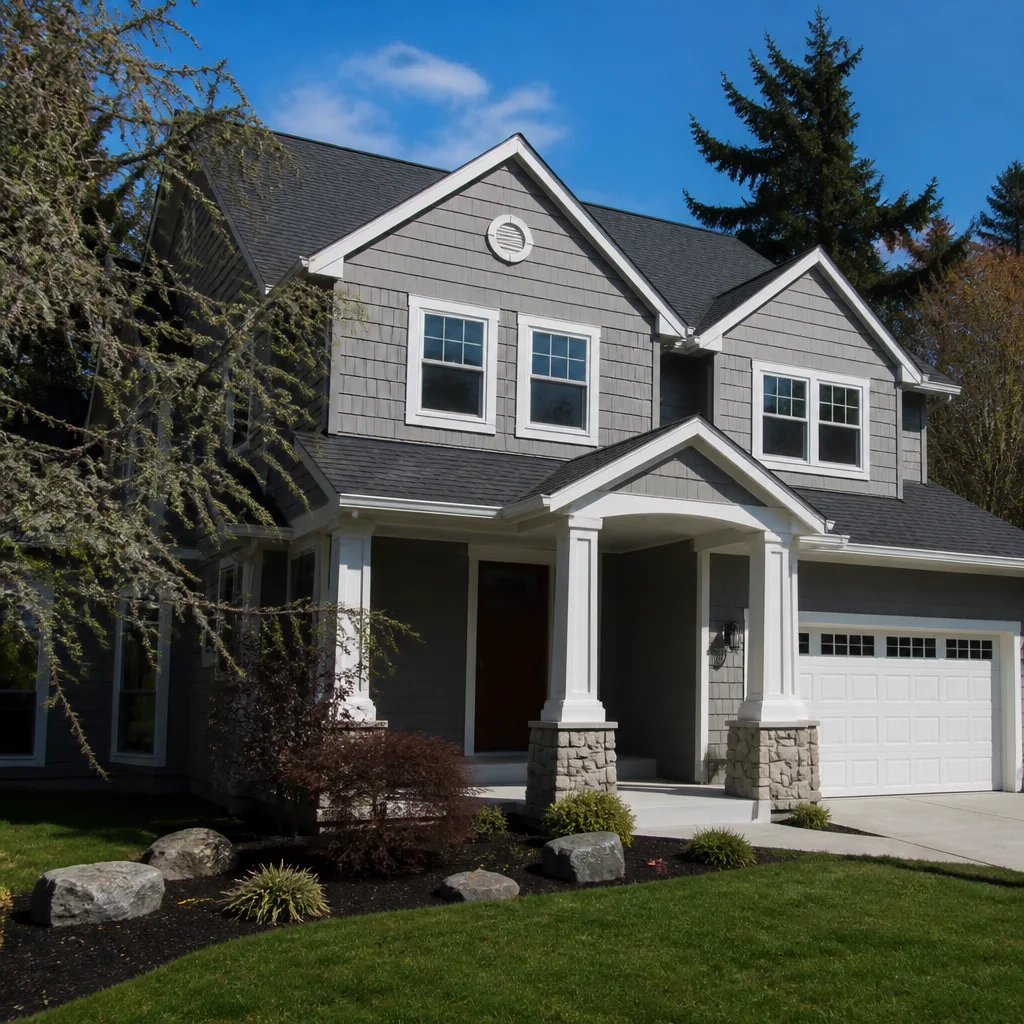
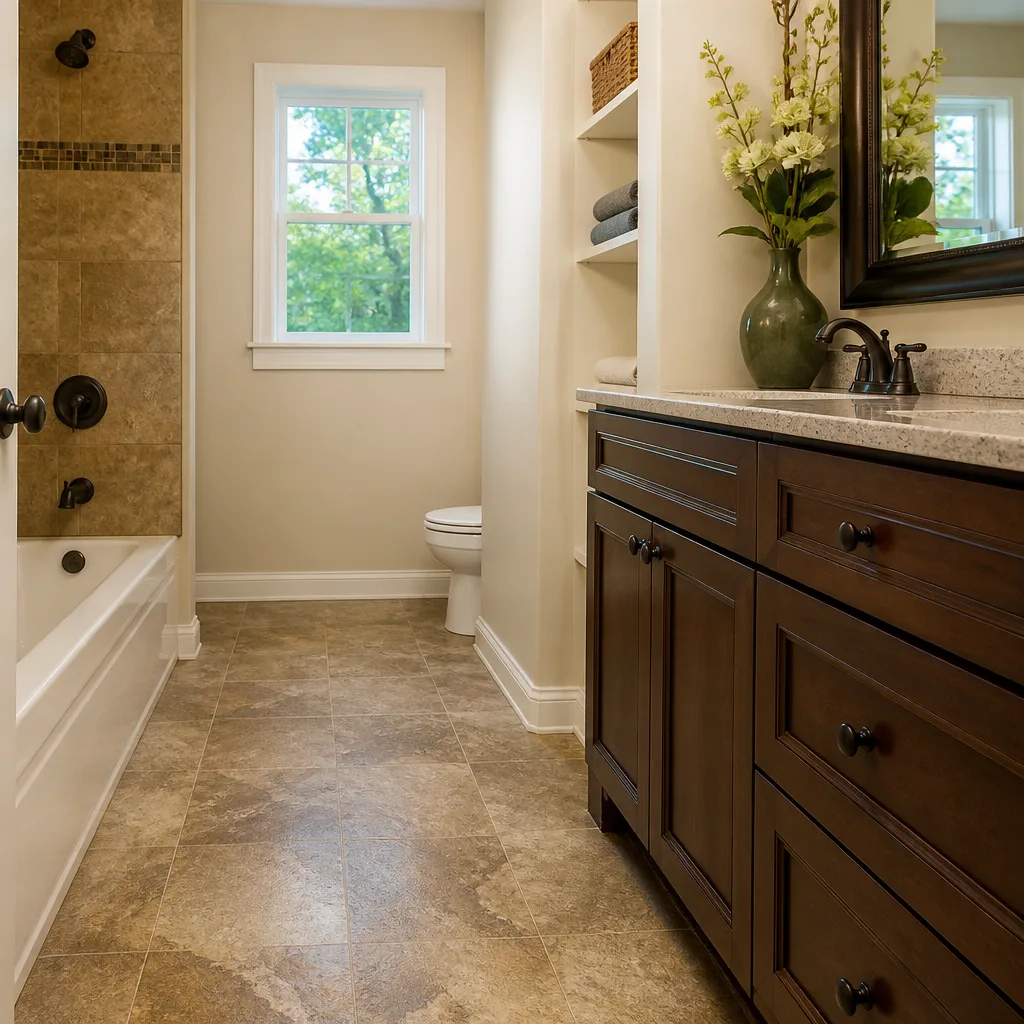
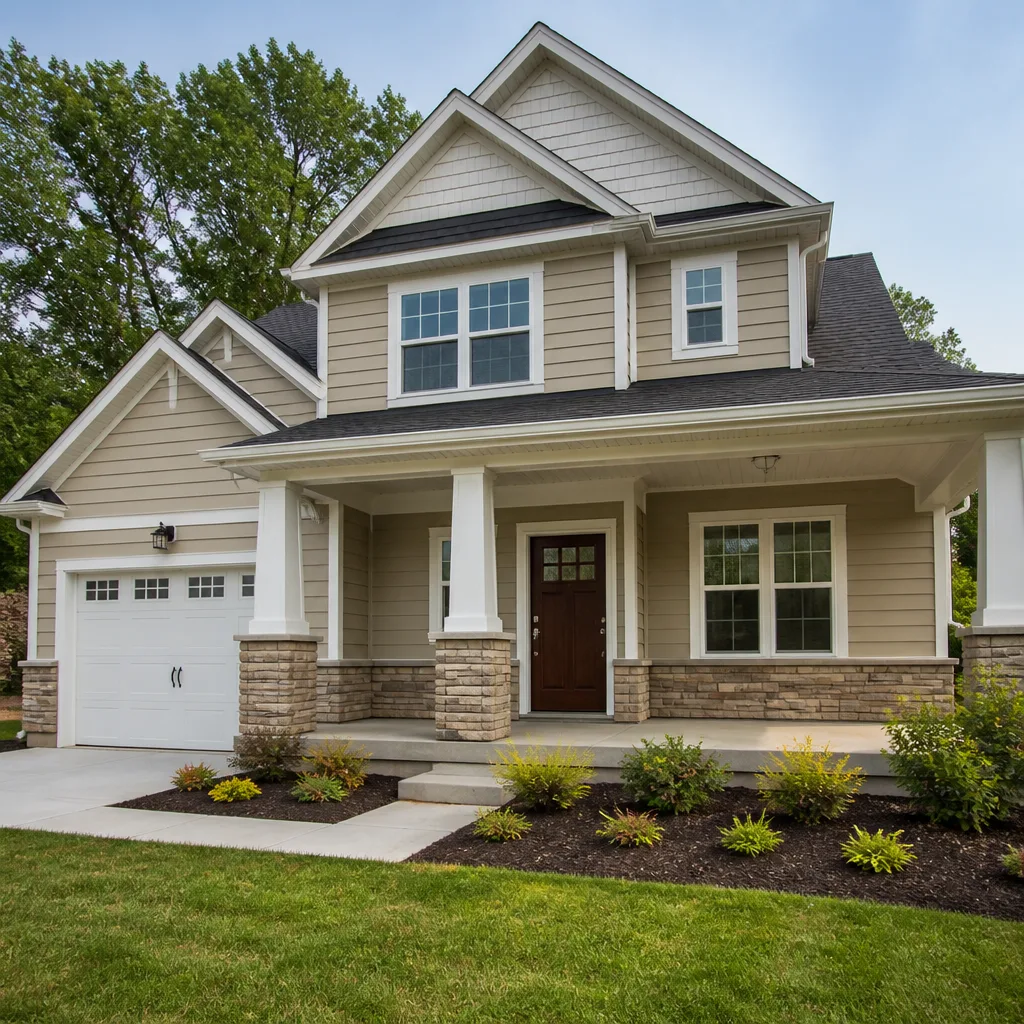
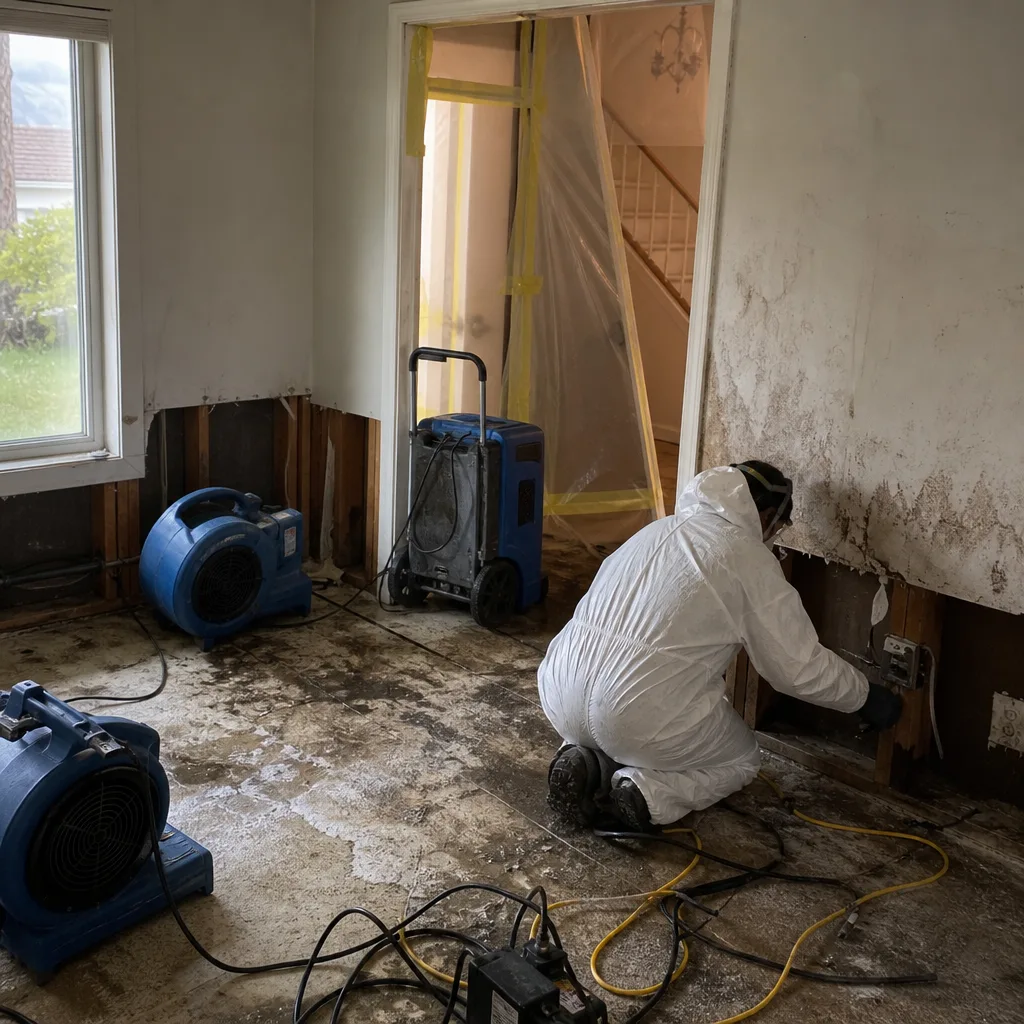 Before
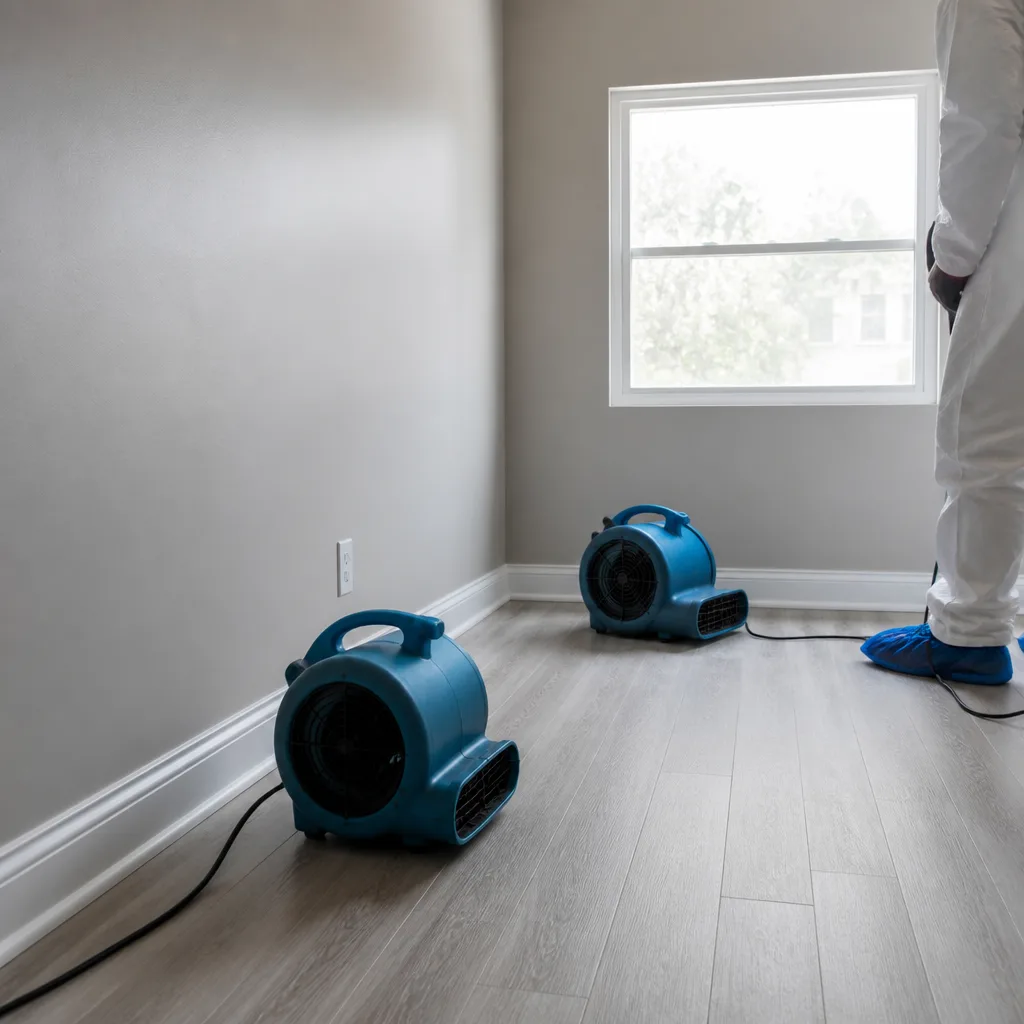 After
After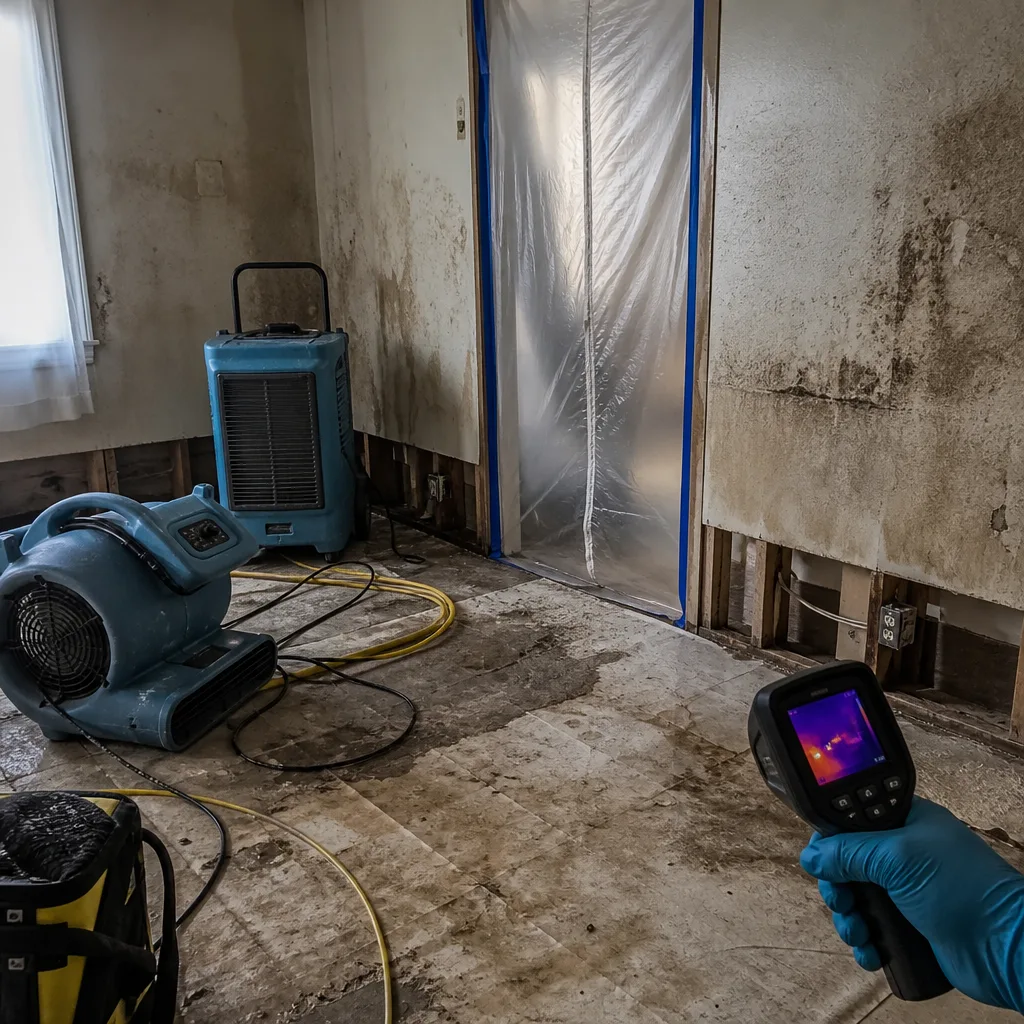 Before
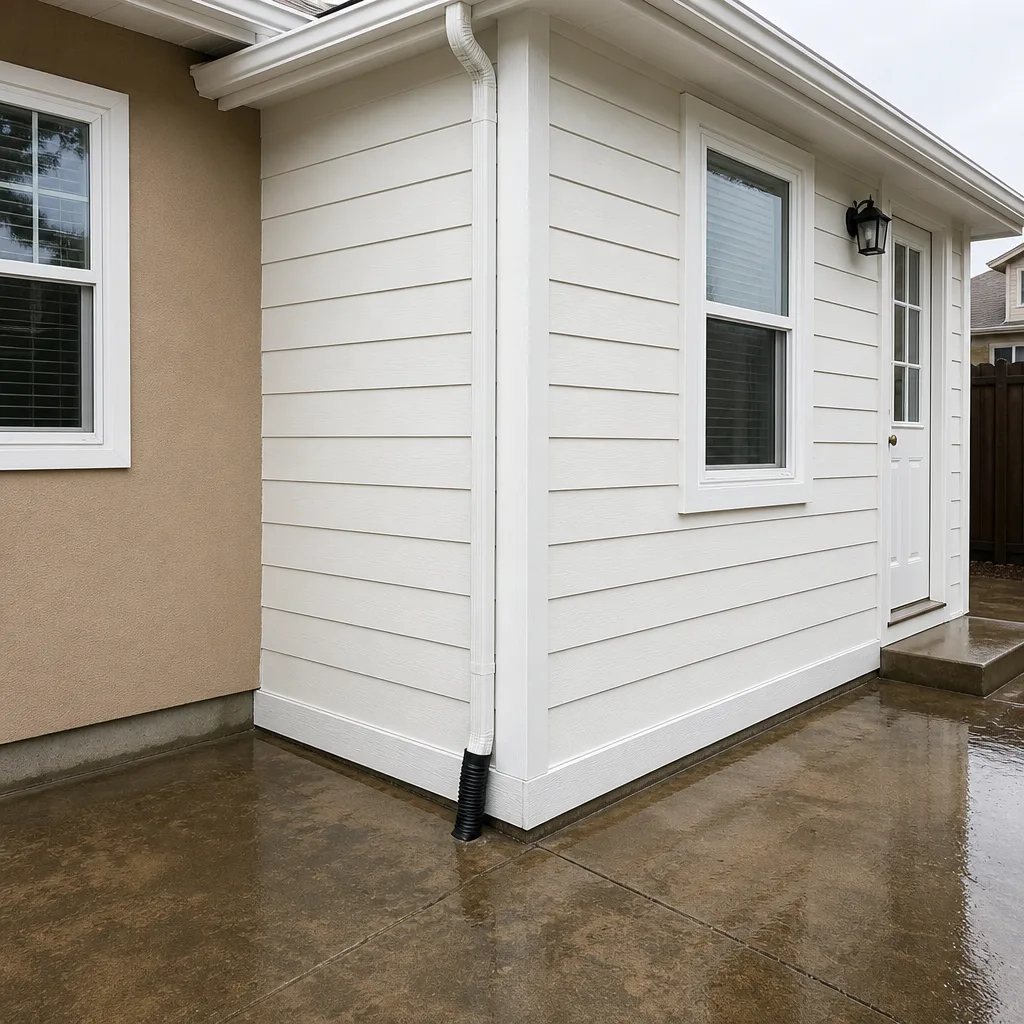 After
After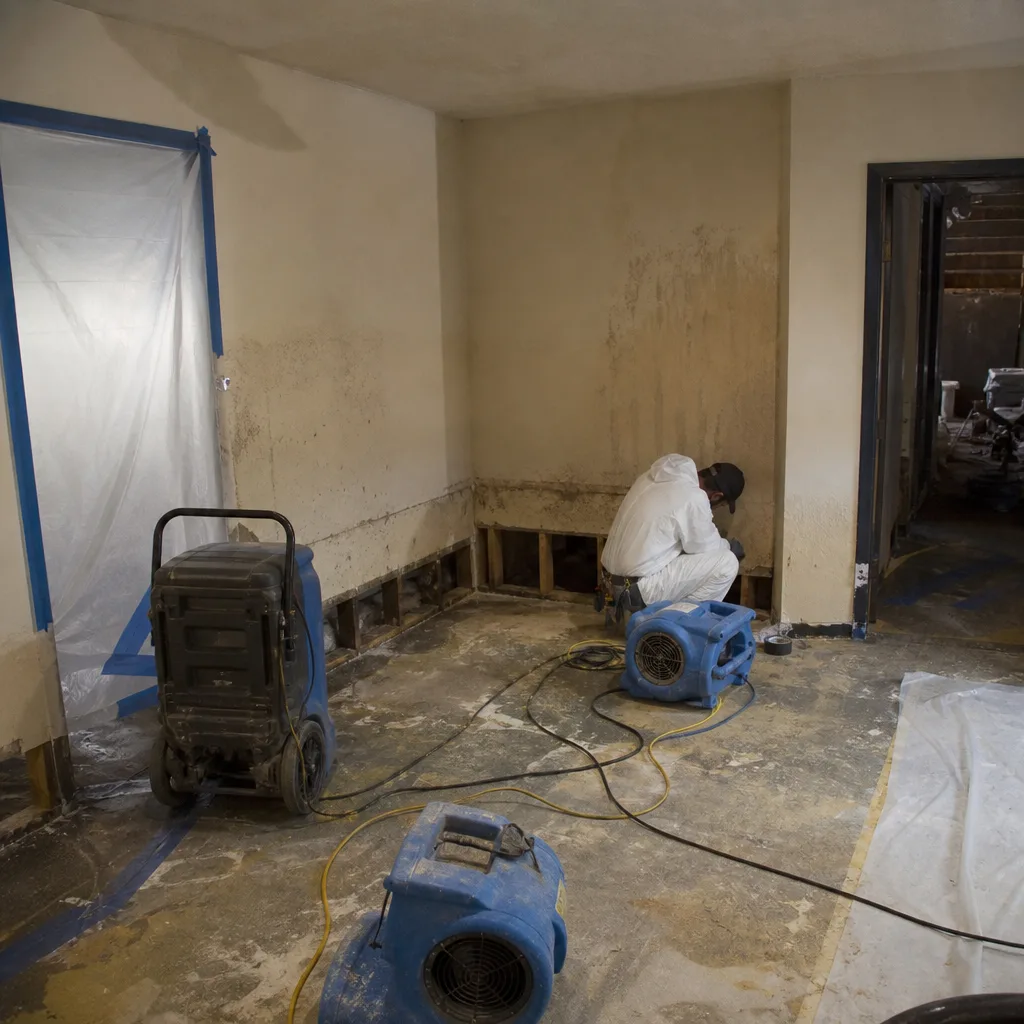 Before
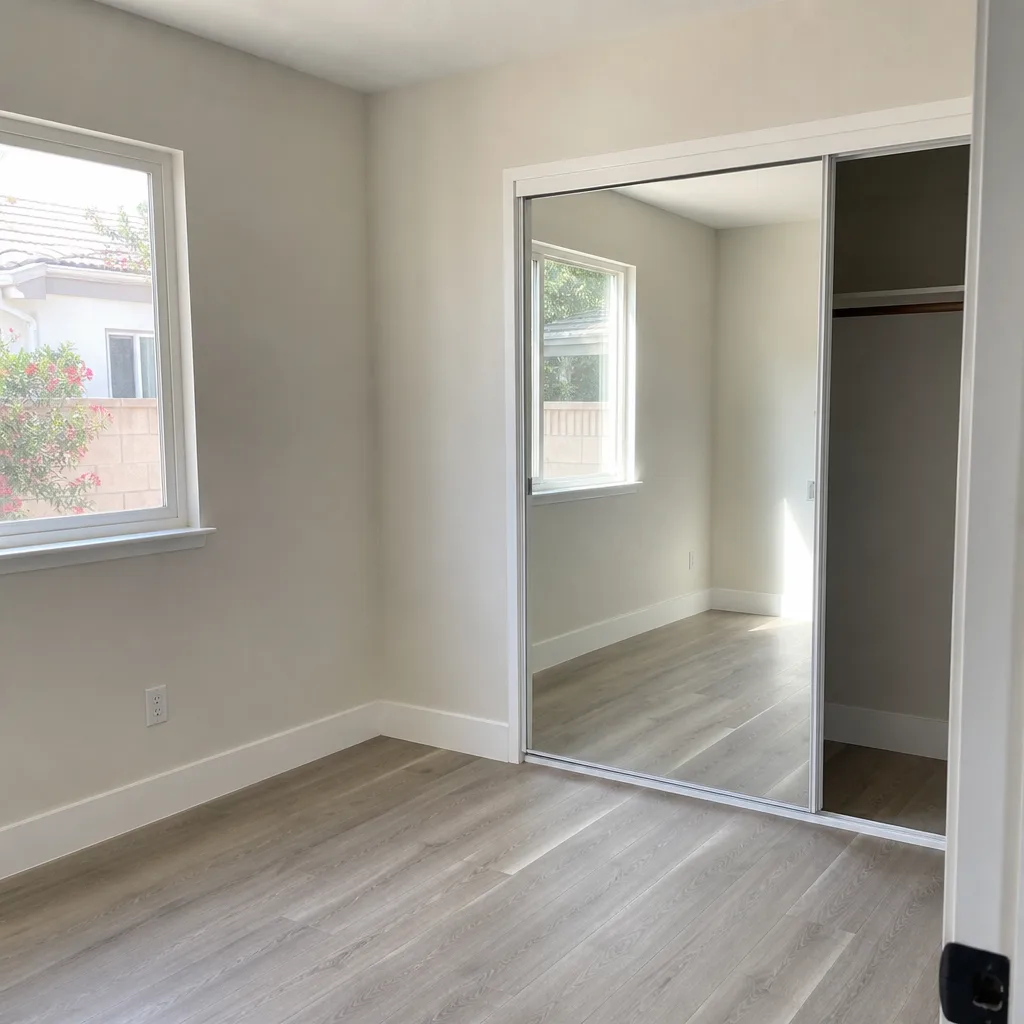 After
After24/7 Emergency Mold Remediation in Gardena
Mold remediation in Gardena typically costs $1,800-$4,500 for contained residential jobs and $5,000-$12,000+ when slab leaks have spread colonies behind finished walls - though many of these cases begin with Gardena Water Damage Restoration to stop the source first. Most inspections are completed same-day. Call (424) 305-3365 now - a live person answers, 24 hours a day, every day, with crews dispatched from our Los Angeles office to Gardena properties within 45 minutes.
The first hour matters because mold doesn’t wait. In Gardena’s post-WWII slab homes, a hidden leak under vinyl or hardwood can feed colonies for months before you smell anything. By the time cupping shows on your floor, the drywall backing behind your baseboards may already be compromised. Our Mold Remediation team starts with moisture mapping to find the source, not just the symptom. We offer a free visual inspection, and every job gets a written price before work begins - Haven Standard, Clause 1.
Understanding Mold Remediation Severity in Gardena Properties
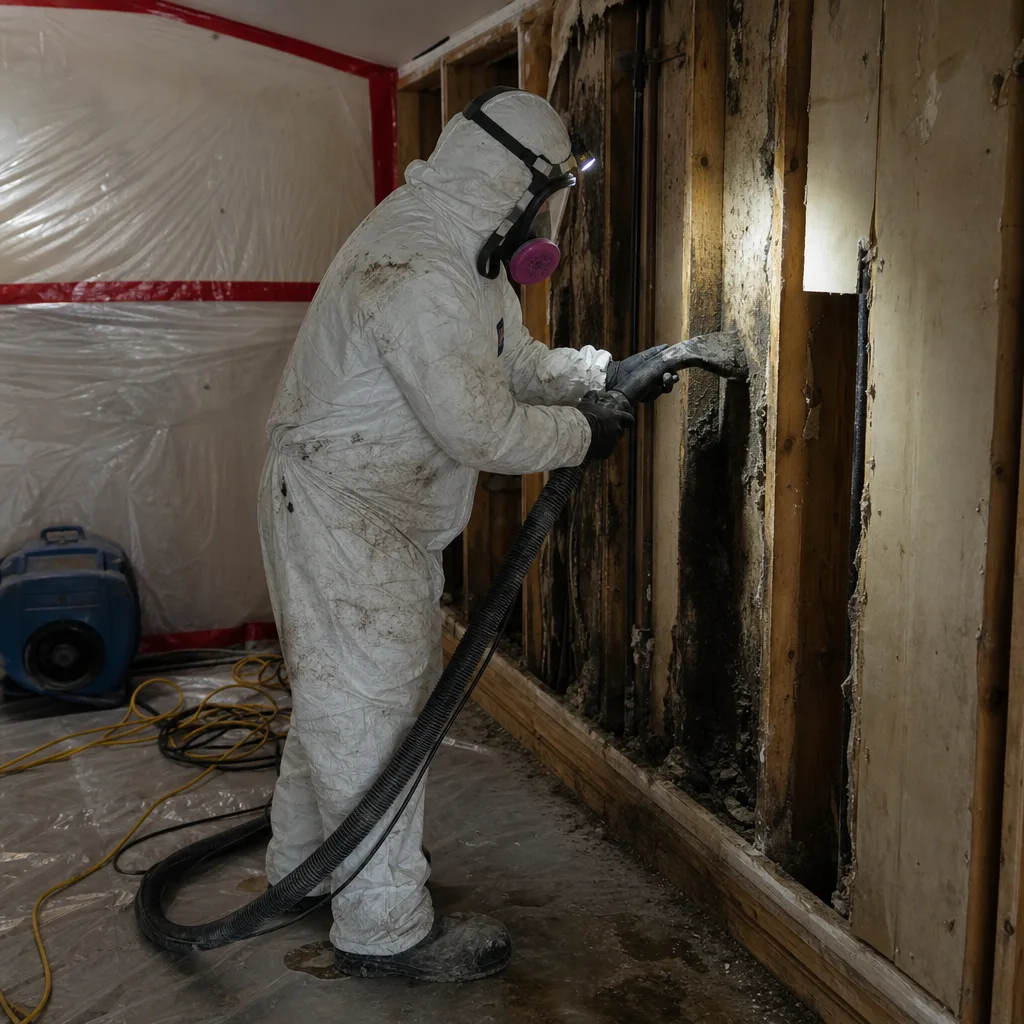
We classify mold damage by affected square footage, material porosity, and whether the source moisture is still active. Category 1 contamination covers limited surface growth on non-porous materials like tile or sealed concrete - usually addressable with HEPA vacuuming, antimicrobial application, and targeted drying. Category 2 involves porous materials: drywall paper backing, carpet padding, insulation. These must be removed because hyphae penetrate beyond visible growth. Category 3 means extensive colonization in structural cavities, behind cabinetry, or throughout a slab-affected subfloor - requiring full containment, negative air pressure, and possible structural material replacement.
Gardena’s housing stock skews heavily toward 1945-1965 slab-on-grade construction with original copper or galvanized supply lines. These homes develop a specific failure pattern: slow slab leaks wick moisture upward through concrete, creating chronic humidity in wall cavities perfect for Stachybotrys or Aspergillus growth. The flat topography and older clay stormwater infrastructure compound this during El Niño events, when sheet flooding pushes water through slab-level doorways. Tertiary drying - the final phase where we use vapor pressure differential to pull bound moisture from dense materials - often runs longer in Gardena’s thick slab foundations than in raised-floor South Bay homes.
Why Gardena Property Owners Choose DryMark Restoration Carson
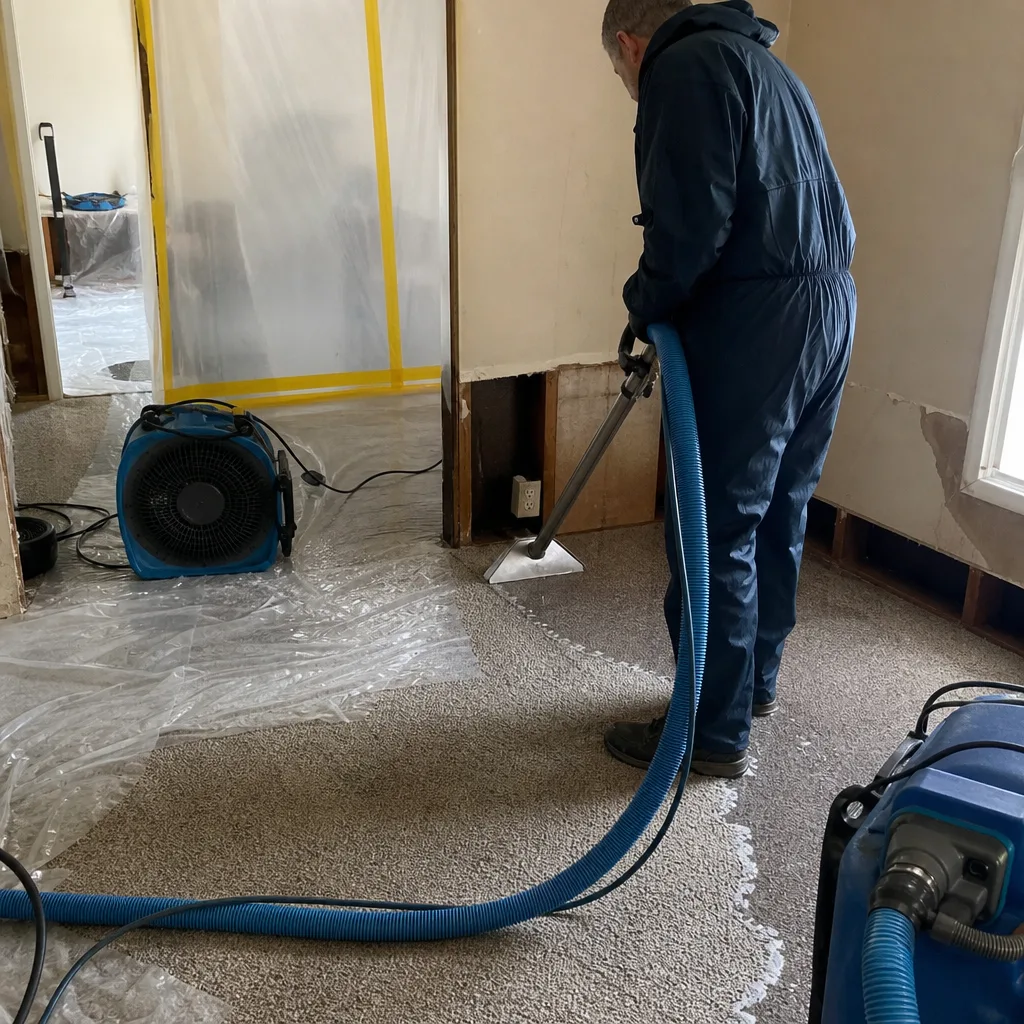
- 45-minute response commitment to Gardena from dispatch, because slab-leak mold spreads faster once colonies are established.
- 24/7 live answer - a real person, never an automated system or voicemail tree, picks up every call to our emergency line.
- IICRC-certified crews trained to WRT (Water Damage Restoration Technician), AMRT (Applied Microbial Remediation Technician), and FSRT (Fire & Smoke Restoration Technician) standards.
- Free visual inspection with moisture readings and thermal imaging to locate hidden colonization before any work is proposed.
- Direct insurance billing with photo-documented estimates that adjusters recognize and pay without dispute.
- One team from assessment to reconstruction - no handoffs between mitigation and rebuild contractors that delay completion.
 Before
 After
AfterOur Mold Remediation Process
1. Inspection & Assessment
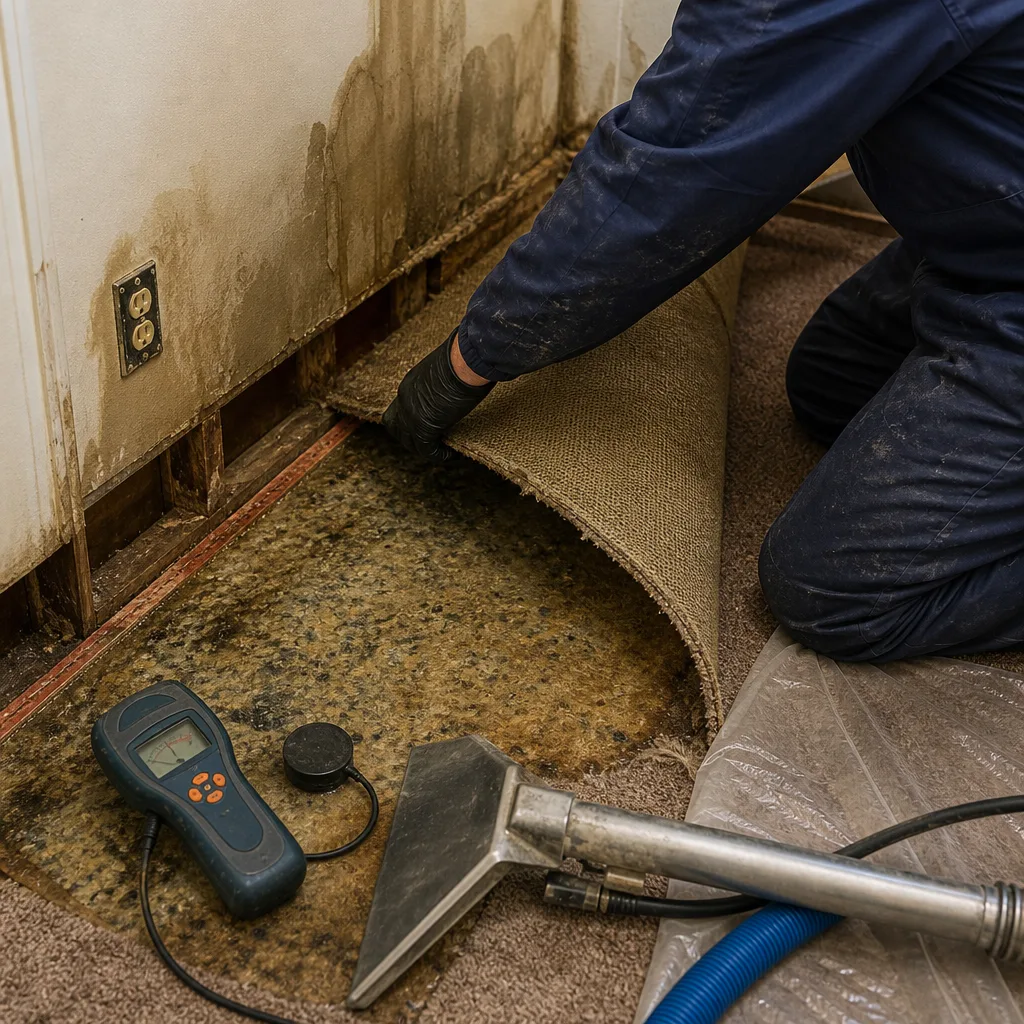
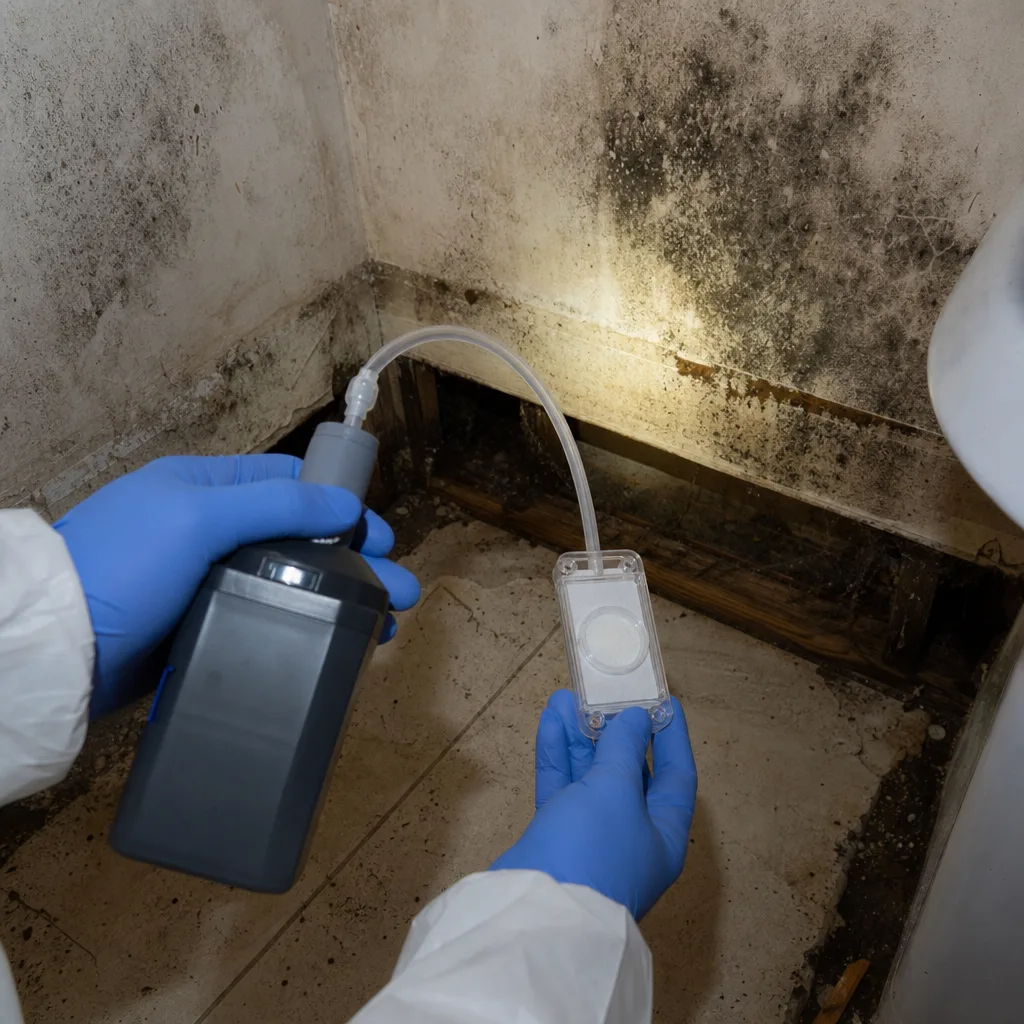
We moisture-map every room with thermal imaging and penetrating hygrometers, then sample visible growth for lab identification if needed. In Gardena, we always check slab moisture content - readings above 4% on concrete indicate an active leak that must be found before remediation begins.
2. Containment & Air Scrubbing
Polyethylene barriers seal the work zone with negative air pressure maintained by HEPA-filtered air scrubbers. This prevents cross-contamination to unaffected areas - critical in Gardena’s smaller mid-century floor plans where living spaces sit close to utility closets and wall cavities.
3. Source Elimination & Structural Drying
We stop the moisture before removing mold. For slab leaks, this means coordinating with your plumber, then deploying Injectidry mat systems and low-grain refrigerant dehumidifiers to pull residual moisture from the concrete. Psychrometric data - temperature, relative humidity, and dew point - is logged daily.
4. Removal & Cleaning
Non-salvageable porous materials are removed per IICRC S520 standards. Remaining surfaces are HEPA-vacuumed, wet-cleaned with antimicrobial agents, and sealed where appropriate. We document every square foot with photos for your insurer.
5. Vapor Intrusion & Specialty Assessment
In Gardena’s mixed-use blocks near Western Avenue, we test for chemical contamination from adjacent industrial parcels. Dry-cleaning solvents or auto-refinishing compounds in soil or slab require hazmat protocols beyond standard mold remediation - a step national franchises often miss.
6. Clearance Testing & Restoration
Third-party air sampling confirms spore counts at or below outdoor baseline before containment comes down. Then our reconstruction crew repairs drywall, flooring, and finishes to match existing materials - all under the 365-Day Done Right Promise.
Need Emergency Mold Remediation in Gardena Now?
Crews minutes away, answering live 24 hours a day. The sooner we start, the less it costs.
Working With Your Insurance Company
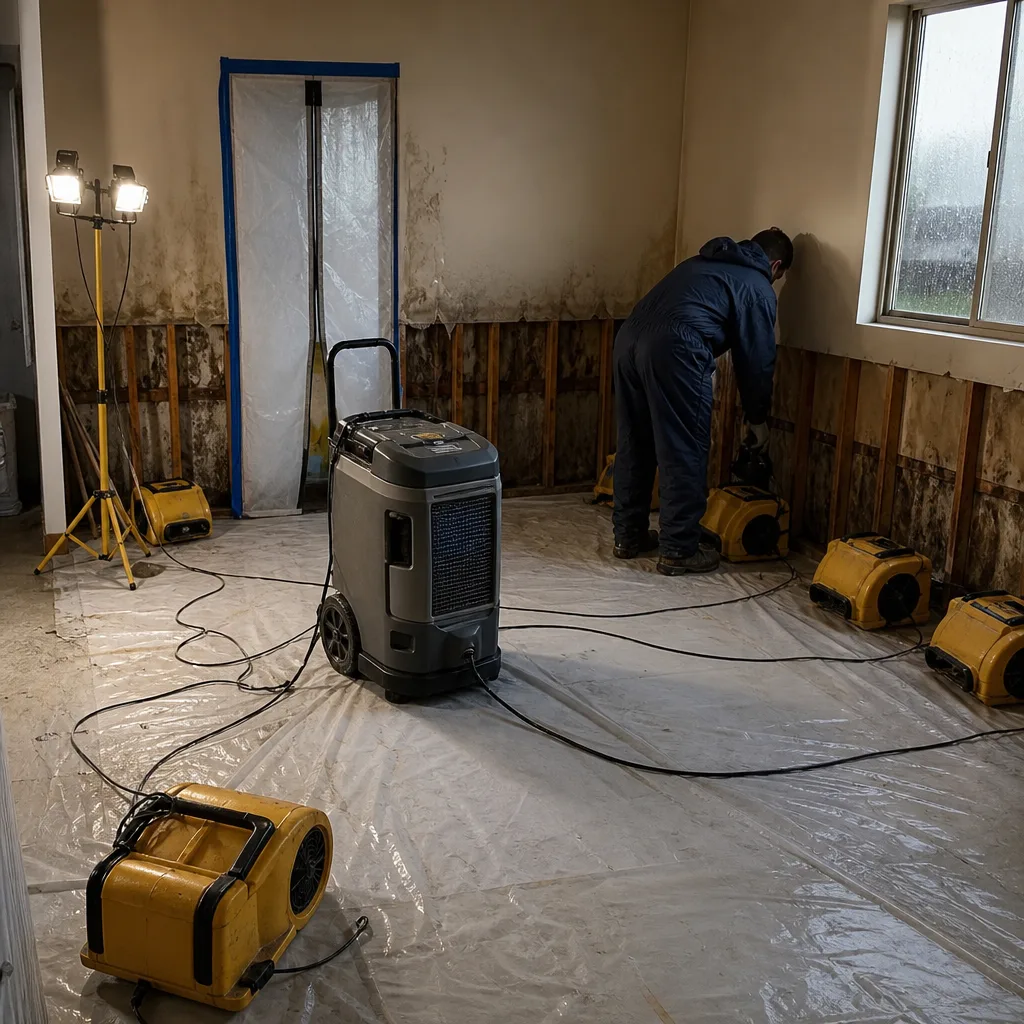
Insurance claims succeed or fail on documentation. We know because Alicia Brennan founded Back to Dry Restoration in 2011 after working as a claims adjuster and watching homeowners lose coverage over incomplete drying logs. Every Gardena job we handle starts with a photo record in the first hour and ends with a line-item scope that matches industry-standard estimating platforms.
We speak directly with your adjuster, provide moisture readings in the format carriers expect, and flag coverage issues early - like whether your policy’s mold cap applies or if the loss traces to a covered water event. Our 12,000+ restored homes since 2011 taught us what documentation turns a questioned invoice into a paid claim.
What We Provide Your Insurer
- Thorough documentation of the loss
- Photos of all damage, room by room
- Moisture readings and drying logs
- A detailed, line-item scope of work
- Direct coordination with your carrier
Built for Gardena’s Loss Calendar
January through March brings the heaviest slab-leak calls. Cold snaps stress Gardena’s aging copper and galvanized lines, and homeowners running space heaters dry interior air that draws moisture through slab cracks. April and May see El Niño-driven sheet flooding - Gardena’s flat terrain and 1950s clay storm drains back water into garage entries and slab-level doorways. June through September, warmer inland temperatures accelerate wood shrinkage and roofing cracks; when rare summer storms hit, water finds new paths.
October and November are peak mold-discovery months. Residents open windows after summer, feel drafts, and notice mustiness for the first time. The colonies have been growing since spring. December brings holiday plumbing overloads on original 1950s drain lines. Year-round, the dominant pattern is the same: slab leak, silent moisture migration, delayed discovery, advanced remediation. That’s why our Gardena crews carry slab-moisture probes on every truck.
Mold Remediation Across Gardena’s Neighborhoods
North Gardena, near the intersection of Rosecrans Avenue and Vermont Avenue, holds some of the city’s oldest 1940s tract homes. Original galvanized supply lines here are well past corrosion failure. We regularly find slab leaks that have saturated subflooring beneath original oak hardwood - salvageable if caught early, requiring full replacement if the paper-backed drywall below has molded.
The blocks west of Western Avenue between Gardena Boulevard and Redondo Beach Boulevard sit in Gardena’s most concentrated mixed-use zone. Single-family homes share fence lines with light-industrial parcels. When these homes flood, our techs run volatile organic compound screening alongside standard moisture mapping. A neighbor’s grease-trap backflow or historic solvent contamination changes the remediation protocol entirely.
South Gardena near Artesia Boulevard features slightly newer 1960s construction with the same slab foundations but often a first repipe to copper. These homes show fewer slab leaks but more roof-damage mold from El Niño wind events. The 190th Street corridor, with its larger lot sizes, sees more extensive crawl space and garage contamination - outbuildings and converted carports that lack proper vapor barriers.
Near the Gardena Memorial Hospital vicinity, post-war duplexes and small apartment buildings present their own pattern: shared walls mean mold in one unit often requires inspection of adjacent cavities, and landlord-tenant coordination complicates access. We document everything for both property management and resident insurance carriers.
Specialized Mold Remediation Services We Offer in Gardena
Mold Inspection & Testing
We start with moisture mapping and thermal imaging, then collect air and surface samples for independent lab analysis. In Gardena, we add slab-moisture probing as standard - surface testing misses what’s feeding colonies beneath your flooring. Results typically return in 48 hours with species identification and remediation recommendations.
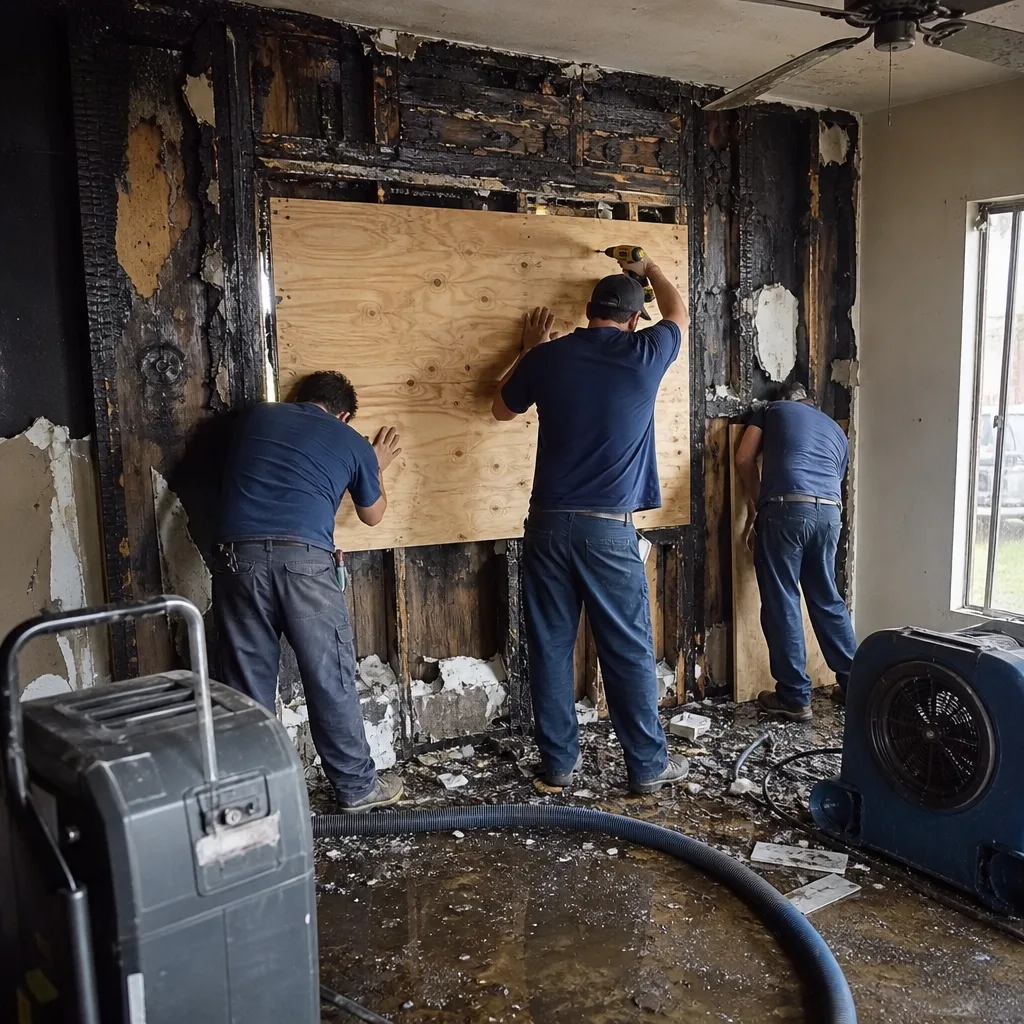
Mold Removal
Containment, negative air pressure, HEPA filtration, and controlled demolition of non-salvageable materials per IICRC S520. For Gardena’s slab-leak-driven jobs, removal is only half the task - the concrete must be dried to acceptable moisture content before rebuild, or mold returns within months.
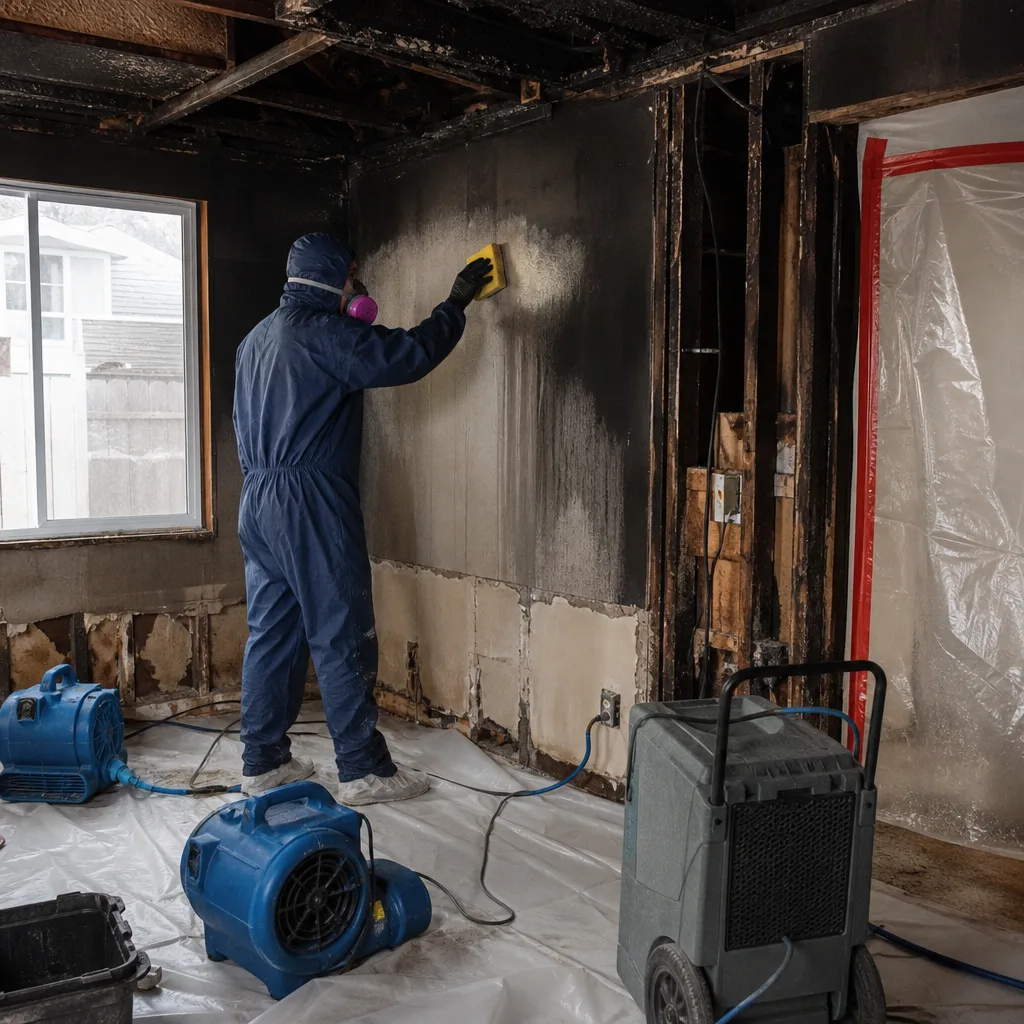
Black Mold Remediation
Stachybotrys chartarum and other toxigenic species require enhanced containment and PPE protocols. We don’t use scare tactics - we document what the lab found, explain the actual health risk level, and scope work proportionally. Full containment with air scrubbers running at 6-12 air changes per hour is standard for any confirmed toxigenic growth.
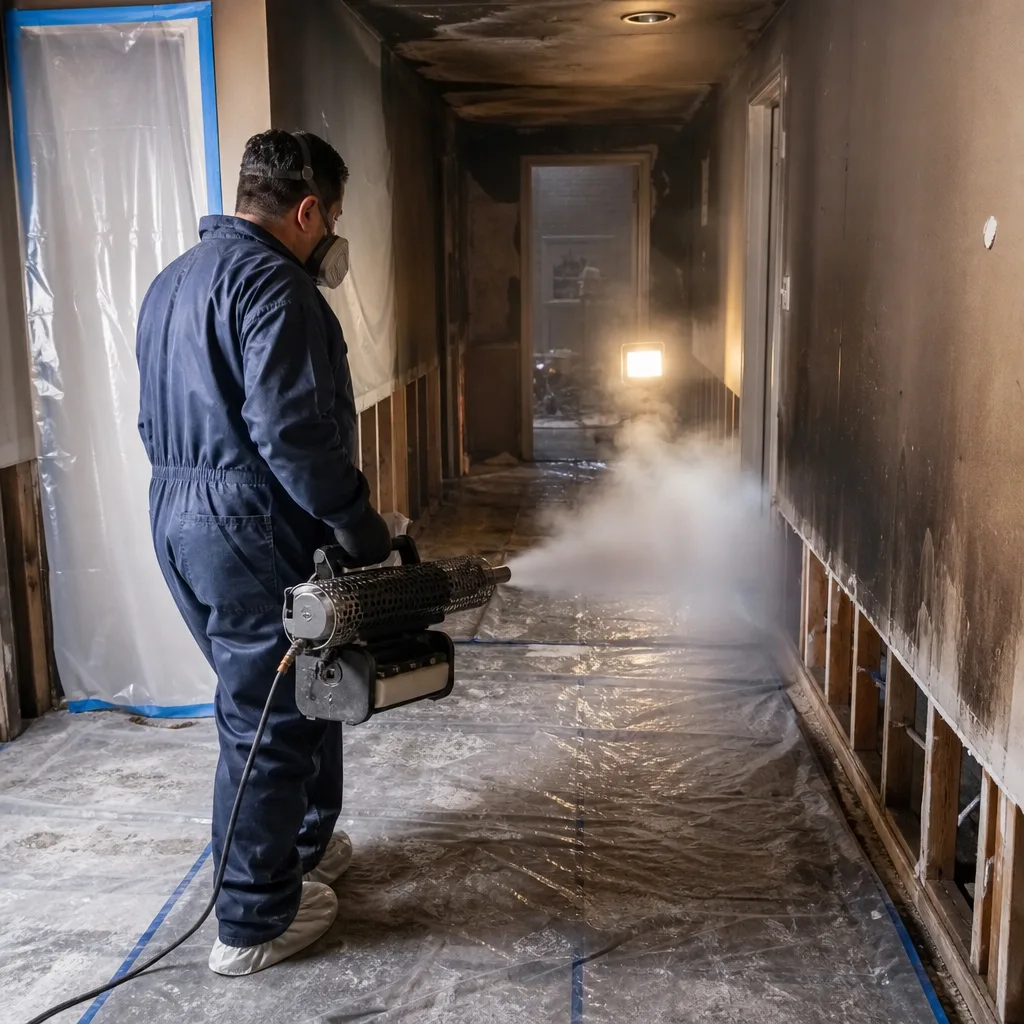
Air Quality Restoration
Post-remediation, HEPA scrubbers continue running until third-party clearance testing confirms spore counts at or below outdoor baseline. In Gardena’s tighter 1950s floor plans with limited natural ventilation, we often recommend upgraded HVAC filtration and humidity control as permanent preventive measures.
Crawl Space Treatment
Gardena’s few remaining raised-foundation homes, mostly pre-1945 near the original downtown grid, suffer from ground moisture vapor and poor ventilation. We install vapor barriers, dehumidify to 50% relative humidity or below, and treat structural timbers with borate-based preservatives where fungal decay is present.
Moisture & Humidity Control
The permanent fix for recurring mold. After remediation, we identify and correct moisture sources - slab leak repair coordination, drainage improvements, ventilation upgrades, or whole-home dehumidification. Without this step, you’re treating symptoms while the disease continues.
What happens when you call
- 1
A real person answersNo phone trees - you reach a local pro.
- 2
You get an upfront price rangeHonest numbers before anyone is dispatched.
- 3
A background-checked tech heads outLicensed & insured, dispatched right away.
- 4
You approve before work beginsNothing starts until you say go.
Mold Remediation Costs in Gardena, CA
A typical contained mold remediation in Gardena runs $1,800-$4,500. This covers localized growth in one or two rooms with limited material removal, standard drying, and antimicrobial treatment. Jobs involving slab leaks with extended moisture migration behind finished walls range $5,000-$8,500. Extensive whole-home colonization, hazmat-class contamination from vapor intrusion, or reconstruction of significant structural elements can reach $10,000-$15,000+.
What moves the price: square footage affected, material types (tile vs. hardwood vs. plaster), whether the moisture source is still active, and whether hazmat protocols apply. Insurance typically covers mold resulting from a sudden, covered water event - not long-term maintenance neglect. We provide a written price before work begins, every time, with no scope-creep additions once the crew is inside. Haven Standard, Clause 1. Bring a competitor’s written estimate and we’ll review it free - our Free Second Opinion policy.
We Also Serve Cities Near Gardena
Our crews respond throughout the South Bay and Harbor Gateway area, including Hawthorne to the north with its similar post-war housing stock, Compton to the east where aging infrastructure drives comparable slab-leak patterns, Torrance to the southwest with its mix of mid-century and newer construction, and Carson to the southeast where industrial-residential adjacency creates contamination risks like those we see near Western Avenue in Gardena.
Serving Gardena, CA - Our Local Coverage Area
We’re based in the Gardena area and know this community well. Use the map below to see our service coverage - if you’re nearby, we can almost certainly help.
Gardena Mold Remediation Questions, Answered
Why does mold keep coming back in my Gardena home even after I clean it?
Because surface cleaning doesn’t stop the moisture source. In Gardena’s slab-on-grade homes, a corroded copper or galvanized supply line beneath your floor can wick water upward for months, feeding new colonies as fast as you wipe old ones. We moisture-map the slab first, find the leak, dry the concrete to below 4% moisture content, then remediate. Call (424) 305-3365 for a free inspection that finds the real source.
My neighbor near Western Avenue had a chemical smell after a water leak - should I worry about my own home?
If you live in Gardena’s mixed-use blocks near Western Avenue, yes - historic dry-cleaning and auto-refinishing operations have left solvent residues in soil and slabs that can vaporize during flooding. Standard mold remediation won’t address this. We screen for volatile organic compounds and discoloration patterns that signal hazmat-class contamination, then apply protocols beyond IICRC S520 if needed. Call (424) 305-3365 if you notice chemical odors with mustiness.
How fast can mold start growing after a slab leak in Gardena?
Mold colonization can begin within 24-48 hours of sustained moisture on organic material. In Gardena’s warm inland climate, especially during summer months, that timeline compresses. The real problem is detection delay - slab leaks often run for 2-6 months before visible signs appear, by which time colonies are well-established behind walls. Early moisture mapping is the only way to catch it fast. We offer same-day inspection - call (424) 305-3365.
Do you have to tear out my hardwood floors to remediate mold from a slab leak?
Not always. If moisture readings from the slab and subfloor show limited penetration, we can use Injectidry mat systems to dry from beneath while HEPA-scrubbing the air above. Cupped but structurally sound boards often flatten after controlled drying. If the mold has penetrated the paper backing of underlying drywall or the subfloor itself, selective removal is necessary. We document both options with photos and a written scope before you decide. Call (424) 305-3365 for an assessment.
What brands of drying equipment do you use for mold remediation in Gardena?
We deploy professional-grade systems from Dri-Eaz, Phoenix, XPOWER, B-Air, and Injectidry - equipment documented to IICRC, RIA, and IFA standards. For Gardena’s slab-leak jobs, Injectidry’s subfloor drying mats and Phoenix’s low-grain refrigerant dehumidifiers are particularly effective at pulling bound moisture from dense concrete. Daily moisture logs from this equipment become part of your insurance documentation. Call (424) 305-3365 to discuss our equipment protocols.
Will my insurance cover mold remediation in Gardena?
Insurance covers mold that results from a sudden, accidental water event - burst pipe, storm intrusion, appliance failure - but typically excludes mold from long-term leaks or maintenance neglect. The key is documentation proving the loss was sudden and that remediation began promptly. Our photo records, moisture logs, and written scopes are built for adjuster review. We coordinate directly with your carrier. Call (424) 305-3365 and we’ll review your situation.
How long does mold remediation take in Gardena?
Contained, single-room jobs typically complete in 3-5 days. Slab-leak remediation with structural drying runs 7-14 days depending on concrete moisture depth and whether reconstruction is included. Third-party clearance testing adds 48 hours. We don’t rush drying - psychrometric data determines when the job is done, not a calendar. You’ll receive daily moisture logs showing progress. Call (424) 305-3365 for a timeline based on your specific damage.
Can my family stay in the home during mold remediation?
For contained, Category 1-2 jobs in Gardena’s open floor plans, residents often remain with the work zone sealed and air scrubbers running. Category 3 contamination, toxigenic species, or extensive demolition requires temporary relocation - we specify this in the written scope before work begins. Infants, elderly residents, and anyone with respiratory conditions should leave during any active remediation. We’ll discuss your household’s needs during the free inspection. Call (424) 305-3365 to schedule.
We got a call from a homeowner on a quiet block off Western Avenue who noticed a musty smell and slight cupping in the dining room hardwood. Our tech pulled moisture readings from the slab and found a failed copper supply line under the floor - moisture had been wicking up silently for months, feeding mold colonies on the drywall’s paper backing. After a full moisture mapping and containment setup, we ran Injectidry mats to dry the slab, HEPA-scrubbed the air, and applied an antimicrobial treatment before re-testing. The fix required a repipe and a targeted scope of work that combined structural drying with mold removal so the floor could be saved.
That job illustrates what separates proper Gardena mold remediation from a surface treatment that fails in six months. The slab leak had to be found first. The concrete had to be dried to specification. The air had to be cleared before rebuild. And the documentation had to be complete enough that the homeowner’s insurer paid the claim without dispute.
We bring the same approach to every Mold Remediation in Gardena property we serve: find the source, document everything, fix it once, guarantee it for a year. The Haven Standard, applied by Alicia Brennan’s team since 2011.
Written by Alicia Brennan, Owner at Back to Dry Restoration, serving Gardena since 2011.