
Free visual inspection and a written scope of work before any mitigation begins - photos, moisture readings, and drying logs go in your claim file
The scope we write is the scope we bill. Anything new gets shown to you, in writing, before we touch it.
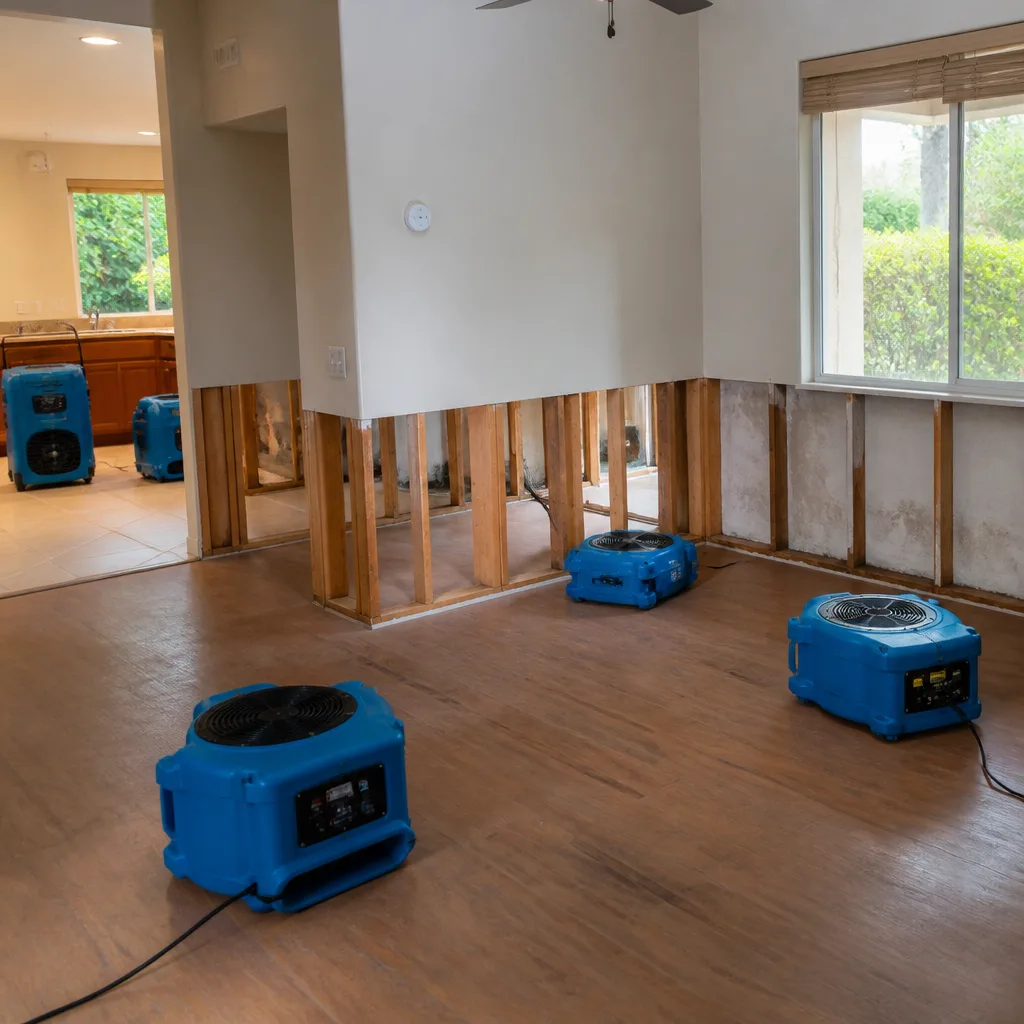
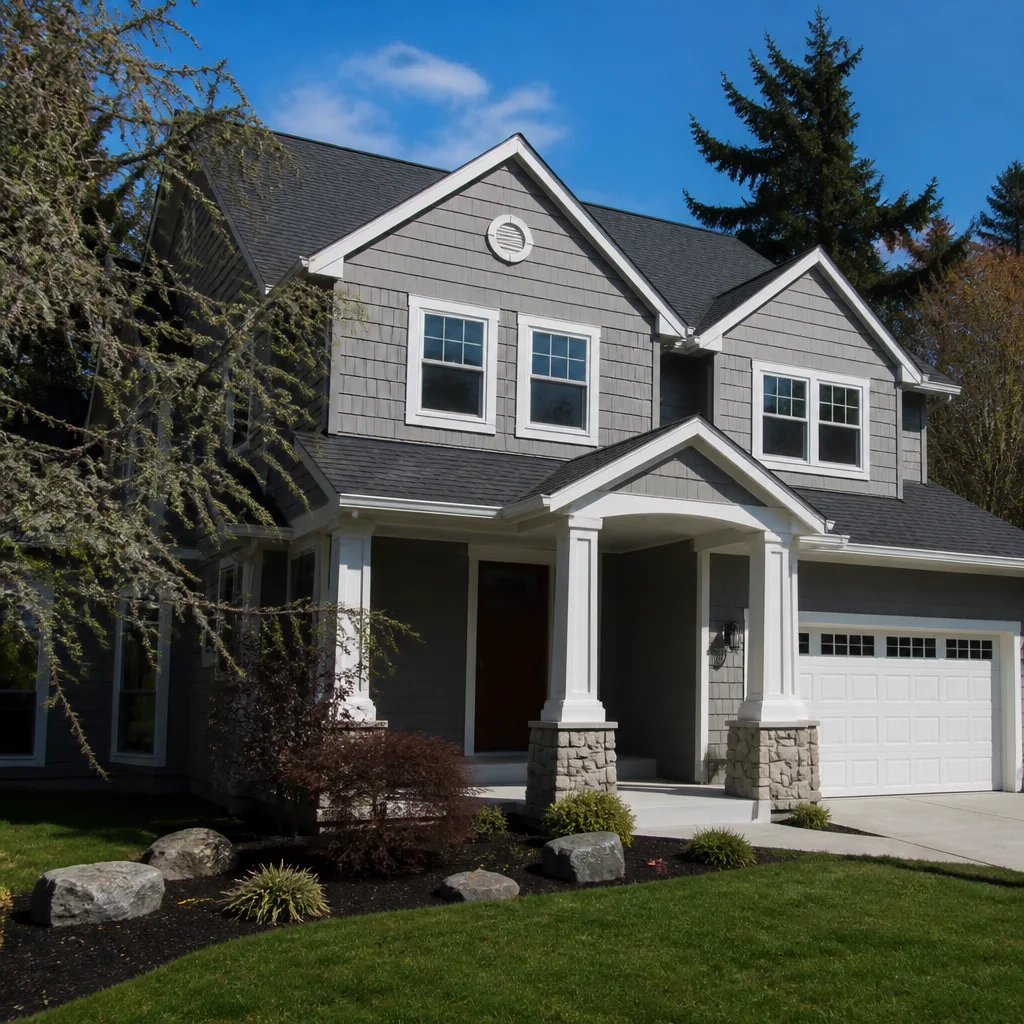
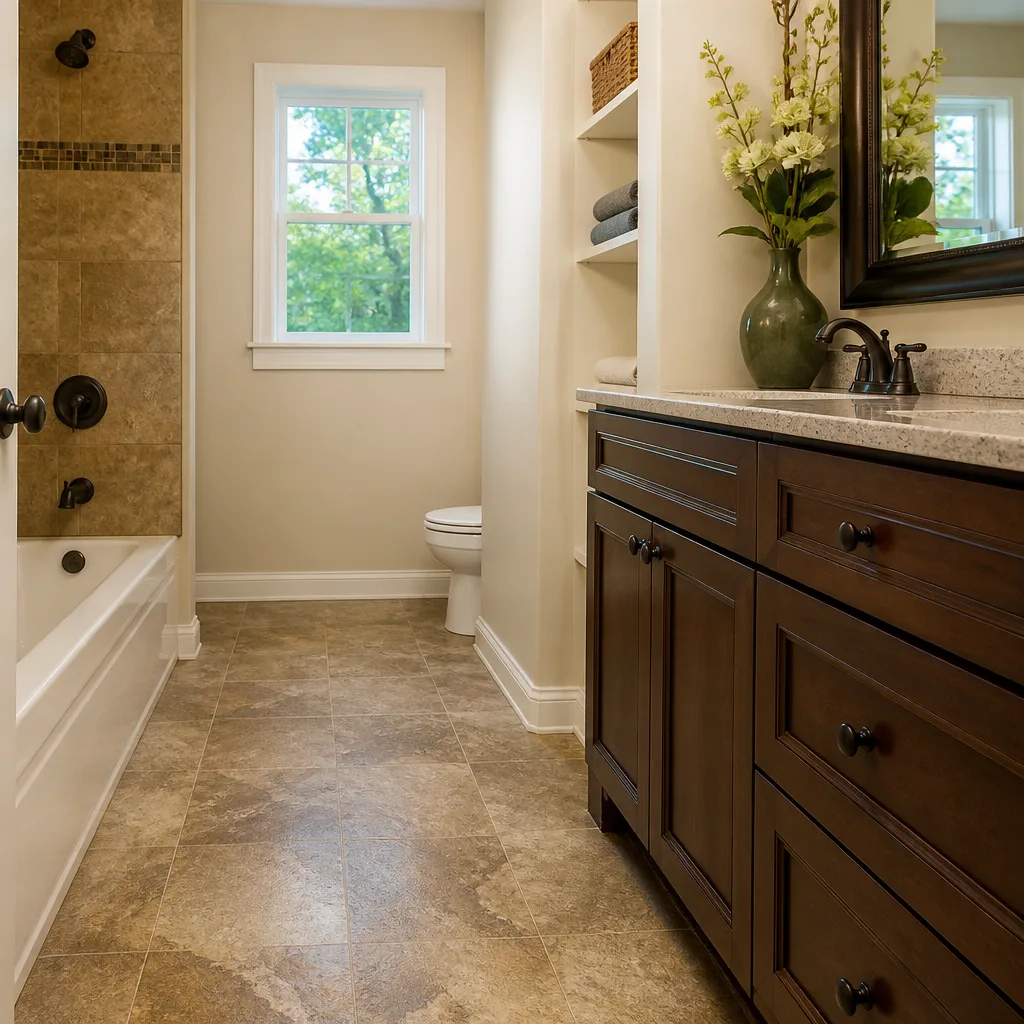
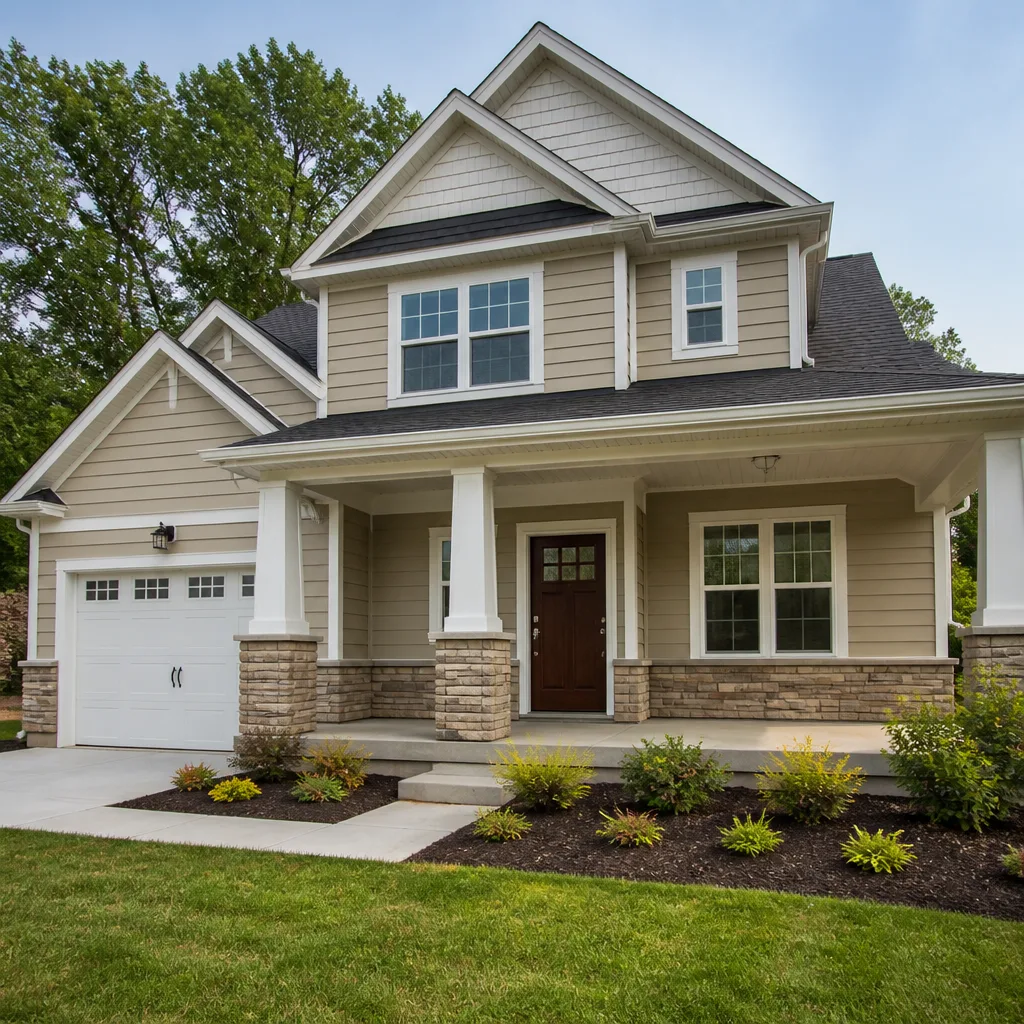
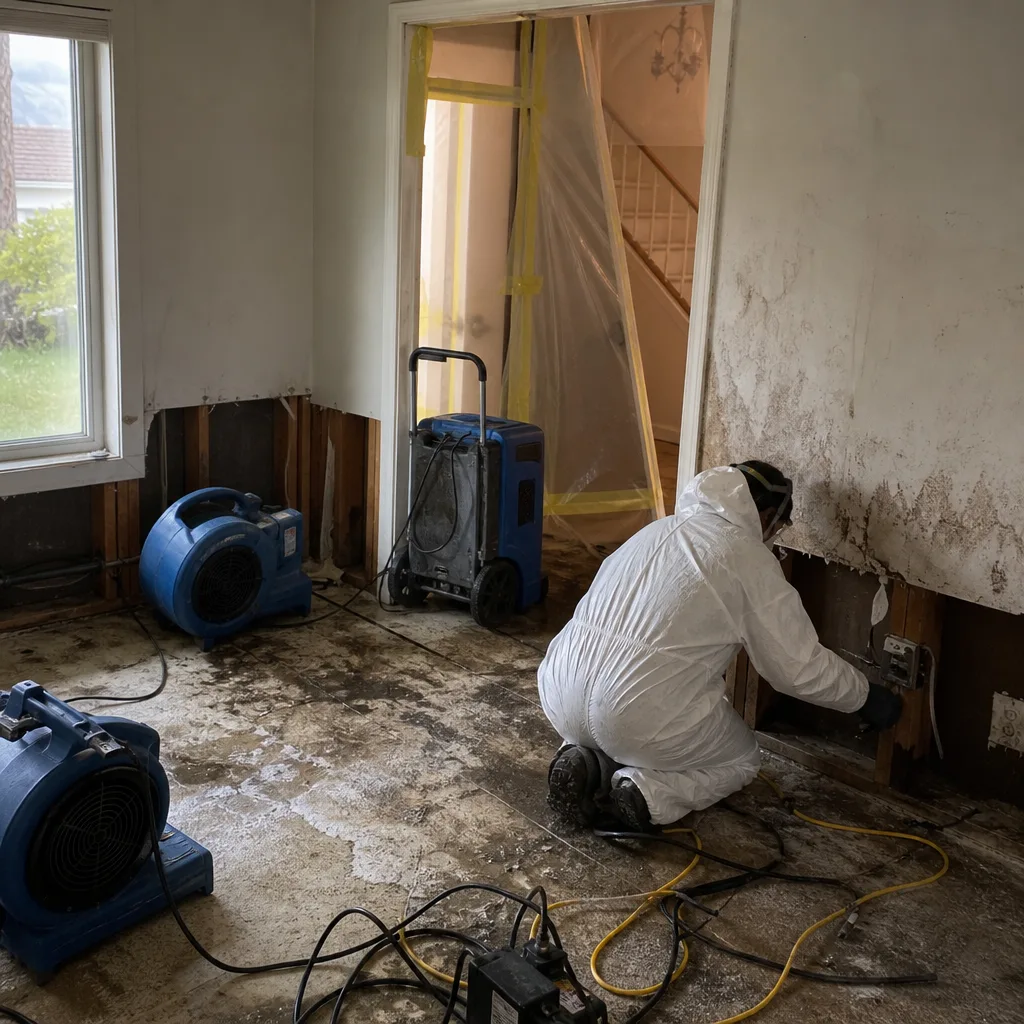 Before
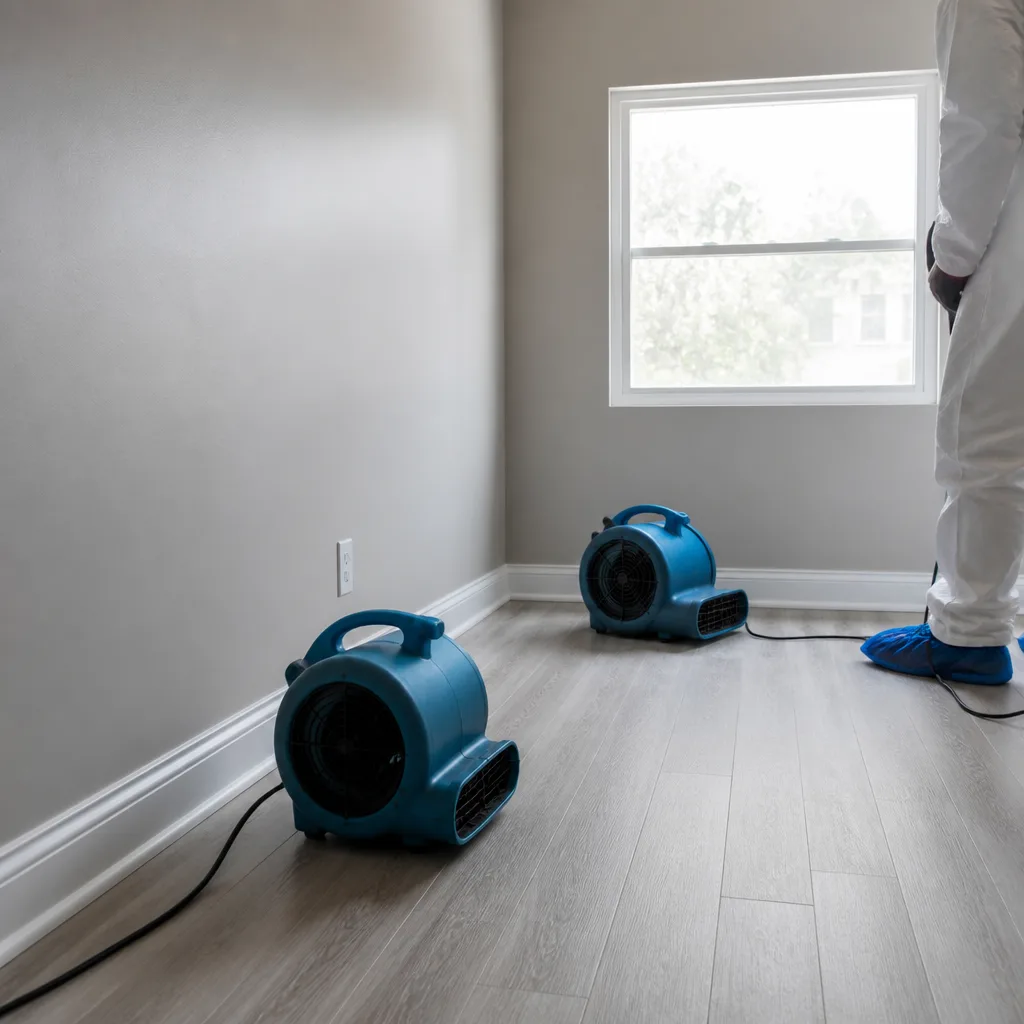 After
After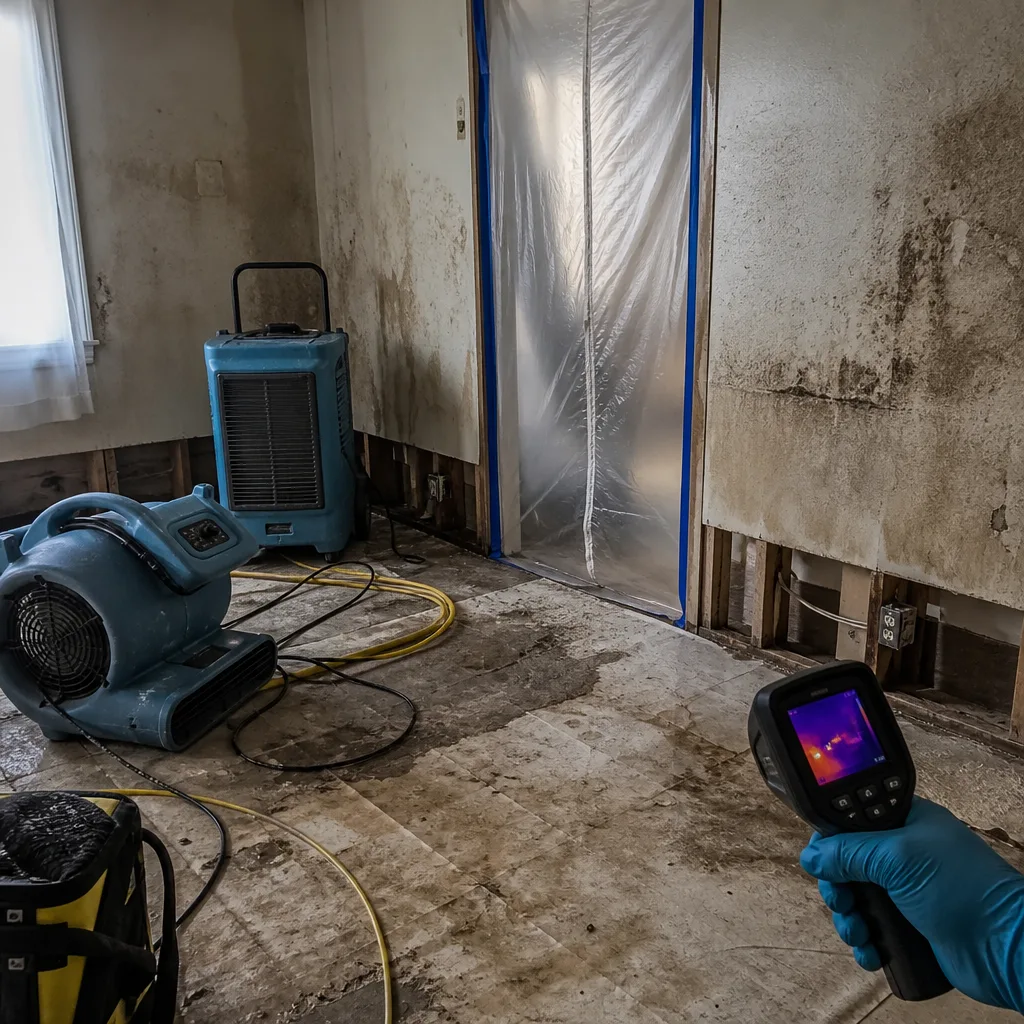 Before
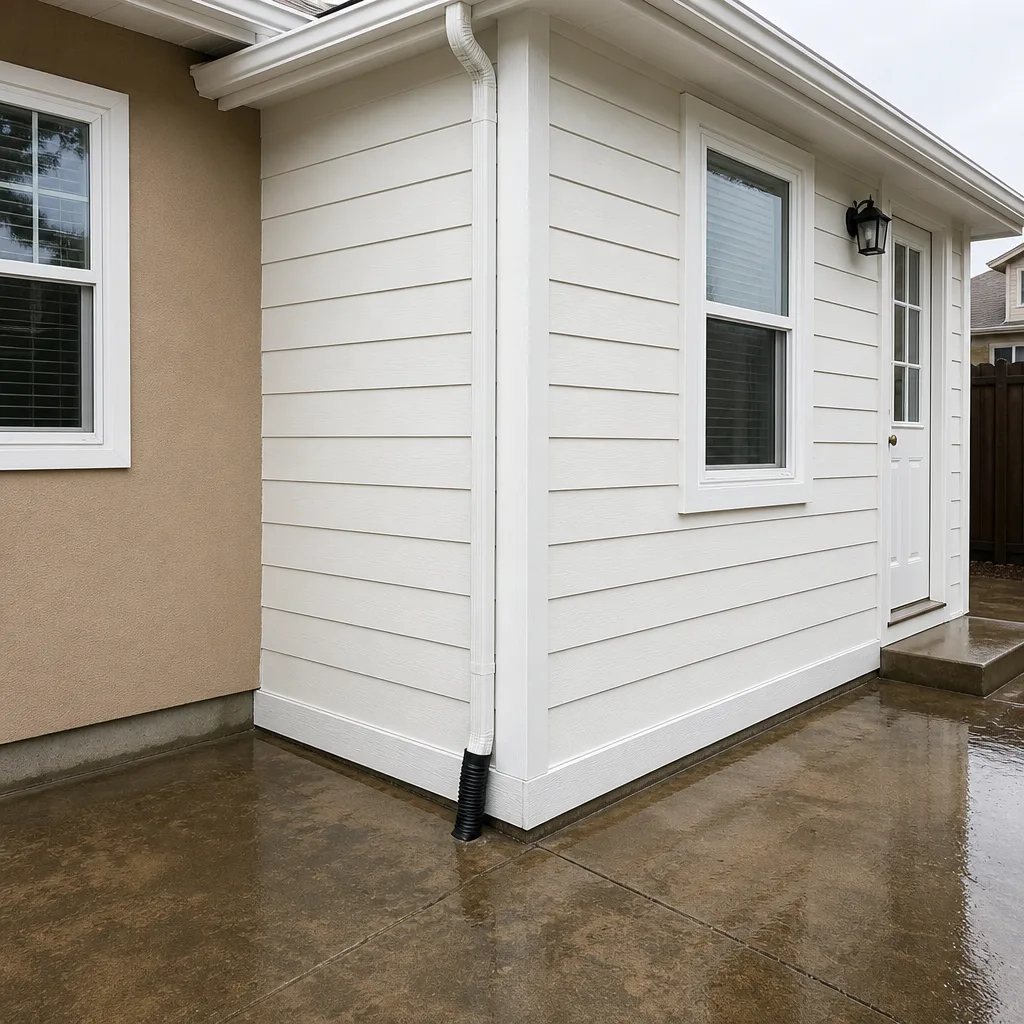 After
After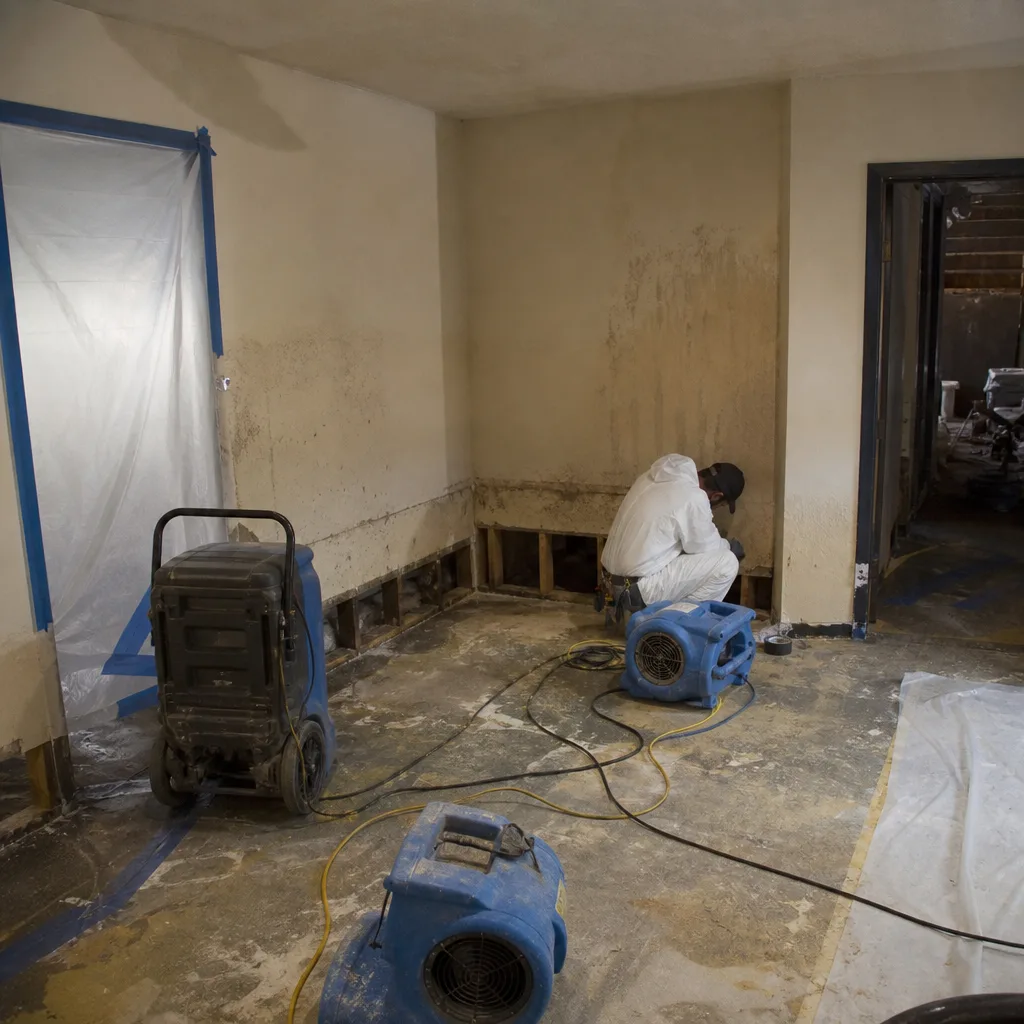 Before
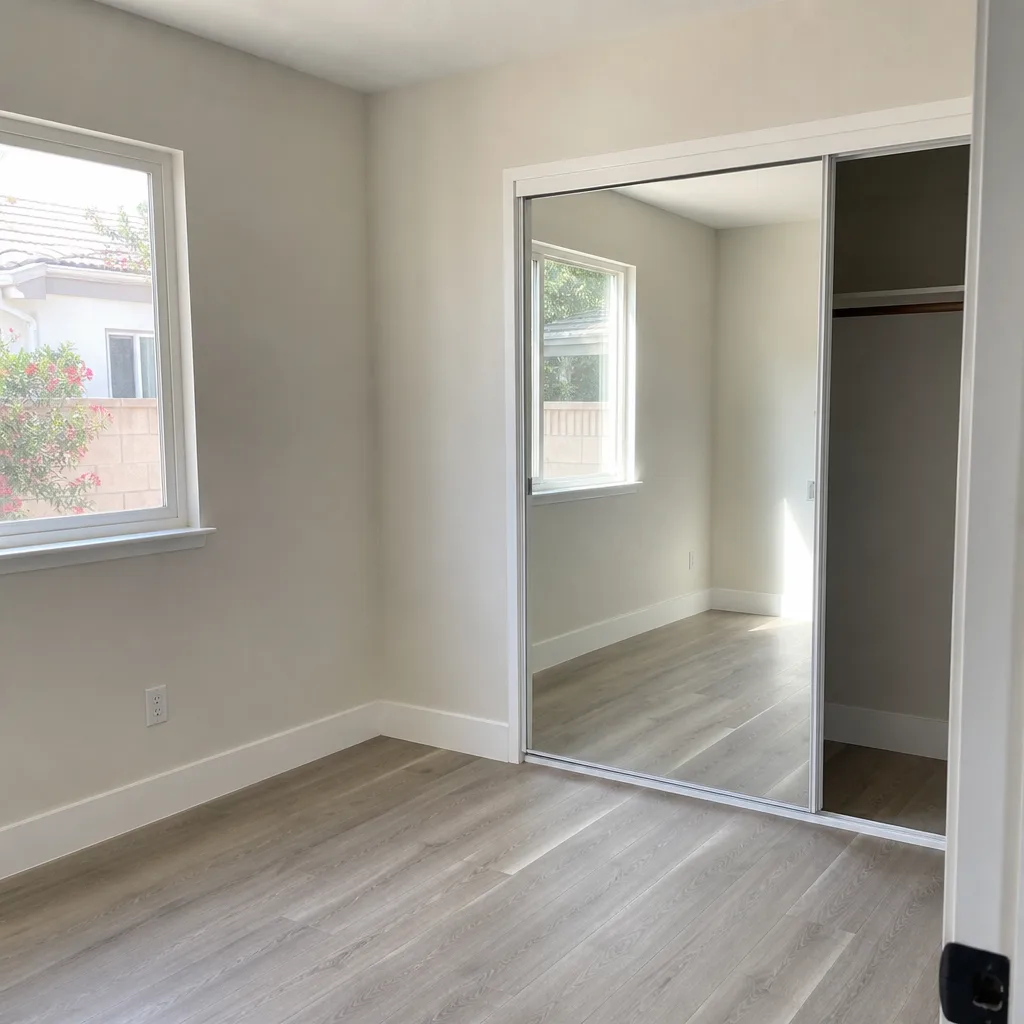 After
After24/7 Emergency Water Damage Restoration in Compton
Water damage restoration in Compton typically costs $1,800-$6,500 depending on category and square footage, and our crews dispatch within 45 minutes for active leaks and flooding. Call (424) 305-3365 now - a live person answers every emergency line, 24 hours a day, with no voicemail trees while water is still moving through your walls.
We coordinate dispatch from our Los Angeles office and route crews directly into Compton’s neighborhoods. The first hour determines whether a water loss stays a mitigation job or becomes a full reconstruction. Standing water wicks upward into drywall at a rate of one inch per hour. In Compton’s 1940s-60s bungalows with original plaster and lath, that wicking happens faster than in modern construction because the wall cavities aren’t sealed. Our Water Damage Restoration team arrives with thermal imaging, moisture meters, and extraction equipment to stop the migration before it reaches electrical runs and insulation.
Understanding Water Damage Restoration Severity in Compton Properties
Water damage breaks into three categories, and Compton’s geography makes Category 3 losses more common here than in surrounding cities. Category 1 is clean water from a burst supply line. Category 2 is gray water with chemical or biological contamination, like a washing machine discharge. Category 3 is black water: sewage, ground flooding, or any water that has passed through soil or waste systems. When Compton Creek backs into crawl spaces along the Dominguez Channel corridor, that water carries urban runoff, petroleum residue, and raw sewage. It is Category 3 by definition, and drying is not an option - removal and replacement are mandatory under IICRC S500 standards.
Moisture mapping is how we find what you cannot see. Our techs use non-penetrating meters to scan wall surfaces, then confirm with deep-probe readings in studs and subfloors. In Compton’s post-war stucco bungalows, we regularly find moisture trapped behind the wire lath that modern drywall homes don’t have. Structural drying requires calculating the specific humidity, temperature, and vapor pressure differential - the force that drives moisture out of materials and into the air we exhaust. Without psychrometric data, you’re guessing. We document every reading.
Many of these homes also contain original asbestos floor tiles, asbestos-cement roofing, and lead paint. Any disturbance of these materials triggers Cal/OSHA and CARB hazmat protocols. A contractor who skips pre-restoration sampling and starts tearing out wet substrate can legally stop your job mid-mitigation and expose you to liability.
Why Compton Property Owners Choose DryMark Restoration Carson
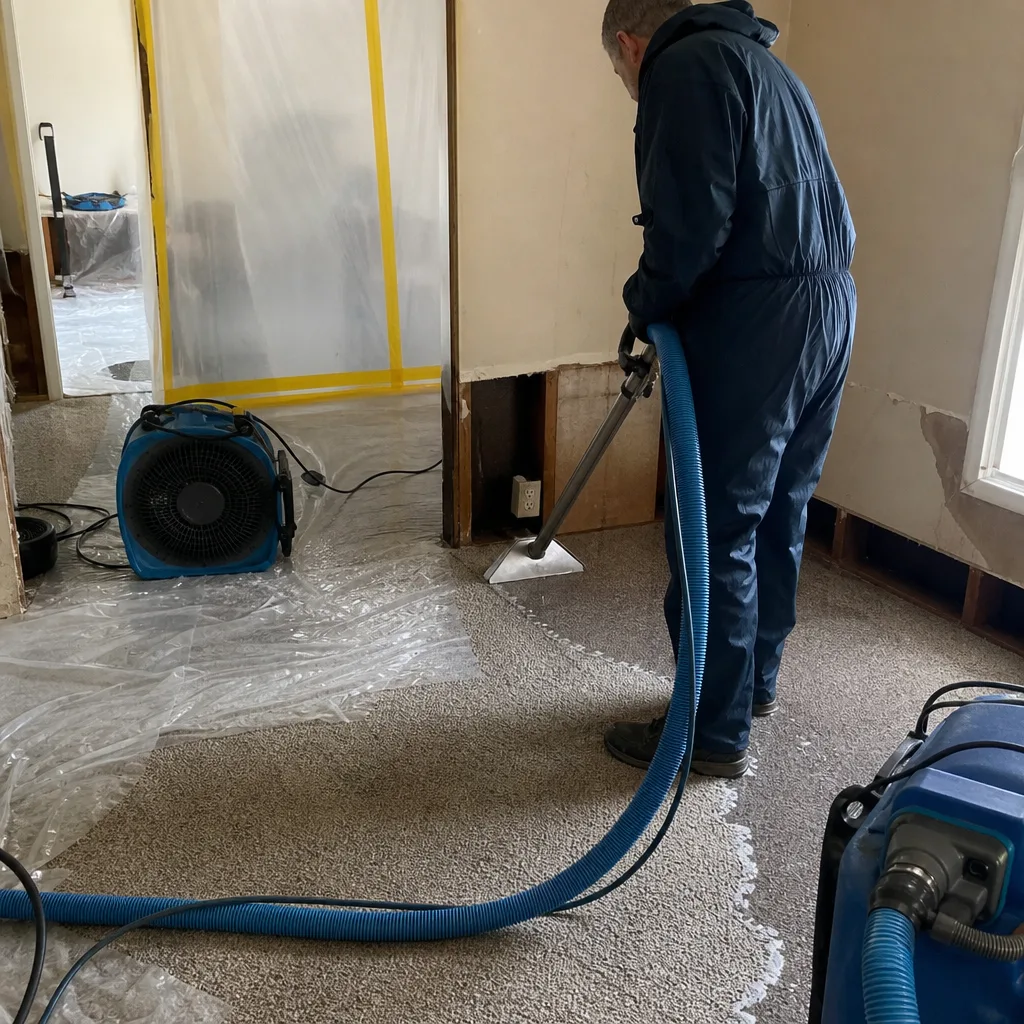
- 45-minute response commitment to active water losses in Compton - because every minute of standing water adds square footage to the mitigation scope.
- 24/7 live answer by a real person, never an automated system or next-business-day callback while water is still migrating through your floor plates.
- IICRC-certified crews holding WRT (Water Damage Restoration Technician) and AMRT (Applied Microbial Remediation Technician) credentials, with license numbers documented on every work order.
- Free visual inspection and moisture assessment - we show you the readings before we quote a dollar.
- Direct insurance billing with photo-documented drying logs that turn restoration invoices into payable claims without adjuster disputes.
- One team from extraction through reconstruction - no handoffs between mitigation and rebuild contractors, and no blame-shifting when something doesn’t line up.
 Before
 After
AfterOur Water Damage Restoration Process
1. Inspection & Assessment
We arrive with thermal imaging cameras, penetrating and non-penetrating moisture meters, and hygrometers to map the full extent of water migration. In Compton’s older bungalows, we sample for asbestos and lead paint before disturbing any substrate - because finding it mid-job costs days and adds thousands.
2. Water Extraction & Stabilization
Standing water comes out first: truck-mounted extraction for carpet and padding, submersible pumps for crawl spaces and basements, and weighted extraction tools to pull water from saturated pad without removing it when salvageable. We document gallons removed and square footage affected.
3. Structural Drying & Dehumidification
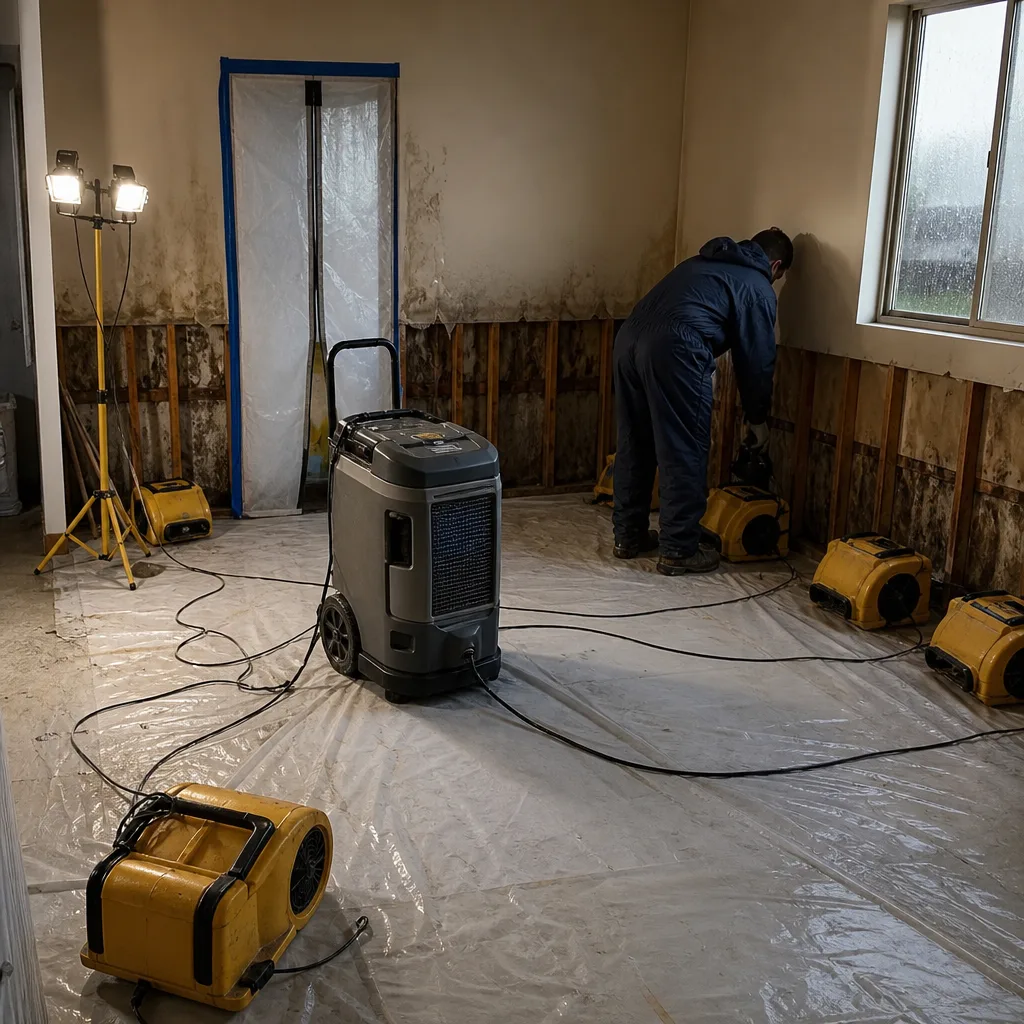
We deploy Phoenix and Dri-Eaz LGR dehumidifiers alongside XPOWER and B-Air axial air movers positioned to create controlled airflow across wet surfaces. In Compton’s flat basin neighborhoods where overnight humidity stays elevated by the marine layer, we run longer drying cycles with daily moisture logs to prove tertiary drying is complete.
4. Cleaning & Sanitization
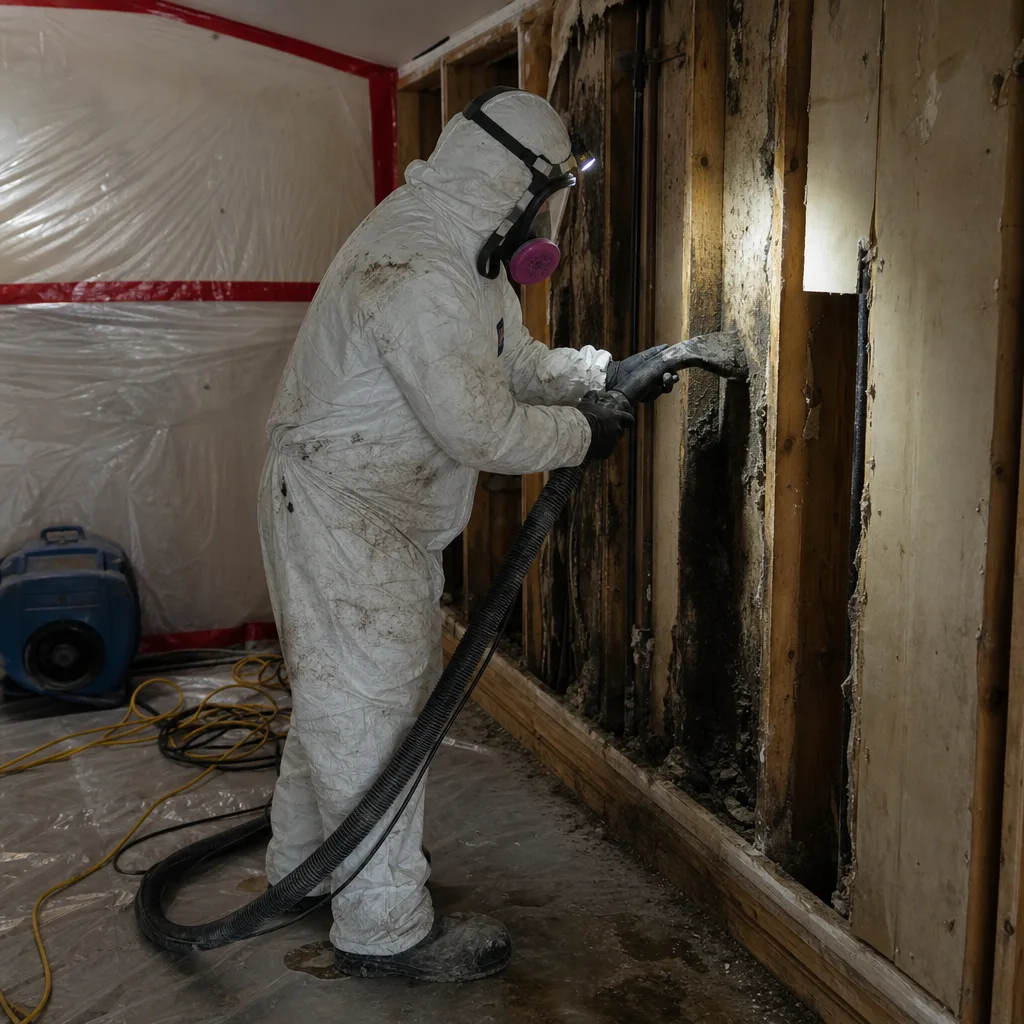
Category 2 and 3 losses receive antimicrobial treatment of all affected surfaces, HEPA vacuuming of particulate, and disposal of contaminated porous materials per IICRC standards. We photo-document every treated area before we close the containment.
5. Asbestos & Lead Abatement Coordination
When pre-restoration sampling confirms asbestos-cement roofing, floor tiles, or lead paint, we halt structural work and coordinate certified abatement before continuing. This is not optional in Compton’s 1940s-60s housing stock - it is Cal/OSHA law, and skipping it voids insurance coverage and creates homeowner liability.
6. Repairs & Restoration
Once drying targets are met and clearance documentation is complete, we rebuild: drywall, flooring, trim, paint, and any structural repairs. Every job closes with a written scope, photo record, and our 365-Day Done Right Promise under The Haven Standard.
Need Emergency Water Damage Restoration in Compton Now?
Crews minutes away, answering live 24 hours a day. The sooner we start, the less it costs.
Working With Your Insurance Company
Insurance adjusters pay claims that are documented, not promised. From the first hour on your Compton property, we build a file: thermal images showing water migration paths, moisture readings with dates and times, photos of every affected room, and daily drying logs tracking specific humidity and temperature. This is the documentation gap that costs homeowners their claims, and it is why Back to Dry was founded in 2011 by a former adjuster who watched too many valid claims stall for lack of evidence.
We write industry-standard estimates in Xactimate format, the same software carriers use, and we communicate directly with your adjuster - not through you as a relay. When documentation is complete from day one, disputes don’t happen. Haven Standard, Clause 1: a written price before any work starts, every time, with no scope-creep additions once the crew is inside.
What We Provide Your Insurer
- Thorough documentation of the loss
- Photos of all damage, room by room
- Moisture readings and drying logs
- A detailed, line-item scope of work
- Direct coordination with your carrier
Built for Compton’s Loss Calendar
January through March brings the heaviest El Niño-pattern storms to Compton’s position in the LA Basin. The Dominguez Channel and Compton Creek system, built for a smaller watershed, backs into residential blocks north of Rosecrans Avenue and east of Alameda Street when rainfall exceeds two inches in six hours. We see crawl space flooding spike 40% in these months, and the persistent marine layer that follows keeps humidity above 70% for days - the threshold where black mold colonizes wet wall cavities in 24 to 48 hours.
April through June shifts to supply-line failures as temperature swings stress aging galvanized and early copper plumbing in unretrofitted bungalows. July and August bring monsoonal thunderstorms with localized flash flooding on Compton’s flat grades, particularly in the Richland Farms area where acreage properties have longer drainage runs. September through November is wildfire season in the broader region, but for Compton it means Santa Ana wind events that damage aging composition roofs and create the intrusion points for winter rains. December is preparation month: we inspect and document vulnerable properties before the January storms arrive.
Water Damage Restoration Across Compton’s Neighborhoods
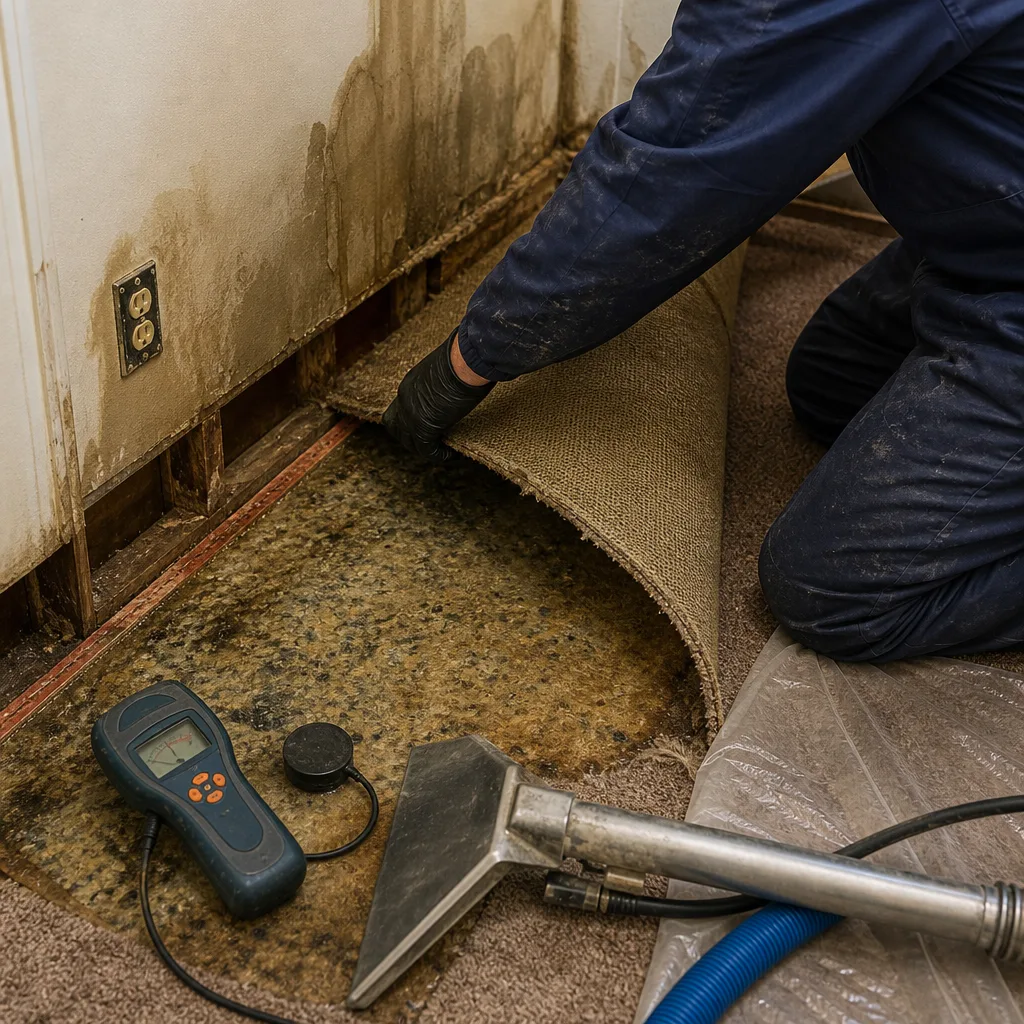
Compton is not uniform, and neither are its water losses. In the historic downtown corridor near Compton Boulevard and Willowbrook Avenue, 1920s commercial buildings with flat tar-and-gravel roofs suffer membrane failures that flood second-story tenant spaces. The mitigation challenge is containment across multiple occupancy units with separate insurance carriers - we document each unit independently and coordinate with building management to avoid cross-contamination of claims.
South of the 91 Freeway, the residential grid between Acacia Avenue and Santa Fe Avenue is dense with 1950s stucco bungalows on slab foundations. We were called to a 1950s stucco bungalow on the 1300 block of South Acacia Avenue after a burst galvanized supply line flooded the hallway and two bedrooms. Our techs ran moisture mapping across the original oak flooring and the adjacent crawl space, then set Dri-Eaz air movers and a Phoenix dehumidifier with containment to dry the wall cavities - but when our moisture readings flagged saturated composition roofing layers, we stopped and sampled, finding the original asbestos-cement shingles underneath. We completed full abatement before any structural drying could legally continue, then finished the job with antimicrobial treatment and a full scope of work documented in our drying logs for the homeowner’s insurance.
West Compton, near the border with Gardena along Redondo Beach Boulevard, has 1960s ranch homes with raised foundations and larger lots. These properties face different risks: longer drainage runs from roof to ground, and crawl spaces that flood slowly enough that homeowners don’t notice until mold odor announces the problem. Our moisture mapping finds these slow leaks before they require full gutting.
Richland Farms, Compton’s semi-rural eastern edge with acreage properties and equestrian facilities, presents the longest response drives and the most complex water losses - detached workshops, barn structures, and oversized residential buildings with multiple roof planes and extended gutter runs. Crews carry additional equipment and plan for extended drying cycles.
Specialized Water Damage Restoration Services We Offer in Compton
Emergency Water Extraction
Active standing water is extracted within the first hour of arrival using truck-mounted systems rated to 15,000 CFM. In Compton’s slab-foundation bungalows, we pay particular attention to water that has migrated under cabinets and into wall toe-kicks - areas where extraction wands don’t reach and where moisture meters are essential to find what’s hidden.
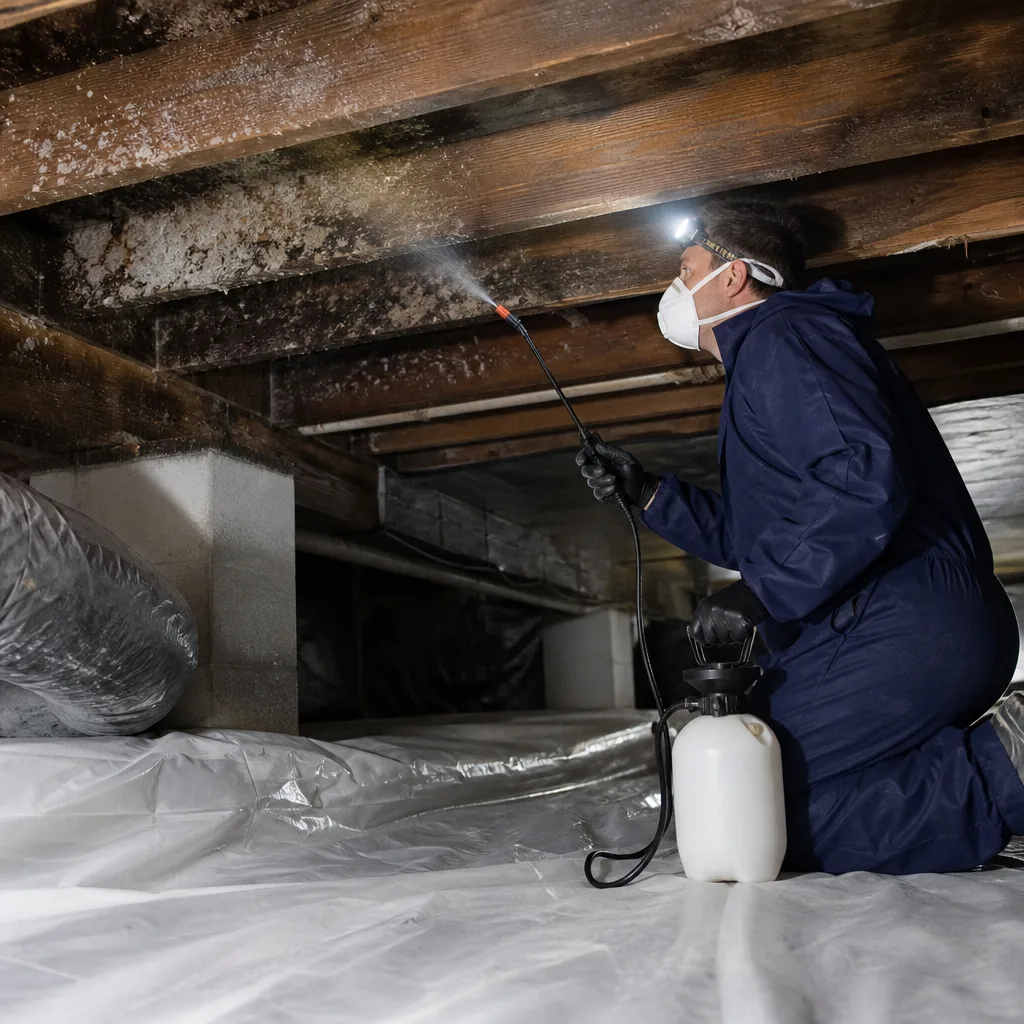
Structural Drying & Dehumidification
We deploy Phoenix 200 HT dehumidifiers and Dri-Eaz Revolution units sized to the cubic footage of the affected space, not the floor area. Compton’s marine-layer humidity means we run longer cycles with lower grain depression targets than inland contractors. Every 24 hours we produce a drying log with psychrometric data: specific humidity, dew point, vapor pressure, and material moisture content.
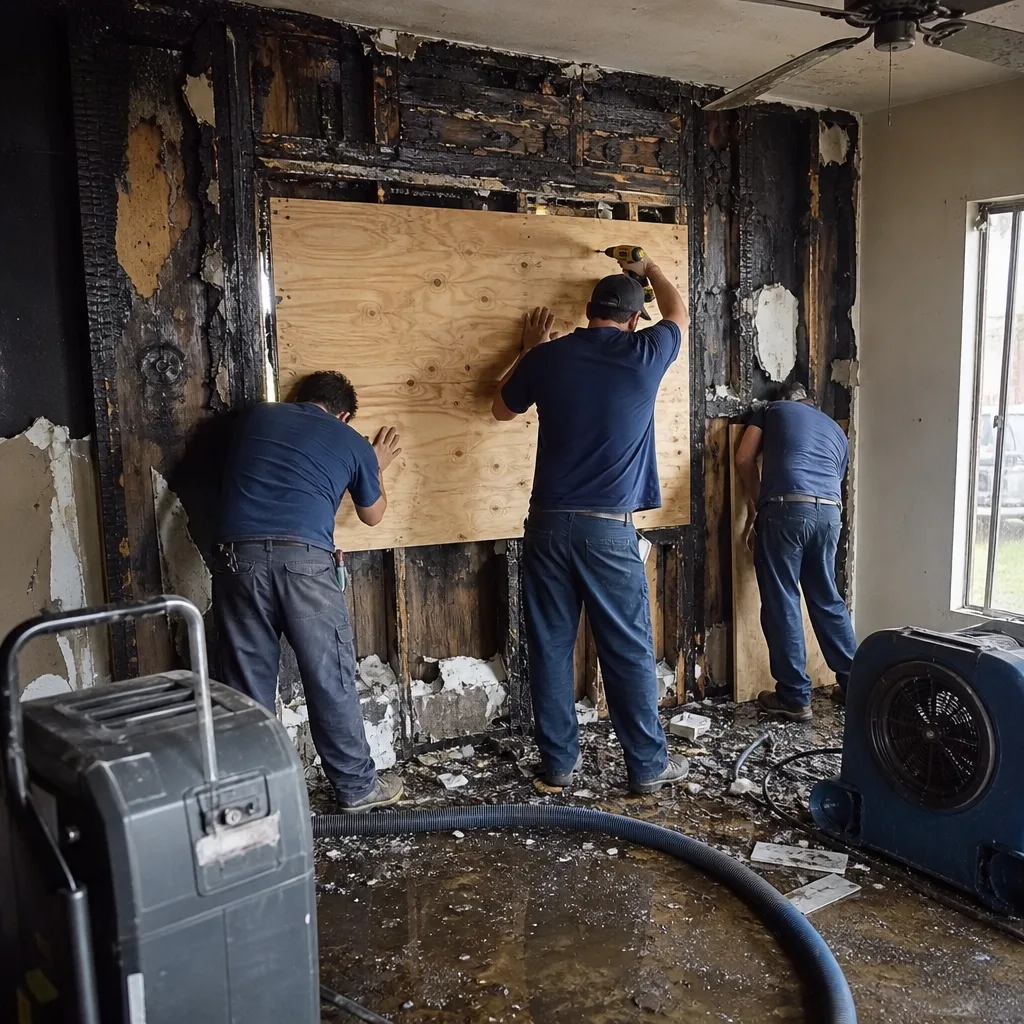
Flood Cleanup
Compton Creek floodwater is Category 3 black water by definition. We do not dry porous materials exposed to it - we remove and dispose of carpet, pad, drywall, and insulation to a minimum of two feet above the visible water line, per IICRC S500. Containment is established with 6-mil poly and negative air pressure via HEPA-scrubbed exhaust. Antimicrobial treatment follows, with clearance sampling before rebuild.
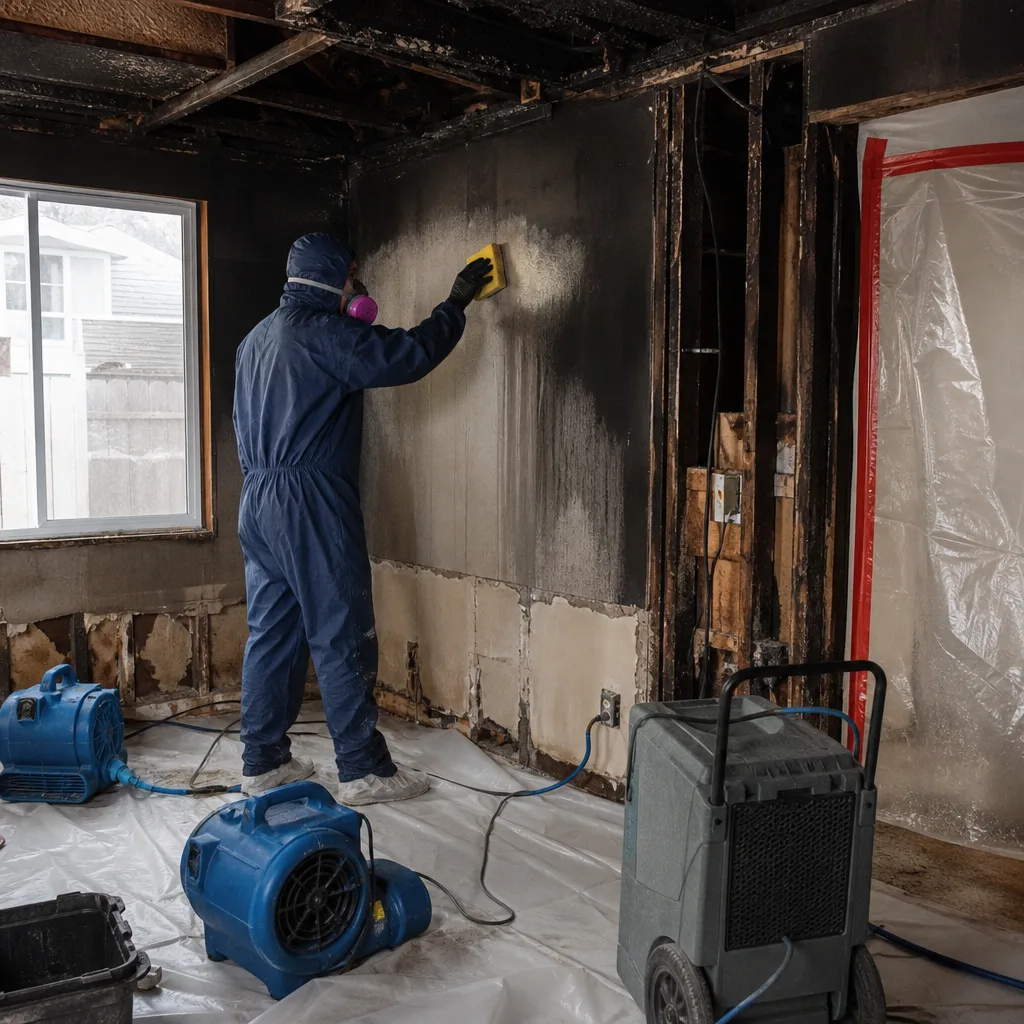
Burst Pipe Restoration
Galvanized steel supply lines in Compton’s 1940s-60s housing stock corrode from the inside, creating pinhole failures that spray inside walls for hours before detection. We locate the breach with thermal imaging, extract the water, and document the line condition for your plumber and your insurance adjuster.
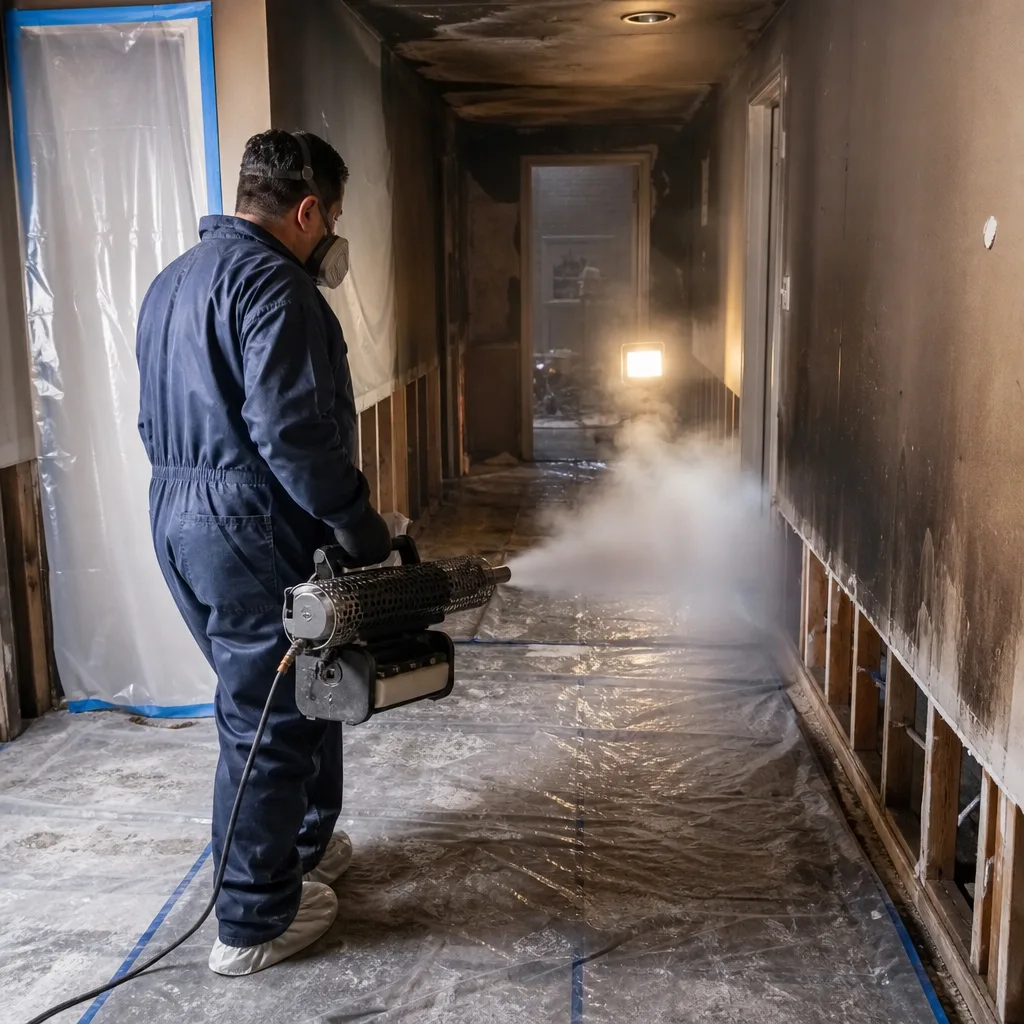
Basement Water Removal
Compton’s flat basin topography means true basements are rare, but partial daylight basements and converted crawl spaces in West Compton properties flood regularly when perimeter drains fail. We install temporary sump systems, extract standing water, and address the hydrostatic pressure that caused the intrusion.
Ceiling & Roof Leak Water Damage
Many of Compton’s older rental bungalows have had two or three composition roofs layered over original asbestos-cement shingles over the decades - meaning a water-intrusion job that looks routine from the street can halt entirely once sampling confirms the underlayer, forcing full abatement before a single piece of damaged drywall or insulation can be touched.
What happens when you call
- 1
A real person answersNo phone trees - you reach a local pro.
- 2
You get an upfront price rangeHonest numbers before anyone is dispatched.
- 3
A background-checked tech heads outLicensed & insured, dispatched right away.
- 4
You approve before work beginsNothing starts until you say go.
Water Damage Restoration Costs in Compton, CA
A typical Category 1 water extraction and structural drying job in Compton runs $1,800-$3,400 for a single room or small area up to 500 square feet. Category 2 losses with contaminated water and required antimicrobial treatment range $3,200-$5,800. Category 3 flood cleanup with full removal of porous materials, containment, and hazmat coordination when asbestos or lead is present: $4,500-$8,200 and higher for whole-house losses.
What moves the price: square footage affected, category of water, whether asbestos or lead abatement is required before structural work, and whether reconstruction is included or separate. Insurance typically covers sudden and accidental water damage from burst pipes or storm intrusion; gradual leaks and maintenance issues are often excluded. We review your policy language with you and document the loss cause to support your claim.
Every job starts with a free visual inspection and moisture assessment. We deliver a written price before any work begins - Haven Standard, Clause 1 - and we offer a Free Second Opinion on any competitor’s written estimate. Call (424) 305-3365 for an exact quote.
We Also Serve Cities Near Compton
Our crews respond throughout the South Bay and Harbor Gateway area. We regularly serve Water Damage Restoration in Compton and neighboring Gardena, Carson, Torrance, and Wilmington. Dispatch and scheduling are coordinated from our Los Angeles office, with local crews positioned for rapid response across the service area.
Serving Compton, CA - Our Local Coverage Area
We’re based in the Compton area and know this community well. Use the map below to see our service coverage - if you’re nearby, we can almost certainly help.
Compton Water Damage Restoration Questions, Answered
How fast can mold start growing in a Compton home after a water leak?
Mold colonization begins in 24 to 48 hours in Compton’s climate, and the city’s flat basin position keeps overnight humidity elevated by the marine layer even after the visible water is gone. This is why we set dehumidifiers immediately and produce daily moisture logs - not to reassure you, but to prove the structure is below 60% relative humidity before we remove equipment. Call (424) 305-3365 if you have active moisture and want readings today.
Why does my Compton bungalow flood every time we get heavy El Niño rain?
Compton’s flat topography gives it some of the poorest natural drainage in Los Angeles County, and the Compton Creek and Dominguez Channel system was not designed for the volume of modern storm runoff. Water pools against slab foundations and infiltrates crawl spaces of homes built before modern grading codes. We map the intrusion path, install temporary drainage if needed, and document the hydrostatic pressure evidence for your insurance claim. Permanent grading solutions require a landscape contractor, but we stop the immediate damage and dry what is wet.
Can you dry out my wet walls without tearing them open?
Sometimes, if the water is Category 1, the drywall is not sagging or delaminated, and we can establish airflow through baseboard vents or Injectidry panel systems that force dry air into wall cavities. In Compton’s 1940s-60s bungalows with plaster and lath, the wire mesh backing often traps moisture and requires more aggressive access. We make this determination with moisture meter readings, not guesses, and we show you the numbers before we cut anything. Call (424) 305-3365 for a free moisture assessment.
What’s the difference between Category 1, 2, and 3 water in a Compton flood job?
Category 1 is clean water from a burst supply line - it can be extracted and dried. Category 2 is gray water with chemical or biological load, like a dishwasher discharge - porous materials are typically removed, and antimicrobial treatment is required. Category 3 is black water: sewage, ground flooding, or Compton Creek backup - porous materials must be removed and disposed of, and the remaining structure is cleaned and treated before any rebuild. Contractors who treat Category 3 as Category 1 leave contamination that voids insurance coverage and creates health liability.
Do you handle both earthquake-related water damage and flood/mold recovery in Compton?
Yes - this is the dual-threat scenario that defines Compton restoration work. The Compton Blind Thrust Fault creates seismic crack pathways in slab and foundation walls that become water intrusion points during rains or supply-line failures. We document the structural damage, coordinate with engineers when needed, and run the full water mitigation and mold remediation protocol. A contractor from Gardena or Carson who does not plan for seismic-related water pathways will miss the root cause and guarantee a repeat loss. Call (424) 305-3365 for assessment of foundation-related water intrusion.
Will my insurance cover water damage restoration in Compton?
Most homeowner policies cover sudden and accidental water damage - burst pipes, storm intrusion through a damaged roof, appliance failures - but exclude gradual leaks, maintenance issues, and flood damage from rising water unless you carry separate flood coverage. We document the cause and timeline from the first hour, produce industry-standard estimates in Xactimate format, and coordinate directly with your adjuster to support coverage. Our photo-documented drying logs are designed specifically to turn restoration invoices into payable claims.
How long does structural drying take in a Compton home?
Three to five days for a standard Category 1 loss in a modern structure; five to eight days in Compton’s 1940s-60s bungalows with plaster, lath, and unsealed wall cavities where the marine layer extends drying cycles. We do not guess at completion - we measure daily moisture content in wood framing, drywall, and concrete substrates, and we remove equipment only when readings reach the dry standard for each material. You receive the complete drying log.
Can we stay in our home during water damage restoration?
Often yes for Category 1 losses confined to one area, if power and HVAC remain functional and no asbestos or lead disturbance is required. For Category 2 or 3 losses, or when containment and air scrubbing are active, temporary relocation is typically recommended - especially in Compton’s smaller bungalows where the affected square footage represents a high percentage of living space. We tell you clearly after inspection, not after work has started.
Written by Alicia Brennan, Owner at Back to Dry Restoration, serving Compton since 2011.
Water Damage Restoration in Nearby Areas