
Free visual inspection and a written scope of work before any mitigation begins - photos, moisture readings, and drying logs go in your claim file
The scope we write is the scope we bill. Anything new gets shown to you, in writing, before we touch it.
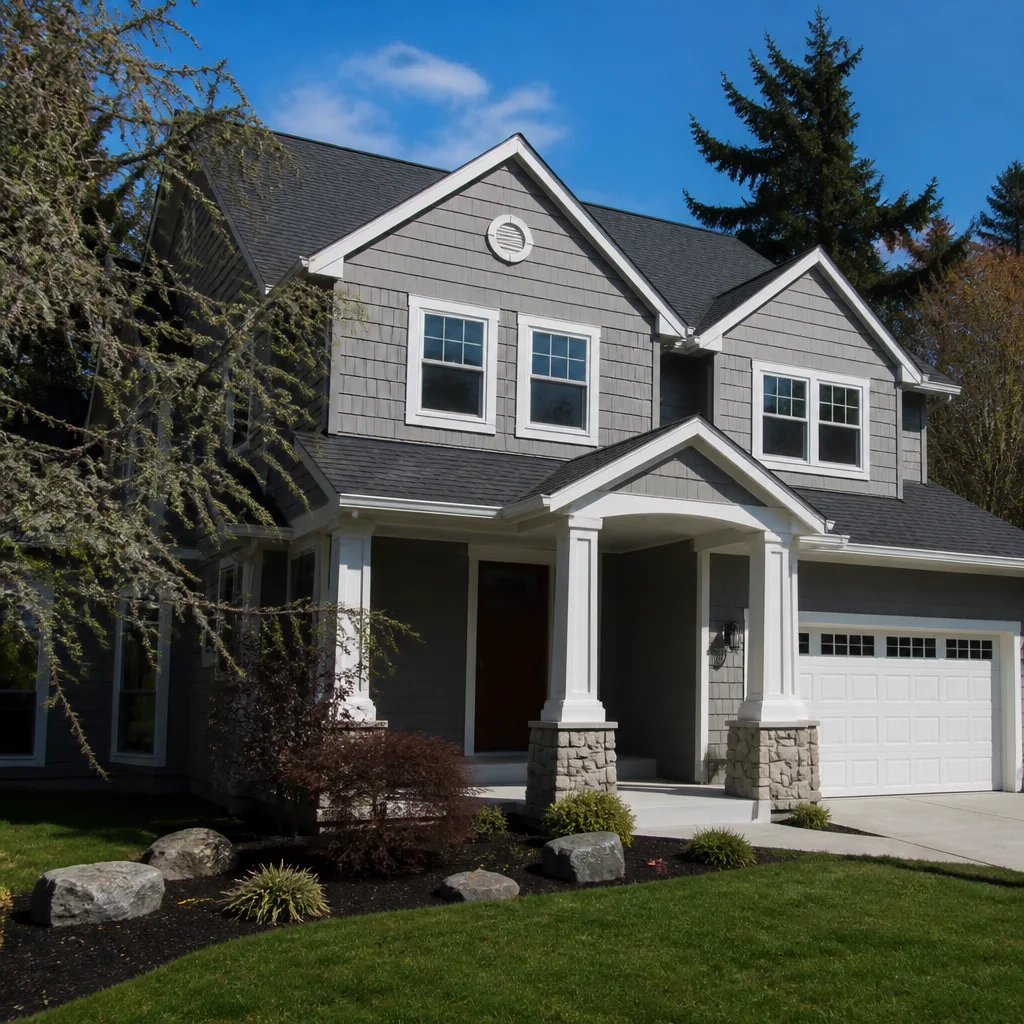
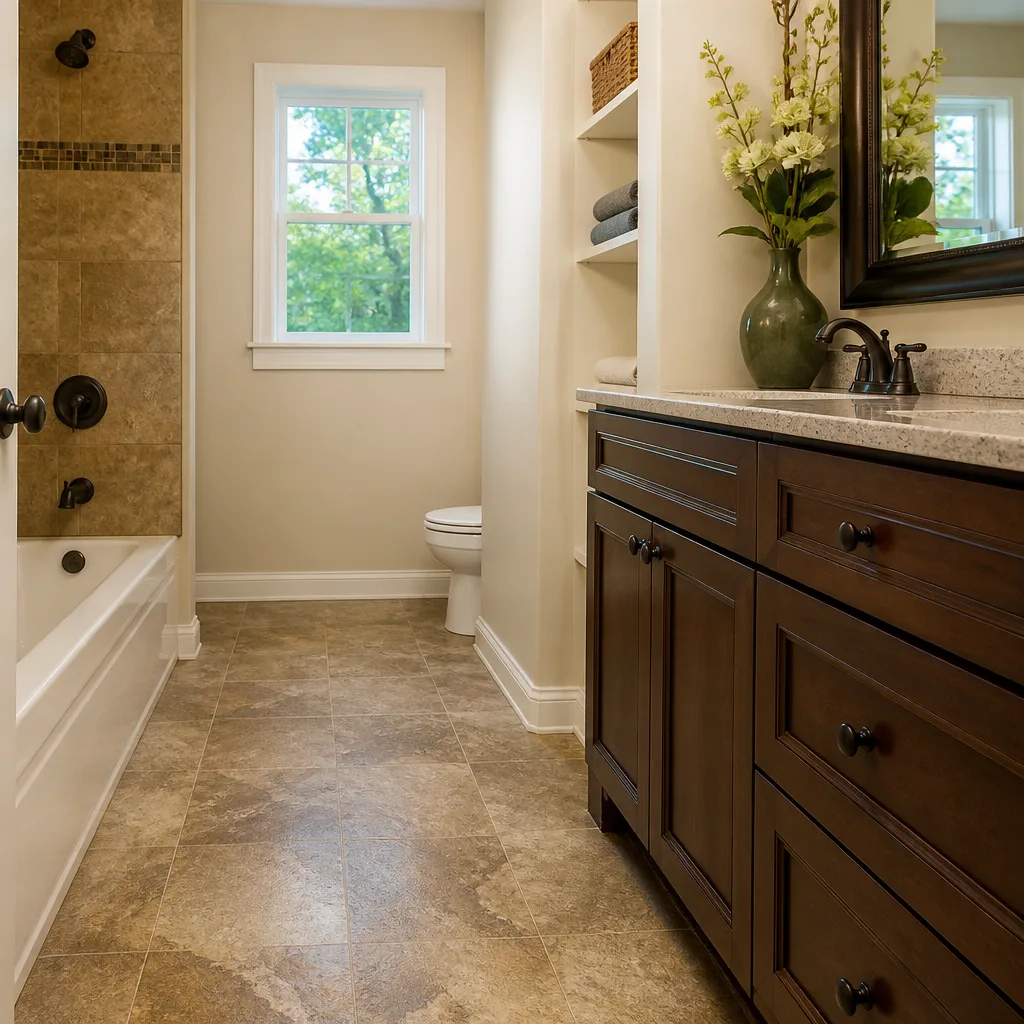
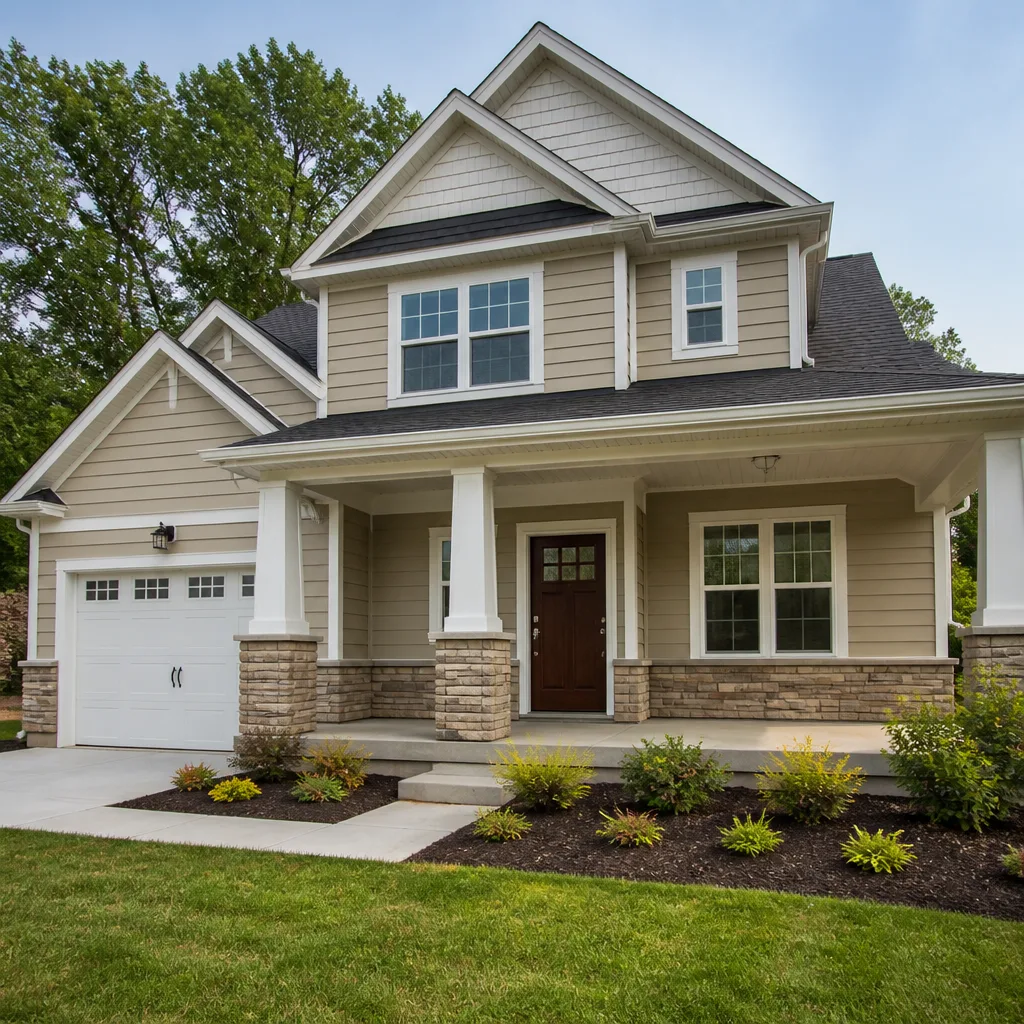
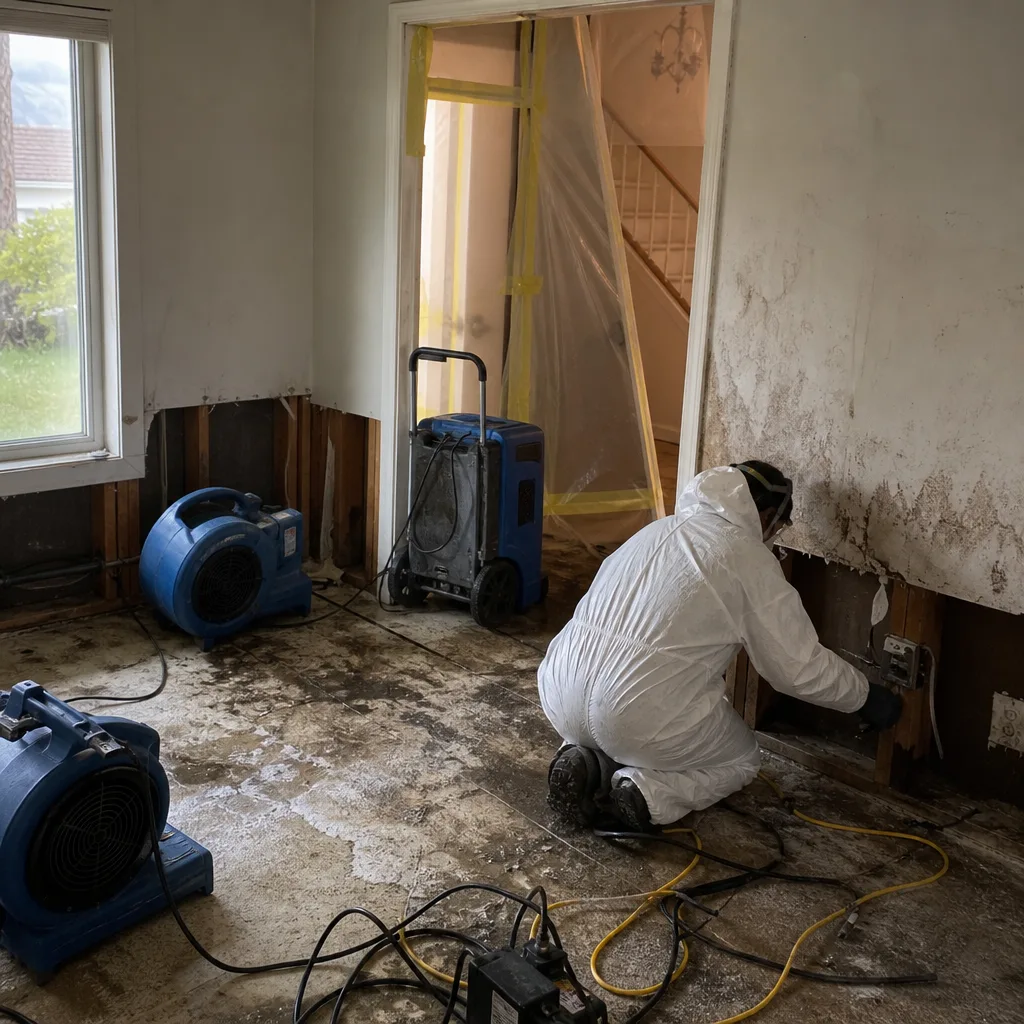 Before
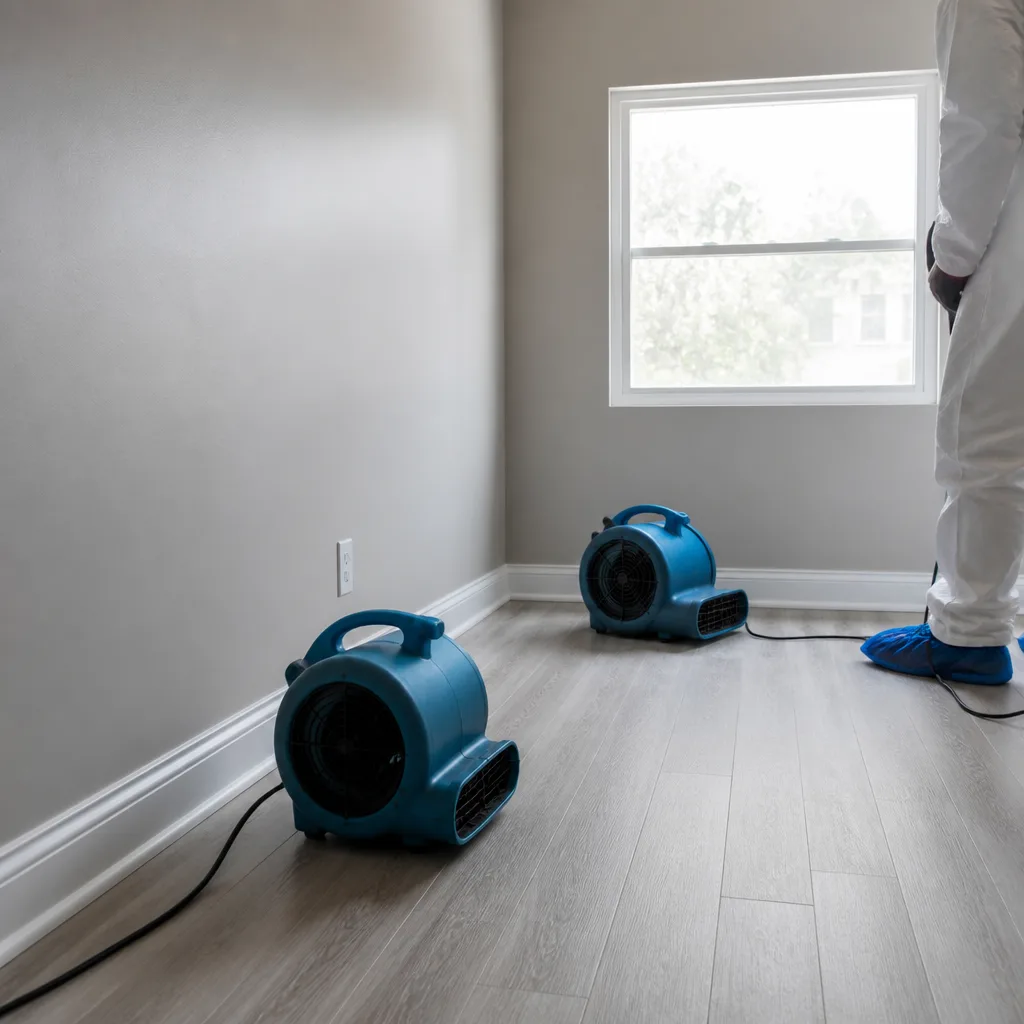 After
After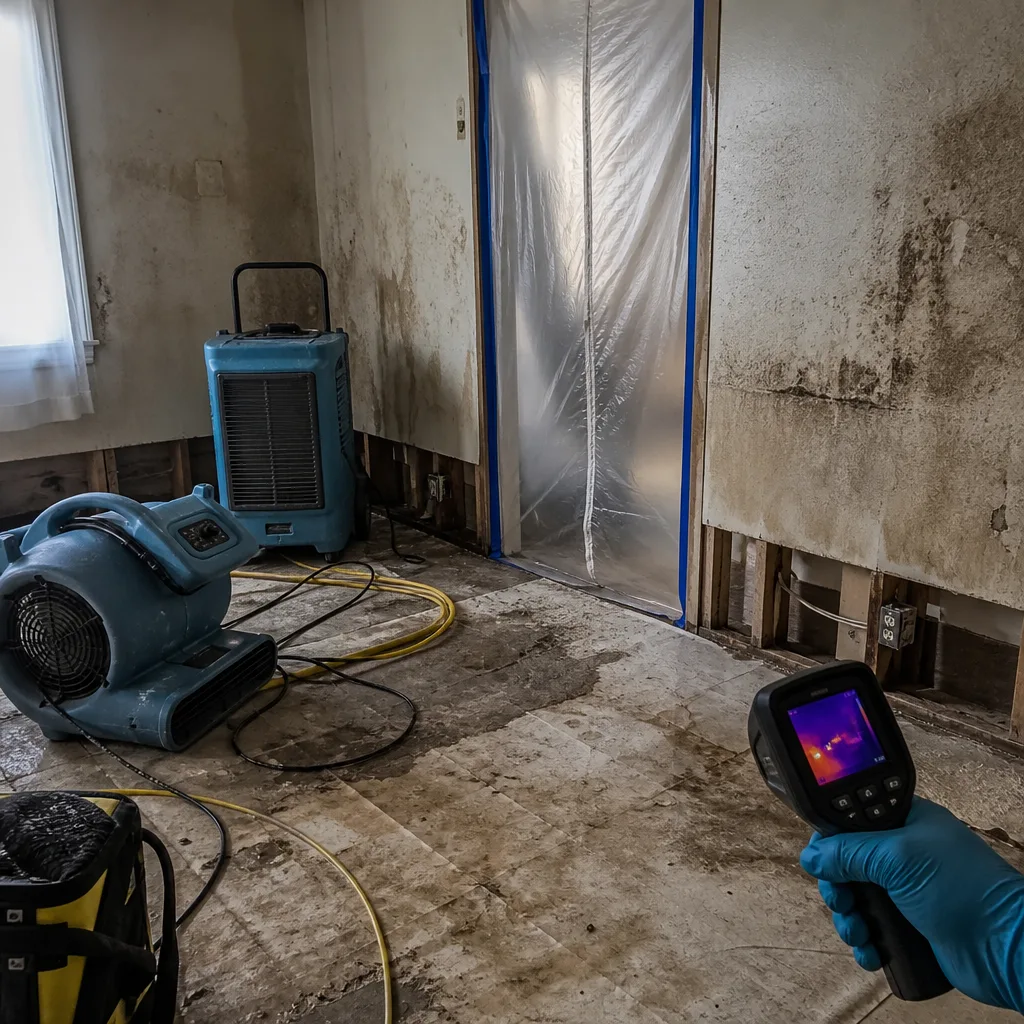 Before
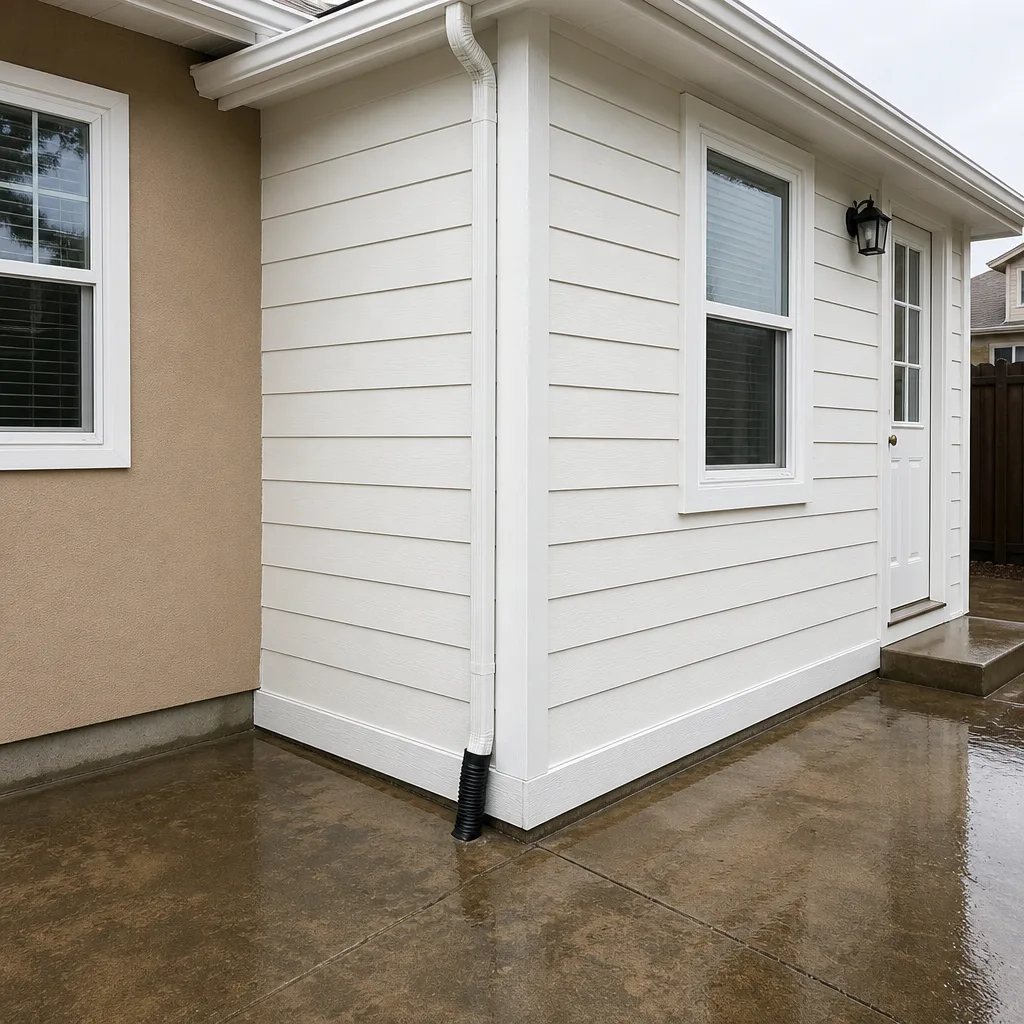 After
After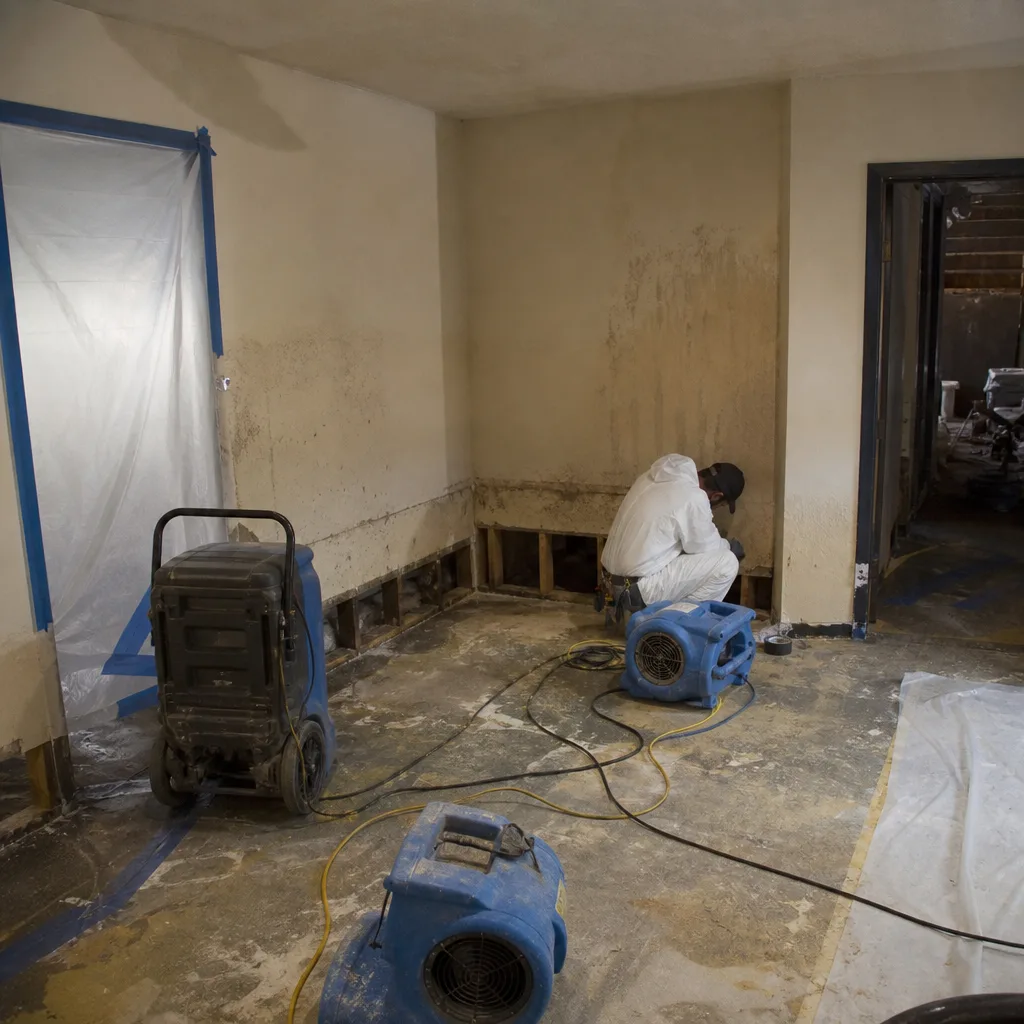 Before
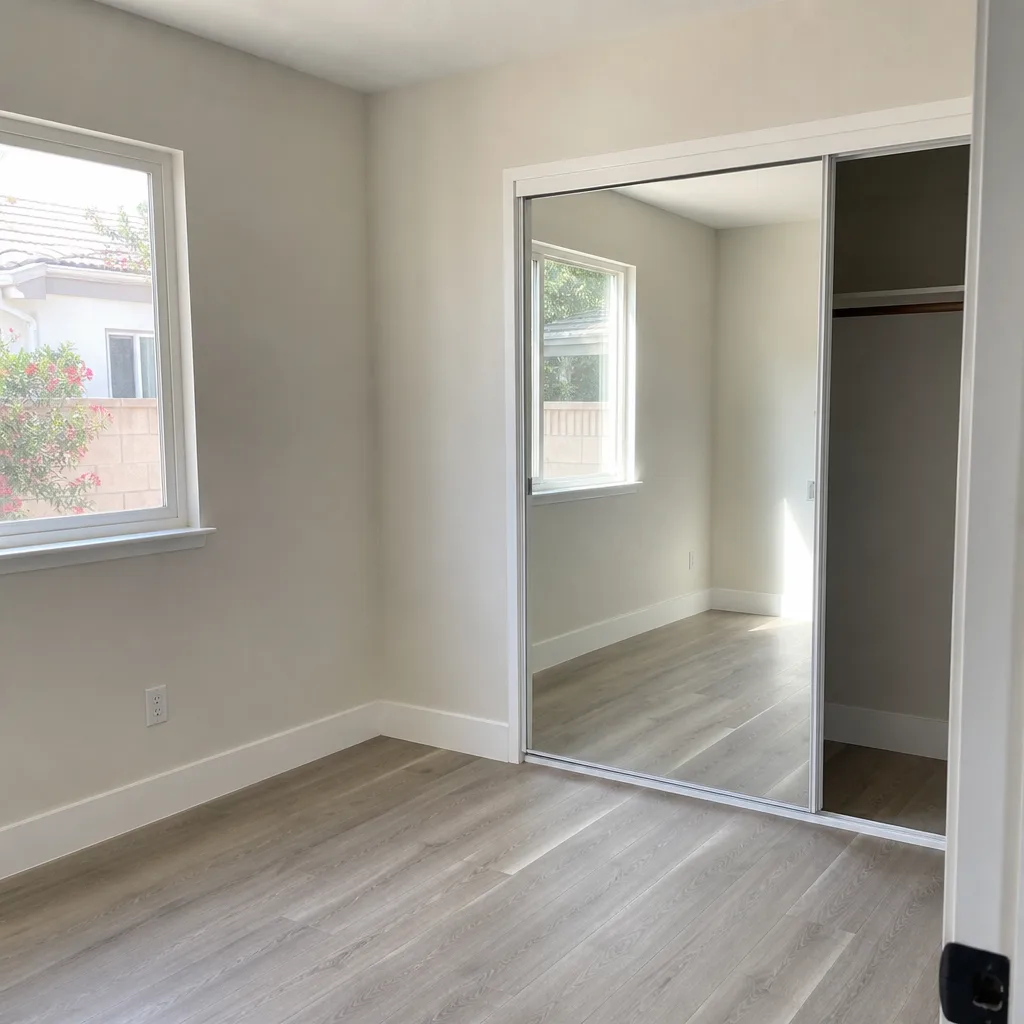 After
After24/7 Emergency Water Damage Restoration in Inglewood
Water damage in Inglewood spreads fast through the pre-stressed building envelopes common to this city’s mid-century housing stock. Call (424) 305-3365 now and a live person answers, 24 hours a day, 7 days a week - no voicemail, no callback queue while water keeps moving. Our crews dispatch throughout Inglewood from our Los Angeles office, typically arriving within 45 minutes for active losses. We perform a free visual inspection on arrival, document everything with photos, and deliver a written price before any work begins. The first hour determines whether you’re looking at extraction and drying, or full gutting and reconstruction. In Inglewood’s flat terrain with aging storm infrastructure, standing water in garages and crawl spaces can wick into original stucco and framing within minutes, not hours.
Understanding Water Damage Restoration Severity in Inglewood Properties
Water damage classification follows IICRC standards: Category 1 is clean water from a supply line, Category 2 carries significant contamination from sources like dishwasher discharge or sump pump failures, and Category 3 is grossly contaminated - sewage, seawater intrusion, or ground water flooding. Inglewood’s housing stock complicates every category. The city’s core of 1940s-1960s stucco bungalows and post-WWII tract homes often retains original galvanized supply lines that pinhole-leak slowly, converting Category 1 losses into Category 2 or 3 situations by the time they’re discovered.
Moisture mapping with thermal imaging is non-negotiable here. Surface readings on plaster or retrofit drywall can read dry while cavity insulation - particularly FAA-funded FAR Part 150 acoustic insulation - holds saturated vapor pressure differentials that standard hygrometers miss. Psychrometric data, the measurement of temperature, relative humidity, and vapor pressure that governs drying science, must be tracked daily against the baseline humidity Inglewood carries from its proximity to the Pacific. Tertiary drying, the final phase where bound moisture is removed from dense materials, takes longer in these layered assemblies than in modern stick-frame construction.
Why Inglewood Property Owners Choose DryMark Restoration Carson
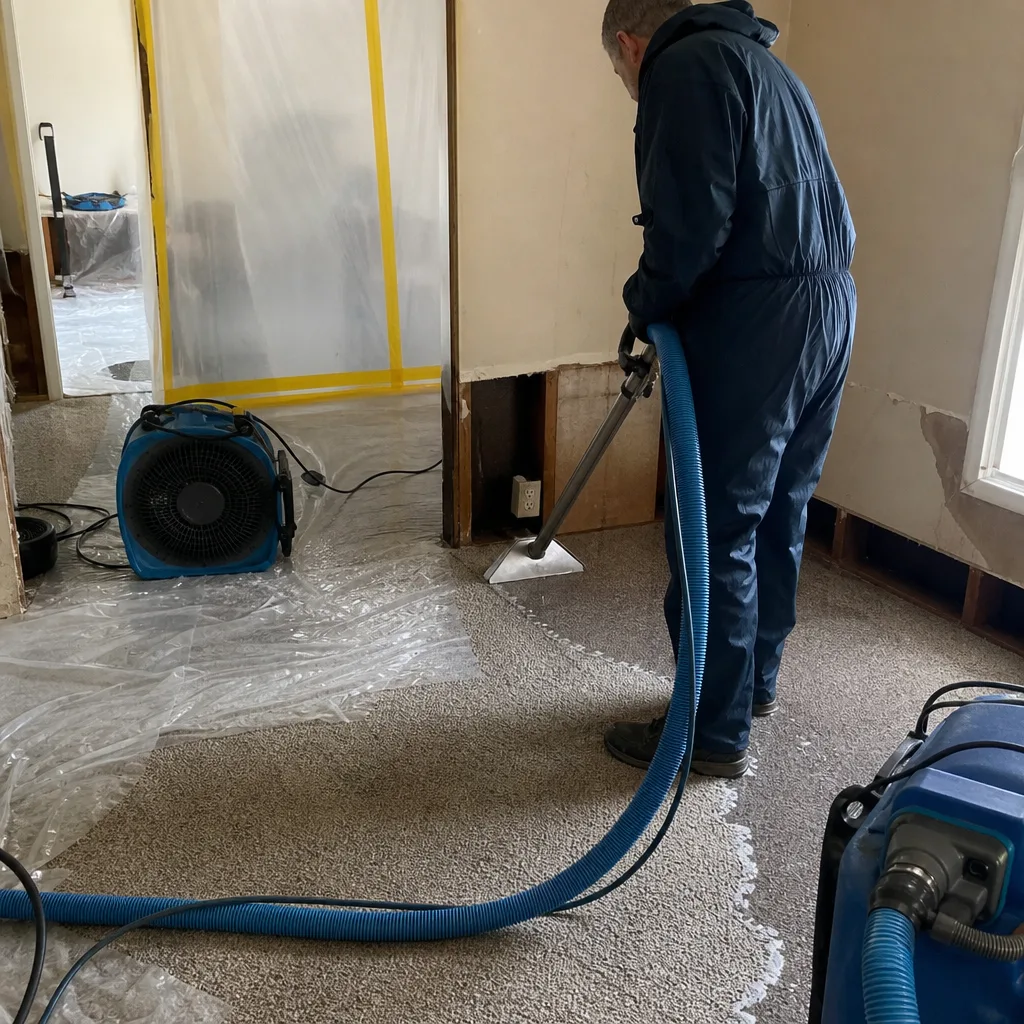
- 45-minute response commitment to active water losses in Inglewood - our dispatch coordinates from the Los Angeles office with crews already positioned for the Inglewood, Hawthorne, and Gardena corridor.
- 24/7 live answer - a real person, never an automated system or voicemail tree, because water doesn’t observe business hours and neither do we.
- IICRC-certified crews holding WRT (Water Damage Restoration Technician), FSRT (Fire & Smoke Restoration Technician), and AMRT (Applied Microbial Remediation Technician) certifications - license numbers provided on request.
- Free visual inspection on every call, with moisture readings taken before any commitment, so you know what you’re facing before signing anything.
- Direct insurance billing with photo-documented estimates, daily drying logs, and adjuster coordination that turns restoration invoices into payable claims.
- One team from extraction to reconstruction - no handoffs between mitigation and rebuild contractors, no gaps in documentation, no finger-pointing if something isn’t right.
 Before
 After
AfterOur Water Damage Restoration Process
1. Inspection & Assessment
We arrive with thermal imaging cameras, pin and pinless moisture meters, and hygrometers to map the full extent of the loss. In Inglewood’s FAR Part 150 retrofitted homes, this means checking surface readings against cavity conditions - the visible damage is rarely the whole damage. You receive a written scope and price before any equipment runs.
2. Extraction & Stabilization
Standing water comes out first with truck-mounted extraction systems and portable units for tight access. We identify and stop the source - burst galvanized line, failed roof penetration, or backed-up drain - then stabilize the structure to prevent further migration through Inglewood’s hairline-cracked slabs and stucco envelopes.
3. Drying & Dehumidification
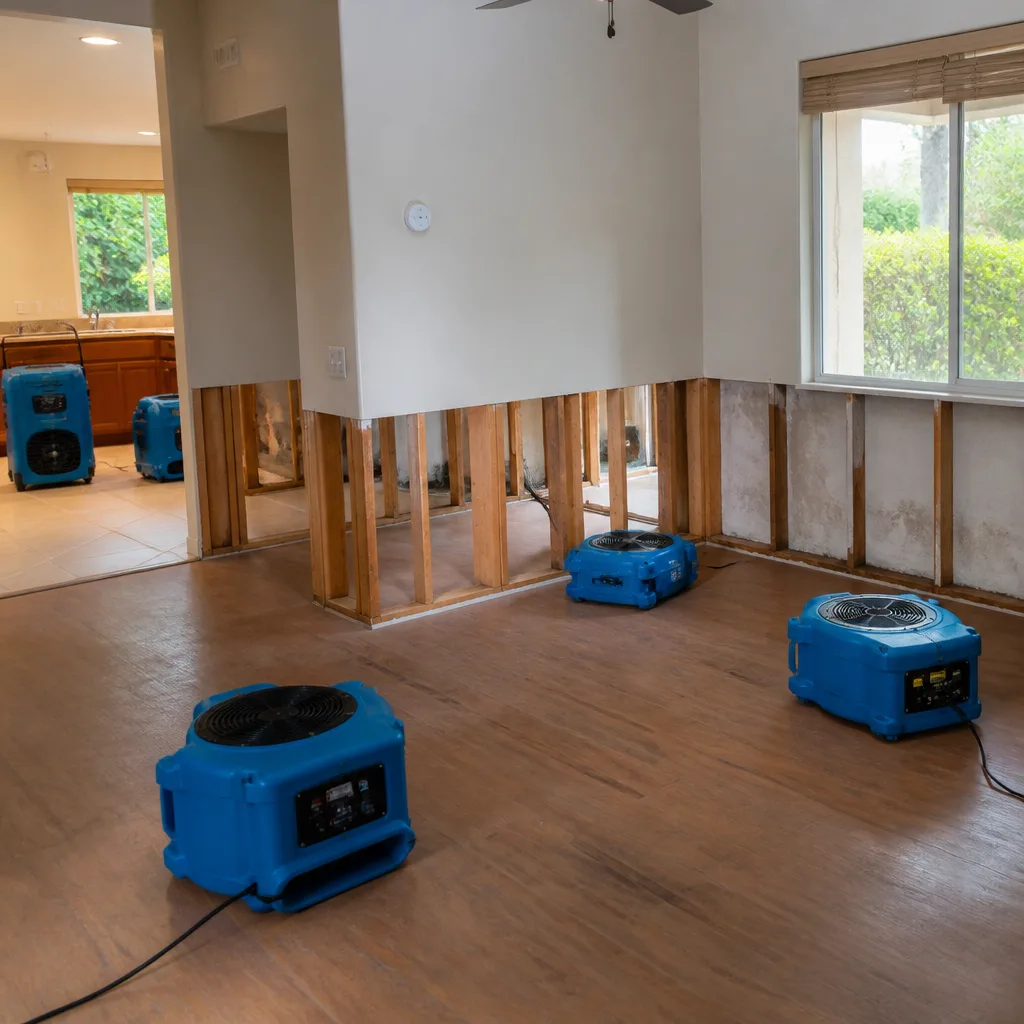
We deploy Phoenix and Dri-Eaz LGR dehumidifiers, XPOWER and B-Air axial air movers, and Injectidry cavity drying systems to establish vapor pressure differentials that pull moisture from deep inside wall assemblies. Daily psychrometric readings track progress; drying logs go to you and your adjuster.
4. Cleaning & Sanitization
Category 2 and 3 losses receive antimicrobial treatment to EPA-registered standards. HEPA air scrubbers run during work to capture airborne particulates. In Inglewood’s humid marine-layer environment, this step prevents secondary colonization that compressed drying windows make likely.
5. Hidden Cavity Treatment
Injectidry and other specialty drying systems target moisture trapped behind vapor-sealed FAR Part 150 retrofits without full demolition. Thermal imaging confirms cavity dryness before we call this phase complete - surface dry is not dry enough in Inglewood’s pre-stressed construction.
6. Repairs & Restoration
Our reconstruction crew repairs or replaces drywall, flooring, trim, and finishes to match existing conditions. The 365-Day Done Right Promise, Haven Standard, covers all work. Photo documentation from every visit supports your final insurance submission.
Need Emergency Water Damage Restoration in Inglewood Now?
Crews minutes away, answering live 24 hours a day. The sooner we start, the less it costs.
Working With Your Insurance Company
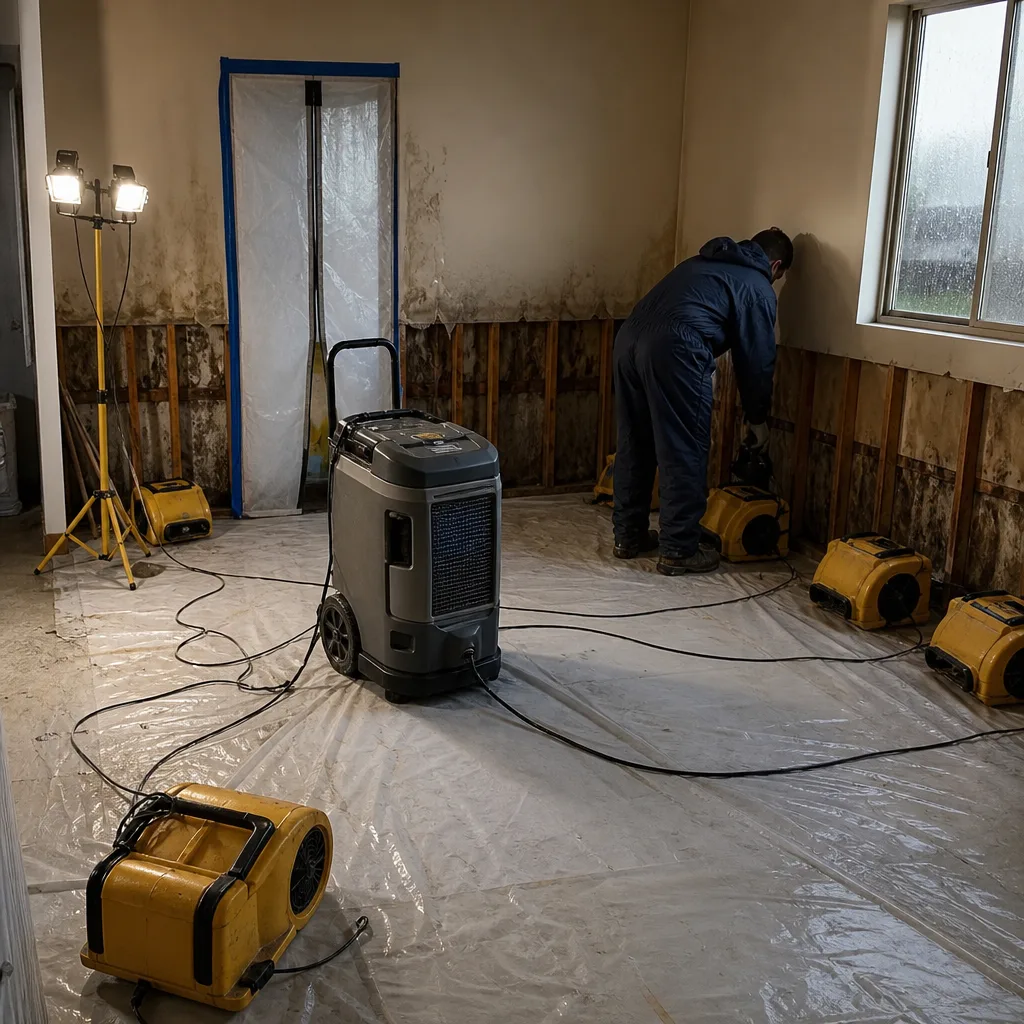
Documentation starts the moment we arrive. Every photo, moisture reading, and drying log builds a claim file that adjusters recognize and pay. We write estimates to industry-standard formats - Xactimate where carriers require it - and communicate directly with your adjuster so you’re not translating between contractors and claims departments. Our founder built this company in 2011 after seeing how sloppy documentation cost homeowners their settlements.
The Haven Standard, Clause 1: written price before work begins. No exceptions. No scope creep once the crew is inside your home. Combined with our photo-documented assessments and direct billing coordination, this turns a stressful claim into a managed process with predictable outcomes.
What We Provide Your Insurer
- Thorough documentation of the loss
- Photos of all damage, room by room
- Moisture readings and drying logs
- A detailed, line-item scope of work
- Direct coordination with your carrier
Built for Inglewood’s Loss Calendar
January through March brings the heaviest rain, and Inglewood’s flat topography plus aging municipal storm drains produces localized street flooding that backs into garages and low-lying first floors. The city’s 1940s-1960s flat and low-slope roofs, many never replaced, leak predictably during these events. April and May see residual moisture problems as the marine layer thickens and temperatures stay moderate - perfect conditions for hidden mold colonization in cavity insulation.
June through October is dry but not safe. Aircraft vibration from LAX’s expanded operations continues its decades-long stress on foundations and plumbing. Galvanized lines fail in summer when thermal expansion increases pressure on already-corroded walls. November and December bring the first rains, often catching homeowners who deferred roof maintenance. The compressed mold window means a November leak discovered in December can already require full remediation. Our Water Damage Restoration team tracks these patterns year-round.
Water Damage Restoration Across Inglewood’s Neighborhoods
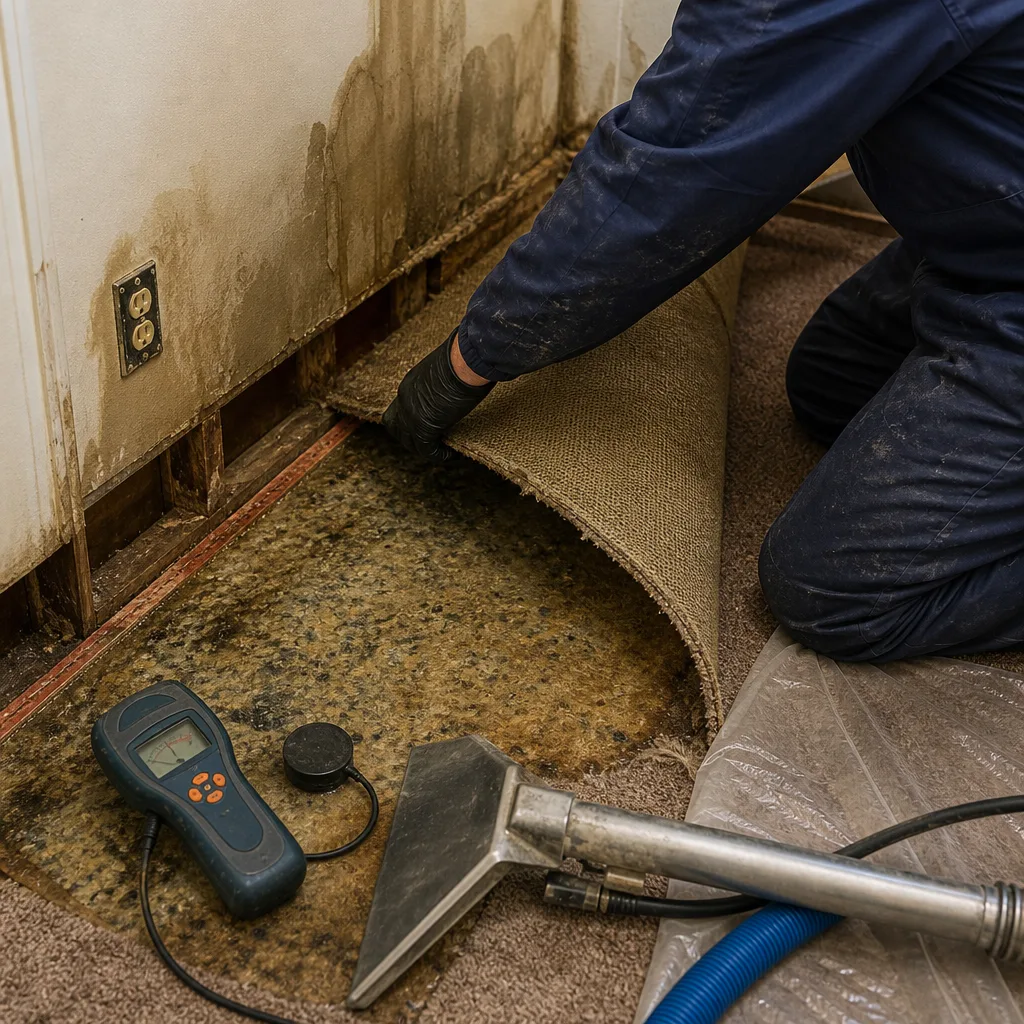
North Inglewood, roughly north of Century Boulevard toward Florence Avenue, holds some of the city’s oldest 1940s bungalows. Original galvanized supply lines here are past design life. We respond to pinhole leaks behind FAR Part 150 retrofits regularly - the acoustic insulation and sealed window frames that quieted LAX noise now trap water for weeks before visible damage appears.
The area near Prairie Avenue and 104th Street, close to the LAX fence line, experiences the most intense aircraft vibration stress. Hairline slab cracks are endemic. Our crews carry extra shoring equipment and know to check perimeter walls for concealed migration paths that don’t exist in newer construction.
Morningside Park and the neighborhoods east of Crenshaw Boulevard see more basement and crawl space flooding during winter rain events - the flat grade toward Centinela Creek doesn’t drain quickly. These losses often start as Category 2 when groundwater mixes with street runoff, then become Category 3 if sewage systems back up.
West Inglewood toward Hyde Park and the Manchester corridor has a mix of original homes and 1980s-1990s rebuilds. The newer construction dries more predictably, but we still find moisture trapped in unpermitted additions that failed to integrate vapor barriers correctly. Every neighborhood gets the same inspection protocol, adapted to what we know about its specific building stock and failure patterns.
Specialized Water Damage Restoration Services We Offer in Inglewood
Emergency Water Extraction
Truck-mounted and portable extraction units remove standing water from Inglewood’s slab-on-grade bungalows and low-clearance crawl spaces. Speed matters - every minute of contact time between water and original oak flooring or plaster lath increases the salvage threshold.
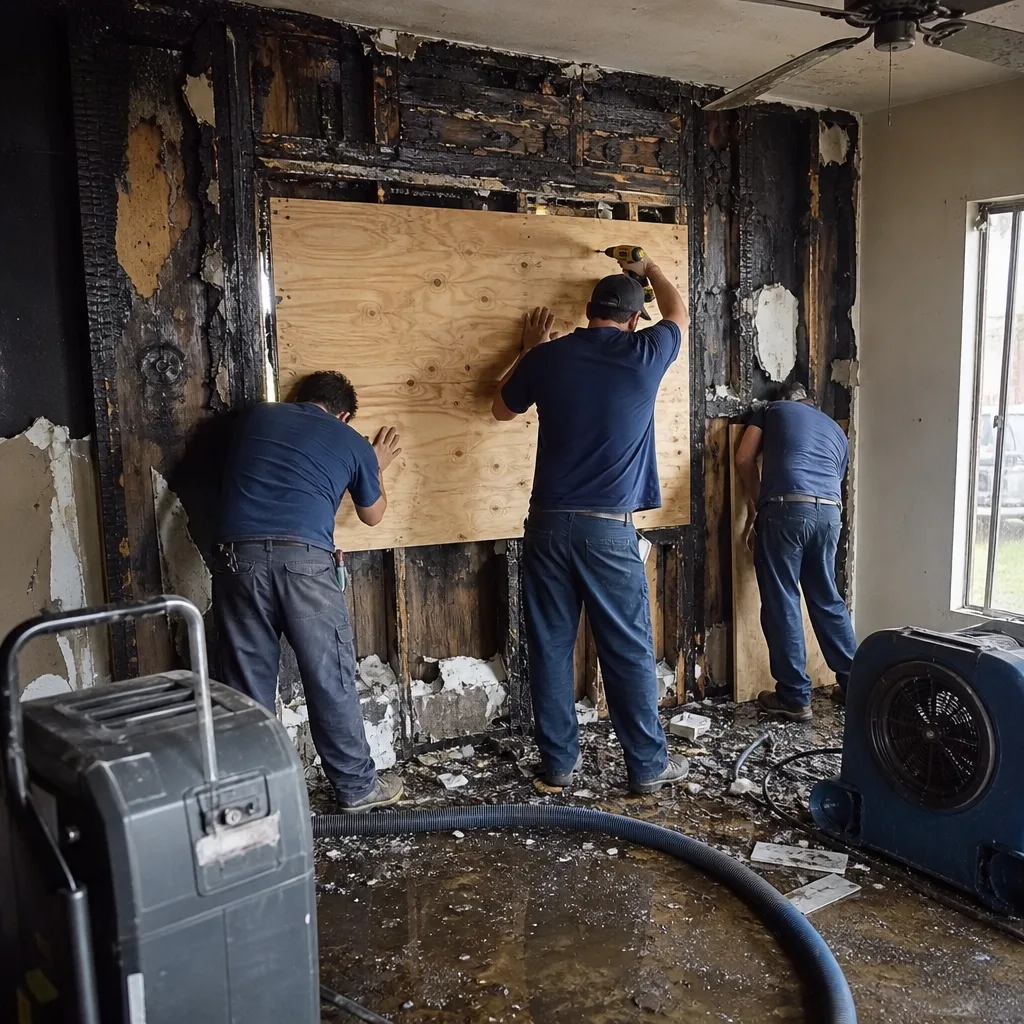
Structural Drying & Dehumidification
Our primary focus in Inglewood. Phoenix and Dri-Eaz LGR dehumidifiers establish the low-grain refrigerant conditions that pull moisture from dense materials. In FAR Part 150 retrofitted homes, we run extended drying cycles with Injectidry cavity systems, documenting daily psychrometric data until thermal imaging confirms cavity dryness - not just surface readings.
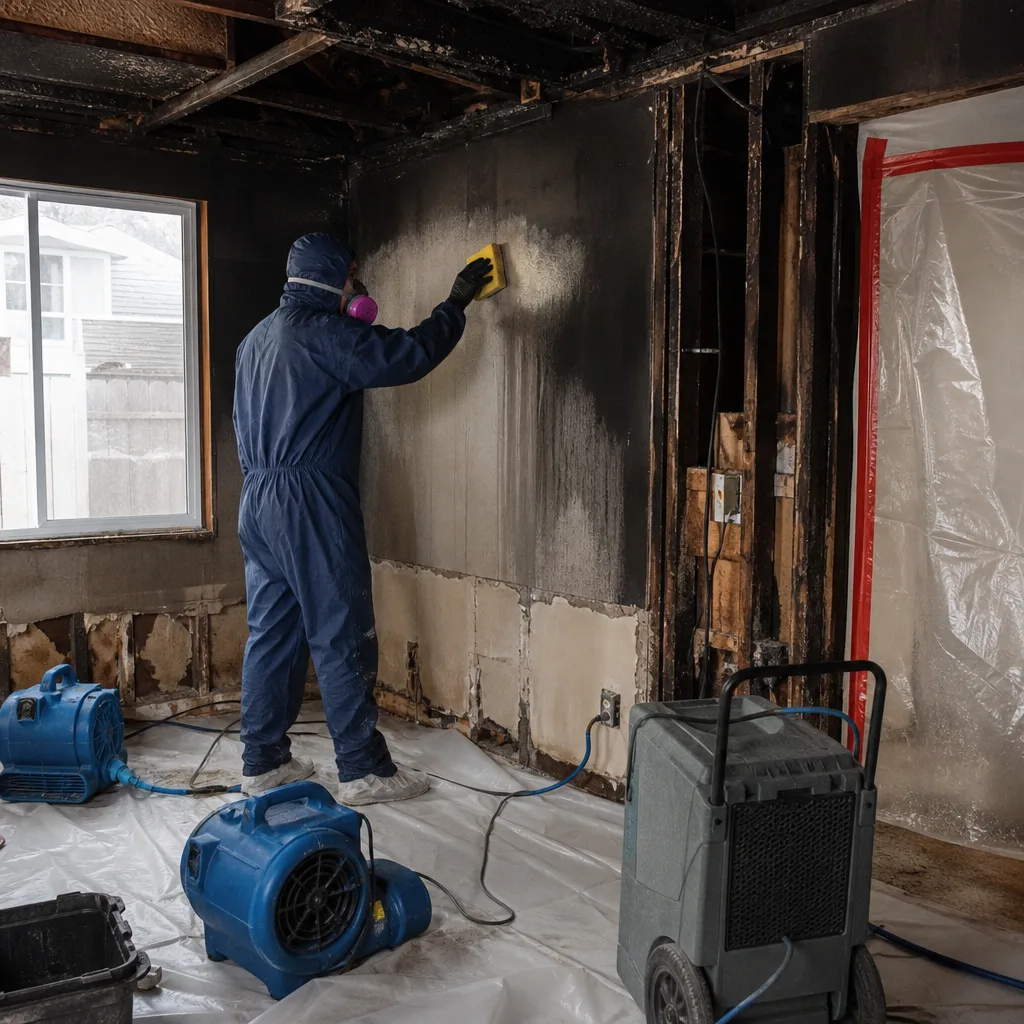
Flood Cleanup
Winter street flooding and backed-up storm drains bring Category 3 contamination to Inglewood’s garages and ground floors. Full PPE, antimicrobial treatment, and controlled demolition of unsalvageable materials follow IICRC S500 standards. We coordinate directly with your flood insurance adjuster where NFIP coverage applies.
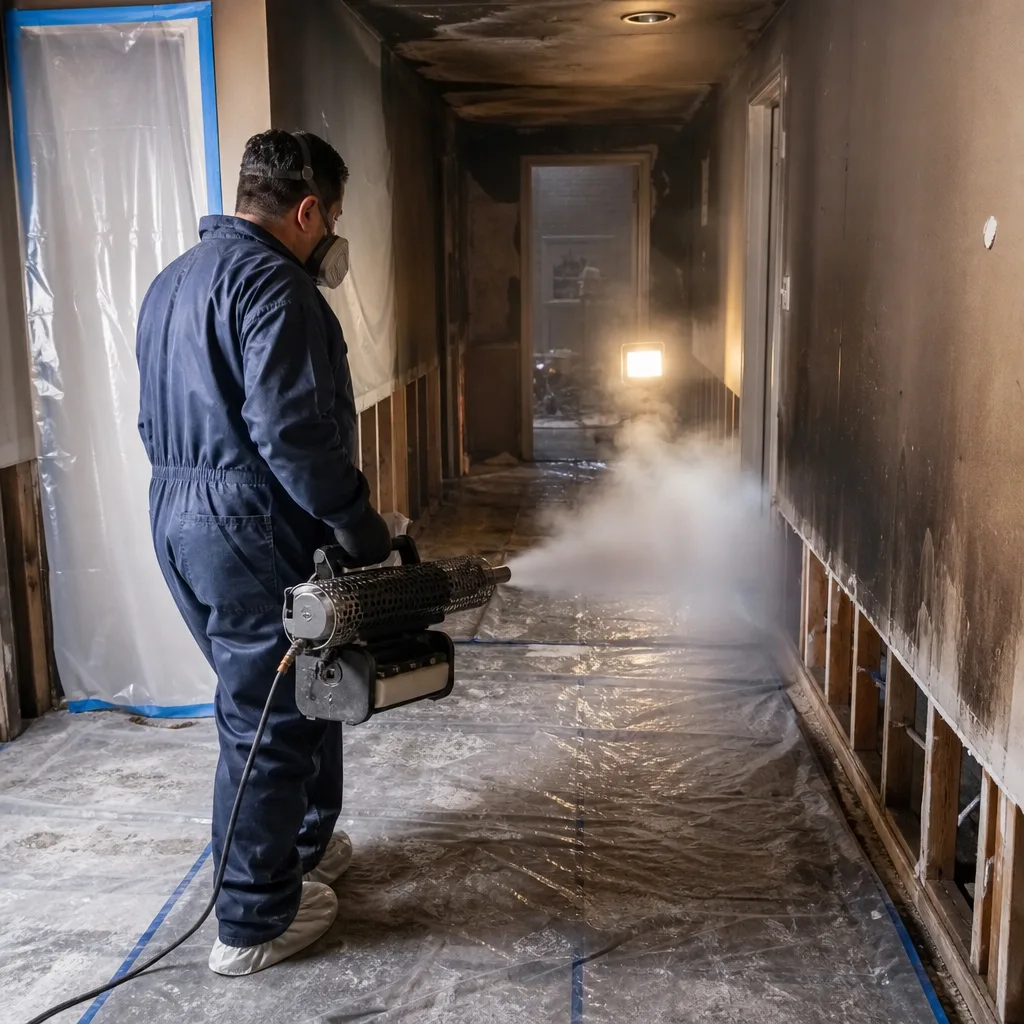
Burst Pipe Restoration
Original galvanized supply lines in Inglewood’s mid-century housing stock fail at couplings, elbows, and threaded joints stressed by decades of seismic micro-movement and aircraft vibration. We extract, dry, and document the full migration path - which often runs through hairline foundation cracks invisible until thermal imaging reveals the temperature differential.
Basement Water Removal
Flat topography and aging perimeter drains make basement seepage common in Morningside Park and east Inglewood. Submersible pumps, extraction, and targeted dehumidification protect finished basement spaces. We inspect for foundation crack patterns that indicate ongoing structural water entry requiring repair beyond restoration.
Ceiling & Roof Leak Water Damage
Low-slope and flat roofs from the 1950s-1960s fail at penetrations and perimeter flashing. Water travels along ceiling joists before appearing at light fixtures or wall joints. Our thermal mapping traces the true source; drying addresses the full affected area, not just the visible stain.
What happens when you call
- 1
A real person answersNo phone trees - you reach a local pro.
- 2
You get an upfront price rangeHonest numbers before anyone is dispatched.
- 3
A background-checked tech heads outLicensed & insured, dispatched right away.
- 4
You approve before work beginsNothing starts until you say go.
Water Damage Restoration Costs in Inglewood, CA
Honest pricing, delivered in writing before work starts. Haven Standard, Clause 1.
| Service | Typical Range in Inglewood |
|---|---|
| Emergency water extraction (up to 500 sq ft) | $350 - $850 |
| Structural drying & dehumidification (3-5 day cycle) | $1,200 - $3,400 |
| Category 1 loss, full mitigation (average 1,200 sq ft home) | $2,800 - $6,500 |
| Category 2 loss with contamination treatment | $4,500 - $9,800 |
| Category 3 loss / sewage backup | $7,500 - $15,000+ |
| FAR Part 150 retrofit cavity drying (extended cycle) | Add $800 - $2,200 to base drying |
| Written estimate and moisture inspection | Free |
What moves the price: category of water, square footage affected, whether the loss involves concealed cavities behind acoustic retrofits, and how long water sat before extraction began. Insurance typically covers sudden and accidental losses - burst lines, storm damage, appliance failures - but not gradual leaks or maintenance issues. We review your policy language and document the cause to support your claim. Bring any competitor’s written estimate; our Free Second Opinion reviews it at no charge.
We Also Serve Cities Near Inglewood
Our crews respond throughout the corridor: Hawthorne to the south, with its own post-war housing stock but less LAX vibration stress; Manhattan Beach to the west, where newer construction and higher elevation change drying dynamics; Gardena to the east, sharing Inglewood’s flat grade and aging infrastructure; and Compton to the southeast, where similar mid-century stock sees comparable failure patterns. Water Damage Restoration in Inglewood remains our core focus, with dispatch optimized for this city’s unique building conditions.
Serving Inglewood, CA - Our Local Coverage Area
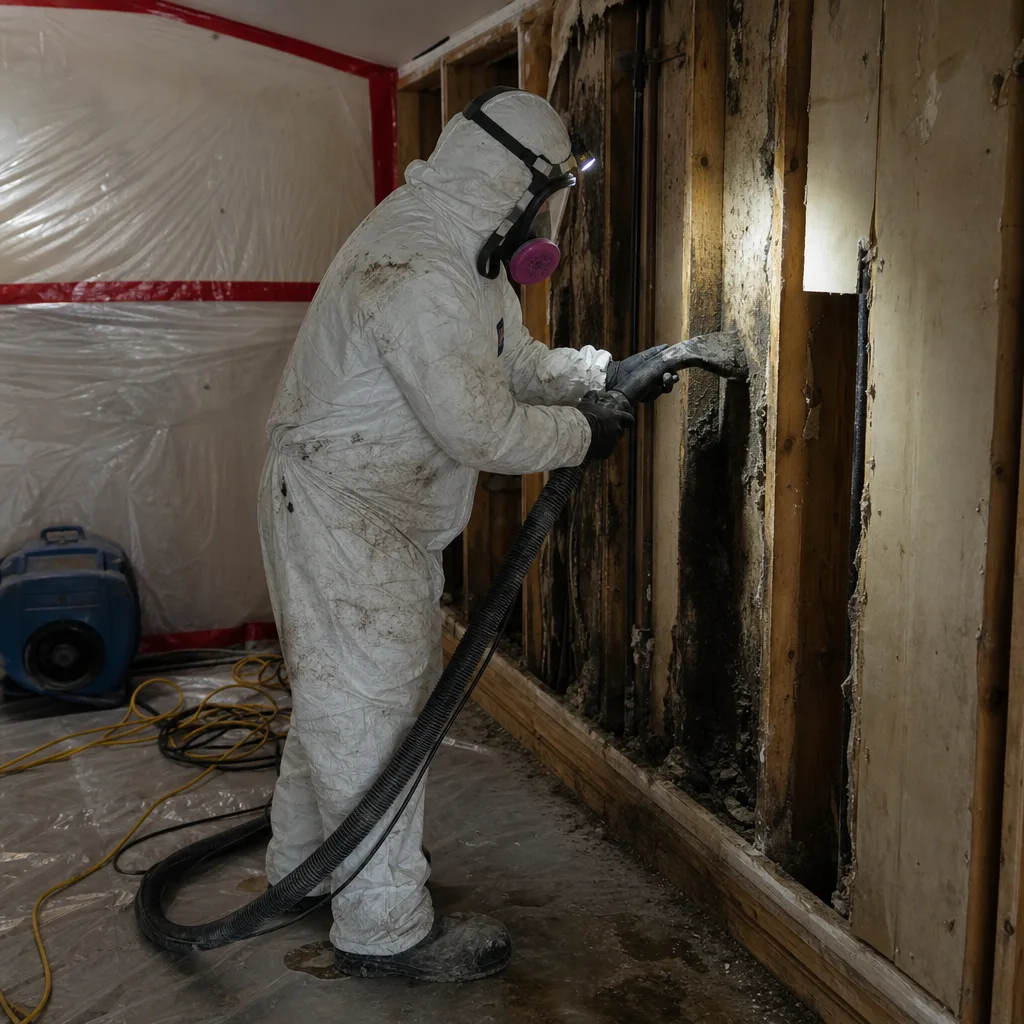
We’re based in the Inglewood area and know this community well. Use the map below to see our service coverage - if you’re nearby, we can almost certainly help.
Inglewood Water Damage Restoration Questions, Answered
Why does water damage in Inglewood often read deceptively low on moisture meters?
Because FAR Part 150 acoustic retrofits create vapor-sealed wall assemblies where moisture hides behind sealed surfaces.
The FAA-funded insulation and replacement window systems installed for LAX noise mitigation act like sponges trapped behind vapor barriers. Surface readings on new drywall or plaster can show normal moisture content while thermal imaging reveals saturated insulation and framing inside the cavity. This is why our protocol requires thermal imaging on every Inglewood loss, not just pin-meter spot checks. Call (424) 305-3365 for a free inspection with full documentation.
How does Inglewood’s location on the Newport-Inglewood Fault Zone change a water loss?
Decades of seismic micro-cracking and 24/7 heavy aircraft vibration from LAX pre-stress foundations and plumbing in ways that don’t occur in neighboring cities.
Hairline slab cracks, failed pipe couplings, and compromised stucco envelopes are endemic here. A “small” supply-line leak often travels through hidden pathways - under slabs, inside walls, between stories - that would be blocked in less stressed construction. We map these migration paths with thermal imaging and treat every Inglewood loss as potentially more extensive than surface evidence suggests. Call (424) 305-3365 for assessment.
How fast does mold start after a water intrusion in Inglewood?
24 to 48 hours, faster than inland LA due to Inglewood’s elevated baseline humidity from the nearby Pacific marine layer.
The persistent marine layer 5-7 miles from shore keeps ambient relative humidity higher year-round, compressing the safe drying window. In FAR Part 150 retrofitted cavities, where vapor barriers slow natural evaporation, mold can colonize hidden insulation before surface materials even feel damp. This is why extended drying with documented daily moisture logs is standard on our Inglewood jobs, not optional. Call (424) 305-3365 for immediate response.
What does Category 1, 2, or 3 water mean for my Inglewood home?
Category 1 is clean water from a supply line; Category 2 carries contamination from appliances or sump discharge; Category 3 is grossly contaminated from sewage, ground water, or seawater.
In Inglewood’s aging housing stock, Category 1 losses often degrade to Category 2 or 3 by the time they’re discovered. Original galvanized lines pinhole-leak slowly, and the trapped moisture behind acoustic retrofits sits long enough to support bacterial growth. We test and classify on arrival, then treat to the appropriate standard - never assuming a supply-line leak stayed clean. Call (424) 305-3365 for classification and scope.
Can you dry a FAR Part 150 acoustic retrofit without tearing out the walls?
Often yes, using Injectidry cavity drying systems and extended dehumidification cycles with daily monitoring.
On a FAR Part 150 acoustic-retrofit bungalow near Prairie Avenue and 104th Street, our tech found surface moisture readings that looked low but thermal imaging revealed saturated acoustic insulation inside the wall cavity after a pinhole leak in the original galvanized supply line. We set up containment, ran Dri-Eaz and Phoenix air movers plus dehumidification for extended structural drying, and used Injectidry to pull moisture out of the sealed assembly without tearing out the entire retrofit envelope. Success depends on catching the loss early and running sufficient drying time - call (424) 305-3365 for assessment.
Will my insurance cover water damage restoration in Inglewood?
Sudden and accidental losses - burst pipes, storm damage, appliance failures - are typically covered; gradual leaks and maintenance issues are not.
We document the cause from the first hour with photos, moisture readings, and written scope to support your claim. Our estimates are written to industry standards that adjusters recognize, and we bill carriers directly where policy allows. Bring any competitor’s estimate for our Free Second Opinion. Call (424) 305-3365 to review your specific situation.
How long does structural drying take in Inglewood?
Standard cycles run 3-5 days; FAR Part 150 retrofits and dense materials often require 7-10 days.
Inglewood’s marine-layer humidity and the vapor-sealed cavities in acoustic-retrofit homes slow evaporation compared to drier inland climates or modern construction. We don’t guess at completion - daily psychrometric data and thermal imaging confirm cavity dryness before equipment comes down. Rushing this step guarantees mold callbacks. Call (424) 305-3365 for a timeline based on your specific loss.
Do I need to leave my home during water damage restoration?
Usually not for Category 1 and 2 losses, but Category 3 contamination or extensive demolition may require temporary relocation.
Equipment noise from air movers and dehumidifiers is the main disruption - comparable to a loud fan running continuously. We contain work areas with plastic sheeting and HEPA air scrubbers to protect occupied spaces. For losses involving sewage, extensive mold, or structural shoring, we discuss relocation options with your adjuster, as additional living expenses may be covered. Call (424) 305-3365 to discuss your situation.
Written by Alicia Brennan, Owner at Back to Dry Restoration, serving Inglewood since 2011 under The Haven Standard.
Water Damage Restoration in Nearby Areas