
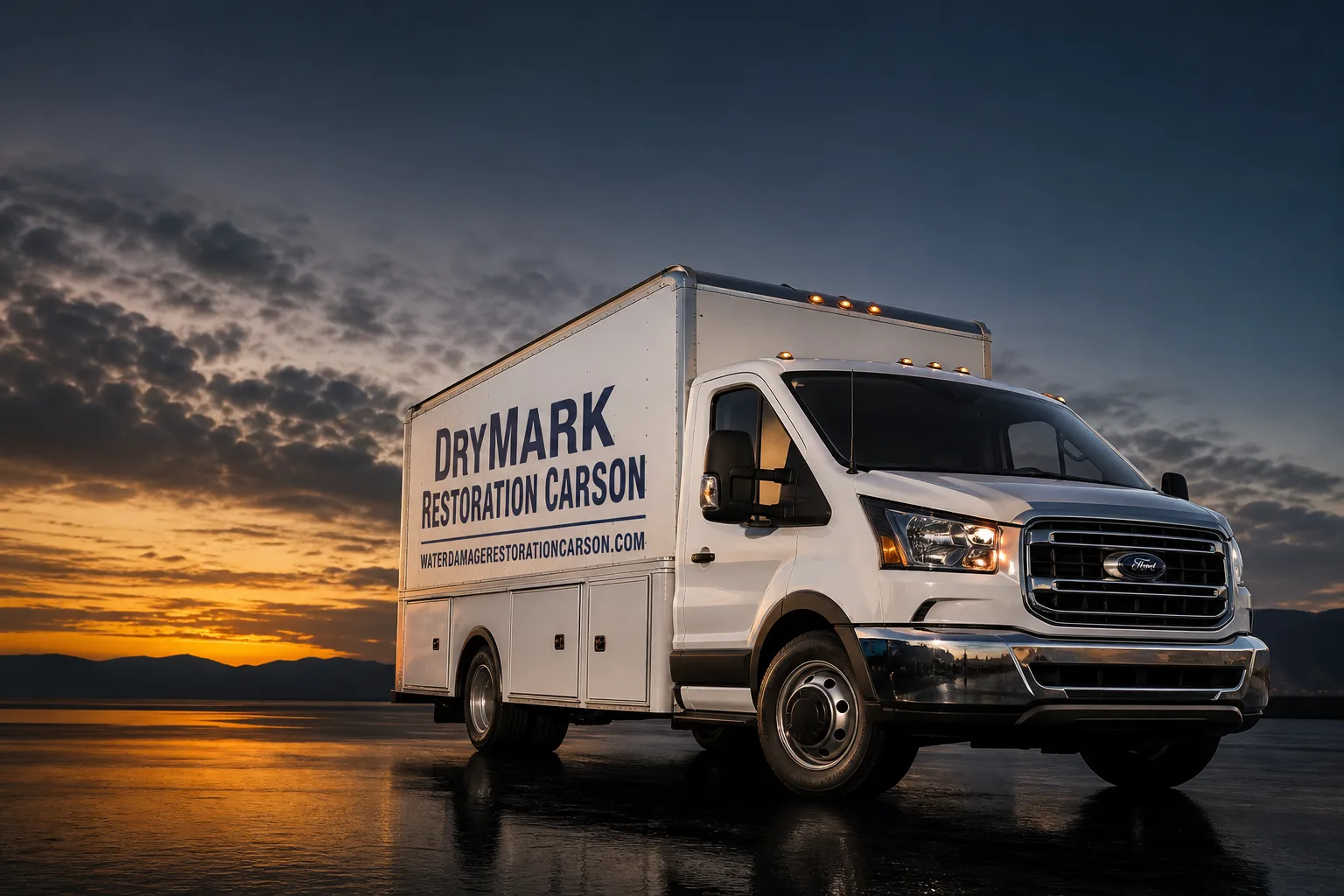
Free visual inspection and a written scope of work before any mitigation begins - photos, moisture readings, and drying logs go in your claim file
The scope we write is the scope we bill. Anything new gets shown to you, in writing, before we touch it.
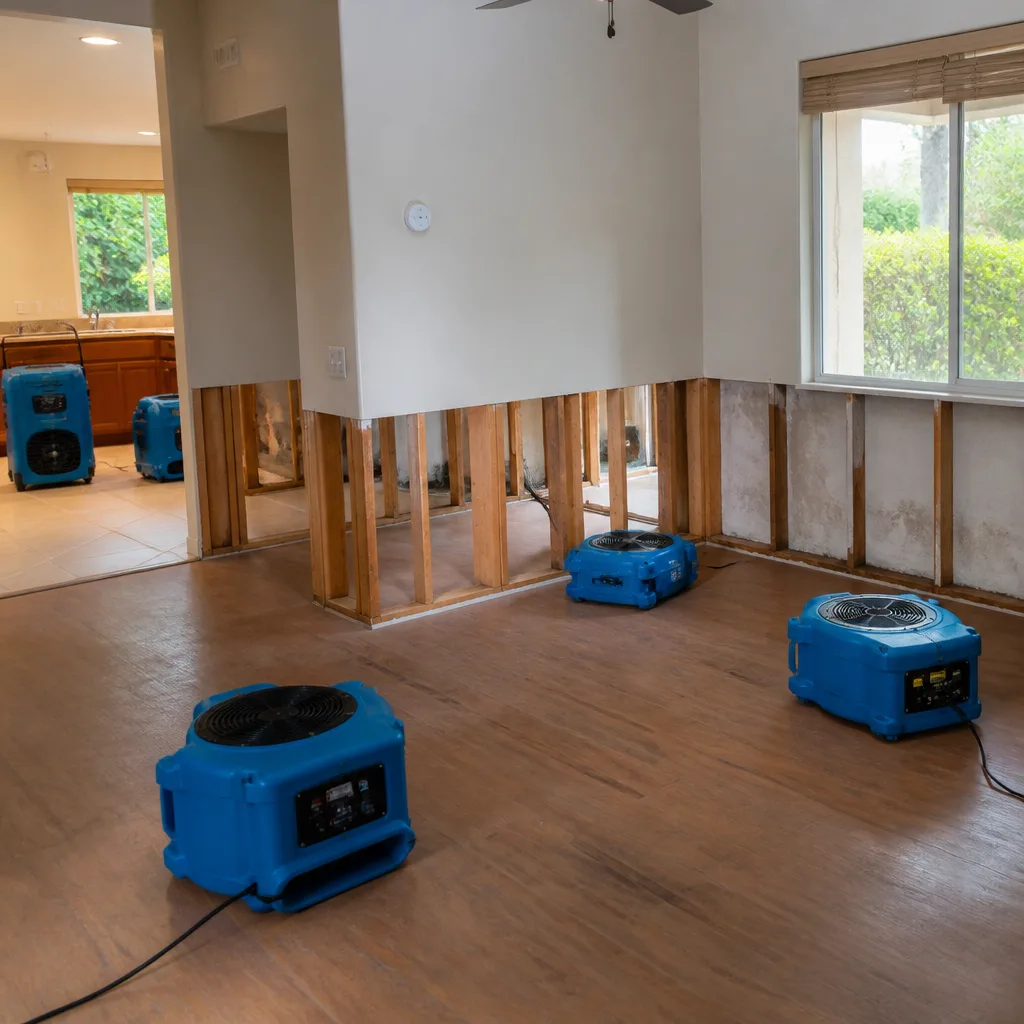
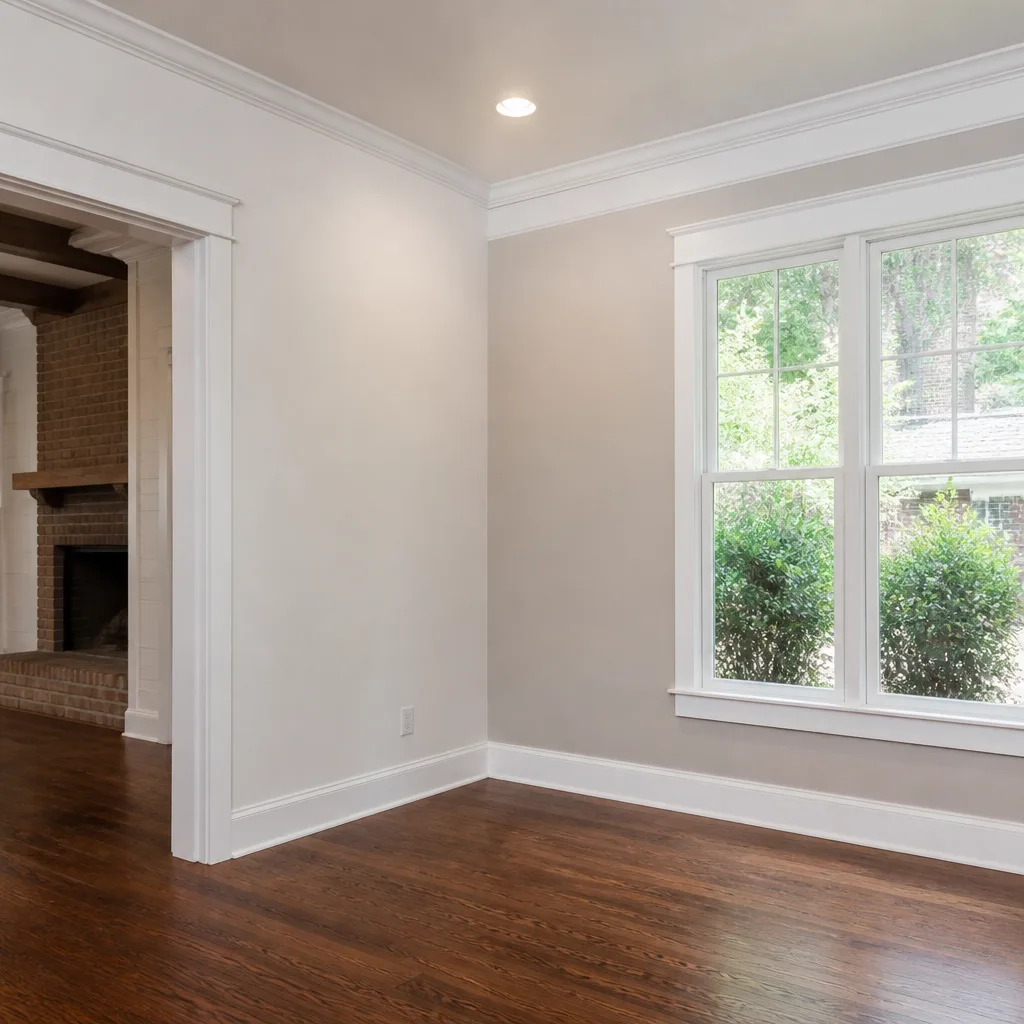
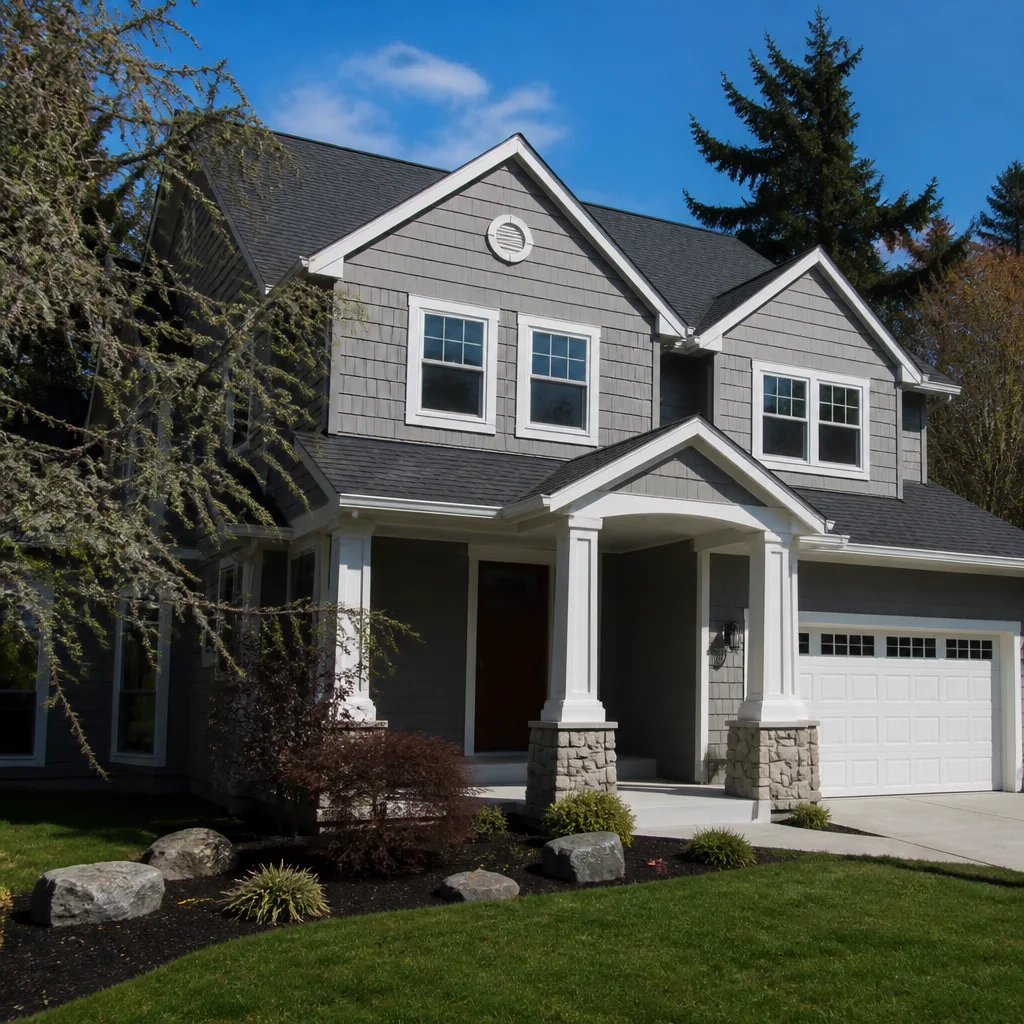
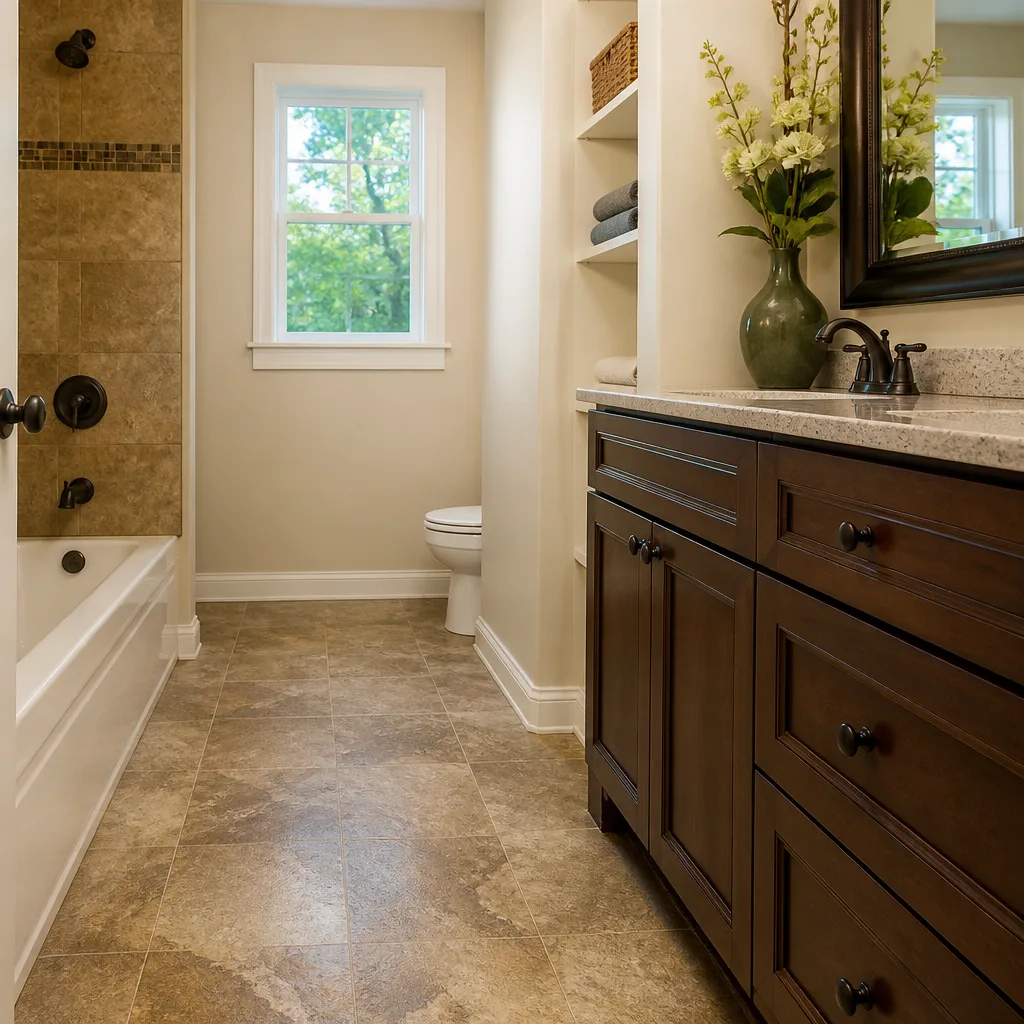
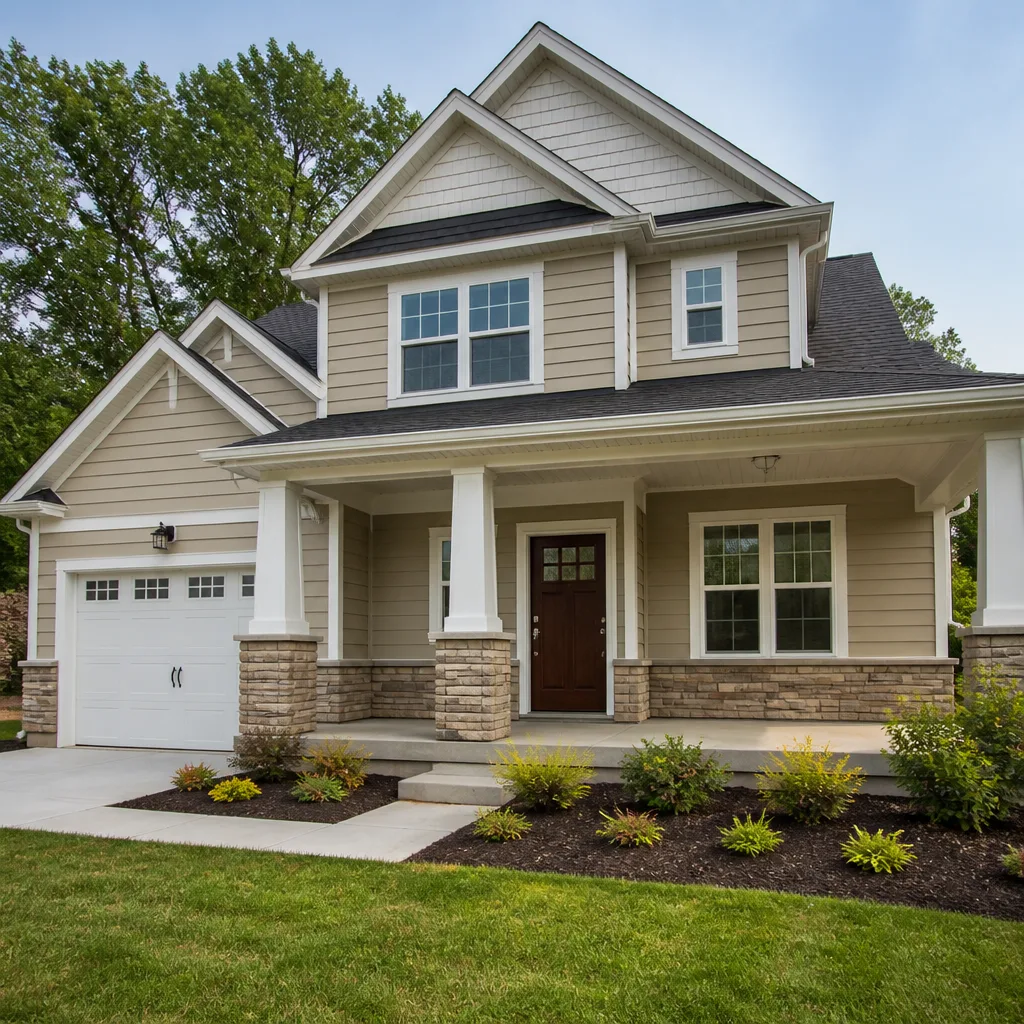
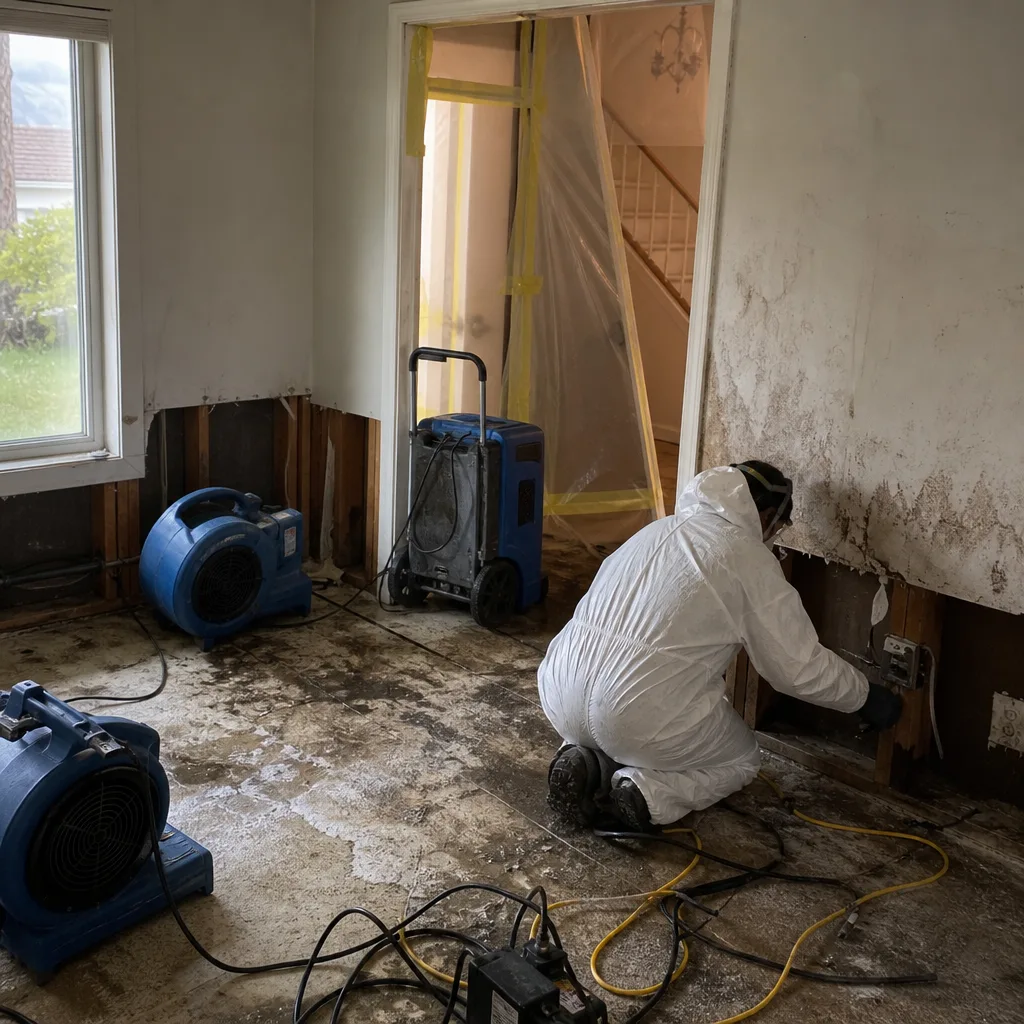 Before
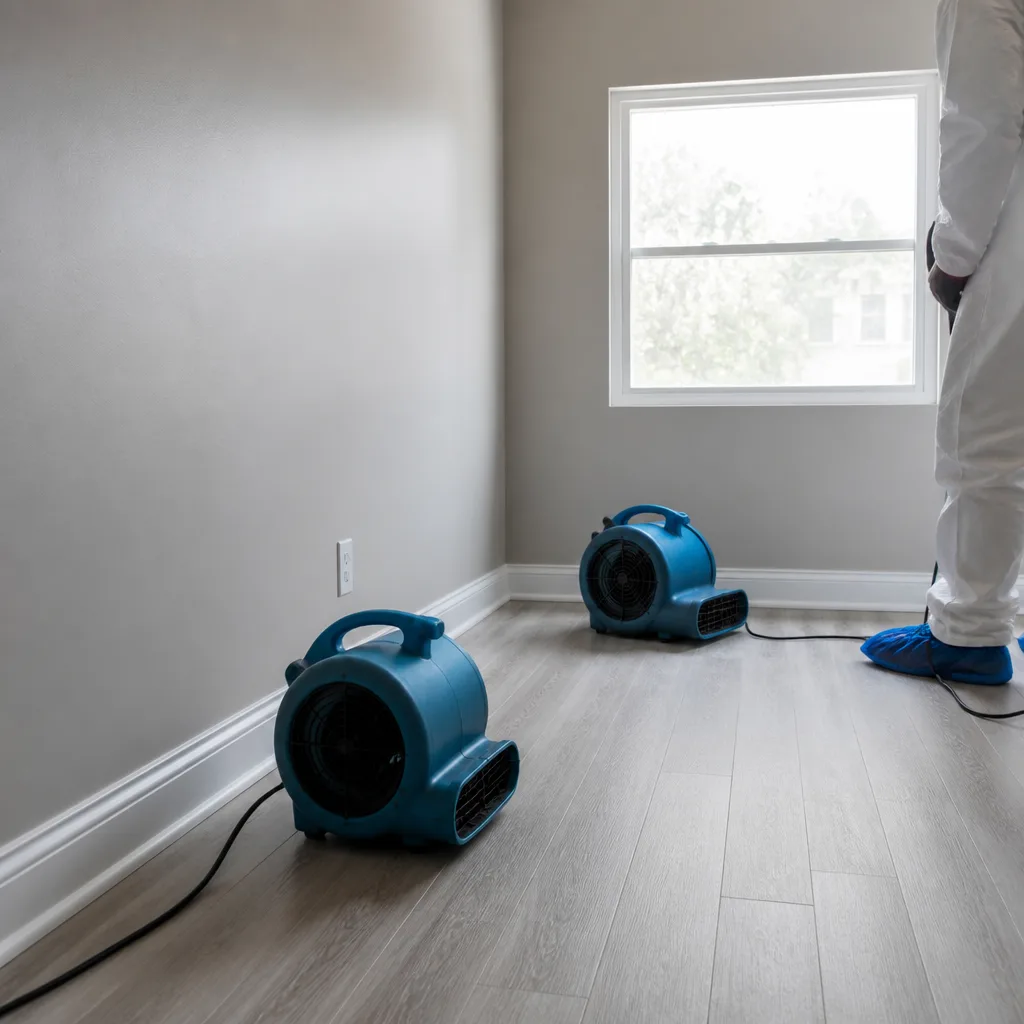 After
After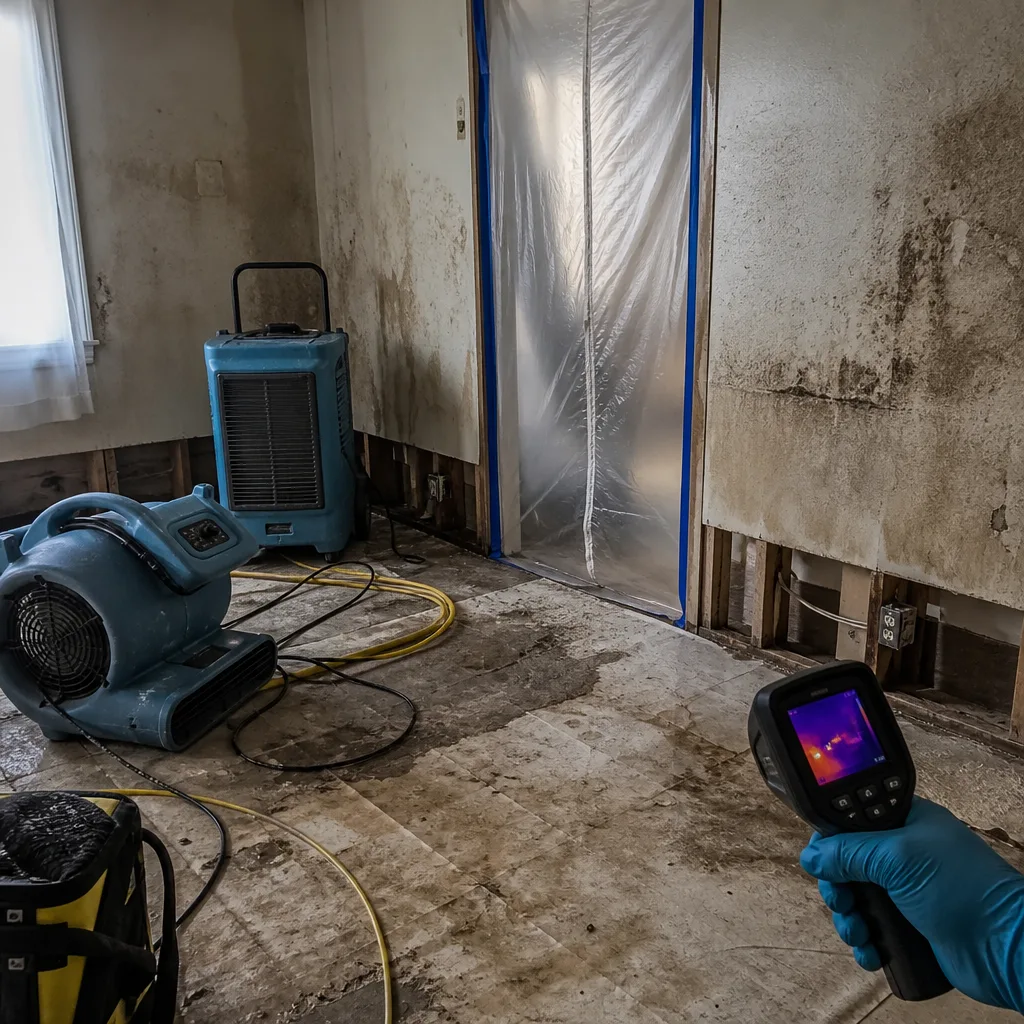 Before
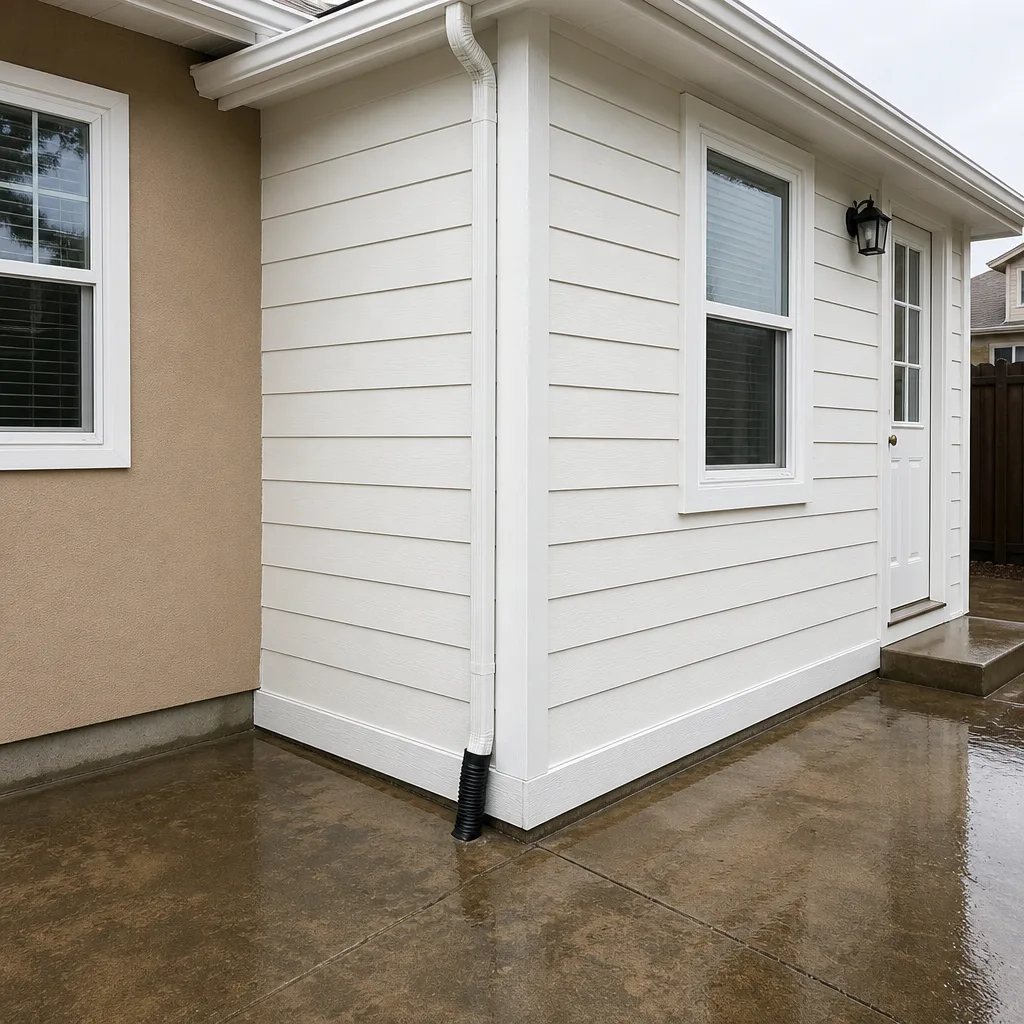 After
After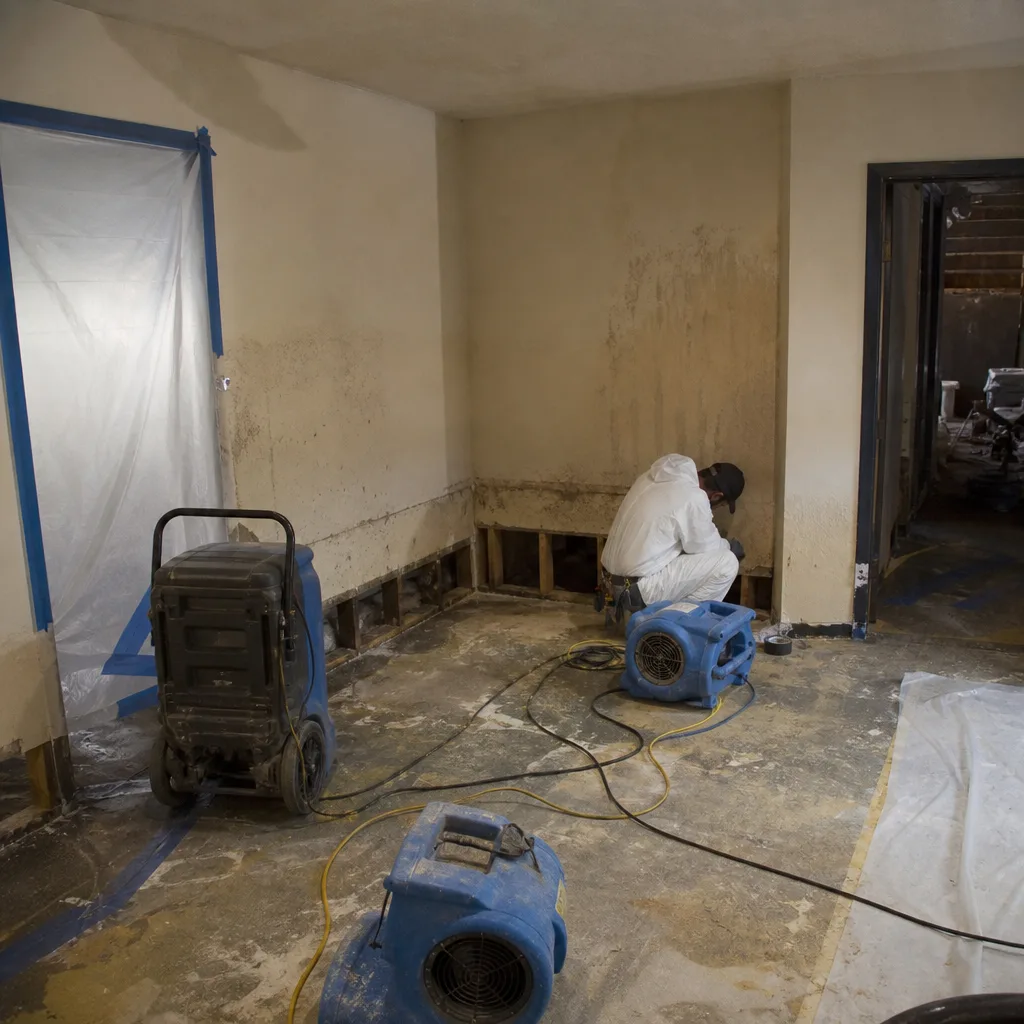 Before
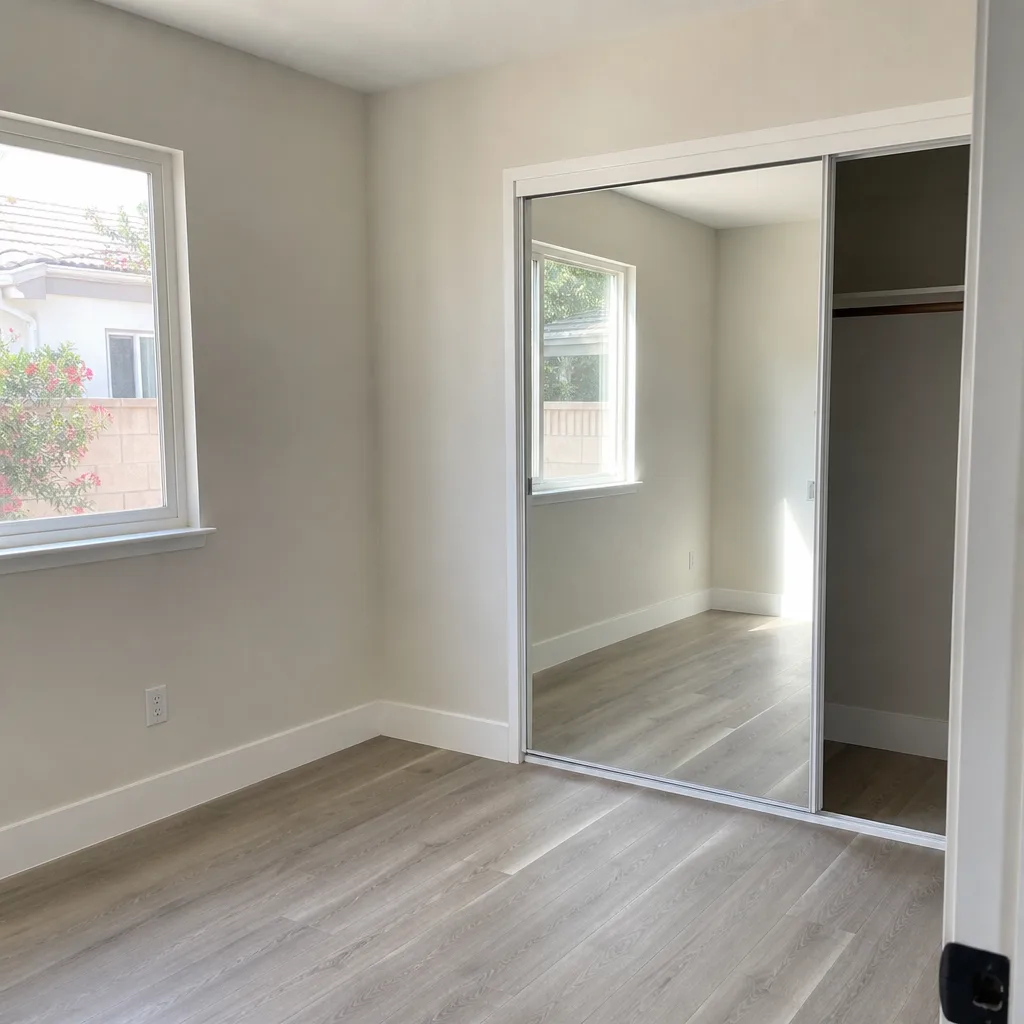 After
After24/7 Emergency Water Damage Restoration in Manhattan Beach
Water damage in Manhattan Beach compounds fast. A live person answers our emergency line at (424) 305-3365 24 hours a day, 7 days a week, and we dispatch crews to the Manhattan Beach area with a 45-minute response commitment. The first hour determines whether a Category 1 supply-line leak stays contained or becomes a Category 2/3 loss with mold colonization, compromised framing, and a six-figure rebuild. Our Water Damage Restoration team arrives with thermal imaging, moisture meters, and extraction equipment to stop the spread before it crosses into neighboring properties or triggers secondary damage. We provide a free visual inspection on arrival and a written scope before any work begins - Haven Standard, Clause 1.
Understanding Water Damage Restoration Severity in Manhattan Beach Properties
Water damage classification follows IICRC protocols: Category 1 is clean water from a supply line, Category 2 is gray water with chemical or biological contamination, Category 3 is black water from sewage or ground flooding. In Manhattan Beach, the distinction collapses faster than inland because the marine layer keeps relative humidity persistently elevated, accelerating microbial growth. A Category 1 burst pipe in a Sand Section bungalow can degrade to Category 2 within 24 hours if the layered wall assembly - original 1950s framing wrapped in added insulation and newer cladding - traps moisture without proper vapor-pressure differential drying.
Moisture mapping is how we find what you cannot see. We document pre-loss conditions with FLIR thermal imaging and pinless moisture meters, then track psychrometric data (temperature, relative humidity, specific humidity, and vapor pressure) daily until materials return to dry standard. In the Hill Section, where custom homes feature plaster walls and wide-plank hardwoods, we dry to the material’s pre-loss moisture content, not a generic number, because overshooting damages premium finishes. Tertiary drying - the final phase where bound water is removed from dense materials - often requires Injectidry cavity-drying systems or targeted heat application rather than standard air movers.
Why Manhattan Beach Property Owners Choose DryMark Restoration Carson
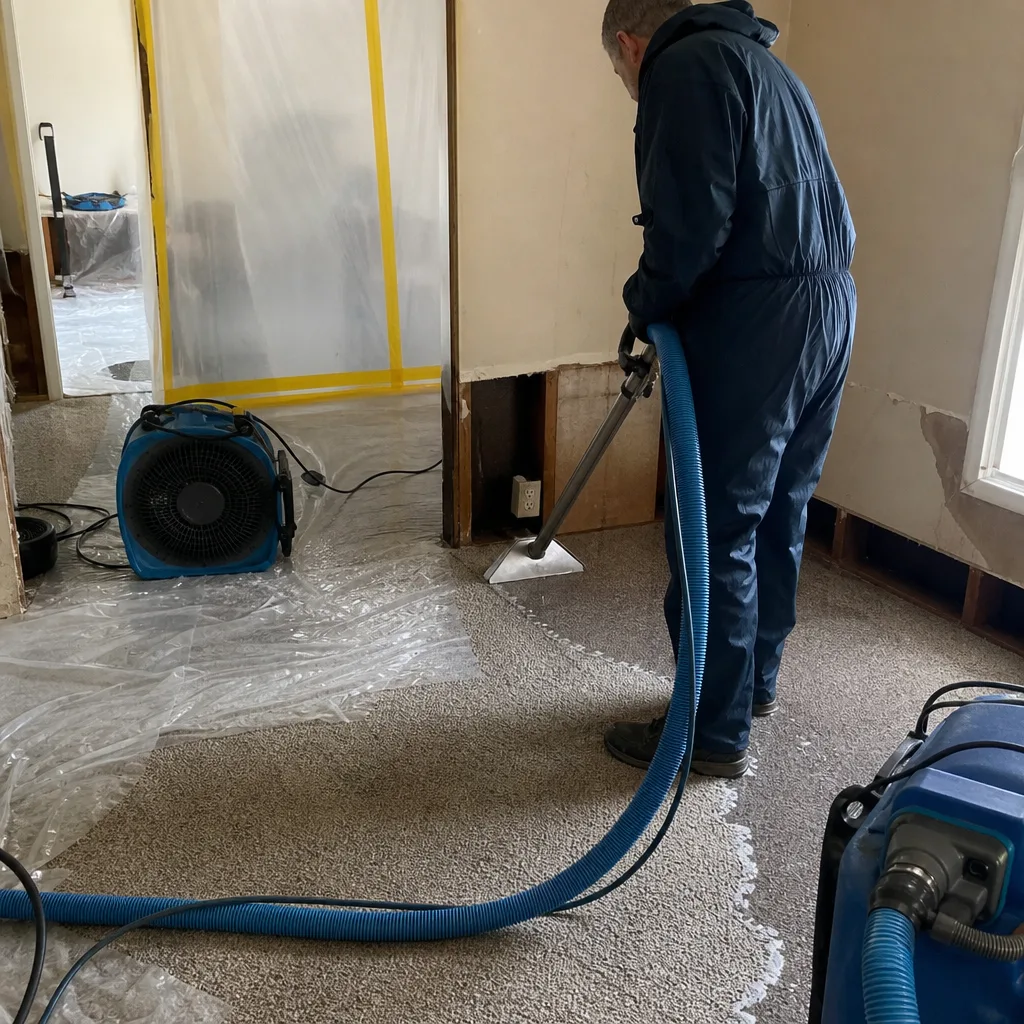
- 45-minute response commitment to Manhattan Beach - crews are staged from our Los Angeles office with direct coastal access via the 405 and Sepulveda.
- 24/7 live answer: a real person picks up every emergency call, never an automated system or voicemail tree, because water does not wait for business hours.
- IICRC-certified crews holding WRT (Water Damage Restoration Technician), ASD (Applied Structural Drying), and AMRT (Applied Microbial Remediation Technician) credentials.
- Free visual inspection with moisture readings and photo documentation before any commitment or charge.
- Direct insurance billing with adjuster coordination - we speak their language because our founder, Alicia Brennan, was one.
- One team from extraction through reconstruction: no handoffs between mitigation and rebuild contractors, no gaps in documentation.
 Before
 After
AfterOur Water Damage Restoration Process
1. Inspection & Assessment
We arrive with thermal imaging cameras, hygrometers, and pin/pinless moisture meters to map the full extent of water migration, including hidden pockets in layered wall assemblies and shared stem walls. You receive a written scope and firm price before any equipment runs - Haven Standard, Clause 1.
2. Extraction & Stabilization
Standing water is removed with truck-mounted or portable extraction systems, depending on access constraints. In Manhattan Beach’s Sand Section, where 3-5 foot side yards prevent exterior staging, all equipment operates inside the structure with interior containment.
3. Drying & Dehumidification
We deploy Dri-Eaz, Phoenix, and XPOWER air movers with LGR dehumidifiers sized to the cubic footage and material load. Daily moisture logs track specific humidity and vapor pressure differential until all materials read within 2-4% of pre-loss baseline.
4. Cleaning & Sanitization
Antimicrobial treatment is applied to all affected surfaces - non-negotiable in Manhattan Beach’s marine-layer environment, where mold colonization windows are shorter than inland markets. HEPA air scrubbers run during all active work.
5. Salt-Air Corrosion Assessment & Specialty Treatment
We inspect copper supply lines, galvanized fasteners, and HVAC components for hidden salt-corrosion damage that often surfaces only after walls are opened. Corroded shutoff valves and compromised connections are documented for insurer review and replaced to prevent recurrence.
6. Repairs & Restoration
Our reconstruction team matches Hill Section plaster walls, wide-plank hardwoods, and custom tile to pre-loss condition. All work is photo-documented and backed by our 365-Day Done Right Promise under The Haven Standard.
Need Emergency Water Damage Restoration in Manhattan Beach Now?
Crews minutes away, answering live 24 hours a day. The sooner we start, the less it costs.
Working With Your Insurance Company
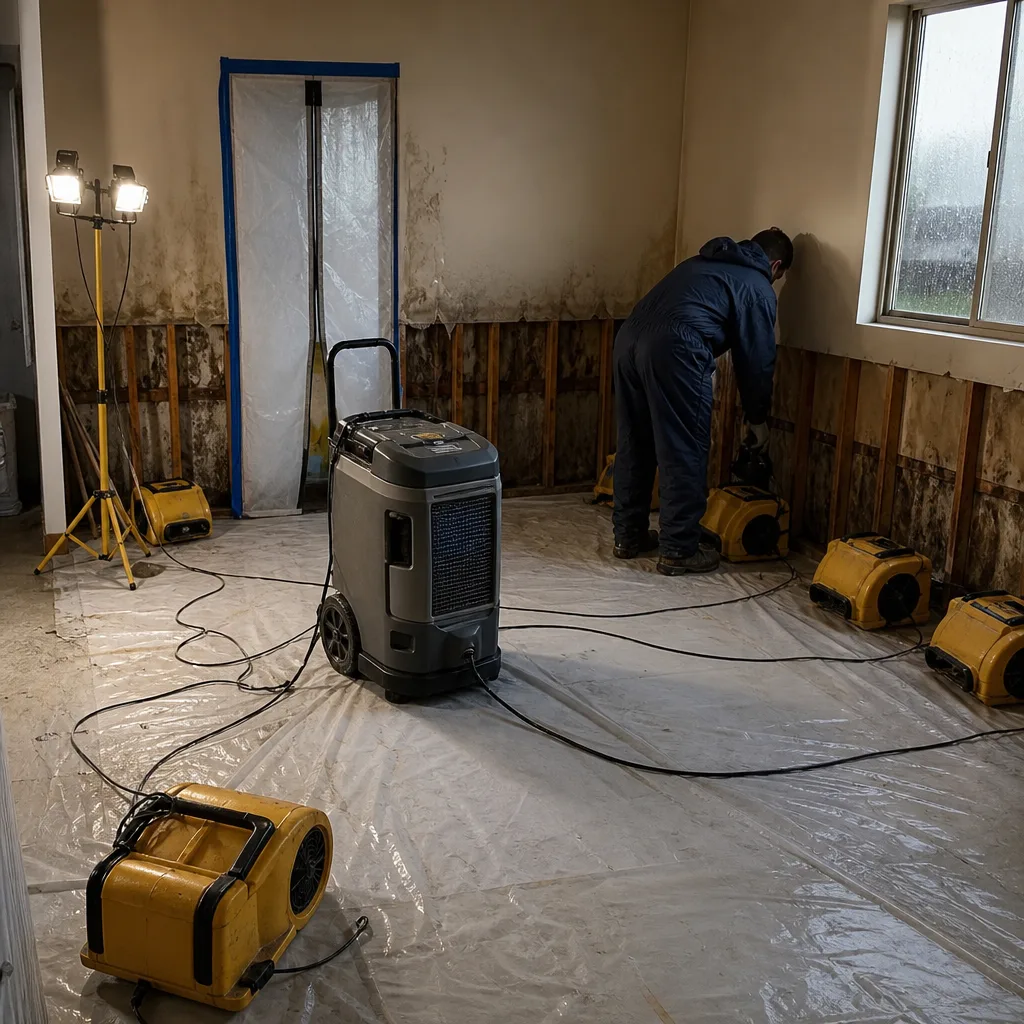
Insurance claims succeed or fail on documentation. From the first hour, we build a file an adjuster can pay without dispute: timestamped photos, room-by-room moisture readings, daily drying logs with psychrometric data, and a detailed line-item scope written to Xactimate standards. Alicia Brennan founded Back to Dry in 2011 after seeing how many homeowners lost legitimate claims to sloppy paperwork. We coordinate directly with your carrier, attend adjuster inspections when requested, and provide the evidence that turns a restoration invoice into a payable claim. If you have a competitor’s written estimate, we offer a free second opinion - no charge, no obligation.
What We Provide Your Insurer
- Thorough documentation of the loss
- Photos of all damage, room by room
- Moisture readings and drying logs
- A detailed, line-item scope of work
- Direct coordination with your carrier
Built for Manhattan Beach’s Loss Calendar
January through March brings the heaviest rain events, often exposing compromised roof membranes and clogged drainage on Hill Section homes with ocean-facing exposures. April and May see the marine layer thicken, keeping humidity high enough that any winter leak not fully dried will show mold by spring. June through August rarely brings rain, but aging copper supply lines - pitted by salt air - fail under increased irrigation and household water demand, producing burst-pipe losses in Sand Section bungalows with original 1950s plumbing. September and October’s Santa Ana winds dry the air temporarily, giving a false sense of security; homeowners who skip proper drying during this window face accelerated mold when humidity rebounds in November. December’s early rains test every system that failed silently through summer.
Water Damage Restoration Across Manhattan Beach’s Neighborhoods
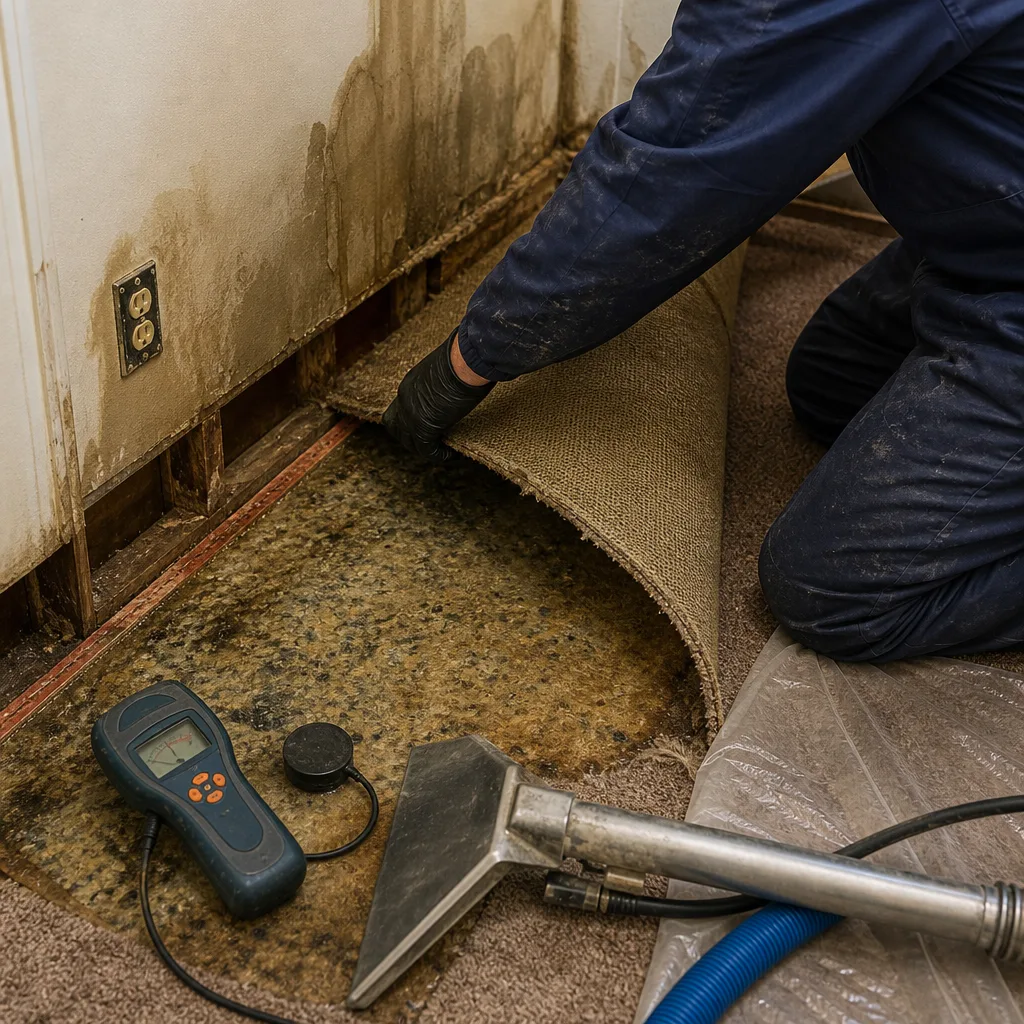
The Sand Section, from 19th Street to 45th Street and west of Highland Avenue, presents our most complex jobs. Lots as narrow as 27-30 feet with side-yard clearances of 3-5 feet mean all drying equipment must operate inside the home; exterior staging is physically impossible. When moisture enters a shared stem wall or party fence, it migrates directly into the neighboring multi-million-dollar property, and we document cross-property damage for both carriers from day one. The Strand corridor, where homes front the beach walk, adds the complication of sand infiltration into flooded structures - abrasive, corrosive, and requiring specialized cleaning before drying can begin.
The Hill Section, east of Highland and climbing toward the golf course, features newer custom construction with premium materials: Venetian plaster, reclaimed wide-plank oak, imported tile. These finishes demand moisture mapping to exact pre-loss readings and material-matching protocols that standard restoration crews rarely encounter. Downtown Manhattan Beach and the area around Manhattan Beach Boulevard see more commercial and mixed-use properties, with slab-on-grade construction vulnerable to groundwater intrusion during heavy rain events. The Mira Costa corridor includes mid-century ranch homes with original galvanized plumbing, now sixty-plus years old and increasingly prone to pinhole leaks behind stucco.
We serve all of Manhattan Beach from our Los Angeles office, with crews familiar with each neighborhood’s building stock, access constraints, and typical failure patterns.
Specialized Water Damage Restoration Services We Offer in Manhattan Beach
Emergency Water Extraction
Standing water is removed within minutes of arrival using truck-mounted extraction units or portable systems for tight Sand Section access. Every minute of delay increases the Category risk and the final restoration cost.
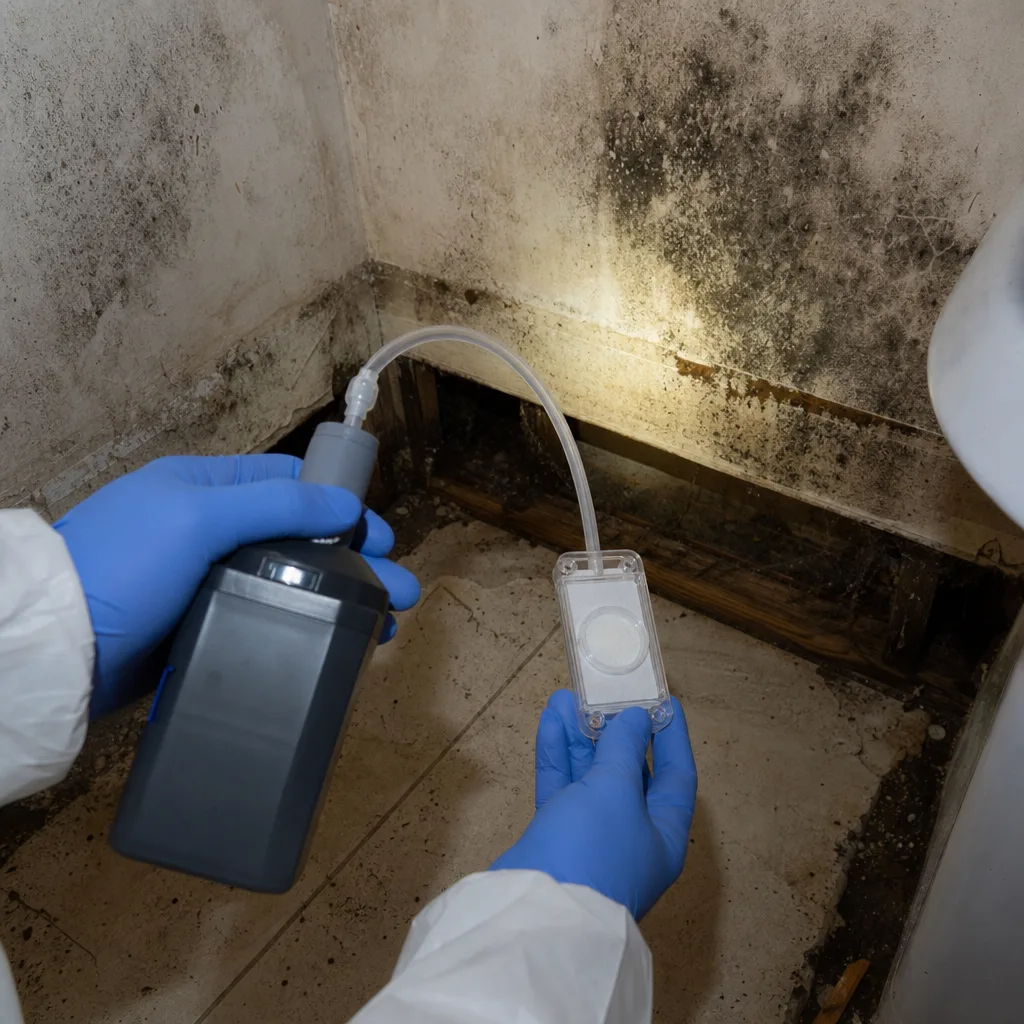
Structural Drying & Dehumidification
We size equipment to the specific cubic footage, material load, and vapor pressure of your structure, not a generic formula. In Manhattan Beach’s marine-layer environment, standard drying calculations from inland markets routinely underestimate dehumidifier requirements by 30-40%.
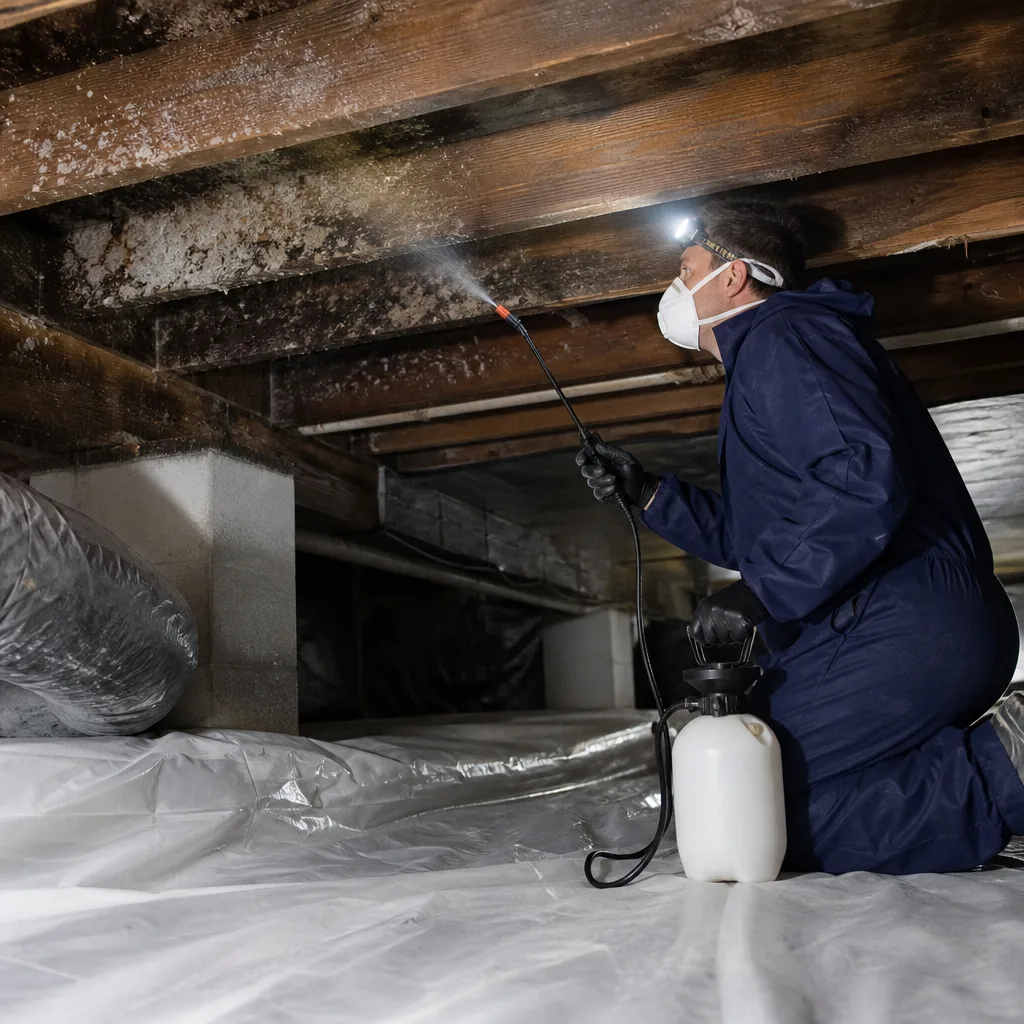
Flood Cleanup
Groundwater and storm-surge events bring Category 3 contamination requiring full PPE, antimicrobial treatment, and disposal of porous materials per IICRC S500 standards. We document contamination levels with photo evidence for insurer review.
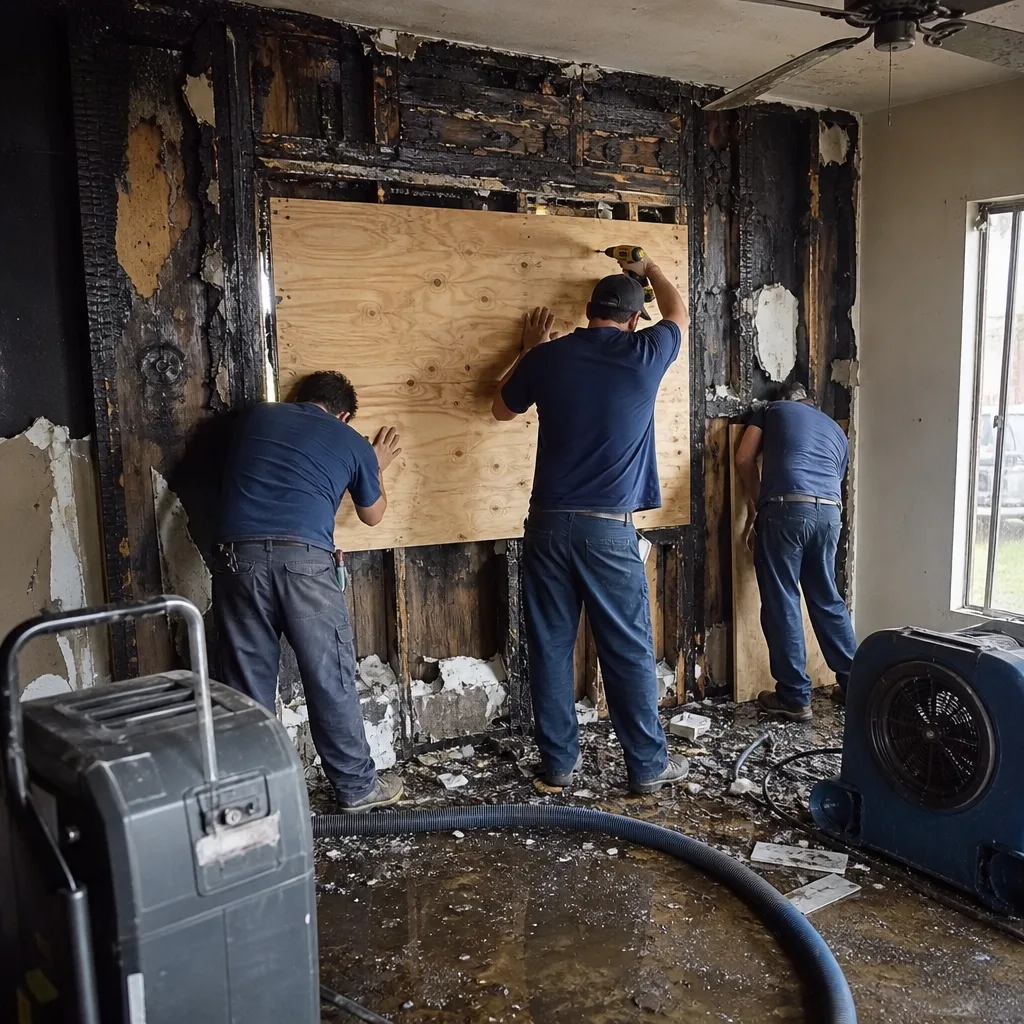
Burst Pipe Restoration
Copper and galvanized lines in Sand Section bungalows and Mira Costa ranches fail from salt-air corrosion that thins pipe walls from the exterior inward. We replace compromised sections with corrosion-resistant materials and document pre-existing damage for carrier consideration.
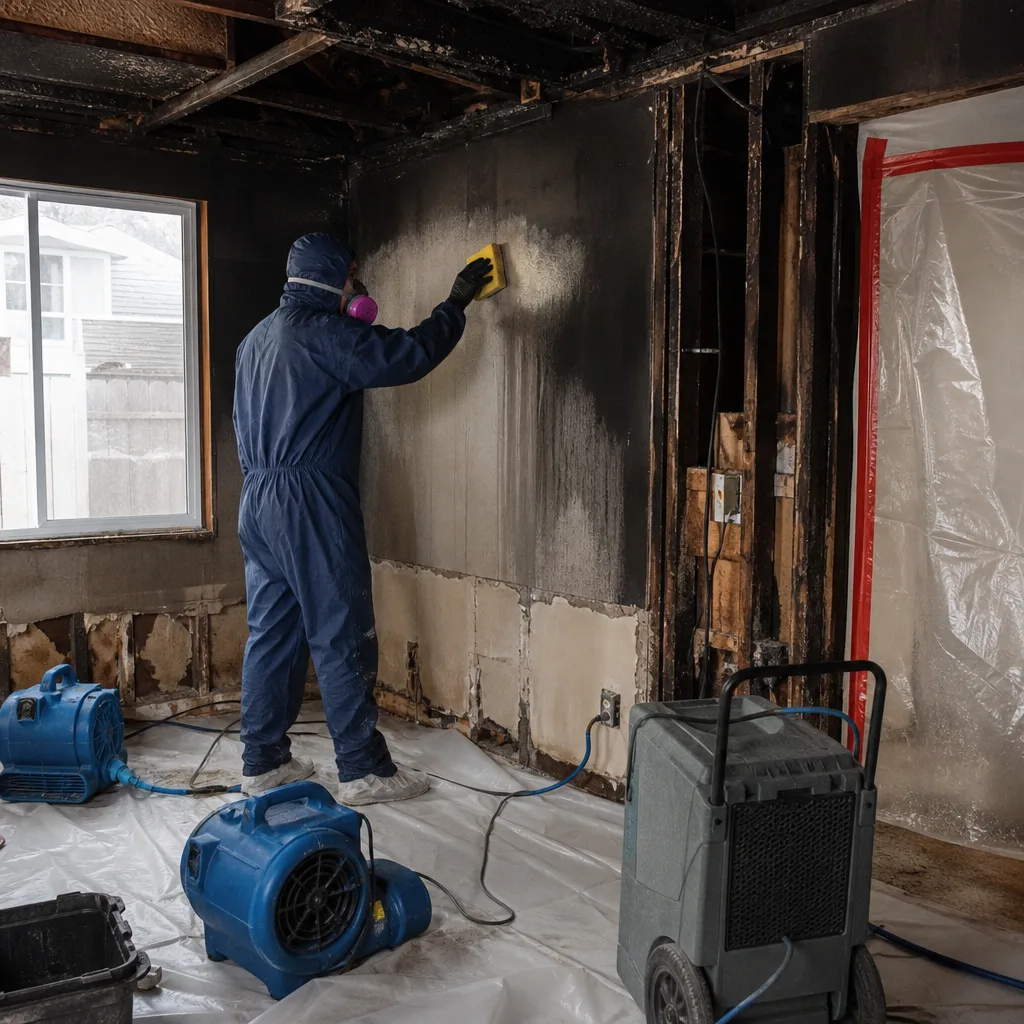
Basement Water Removal
Though true basements are rare in Manhattan Beach, lower-level living spaces in hillside homes and converted garages require sub-slab drainage assessment and specialized extraction when groundwater or drainage failure floods below-grade areas.
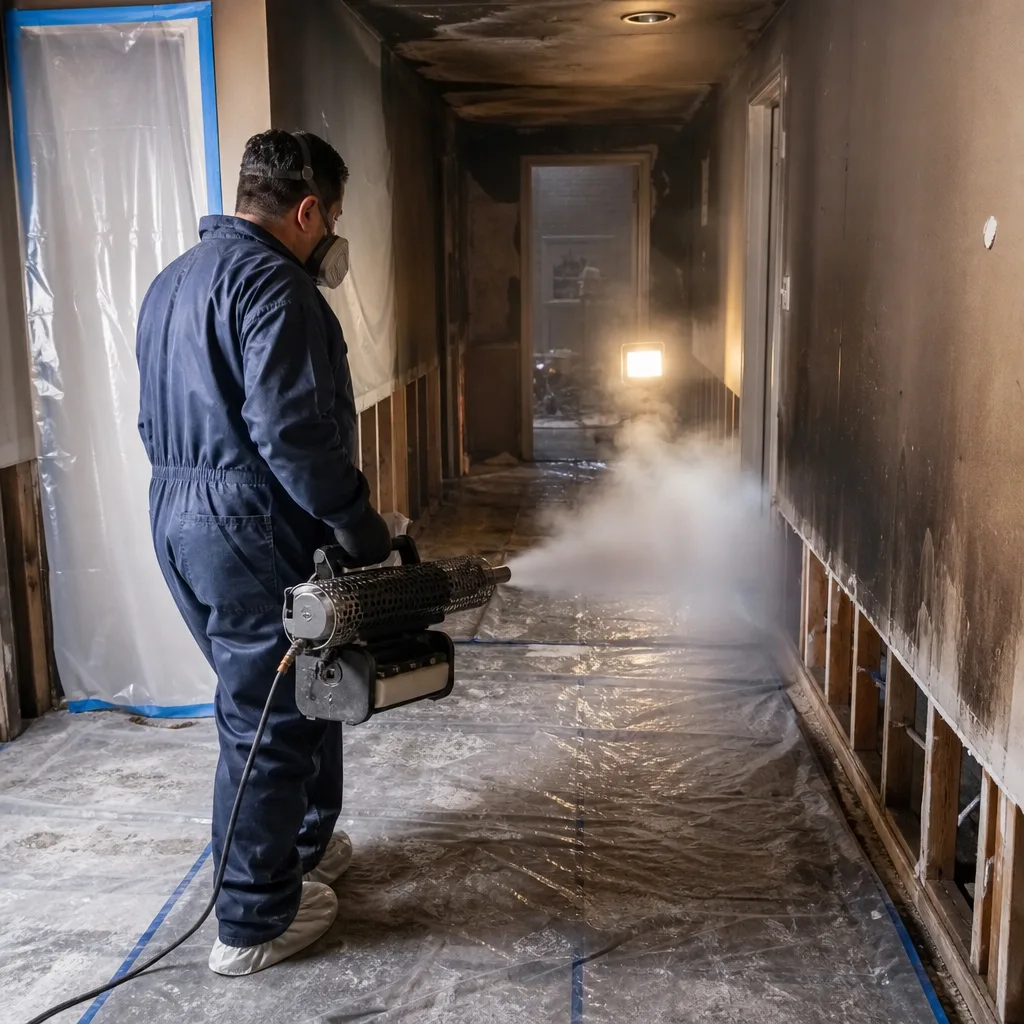
Ceiling & Roof Leak Water Damage
Ocean-facing Hill Section roofs take sustained wind and salt spray that degrades flashing and membrane seals. We trace water migration through attic spaces and ceiling assemblies, document the path with thermal imaging, and dry plaster or drywall to pre-loss moisture content without overshooting.
What happens when you call
- 1
A real person answersNo phone trees - you reach a local pro.
- 2
You get an upfront price rangeHonest numbers before anyone is dispatched.
- 3
A background-checked tech heads outLicensed & insured, dispatched right away.
- 4
You approve before work beginsNothing starts until you say go.
Water Damage Restoration Costs in Manhattan Beach, CA
Water damage restoration in Manhattan Beach typically runs higher than inland South Bay markets due to premium material matching, tighter access logistics, and the documentation standards required for high-value properties. Emergency water extraction and initial stabilization generally fall between $1,200 and $3,500 depending on affected square footage and water depth. Structural drying with professional dehumidification and air movement runs $95-$175 per day per piece of equipment, with most Sand Section or Hill Section homes requiring 3-7 days of active drying. Category 2 or 3 contamination adds antimicrobial treatment and selective demolition at $4,500-$12,000. Burst pipe repair with corrosion assessment and material replacement typically ranges $2,800-$7,500. Full reconstruction of plaster walls, wide-plank hardwoods, or custom tile can extend from $15,000 to $60,000+ depending on finish specifications.
Insurance coverage varies by policy and cause of loss: sudden and accidental discharge from plumbing is typically covered, while long-term leaks and maintenance issues are often excluded. We provide a free visual inspection, a written scope, and direct adjuster coordination to clarify coverage before work begins. Call (424) 305-3365 for your specific estimate.
We Also Serve Cities Near Manhattan Beach
Our crews respond throughout the South Bay, including Hawthorne to the north with its mix of post-war and newer construction, Redondo Beach to the south with similar coastal exposure and marine-layer conditions, Inglewood to the northeast with larger commercial and institutional properties, and Gardena to the east with its established residential neighborhoods and aging infrastructure. Each market has distinct building stock and loss patterns, and we adjust our protocols accordingly.
Serving Manhattan Beach, CA - Our Local Coverage Area
We’re based in the Manhattan Beach area and know this community well. Use the map below to see our service coverage - if you’re nearby, we can almost certainly help.
Manhattan Beach Water Damage Restoration Questions, Answered
How fast can you get to Manhattan Beach?
We commit to a 45-minute response time to Manhattan Beach properties, with crews staged from our Los Angeles office for direct coastal access via the 405 and Sepulveda. Call (424) 305-3365 and a live person will dispatch immediately - no voicemail, no callback queue.
Why does a water leak in Manhattan Beach’s Sand Section turn moldy faster than one a few miles inland?
The persistent marine layer keeps relative humidity at street level far higher than Torrance or Hawthorne, even on days when inland areas feel dry. In that environment, mold colonization begins in 24-48 hours rather than the 48-72 hour window typical inland. We apply antimicrobial treatment and aggressive dehumidification on every Sand Section job, regardless of initial water category.
Can you dry a Sand Section bungalow without putting equipment in the side yard?
Yes - we have to. Side-yard clearances of 3-5 feet make exterior staging physically impossible, so all Dri-Eaz and Phoenix equipment runs inside with interior containment and negative-air pressure management. This requires precise equipment sizing and placement to avoid re-wetting already-damaged materials, which is why generic drying calculations from inland contractors often fail here.
What happens when water from our home crosses into the neighbor’s property?
We document cross-property moisture migration immediately with photo evidence and moisture readings from both structures, then notify both carriers. Our field vignette: a burst copper line near The Strand flooded a layered wall assembly, and moisture crossed the shared stem wall into the neighboring $4.2M property. We built interior containment, logged daily readings, matched the original plaster and wide-plank oak, and passed full documentation to the neighbor’s carrier. Early documentation prevents disputes from becoming litigation.
Do salt-air conditions change how you handle a burst pipe in Manhattan Beach?
Absolutely. Salt-air corrosion pits copper supply lines, galvanized fasteners, and HVAC components from the exterior inward, so what reads as a simple Category 1 leak often reveals hidden Category 2/3 pockets once walls are opened. We inspect all accessible metal components, document corrosion with photos for insurer review, and replace compromised materials with corrosion-resistant alternatives to prevent recurrence.
How do you restore Hill Section plaster walls and wide-plank hardwoods after a ceiling or roof leak?
We dry to the material’s pre-loss moisture content using targeted low-temperature drying and Injectidry cavity systems, not standard air movers that would crack plaster or cup hardwood. Reconstruction matches original materials and finish profiles, with photo documentation at every phase. The 365-Day Done Right Promise covers all restoration work under The Haven Standard.
Will my insurance cover water damage restoration?
Sudden and accidental discharge from plumbing, appliances, or storm damage is typically covered under standard homeowner policies, while long-term leaks, maintenance issues, and groundwater intrusion often are not. We provide a free visual inspection, document the cause and extent with photos and moisture readings, and coordinate directly with your adjuster to establish coverage before work begins. Bring a competitor’s written estimate and we’ll review it at no charge.
How long does structural drying take in Manhattan Beach?
Most Manhattan Beach homes require 3-7 days of active drying, though layered wall assemblies in Sand Section bungalows and dense plaster in Hill Section custom homes can extend to 10-14 days. We do not guess; daily moisture logs with specific humidity and vapor pressure data determine when equipment comes out. Rushing the timeline risks mold, material damage, and claim denial. Call (424) 305-3365 for a timeline specific to your loss.
Water damage in Manhattan Beach demands more than standard restoration. The marine layer, salt-air corrosion, tight Sand Section lots, and premium Hill Section finishes create a loss environment no inland contractor fully understands. We’ve restored 12,000+ homes since 2011, every one with a written price before work started and a documented record when the crew left. If you’re facing water damage now, call (424) 305-3365. A live person will answer, dispatch a crew, and begin the documentation that protects your property and your claim.
Written by Alicia Brennan, Owner at Back to Dry Restoration, serving Manhattan Beach since 2011.
Water Damage Restoration in Nearby Areas