
Last updated September 23, 2026
Free visual inspection and a written scope of work before any mitigation begins - photos, moisture readings, and drying logs go in your claim file
The scope we write is the scope we bill. Anything new gets shown to you, in writing, before we touch it.
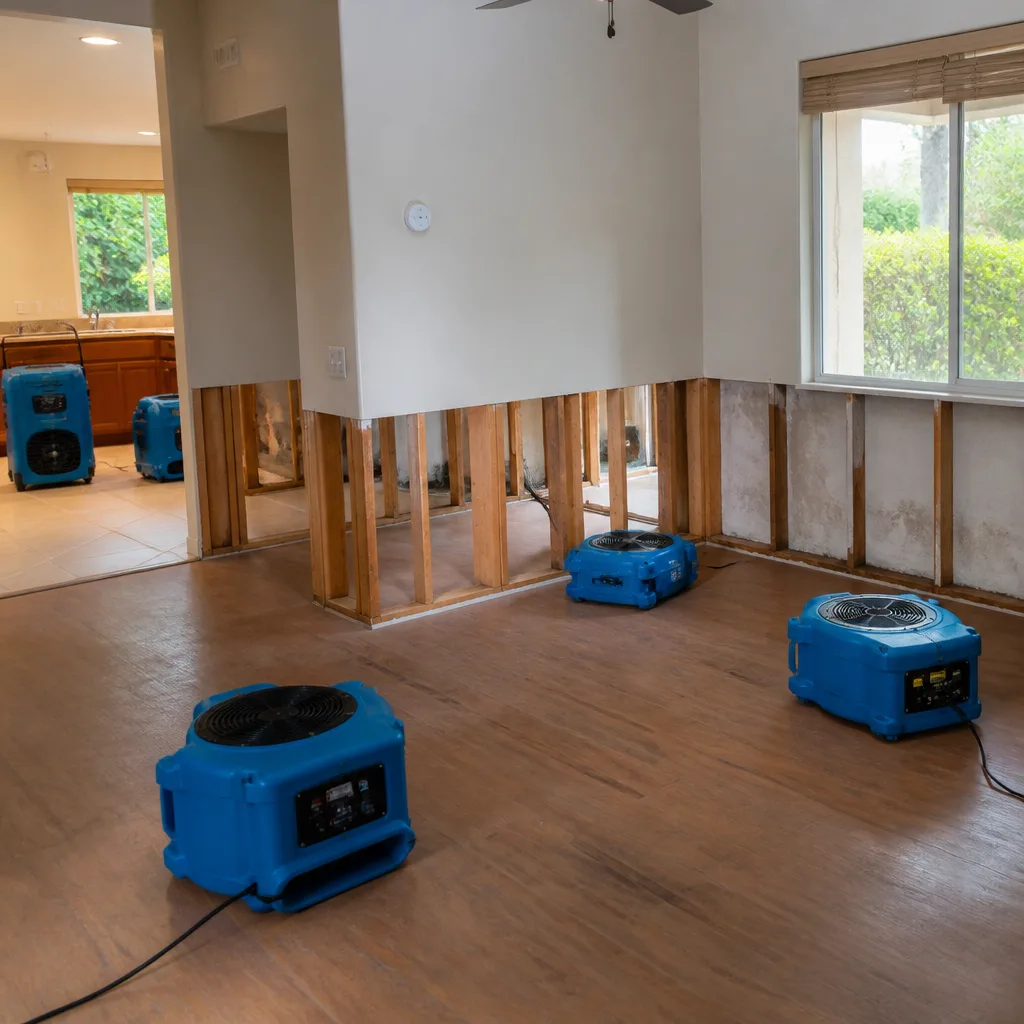
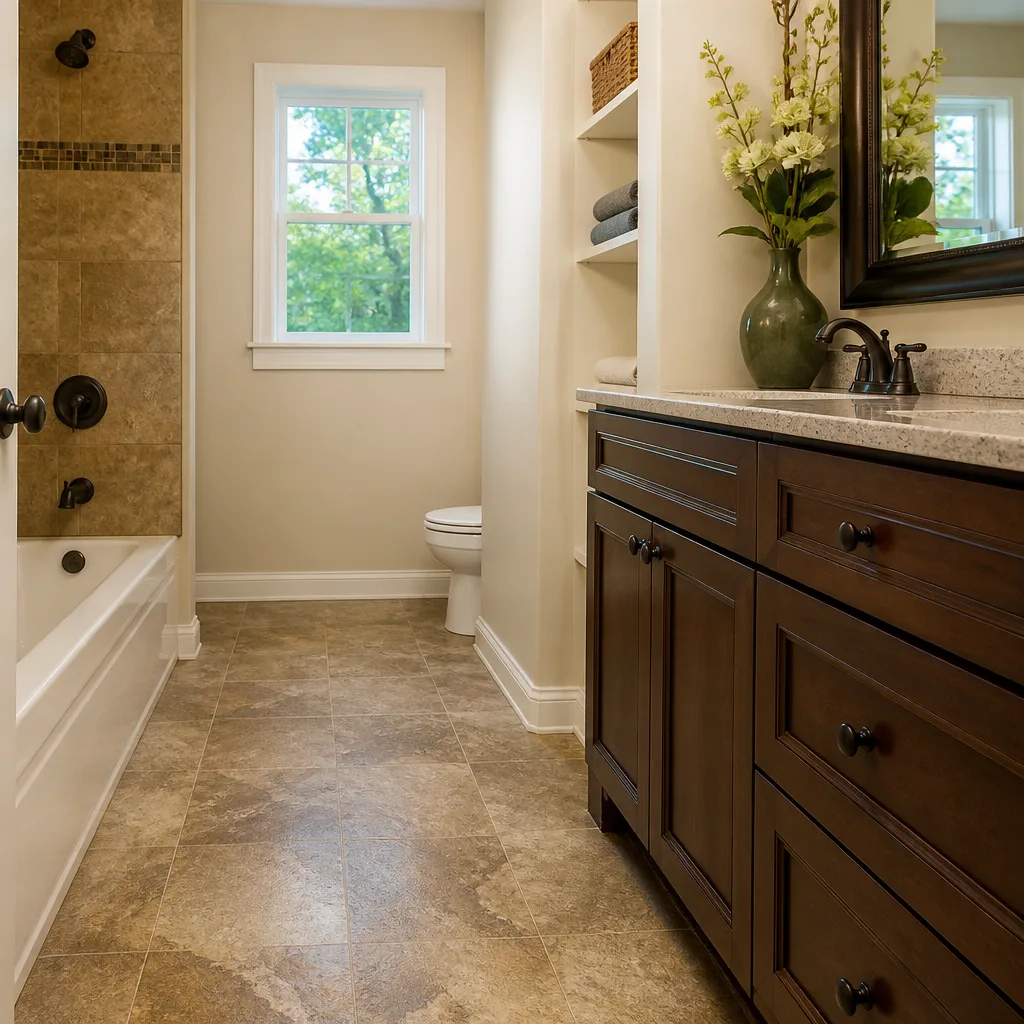
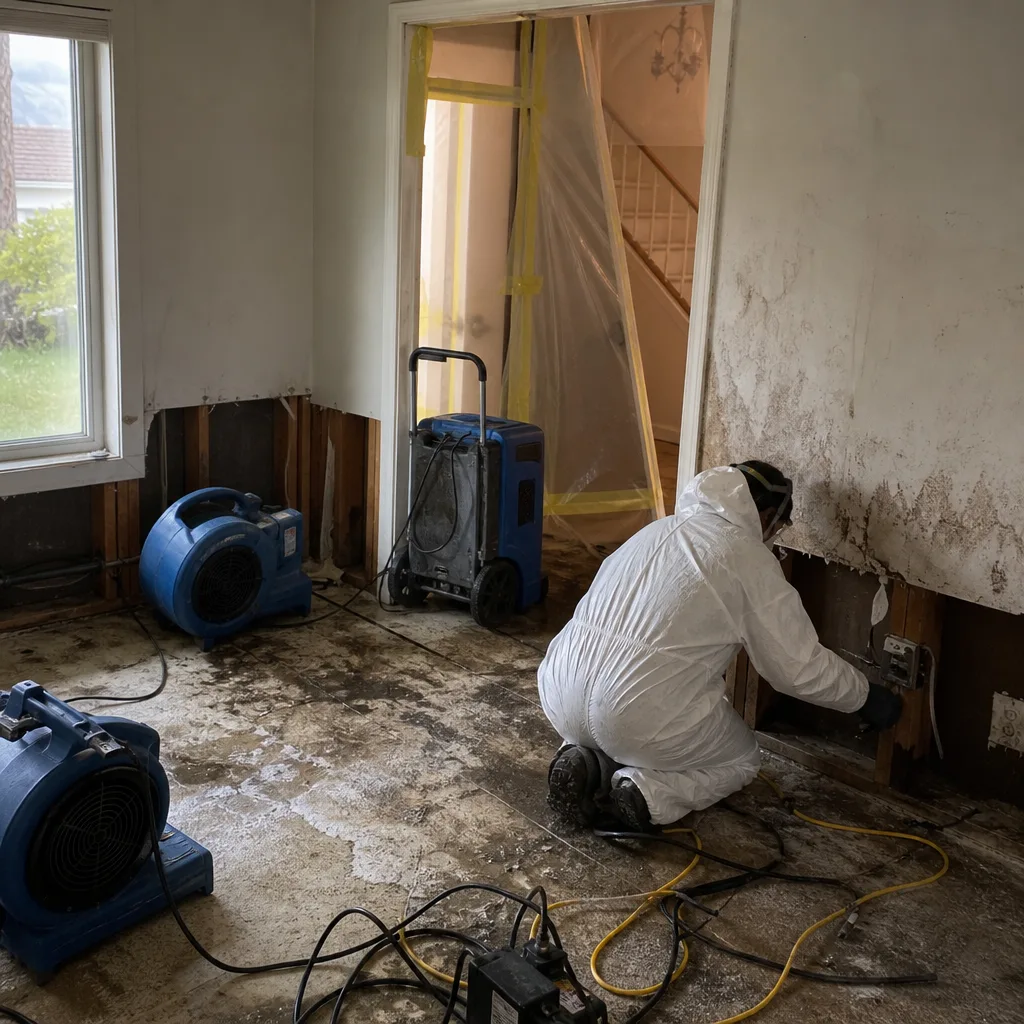 Before
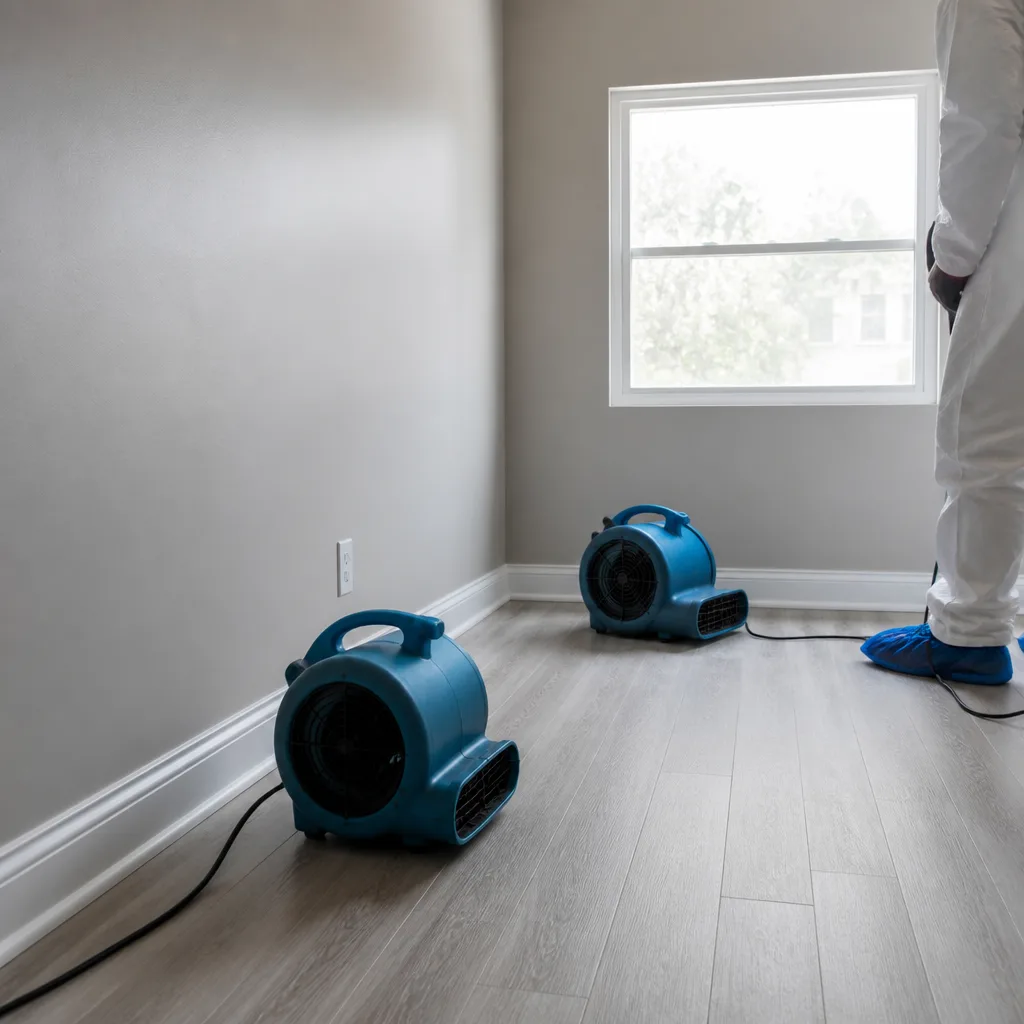 After
After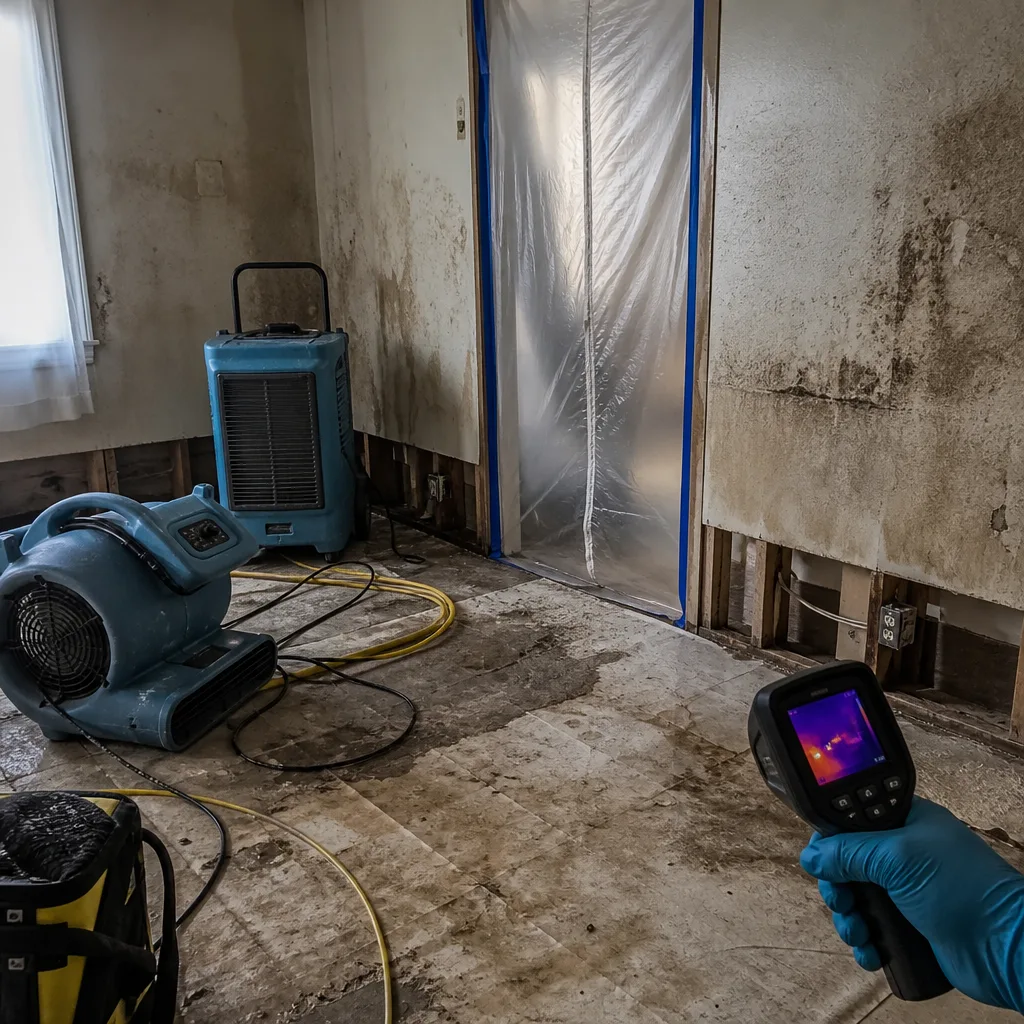 Before
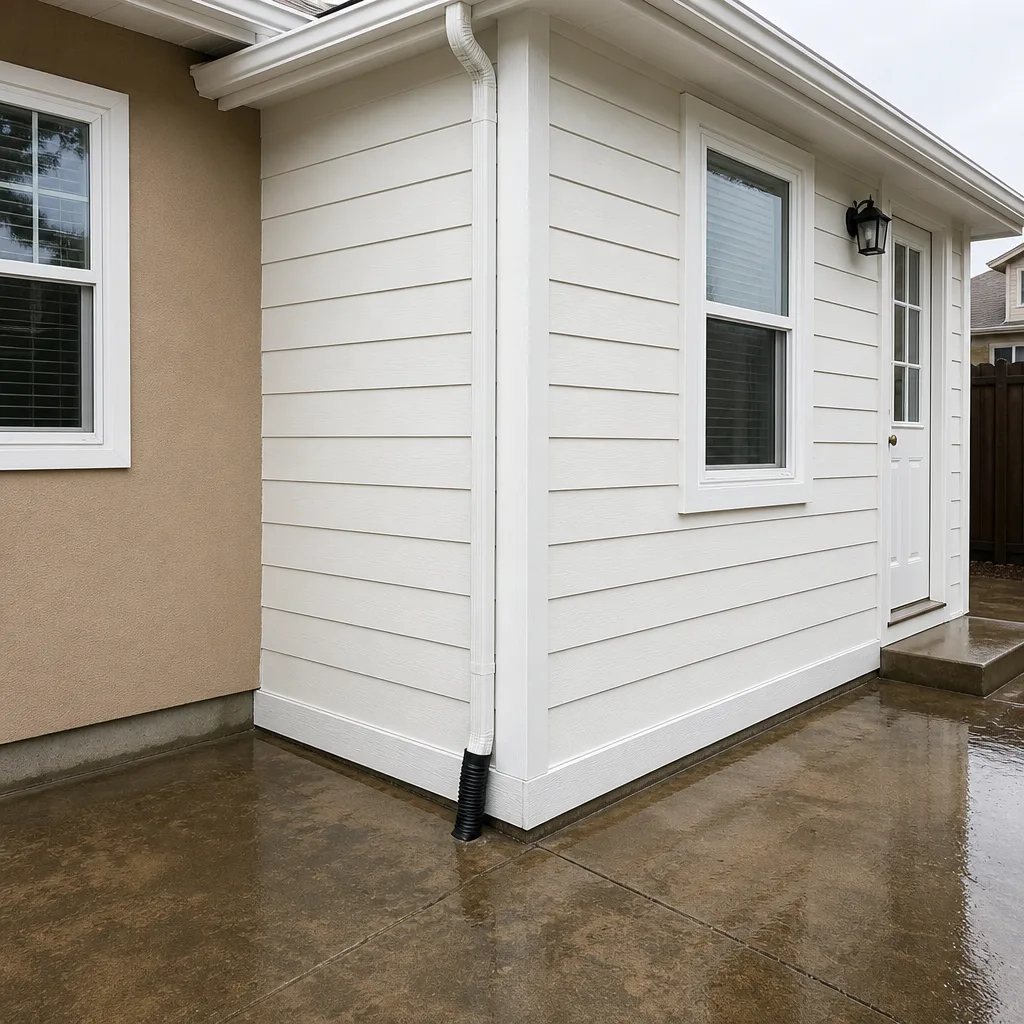 After
After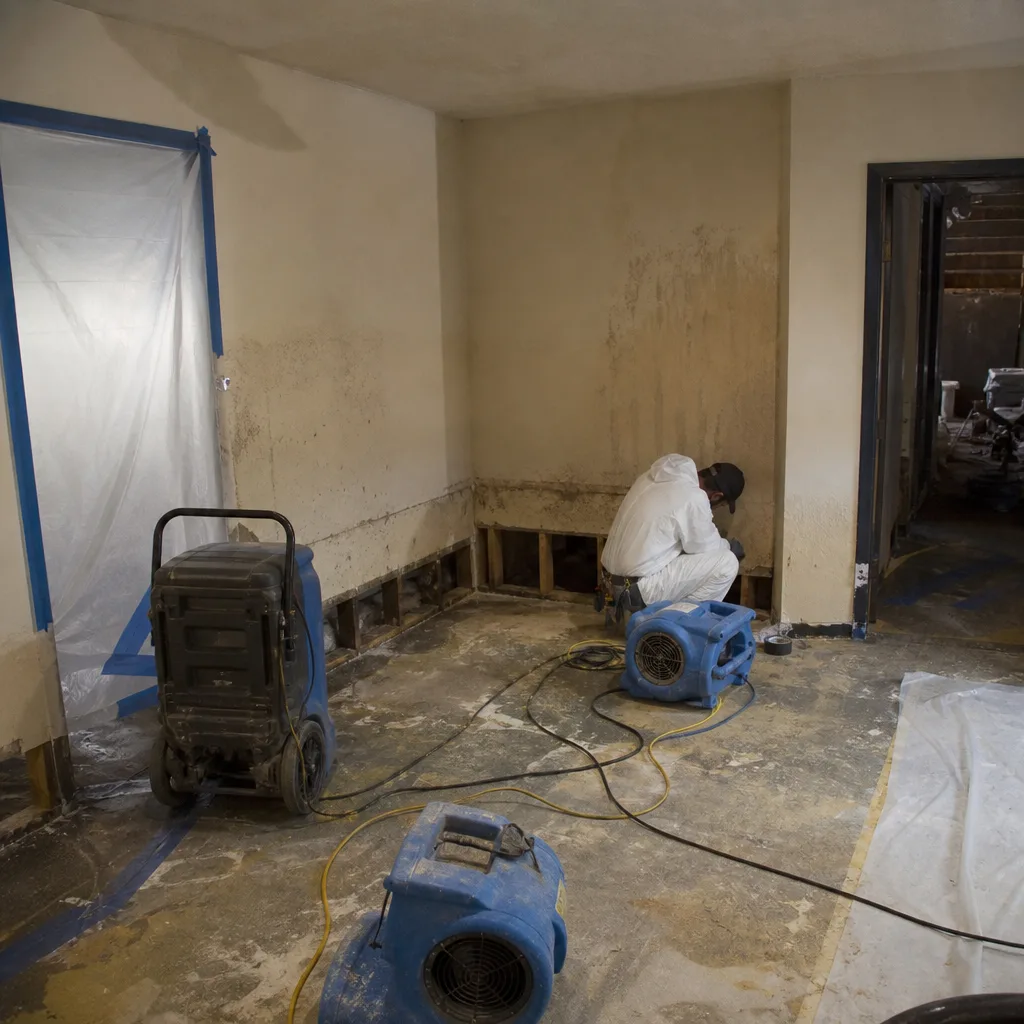 Before
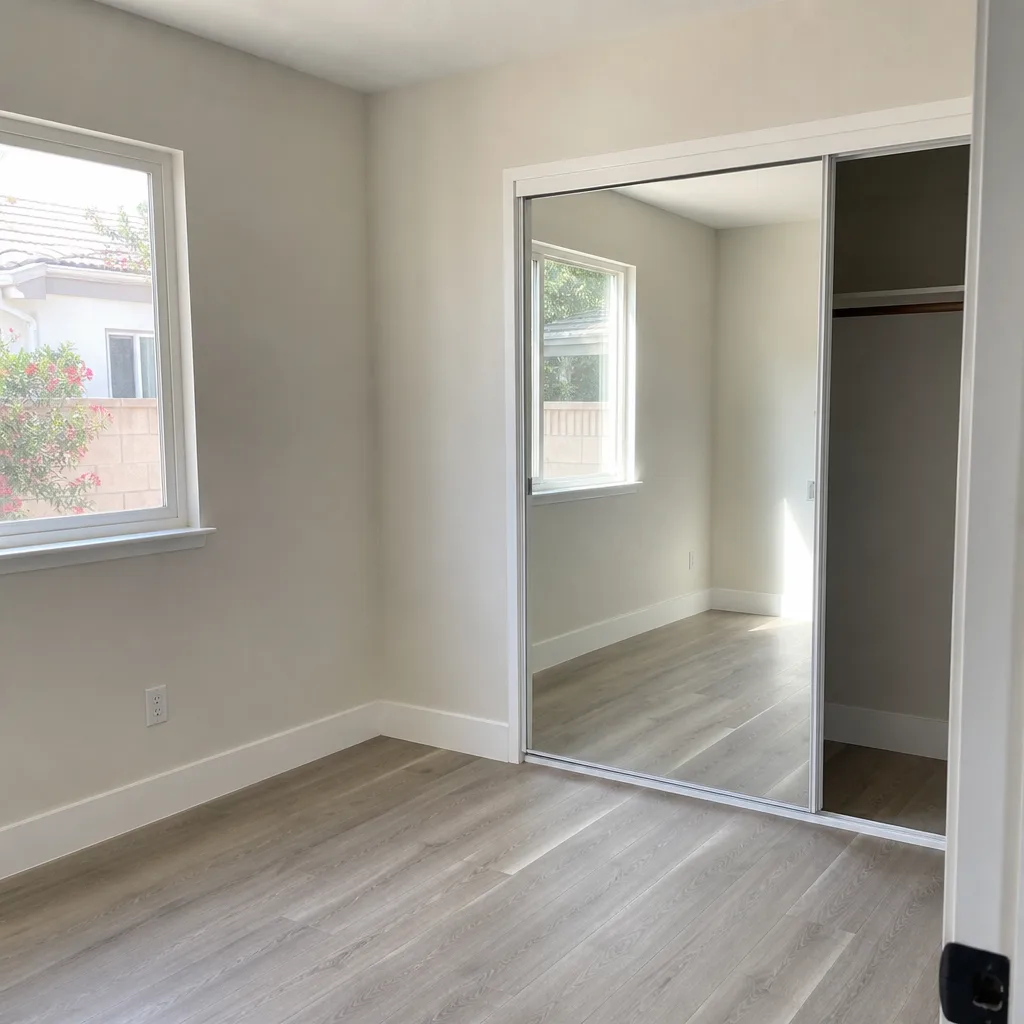 After
AfterDamage Restoration Permits, Codes & Inspections in CA: What You Need to Know
A permit-free drywall replacement after water damage is legal in some California jurisdictions and a code violation in others. In Carson, a City of Los Angeles-adjacent municipality with its own building department, the permit threshold is lower than most contractors quote. We’ve seen homeowners pay twice for the same job: once for the restoration, and again to pull a retroactive permit when a buyer’s inspector finds unpermitted electrical or structural work six months later. This guide maps exactly which Carson restoration scopes trigger a permit, how the permit process protects your insurance claim, and what California law says about uninhabitable conditions that must be documented before anyone moves back in. For more guides & resources on navigating Carson’s restoration requirements, see our blog.
Quick Answer
Most water damage restoration in California requires a building permit when the work involves structural repairs, electrical or plumbing replacement, or mold remediation exceeding 10 square feet. In Carson, any drywall removal exposing framing, subfloor replacement, or HVAC ductwork modification triggers a permit under Carson Municipal Code. The permit creates an independent inspection record that insurers use to verify scope and buyers use to confirm habitability at resale.
Table of Contents
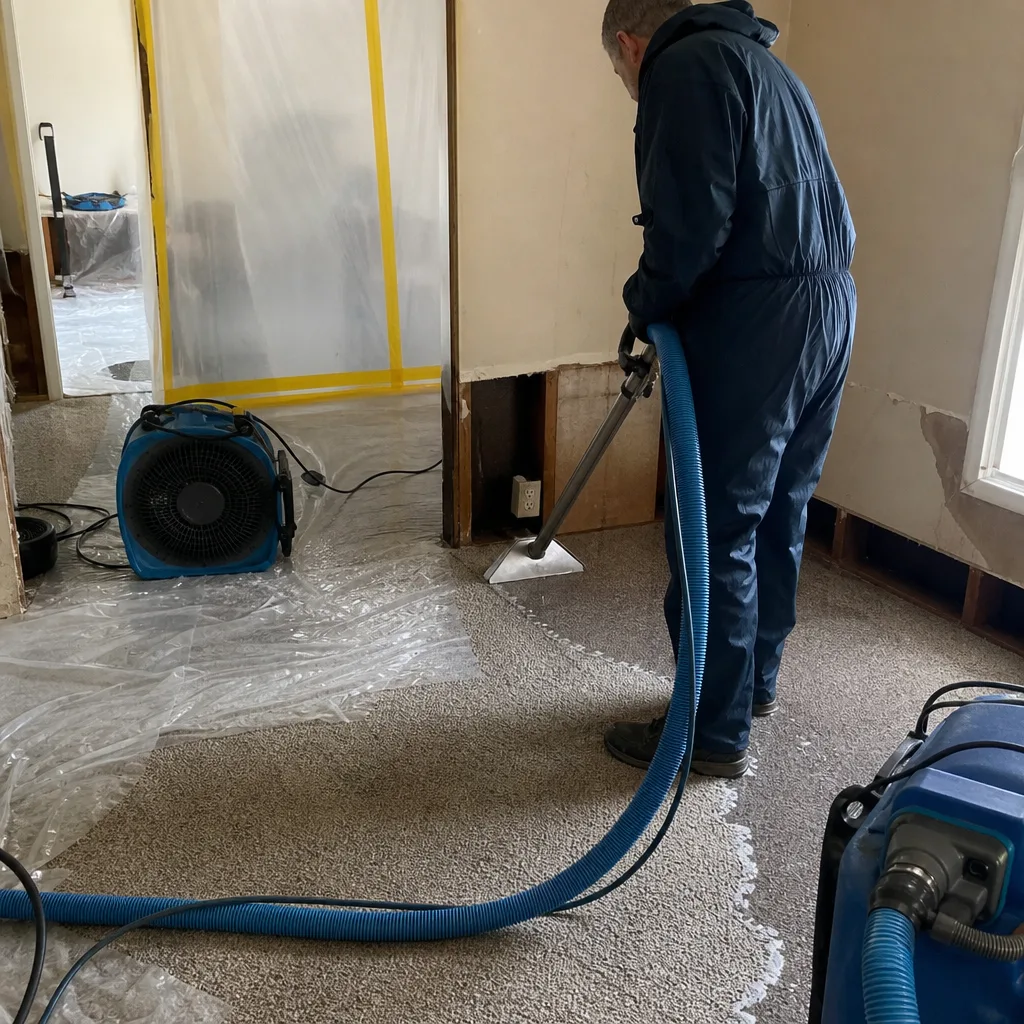
- When Is a Permit Required for Restoration Work in Carson?
- Carson’s Specific Permit Thresholds: What Crosses the Line
- Permit vs. Certificate of Completion: Why Only One Protects You
- California Health and Safety Code Section 17920.3 and Mold Remediation
- Insurance Coverage and Resale Risks of Unpermitted Work
- The Carson Permit Process: Step by Step
- How Inspection Records Support Your Insurance Claim
- Common Mistakes to Avoid
- When to Call a Professional
- Frequently Asked Questions
- The Bottom Line
 Before
 After
AfterWhen Is a Permit Required for Restoration Work in Carson?
California Building Standards Code (Title 24) requires permits for any construction, alteration, or repair that affects structural integrity, electrical systems, plumbing, or mechanical equipment. But the trigger points catch homeowners by surprise. Replacing water-damaged drywall sounds cosmetic until the crew discovers saturated insulation, corroded electrical boxes, or mold on the framing behind it.
In Carson, the Building and Safety Division issues permits for work that includes:
- Removal or replacement of load-bearing or non-load-bearing walls, including partial demolition from water or fire damage
- Electrical outlet, switch, or fixture replacement when water has contacted the circuit
- Plumbing repairs beyond fixture replacement, including pipe rerouting after slab leaks or burst lines
- HVAC ductwork modification or replacement, common after attic water intrusion or smoke damage
- Subfloor or structural floor member replacement
- Window or door replacement when the rough opening is altered by swelling or fire damage
- Mold remediation exceeding 10 contiguous square feet, which Carson treats as a minor alteration requiring permit and inspection
The 10-square-foot mold threshold matters. Many contractors treat small bathroom mold jobs as “cleaning” to avoid permit delays. In Carson, that’s a code violation that can void your insurance coverage if the mold returns or spreads. We’ve documented jobs where a 12-square-foot mold patch behind a Carson bathroom vanity became a $34,000 whole-bathroom gut because the initial contractor skipped the permit and used non-authorized remediation methods.
Climate factors in Carson amplify these triggers. The city’s proximity to the Port of Long Beach and its location in the South Bay basin create higher humidity baselines than inland Los Angeles County. Homes near Dominguez Channel or the wetlands experience more frequent condensation issues, meaning water damage behind walls stays wet longer and mold colonies establish faster. That moisture profile means more restoration jobs in Carson cross into structural repair territory compared to drier inland cities.
Carson’s Specific Permit Thresholds: What Crosses the Line
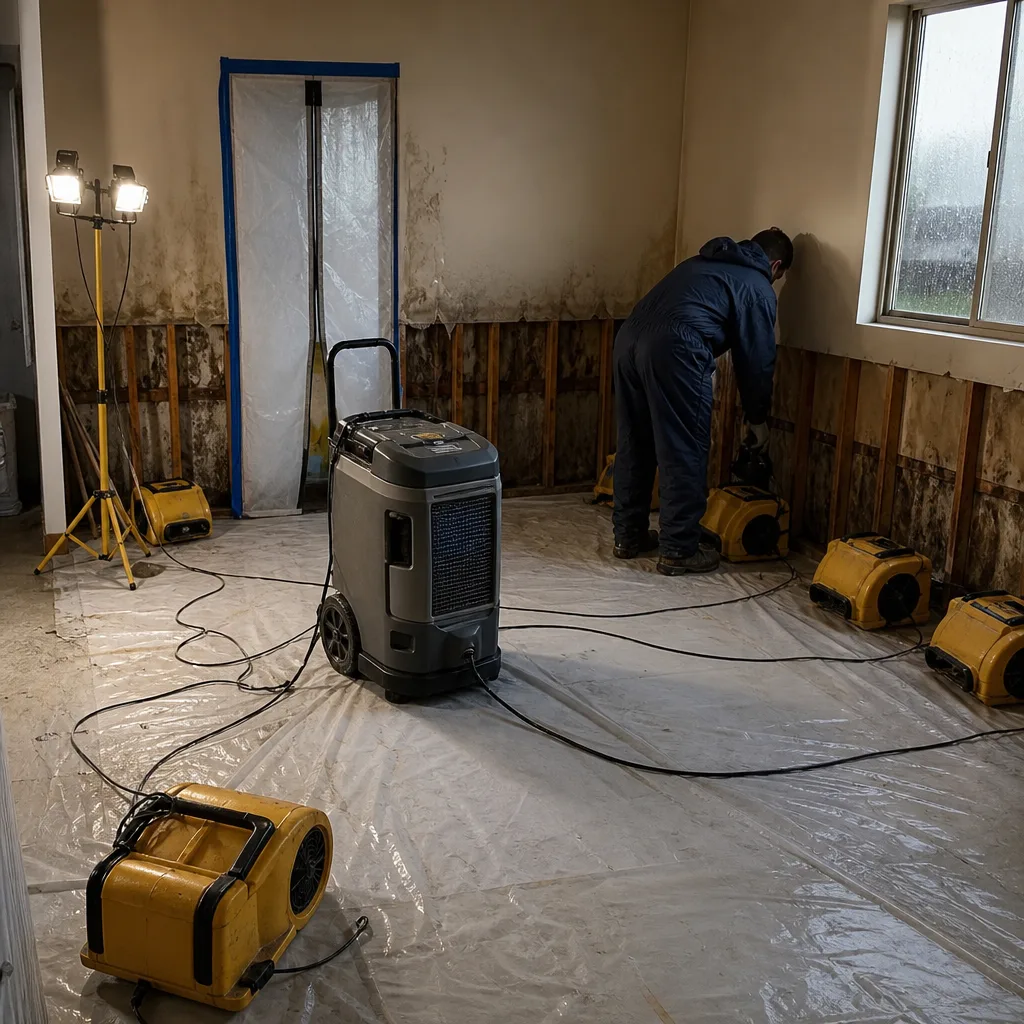
Carson Municipal Code Chapter 15.08 adopts the California Building Code with local amendments. The city does not use Los Angeles County’s building department; it operates its own, with inspectors who know the local housing stock and common failure patterns. This matters because Carson’s inspectors apply thresholds with local context that generic contractors from outside the city often miss.
Here are the specific scopes where Carson’s permit requirement differs from common assumptions:
| Restoration Scope | Permit Required? | Carson-Specific Note |
|---|---|---|
| Drywall replacement, same dimensions, no insulation | No | Must use moisture-resistant drywall in bathrooms and kitchens per local amendment |
| Drywall replacement with insulation removal/replacement | Yes | Insulation is considered an energy feature; alteration permit required |
| Drywall exposing framing with mold on studs | Yes | Mold remediation permit + building inspection; abatement contractor license required |
| Subfloor replacement in single room | Yes | Structural alteration; engineered lumber requires specific nailing pattern inspection |
| Electrical outlet replacement, same location | No | Homeowner or licensed electrician; no permit if no new wiring |
| Electrical outlet replacement, new location or circuit extension | Yes | Carson requires arc-fault circuit interrupter (AFCI) protection on extensions |
| Carpet and pad removal, concrete slab | No | No permit; moisture testing recommended before flooring replacement |
| Carpet and pad removal, wood subfloor with replacement | Yes | Subfloor material and fastening inspection required |
| HVAC duct cleaning after smoke damage | No | Cleaning only; no mechanical alteration |
| HVAC duct replacement or rerouting | Yes | Mechanical permit; Carson requires flex duct R-value verification |
| Window replacement, same size | No | Must meet current energy code; documentation required even without permit |
| Window replacement, enlarged for egress | Yes | Structural and egress inspection; bedroom windows require 5.7 sq ft clear opening |
The moisture-resistant drywall requirement is a Carson-specific amendment that catches restoration contractors unfamiliar with the city. Standard drywall in a bathroom or kitchen replacement is a code violation even for a “no-permit” job. We’ve had to re-replace drywall in Carson’s Dominguez Hills and Avalon Village areas where out-of-area contractors installed standard 1/2-inch board in bathroom restoration jobs.
Carson’s housing stock also affects permit complexity. The city’s mid-century tract homes, concentrated in neighborhoods like Carson Street corridor and the area north of the 405, often have original electrical panels that don’t meet current code. When water damage requires panel work, Carson inspectors require full grounding and bonding upgrades to current NEC standards, not just repair of the damaged circuit. That scope expansion should be in your written estimate before work starts.
Permit vs. Certificate of Completion: Why Only One Protects You
Restoration contractors routinely issue a “certificate of completion” or “certificate of satisfaction” at job end. This document proves the contractor believes the work is done. It carries no legal weight with insurers, buyers, or building departments.
A building permit, by contrast, creates a third-party inspection record filed with Carson’s Building and Safety Division. That record includes:
- Plan review or scope approval by a city plans examiner, verifying the proposed work meets code
- Progress inspections at defined stages (rough electrical, insulation, final) by a city inspector with no financial stake in the job
- A final sign-off, recorded on the property’s parcel record, that the completed work was inspected and approved
The distinction matters for three reasons:
Insurance defensibility. When an insurer questions whether restoration scope was necessary or properly executed, the permit record provides independent verification. We’ve seen adjusters reduce payments by 30% on unpermitted jobs where the only documentation was the contractor’s own photos. The city inspector’s sign-off is evidence that a neutral party verified the work.
Resale disclosure. California Civil Code Section 1102 requires sellers to disclose material facts affecting property value. Unpermitted structural, electrical, or plumbing work is a material fact. A buyer’s inspector who finds new drywall with no permit history will flag it. The seller then faces three choices: obtain a retroactive permit (often requiring wall demolition to expose work for inspection), credit the buyer for estimated permit costs, or risk the sale falling through. In Carson’s competitive market, any of these delays closing.
Municipal enforcement. Carson’s code enforcement division can issue notices of violation for unpermitted work, with penalties that escalate daily until compliance. While enforcement typically follows complaints rather than proactive inspection, a neighbor’s complaint during a later renovation, or a contractor’s tip to the city about competing unpermitted work, can trigger action years after the original job.
We’ve handled water damage restoration in Carson where the previous contractor’s certificate of completion became worthless when mold returned behind unpermitted drywall. The homeowner’s insurer denied the secondary claim because the initial work lacked inspection documentation. Haven Standard, Clause 1 - written price before work begins - applies to permit costs too. We itemize permit fees in our written scope so homeowners know the total defensible cost upfront.
California Health and Safety Code Section 17920.3 and Mold Remediation
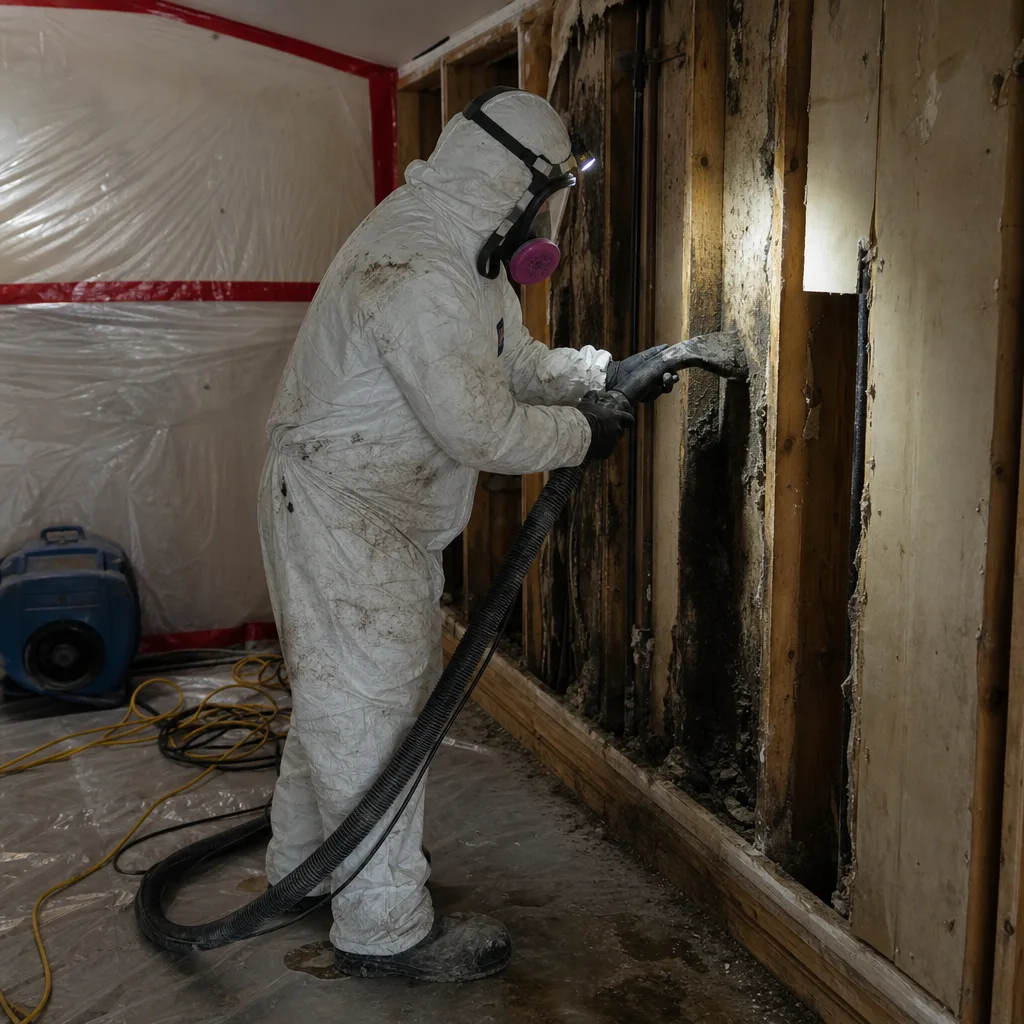
California Health and Safety Code Section 17920.3 defines conditions that make a dwelling “substandard” and therefore uninhabitable. The code specifically lists “[d]ampness, in those portions of a dwelling likely to support mold growth” as a substandard condition. This is not advisory language. It triggers legal obligations for landlords, sellers, and restoration contractors.
What this means for restoration permits in Carson:
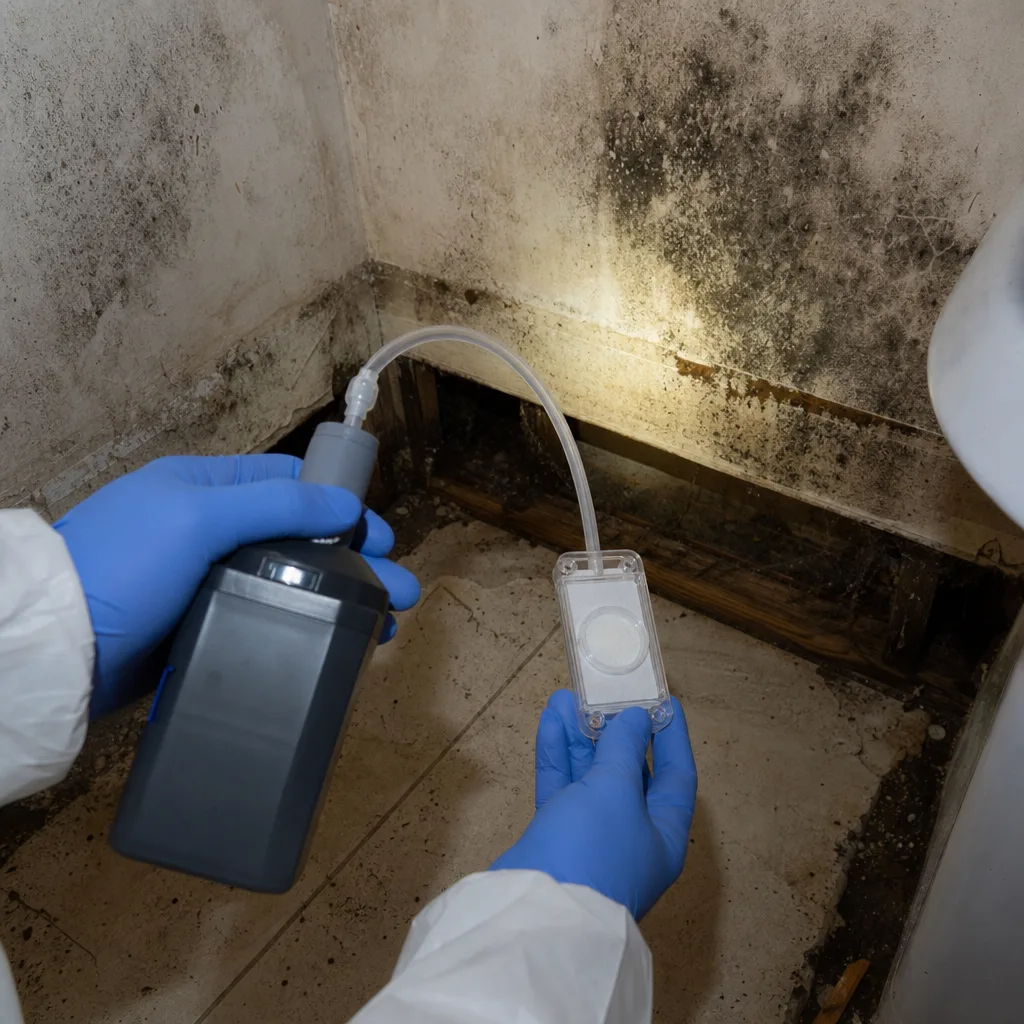
Once mold is identified in a scope that requires remediation, the work must produce a habitable structure. A contractor who cleans visible mold but leaves hidden colonies has not restored habitability. The permit and inspection process verifies that remediation meets clearance standards, typically defined as airborne mold spore counts at or below outdoor baseline levels for the zip code.
Carson’s location in the 90745 and 90746 zip codes means outdoor baselines are influenced by port activity, freeway proximity, and seasonal Santa Ana wind patterns. A generic mold clearance test without local baseline comparison is insufficient. Our mold remediation in Carson includes pre- and post-remediation air sampling with zip-code-specific outdoor controls, documented to IICRC S520 standards.
The uninhabitable designation also affects tenant relocation requirements. For rental properties in Carson, a substandard condition finding under HSC 17920.3 requires the landlord to relocate tenants during remediation and may trigger rent abatement. Restoration contractors who skip permits to avoid tenant notification are exposing landlords to litigation. We document habitability status in our written scope, with photo evidence, so landlords have defensible records for insurer and tenant disputes.
California’s mold disclosure law (Civil Code Section 2619) requires sellers to disclose mold history even if remediated. The permit record provides the documentation that proves remediation was performed to standard, not just cleaned cosmetically. Without it, sellers face disclosure of a problem with no proof of proper cure.
Insurance Coverage and Resale Risks of Unpermitted Work
Unpermitted restoration work creates a documentation gap that grows more expensive over time. The immediate risk is insurer non-payment. The longer-term risk is property value impairment at resale.
Insurance coverage risks. Most California homeowners policies cover “sudden and accidental” water damage but exclude damage from “continuous or repeated seepage” and damage from “faulty, inadequate, or defective repairs.” An insurer can deny a secondary claim by arguing that unpermitted restoration work was defective, even if the original damage was covered. We’ve reviewed competitor estimates where the “savings” from skipping a $287 Carson permit became a $14,000 uncovered claim when the repaired area leaked again.
Direct insurance billing, which DryMark Restoration Carson provides, requires documentation that satisfies the insurer’s audit standards. Unpermitted work fails that standard. Our photo-documented assessments include permit application copies, inspection sign-off sheets, and moisture logs from Dri-Eaz and Phoenix equipment, producing the record that turns restoration invoices into payable claims.
Resale disclosure obligations. California’s Transfer Disclosure Statement (TDS) and Seller Property Questionnaire (SPQ) specifically ask about room additions, structural modifications, and unpermitted work. A seller who checks “no” and is later found to have unpermitted restoration faces fraud claims from the buyer, even years after sale. The statute of limitations for real estate fraud in California is three years from discovery, not from sale.
Carson’s property records are increasingly digitized and cross-referenced. Building permit history is available online through the city’s permit portal. A buyer’s agent or inspector who finds new finishes with no matching permit will flag the discrepancy. In Carson’s market, where homes in the $700,000 to $1.2 million range attract scrutiny from sophisticated buyers, this flag can derail financing or trigger renegotiation.
The 365-Day Done Right Promise under The Haven Standard covers permit compliance. If we perform work that requires a permit and fail to obtain one, we remedy at our cost. This is not a marketing claim; it’s a signed warranty with an address: Haven Standard, Clause 3, documented on every job folder.
The Carson Permit Process: Step by Step
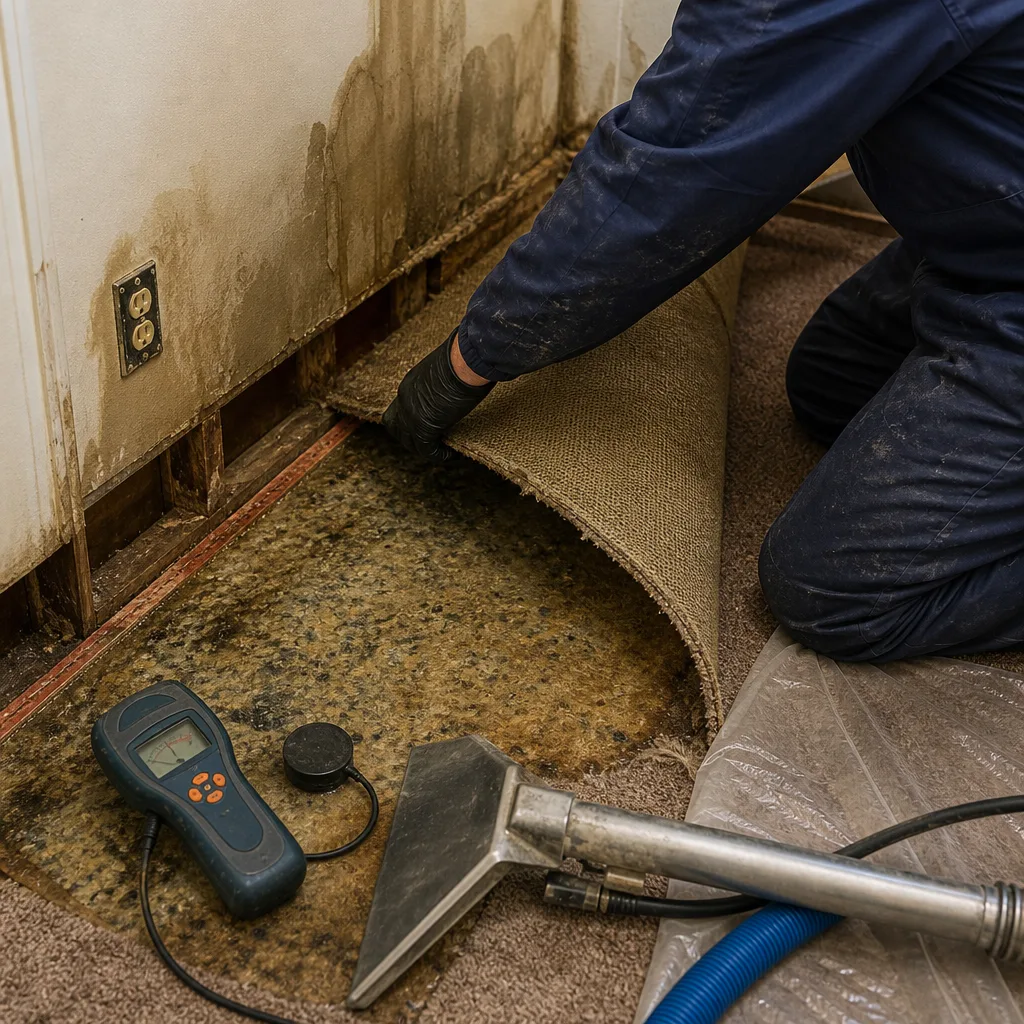
Understanding the permit process helps homeowners evaluate contractor bids and timeline claims. Carson’s Building and Safety Division is located at 701 E. Carson Street, with permit intake available online through the city’s Citizen Access portal and in person by appointment.
- Determine permit type. Restoration work typically requires a building permit (structural, drywall, subfloor), electrical permit (circuit work), plumbing permit (pipe repair), or mechanical permit (HVAC). Mold remediation requires a building permit with hazardous materials notation. Multiple permits may be needed for a single job.
- Prepare scope documentation. Carson requires a written scope of work, which should match your restoration contractor’s written estimate. The scope must identify affected areas by square footage, materials to be removed and replaced, and code-compliant replacement specifications. We provide this documentation as part of our standard deliverable, formatted for direct permit submission.
- Submit application and fees. Carson’s permit fees for residential restoration typically range from $150 for minor electrical or plumbing permits to $800 for full building permits with plan review. Fees are based on valuation of work. Expedited review is available for emergency repairs with demonstrated habitability impact, such as uninhabitable conditions under HSC 17920.3.
- Receive permit and post at job site. The permit card must be posted visible from the street before work begins. Carson inspectors will not inspect work started before permit issuance.
- Schedule inspections at required stages. Typical restoration inspections include: rough inspection (before drywall covers framing or electrical), insulation inspection (if applicable), and final inspection. Each requires 24-hour advance scheduling through Carson’s inspection line. Missed inspections without cancellation incur reinspection fees.
- Obtain final sign-off. The inspector signs the permit card and updates the parcel record. Homeowners receive a copy of the signed permit for their records. This document should be stored with property records and provided to future sellers.
Timeline reality: Carson’s standard plan review is 10-15 business days. For emergency water damage where habitability is compromised, we request expedited review with documentation of moisture readings and uninhabitable conditions, typically reducing review to 2-3 business days. The actual work can begin with emergency stabilization (water extraction, drying equipment deployment) under emergency work provisions, but permanent repairs require permit in hand.
Contractors who promise “same-day permit” or “we’ll handle it after” are either misinformed or misleading. Carson does not issue same-day building permits for restoration work. Any permanent repair performed before permit issuance is unpermitted work, period.
How Inspection Records Support Your Insurance Claim
The documentation chain from permit to paid claim is not automatic. It requires intentional alignment between the restoration scope, permit application, inspection sign-offs, and insurer submission. Here’s how the chain works:
When we document a fire and smoke damage restoration in Carson, our initial assessment includes moisture readings, smoke residue classification (dry, wet, protein, or fuel-oil), affected square footage by room, and material inventory. This becomes the basis for the permit scope. The permit inspector verifies that the scope matches visible damage and code requirements. The signed permit confirms that a neutral party validated the necessity of the work.
For insurers, this neutral validation reduces fraud risk and supports payment. Adjusters reviewing our submissions receive: the written scope (Haven Standard, Clause 1), daily moisture logs from Phoenix and XPOWER drying equipment showing psychrometric data (temperature, relative humidity, vapor pressure differential), photo records from every visit, and permit/inspection documentation. The combination produces an invoice that aligns with the insurer’s own estimation software and resists audit reduction.
Vapor pressure differential, to define it plainly, is the force that drives moisture from wet materials into the air. Our drying logs document this value daily, proving that drying equipment was properly sized and positioned for the specific space. An insurer can see that we didn’t just run equipment for a standard duration; we ran it until the material reached dry standard, verified by independent moisture meter readings.
Without permit documentation, the chain breaks at the validation point. The insurer has only the contractor’s word that scope was necessary and properly executed. In disputed claims, that word competes against the insurer’s incentive to minimize payment. The permit record provides the third-party verification that tips the balance.
Common Mistakes to Avoid
- Accepting a contractor’s “permit not needed” claim without verification. Carson’s permit requirements are specific and published. Ask for the municipal code section supporting the claim, then confirm with Carson Building and Safety at (424) 305-3365.
- Paying for permanent repairs before permit issuance. Some contractors demand full payment at job completion, then “forget” to pull the permit. Payment should be structured to hold back permit-related costs until final sign-off is documented.
- Assuming mold remediation under 10 square feet is automatically permit-free. Carson’s 10-square-foot threshold applies to contiguous mold area. A 6-square-foot patch in the bathroom and a 5-square-foot patch in the adjacent closet, connected by hidden growth in the wall cavity, exceeds the threshold and requires permit.
- Failing to request the signed permit card after final inspection. Contractors sometimes retain the only copy, leaving homeowners with no proof for resale. We provide copies of all permit documentation as a standard deliverable, filed with the job photo record.
- Neglecting to disclose permitted restoration work as a property improvement. Permitted restoration that increases property value, such as full kitchen rebuild after fire damage, may affect property tax basis. The permit record is the documentation needed for accurate assessment.
- Hiring contractors without Carson-specific experience. Los Angeles County contractors unfamiliar with Carson’s local amendments, such as the moisture-resistant drywall requirement, produce permit rejections and rework. Our crews have performed restoration in Carson since 2011 and know the inspection staff by name.
When to Call a Professional
Call a licensed restoration contractor when your damage scope includes any structural material, electrical or plumbing system, or mold growth beyond surface cleaning. In Carson, this threshold is lower than many homeowners expect. A water stain on drywall often conceals saturated insulation and mold on framing. A smoky odor in HVAC ducts may indicate filter contamination requiring duct replacement and mechanical permit. Our How to Hire a Damage Restoration Contractor in Carson: A Step-by-Step Guide walks you through vetting and selection.
Specific scenarios requiring professional assessment: water damage with visible mold or musty odor; fire damage with any electrical outlet or switch damage; storm damage with roof or window structural compromise; sewage backup affecting walls or flooring; and any situation where you are unsure whether the damage is limited to replaceable finishes or extends to systems requiring permit. See our Damage Restoration Warning Signs: A Carson Homeowner’s Reference Guide for a complete checklist.
DryMark Restoration Carson offers free estimates in Carson. Our assessments include written scope, permit requirement identification, and documentation of moisture readings and affected materials. Call (424) 305-3365. We also provide a Free Second Opinion on any competitor’s written estimate, reviewing permit inclusion and scope accuracy at no charge. Read our DIY vs Professional Damage Restoration: The Carson Homeowner’s Decision Guide to understand when expert help is essential.
Frequently Asked Questions
Carson building permits for residential restoration typically range from $150 for minor electrical or plumbing permits to $800 for full building permits with plan review, based on work valuation. Mold remediation permits fall in the $300-$500 range. These fees should appear as a line item in your contractor’s written estimate. Call (424) 305-3365 for an exact quote on your specific scope - estimates are free.
Most California homeowners policies cover “reasonable and necessary” costs to repair covered damage, which includes permit fees required by local code. However, insurers require documentation that the permit was obtained and the work was inspected. Unpermitted work, even if the original damage was covered, may result in denial of permit fee reimbursement. We document permit costs in our written scope and include permit copies in insurance submissions.
Standard plan review in Carson is 10-15 business days. For emergency situations with documented uninhabitable conditions, expedited review typically reduces this to 2-3 business days. Emergency stabilization, including water extraction and drying equipment deployment, can begin immediately under emergency work provisions. Permanent repairs require permit in hand before starting.
Drywall replacement alone, with no insulation, electrical, or structural work, does not require a permit in Carson. However, if the leak affected insulation, electrical boxes, or framing, or if mold is present on any substrate, the scope triggers permit requirements. We assess these conditions during our initial inspection and identify permit needs in our written scope before work begins.
California law requires disclosure of unpermitted structural, electrical, plumbing, or mechanical work. Failure to disclose can result in buyer fraud claims with a three-year statute of limitations from discovery. Buyers’ inspectors routinely check permit history against visible improvements. Unpermitted work can derail financing, trigger renegotiation, or require costly retroactive permitting with potential demolition to expose work for inspection.
Carson requires a building permit with hazardous materials notation for mold remediation exceeding 10 contiguous square feet. The permit scope must identify the remediation method, containment strategy, and clearance criteria. Inspection includes verification of containment integrity, proper removal and disposal, and post-remediation air sampling. A standard building permit without hazardous materials notation is insufficient for mold work and will not support insurance claims for remediation scope.
The Bottom Line
California restoration permits are not bureaucratic obstacles. They are the documentation layer that transforms a contractor’s claim into a verifiable record. In Carson, with its own building department and specific local amendments, permit thresholds are lower and enforcement more precise than many contractors acknowledge. The permit process adds modest upfront cost and time, but it protects insurance coverage, satisfies resale disclosure, and creates the independent inspection record that proves work was done to standard. For homeowners who measure trust by what can be shown, not what can be said, the permit is the proof.
Written by Alicia Brennan, Owner at DryMark Restoration Carson, serving Carson since 2011.