Free visual inspection and a written scope of work before any mitigation begins - photos, moisture readings, and drying logs go in your claim file
The scope we write is the scope we bill. Anything new gets shown to you, in writing, before we touch it.
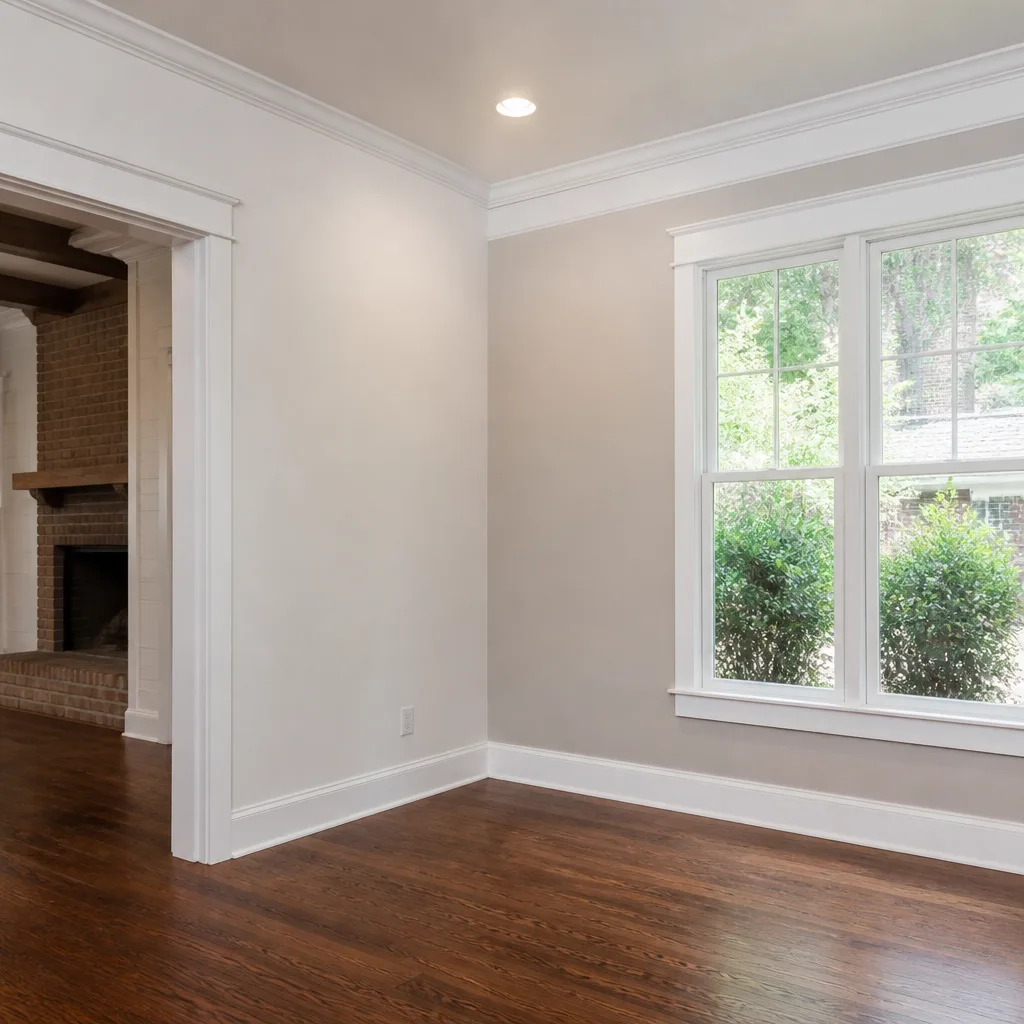
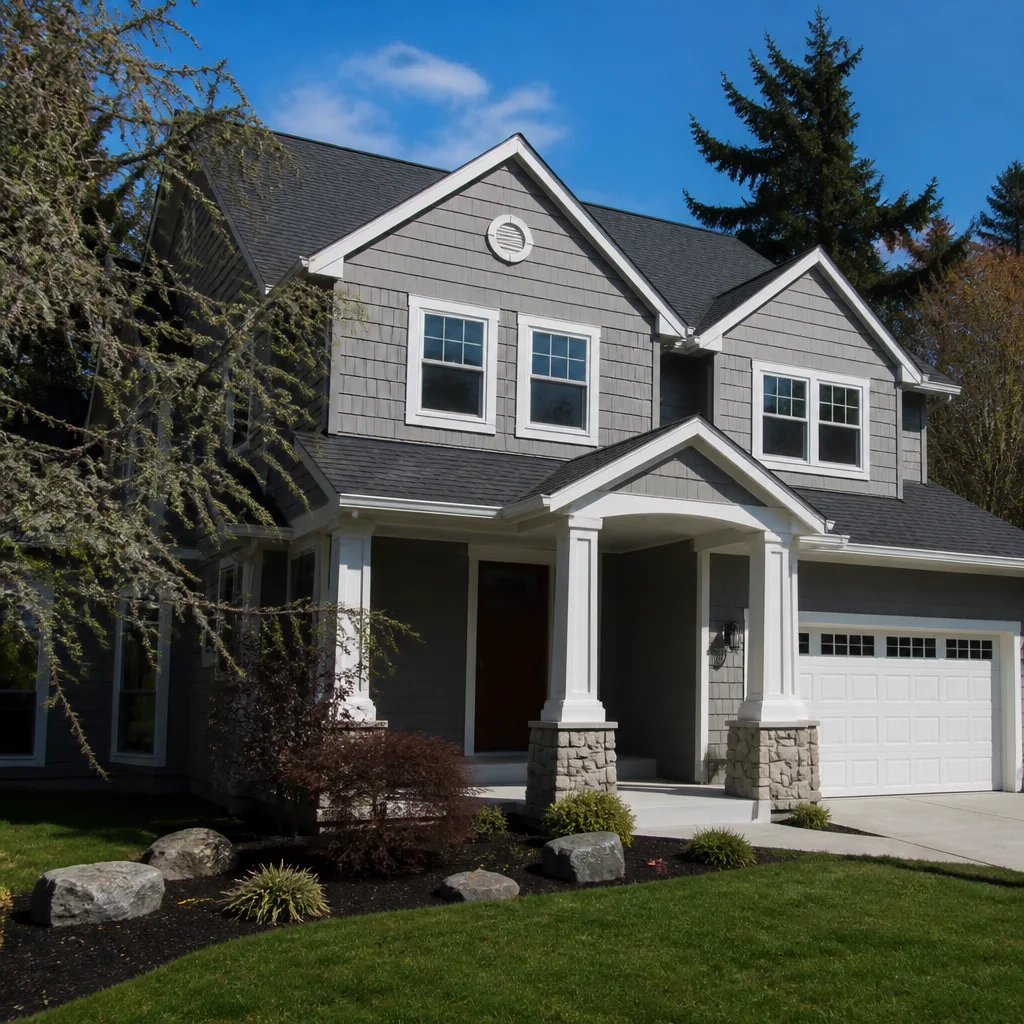
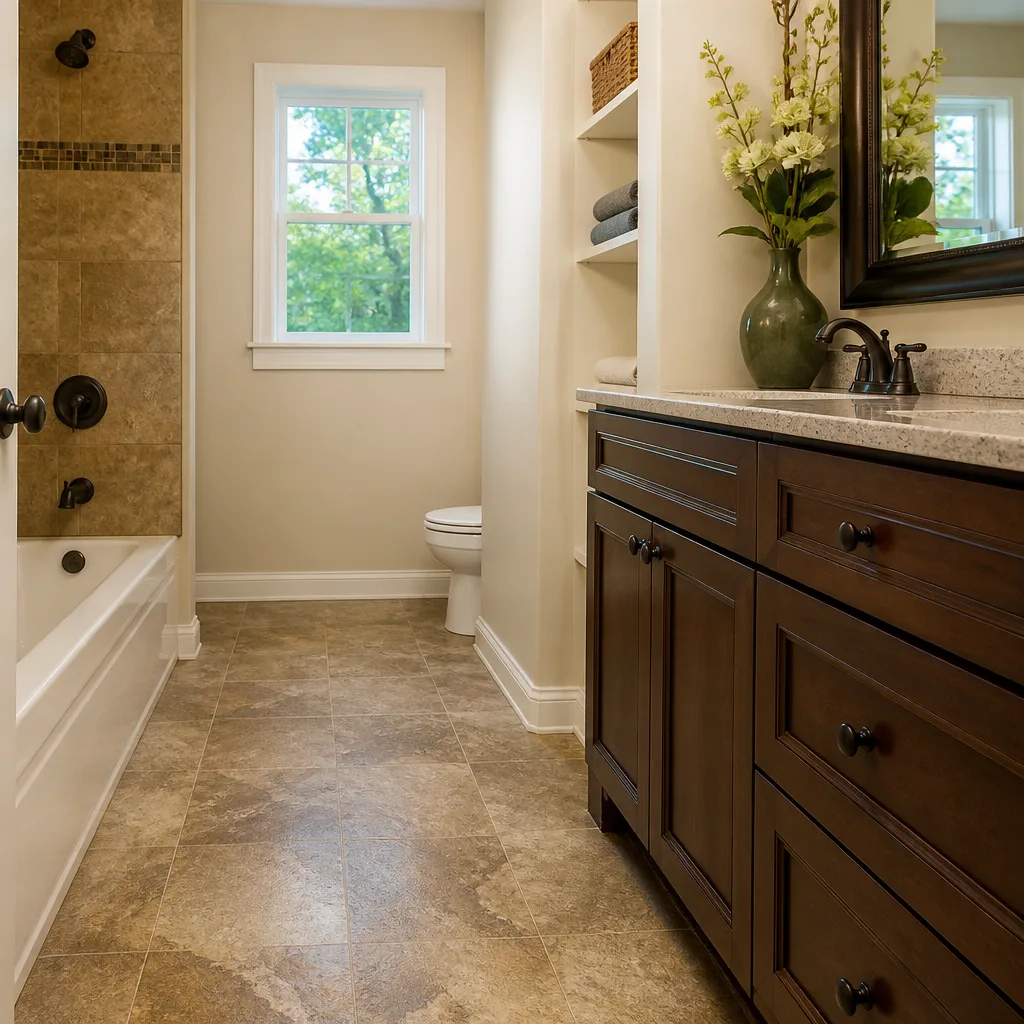
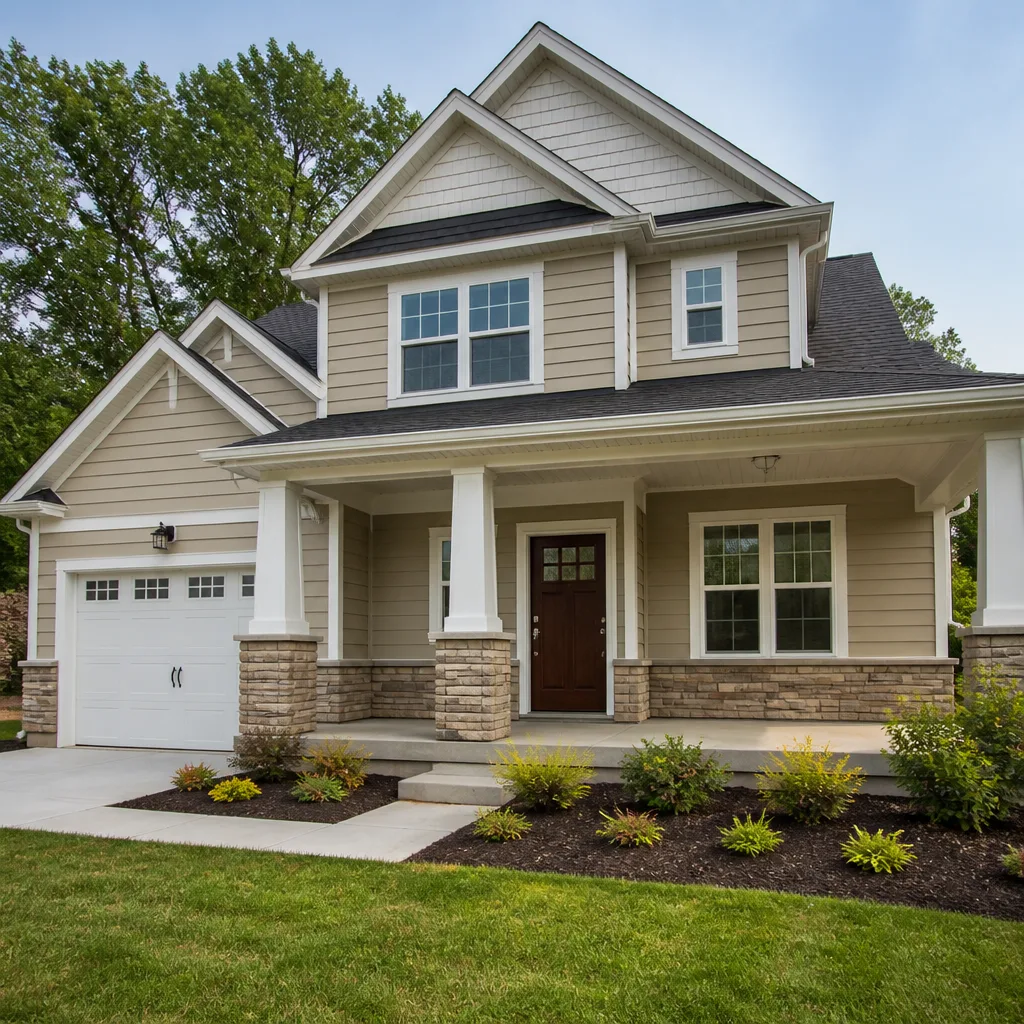
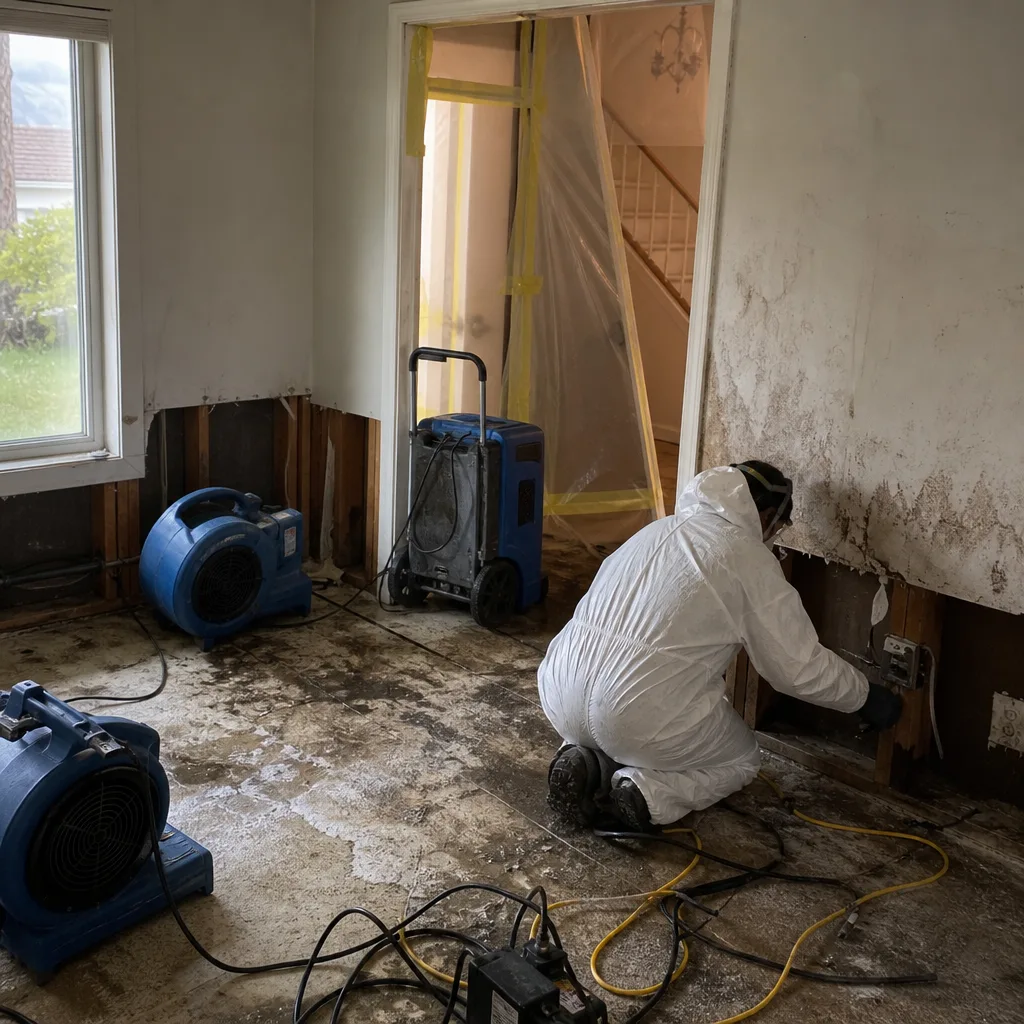 Before
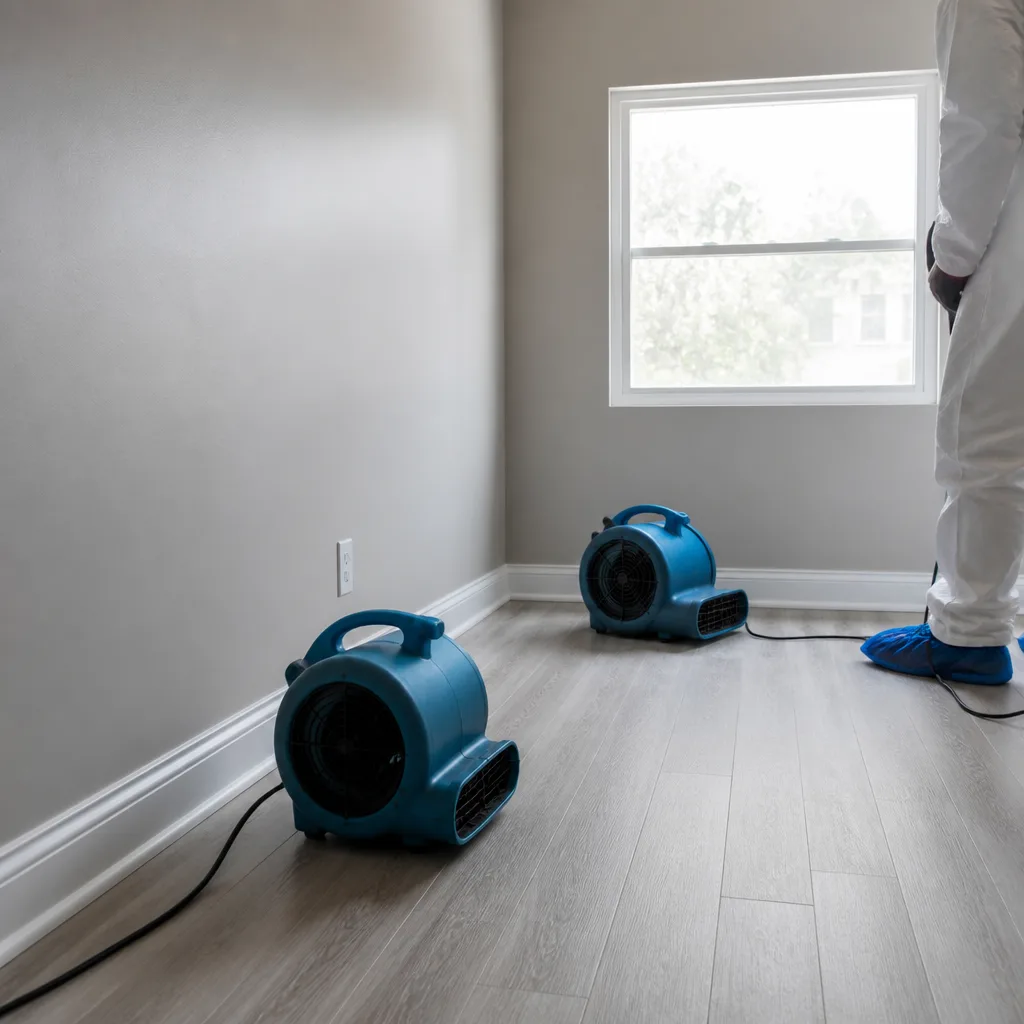 After
After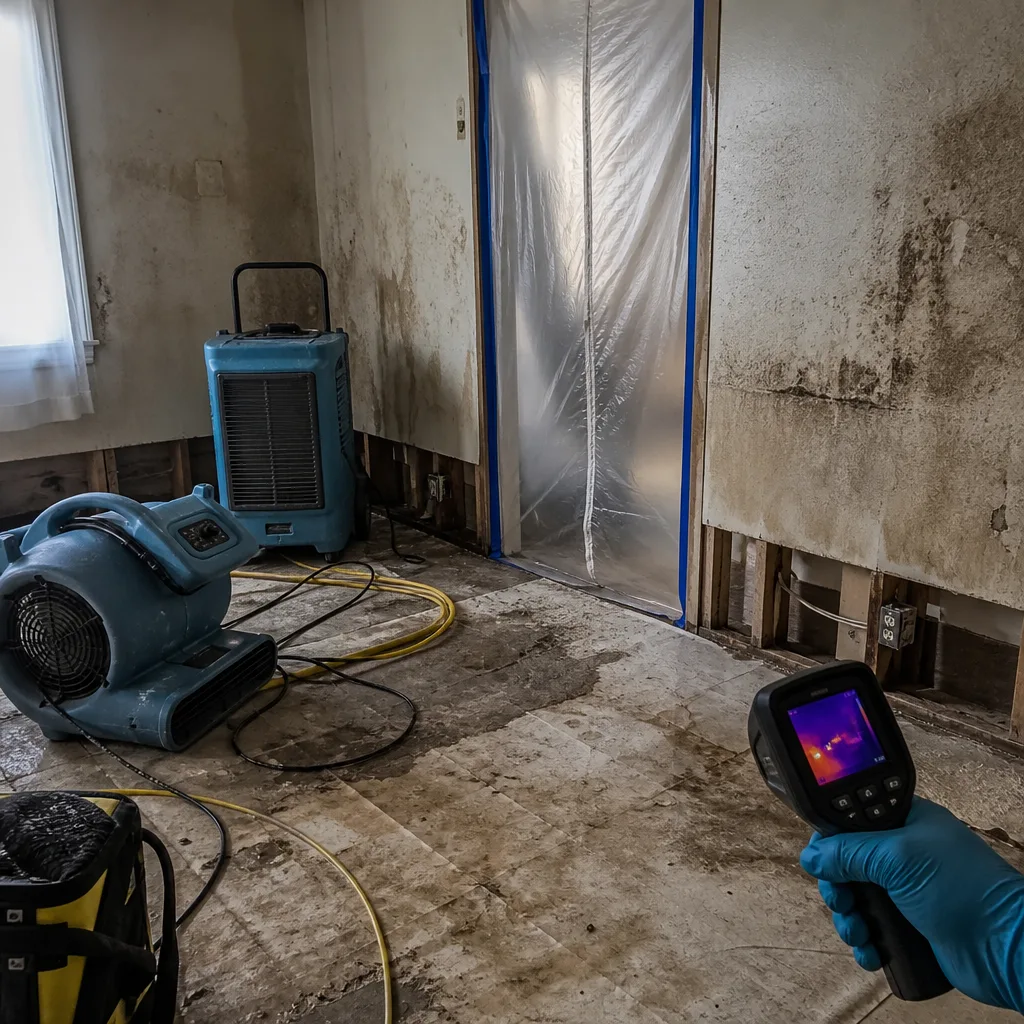 Before
 After
After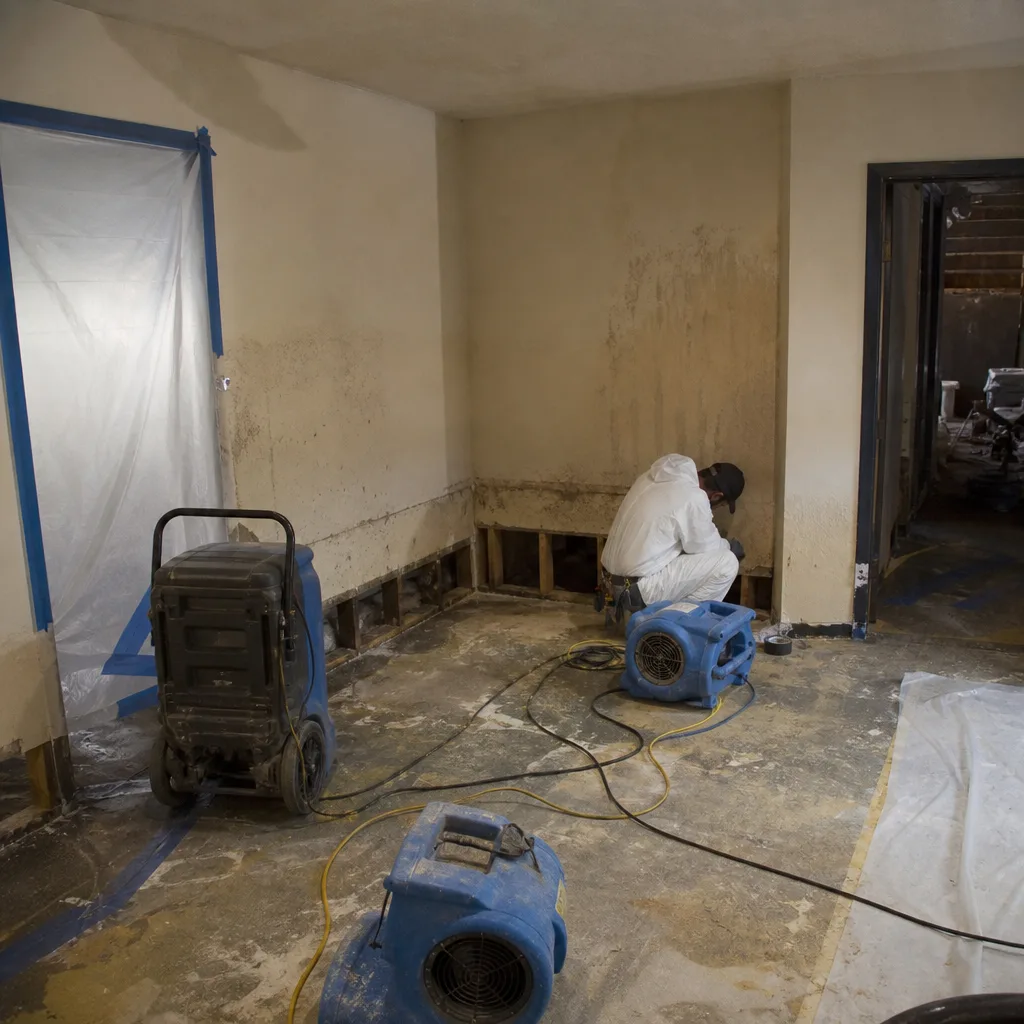 Before
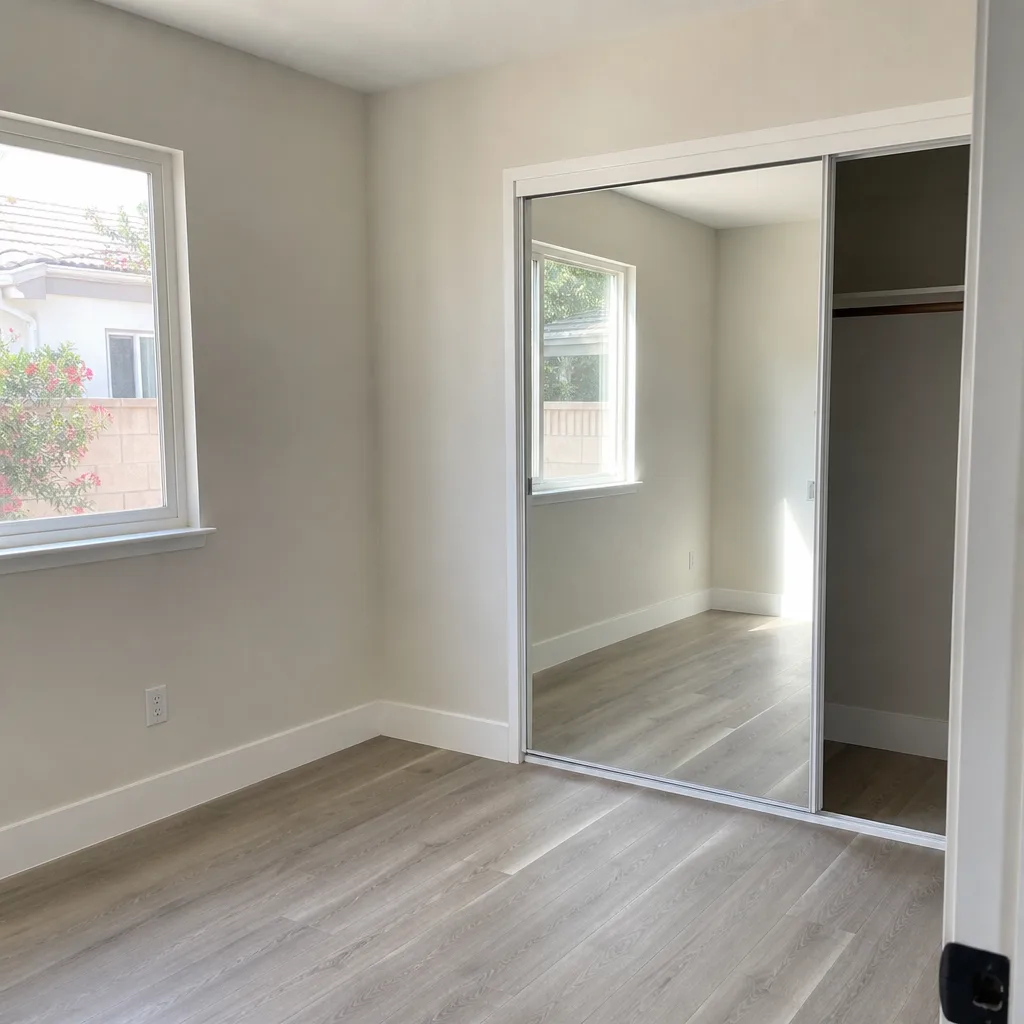 After
After24/7 Emergency Fire & Smoke Damage Restoration in Gardena
A kitchen fire in a Gardena home can leave smoke damage in every room within hours, and suppression water can start mold in 24 to 48 hours. We answer live at (424) 305-3365 24 hours a day, with crews dispatched from our Los Angeles office to Gardena properties inside 45 minutes. The first hour determines whether soot settles permanently into drywall and whether water reaches the slab beneath original 1950s flooring. We provide a free visual inspection, document every surface with photos, and deliver a written scope before any work starts - Haven Standard, Clause 1.
Understanding Fire & Smoke Damage Restoration Severity in Gardena Properties
Fire damage in Gardena follows a pattern tied to its housing stock. Most homes here were built between 1945 and 1965 as slab-on-grade wood-frame structures with original galvanized supply lines and minimal wall insulation. When fire burns through a kitchen or garage, three damage tracks run simultaneously: direct flame damage to structural members, smoke migration through open wall cavities and attic spaces, and suppression water that follows embedded copper lines into the concrete slab.
Soot residue types matter for restoration planning. Dry smoke from fast-burning, high-heat fires produces powdery, easily smeared residues on surfaces. Wet smoke from slow, oxygen-starved burns - common in enclosed garage fires or smoldering attic insulation - leaves sticky, odorous deposits that penetrate porous materials. Protein residues from kitchen fires are nearly invisible but carry intense odors that standard cleaning misses. In Gardena’s older homes with original plaster or early drywall, protein smoke bonds to wall surfaces and requires alkaline cleaners followed by thermal fogging or hydroxyl generation.
Smoke migration patterns in pre-1965 Gardena homes are unpredictable because wall cavities lack modern fire blocking. Soot travels through stud bays, around electrical chases, and into soffit spaces above kitchen cabinets. Our crews use thermal imaging to trace migration paths and identify hidden deposits that surface wiping alone will not reach.
Why Gardena Property Owners Choose DryMark Restoration Carson
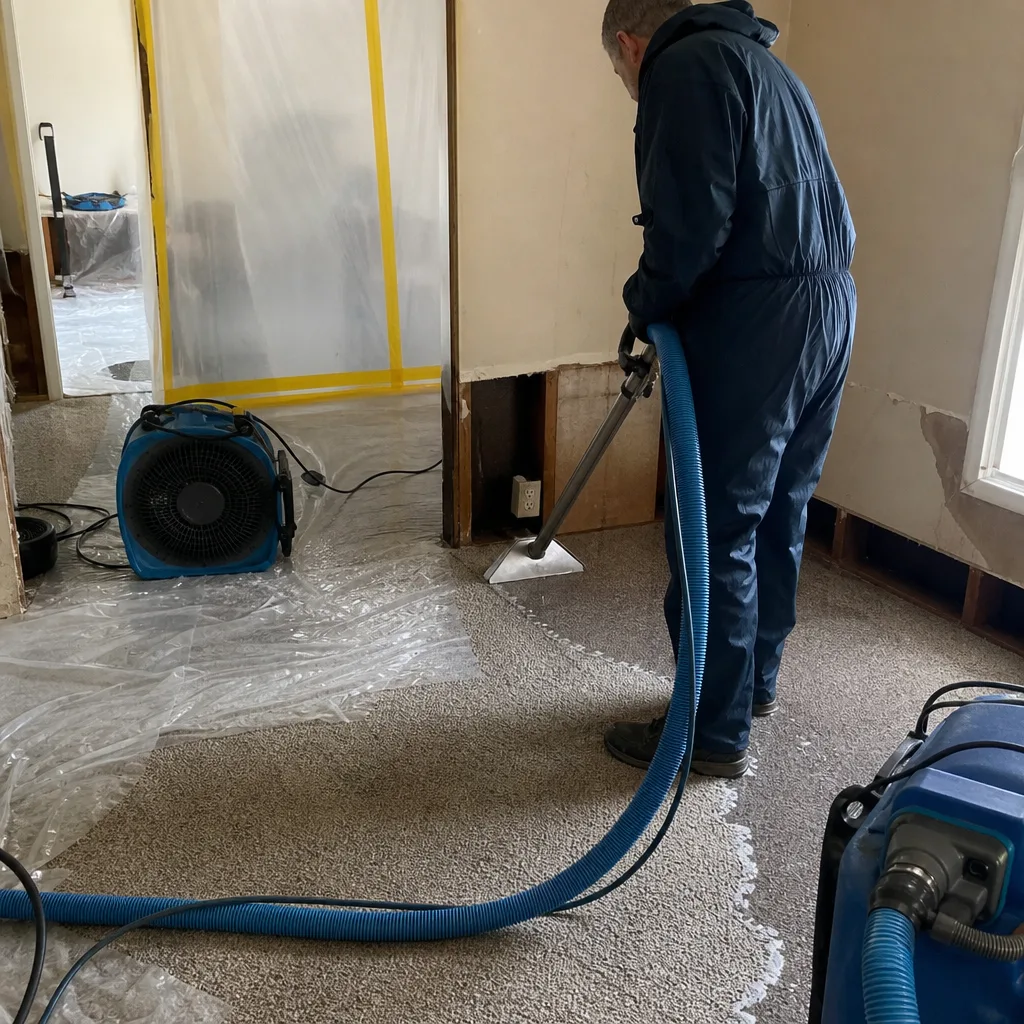
- 45-minute response commitment to Gardena addresses, with dispatch coordinated from our Los Angeles office.
- 24/7 live answer - a real person, never an automated system or voicemail tree, on every call.
- IICRC-certified crews holding FSRT (Fire and Smoke Restoration Technician) and WRT (Water Damage Restoration Technician) credentials.
- Free visual inspection with photo documentation and moisture readings, delivered before any work begins.
- Direct insurance billing with adjuster coordination and line-item estimates in Xactimate format.
- One team from emergency board-up through structural repair, eliminating handoff gaps that delay completion.
 Before
 After
AfterOur Fire & Smoke Damage Restoration Process
1. Inspection & Assessment
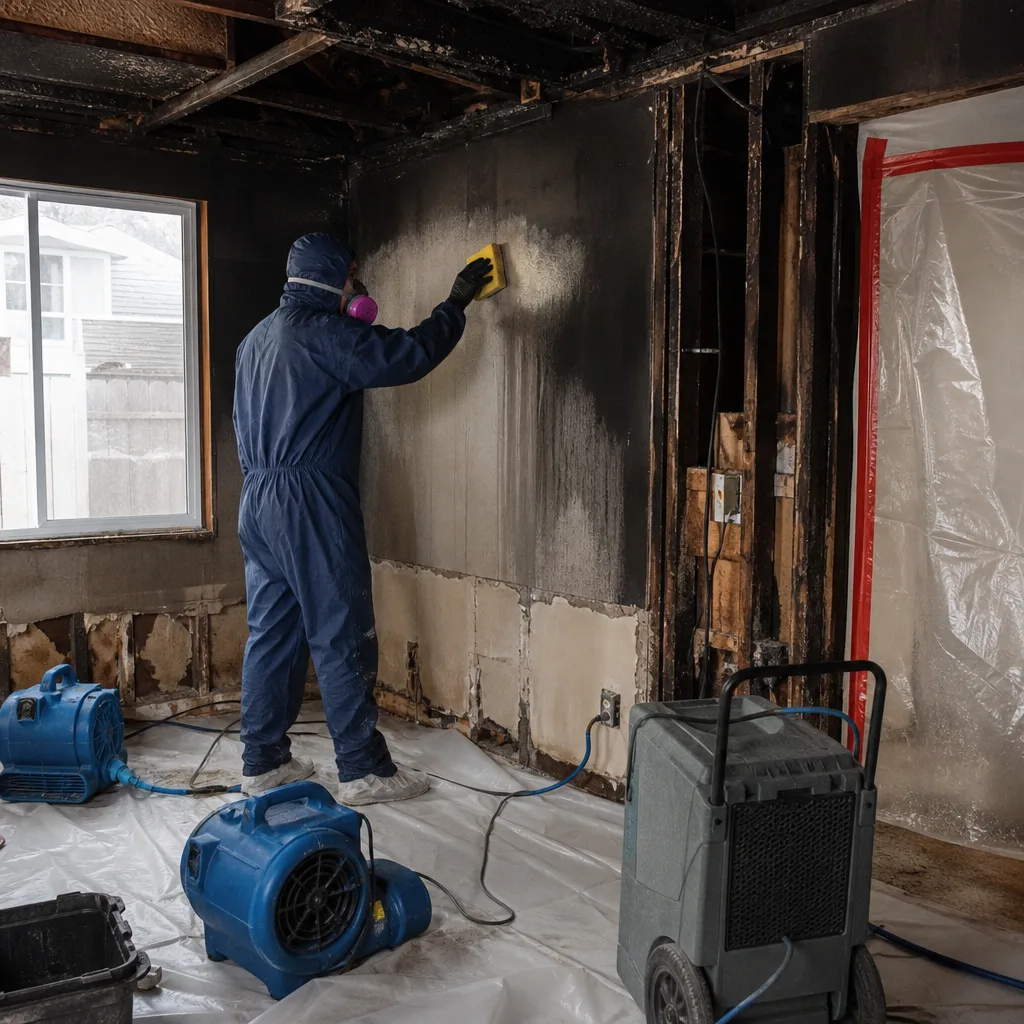
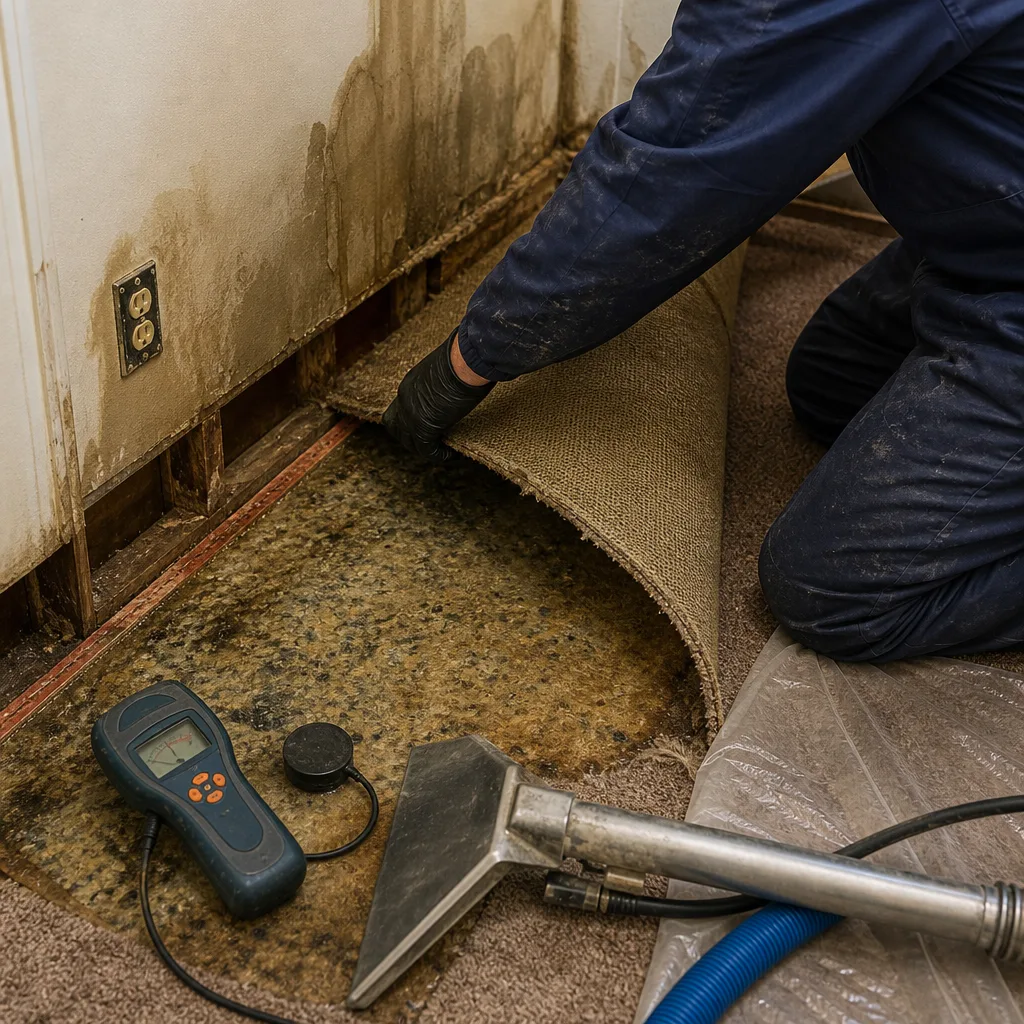
We photograph all visible damage, trace smoke migration with thermal imaging, and test moisture levels in walls, floors, and the concrete slab. In Gardena’s slab-on-grade homes, we probe perimeter areas to detect water that has followed embedded supply lines beneath the foundation.
2. Emergency Board-Up & Stabilization
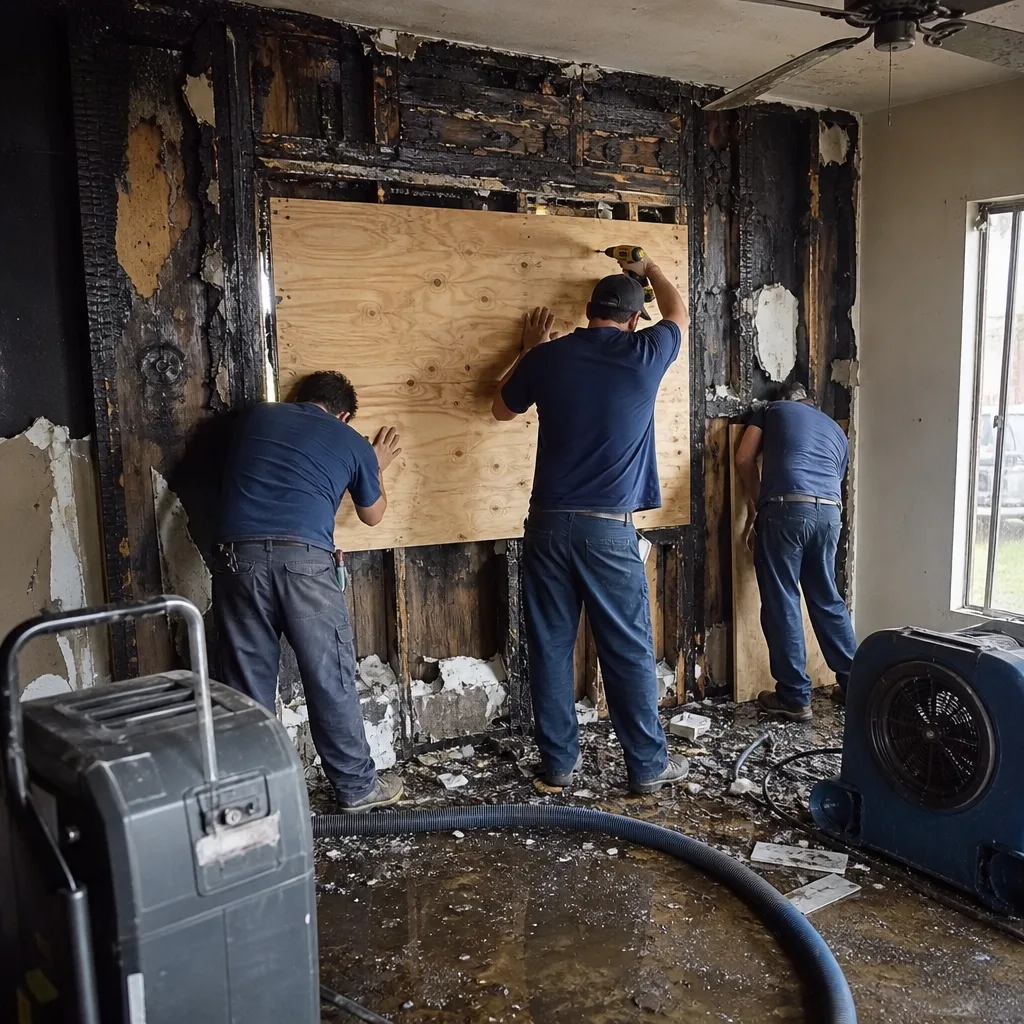
Broken windows, compromised roofs, and damaged doors are secured with plywood and weatherproof tarps to prevent secondary damage and satisfy insurance policy conditions. We document every board-up photo for the claim file.
3. Water Extraction & Structural Drying
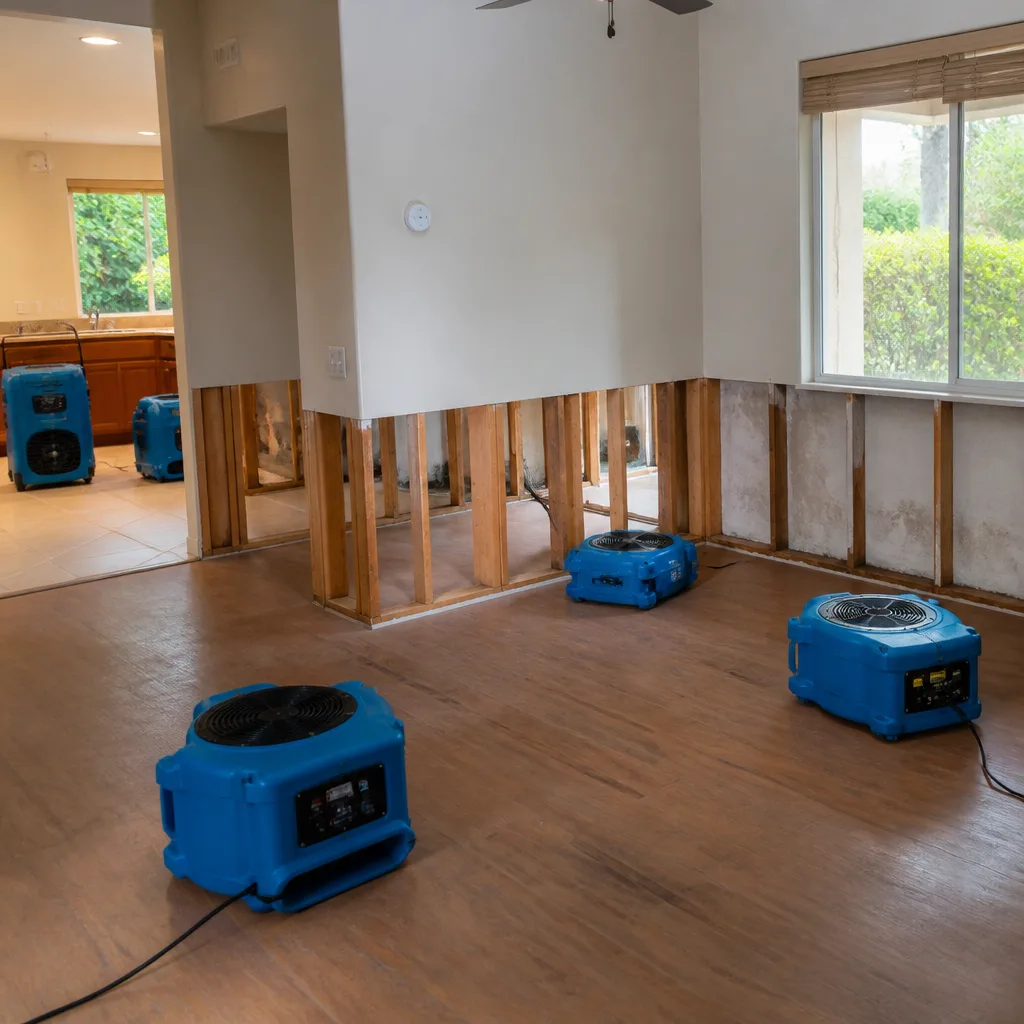
Suppression water is extracted with portable units, then we deploy Dri-Eaz and Phoenix dehumidifiers with axial air movers to establish vapor pressure differential across wet materials. Daily moisture logs track specific humidity, temperature, and grain depression until materials return to dry standard.
4. Smoke & Soot Cleaning
HEPA vacuums remove loose particulate before wet cleaning with pH-adjusted agents matched to residue type. In Gardena’s older homes with open wall cavities, we clean inside stud bays and treat framing with sealants where odor penetration is severe.
5. Odor Removal & Deodorization
Thermal fogging, ozone treatment, or hydroxyl generators neutralize odor molecules at their source. For protein smoke in kitchen-damaged homes near Gardena’s mixed-use corridors, we verify chemical compatibility before selecting deodorization methods.
6. Structural Repair & Restoration
Damaged drywall, flooring, cabinetry, and structural members are repaired or replaced to pre-loss condition. Our written scope specifies materials and methods before work begins, with photo documentation at completion.
Need Emergency Fire & Smoke Damage Restoration in Gardena Now?
Crews minutes away, answering live 24 hours a day. The sooner we start, the less it costs.
Working With Your Insurance Company
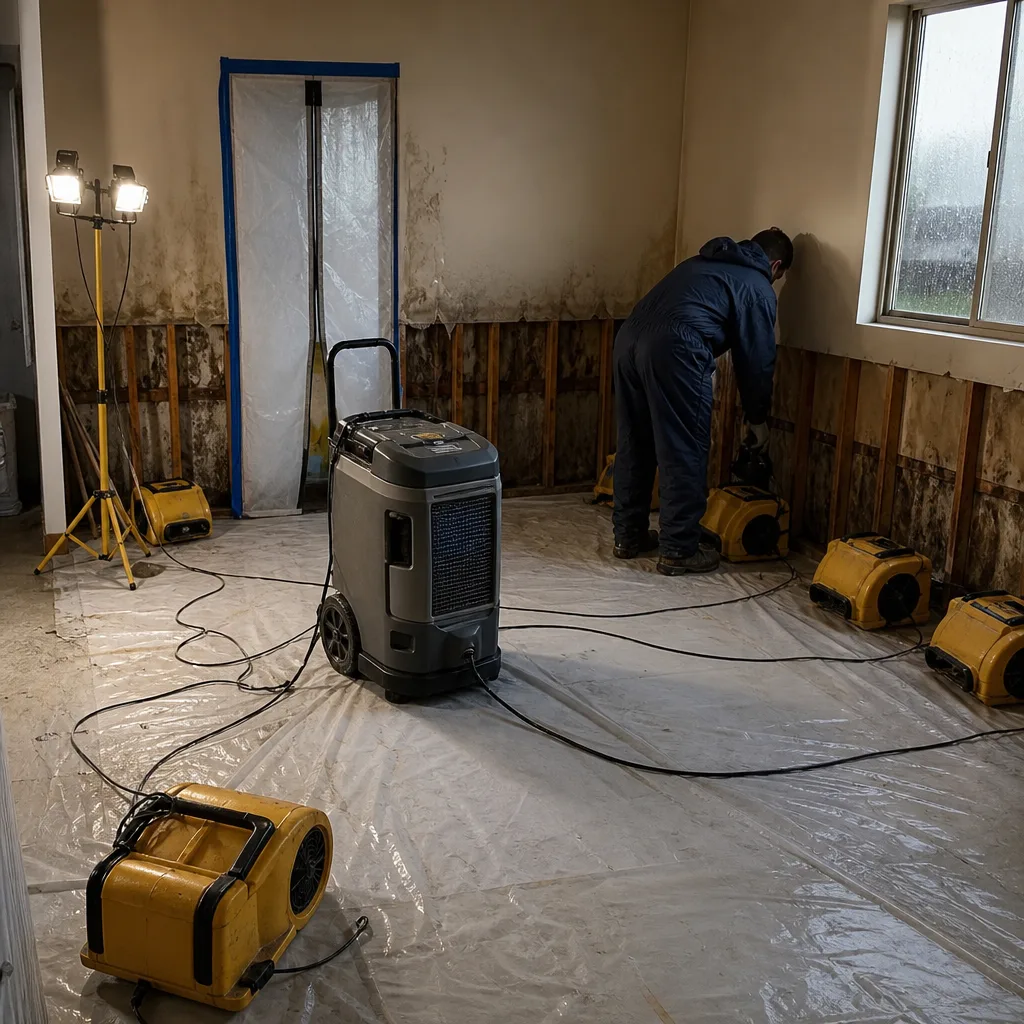
Insurance claims for fire damage fail when documentation is incomplete. Our process starts at arrival: every damaged surface is photographed, every moisture reading is logged, and every cleaning action is recorded with date and time stamps. We produce industry-standard estimates in Xactimate format, the same software used by most adjusters, which eliminates the back-and-forth that delays payment.
Direct adjuster communication is standard on every Gardena job. We provide the photos, drying logs, and scope details your carrier needs to approve the claim without dispute. Our Fire & Smoke Damage Restoration team has handled claims with every major carrier writing policies in Los Angeles County.
What We Provide Your Insurer
- Thorough documentation of the loss
- Photos of all damage, room by room
- Moisture readings and drying logs
- A detailed, line-item scope of work
- Direct coordination with your carrier
Built for Gardena’s Loss Calendar
Gardena’s fire damage calendar tracks with regional patterns but carries local wrinkles. Winter holiday cooking spikes kitchen fires from Thanksgiving through January, with grease fires from deep-fried turkeys and oven overflows common in older homes with original range hoods lacking modern suppression. January and February bring space-heater fires in uninsulated garages and converted porches, where residents on fixed incomes in Gardena’s original 1950s tract housing use portable units against cold snaps that coastal South Bay cities barely feel.
Summer drying conditions are intense enough to matter. Gardena’s inland location produces hotter, drier summers than Torrance or Redondo Beach, accelerating wood shrinkage and creating gaps in older homes where embers from outdoor cooking or fireworks can enter. July Fourth weekend brings elevated fire risk in neighborhoods with mature trees and dried vegetation. Then El Niño winters deliver the counterpunch: intense rainfall on fire-damaged roofs that have not yet been repaired, sending water through compromised decking into attic spaces that already hold smoke residues.
Fire & Smoke Damage Restoration Across Gardena’s Neighborhoods
Our crews know the difference between a call on the 1900 block of West 162nd Street and one near Gardena High School. The neighborhoods west of Van Ness Avenue hold dense concentrations of 1950s slab-on-grade ranches with original galvanized plumbing and minimal attic insulation - fires here spread through open soffits and require extensive cavity cleaning. South of Artesia Boulevard, near the border with unincorporated West Rancho Dominguez, larger lots with detached garages create separate structure fires that threaten main houses through radiant heat and ember drift.
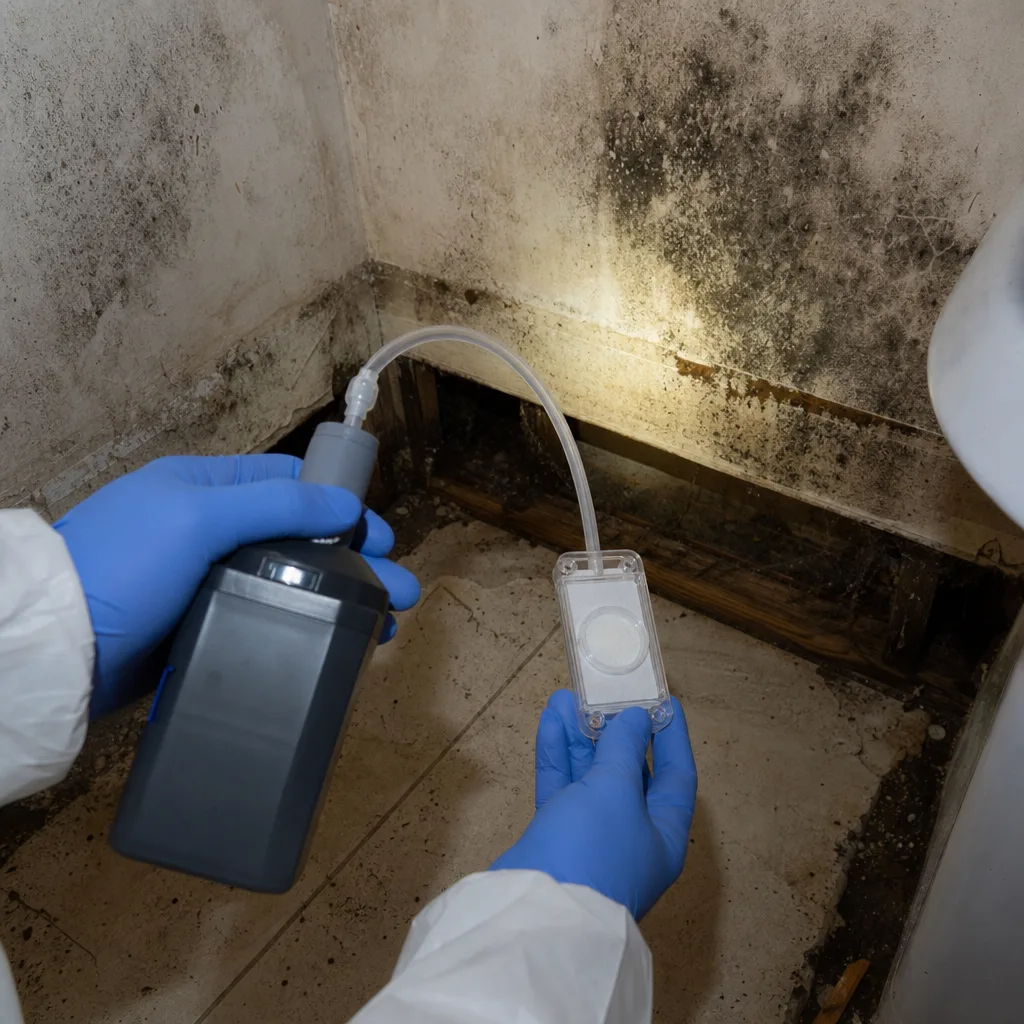
The mixed-use corridors along Western Avenue and Redondo Beach Boulevard present distinct challenges. Residential blocks sit directly adjacent to light-industrial parcels - auto body shops, dry cleaners, small manufacturers - that historically used solvents and chemicals now regulated but still present in soil and groundwater. After a fire on one of these blocks, our Gardena crews test substructure materials for vapor intrusion before standard smoke remediation begins. A fire-damaged wall cavity can pull contaminated soil gas inward through pressure differentials created by the fire itself.
Near Normandie Avenue and the Gardena Memorial Hospital vicinity, post-war duplexes and four-plexes share common attic spaces that allow smoke to migrate between units. Restoration here requires coordinated access to neighboring properties and documentation that satisfies both the primary insurer and any affected adjacent units.
Specialized Fire & Smoke Damage Restoration Services We Offer in Gardena
Fire Damage Cleanup
We remove charred debris, damaged contents, and compromised structural materials with photo documentation at every stage. In Gardena’s older homes with original hardwood floors over slab, we test for water migration beneath the flooring before declaring the space ready for rebuild.
Smoke & Soot Removal
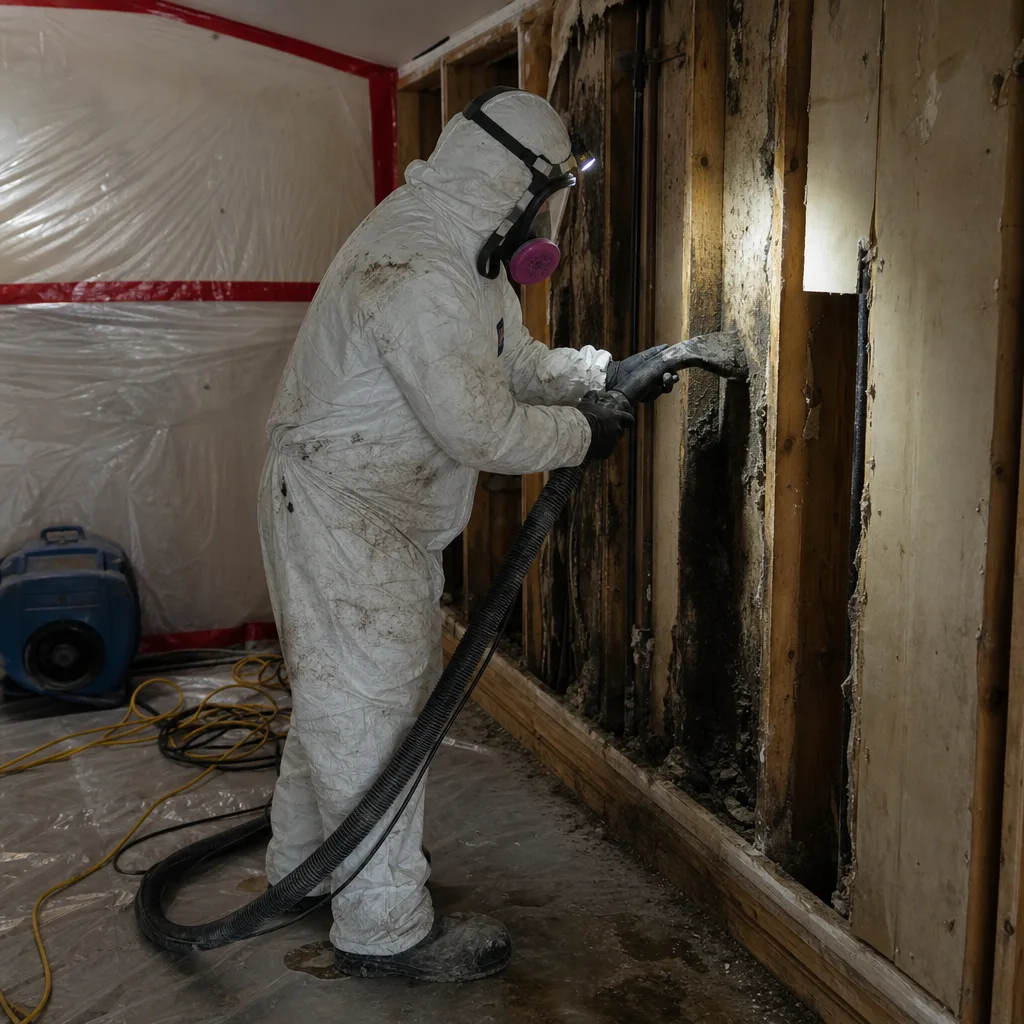
Surface wiping misses what settles inside wall cavities and above drop ceilings. Our FSRT-certified crews use thermal imaging and borescope inspection to locate hidden deposits, then clean with HEPA vacuuming and chemical sponges matched to residue pH. This is critical in Gardena’s pre-1965 homes with unblocked stud bays.
Odor Removal & Deodorization
Thermal fogging, ozone, and hydroxyl generation each address different odor sources. We select methods based on residue testing and verify elimination with occupant walkthroughs, not just instrument readings. Protein smoke from kitchen fires in Gardena’s older homes often requires multiple treatment cycles.
Contents Cleaning & Pack-Out
Salvageable items are inventoried, photographed, and transported to our facility for ultrasonic cleaning, deodorization, and storage until rebuild completion. Non-salvageable items are documented for insurance replacement value with detailed descriptions.
Emergency Board-Up & Tarping
Broken windows, compromised roof decking, and damaged exterior doors are secured within hours of our arrival. We use weather-resistant materials and document every opening secured for the claim file and adjuster review.
Structural Fire Repair
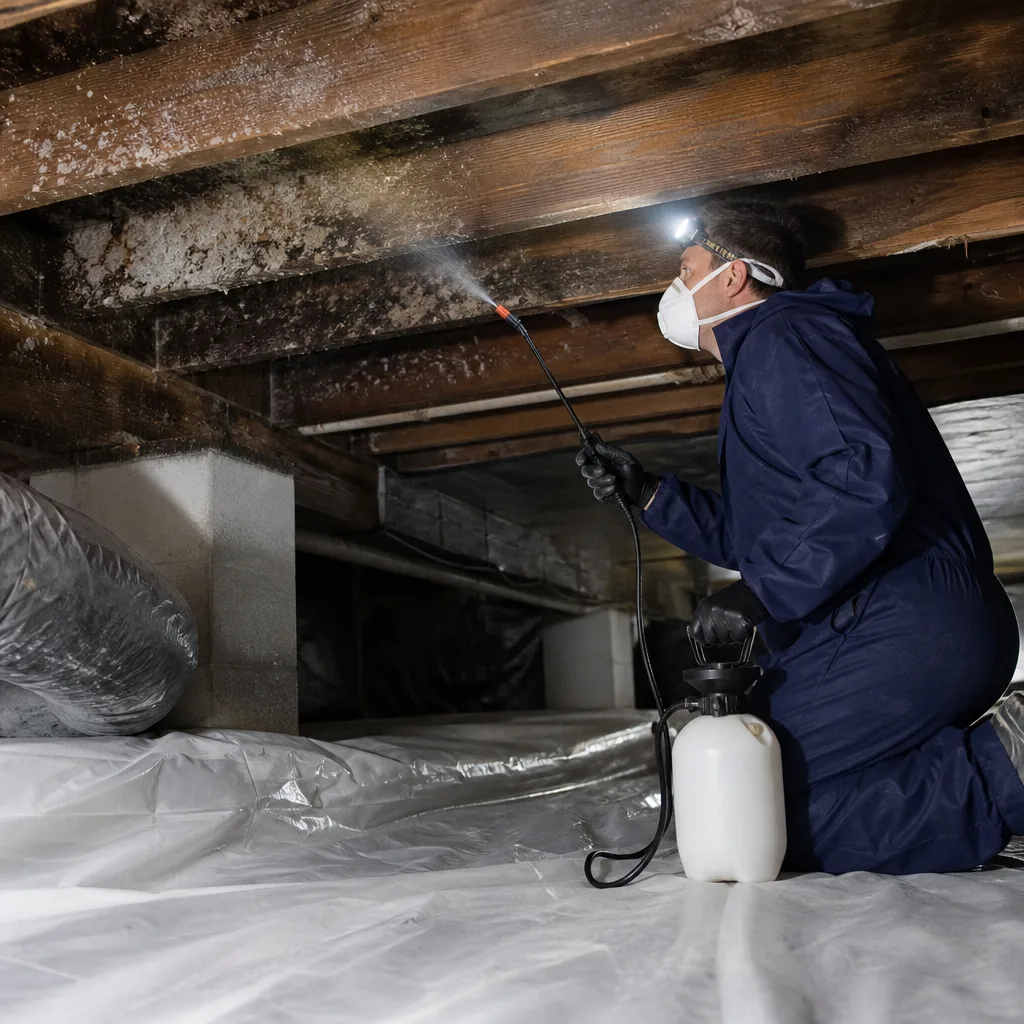
From sistering scorched rafters to replacing fire-damaged subfloors and rebuilding kitchen assemblies, our repair work follows the written scope with no additions once the crew is inside - Haven Standard, Clause 1.
What happens when you call
- 1
A real person answersNo phone trees - you reach a local pro.
- 2
You get an upfront price rangeHonest numbers before anyone is dispatched.
- 3
A background-checked tech heads outLicensed & insured, dispatched right away.
- 4
You approve before work beginsNothing starts until you say go.
Fire & Smoke Damage Restoration Costs in Gardena, CA
Fire damage restoration pricing in Gardena reflects the city’s older housing stock and the additional steps required for slab-on-grade properties. Emergency board-up and tarping typically runs $800-$2,400 depending on opening count and roof access difficulty. Smoke and soot cleaning for a single-family home of 1,200-1,800 square feet ranges $3,200-$7,500, with upper figures for homes requiring cavity cleaning and thermal fogging.
Structural drying after suppression water adds $1,800-$4,500 for slab-on-grade homes where water has reached the foundation, based on equipment days and dehumidifier capacity needed. Contents pack-out and cleaning runs $1,500-$5,000 depending on volume and contamination level. Structural repairs vary widely: kitchen rebuilds in Gardena’s original homes often start at $8,000 and can exceed $25,000 where cabinets, flooring, and appliances require replacement.
Insurance typically covers direct fire and smoke damage plus necessary suppression water remediation, subject to policy limits and deductible. Our written scope identifies insurance-covered versus out-of-pocket items before work begins. Call (424) 305-3365 for a free visual inspection and firm written estimate.
We Also Serve Cities Near Gardena
Our crews respond throughout the South Bay and Harbor Gateway area, including Hawthorne to the north, Compton to the east, Torrance to the southwest, and Carson to the southeast. Dispatch is coordinated from our Los Angeles office with local crews serving each community.
Serving Gardena, CA - Our Local Coverage Area
We’re based in the Gardena area and know this community well. Use the map below to see our service coverage - if you’re nearby, we can almost certainly help.
Gardena Fire & Smoke Damage Restoration Questions, Answered
Why does a fire in a 1950s Gardena slab home take longer to dry than a newer house?
Embedded copper and galvanized supply lines in Gardena’s slab-on-grade homes channel suppression water directly into the concrete foundation, where it migrates beneath flooring with no basement or crawl space for drainage. Drying requires establishing vapor pressure differential across the slab with dehumidifiers and air movers, then logging daily moisture readings until concrete reaches dry standard - typically 3 to 7 days longer than homes with raised foundations where water can be extracted from below. Call (424) 305-3365 for moisture mapping and a written drying plan.
Can smoke odor come back after a fire cleanup in Gardena’s older wood-frame houses?
Yes, if soot deposits inside open wall cavities are not fully removed. Gardena’s pre-1965 homes lack modern fire blocking, so smoke travels through stud bays and soffit spaces that surface cleaning cannot reach. We use borescope inspection and thermal imaging to locate hidden deposits, then clean or seal framing members before closing walls. Without this step, seasonal temperature changes reactivate odor molecules months later. Call (424) 305-3365 for cavity inspection and a written scope.
Do you check for chemical contamination after a fire on Gardena’s mixed-use blocks near Western Avenue?
Yes. Restoration techs working these corridors know to test for vapor intrusion from neighboring light-industrial lots where dry-cleaning and auto-refinishing operations historically used regulated solvents. Fire damage can create pressure differentials that pull contaminated soil gas into wall cavities, and smoke odors can mask chemical contamination that requires hazmat protocols. We test substructure materials before standard remediation and document results for the claim file. Call (424) 305-3365 for testing and a written protocol.
How fast does mold start after fire-suppression water sits in a Gardena home?
Mold colonization begins 24 to 48 hours after water contacts organic material. In Gardena’s slab-on-grade homes, suppression water that reaches the slab beneath vinyl or hardwood flooring creates hidden wet conditions where mold spreads unseen for weeks. We probe perimeter areas and log moisture readings in the concrete to catch this before rebuild starts. Delayed drying claims are common in homes where crews addressed visible water but missed the slab. Call (424) 305-3365 for same-day moisture mapping.
What’s the difference between repairing and retrofitting after fire damage to old Gardena hardware?
Repair restores damaged components to functional condition; retrofit replaces outdated systems with modern equivalents that meet current codes. In Gardena’s 1950s homes, original galvanized supply lines scorched in a wall fire are typically retrofitted with PEX or copper, since galvanized corrosion makes repair unreliable and code compliance requires current materials. Similarly, original electrical in fire-damaged walls is upgraded to grounded circuits. Our written scope specifies repair versus retrofit for each component with line-item pricing before work begins. Call (424) 305-3365 for a free inspection and written options.
How quickly can your crew actually get to my Gardena address?
We commit to 45 minutes from dispatch to arrival for Gardena properties, with live phone coverage 24 hours a day and no voicemail on emergency lines. Dispatch is coordinated from our Los Angeles office with crews already positioned in the South Bay service area. The first hour after fire damage is critical for preventing permanent soot setting and secondary water damage. Call (424) 305-3365 and a real person will answer.
Will my insurance cover the full cost of fire damage restoration?
Most homeowner policies cover direct fire and smoke damage plus necessary water remediation from suppression, subject to your policy limit and deductible. Coverage disputes typically arise over scope - whether hidden cavity cleaning or slab drying is necessary - which is why we document every moisture reading and photo before work starts and produce Xactimate estimates that adjusters recognize. We coordinate directly with your carrier and provide the drying logs that justify every line item. Call (424) 305-3365 for a free inspection and insurance documentation review.
Can my family stay in the home during fire damage restoration?
Usually not during initial emergency work. Air quality from soot particulate and ozone or thermal fogging treatments requires temporary relocation for 24 to 72 hours minimum. For Gardena homes with slab moisture requiring extended drying, we may recommend staying elsewhere until dehumidifiers complete their cycle. Our written scope includes a projected timeline for each phase so you can plan accordingly. Call (424) 305-3365 for occupancy guidance specific to your damage.
After a kitchen fire on a 1952 slab-on-grade home off Western Avenue, our techs found that the fire had scorched original galvanized supply lines inside the wall cavity, and suppression water had run down into the slab, raising moisture readings well past the visible char. We set up containment, ran air movers and dehumidification over the slab, and logged daily moisture readings to confirm structural drying before rebuilding the wall - a repair that a visual-only inspection would have missed. Because the neighboring parcel was a former auto-refinishing lot, we also tested the wet concrete for solvent vapor intrusion before closing anything up.
Every Gardena fire damage job we handle follows the same documentation standard: written price before work begins, photo record on every visit, and the 365-Day Done Right Promise backed by The Haven Standard. Alicia Brennan built Back to Dry Restoration in 2011 around the documentation gap that costs homeowners their claims, and that foundation shapes every estimate we write.
Written by Alicia Brennan, Owner at Back to Dry Restoration, serving Gardena since 2011.
Fire & Smoke Damage Restoration in Nearby Areas