

Free visual inspection and a written scope of work before any mitigation begins - photos, moisture readings, and drying logs go in your claim file
The scope we write is the scope we bill. Anything new gets shown to you, in writing, before we touch it.
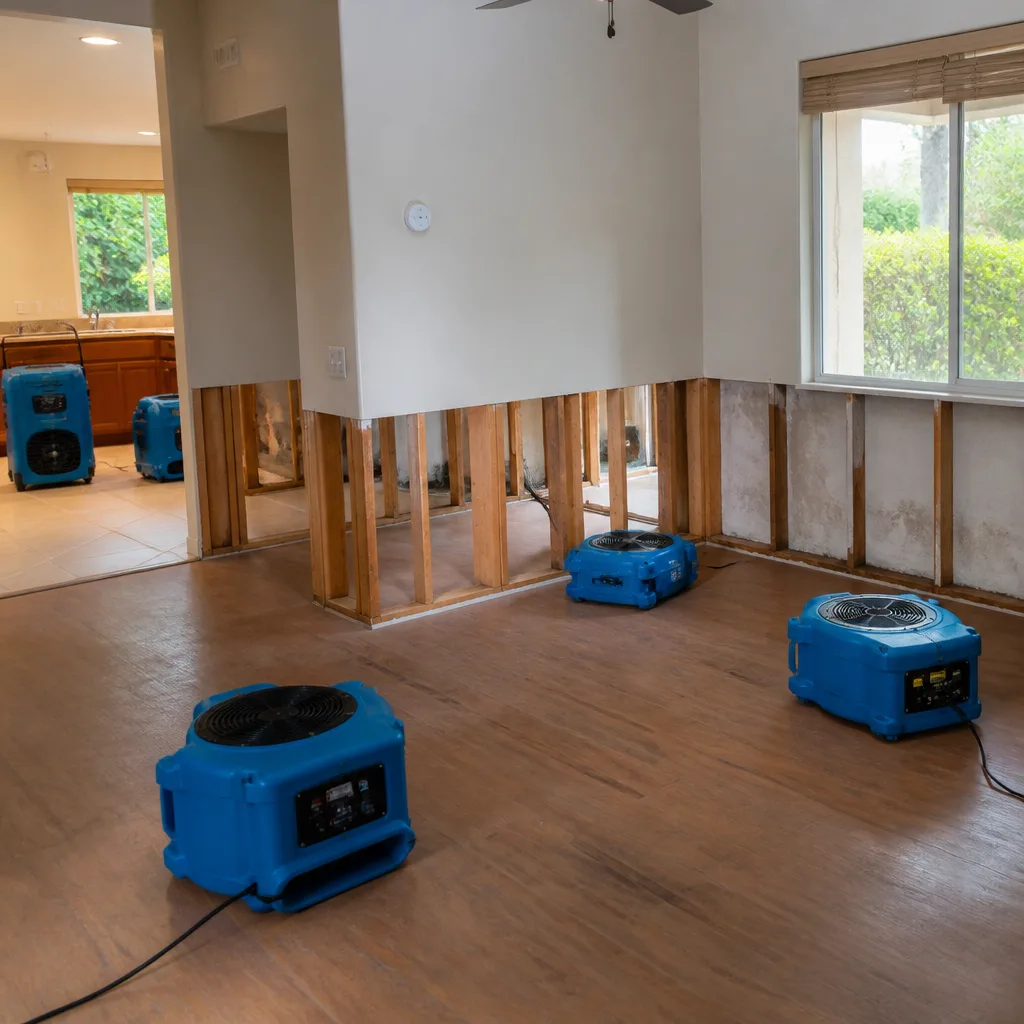
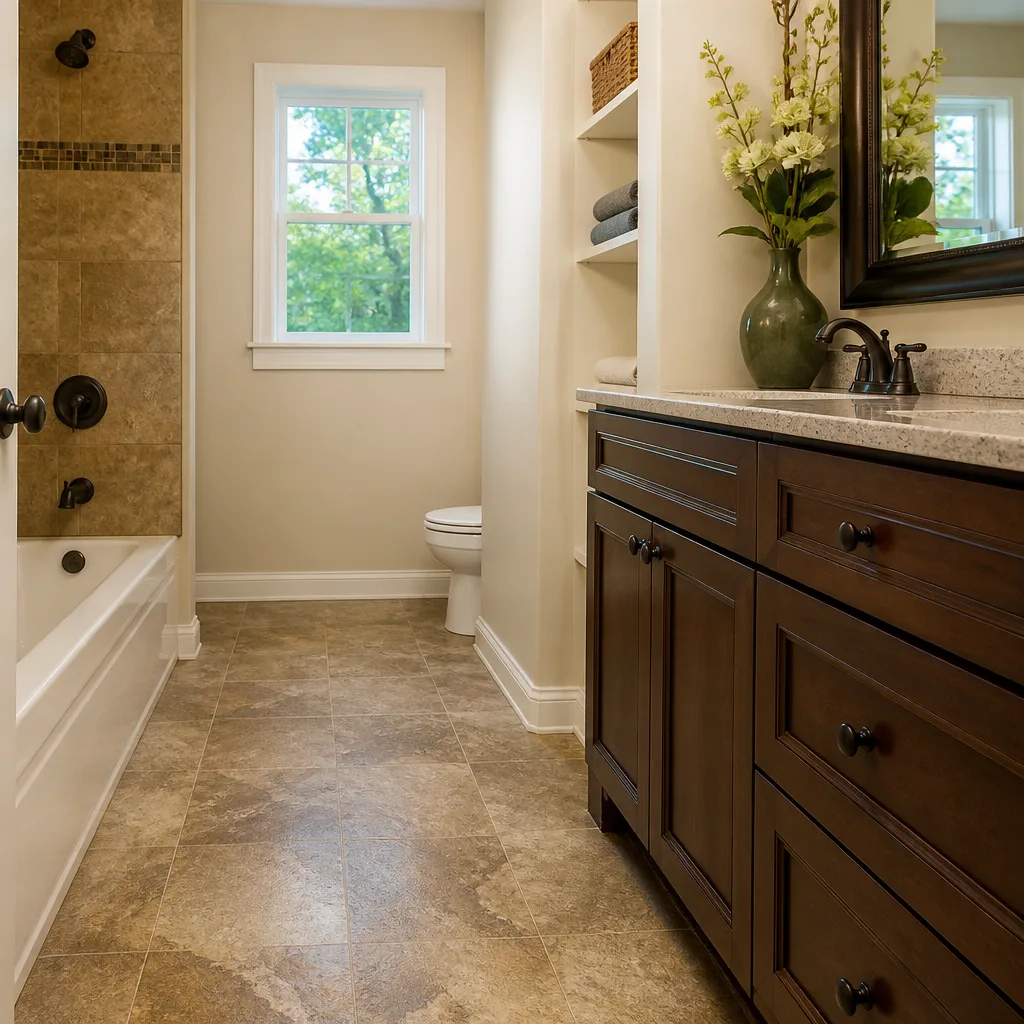
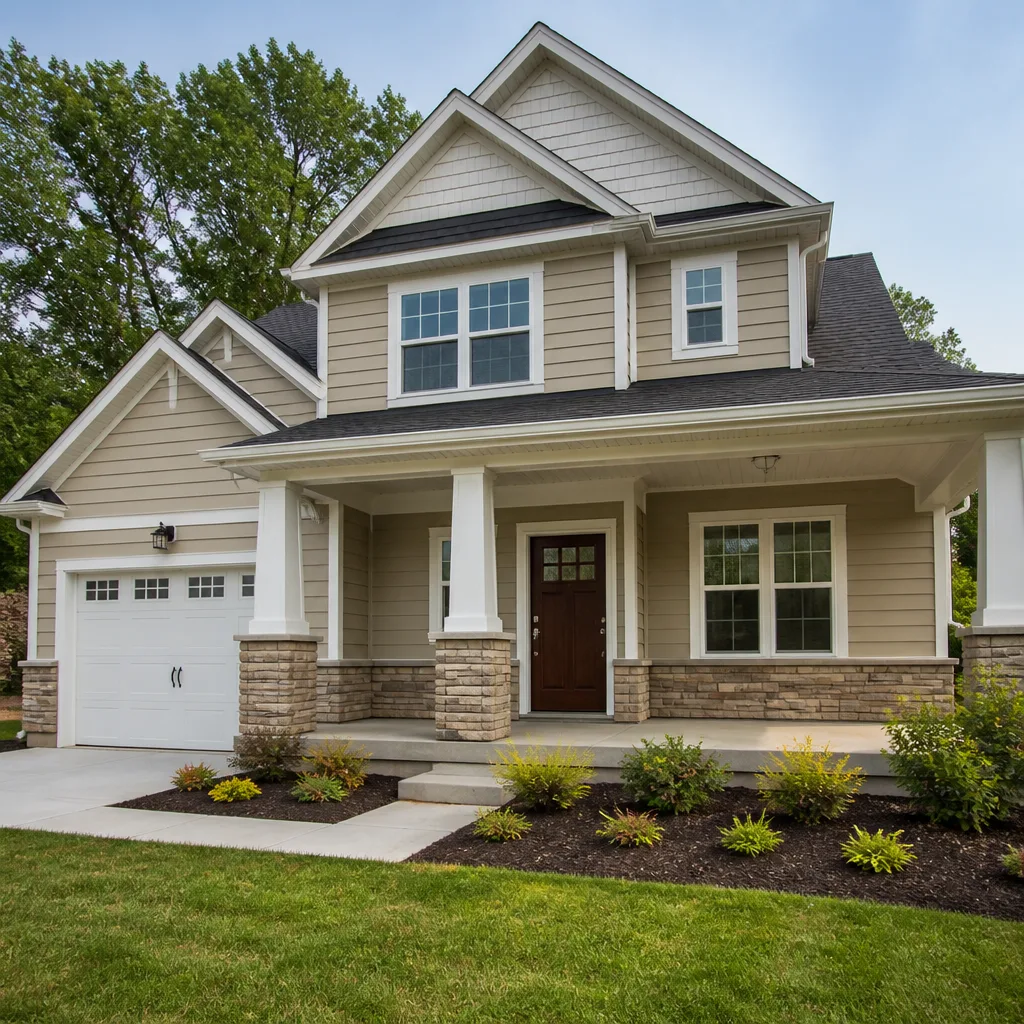
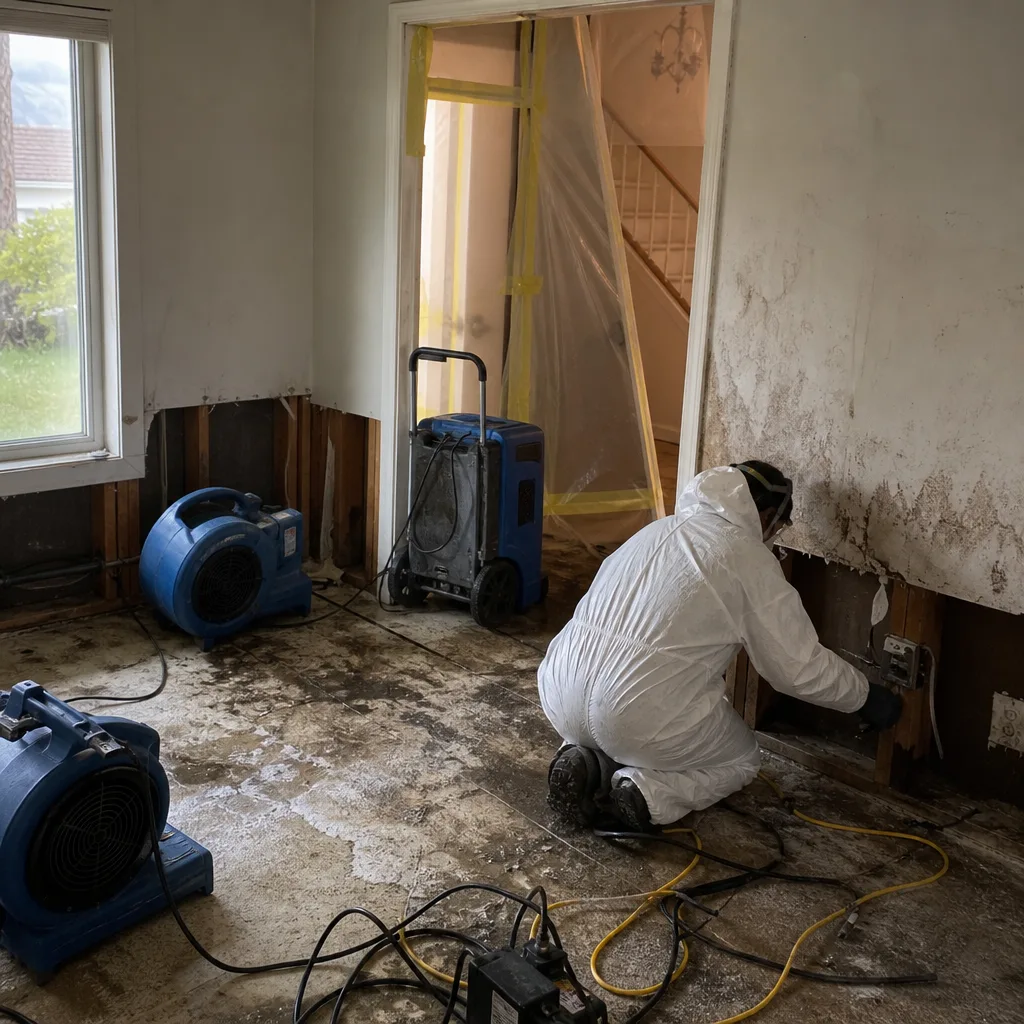 Before
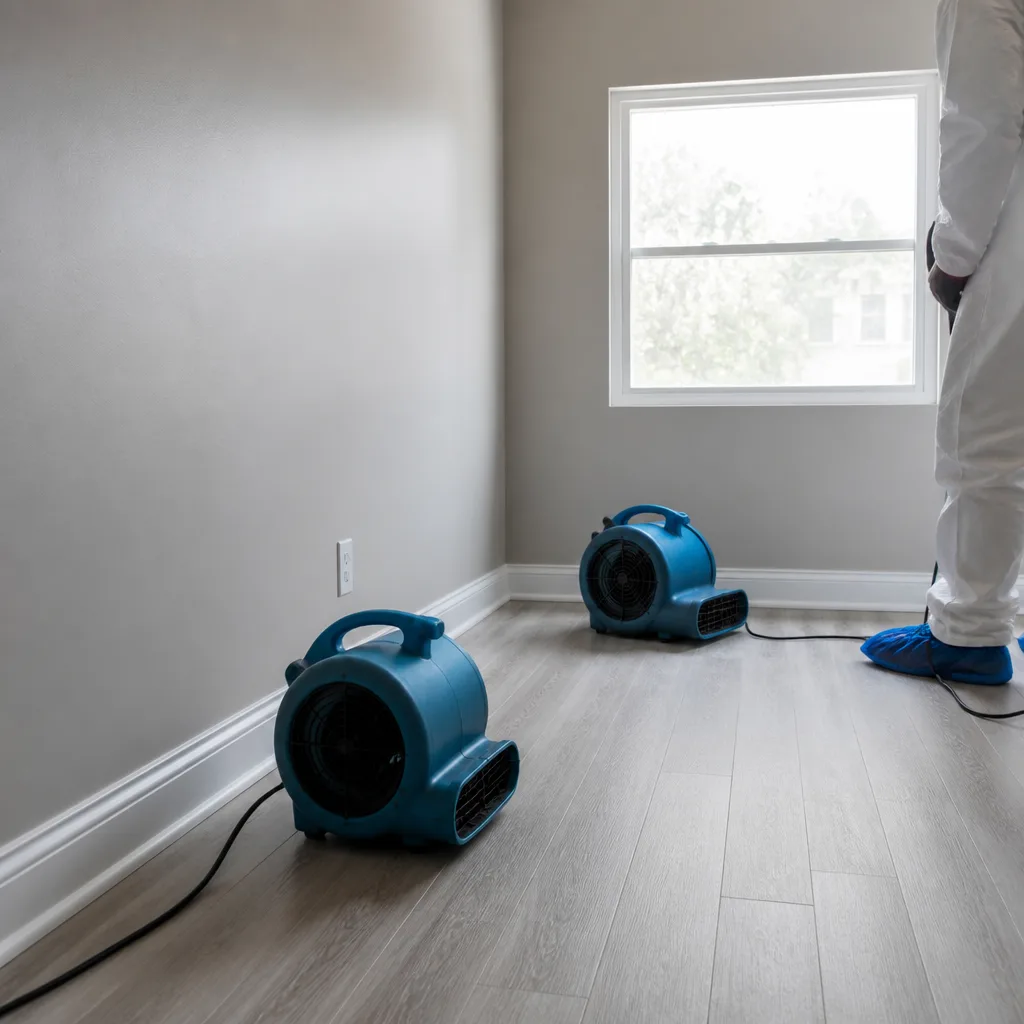 After
After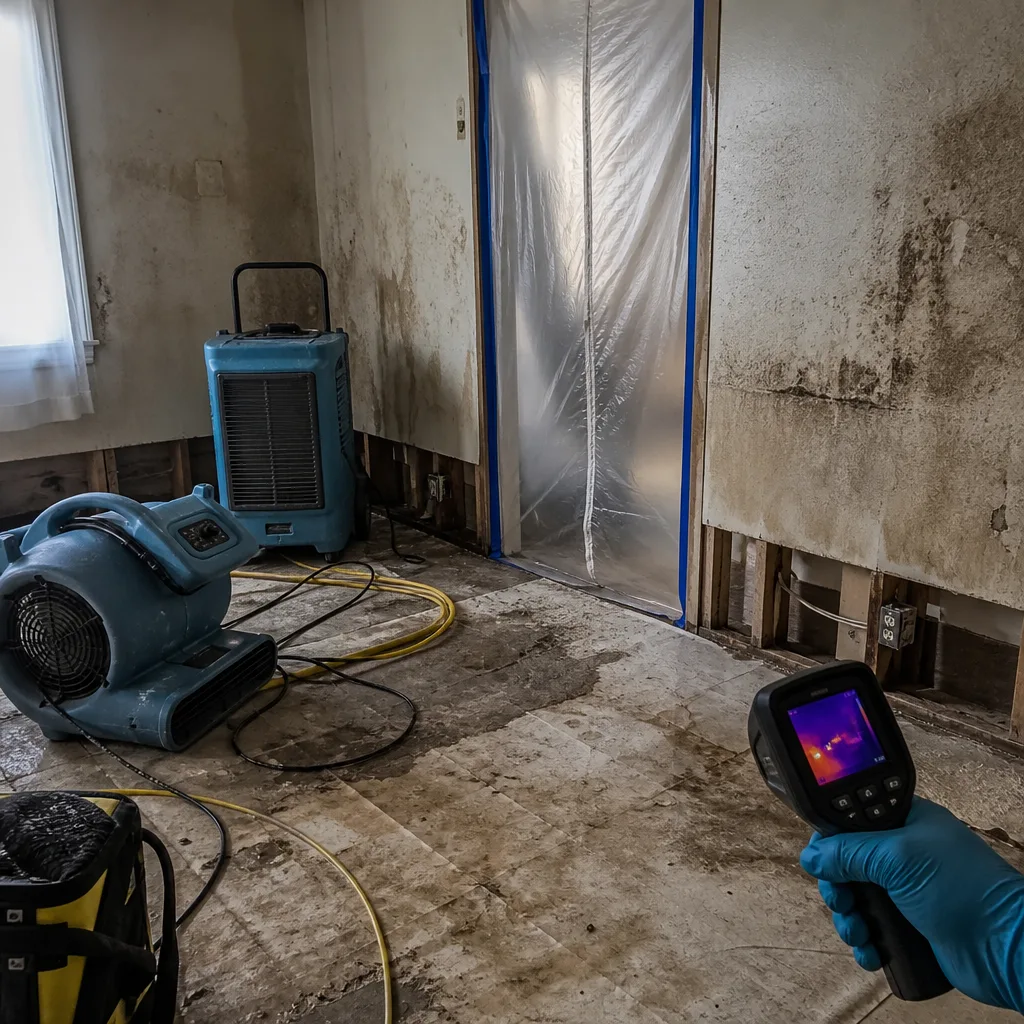 Before
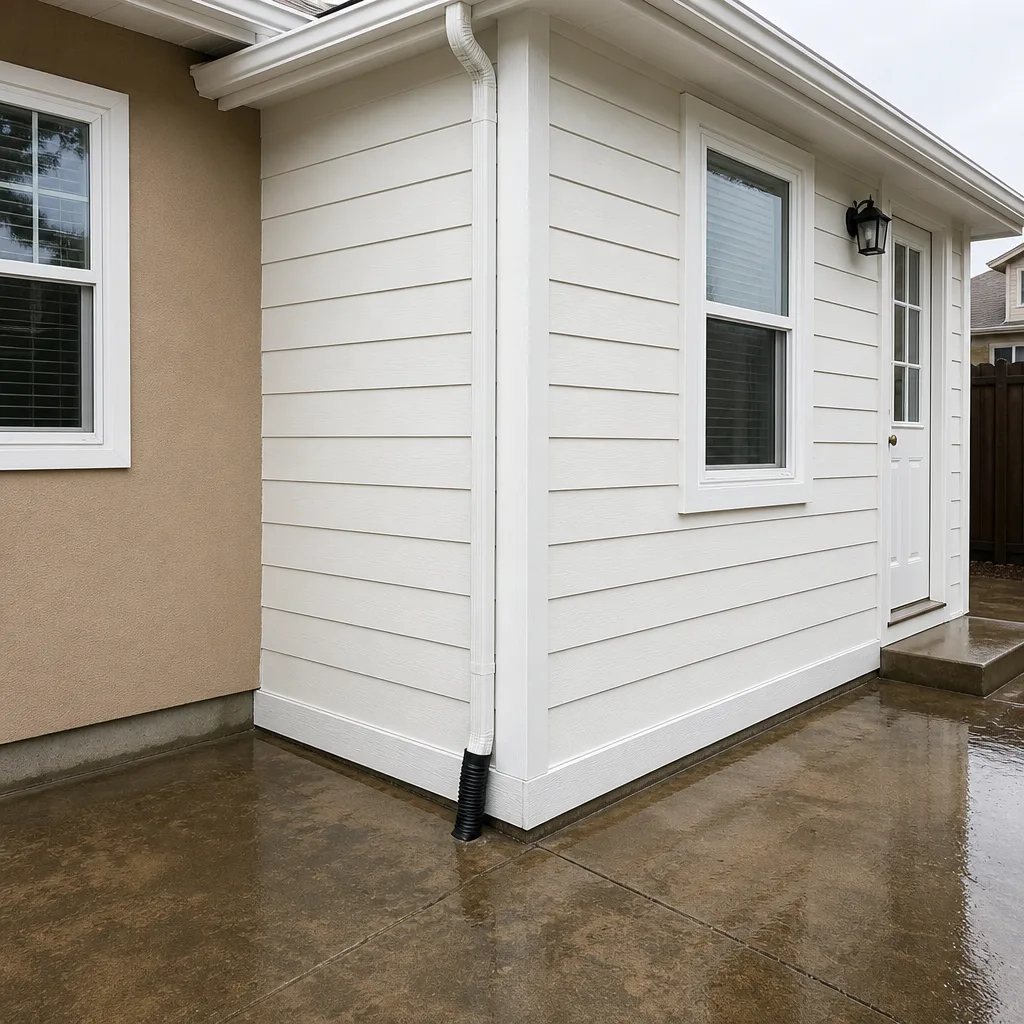 After
After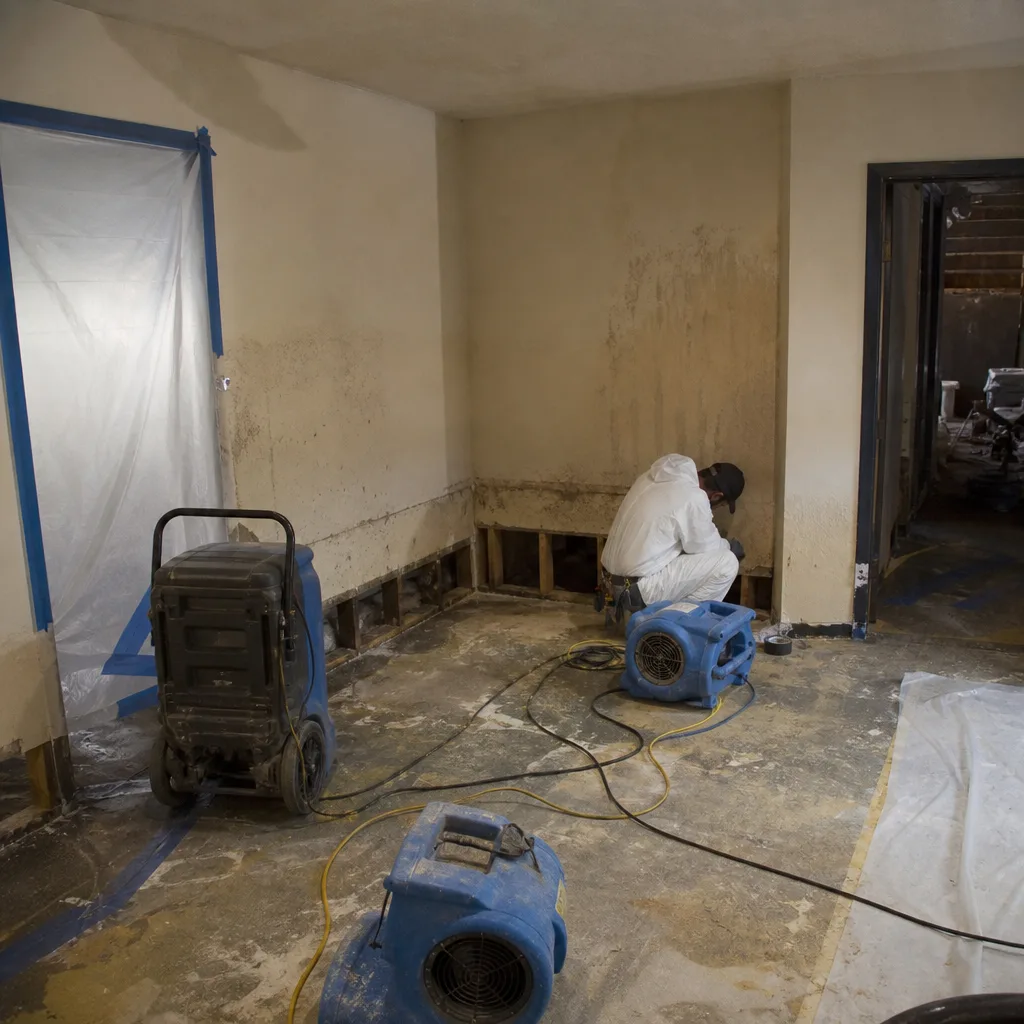 Before
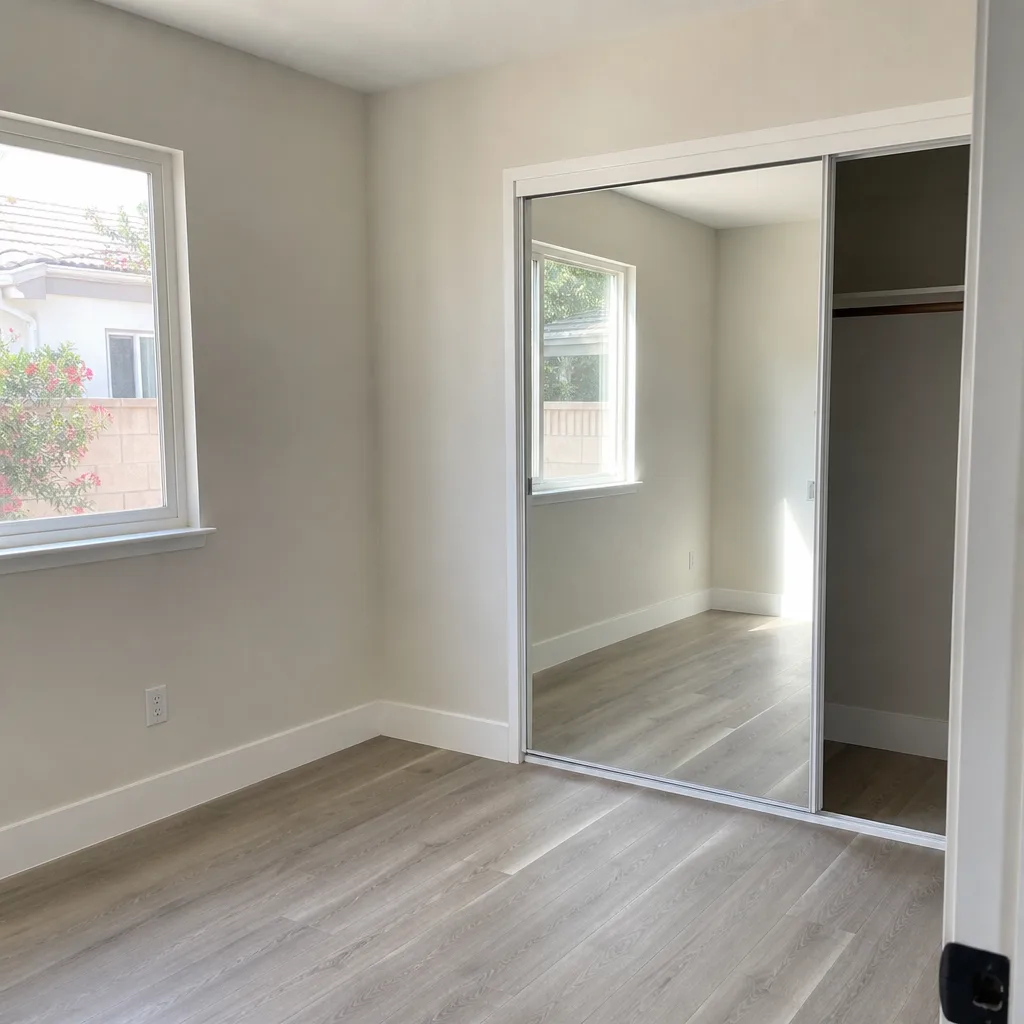 After
After24/7 Emergency Mold Remediation in Lakewood
Mold remediation in Lakewood typically runs $1,800-$4,500 for contained residential jobs, with full-structure treatments reaching $8,000-$15,000 when sub-slab moisture has compromised multiple rooms. Our crews answer live at (424) 305-3365 around the clock, and we can have a technician on-site anywhere in Lakewood within 45 minutes of your call. The first hour matters because mold colonies double in mass every 24 to 48 hours under the humid marine-layer conditions that sit on this city six to seven miles from the coast, and every hour of delay means more square footage of drywall, framing, and flooring that must come out rather than dry in place. We start with a free visual inspection, document the affected area with photos, and give you a written scope and price before any containment goes up.
Understanding Mold Remediation Severity in Lakewood Properties
Mold damage in Lakewood falls into three containment tiers. Limited contamination covers under 10 square feet of visible growth, usually behind a bathroom vanity or along a single window sill where condensation collects. Moderate contamination spans 10 to 100 square feet and typically involves multiple wall cavities or a whole room, demanding full containment with negative air pressure and HEPA scrubbing. Major contamination exceeds 100 square feet or involves HVAC systems, requiring full-scale remediation with third-party clearance testing before re-occupancy.
What makes Lakewood different from neighboring Long Beach or Bellflower is the housing stock itself. Nearly every home here was built between 1950 and 1954 with slab-on-grade concrete, minimal insulation, and vapor-barrier-deficient construction that lets ground moisture wick straight through the floor. The marine layer keeps indoor relative humidity elevated enough that mold colonizes faster than in drier inland basins. Add in the asbestos-containing floor tiles, pipe insulation, and lead-based paint present in the vast majority of these 17,500 homes, and you’ve got a remediation environment where hazardous-material protocols must precede structural drying on nearly every job. We classify water damage using IICRC standards - Category 1 from a clean supply line, Category 2 when that same water sits under 70-year-old asbestos tile and cast-iron drain seals, Category 3 when sewage or ground intrusion is involved - and the classification determines whether materials can be dried in place or must be removed.
Why Lakewood Property Owners Choose DryMark Restoration Carson
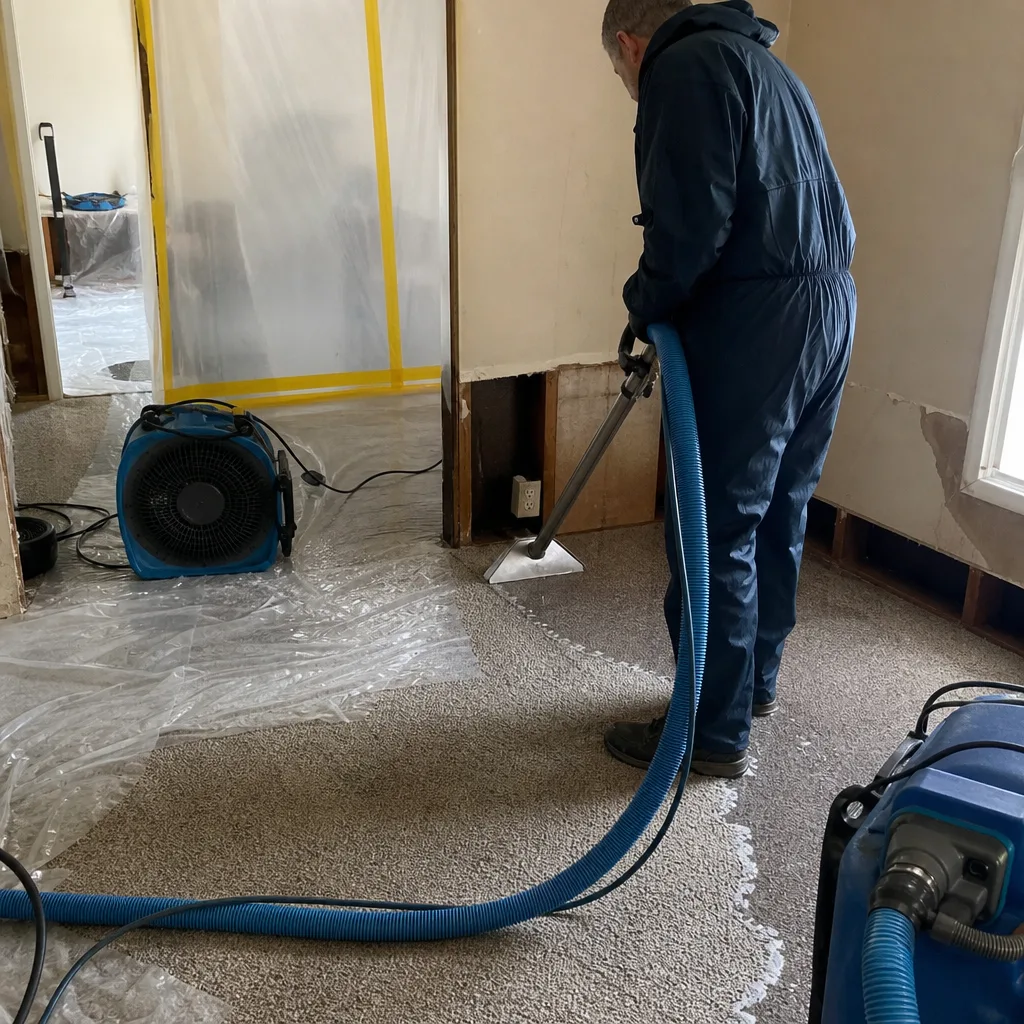
- 45-minute response commitment to any Lakewood address, with crews staged near the Lakewood Boulevard corridor.
- 24/7 live answer by a real person - never an automated system, never a voicemail tree, never a callback tomorrow while moisture keeps moving.
- IICRC-certified crews holding WRT (Water Damage Restoration Technician), AMRT (Applied Microbial Remediation Technician), and FSRT (Fire & Smoke Restoration Technician) credentials, with license numbers provided on request.
- Free visual inspection and written scope before any work begins, every time, with no exceptions - Haven Standard, Clause 1.
- Direct insurance billing with photo-documented estimates and daily drying logs that adjusters recognize and pay without dispute.
- One team from containment to reconstruction - no handoffs between subcontractors that lose the thread of your documentation.
 Before
 After
AfterOur Mold Remediation Process
1. Inspection & Assessment
We arrive with moisture meters, thermal imaging cameras, and hygrometers to map the full extent of water migration. In Lakewood, this means checking slab perimeters for chronic sub-slab intrusion, not just the obvious leak point. We document every reading with photos and determine whether hazardous-material testing is required before any disturbance of finishes.
2. Containment & Air Filtration
We establish polyethylene containment barriers and run negative air pressure with HEPA scrubbers to prevent cross-contamination. For Lakewood’s compact 1950s floor plans, this often means sealing off entire wings of the house while maintaining safe egress for occupants.
3. Moisture Control & Drying
We deploy commercial dehumidifiers from Dri-Eaz and Phoenix, air movers from XPOWER and B-Air, and Injectidry panel drying systems to draw moisture from wall cavities and subfloors without destructive removal where possible. Daily psychrometric readings track vapor pressure differential until materials reach established drying goals.
4. Cleaning & Sanitization
HEPA vacuuming and antimicrobial treatment of all affected surfaces, followed by thorough cleaning of contents using IICRC S520 standards for mold remediation. We document every treated surface with before-and-after photos.
5. Hazardous-Material Coordination
Where asbestos-containing tile, mastic, or lead-painted surfaces must be disturbed, we coordinate certified abatement contractors and hold structural drying until clearance documentation is complete. This is not optional in Lakewood; it’s the law on nearly every job.
6. Repairs & Restoration
Once moisture goals are met and clearance testing passes, we rebuild with matching materials and finishes. Our 365-Day Done Right Promise under The Haven Standard covers all reconstruction work; if it’s not done right, we make it right.
Need Emergency Mold Remediation in Lakewood Now?
Crews minutes away, answering live 24 hours a day. The sooner we start, the less it costs.
Working With Your Insurance Company
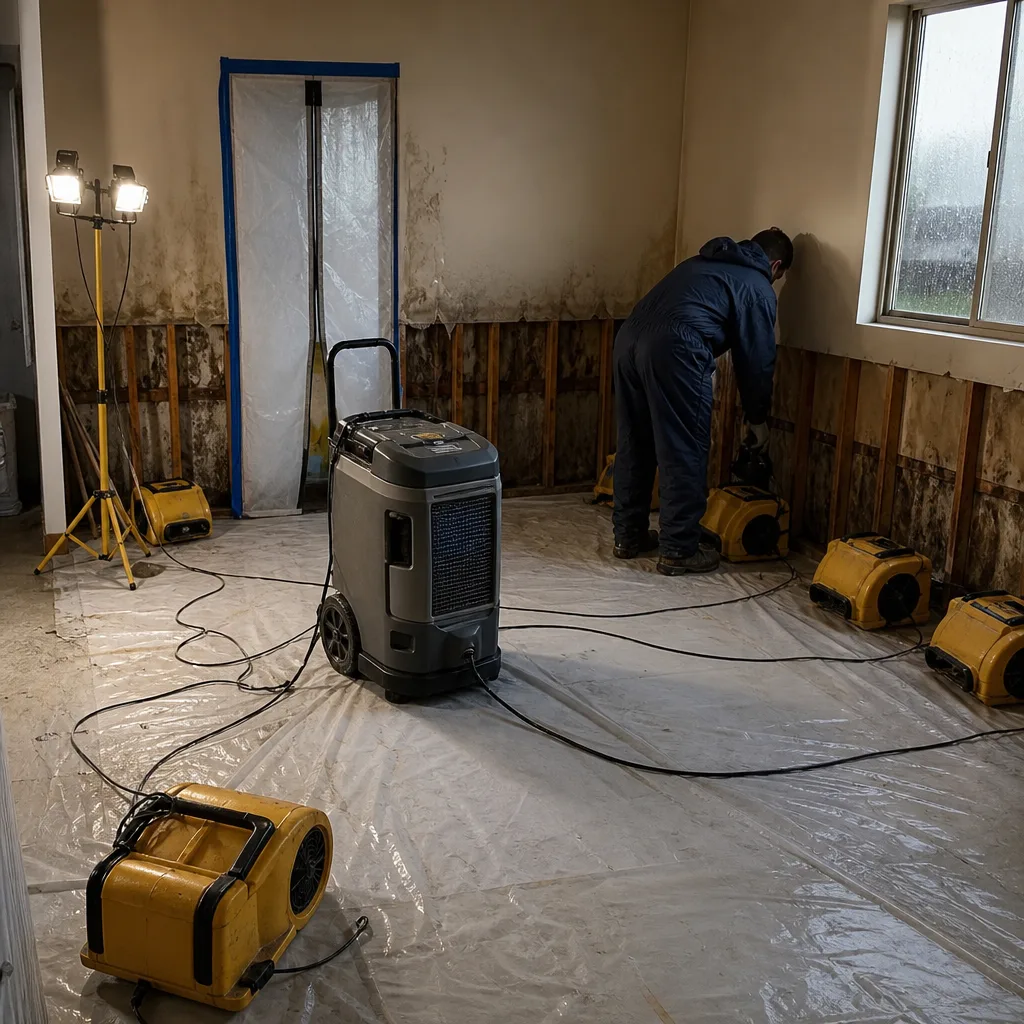
We built our documentation system around what adjusters actually need to pay a claim without back-and-forth. From the first hour on your Lakewood property, we’re photographing, moisture-mapping, and logging every reading to IICRC, RIA, and IFA standards. Our estimates follow industry-standard formats your carrier recognizes. We speak directly with your adjuster, provide line-item scopes with material classifications by trade name, and never ask you to float costs while waiting for approval.
What We Provide Your Insurer
- Thorough documentation of the loss with date-stamped photos from every visit
- Photos of all damage, room by room, with moisture readings overlaid on floor plans
- Daily moisture logs and psychrometric data showing drying progress to completion
- A detailed, line-item scope of work with material quantities and unit prices
- Direct coordination with your carrier’s adjuster, including conference calls on request
Built for Lakewood’s Loss Calendar
January through March brings the heaviest El Niño rainfall, and Lakewood’s aging mid-century storm-drain infrastructure regularly overwhelms, pushing surface water onto lots that were graded completely flat during the original 1950-1954 development. April and May see the marine layer thicken, keeping indoor humidity elevated as homeowners close windows against the chill. June through August brings rare but intense thunderstorm cells that dump water faster than flat lots can drain. September through November is Santa Ana season - hot, dry winds that actually lower mold risk but crack aging cast-iron drain seals, setting up winter failures. December starts the cycle again with the first sustained rains.
Because virtually no Lakewood lot has natural grade sloping away from the foundation - the entire city was scraped flat from dairy farmland before construction began - even moderate winter rain pools against slab perimeters city-wide. Our crews see the same chronic sub-slab moisture intrusion and efflorescence patterns repeating block after block every wet season. This isn’t a roof problem or a hillside drainage problem. It’s a flat-lot slab problem, and it drives mold returns in homes that were “remediated” without addressing the source.
Mold Remediation Across Lakewood’s Neighborhoods
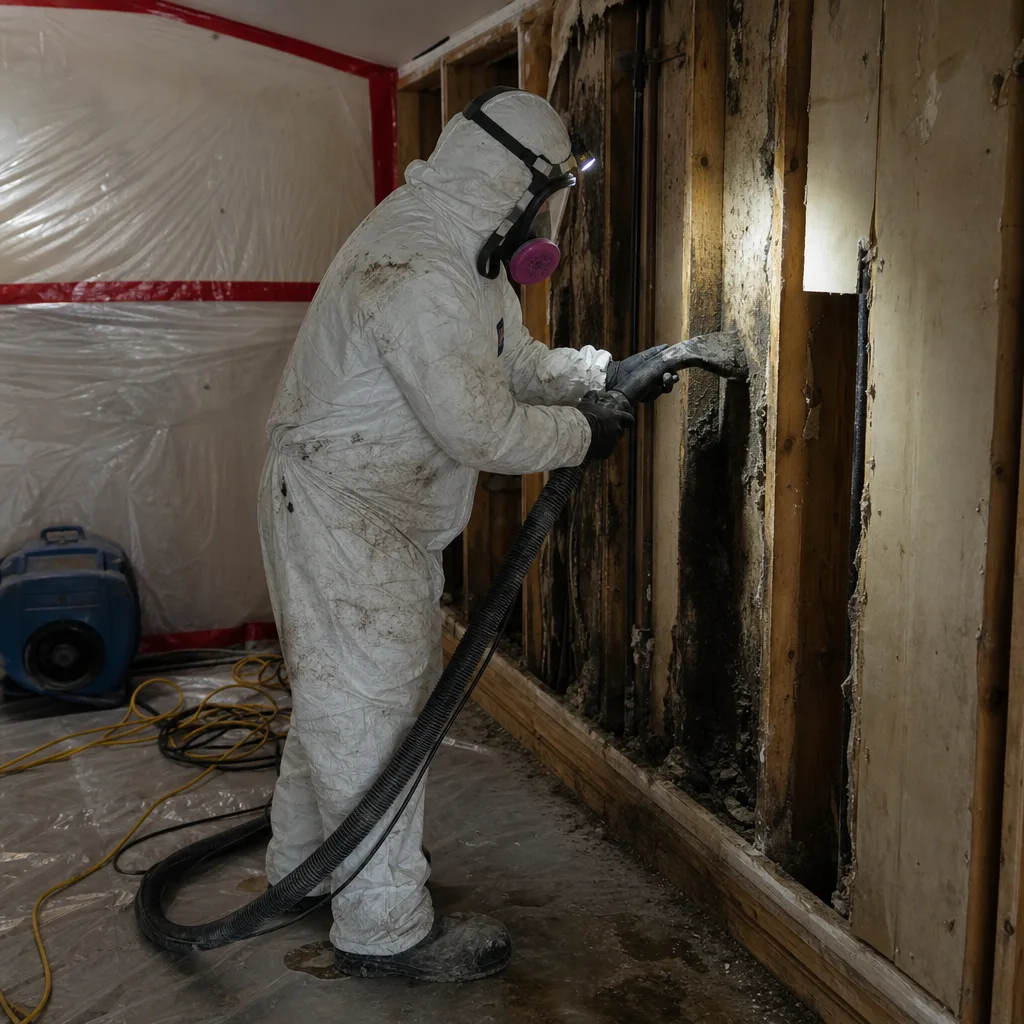
In Lakewood Village, the original 1950-1952 core, we see the most severe sub-slab moisture cases. These were the first homes built on the former dairy land, with the flattest grading and the oldest galvanized supply lines. The original asbestos-containing vinyl tile and black mastic are nearly universal here. Our Mold Remediation in Lakewood crews know to test before we disturb anything.
Lakewood Country Club area properties, built slightly later in 1953-1954, often have better initial grading but the same slab-on-grade construction. The larger lots mean more roof runoff collecting at the foundation perimeter, and we’ve documented repeated mold colonization in garage conversions where the original slab was never properly sealed.
Along Del Amo Boulevard and the major east-west corridors, commercial-adjacent residential properties face an added risk: aging cast-iron lateral sewer lines shared with commercial buildings upstream. Category 3 water events are more common here, and the remediation protocol changes entirely when sewage is involved.
Near Long Beach Boulevard, the city’s main commercial spine, older apartment conversions and duplexes present the most complex containment challenges. Shared walls, common HVAC systems, and multiple ownership layers mean we often coordinate with neighboring units and their insurers simultaneously.
Specialized Mold Remediation Services We Offer in Lakewood
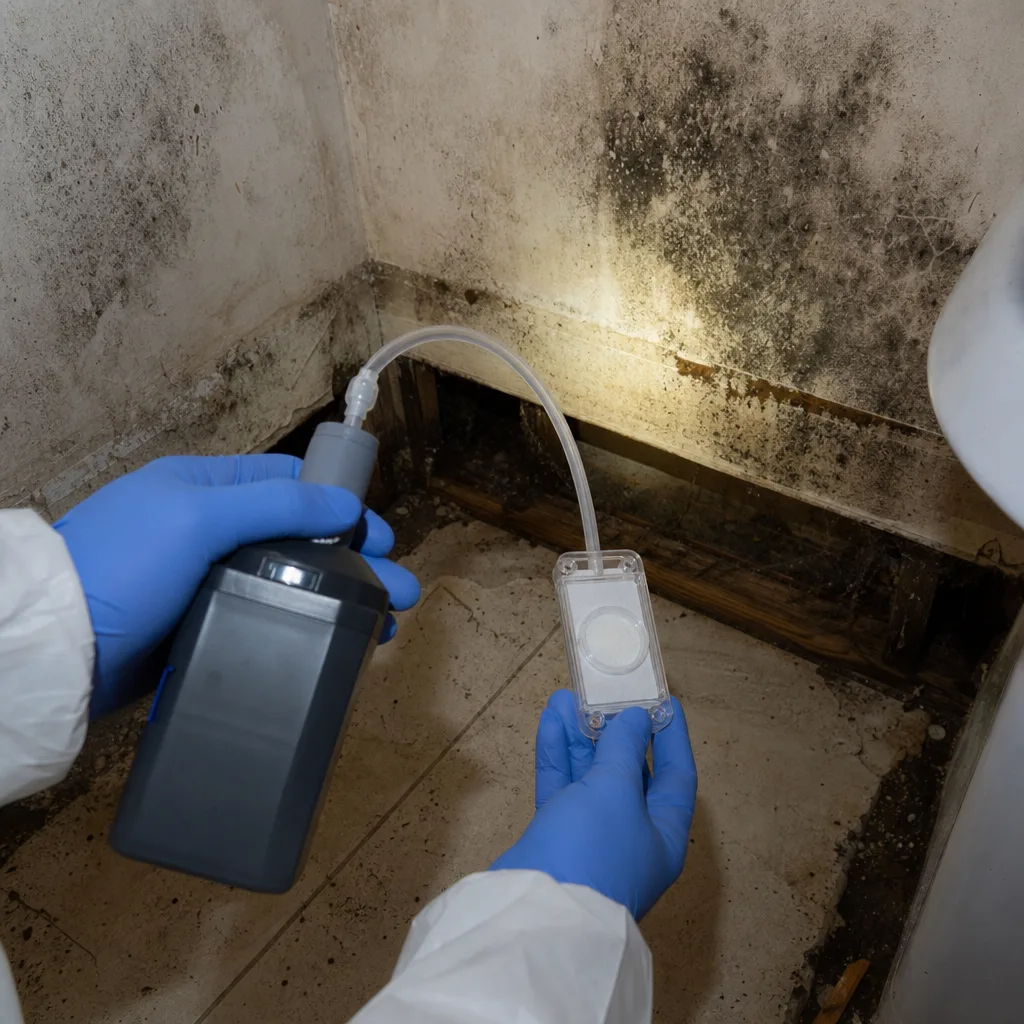
Mold Inspection & Testing
We don’t guess. Our inspections combine air sampling, surface sampling, and moisture mapping to establish the full extent of colonization and identify the moisture source. In Lakewood, that source is sub-slab intrusion more often than not. We use third-party laboratories for analysis to eliminate any conflict of interest in our findings.
Mold Removal
Physical removal of contaminated materials following IICRC S520 standards, with proper containment and HEPA filtration. In Lakewood’s 1950s homes, this frequently requires staged abatement of asbestos-containing materials before we can access the mold-affected substrate.
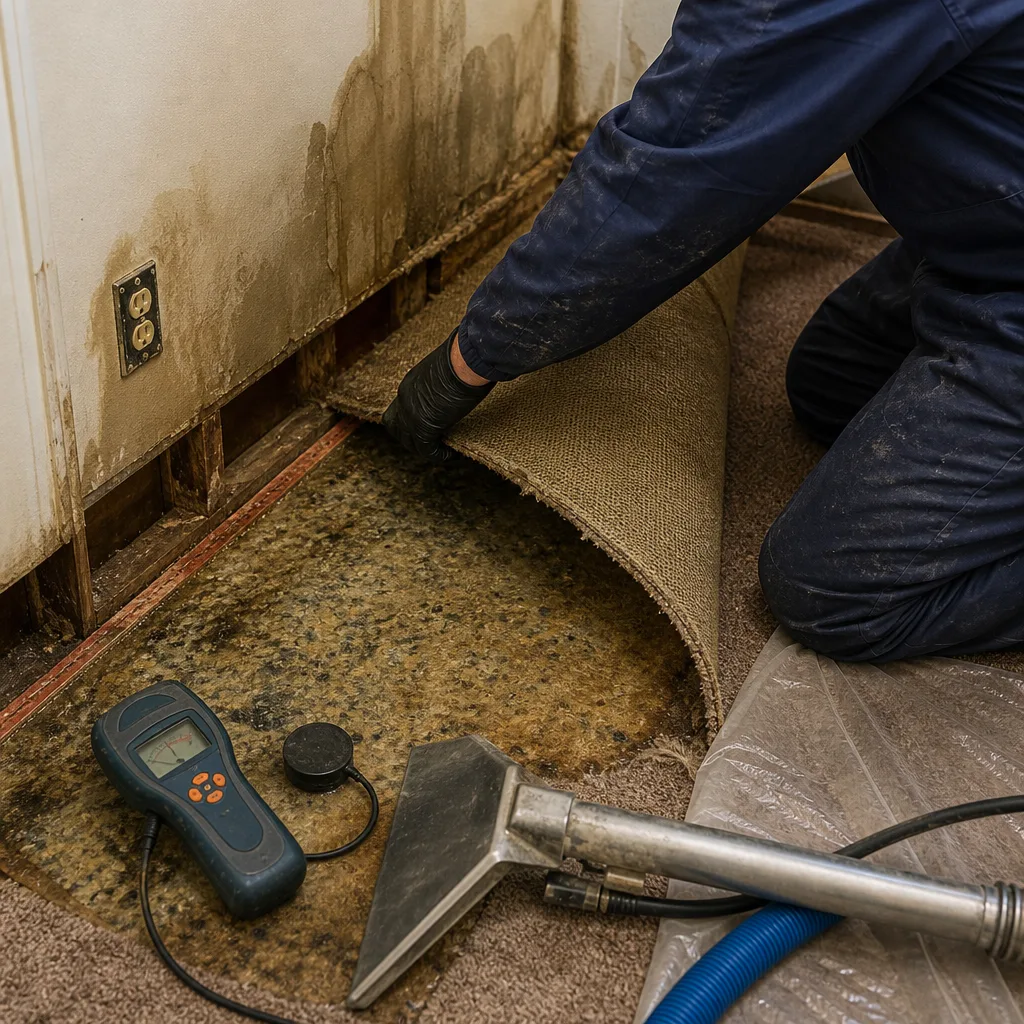
Black Mold Remediation
Stachybotrys and other toxigenic species require enhanced containment, personal protective equipment, and specialized cleaning protocols. We treat these jobs with the same documentation rigor as any other, with third-party clearance testing required before containment comes down.
Air Quality Restoration
HEPA scrubbing, duct cleaning where appropriate, and post-remediation air sampling to verify spore counts have returned to normal fungal ecology. For Lakewood’s tight 1950s floor plans with minimal natural ventilation, this step is critical to preventing re-colonization.
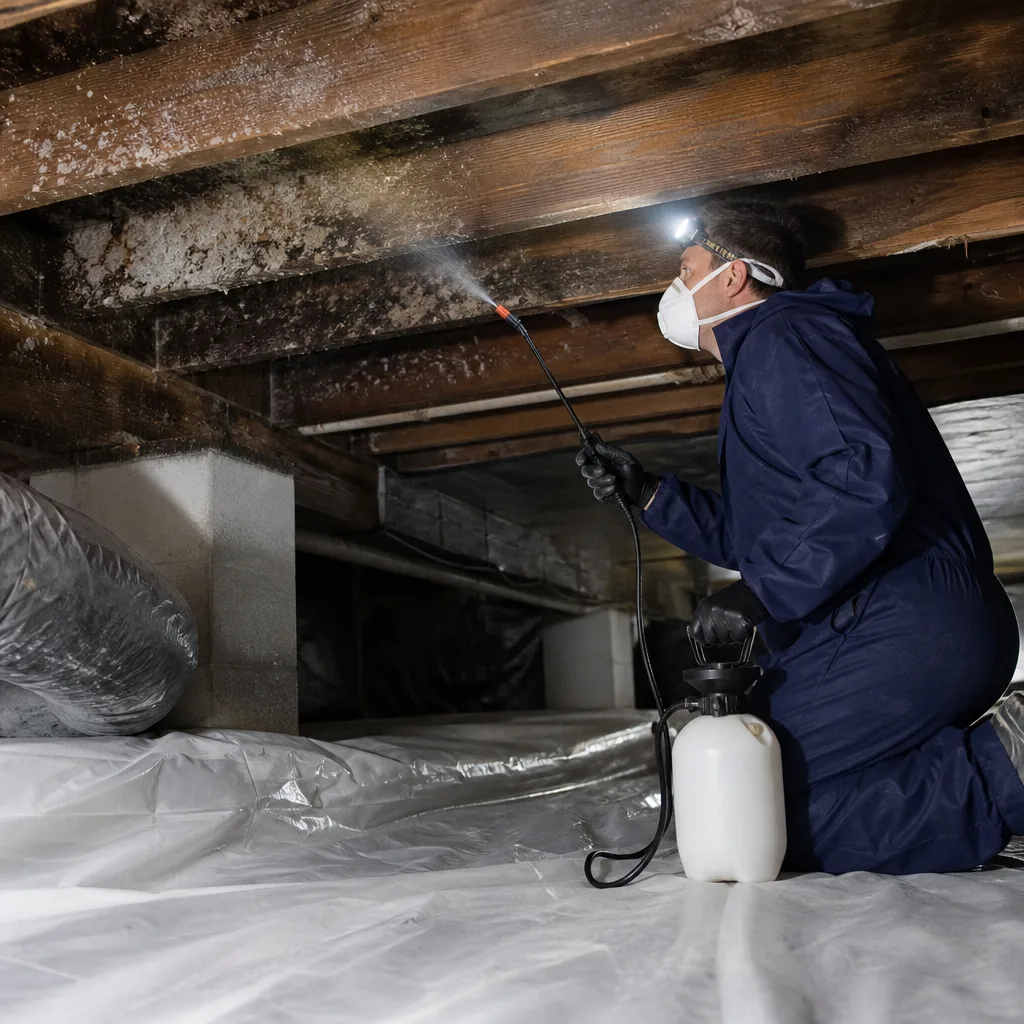
Crawl Space Treatment
While true crawl spaces are rare in Lakewood’s slab-on-grade construction, we do encounter raised foundation sections in later additions and garage conversions. These spaces require vapor barrier installation, dehumidification, and often structural repairs where moisture has compromised framing.
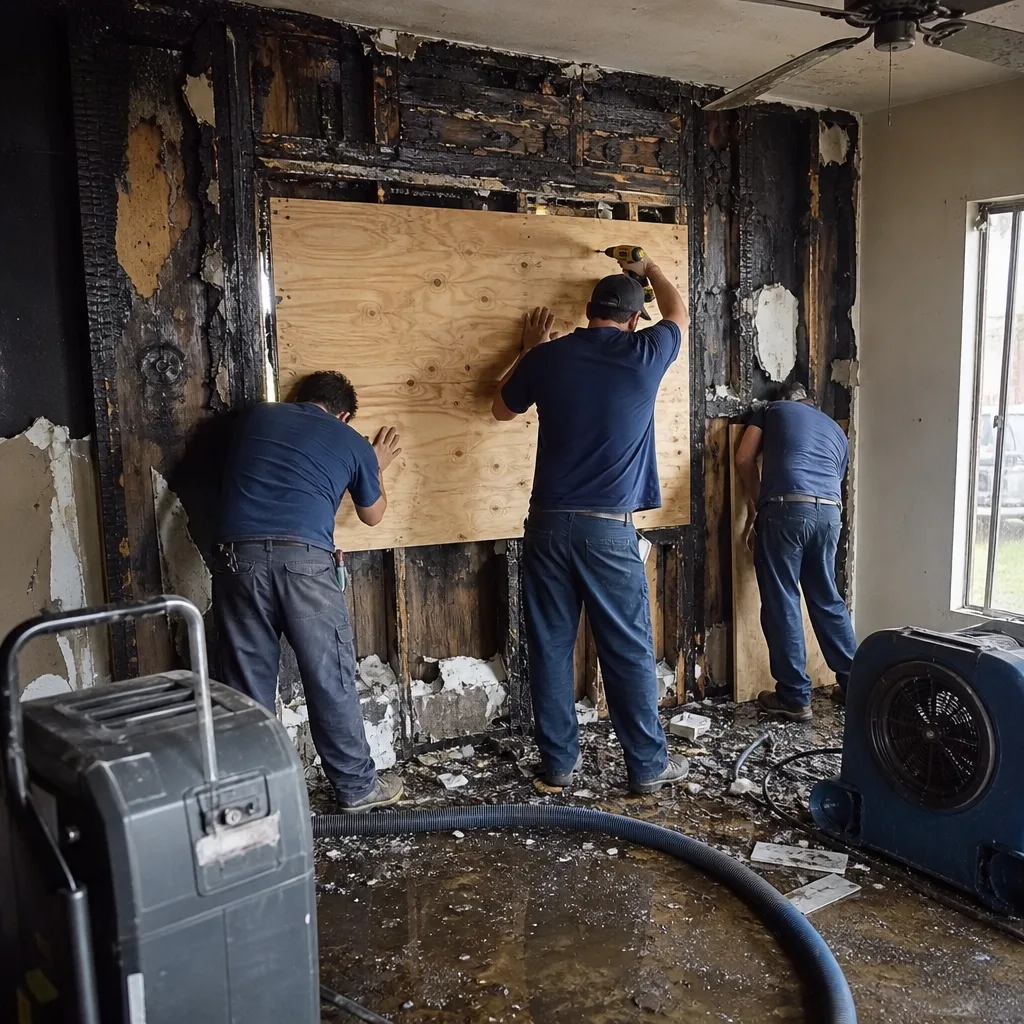
Moisture & Humidity Control
This is where Lakewood mold problems are actually solved long-term. We install permanent dehumidification, improve drainage at slab perimeters, and seal vapor-barrier-deficient slabs. Without this step, mold returns after the next El Niño rain. Our Mold Remediation team coordinates this with every full remediation.
What happens when you call
- 1
A real person answersNo phone trees - you reach a local pro.
- 2
You get an upfront price rangeHonest numbers before anyone is dispatched.
- 3
A background-checked tech heads outLicensed & insured, dispatched right away.
- 4
You approve before work beginsNothing starts until you say go.
Mold Remediation Costs in Lakewood, CA
| Service | Typical Range in Lakewood |
|---|---|
| Limited mold remediation (under 10 sq ft) | $1,800 - $3,200 |
| Moderate remediation (10-100 sq ft, single room) | $3,500 - $6,500 |
| Major remediation (100+ sq ft, multiple rooms) | $7,500 - $15,000 |
| Sub-slab moisture mitigation & vapor barrier | $2,500 - $5,000 additional |
| Asbestos abatement coordination (typical Lakewood home) | $1,500 - $4,000 additional |
| Third-party clearance testing | $400 - $800 |
What moves the price: the square footage of visible and hidden colonization, whether hazardous-material abatement is required before drying can begin, the extent of structural repairs needed after remediation, and whether sub-slab moisture requires permanent mitigation. Insurance typically covers mold remediation when it results from a covered water loss, but policies vary on mold-specific limits. Out-of-pocket costs arise when the source is long-term maintenance neglect or when mold limits have already been exhausted. Our free inspection gives you a firm, written scope and price before any work starts - Haven Standard, Clause 1. Call (424) 305-3365 to schedule.
We Also Serve Cities Near Lakewood
Our crews dispatched from the Los Angeles office serve Lakewood locally and respond regularly to mold emergencies in Wilmington, where industrial adjacency creates unique air quality concerns; Torrance, with its mix of mid-century and newer construction; Carson, where similar slab-on-grade housing faces comparable sub-slab moisture issues; and San Pedro, where hillside drainage differs dramatically from Lakewood’s flat-lot problems. Each city gets the same documentation-first protocol, adapted to its actual building stock and geography.
Serving Lakewood, CA - Our Local Coverage Area
We’re based in the Lakewood area and know this community well. Use the map below to see our service coverage - if you’re nearby, we can almost certainly help.
Lakewood Mold Remediation Questions, Answered
Why does mold keep coming back on my Lakewood slab even after a remediation?
Because the source is almost never the leak that was fixed. Lakewood’s flat, scraped lots pool water against slab perimeters every rainy season, and that moisture wicks through vapor-barrier-deficient concrete into your flooring and walls. Remediation that only removes visible mold without addressing sub-slab moisture is temporary. We install perimeter drainage and vapor barriers as part of permanent solutions. Call (424) 305-3365 for an inspection that finds the actual source.
Does my 1950s Lakewood home need asbestos testing before mold remediation?
Yes, in nearly every case. The original 1950-1954 construction used asbestos-containing floor tiles, pipe insulation, joint compound, and mastic in the vast majority of homes. Disturbing these materials without testing violates federal and state law and destroys your insurance documentation. We coordinate certified testing before any work begins and hold drying until clearance is documented. This is standard on our Lakewood jobs, not an upsell.
How fast does mold start after a leak in Lakewood’s humid marine-layer climate?
Under Lakewood’s persistent marine-layer humidity, mold colonization can begin on wet organic materials within 24 to 48 hours. The minimally insulated, vapor-barrier-deficient construction typical of 1950s homes here accelerates this timeline compared to drier, better-sealed buildings. That’s why our 45-minute response commitment matters - not for urgency theatre, but because the difference between 24 hours and 72 hours of wet time often determines whether drywall can be dried in place or must be removed. Call (424) 305-3365 for immediate response.
Can you tell whether my Lakewood water damage is category 1, 2, or 3 before drying?
We classify it through inspection, but the classification can change as we investigate. A supply-line leak starts as Category 1, but in Lakewood’s 1950s homes, that water often sits under asbestos-containing tile, migrates past corroding cast-iron drain seals, or picks up contaminants from the soil through slab cracks. We test and document the actual condition we find, not assume based on the source. The classification determines whether materials can be dried or must be removed, and we explain this in your written scope before work begins.
What does mold remediation look like in a Lakewood Village ranch home vs. a newer house?
A Lakewood Village ranch requires hazardous-material testing before any disturbance, staged abatement of asbestos tile and mastic before structural drying, and investigation of sub-slab moisture as the primary colonization driver. Newer houses typically have vapor barriers, modern drainage, and no asbestos, so remediation focuses on the leak source and affected materials without the compliance layer. The process is fundamentally different, and contractors who treat Lakewood homes like generic jobs miss the legal and technical requirements that protect your health and your claim.
How long does full mold remediation take in Lakewood?
Limited jobs with no hazardous materials complete in 3 to 5 days. Moderate jobs requiring asbestos abatement coordination take 7 to 14 days including hold times for testing. Major whole-structure remediation with sub-slab mitigation can extend to 3 to 4 weeks. We provide a written timeline with your scope and update it daily with moisture logs and photo documentation. Call (424) 305-3365 for a timeline specific to your situation.
Can my family stay in the home during mold remediation?
Sometimes, for limited containment in a single room with no toxigenic species and independent HVAC. For moderate or major remediation, or when Stachybotrys is present, temporary relocation is safer and often required by clearance protocols. We discuss this during inspection and can coordinate with your insurance on additional living expense coverage. The decision is documented in your written scope, not left to guesswork.
What certifications do your mold technicians hold?
Our lead technicians hold IICRC WRT (Water Damage Restoration Technician), AMRT (Applied Microbial Remediation Technician), and FSRT (Fire & Smoke Restoration Technician) credentials. All are background-checked, licensed, and insured, with license numbers provided on request. We document technician credentials in your job file as part of the evidence package we provide your insurer. This documentation is standard, never an upsell.
On a slab-on-grade ranch in the Lakewood Village tract, our techs pulled moisture readings on a bedroom wall that read high to 22 inches up from the baseboard - no plumbing leak, just winter rain pooling on a lot graded dead flat in 1951 and wicking through the slab into original asbestos-containing vinyl tile. We set containment, ran Injectidry panel drying under the tile, logged moisture mapping daily, and coordinated the testing that preceded abatement of the tile mastic before any structural drying could finish. The homeowner’s galvanized supply lines tested fine; the water never came from a pipe. This is the pattern we see across Lakewood, and it’s why our process starts with finding the real source, not assuming it’s the obvious one.
Ready for a written scope and price before any work begins? Call (424) 305-3365. Our live dispatch answers 24 hours a day, and we offer a free second opinion on any competitor’s written estimate.
Written by Alicia Brennan, Owner at Back to Dry Restoration, serving Lakewood under The Haven Standard since 2011.
Mold Remediation in Nearby Areas