Free visual inspection and a written scope of work before any mitigation begins - photos, moisture readings, and drying logs go in your claim file
The scope we write is the scope we bill. Anything new gets shown to you, in writing, before we touch it.
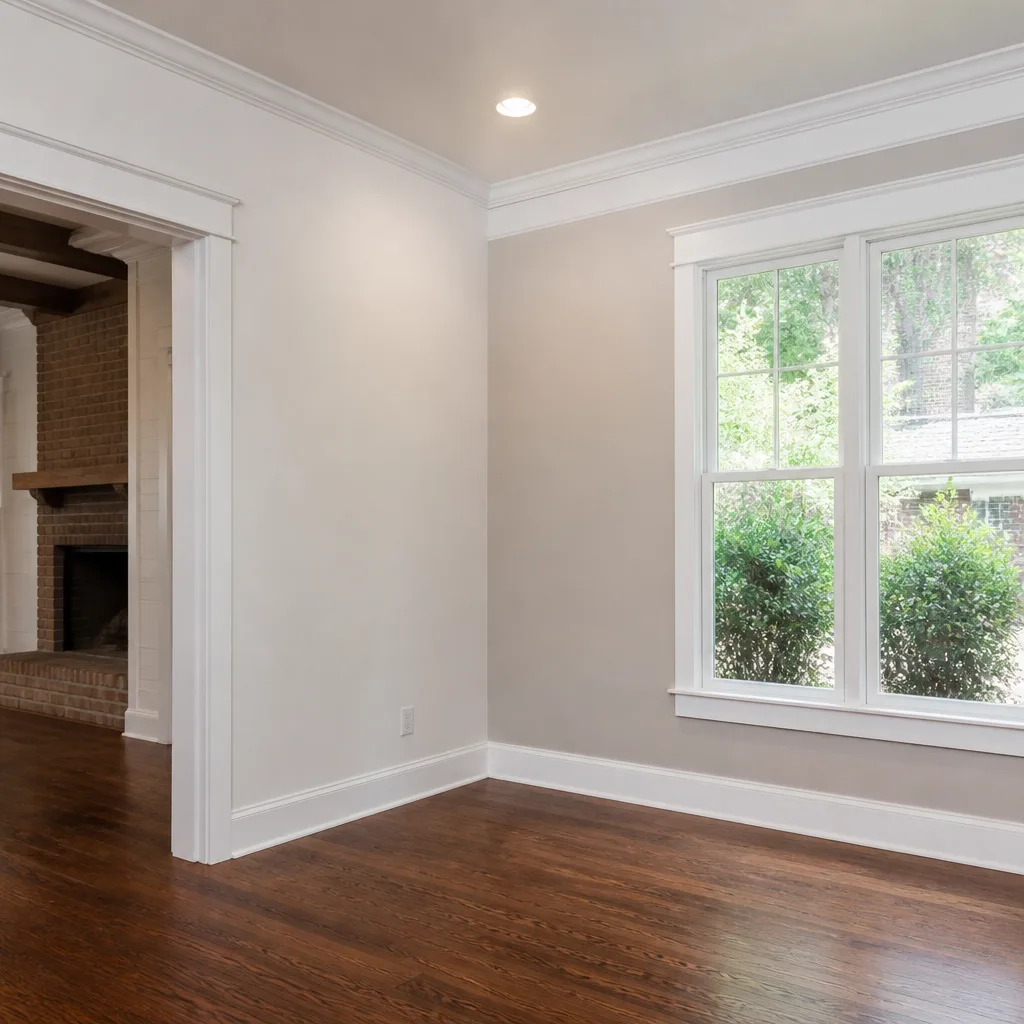
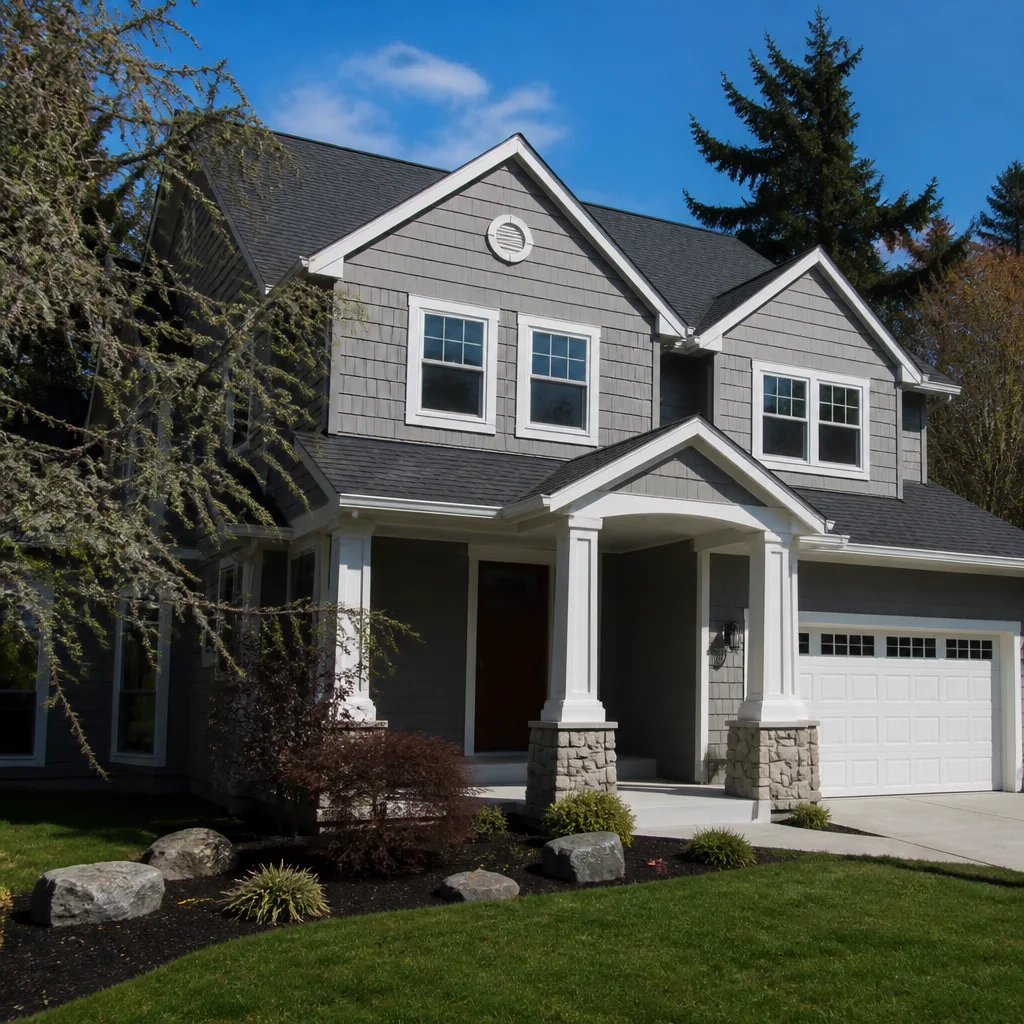
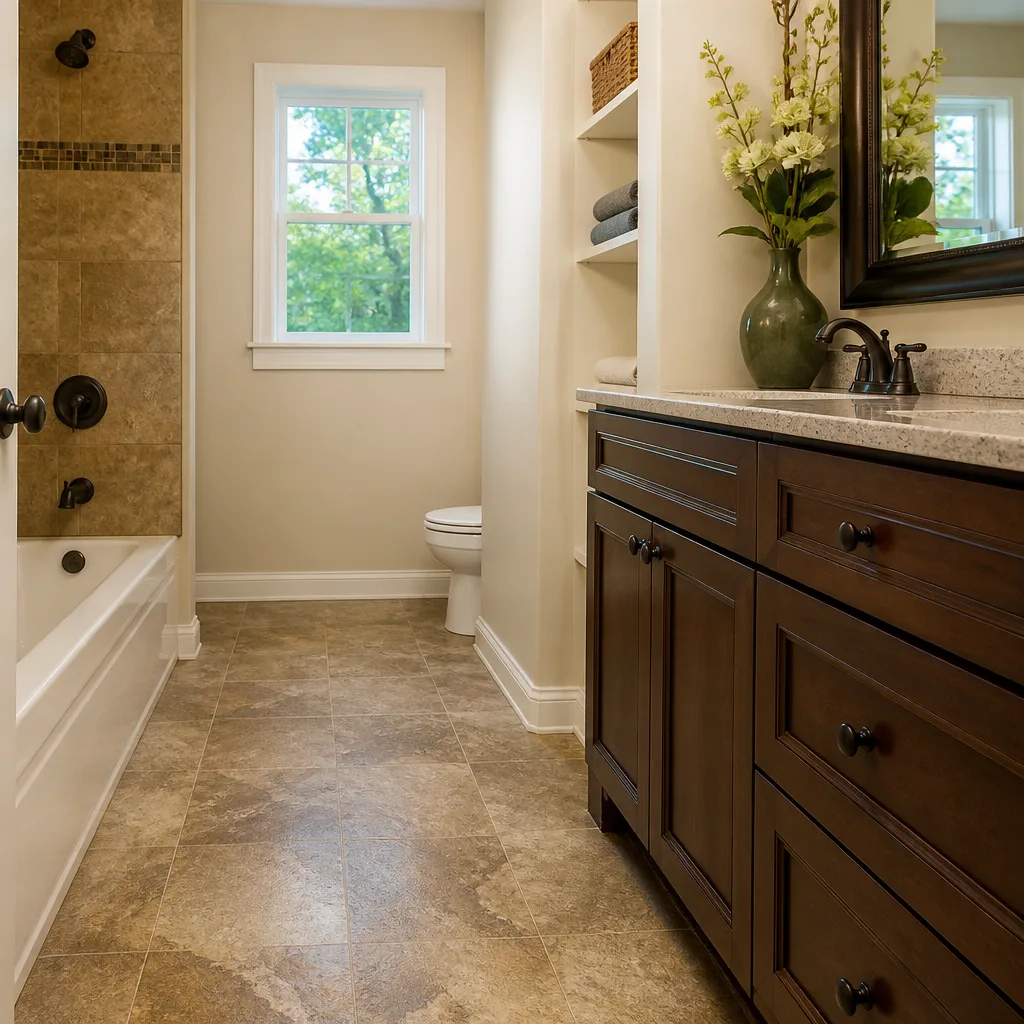
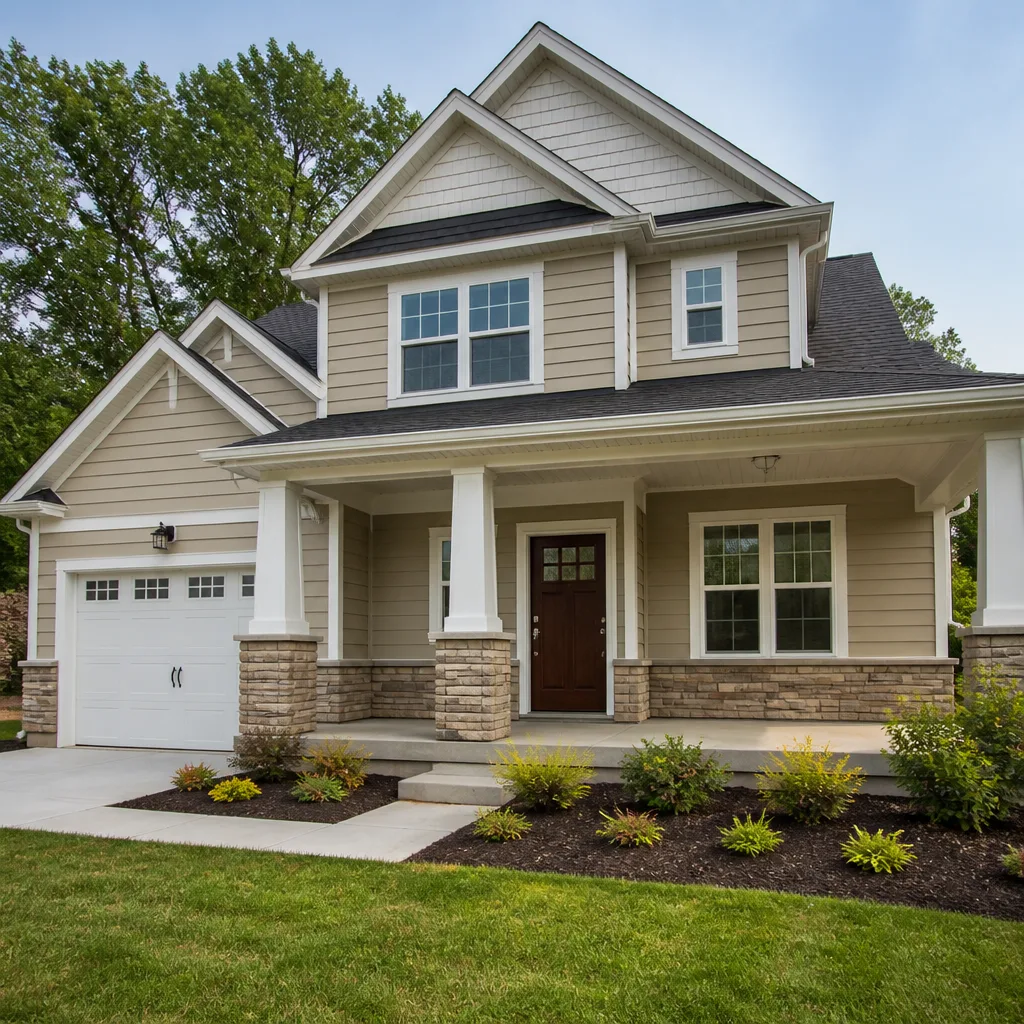
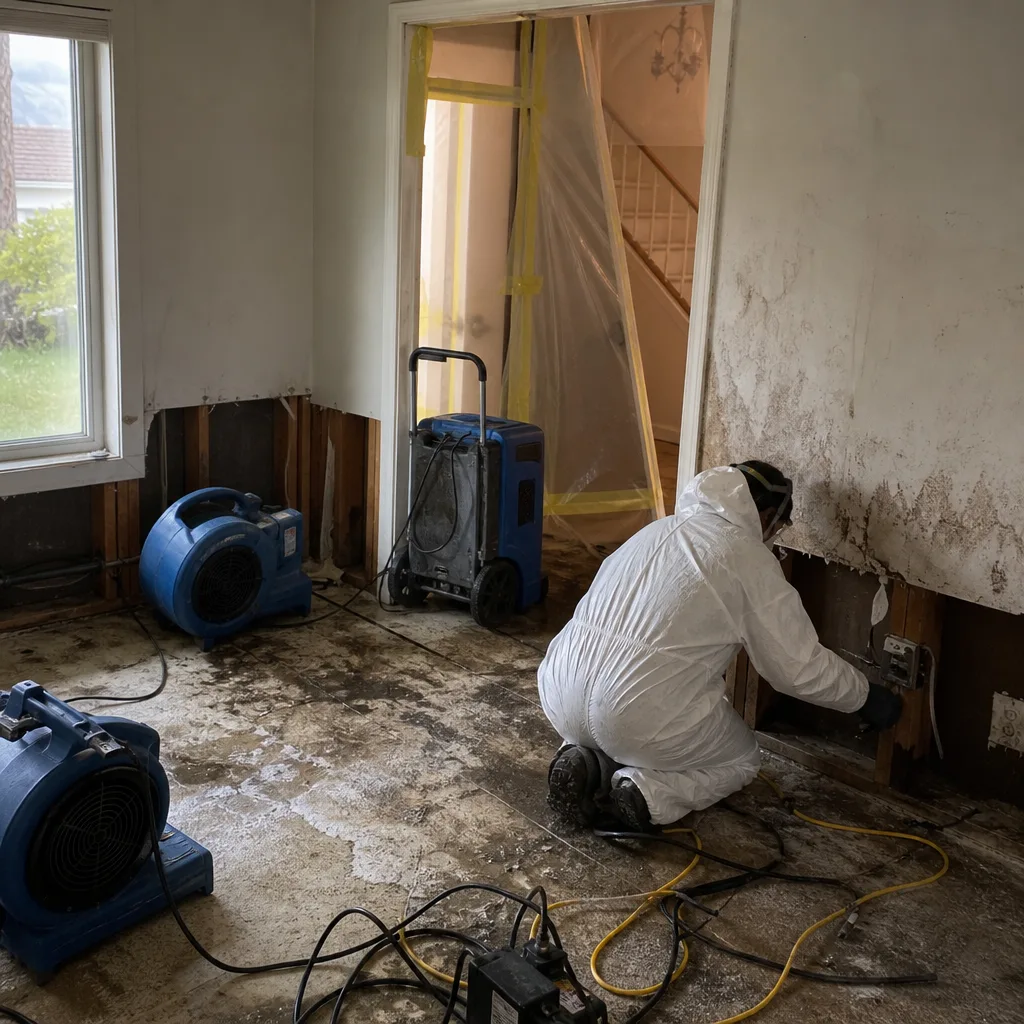 Before
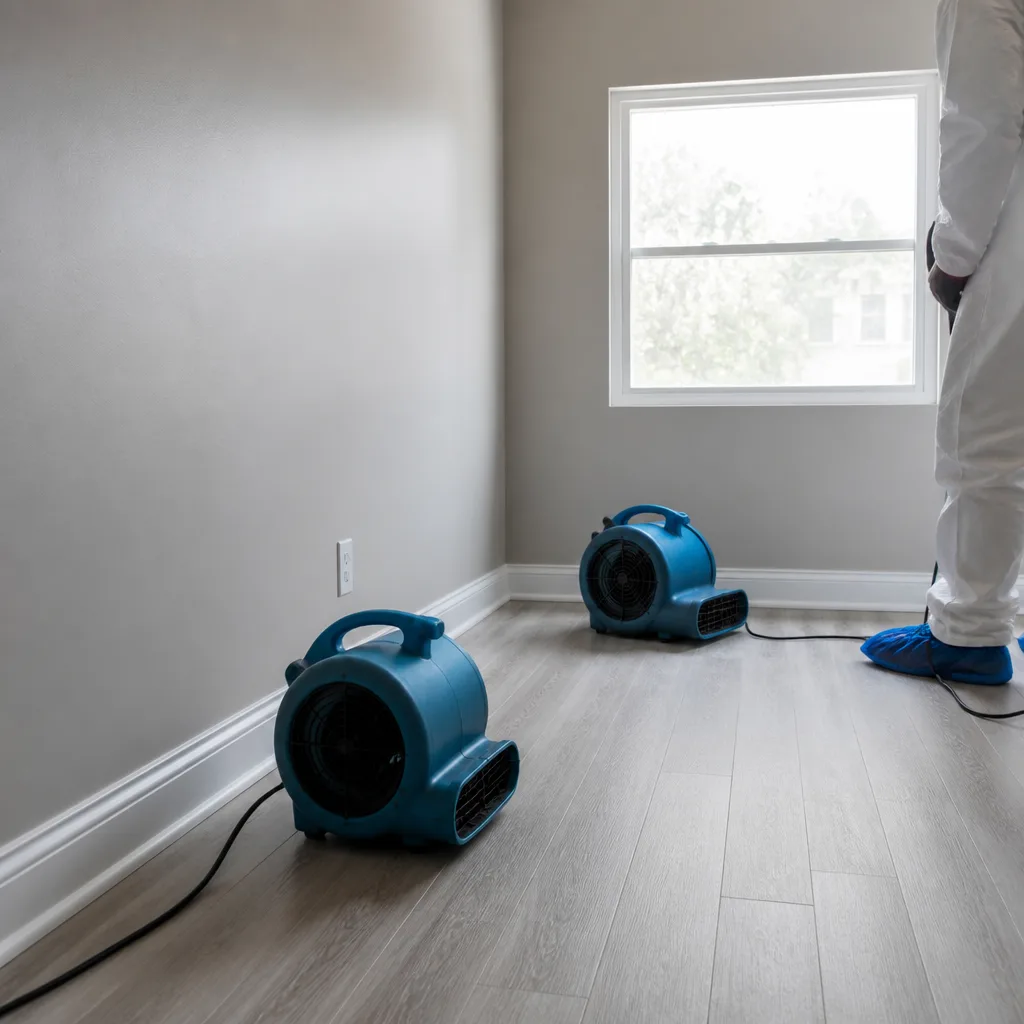 After
After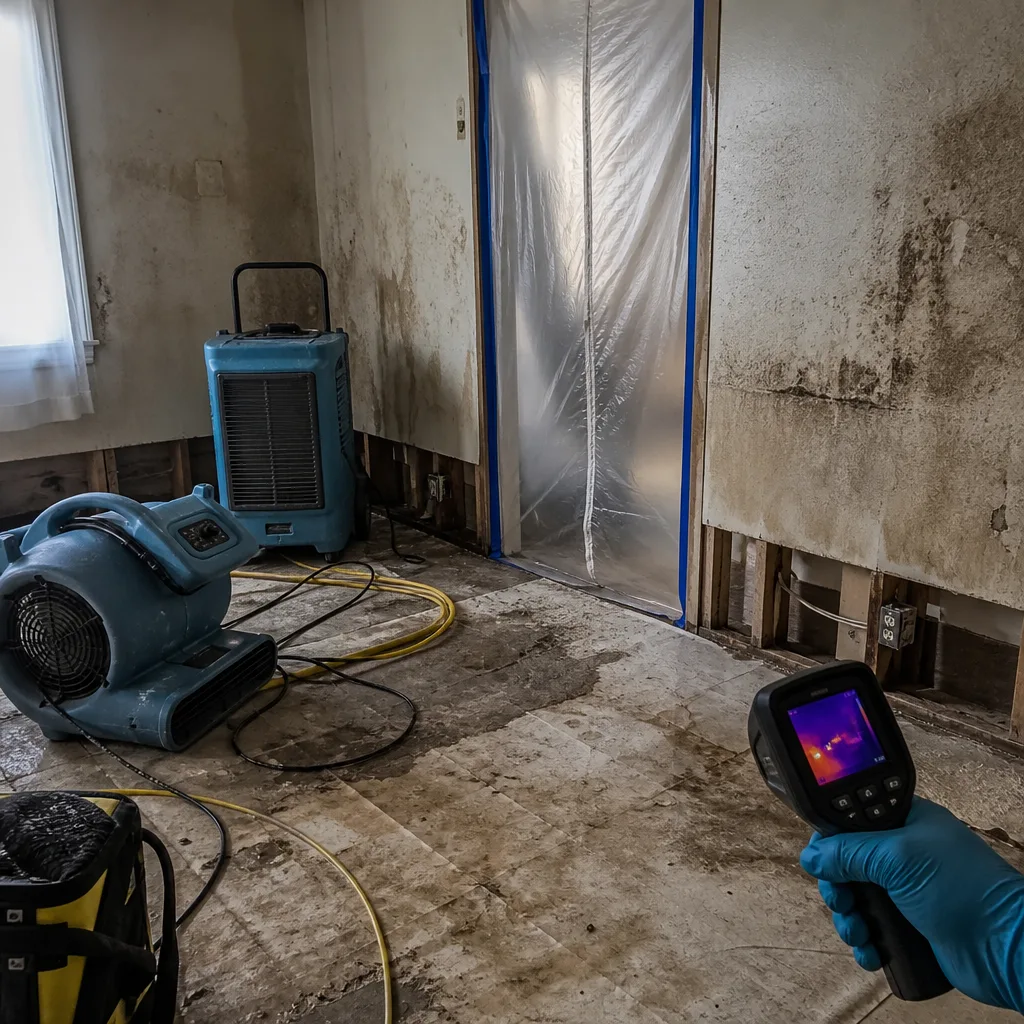 Before
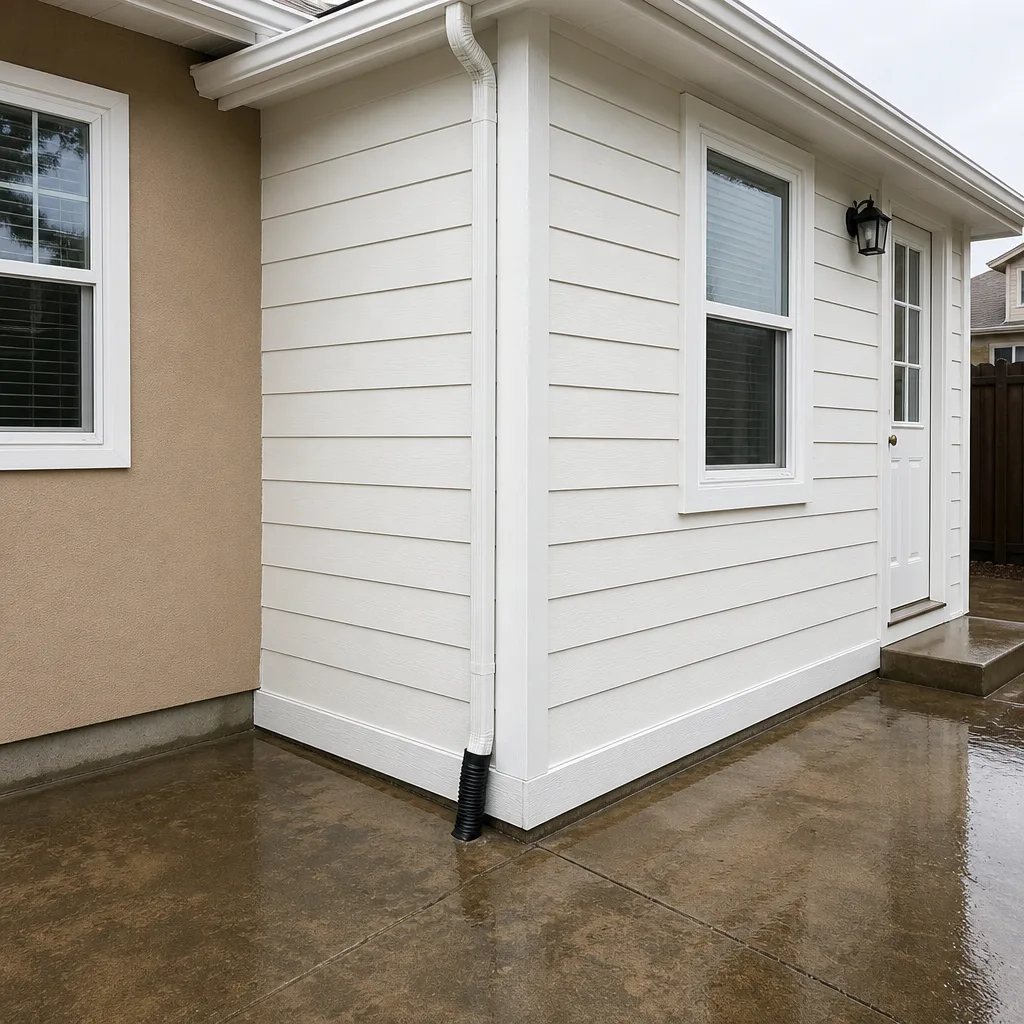 After
After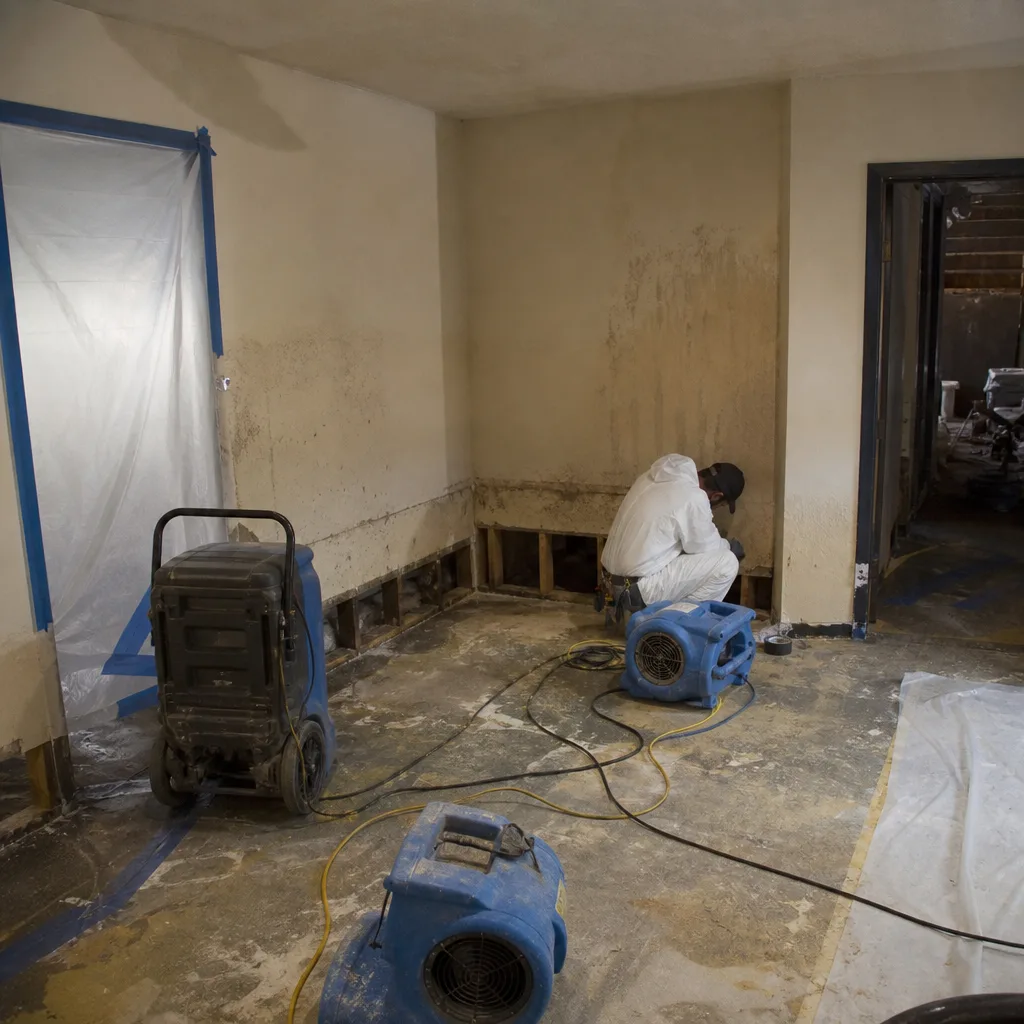 Before
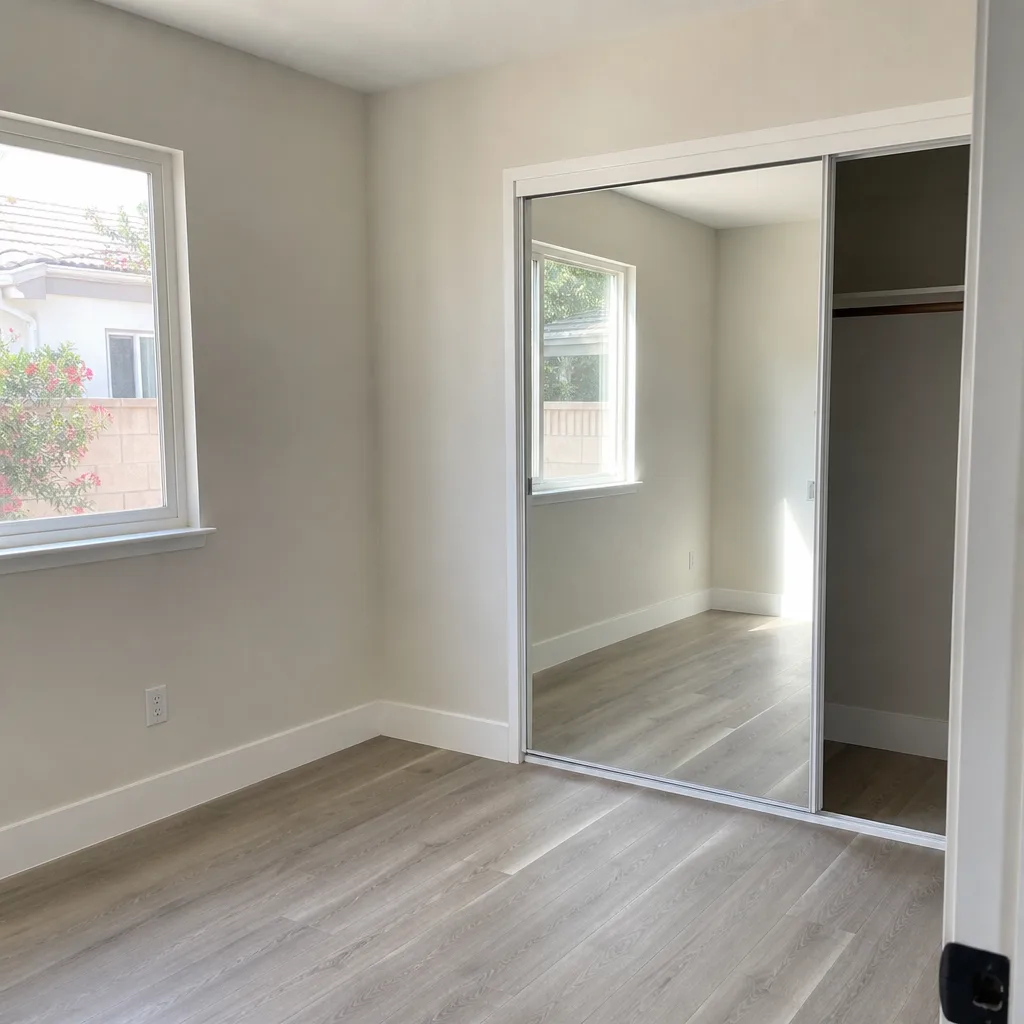 After
After24/7 Emergency Mold Remediation in Manhattan Beach
Mold remediation in Manhattan Beach typically costs $2,800-$8,500 depending on containment area and material replacement, and our crews can be on-site in the Sand Section, Hill Section, or Tree Section within 45 minutes of your call. Call (424) 305-3365 any hour, any day - a live person answers, never a voicemail tree, and we dispatch immediately because mold colonizes faster here than almost anywhere in Los Angeles County.
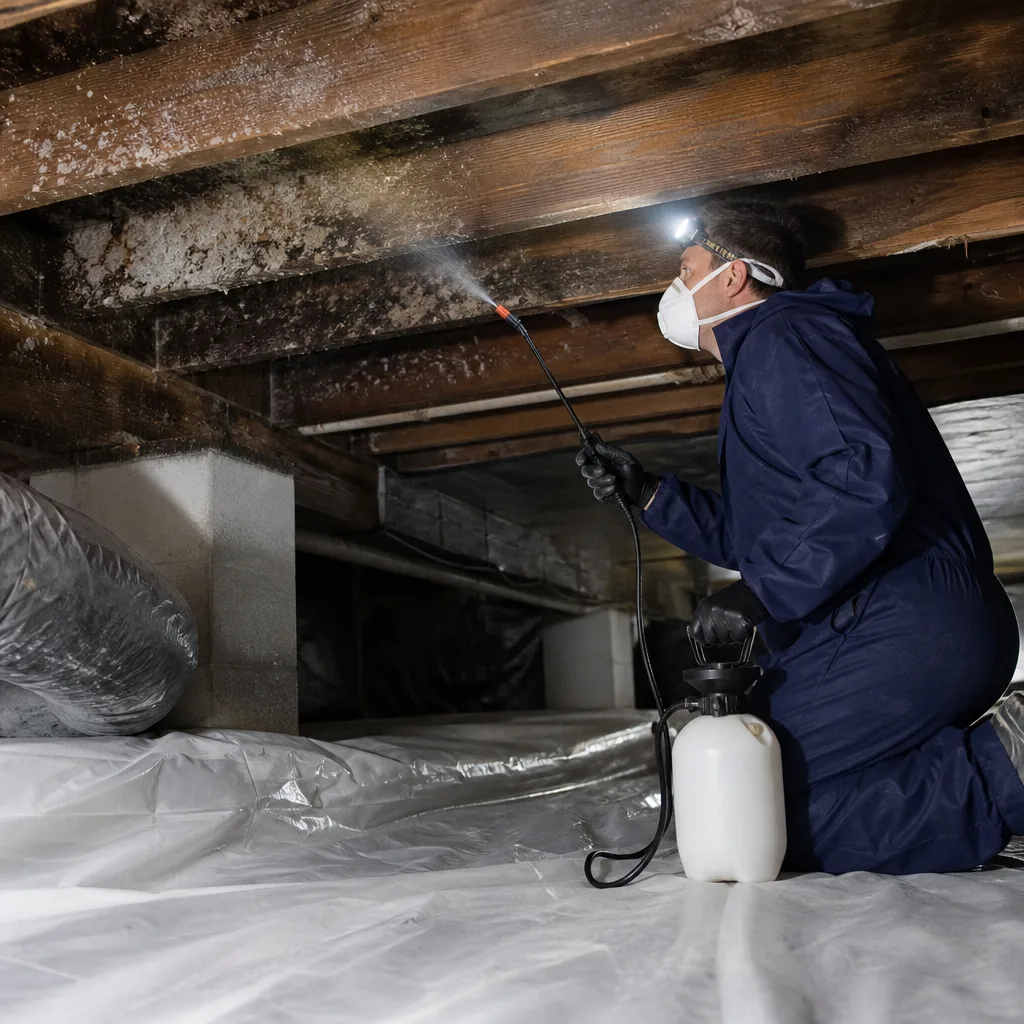
The marine layer that rolls in off the Pacific most mornings keeps Manhattan Beach humidity persistently elevated at street level. After any water intrusion - a burst copper supply line corroded by salt air, an HVAC condensate pan failure, a roof leak during a rare winter storm - that humidity compresses the safe window from hours to mere hours. Our Mold Remediation team carries containment barriers, HEPA-filtered negative air machines, and thermal imaging on every truck so we can assess and stabilize before spore counts spread to unaffected rooms.
We provide a free visual inspection at your Manhattan Beach property, document moisture readings room by room, and deliver a written scope and price before any work begins. Haven Standard, Clause 1.
Understanding Mold Remediation Severity in Manhattan Beach Properties
Mold severity in Manhattan Beach is classified by affected square footage, material porosity, and whether the underlying moisture source has been resolved - but the local building stock adds layers most inland contractors miss. Category 1 water (clean supply line) becomes Category 2 or 3 within 24-48 hours in the Sand Section’s chronically humid microclimate, and post-WWII bungalows with layered wall assemblies - original framing wrapped in retrofit insulation and new cladding - trap that moisture in cavities where standard drying cannot reach it.
Psychrometric data, the measurement of temperature, relative humidity, and vapor pressure differential that guides professional drying, shows Manhattan Beach interiors often start at 65-75% relative humidity even before a water event. That baseline means mold colonization on organic materials - drywall paper facing, wide-plank hardwoods common in Hill Section custom homes, plaster lath - can begin in 12-24 hours rather than the 48-72 hour window cited in standard IICRC references. Our crews map vapor pressure differential across each affected assembly to identify where moisture is still migrating, not just where it has already pooled.
Tertiary drying, the final phase of structural drying where bound moisture is removed from dense or coated materials, takes longer in Manhattan Beach because salt-air corrosion of fasteners and HVAC components often reveals secondary damage once walls are opened. We classify every job by material class (Class 1: minimal absorption; Class 4: specialty materials like plaster, hardwood, and custom tile requiring low-grain refrigerant or desiccant dehumidification) and document both classifications in the written scope you receive before work starts.
Why Manhattan Beach Property Owners Choose DryMark Restoration Carson
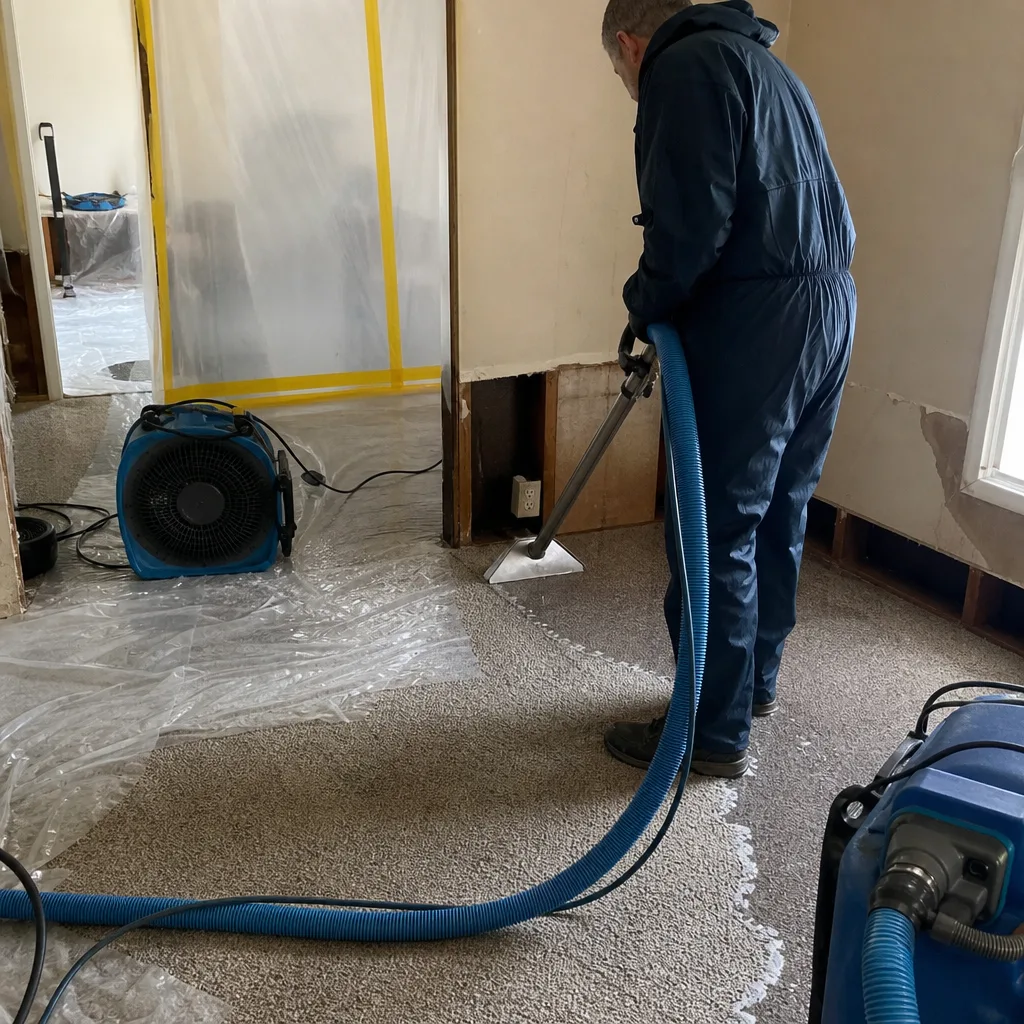
- 45-minute response commitment to any Manhattan Beach address - our crews stage from the Los Angeles office and know the Sand Section’s narrow streets, the Hill Section’s winding drives, and the access constraints of 27-foot lots.
- 24/7 live answer by a real person, never an automated system or next-business-day callback, because mold does not wait for business hours and neither do we.
- IICRC-certified crews holding WRT (Water Damage Restoration Technician), AMRT (Applied Microbial Remediation Technician), and when fire damage co-occurs, FSRT (Fire and Smoke Restoration Technician) certifications - license numbers provided on request.
- Free visual inspection at your Manhattan Beach property with moisture mapping, thermal imaging, and a written scope delivered before any equipment is placed.
- Direct insurance billing with photo-documented assessments, daily drying logs, and direct adjuster coordination - the documentation that turns restoration invoices into payable claims.
- One team from containment to reconstruction - no handoffs between mitigation and rebuild contractors, no gaps in documentation, no disputes over where mold remediation ended and restoration began.
 Before
 After
AfterOur Mold Remediation Process
1. Inspection & Assessment
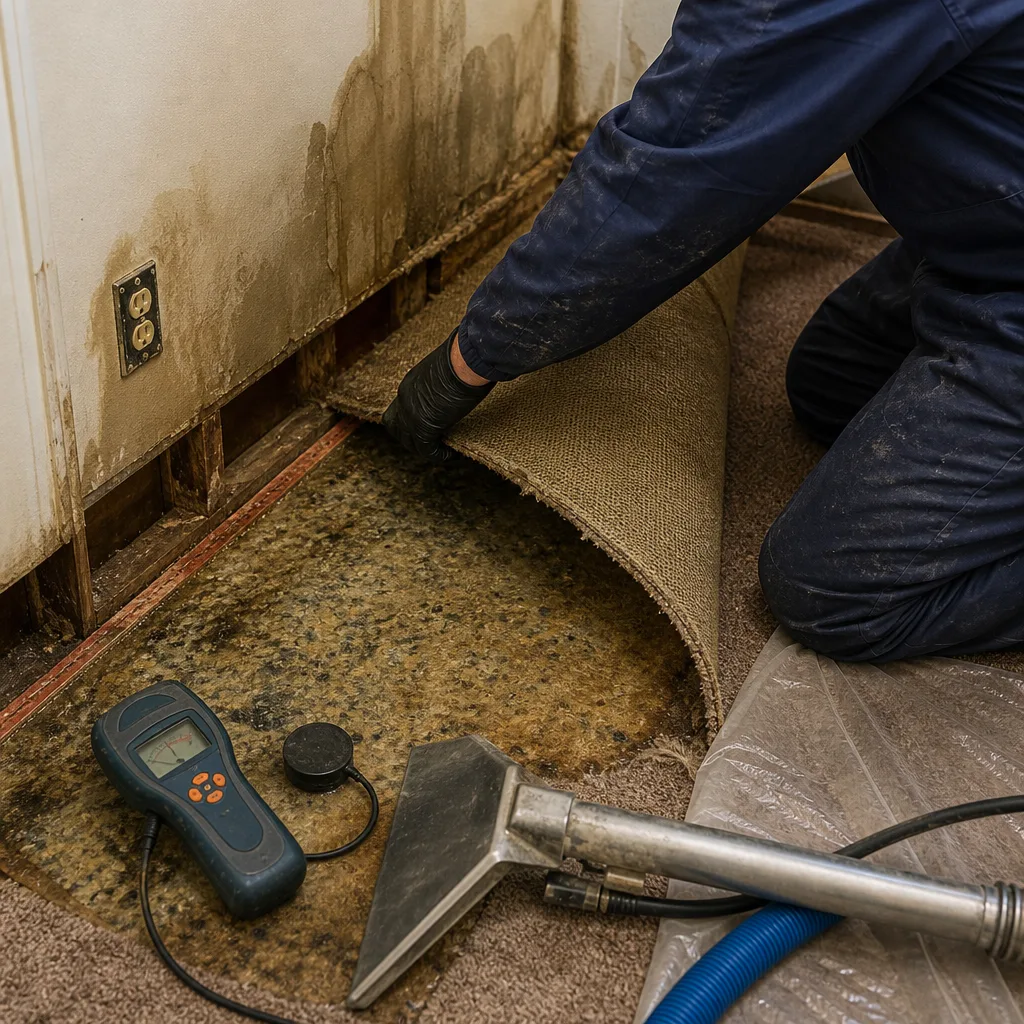
We arrive with thermal imaging cameras, hygrometers, and moisture meters to map the full extent of water damage and visible mold growth. In Manhattan Beach’s layered bungalows, we probe multiple wall assembly layers to locate trapped moisture that surface readings miss. You receive a written scope, line-item price, and photo documentation before any containment is erected.
2. Containment & Air Filtration
We establish negative-pressure containment using 6-mil polyethylene barriers and HEPA-filtered air scrubbers to prevent cross-contamination. In the Sand Section’s 3-5 foot side yards, exterior equipment placement is impossible, so all containment and filtration happens indoors - requiring precise airflow calculations to protect adjacent rooms and neighboring properties.
3. Drying & Dehumidification
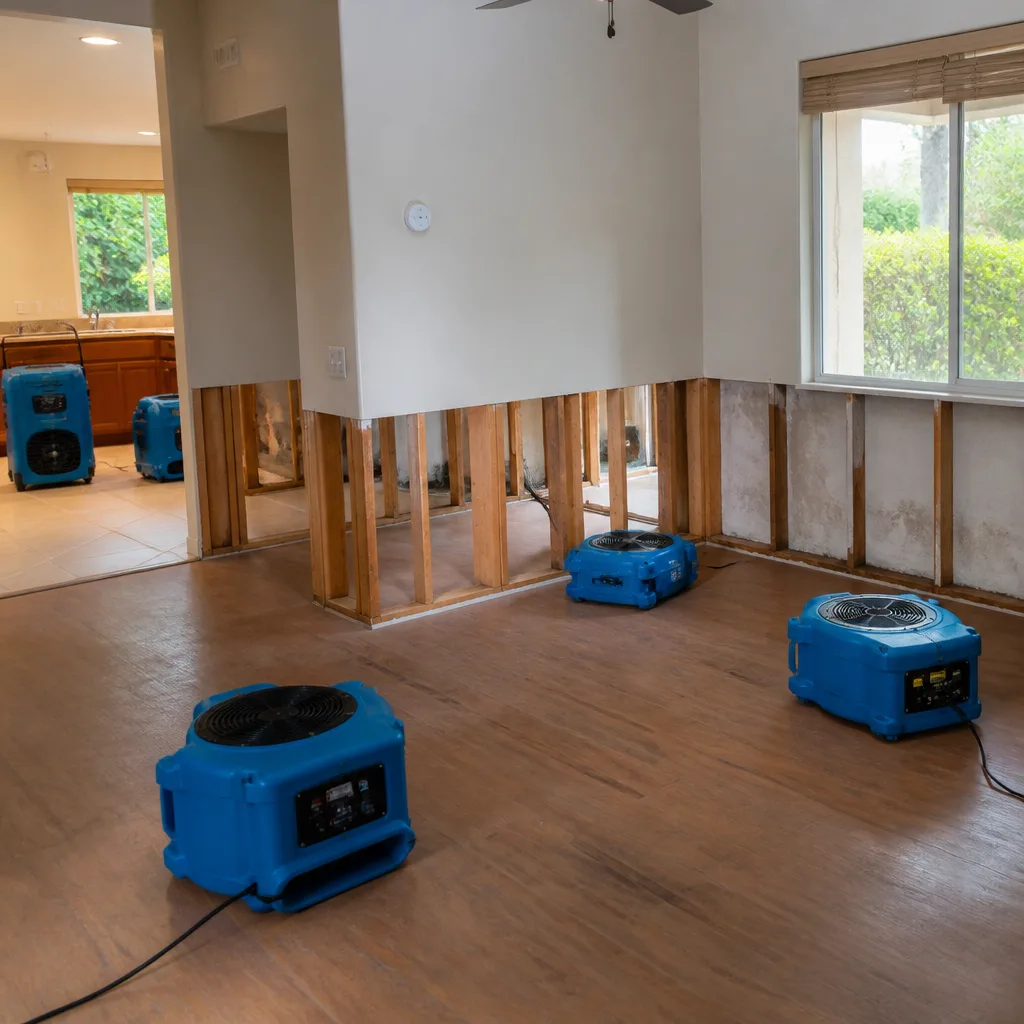
Using Dri-Eaz and Phoenix dehumidifiers, Injectidry cavity-drying systems, and targeted air movers, we reduce moisture content to below 16% in wood framing and 12% in drywall. Salt-air moisture in layered assemblies demands extended tertiary drying with desiccant units when standard refrigerant dehumidifiers plateau.
4. Cleaning & Sanitization
All affected non-porous surfaces receive HEPA vacuuming followed by antimicrobial treatment per IICRC S520 standards. Porous materials - insulation, drywall beyond salvage, deteriorated plaster - are removed, bagged in sealed containment, and disposed of per California mold remediation regulations.
5. Air Quality Restoration & Clearance Testing
We deploy XPOWER and B-Air HEPA scrubbers for 24-72 hours post-remediation, then collect air and surface samples for independent laboratory analysis. Clearance testing verifies spore counts have returned to background levels before containment is removed - documented in your final report for insurance and property records.
6. Repairs & Material Matching
Our reconstruction team replaces removed materials with precise matching: wide-plank hardwoods, custom plaster finishes, premium tile. In Manhattan Beach’s $3M-$10M+ market, “close enough” is not acceptable. The 365-Day Done Right Promise covers all workmanship.
Need Emergency Mold Remediation in Manhattan Beach Now?
Crews minutes away, answering live 24 hours a day. The sooner we start, the less it costs.
Working With Your Insurance Company
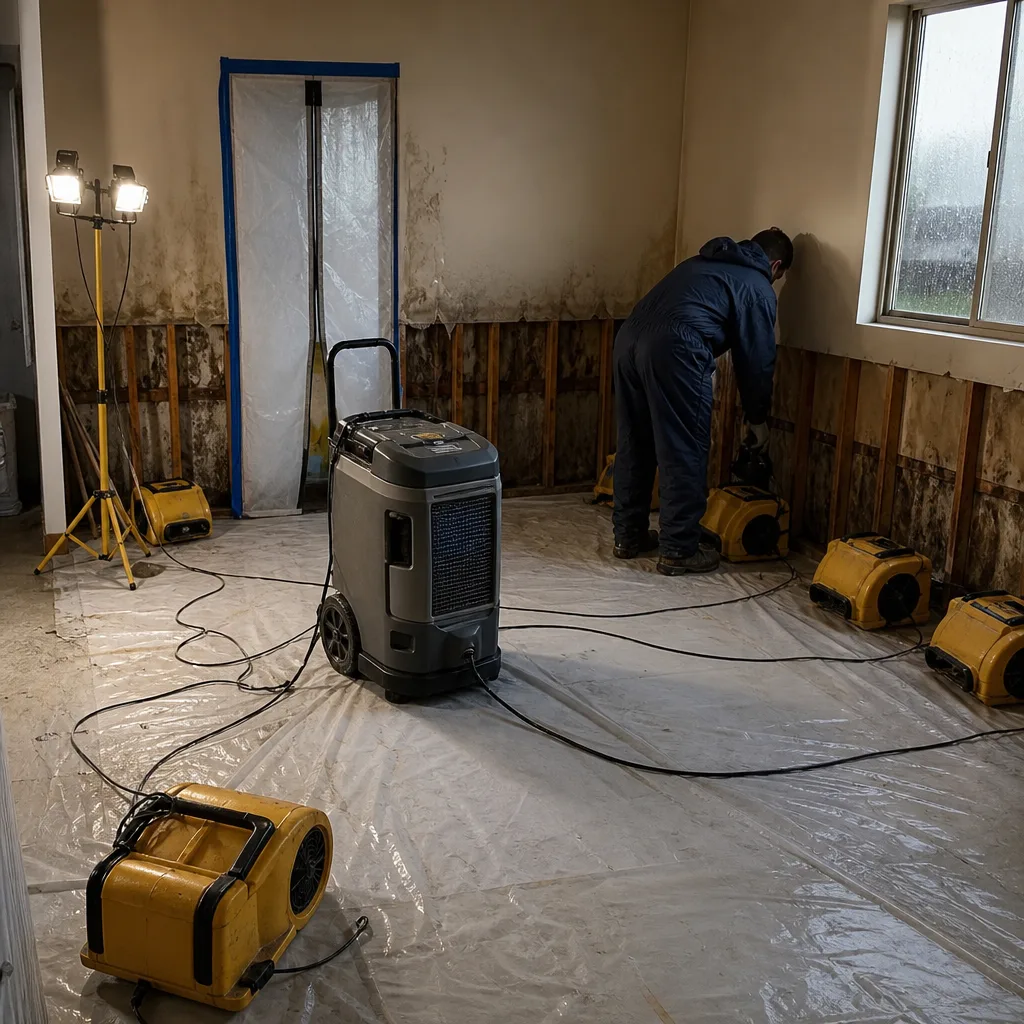
Insurance coverage for mold remediation in Manhattan Beach hinges on documentation - specifically, proving that mold resulted from a covered water damage event and not from long-term maintenance neglect. From the first hour on your property, we photograph every affected area, record moisture readings with make, model, and calibration date of each instrument, and maintain daily drying logs that track temperature, relative humidity, and specific humidity at each dehumidifier placement.
Our estimates follow industry-standard Xactimate pricing for the Los Angeles metro area, adjusted for Manhattan Beach’s premium material costs. We communicate directly with your adjuster, provide supplemental documentation when hidden damage is discovered, and never proceed beyond the written scope without your signed change order - Haven Standard, Clause 1 protects you from scope creep.
Most Manhattan Beach homeowners carry policies with mold coverage caps of $10,000-$50,000. Where the loss exceeds policy limits or mold is excluded, we provide financing documentation and phased repair options so you can make informed decisions.
What We Provide Your Insurer
- Thorough documentation of the loss
- Photos of all damage, room by room
- Moisture readings and drying logs
- A detailed, line-item scope of work
- Direct coordination with your carrier
Built for Manhattan Beach’s Loss Calendar
January through March brings the heaviest marine layer months, when relative humidity at street level in the Sand Section rarely drops below 70% even at midday. Winter storms, though infrequent, exploit salt-corroded roof flashings and degraded sealants on Hill Section custom homes. Any interior leak during this period faces immediate mold pressure.
April through June sees rising temperatures without corresponding humidity drops near the coast. HVAC systems switch from heating to cooling, and condensate drain lines - often corroded by salt air - back up into ceiling cavities. We respond to dozens of these calls annually in the Tree Section and east Manhattan Beach.
July through October brings the driest air of the year, but vacation-season vacancies mean small leaks go undetected for days. November and December return the marine layer in force, and holiday plumbing strain on aging copper in renovated bungalows produces the year’s highest burst-line frequency.
Mold Remediation Across Manhattan Beach’s Neighborhoods
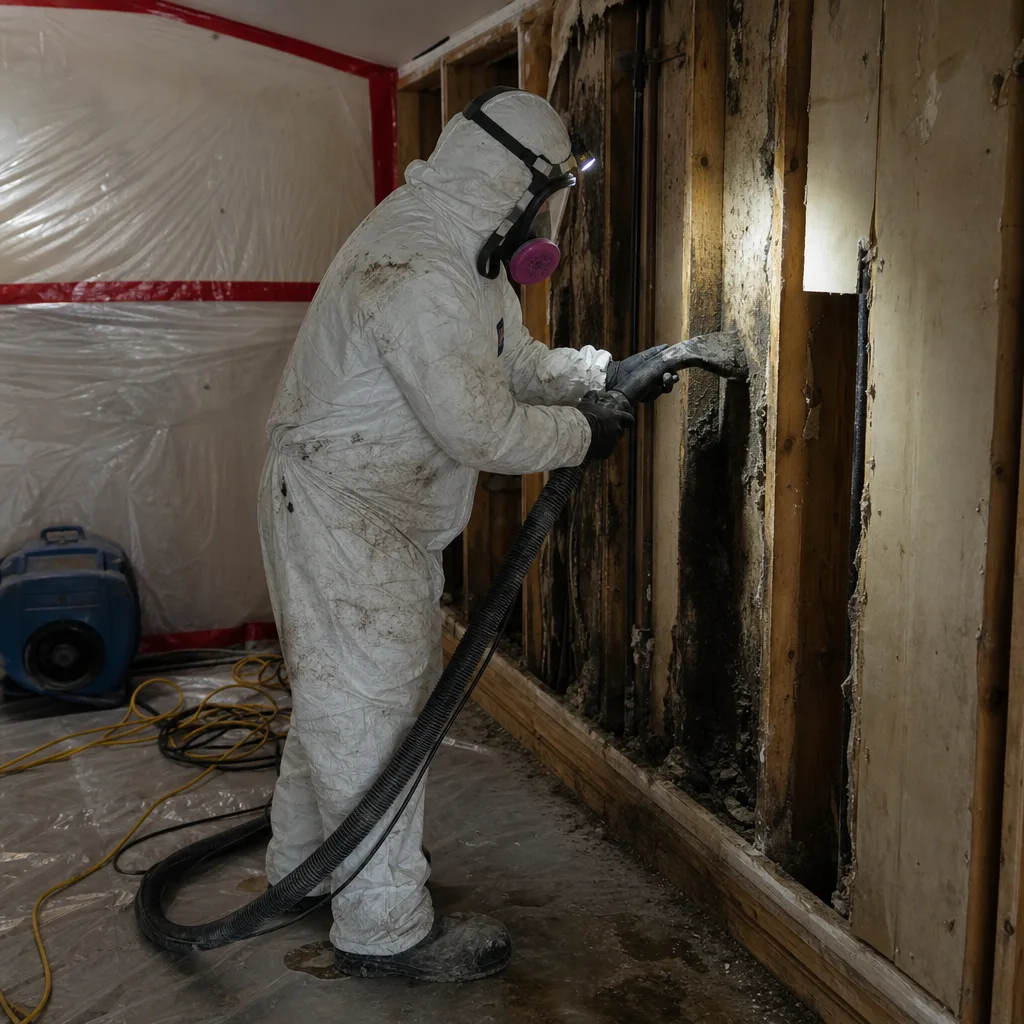
The Sand Section, from 19th Street to 45th Street and west of Highland Avenue, presents our most technically demanding calls. On a 28-foot lot in the Sand Section, a post-war bungalow rebuilt with layered wall assemblies - original framing wrapped in added insulation - trapped salt-air moisture after a supply-line leak, and our crew had to moisture map and contain the entire interior because the 3-foot side yard left no room for exterior equipment. Using Injectidry cavity drying and Dri-Eaz dehumidifiers, we dried the assembly, mapped hidden corrosion on copper lines, and matched the plaster and wide-plank flooring during the repair.
The Hill Section, east of Highland with its custom homes on larger lots, demands different precision: premium materials like Venetian plaster, imported stone, and rift-sawn white oak require specialty drying protocols and material-sourcing relationships that most restoration contractors lack. We maintain vendor networks for these finishes and document every replacement with lot numbers and dye lots for insurance.
The Tree Section and East Manhattan Beach neighborhoods see more conventional suburban construction from the 1970s-1990s, but even here the marine layer effect is pronounced compared to inland Hawthorne or Gardena. Crawl spaces in these areas often show chronic humidity readings above 80%, creating ongoing mold pressure that requires permanent moisture control solutions, not just remediation.
Downtown Manhattan Beach and the commercial corridors along Manhattan Beach Boulevard present their own challenges: mixed-use buildings with residential above retail, limited after-hours access, and the need to coordinate containment with business operations. We have completed remediation in these properties with zero business interruption through night-shift scheduling and portable containment systems.
Specialized Mold Remediation Services We Offer in Manhattan Beach
Mold Inspection & Testing
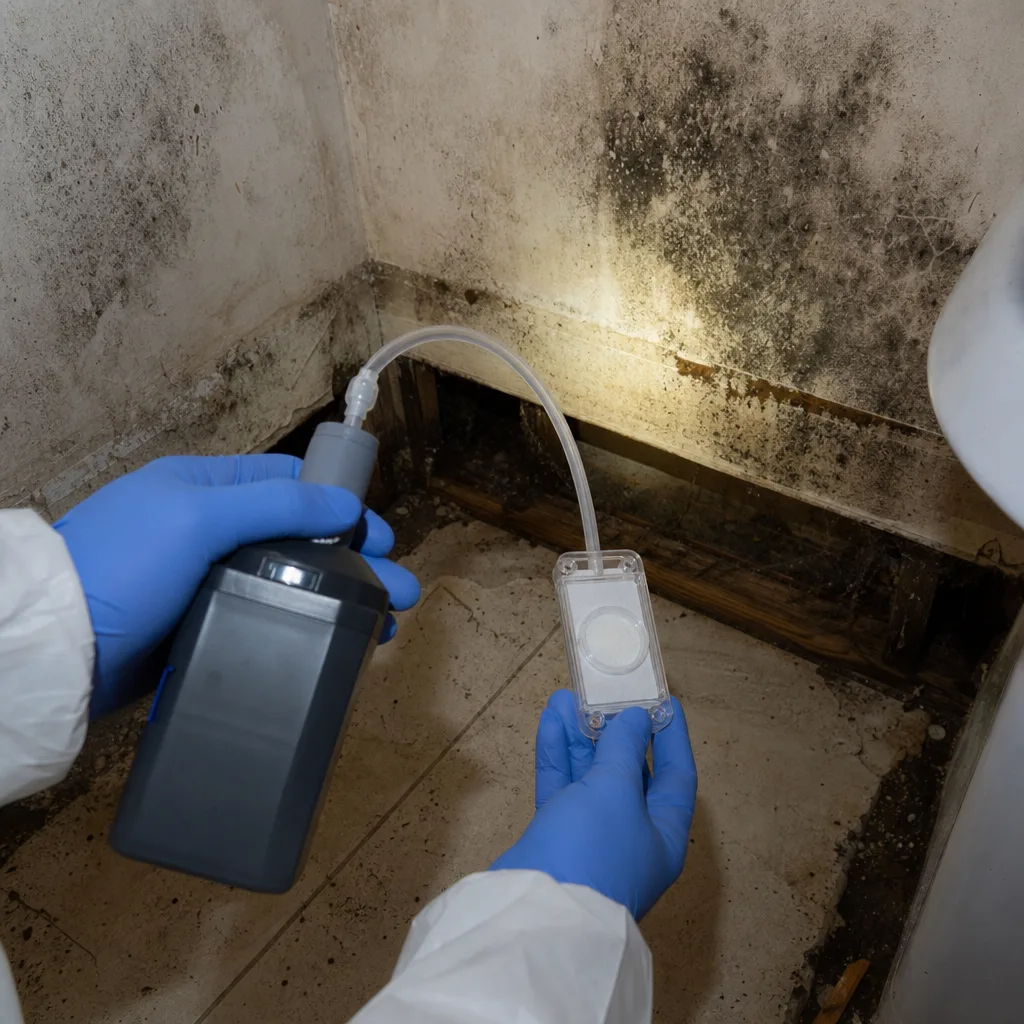
Our Manhattan Beach mold inspections include visual assessment, thermal imaging, moisture mapping, and air/surface sampling with independent laboratory analysis. We identify moisture sources - salt-corroded plumbing, failed vapor barriers, HVAC deficiencies - that caused the mold, because remediation without source elimination guarantees recurrence. Every inspection produces a written report with photo documentation suitable for real estate transactions and insurance claims.
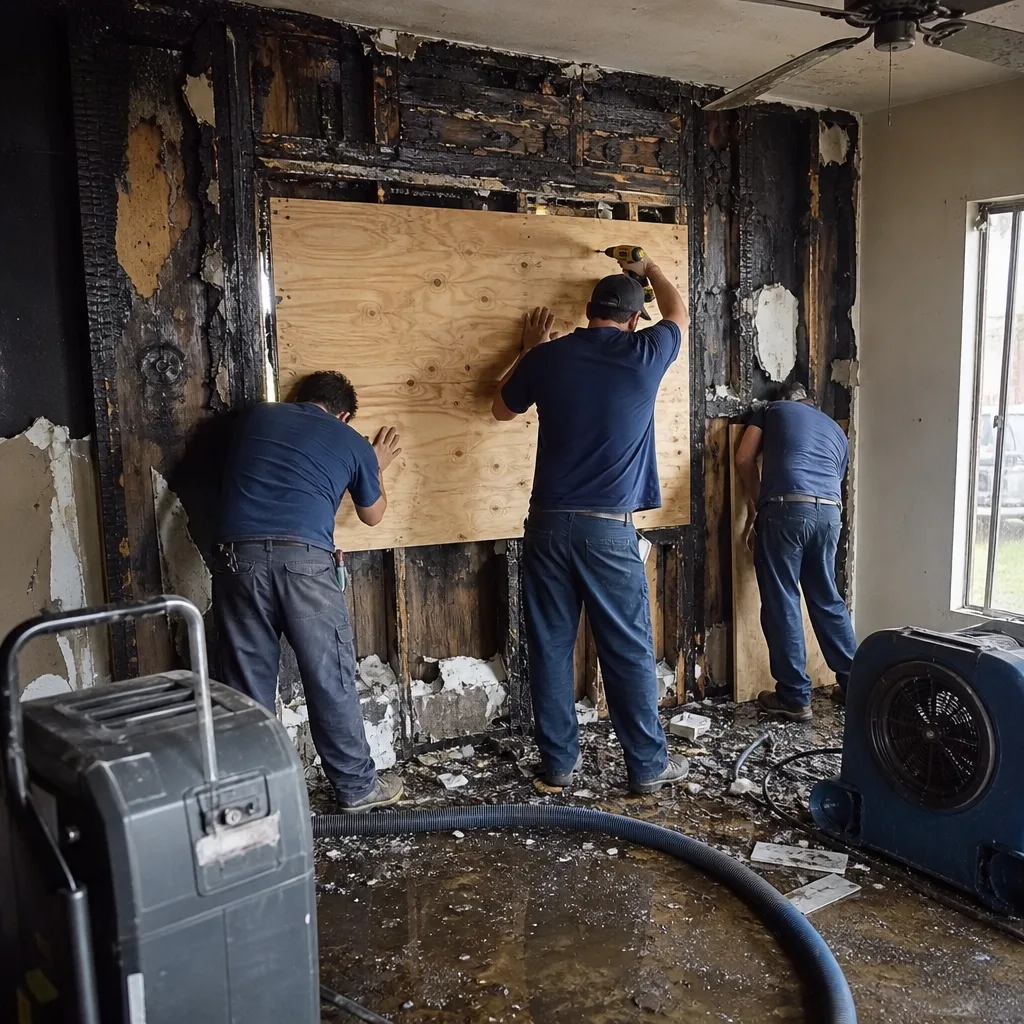
Mold Removal
Containment, negative air pressure, HEPA filtration, and controlled demolition of non-salvageable materials following IICRC S520 and EPA guidelines. In Manhattan Beach’s tight Sand Section lots, we engineer interior containment that protects neighboring properties from cross-contamination - a protocol developed specifically for this market’s density and property values.
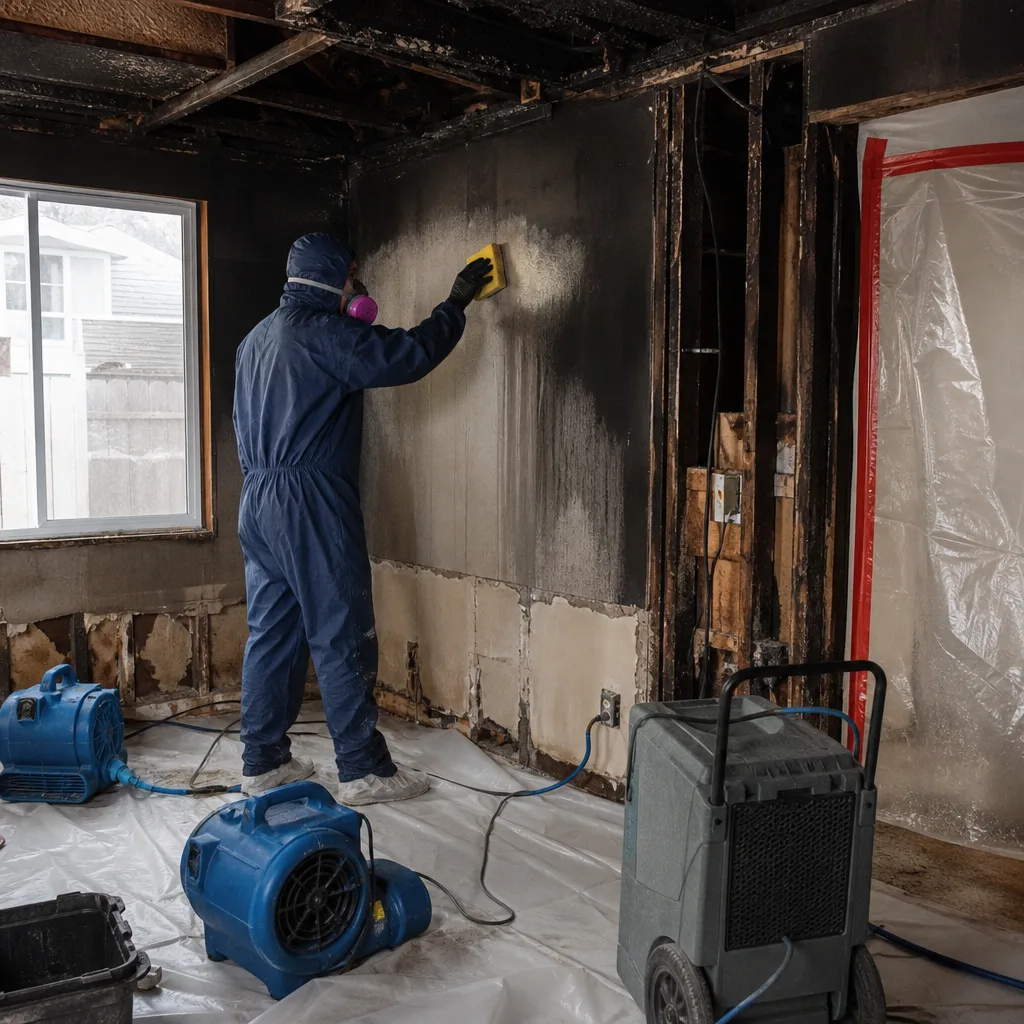
Black Mold Remediation
Stachybotrys chartarum and other toxigenic species require enhanced containment, full-face respirator protocols, and extended air scrubbing. We do not dramatize “black mold” for effect; we document species identification through laboratory analysis and tailor remediation rigor to actual toxicity, with clearance testing before reoccupancy.
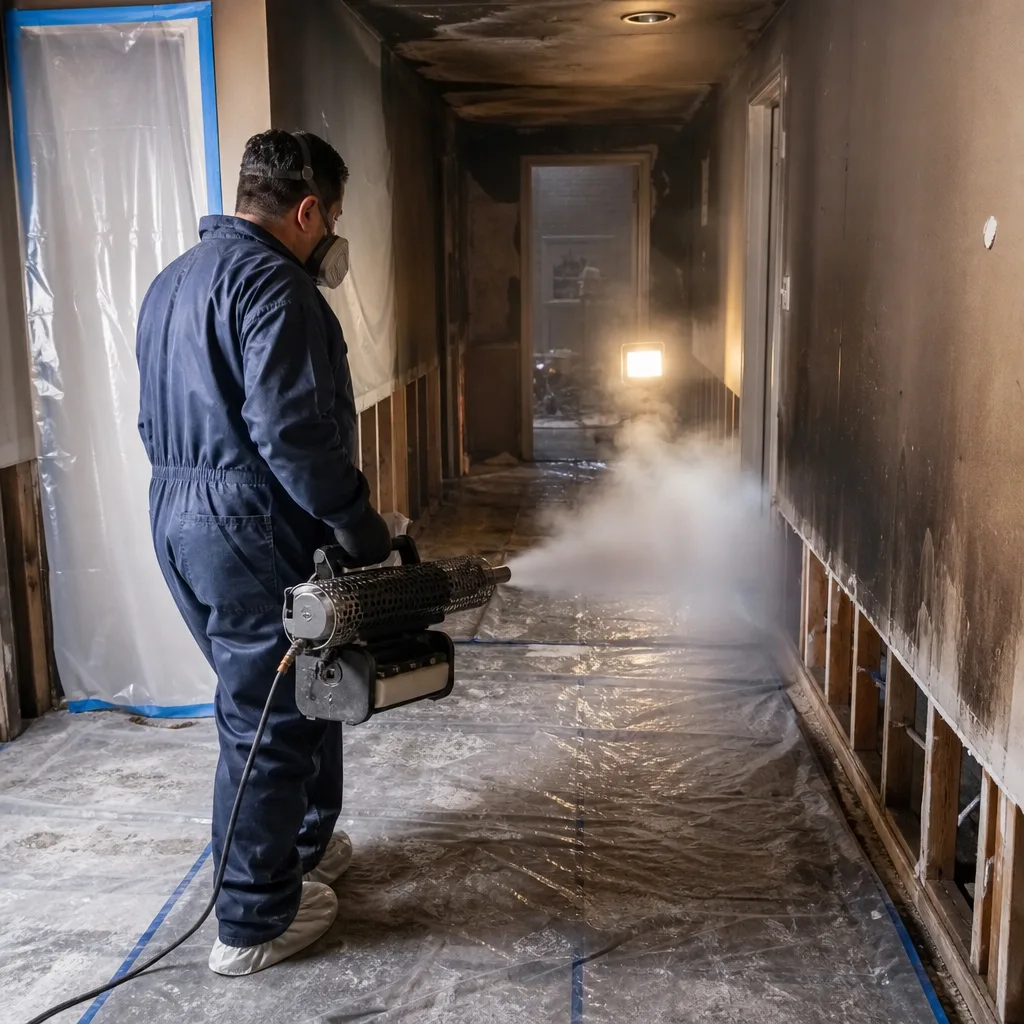
Air Quality Restoration
Post-remediation, we deploy HEPA scrubbers and activated carbon filtration to remove airborne spores, mycotoxins, and volatile organic compounds. In Manhattan Beach homes with premium finishes, we verify air quality with third-party laboratory clearance testing before residents return - documented in your final report.
Crawl Space Treatment
Manhattan Beach crawl spaces, particularly in Tree Section and east-side homes, suffer chronic humidity from the marine layer and poor ventilation. We install vapor barriers, dehumidification systems, and conditioned crawl space solutions that prevent mold recurrence - not just remove existing growth.
Moisture & Humidity Control
Permanent solutions for Manhattan Beach’s climate: whole-home dehumidification, HVAC optimization, crawl space conditioning, and building envelope remediation. We measure baseline humidity, identify intrusion pathways, and engineer systems that maintain 30-50% relative humidity year-round despite coastal conditions.
What happens when you call
- 1
A real person answersNo phone trees - you reach a local pro.
- 2
You get an upfront price rangeHonest numbers before anyone is dispatched.
- 3
A background-checked tech heads outLicensed & insured, dispatched right away.
- 4
You approve before work beginsNothing starts until you say go.
Mold Remediation Costs in Manhattan Beach, CA
A typical mold inspection and testing in Manhattan Beach runs $350-$650. Containment and remediation of a localized area - one room, contained water source, no structural replacement - typically costs $2,800-$4,500. Whole-room remediation with material replacement in a Sand Section bungalow with layered wall assemblies runs $5,500-$8,500. Extensive multi-room or whole-house remediation with premium material matching in Hill Section custom homes can exceed $15,000.
What moves the price: affected square footage, material porosity and classification, accessibility constraints (tight lots limit equipment options), need for specialty drying (desiccant dehumidification for plaster and hardwood), and whether reconstruction includes premium material matching. Insurance typically covers mold remediation resulting from sudden, accidental water damage; long-term moisture damage or maintenance-related mold is usually excluded.
We provide a free visual inspection and written scope before any work begins - Haven Standard, Clause 1. Bring a competitor’s written estimate and we will review it at no charge.
We Also Serve Cities Near Manhattan Beach
Our crews respond throughout the South Bay and western Los Angeles County. We regularly complete mold remediation and water damage restoration in Hawthorne, Redondo Beach, Inglewood, and Gardena - each with distinct building stock and climate conditions, but none with the Sand Section’s unique combination of density, marine-layer humidity, and extreme property values that define Manhattan Beach remediation work.
Serving Manhattan Beach, CA - Our Local Coverage Area
We’re based in the Manhattan Beach area and know this community well. Use the map below to see our service coverage - if you’re nearby, we can almost certainly help.
Manhattan Beach Mold Remediation Questions, Answered
How does Manhattan Beach’s marine layer change the mold remediation clock after a water leak?
The marine layer keeps Manhattan Beach’s street-level relative humidity at 65-75% most mornings, far higher than Hawthorne or Inglewood just a few miles inland.
That baseline humidity means mold colonization on drywall, hardwood, and plaster can begin in 12-24 hours after any water intrusion - roughly half the inland timeline. Our crews carry containment and drying equipment on every truck specifically to compress our response inside that shortened window. Call (424) 305-3365 for immediate dispatch.
Why does mold remediation in the Sand Section often become a multi-party dispute?
Side-yard clearances of 3-5 feet between Sand Section homes make it physically impossible to position drying or containment equipment outdoors, forcing all work inside.
When moisture penetrates a shared stem wall or party fence, it migrates directly into the neighboring property - often a similarly valued home - before either owner detects it. Standard restoration contracts rarely address multi-party liability, and most inland contractors have no protocol for coordinated neighbor notification and documentation. We have developed specific procedures for these situations, including separate moisture mapping and documentation for each affected property. Call (424) 305-3365 if you suspect cross-property moisture migration.
Do layered wall assemblies in renovated Manhattan Beach bungalows require special drying equipment?
Yes - original 1940s-1960s framing wrapped in retrofit insulation and new cladding creates cavities where standard air movers cannot reach trapped moisture.
We use Injectidry cavity-drying systems and low-grain refrigerant or desiccant dehumidifiers to reduce vapor pressure differential across these layers. Surface-dry readings are meaningless in these assemblies; we probe at multiple depths and document moisture content at each layer. Call (424) 305-3365 for assessment of your bungalow’s wall assembly.
What does category 1/2/3 water mean for mold remediation in a Hill Section home with custom finishes?
Category 1 (clean supply line) can become Category 2 (gray water) or 3 (black water) within 24-48 hours in Manhattan Beach’s humid baseline conditions.
For Hill Section homes with plaster walls, wide-plank hardwoods, and custom tile, this classification determines whether materials can be dried in place or must be removed. Plaster and specialty hardwoods often survive Category 1 with rapid desiccant drying; Category 2 or 3 typically requires removal and premium material matching. We classify water category at arrival and document the basis in your written scope before any demolition. Call (424) 305-3365 for a free inspection.
How do you verify mold is truly gone in a Manhattan Beach home with salt-air corrosion damage?
We verify through independent laboratory clearance testing of air and surface samples, not visual inspection alone.
Salt-air corrosion of copper lines, galvanized fasteners, and HVAC components often creates hidden moisture sources that can reactivate residual spores. Our clearance protocol includes moisture mapping of corroded components, not just previously visible mold areas, with third-party lab verification that spore counts match outdoor background levels. Documentation is included in your final report. Call (424) 305-3365 to schedule post-remediation clearance testing.
How fast can your crew actually get to my Manhattan Beach property?
We commit to 45 minutes from call to arrival anywhere in Manhattan Beach.
Our crews stage from the Los Angeles office and know Sand Section access constraints, Hill Section drive locations, and the fastest routes during marine layer traffic. A live person answers (424) 305-3365 24 hours a day - no voicemail, no callback queues.
Will my insurance cover mold remediation, or is this out of pocket?
Coverage depends on whether mold resulted from a sudden, accidental water event or from long-term moisture exposure.
Burst pipes, appliance failures, and storm damage are typically covered with mold caps of $10,000-$50,000 on standard policies. Chronic humidity, failed maintenance, or gradual leaks are usually excluded. We document the water source, timeline, and moisture readings to establish covered cause for your adjuster, and we provide direct billing coordination. Call (424) 305-3365 - we will review your policy language and loss facts at no charge.
Can my family stay in the home during mold remediation?
Usually not during active remediation, but this depends on containment scope and species identified.
For localized remediation with full containment and negative air pressure, some homeowners remain in unaffected wings. For whole-room or toxigenic species remediation, we recommend temporary relocation - and we document air quality readings daily so you know precisely when reoccupancy is safe. Your written scope includes a projected timeline before work begins. Call (424) 305-3365 to discuss your specific situation.
Written by Alicia Brennan, Owner at Back to Dry Restoration, serving Manhattan Beach since 2011.
Mold Remediation in Nearby Areas