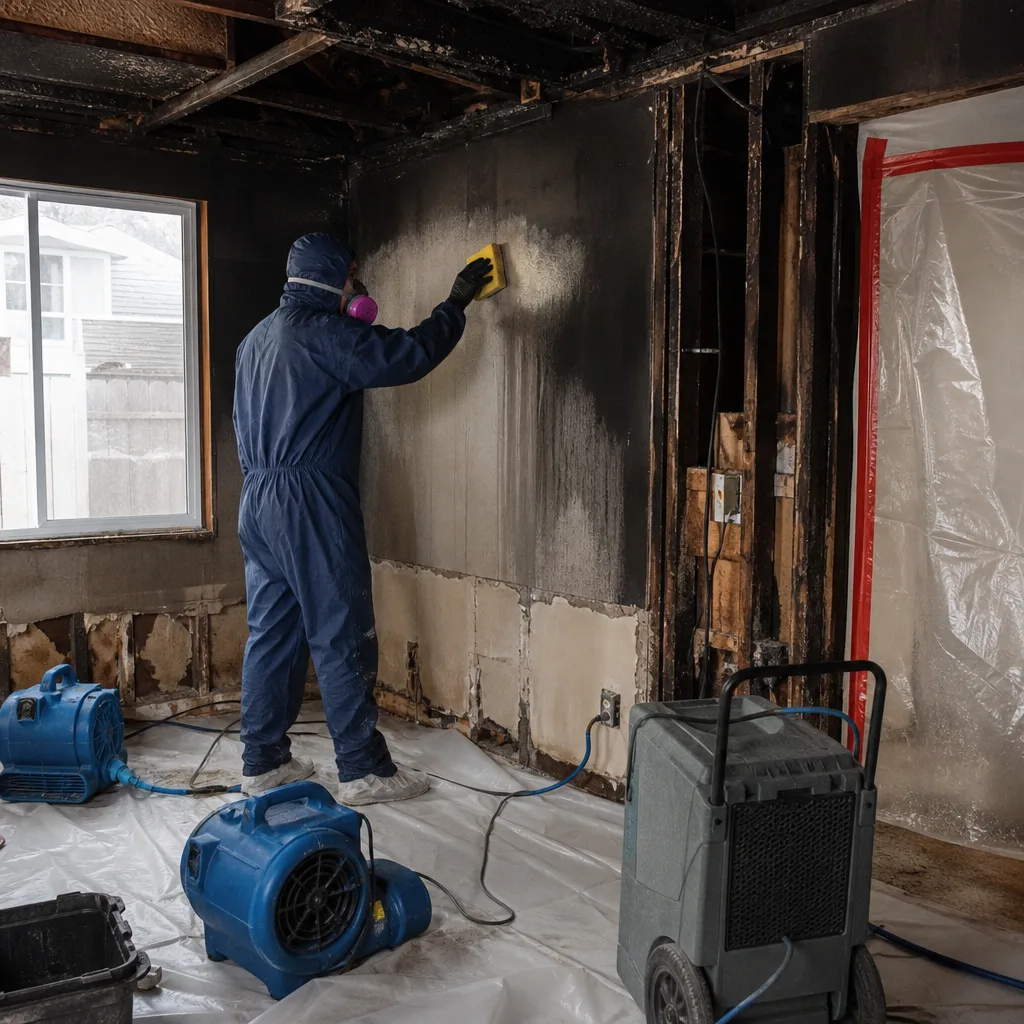
Free visual inspection and a written scope of work before any mitigation begins - photos, moisture readings, and drying logs go in your claim file
The scope we write is the scope we bill. Anything new gets shown to you, in writing, before we touch it.
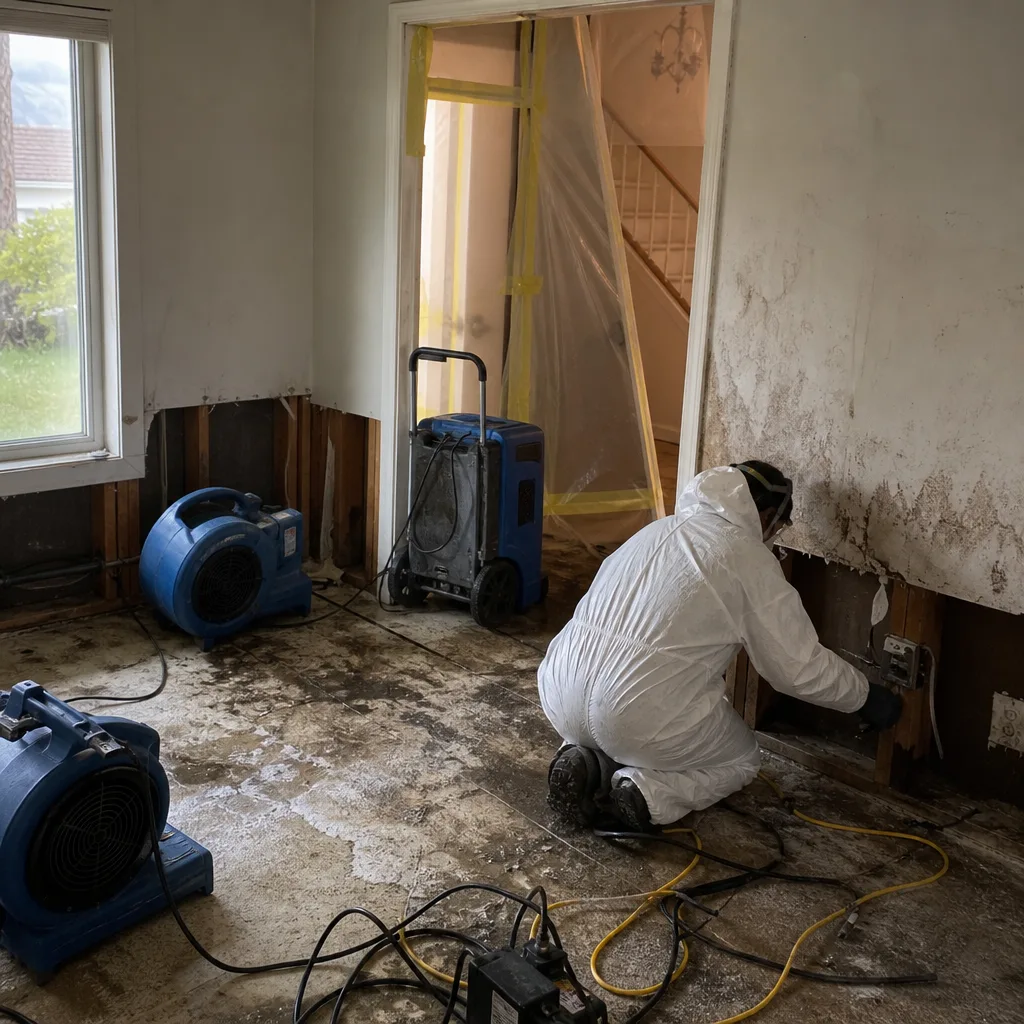 Before
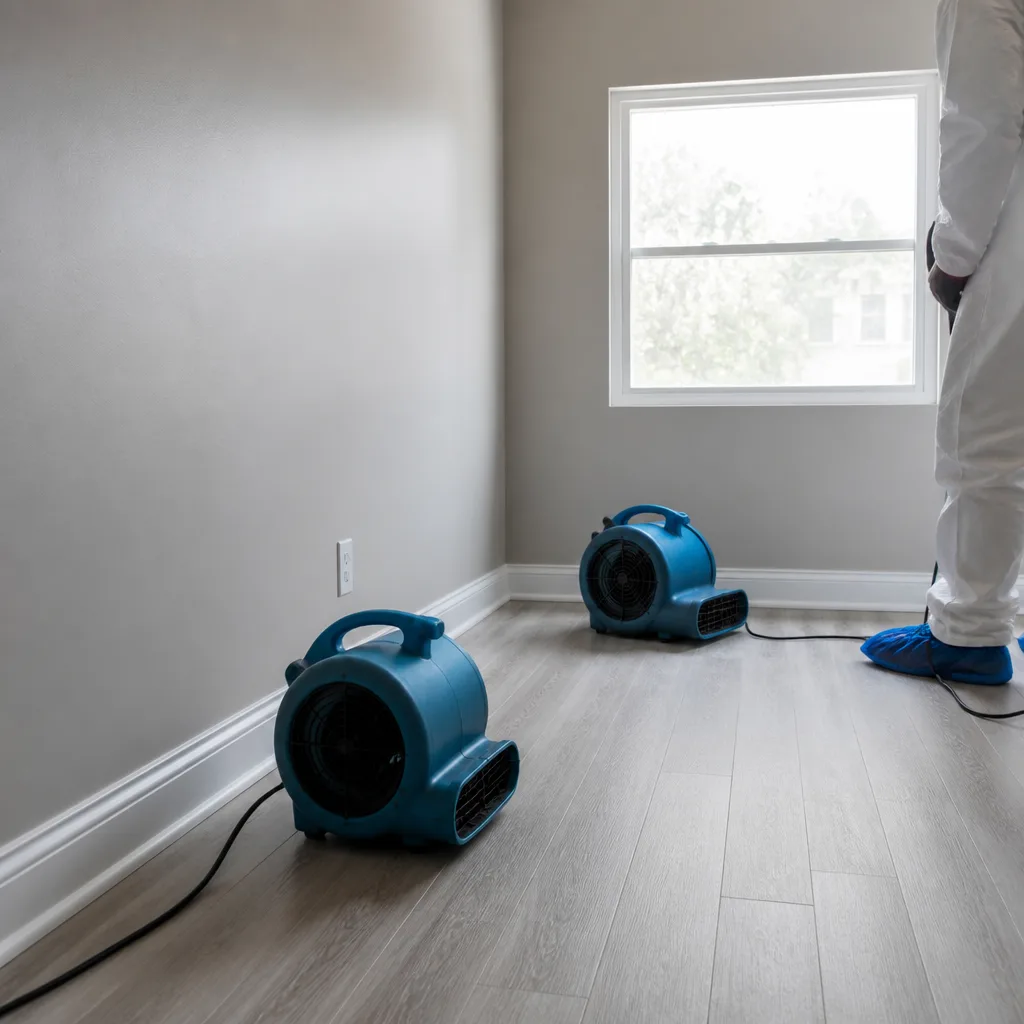 After
After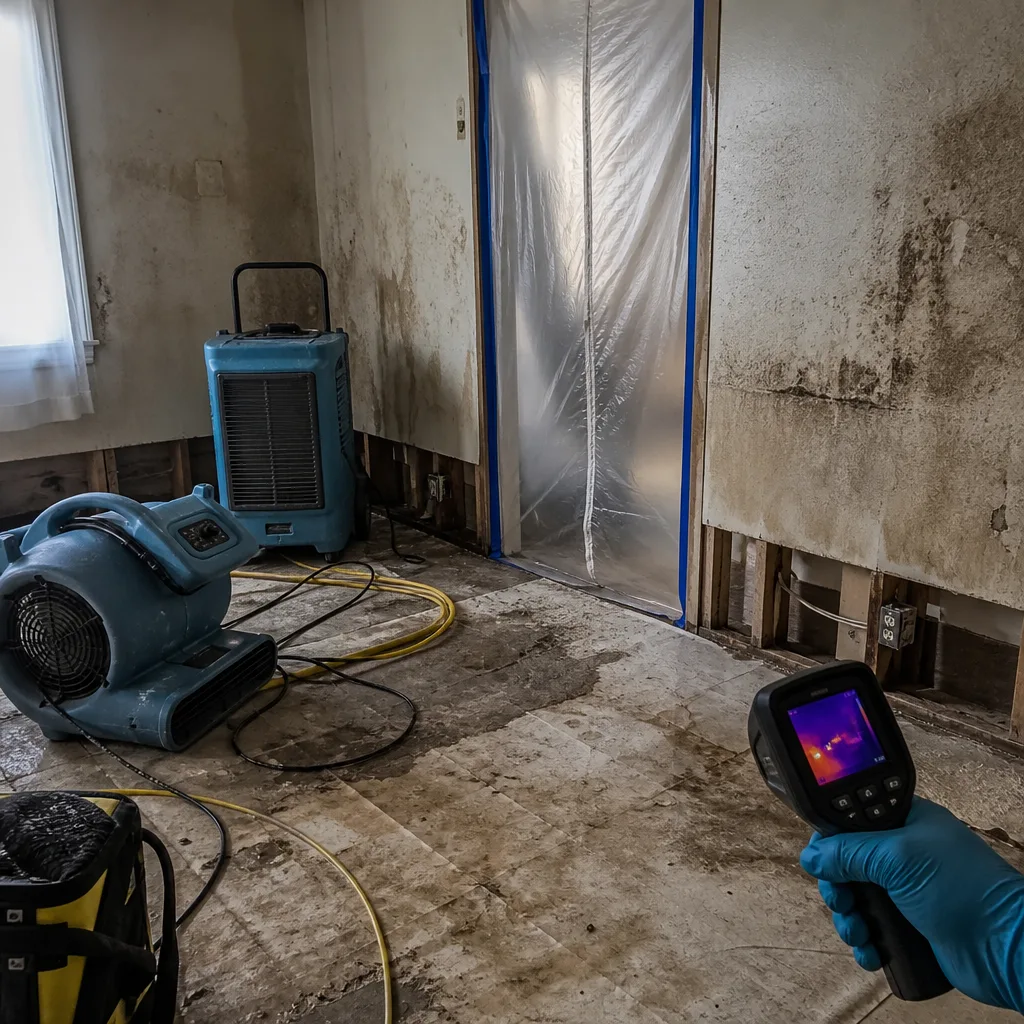 Before
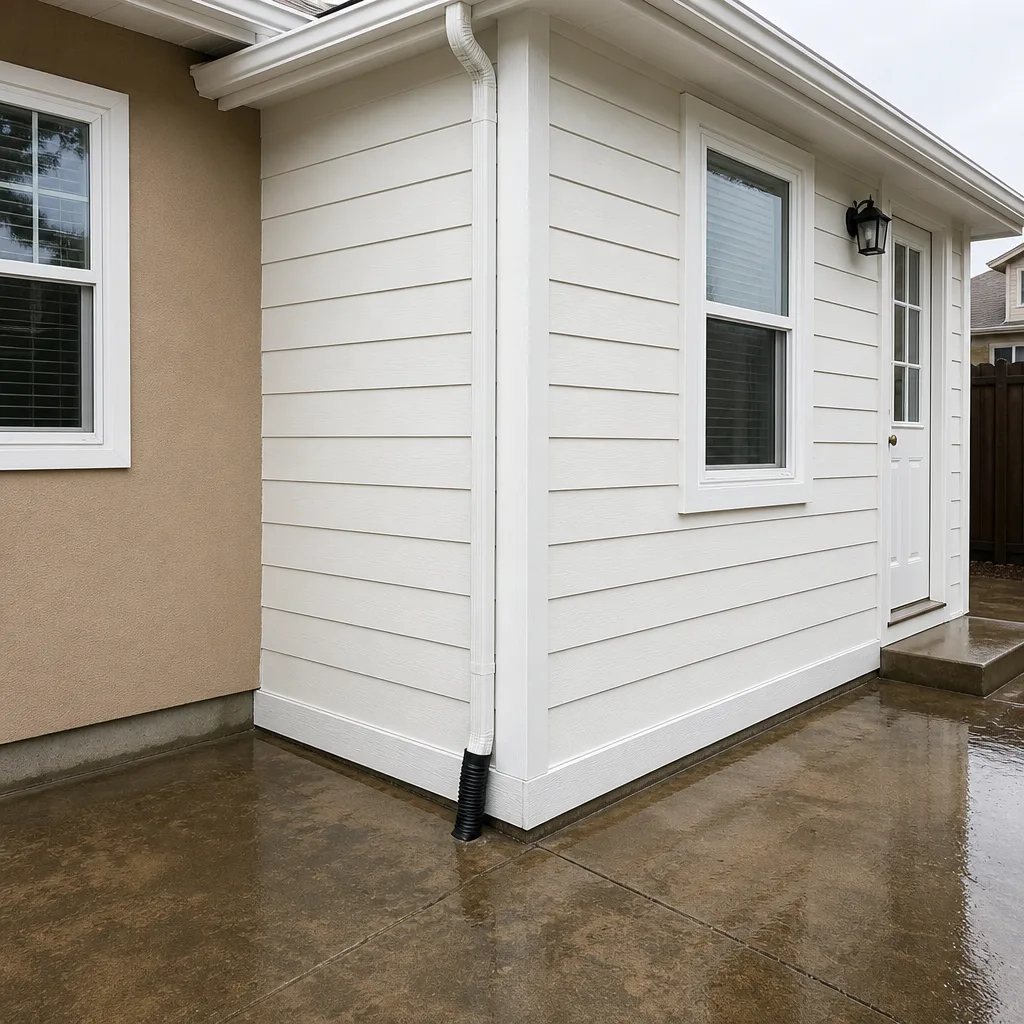 After
After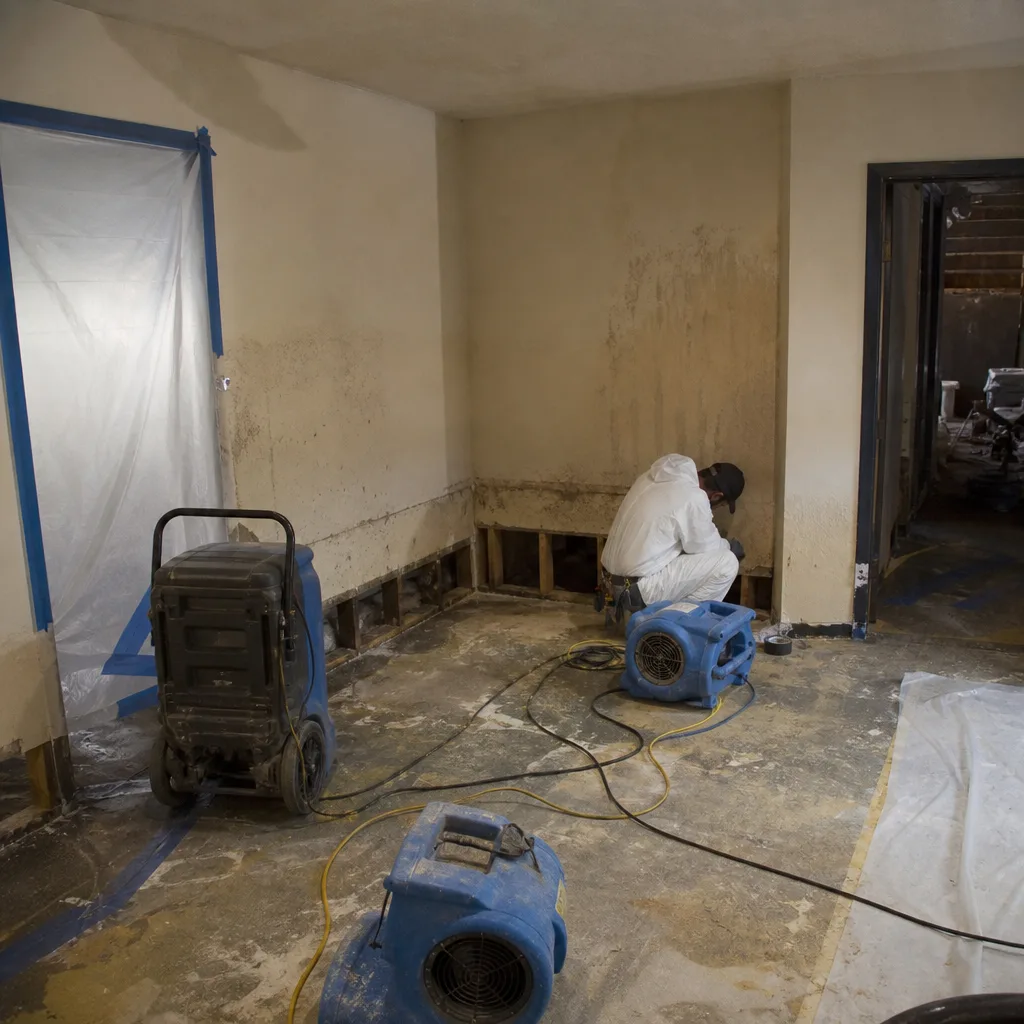 Before
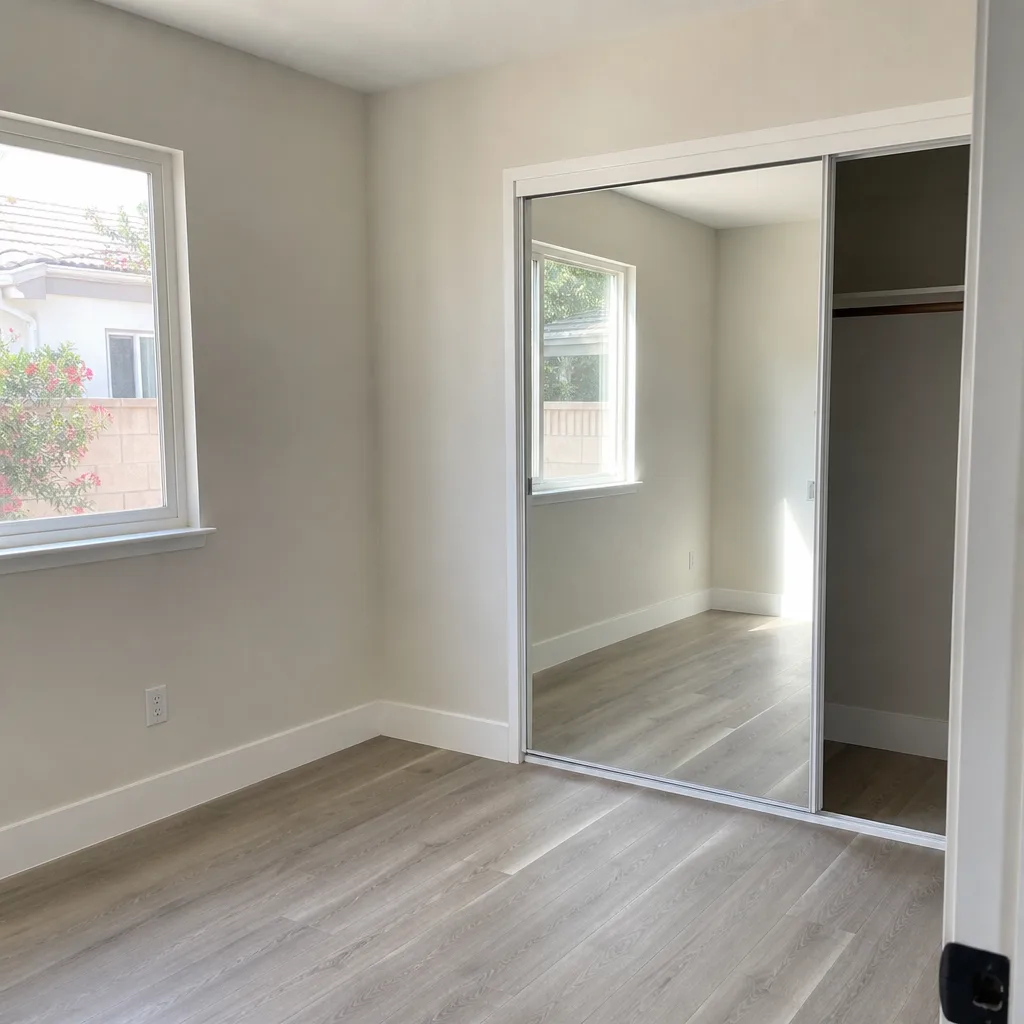 After
After24/7 Emergency Water Damage Restoration in Long Beach
Water damage restoration in Long Beach typically costs $2,800-$7,500 for a standard residential loss, with emergency extraction calls starting at $450-$950 and full structural drying running $1,800-$4,200 depending on square footage and category. Most Long Beach properties need 3-5 days of active drying, though harbor-adjacent homes with subsidence-related intrusion often require extended cycles. Call (424) 305-3365 now - a live person answers every emergency line, 24 hours a day, and crews dispatch throughout the Long Beach area within 45 minutes of your call.
The first hour determines whether you’re looking at extraction and drying or full gutting and reconstruction. Water moves fast through Long Beach’s aging lath-and-plaster walls, especially in pre-1970s apartment conversions where unpermitted wall chases create hidden highways. Our Water Damage Restoration team arrives with thermal imaging, moisture meters, and extraction equipment already loaded. We document everything from minute one - photos, readings, a written scope - because that’s what turns your invoice into a paid claim.
Understanding Water Damage Restoration Severity in Long Beach Properties
Water damage breaks into three categories, and misidentifying the category in Long Beach costs homeowners thousands. Category 1 is clean water - burst supply lines, overflowing sinks. Category 2 is gray water with contaminants - dishwasher discharge, sump pump failures. Category 3 is black water: sewage, seawater intrusion, or any water that sat long enough for bacterial amplification. In Long Beach’s flat harbor areas, a Category 1 roof leak can become Category 2 within hours when surface pooling pushes hydrostatic pressure through foundation cracks.
Moisture mapping is where most crews fail here. Standard meters read the plaster surface fine. They miss the lateral spread behind lath-and-plaster cavities in 1920s craftsman bungalows, or the chase routes in subdivided Zaferia apartments where galvanized lines were rerouted without permits. We map vapor pressure differential - the force that drives moisture from wet materials into dry air - and track psychrometric data daily: temperature, relative humidity, and specific humidity readings that prove drying progress to your adjuster. Tertiary drying, the final phase where bound moisture releases from dense materials like original plaster or old-growth framing, often takes 30-40% longer in Long Beach than inland calculators predict because of persistent marine-layer humidity.
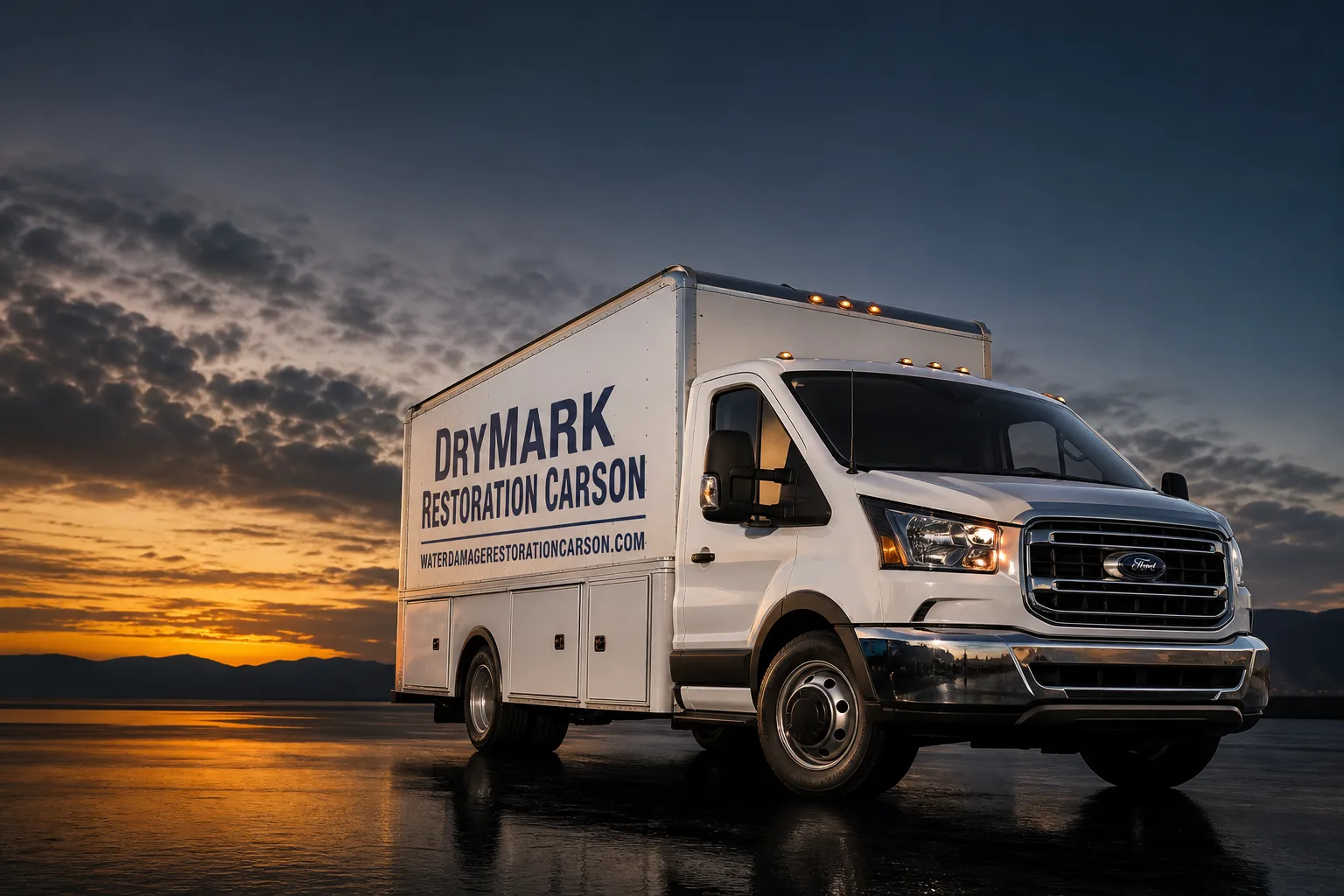
Why Long Beach Property Owners Choose DryMark Restoration Carson
- 45-minute response commitment to any Long Beach address - dispatch coordinated from our Los Angeles office with crews already staged near the 710 corridor.
- 24/7 live answer: a real person, never an automated system or voicemail tree, picks up every emergency call within three rings.
- IICRC-certified crews holding WRT (Water Damage Restoration Technician) and ASD (Applied Structural Drying) certifications - license numbers provided on request before any technician enters your property.
- Free visual inspection with moisture readings and a written scope delivered before any work begins - Haven Standard, Clause 1.
- Direct insurance billing with photo-documented drying logs and daily moisture readings that adjusters recognize and pay without dispute.
- One team from extraction through reconstruction - no handoffs between contractors, no gaps in documentation.
 Before
 After
AfterOur Water Damage Restoration Process
1. Inspection & Assessment
We arrive with FLIR thermal imaging, penetrating and non-penetrating moisture meters, and hygrometers. In Long Beach, we specifically check for subsidence-related foundation cracking and hydrostatic pressure indicators - especially in harbor-adjacent neighborhoods and Naples Island properties where canal water level creates constant upward moisture drive.
2. Extraction & Stabilization
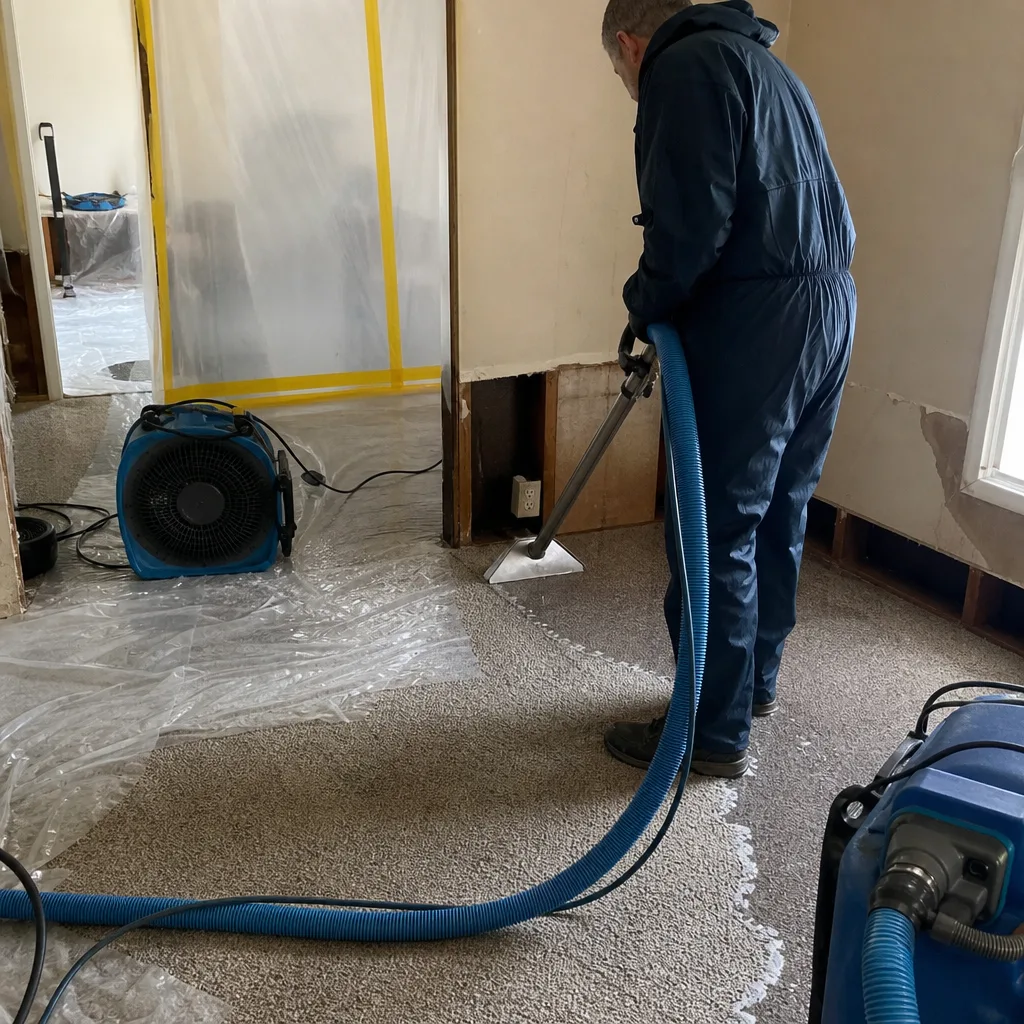
Truck-mounted extraction units remove standing water; portable units handle tight-access Long Beach bungalows and alley-load configurations. We deploy weighted extraction tools on saturated carpet and use sealed containment when Category 2 or 3 water is present. Every extraction pass is photo-documented with moisture readings before and after.
3. Drying & Dehumidification
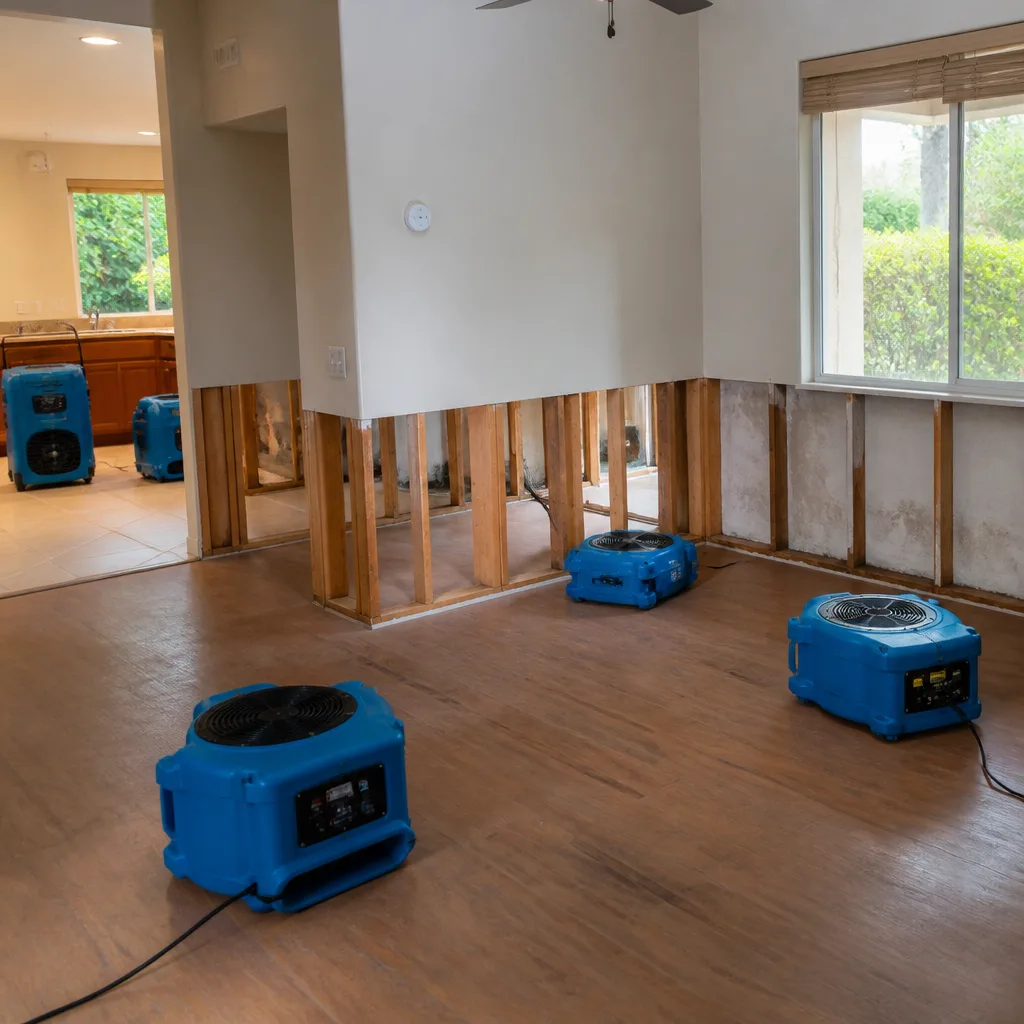
Air movers create controlled airflow across wet surfaces; dehumidifiers remove evaporated moisture from the air. In Long Beach’s marine-layer climate, we run refrigerant dehumidifiers longer than regional calculators suggest, and deploy specialty desiccant systems - Phoenix and XPOWER units - where hydrostatic wicking or dense plaster requires lower vapor pressure than standard equipment achieves.
4. Cleaning & Sanitization
Antimicrobial treatment of affected surfaces, HEPA air scrubbing to capture airborne particles, and detailed cleaning of salvageable contents. In Category 2 and 3 losses, we apply EPA-registered disinfectants and document application times and concentrations for your adjuster.
5. Subsidence & Hydrostatic Specialty Treatment
Unique to Long Beach: where Wilmington Oil Field subsidence has compromised foundation integrity, we coordinate structural drying with engineering documentation. For Naples Island and harbor-adjacent properties, we install vapor barriers and recommend permanent hydrostatic pressure mitigation - documented in your scope with photo evidence of the intrusion pathway.
6. Repairs & Restoration
Written scope agreed before any reconstruction begins. We match original plaster textures in historic bungalows, replace compromised subflooring, and restore to pre-loss condition. The 365-Day Done Right Promise applies: if it’s not right, we make it right, documented and signed under The Haven Standard.
Need Emergency Water Damage Restoration in Long Beach Now?
Crews minutes away, answering live 24 hours a day. The sooner we start, the less it costs.
Working With Your Insurance Company
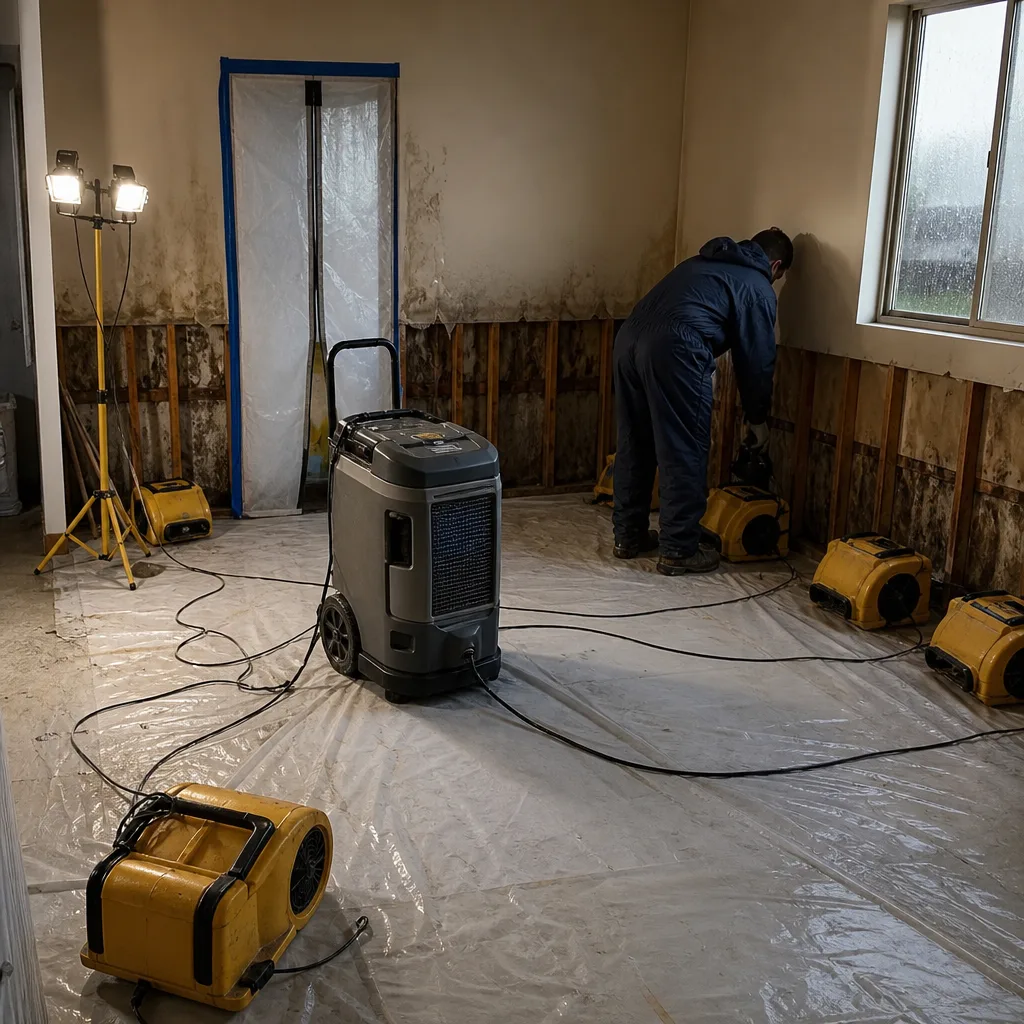
Insurance claims fail on documentation gaps. We close those gaps from the first hour. Every DryMark Restoration Carson job produces a photo record on every visit, daily drying logs with moisture readings and psychrometric data, and a line-item scope written to Xactimate standards that your adjuster can process without back-and-forth. We speak adjuster because Alicia Brennan founded this company in 2011 after working claims - she built the documentation system she wished every restoration contractor had used.
We bill your carrier directly when coverage applies. You get a written price before work starts, every time, with no scope-creep additions once the crew is inside - Haven Standard, Clause 1. If you’ve already got a competitor’s estimate, we’ll review it free under our Second Opinion program.
What We Provide Your Insurer
- Thorough documentation of the loss
- Photos of all damage, room by room
- Moisture readings and drying logs
- A detailed, line-item scope of work
- Direct coordination with your carrier
Built for Long Beach’s Loss Calendar
January through March brings the heaviest El Niño rain events, and Long Beach’s flat harbor topography turns sustained rainfall into rapid surface pooling. The 1920s-1940s housing stock, much of it rebuilt after the 1933 earthquake, has original clay tile roofs at end of life and galvanized supply lines corroding from the inside. We see burst pipe calls spike 40% in cold snaps when older apartments lack adequate insulation.
April through June, marine-layer humidity peaks - not rain, but persistent 70-85% relative humidity that keeps partially dried structures wet enough for mold amplification. July through October is wildfire season inland, but for Long Beach it’s the dry period - except when monsoonal moisture hits, overwhelming aging flat-roof commercial buildings downtown. November through December returns to rain patterns, and we always see a surge of “small” leaks that sat undetected through summer, now full of mold behind plaster.
Year-round, the constant is subsidence. Foundation cracks from Wilmington Oil Field extraction open new water pathways every season, independent of weather.
Water Damage Restoration Across Long Beach’s Neighborhoods
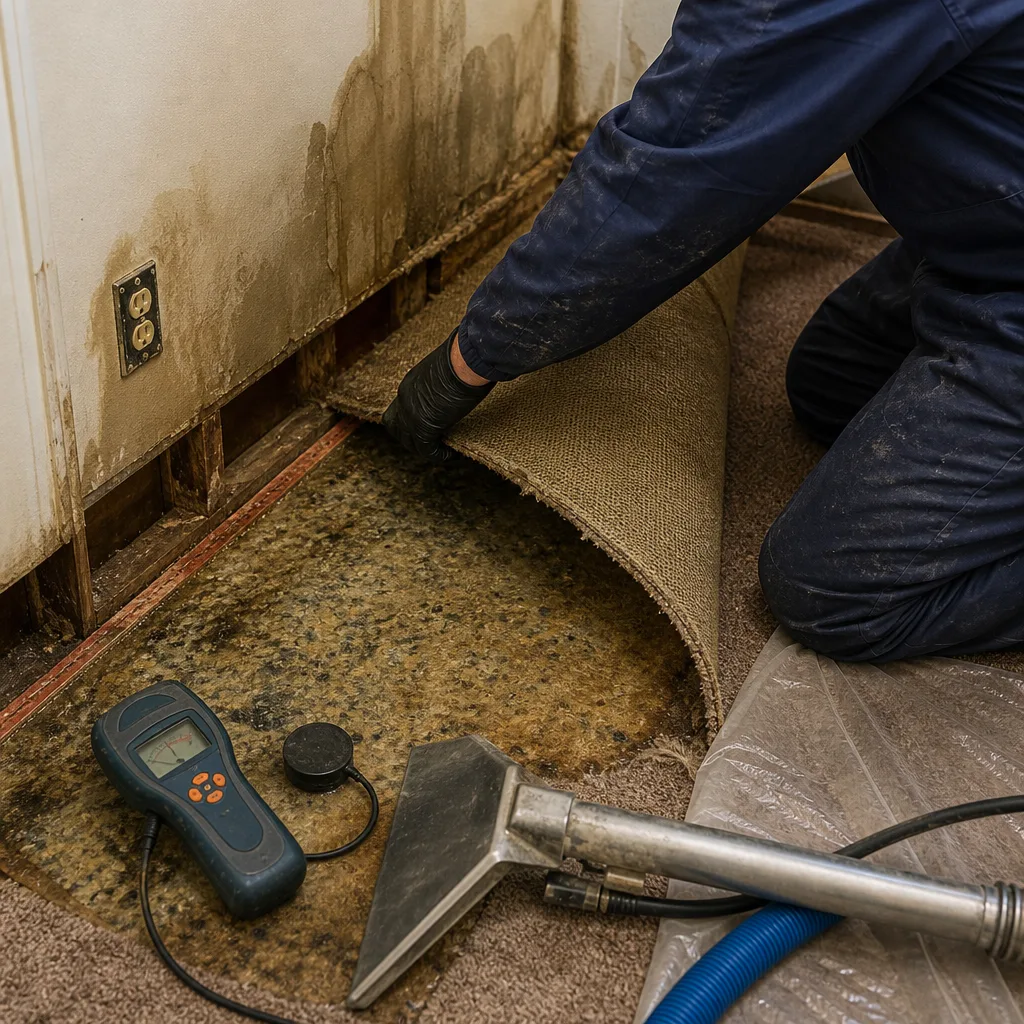
Belmont Shore presents tight-access challenges - narrow alleys, zero lot lines, and parking that requires crew coordination with property managers. We stage equipment on Ocean Boulevard and hand-carry when necessary. The 1920s cottages here have original plaster and redwood framing that drinks water slowly but releases it even slower; our drying logs typically run 4-6 days versus the 3-day inland standard.
Zaferia and the downtown core are dense with pre-1970s apartment buildings, many subdivided without permits. Water travels horizontally behind lath-and-plaster walls, following unmapped chase routes. We pull baseboards and drill strategic inspection holes - documented with photos - rather than guessing where the moisture front stopped. Property managers here appreciate our written scopes because they need documentation for their own insurance and tenant relations.
Naples Island is its own category. Built on reclaimed tidelands, homes sit feet above canal water level. Hydrostatic pressure is constant. A slab penetration from a failed supply line isn’t just a plumbing fix - it’s an upward moisture wick that demands Injectidry desiccant equipment and extended run times. We’ve learned to dispatch with that gear pre-loaded, because every Naples call that starts as “minor water” becomes structural drying.
Bixby Knolls and the northern corridors have larger 1940s-1950s ranch homes on raised foundations, which changes the intrusion pattern - subfloor and crawl space saturation rather than slab wicking. But the same marine-layer humidity extends drying, and the same aging galvanized lines fail.
Specialized Water Damage Restoration Services We Offer in Long Beach
Emergency Water Extraction
Truck-mounted and portable extraction units deployed within 45 minutes. In Long Beach’s dense neighborhoods, we navigate alley access and tight clearances without scratching floors or walls - documented arrival photos protect everyone. Extraction typically runs $450-$950 for residential losses, with commercial properties scaled by square footage.
Structural Drying & Dehumidification
The core of every Long Beach job, and the phase where marine-layer humidity demands expertise regional calculators don’t provide. We deploy Phoenix and XPOWER refrigerant dehumidifiers for standard losses, and B-Air or Injectidry desiccant systems where vapor pressure differentials require sub-40-grain air. Drying phase costs run $1,800-$4,200 for typical residential, with extended cycles for plaster, hardwood, or hydrostatic conditions.
Flood Cleanup
El Niño surface pooling and harbor-adjacent hydrostatic events push Category 2 and 3 water into homes. Full PPE, sealed containment, and antimicrobial treatment are standard - not upsells. Flood cleanup with contamination protocols typically ranges $3,500-$8,500 in Long Beach, depending on affected square footage and material classification.
Burst Pipe Restoration
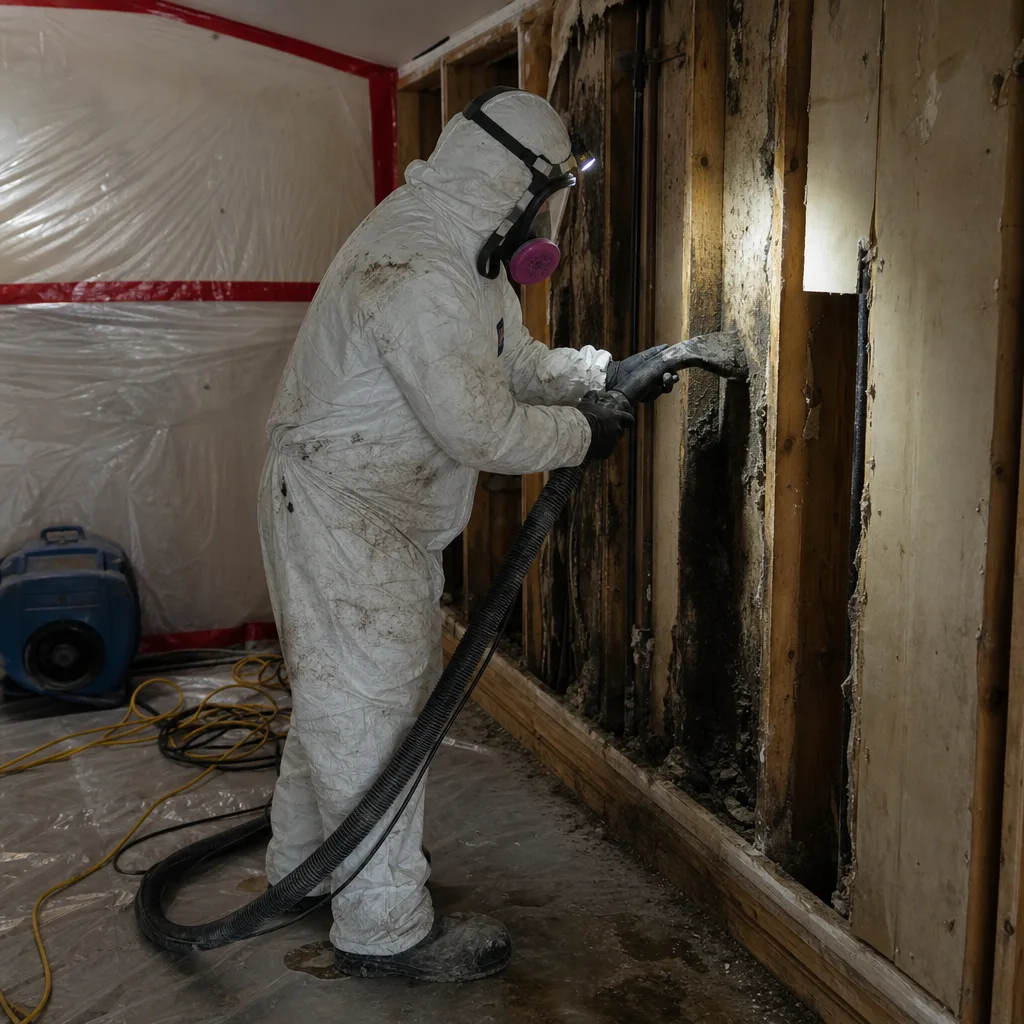
Corroded galvanized lines in pre-1970s buildings, freeze events in uninsulated apartments, and subsidence-related stress fractures in slab foundations. We extract, dry, and document the full scope including recommended repiping - with photos your plumber and adjuster both need.
Basement Water Removal
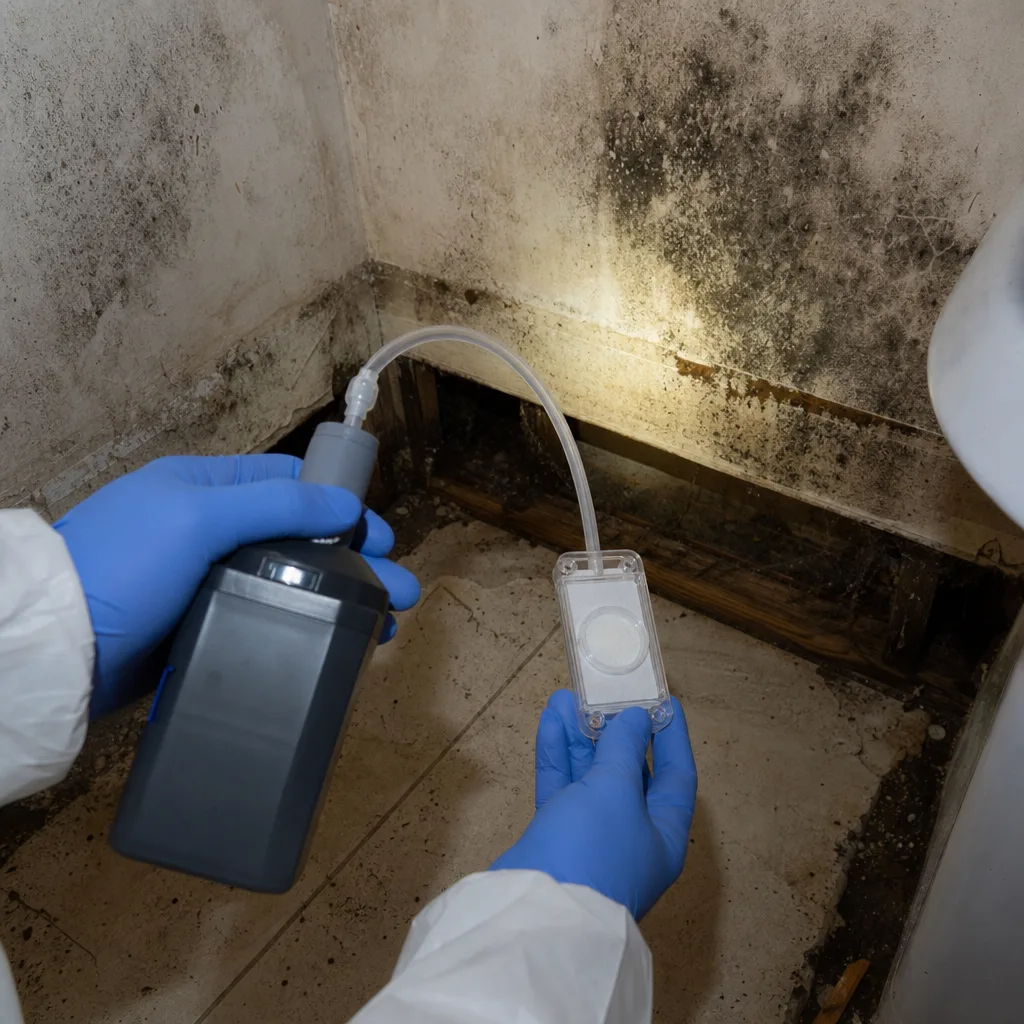
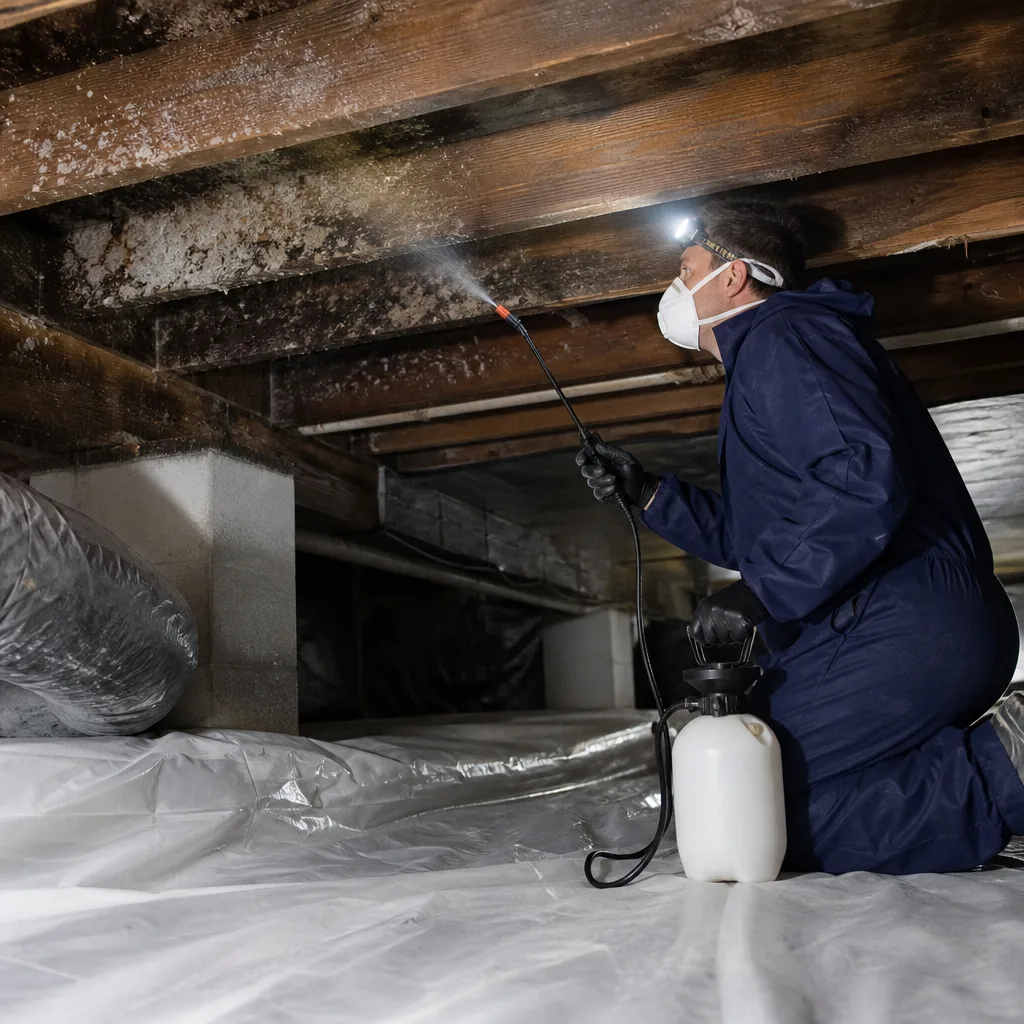
Rare in slab-dominant Long Beach, but present in older raised-foundation homes in Bixby Knolls and northern areas. Sump pump failures, foundation seepage from subsidence cracking, and hydrostatic pressure in below-grade additions. Submersible pumps, extraction, and crawl space drying with directed airflow.
What happens when you call
- 1
A real person answersNo phone trees - you reach a local pro.
- 2
You get an upfront price rangeHonest numbers before anyone is dispatched.
- 3
A background-checked tech heads outLicensed & insured, dispatched right away.
- 4
You approve before work beginsNothing starts until you say go.
Water Damage Restoration Costs in Long Beach, CA
Here’s what we actually charge, documented in writing before any work starts - Haven Standard, Clause 1.
| Service | Typical Long Beach Range |
|---|---|
| Emergency water extraction (residential) | $450 - $950 |
| Structural drying & dehumidification | $1,800 - $4,200 |
| Flood cleanup (Category 2-3) | $3,500 - $8,500 |
| Full restoration with repairs | $5,500 - $15,000+ |
| Naples Island / hydrostatic specialty drying | $4,200 - $9,500 |
What moves the price: affected square footage, water category (1, 2, or 3), material type (plaster and hardwood cost more to dry than drywall and carpet), and whether subsidence or hydrostatic pressure requires specialty equipment. Insurance typically covers sudden and accidental water damage; gradual leaks and maintenance issues often don’t. We document the loss origin for your adjuster and provide direct coordination. The free visual inspection includes moisture readings and a written scope - no charge, no obligation, no “call for pricing” runaround.
We Also Serve Cities Near Long Beach
Our crews respond throughout the harbor corridor: Water Damage Restoration in Long Beach is coordinated with Wilmington’s industrial and residential mix, Carson’s dense housing stock, San Pedro’s hillside and harbor-adjacent properties, and Lakewood’s postwar tract homes. Each city has distinct building ages, foundation types, and loss patterns - we adjust our equipment loadout and drying protocols accordingly.
Serving Long Beach, CA - Our Local Coverage Area
We’re based in the Long Beach area and know this community well. Use the map below to see our service coverage - if you’re nearby, we can almost certainly help.
Long Beach Water Damage Restoration Questions, Answered
Why does water damage in Long Beach sometimes turn out to be a foundation problem, not a plumbing problem?
Decades of petroleum extraction from the Wilmington Oil Field caused documented land subsidence of up to 29 feet near the harbor, cracking foundations and walls across harbor-adjacent neighborhoods. Water enters through these structural pathways rather than failed pipes, which changes the repair scope from plumbing to structural drying and foundation documentation. We identify the true intrusion source with thermal imaging and moisture mapping, then document it for your adjuster. Call (424) 305-3365 for a free inspection with written findings.
How does Long Beach’s marine layer affect structural drying times?
Coastal humidity stays elevated year-round, slowing evaporation from wet materials and keeping airborne moisture high enough that standard dehumidifiers work harder for longer. Regional drying calculators calibrated for inland conditions routinely underestimate Long Beach cycles by 30-40%. We extend equipment run times and use higher-capacity units, with daily psychrometric logs proving progress to your insurance. Call (424) 305-3365 for an assessment with realistic timelines.
What makes a Naples Island water call different from other Long Beach jobs?
Naples Island homes sit on reclaimed tidelands just feet above canal water level, so hydrostatic pressure constantly pushes moisture upward through any slab penetration or foundation crack. A supply-line break here isn’t just a plumbing leak - it’s a wick drawing canal-level water into the structure. We dispatch with Injectidry desiccant equipment pre-loaded, because standard refrigerant dehumidifiers can’t achieve the vapor pressure differential needed. Call (424) 305-3365 - we’ve handled this exact scenario repeatedly.
Why do Long Beach apartment and bungalow water losses spread faster than expected?
Original lath-and-plaster walls in 1920s-1940s bungalows and pre-1970s apartment conversions create hidden cavities where water travels laterally, far beyond where surface meters read. Unpermitted electrical and plumbing chases in subdivided buildings add routes standard moisture mapping misses. We drill strategic inspection holes and use borescopes to track the true moisture front, documented with photos. Call (424) 305-3365 for mapping that finds what surface readings miss.
How fast do we need to act on a wet Long Beach wall or ceiling?
Within 24 hours for Category 1 water to prevent mold amplification; within 4-6 hours for Category 2 or 3. In Long Beach’s marine-layer humidity, the safe window shrinks - airborne moisture keeps wet materials in the mold-growth range longer than drier climates. Our 45-minute response commitment exists because we’ve seen 48-hour delays turn $3,000 extraction jobs into $12,000 gut-and-rebuilds. Call (424) 305-3365 now - live answer, crews en route.
Will insurance cover my water damage restoration?
Sudden and accidental damage - burst pipes, appliance failures, storm intrusion - is typically covered under standard homeowners policies. Gradual leaks, maintenance neglect, and flood from surface water usually require separate flood coverage or are excluded. We document the loss origin, provide line-item scopes in Xactimate format, and coordinate directly with your adjuster to establish coverage. Our documentation-first approach was built specifically to close the gaps that deny claims. Call (424) 305-3365 for a free inspection and coverage assessment.
How long does the drying process actually take?
Most Long Beach residential losses need 3-5 days of active drying, with plaster-walled historic homes and hydrostatic-pressure cases running 5-8 days. We don’t guess - daily moisture logs with specific humidity, relative humidity, and temperature readings tell us exactly when materials reach pre-loss moisture content. Your adjuster receives these logs as proof of completion. Call (424) 305-3365 for a timeline based on your specific materials and conditions.
Can we stay in the home during water damage restoration?
Sometimes, for contained Category 1 losses in undamaged portions of the home. For Category 2 or 3 water, extensive demolition, or when hydrostatic pressure has compromised structural materials, temporary relocation is safer and often required by your insurer. We mark containment boundaries clearly, maintain negative air pressure with HEPA scrubbers when needed, and document occupancy recommendations for your adjuster. Call (424) 305-3365 to discuss your specific situation.
Water damage in Long Beach doesn’t follow inland playbooks. The subsidence, the marine layer, the hydrostatic pressure from canal-adjacent foundations - these conditions demand technicians who’ve worked them before and documented the outcomes. Alicia Brennan built DryMark Restoration Carson on the documentation gap that costs homeowners their claims. Every job gets a written price before work starts, a photo record on every visit, and a 365-Day Done Right Promise backed by The Haven Standard. No voicemail trees. No scope creep. No guessing.
Call (424) 305-3365 for a free visual inspection and written scope. A live person answers, 24 hours a day.
Written by Alicia Brennan, Owner at DryMark Restoration Carson, serving Long Beach and surrounding communities since 2011.
Water Damage Restoration in Nearby Areas