
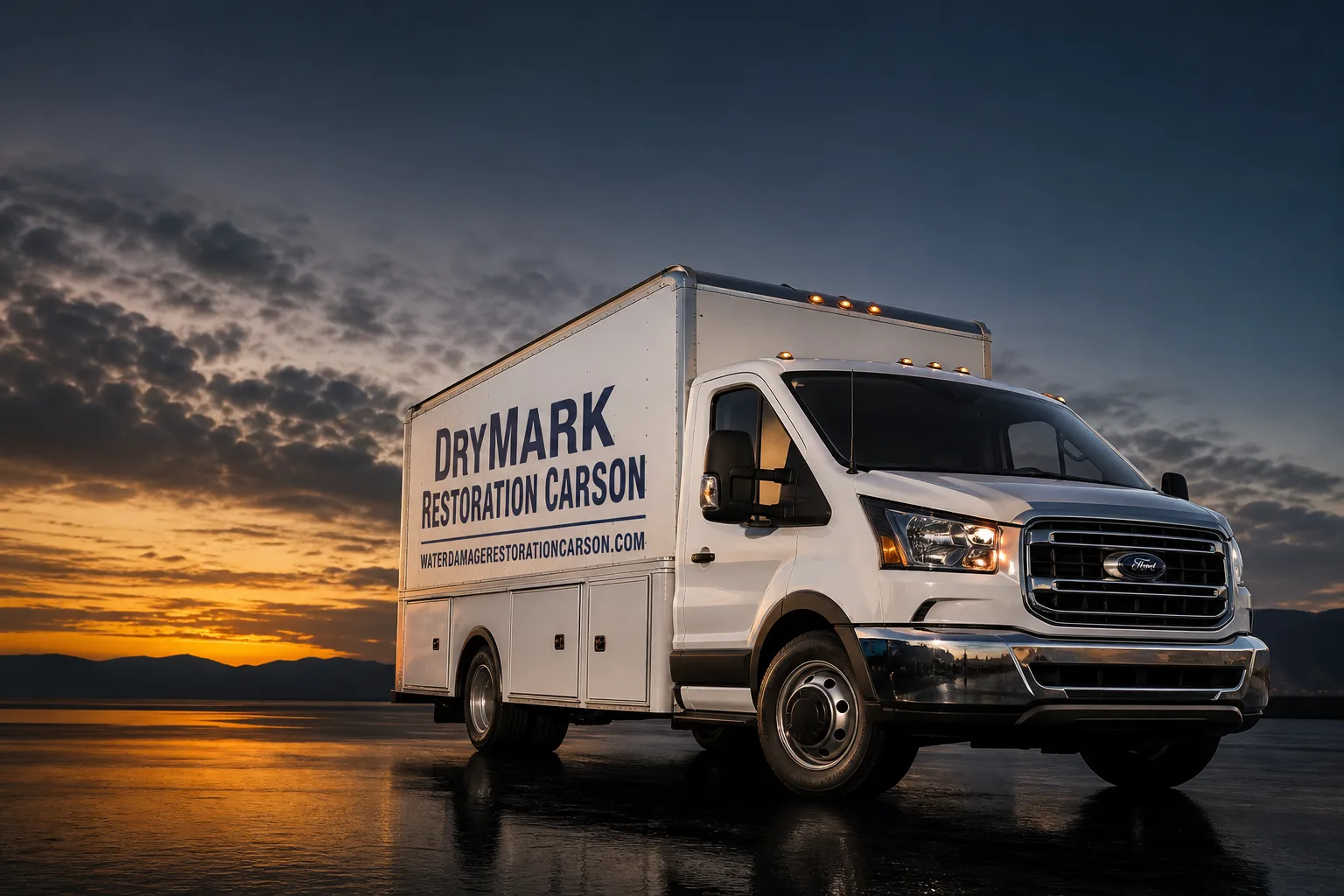
Free visual inspection and a written scope of work before any mitigation begins - photos, moisture readings, and drying logs go in your claim file
The scope we write is the scope we bill. Anything new gets shown to you, in writing, before we touch it.
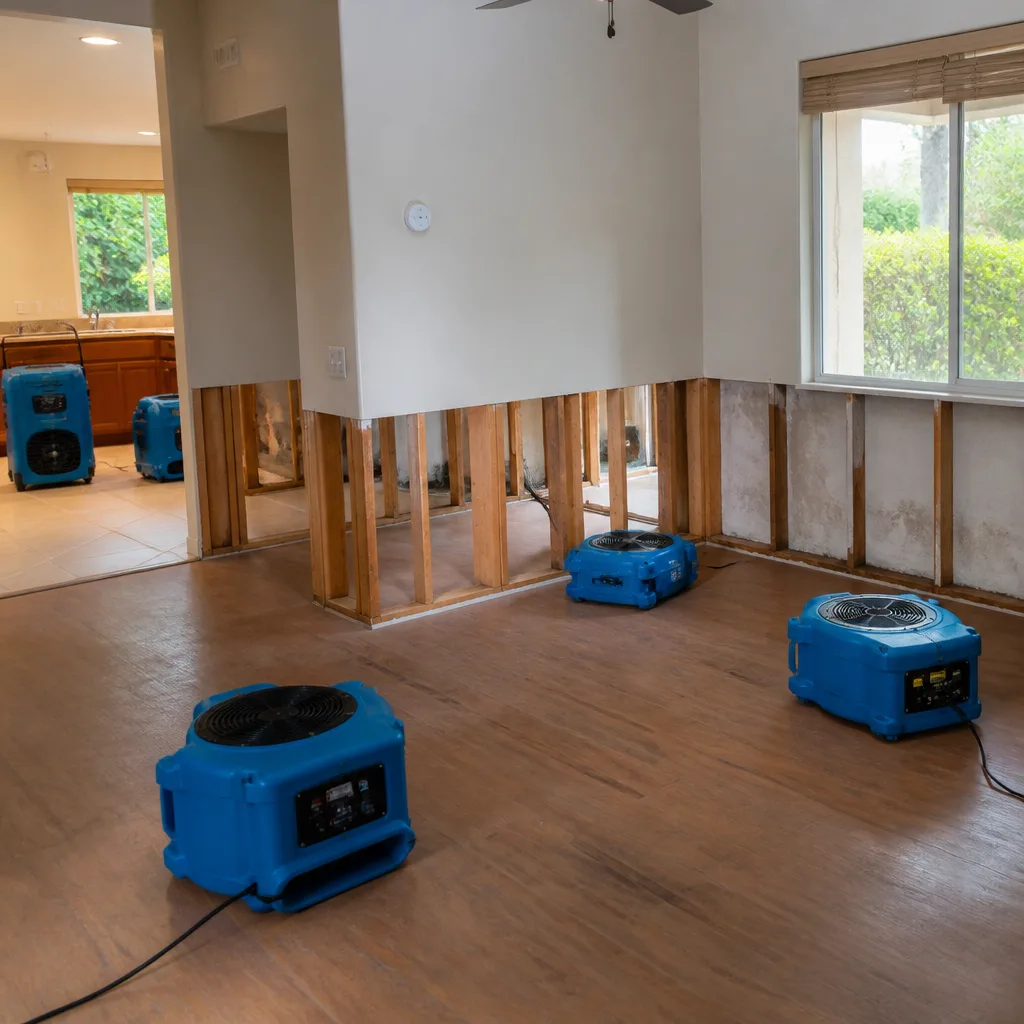
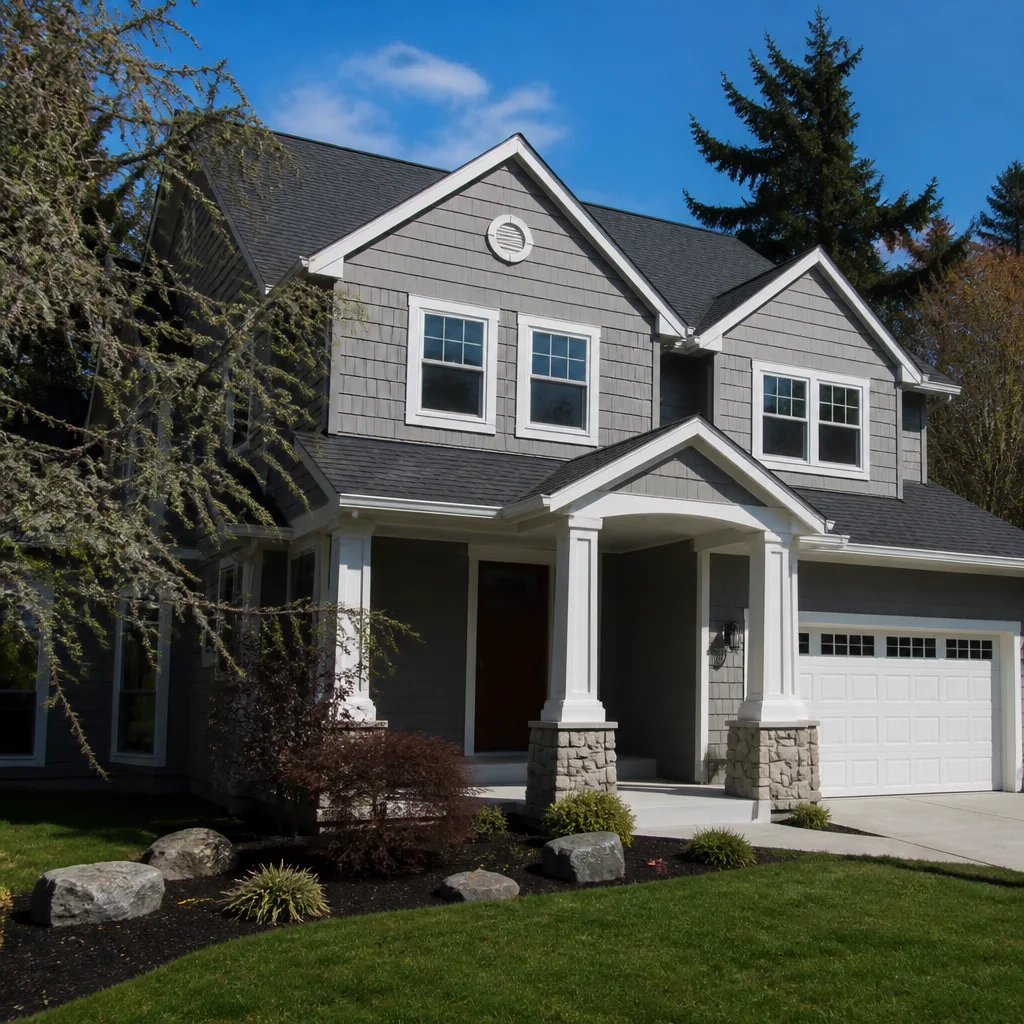
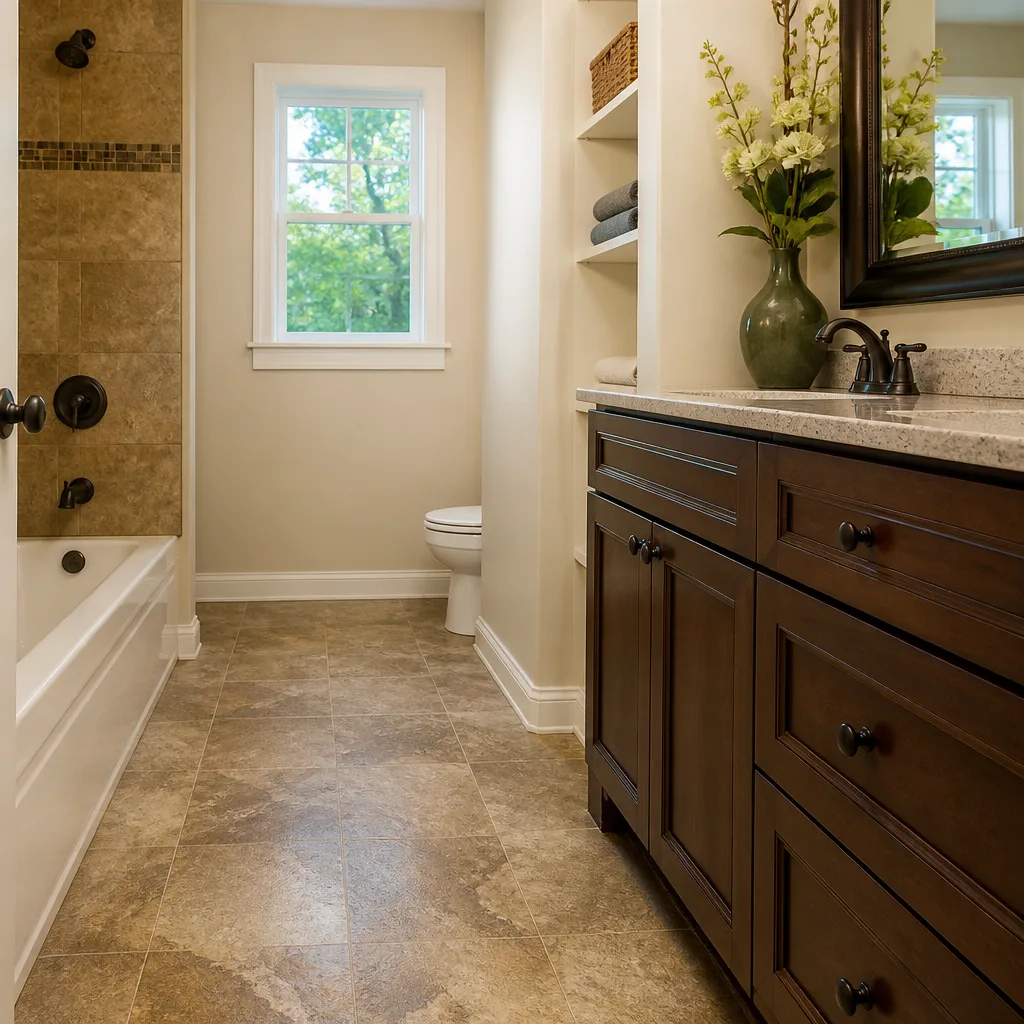
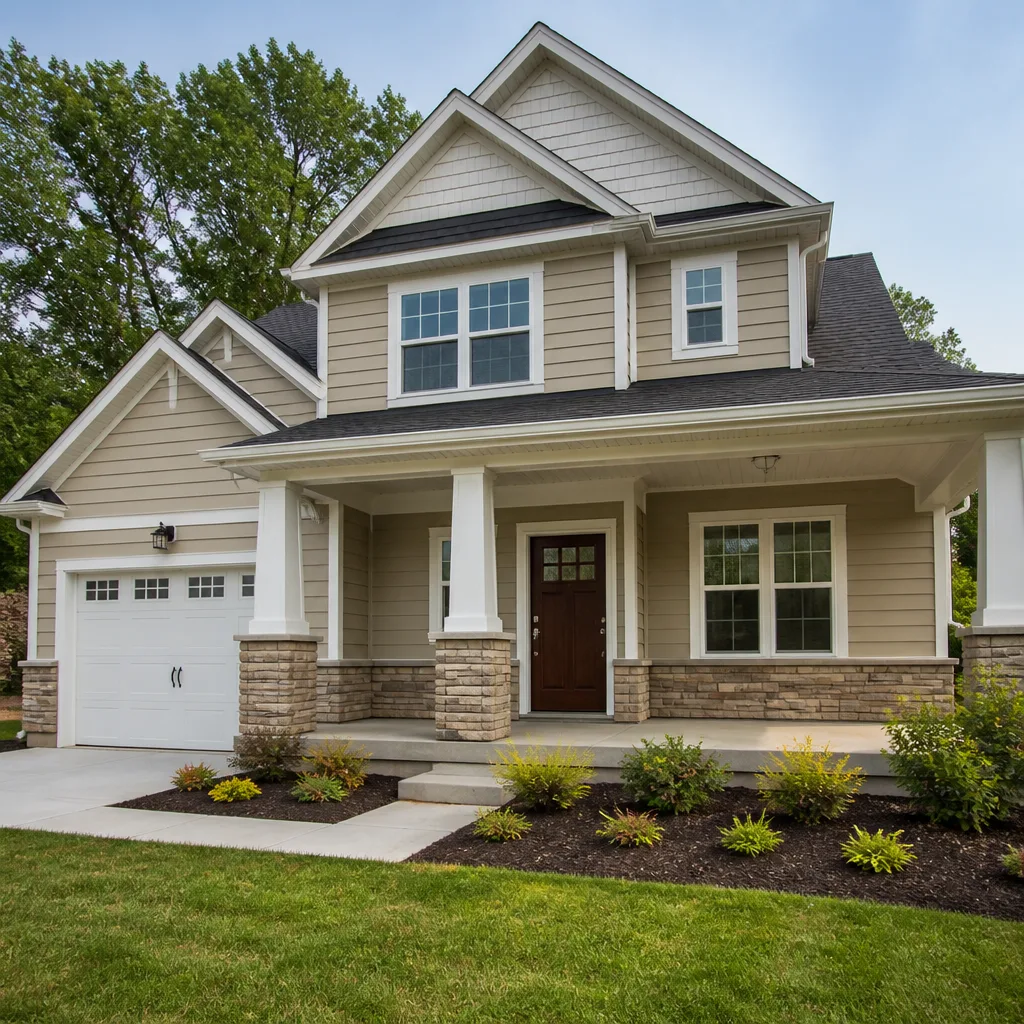
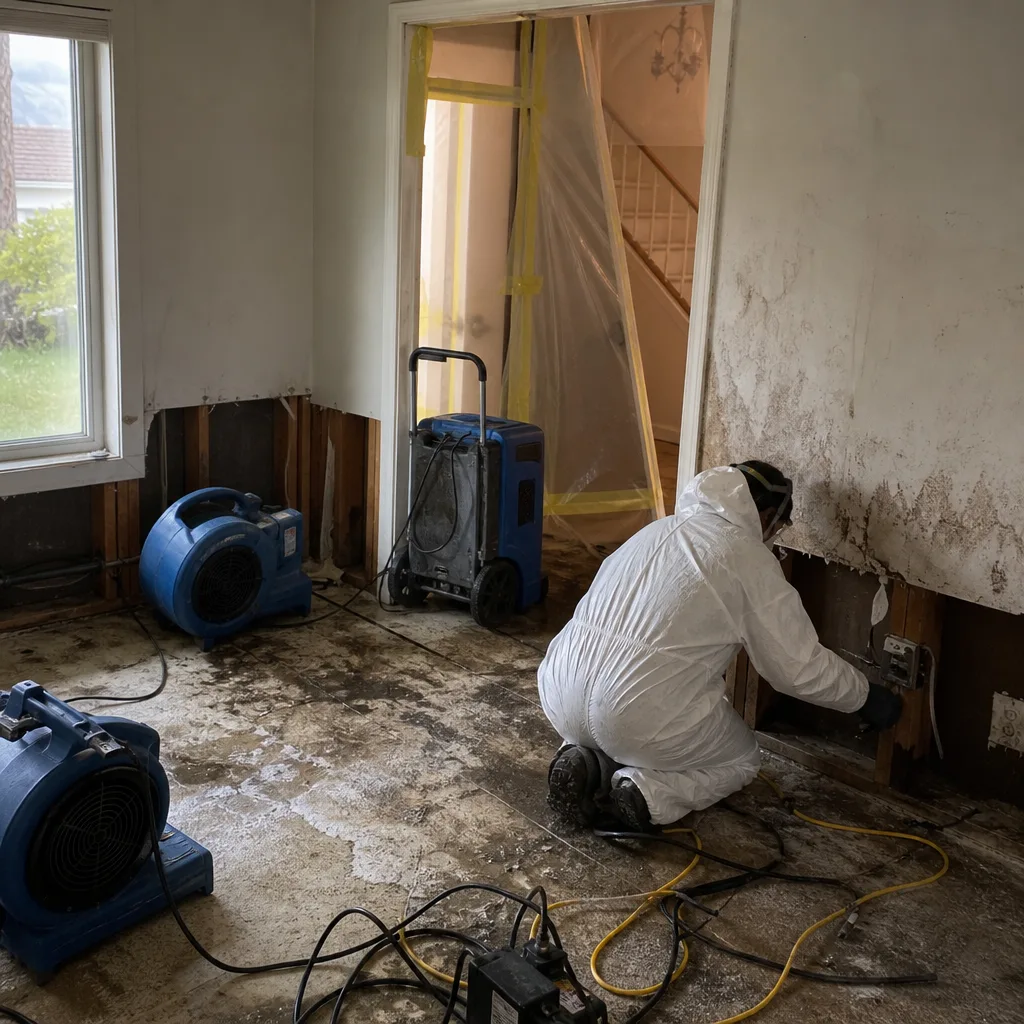 Before
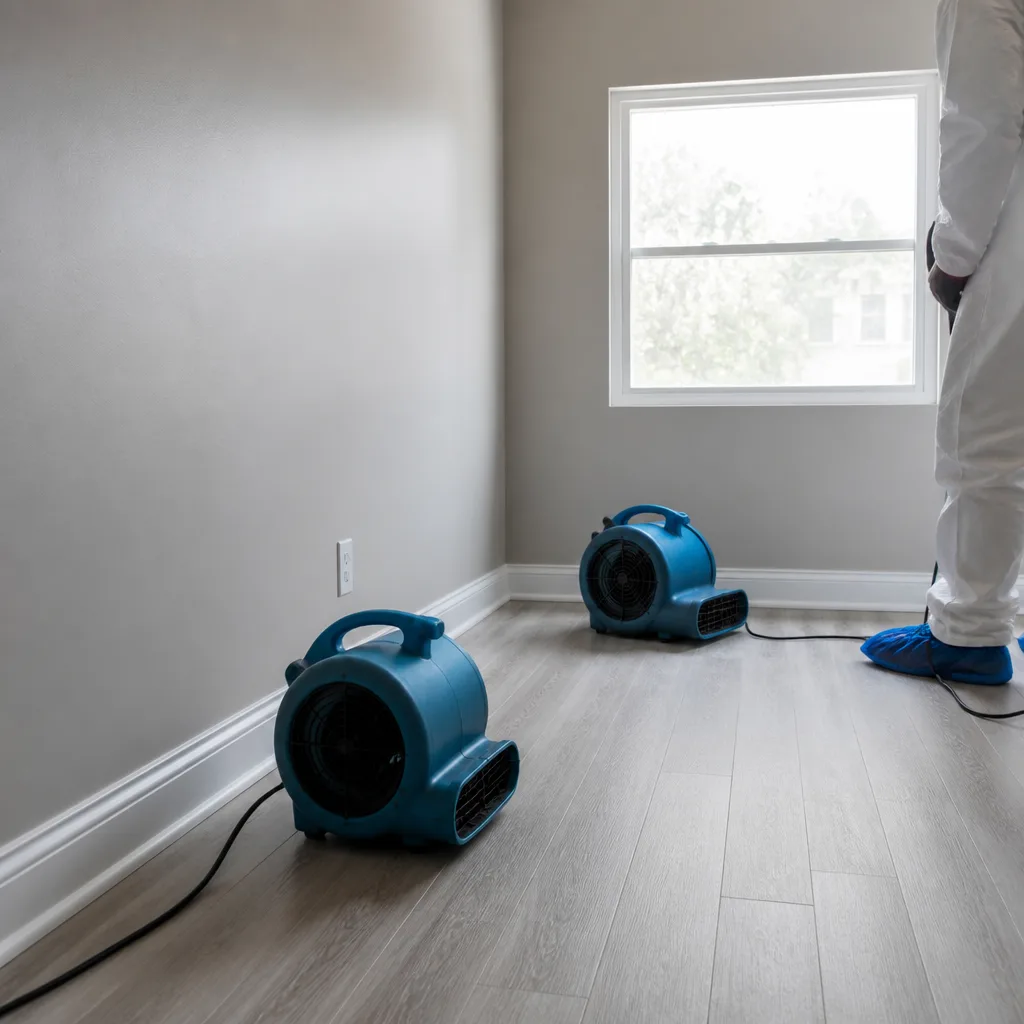 After
After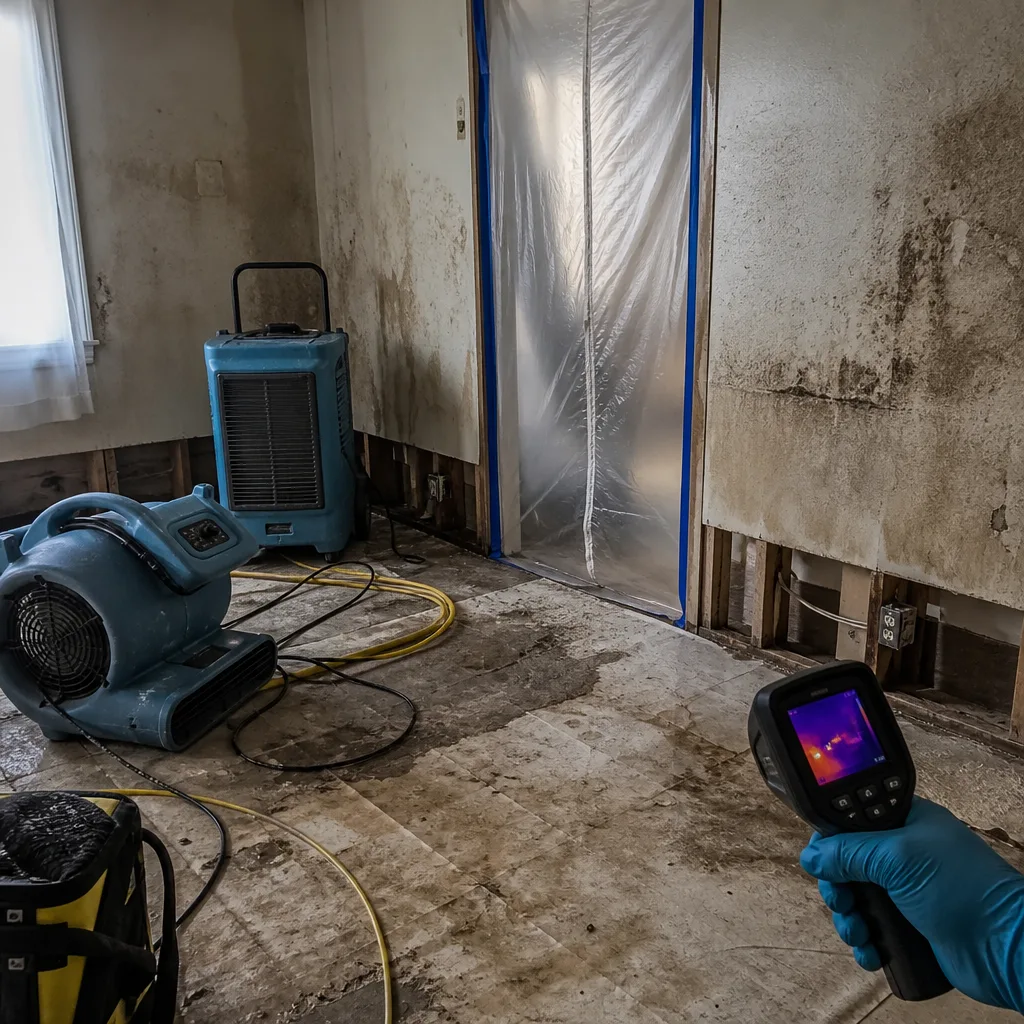 Before
 After
After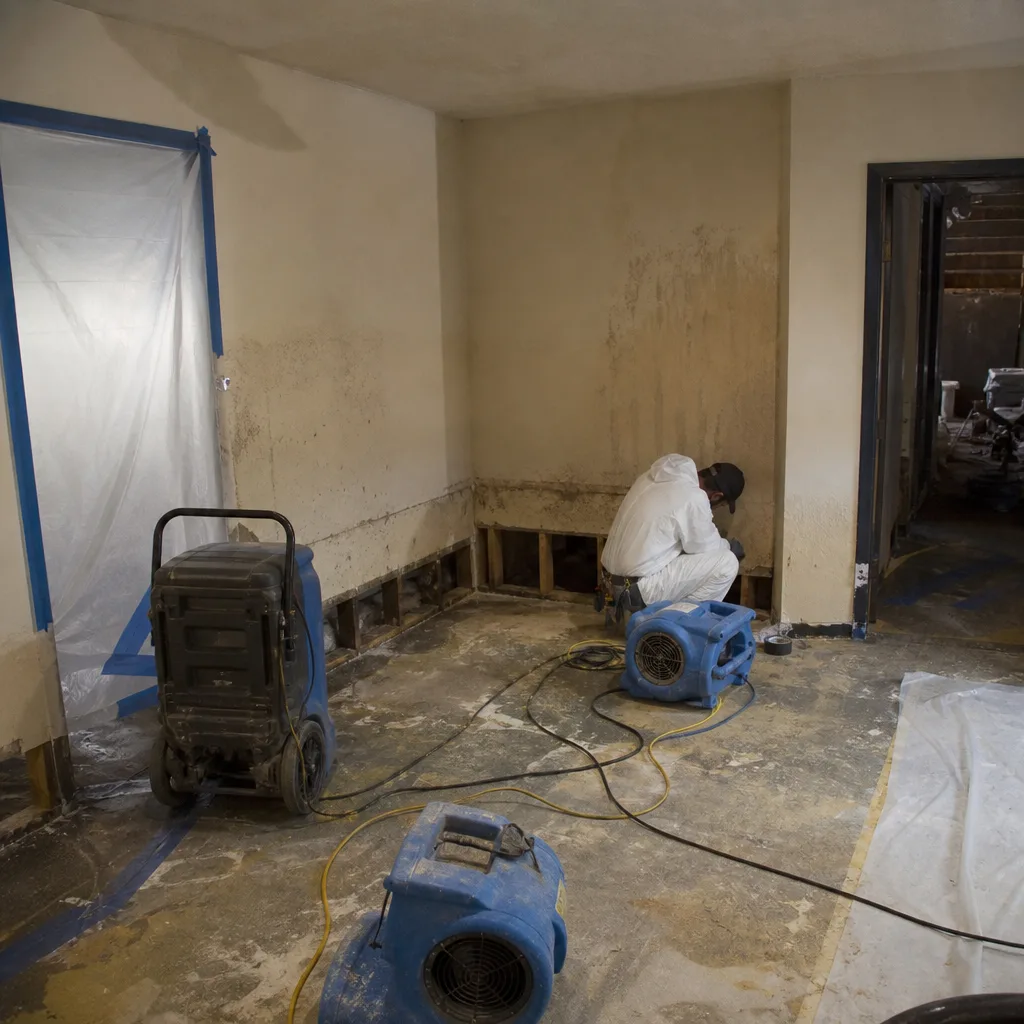 Before
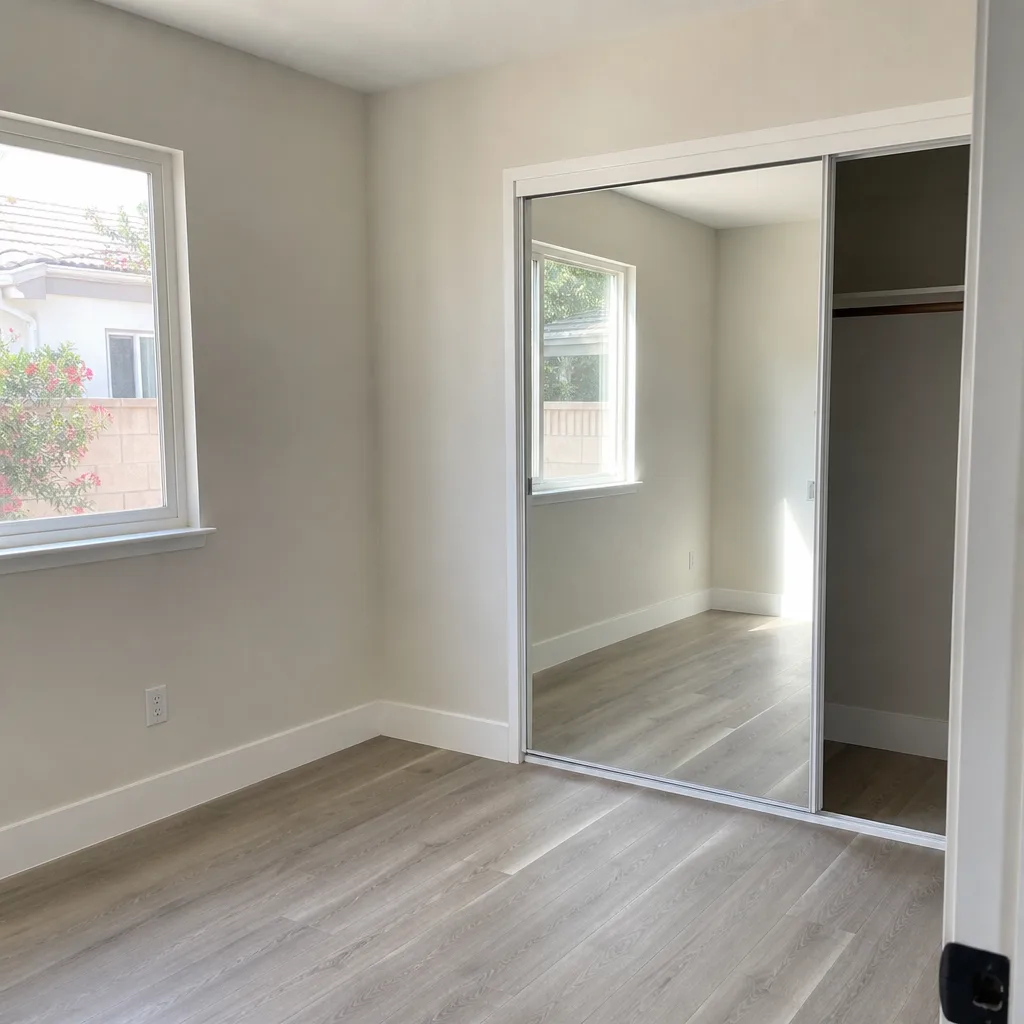 After
After24/7 Emergency Water Damage Restoration in Wilmington
Water damage restoration in Wilmington typically costs $2,800-$6,500 for a standard residential dry-out and runs higher when asbestos abatement or subsidence-related structural work enters the scope. Most extraction and stabilization jobs begin within 45 minutes of your call. Call (424) 305-3365 now - a live person answers, 24 hours a day, with no voicemail trees while water is still moving through your walls.
We’re dispatched from our Los Angeles office and route crews directly into Wilmington, including the corridors near Avalon Boulevard, the blocks bordering the refinery, and the residential pockets between the Port of Los Angeles and the 110. The first hour determines whether you’re looking at a three-day dry-out or a three-week reconstruction. Our Water Damage Restoration team carries thermal imaging, moisture meters, and extraction equipment on every truck, and we document pre-existing conditions before we start - critical in a neighborhood where historic oil-field subsidence has already cracked foundations and shifted floors.
Understanding Water Damage Restoration Severity in Wilmington Properties
Water damage in Wilmington breaks into three categories, and misclassification here costs homeowners their health and their claims. Category 1 is clean water from a supply line - still urgent, but salvageable if we act fast. Category 2 carries contaminants, common when harbor-contaminated groundwater seeps through subsidence cracks or when the marine layer drives moisture into compromised building envelopes. Category 3 is black water: sewage, flooding from the Wilmington Drain, or any intrusion that has contacted hazardous material. Porous materials in Category 2 and 3 losses must be removed, not dried in place.
Wilmington’s housing stock complicates every classification. The post-WWII worker bungalows and stucco homes built between the 1940s and 1960s - the dominant architecture from the blocks near Banning Park to the streets off Pacific Coast Highway - contain original galvanized supply lines that corrode from the inside, knob-and-tube or early Romex wiring that can’t tolerate moisture, and confirmed asbestos in floor tiles, pipe insulation, and textured ceilings. We test before we disturb. A restoration crew that skips this step turns a water job into an abatement shutdown, with the homeowner holding the bill for the delay.
Moisture mapping with thermal imaging and penetrating hygrometers tells us where water traveled, not just where it pooled. In Wilmington’s older homes with settled foundations and out-of-level floors, water migrates unpredictably - across sill plates, through compromised stucco weep screeds, into wall cavities behind intact drywall. Our psychrometric data, the science of air moisture and temperature, drives the drying plan: we calculate vapor pressure differential to pull moisture from deep in the structure rather than just drying the surface.
Why Wilmington Property Owners Choose DryMark Restoration Carson
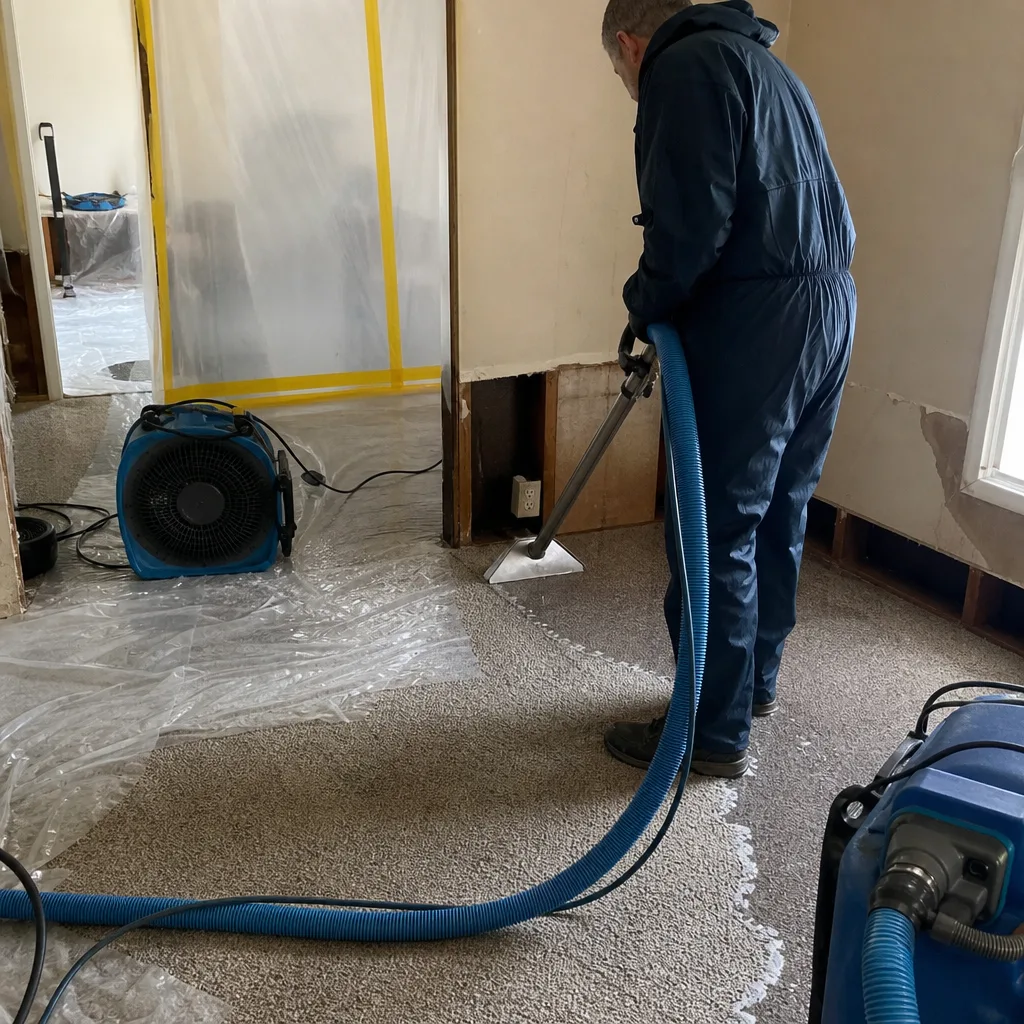
- 45-minute response commitment to Wilmington addresses - crews carry extraction gear, air movers, and dehumidifiers on every truck, so stabilization starts immediately, not after a warehouse stop.
- 24/7 live answer - a real person, never an automated system or next-business-day callback, because water doesn’t observe business hours and neither do we.
- IICRC-certified crews - our technicians hold WRT (Water Damage Restoration Technician), FSRT (Fire & Smoke Restoration Technician), and AMRT (Applied Microbial Remediation Technician) certifications, with license numbers documented on every job file.
- Free visual inspection - we assess the loss, identify pre-existing conditions, and deliver a written scope before any equipment runs or any wall is opened.
- Direct insurance billing - we coordinate with your adjuster, submit documentation in Xactimate format, and handle carrier negotiation so you’re not translating moisture readings into claim language.
- One team from extraction to reconstruction - no handoffs between mitigation and rebuild contractors, no finger-pointing when the scope changes, and a single point of accountability under The Haven Standard.
 Before
 After
AfterOur Water Damage Restoration Process
1. Inspection & Assessment
We arrive with thermal imaging cameras, penetrating and non-penetrating moisture meters, and borescopes for cavity inspection. In Wilmington, we photograph pre-existing diagonal stress cracks at window corners, uneven floors, and any foundation separation before we touch a tool - documentation that protects you from subsidence damage being misattributed to your water loss.
2. Extraction & Stabilization
Standing water comes out first: truck-mounted extractors for deep saturation, portable units for confined spaces, and weighted extraction tools for carpet and pad. We identify and stop the source - burst pipe, failed supply line, or compromised envelope - and test for asbestos before any demolition begins.
3. Drying & Dehumidification
We deploy Dri-Eaz and Phoenix LGR dehumidifiers, XPOWER and B-Air air movers, and Injectidry cavity-drying systems to force dry air into wall and ceiling voids. Daily moisture logs track specific humidity, temperature, and grain depression per room - the documentation that turns restoration invoices into payable claims.
4. Cleaning & Sanitization
Category 2 and 3 losses receive antimicrobial treatment with EPA-registered products. HEPA air scrubbers run during and after demolition to capture airborne particulates, including any asbestos fibers disturbed during the emergency phase. We clean to IICRC S500 standards, not to what looks acceptable.
5. Subsidence & Structural Review
Before we close walls, we compare post-dry conditions to our pre-mitigation photos. New cracks, continued floor settlement, or compromised load-bearing elements get flagged for structural evaluation - critical in Wilmington, where oil-field subsidence has damaged foundations that water intrusion can worsen if left unaddressed.
6. Repairs & Restoration
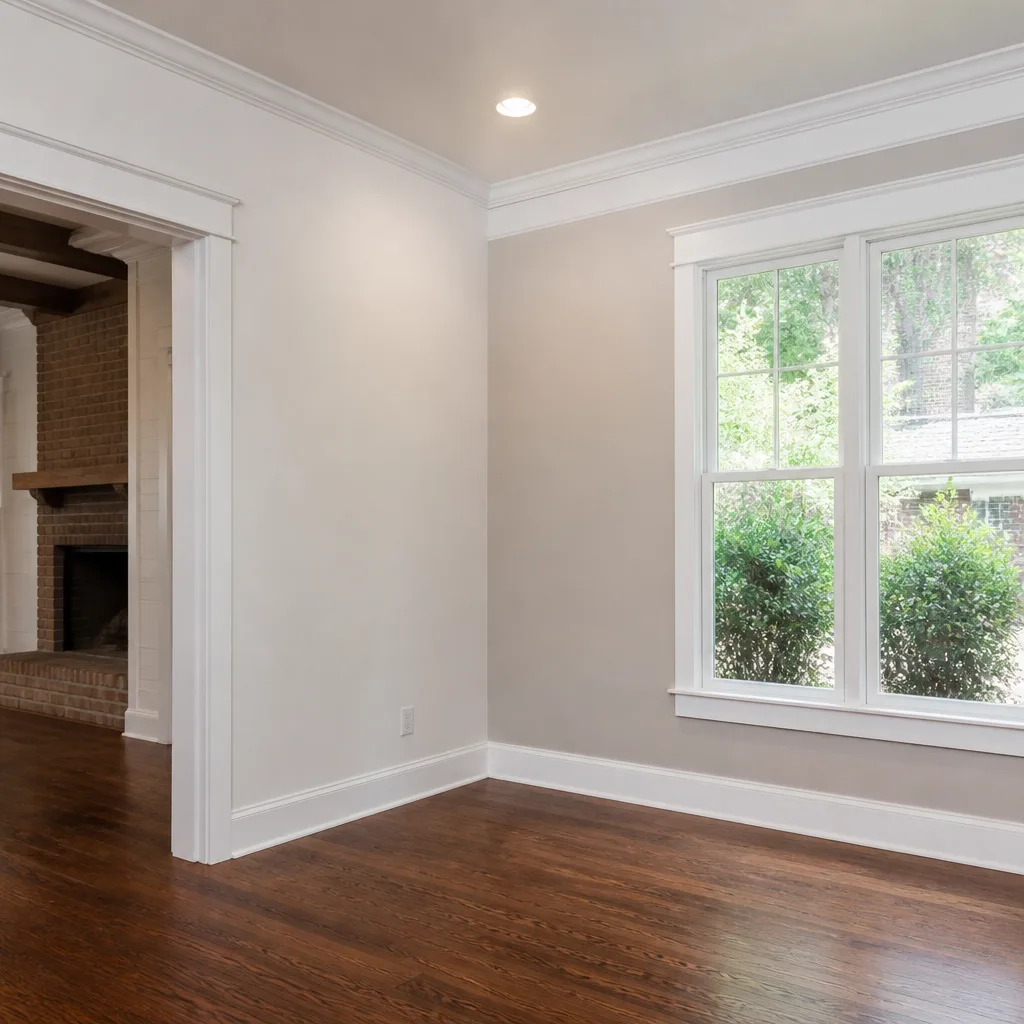
We rebuild what we removed: drywall, insulation, flooring, trim, and paint matched to existing finishes. Every repair carries our 365-Day Done Right Promise under The Haven Standard - if it’s not right, we make it right, with a signed guarantee, not a verbal assurance.
Need Emergency Water Damage Restoration in Wilmington Now?
Crews minutes away, answering live 24 hours a day. The sooner we start, the less it costs.
Working With Your Insurance Company
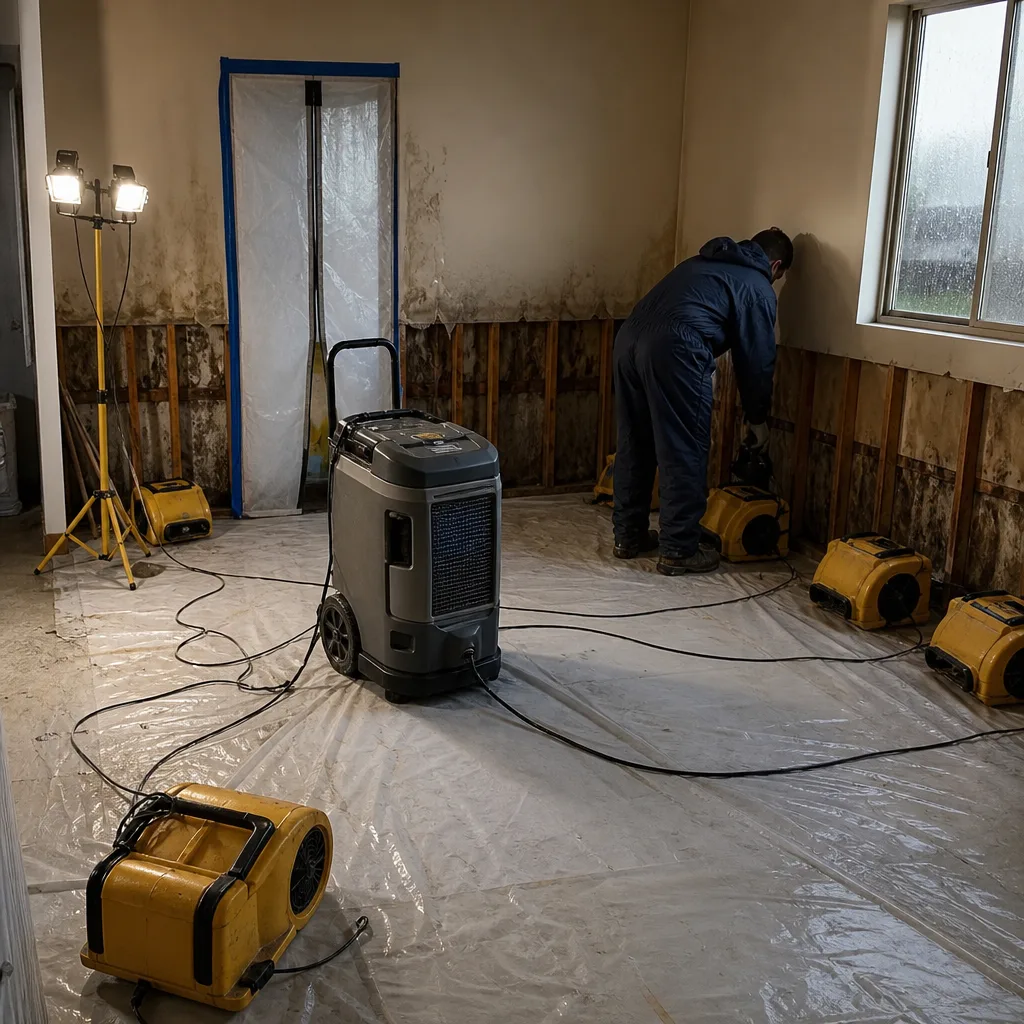
Insurance claims fail on documentation gaps. We close those gaps from hour one. Our estimates follow Xactimate, the industry-standard pricing platform that adjusters recognize and carriers accept without negotiation delays. We photograph every room before, during, and after work. We record moisture readings daily. We deliver a written scope with line-item pricing before any work begins - Haven Standard, Clause 1 - so your adjuster sees exactly what was damaged, exactly what we did, and exactly what it cost.
Direct adjuster communication is standard, not an upsell. We conference with your carrier, explain our drying logs in claim language, and push back when scope is inappropriately reduced. In Wilmington, where subsidence complicates every loss attribution, our pre-mitigation photo documentation often becomes the difference between a covered water claim and a denied structural exclusion.
What We Provide Your Insurer
- Thorough documentation of the loss
- Photos of all damage, room by room
- Moisture readings and drying logs
- A detailed, line-item scope of work
- Direct coordination with your carrier
Built for Wilmington’s Loss Calendar
January through March brings the heaviest rain months to the South Bay, and Wilmington’s flat topography plus aging storm-drain infrastructure means street flooding that backs into low-lying homes - particularly the blocks near the Wilmington Drain and the industrial corridors where impermeable surfaces dominate. Supply-line bursts spike when temperatures dip into the 40s and homeowners crank undersized wall heaters, stressing original galvanized pipes already thinned by decades of internal corrosion.
April through June, the marine layer thickens. That persistent salt-laden fog rolling off the harbor penetrates building envelopes that subsidence has already cracked, creating condensation inside walls that homeowners mistake for plumbing leaks. We run full cavity inspections on every “minor” moisture call during this season - surface dry-out without dehumidification leaves enough residual moisture for mold colonization in 24 to 48 hours.
July through October is dry but not safe. The Port of Los Angeles generates dust and particulate that settles in HVAC systems; when Santa Ana winds or fall temperature swings create pressure differentials, contaminated air moves through water-damaged ductwork. November and December bring the second rain peak, and holiday travel means leaks go undetected for days. Our 24/7 live answer exists for the homeowner who lands at LAX to find their Wilmington bungalow flooded from a failed water heater.
Water Damage Restoration Across Wilmington’s Neighborhoods
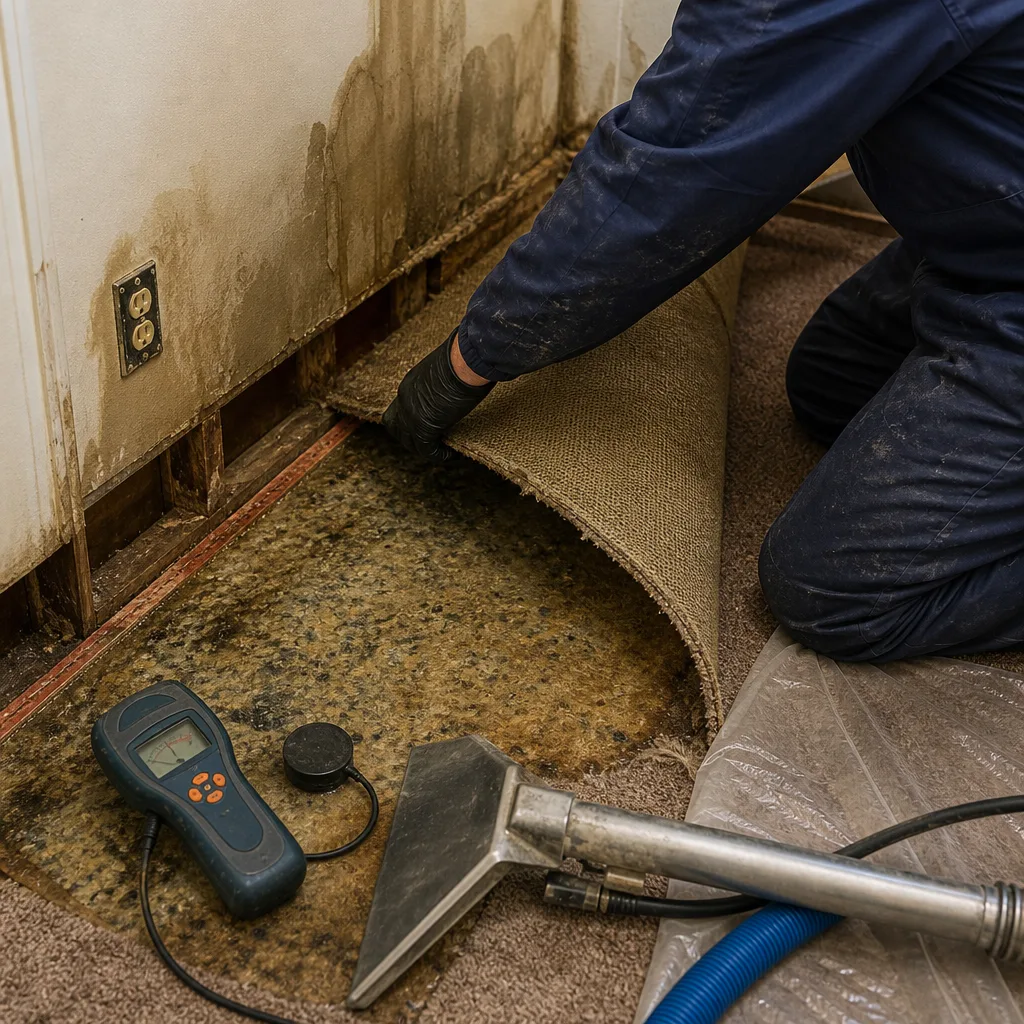
We respond throughout Wilmington’s distinct residential and commercial zones, and each carries its own loss pattern.
The refinery corridor and blocks immediately off Avalon Boulevard hold the oldest worker housing - 1940s and 1950s bungalows with original galvanized plumbing, confirmed asbestos in nearly every floor tile and textured ceiling, and subsidence damage so common that our techs carry pre-printed photo-documentation checklists. Burst pipe restoration here almost always requires asbestos testing before walls open, and we coordinate licensed abatement as part of the scope.
Banning Park and the surrounding residential pocket sit slightly higher, with 1960s and early 1970s stucco tract homes that have better plumbing but worse drainage. The clay-heavy soils hold water against foundations, and we see chronic seepage that homeowners misidentify as slab leaks. Moisture mapping distinguishes foundation perimeter saturation from supply-line failure - different causes, different scopes, different coverage.
The Pacific Coast Highway corridor mixes commercial and residential, with older retail buildings converted to live-work spaces. Flat roofs, original tar-and-gravel membranes, and Harbor-adjacent wind exposure create roof leak water damage that travels laterally across multiple units before showing as ceiling stains. We coordinate with property managers and multiple insurers on these losses.
Blocks near Anaheim Street and the Wilmington waterfront face the highest flood risk - street flooding during king tides and storm surges, plus the persistent salt-air corrosion that degrades fasteners and flashing faster than any inland neighborhood. Structural drying here includes corrosion assessment on metal framing and hardware, not just wood moisture content.
Specialized Water Damage Restoration Services We Offer in Wilmington
Emergency Water Extraction
Standing water comes out within minutes of our arrival, not hours. Truck-mounted extractors pull thousands of gallons per hour; portable units handle crawl spaces and second stories. In Wilmington’s settled homes with uneven floors, water pools in corners and behind built-ins that less thorough crews miss - we map before we extract, then extract to the map.
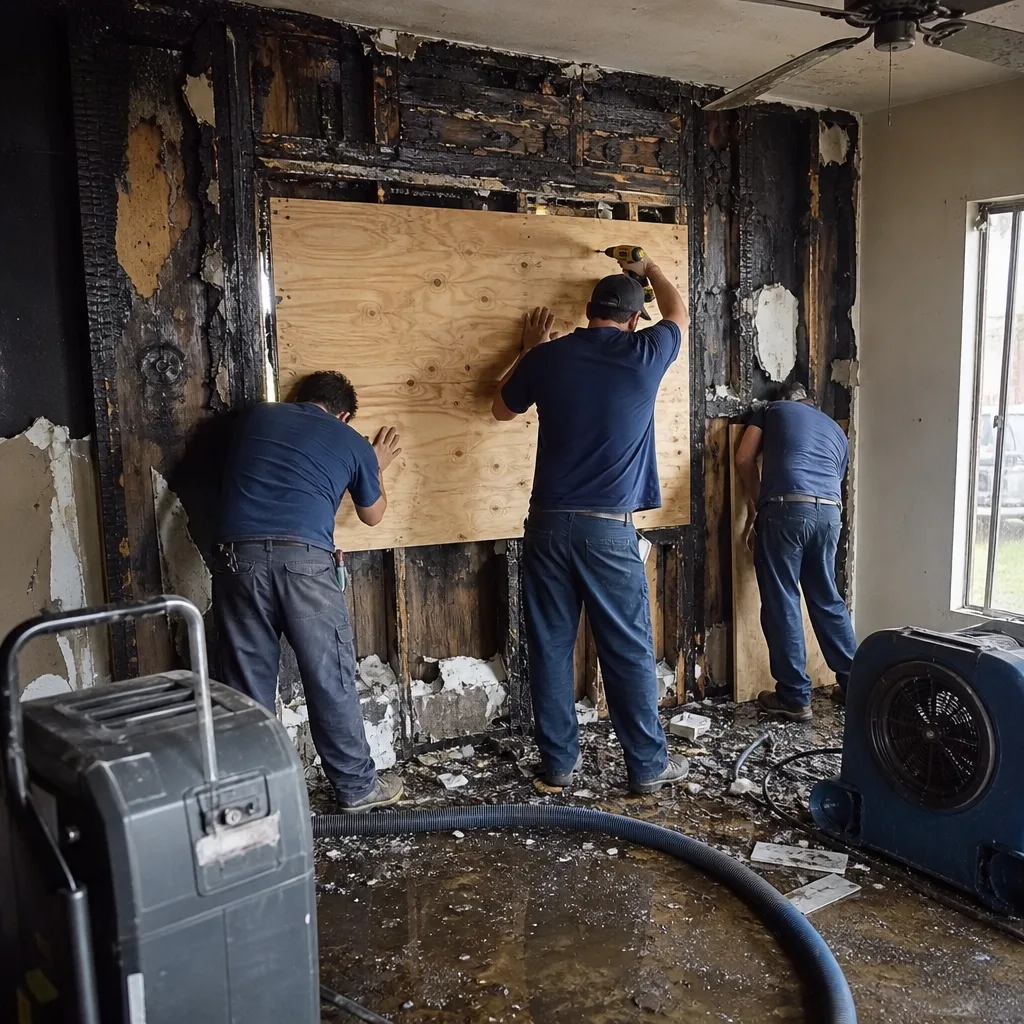
Structural Drying & Dehumidification
We dry to a specific moisture content, not to what feels dry. Dri-Eaz and Phoenix LGR dehumidifiers pull vapor from the air; Injectidry systems force dry air into wall cavities through small injection ports, preserving drywall when possible. Daily psychrometric readings - temperature, relative humidity, specific humidity, and grain depression - document progress and prove completion to your insurer.
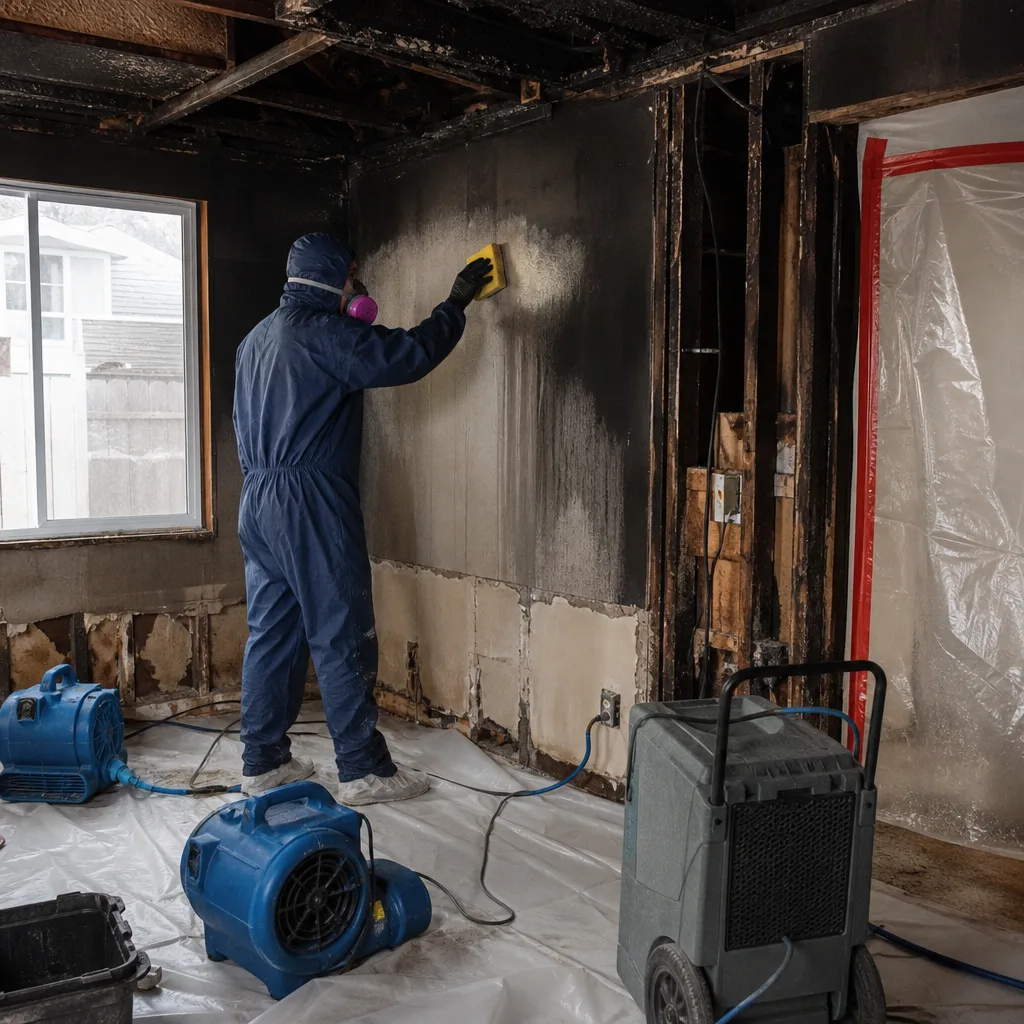
Flood Cleanup
Wilmington’s flat grade and aging drainage mean street flooding enters homes through doors, windows, and foundation cracks. Flood water is Category 2 or 3 by definition - harbor-contaminated, chemically loaded, or sewage-tainted. We remove porous materials, sanitize structural elements, and test for contaminants before clearance. No “dry and paint” shortcuts on flood losses.
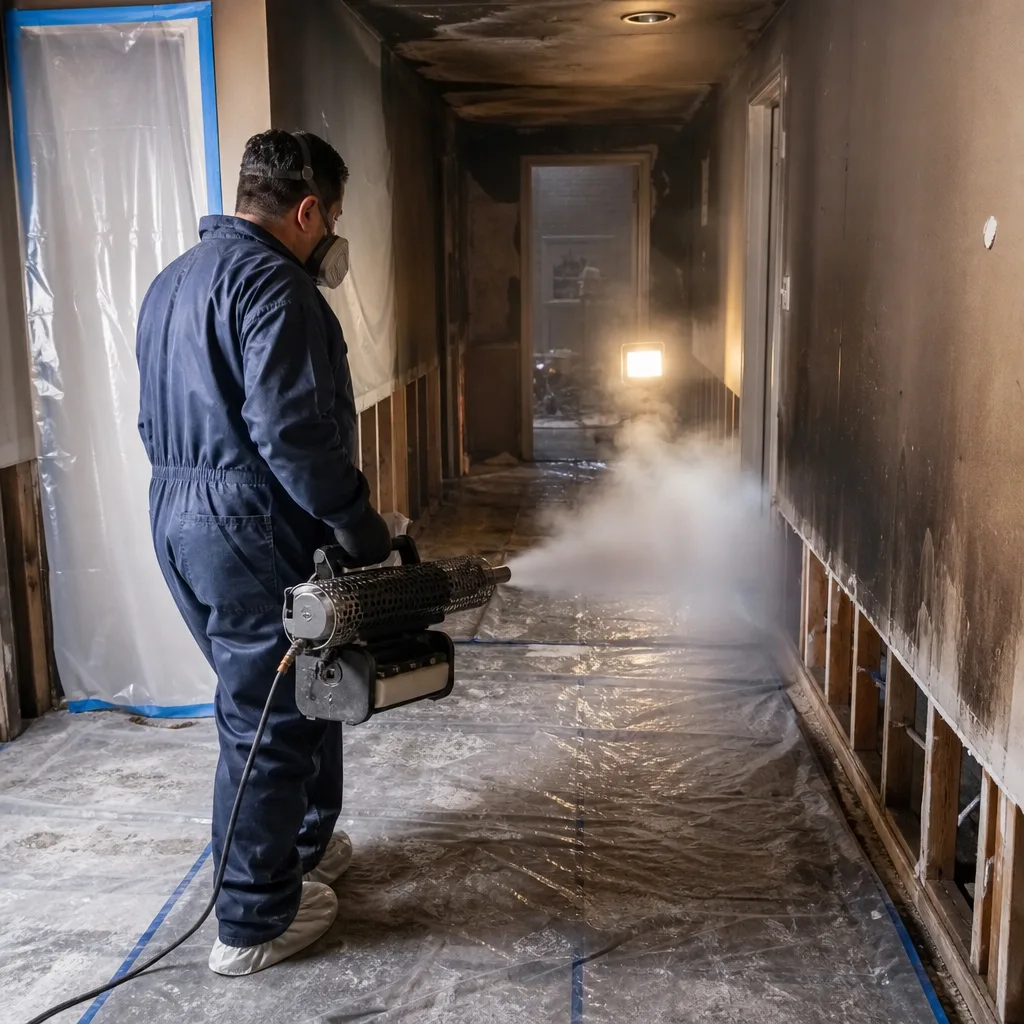
Burst Pipe Restoration
Original galvanized supply lines in Wilmington’s post-WWII housing fail from the inside - pinhole leaks that spray inside walls for weeks before detection, or catastrophic splits during cold snaps. We repair or replace to code, coordinate asbestos abatement when walls contain confirmed material, and pressure-test the full line to identify additional failure points before we close.
Basement Water Removal
Few Wilmington homes have full basements, but the ones that do - mostly commercial conversions and a handful of older homes near Banning Park - face hydrostatic pressure from saturated soils and sump pump failures during heavy rain. We install temporary pumping, assess foundation integrity for subsidence-related cracking, and dry with commercial-grade dehumidification sized to below-grade cubic footage.
What happens when you call
- 1
A real person answersNo phone trees - you reach a local pro.
- 2
You get an upfront price rangeHonest numbers before anyone is dispatched.
- 3
A background-checked tech heads outLicensed & insured, dispatched right away.
- 4
You approve before work beginsNothing starts until you say go.
Water Damage Restoration Costs in Wilmington, CA
We deliver a written price before work begins on every job - Haven Standard, Clause 1 - and we review competitor estimates at no charge.
| Service | Typical Range in Wilmington |
|---|---|
| Emergency water extraction (single room) | $450-$950 |
| Structural drying & dehumidification (2-3 rooms, 3-5 days) | $2,200-$4,800 |
| Flood cleanup with Category 3 sanitization | $3,500-$7,500 |
| Burst pipe repair + drywall restoration | $1,800-$4,200 |
| Asbestos testing (required before disturbance) | $350-$650 |
| Full-scope water damage restoration with rebuild | $6,500-$14,000+ |
What moves the price: square footage affected, water category (Category 3 requires more demolition and PPE), asbestos presence, subsidence-related structural complications, and whether the loss requires content pack-out. Insurance typically covers sudden and accidental water damage from supply lines, appliance failures, and weather events; gradual leaks and maintenance issues often fall to the homeowner. We document the cause of loss to support your coverage position, not to inflate the scope.
Our free visual inspection gives you a firm, written scope with line-item pricing - no “we’ll see when we open the wall” estimates. Call (424) 305-3365 to schedule.
We Also Serve Cities Near Wilmington
Our crews route daily from the Los Angeles office into surrounding South Bay communities: Lakewood, where post-war ranch homes face similar aging-plumbing challenges; Carson, with its mix of residential and industrial water-loss scenarios; San Pedro, where hillside drainage and harbor proximity create unique moisture patterns; and Torrance, with a newer housing stock but equally complex insurance documentation needs. Each city page carries the same documentation-first standard and the same written-price guarantee.
Serving Wilmington, CA - Our Local Coverage Area
We’re based in the Wilmington area and know this community well. Use the map below to see our service coverage - if you’re nearby, we can almost certainly help.
Wilmington Water Damage Restoration Questions, Answered
Why do Wilmington homes near the refinery corridor sometimes show cracked foundations and sloped floors after a water leak?
They showed those cracks before the leak. Wilmington sits atop the Wilmington Oil Field, where decades of petroleum extraction caused land subsidence that cracked foundations and shifted load-bearing walls across the neighborhood. Our techs photograph pre-existing diagonal stress cracks and uneven floors before any mitigation begins, so decades-old settlement damage isn’t misattributed to your water loss. Call (424) 305-3365 for an inspection that documents what’s new and what’s historic.
How does Wilmington’s coastal marine layer affect how fast mold grows after a water intrusion?
It accelerates colonization significantly. Wilmington’s position between the Port of Los Angeles and the Dominguez Hills traps salt-laden harbor air that corrodes structural fasteners and creates persistent humidity even on days without rain. Mold can establish in 24 to 48 hours after water intrusion here, faster than in inland LA neighborhoods. We run dehumidification and air filtration during every dry-out, and we perform full cavity inspection before declaring a structure dry - surface readings aren’t enough in this climate.
Does my 1950s Wilmington bungalow need asbestos testing before water damage restoration can begin?
Yes, if we need to disturb original building materials. Wilmington’s post-WWII worker housing contains confirmed asbestos in floor tiles, pipe insulation, and textured ceilings. Disturbing these materials without licensed abatement shuts down the job site and creates a health hazard. We test before we cut, and we coordinate abatement as part of the scope when needed. The test runs $350-$650; skipping it can cost thousands in delays and remediation. Call (424) 305-3365 and we’ll include testing in your written scope.
What’s the difference between Category 1, 2, and 3 water when you assess a Wilmington flood or leak?
Category 1 is clean water from a supply line or faucet - still time-sensitive, but salvageable. Category 2 carries contaminants, common when harbor-contaminated groundwater seeps through subsidence cracks or when the marine layer drives moisture into compromised envelopes. Category 3 is black water: sewage, flooding from the Wilmington Drain, or any intrusion contacting hazardous material. Porous materials in Category 2 and 3 losses must be removed and discarded, not dried in place. We classify correctly on arrival and document the category for your insurer.
Can you repair a burst galvanized pipe in my Wilmington home, or do I need to replace the whole line?
We can repair a single burst section, but we rarely recommend it. Original galvanized supply lines in Wilmington’s 1940s-1960s housing corrode from the inside; one failure signals others imminent. We pressure-test the full line, identify additional thin points, and present replacement options with written pricing for each. Partial repair is cheaper today. Full replacement is cheaper over the life of the home. Your written scope shows both paths.
How fast can your crew actually get to my Wilmington address?
We commit to 45 minutes from call to arrival for emergency water extraction. Crews carry extraction gear, air movers, and dehumidifiers on every truck, so stabilization starts immediately. We route from our Los Angeles office into Wilmington 24 hours a day, including the refinery corridor, Banning Park area, and Pacific Coast Highway corridor. A live person answers every call - no voicemail, no next-business-day callback while water spreads.
Will my insurance cover water damage restoration in Wilmington?
Sudden and accidental water damage - burst pipes, appliance failures, weather intrusion - is typically covered under standard homeowners policies. Gradual leaks, maintenance neglect, and flood from outside sources often require separate flood coverage. We document the cause of loss with photos, moisture readings, and written scope to support your coverage position. We bill carriers directly and negotiate scope with adjusters. Bring any competitor’s written estimate and we’ll review it free - Haven Standard, no charge for a second opinion.
What should I do in the first 30 minutes after discovering water damage?
Shut off the water source if you can locate it safely. Turn off electricity to affected areas if water is near outlets or panels - but don’t enter standing water to do so. Move small valuables and documents to dry ground. Then call (424) 305-3365. Don’t wait for “business hours.” Don’t run a household vacuum on water. And don’t let a crew start demolition without photographing pre-existing conditions - in Wilmington, that documentation protects you from subsidence claims.
Written by Alicia Brennan, Owner at Back to Dry Restoration, serving Wilmington since 2011.
Water Damage Restoration in Nearby Areas