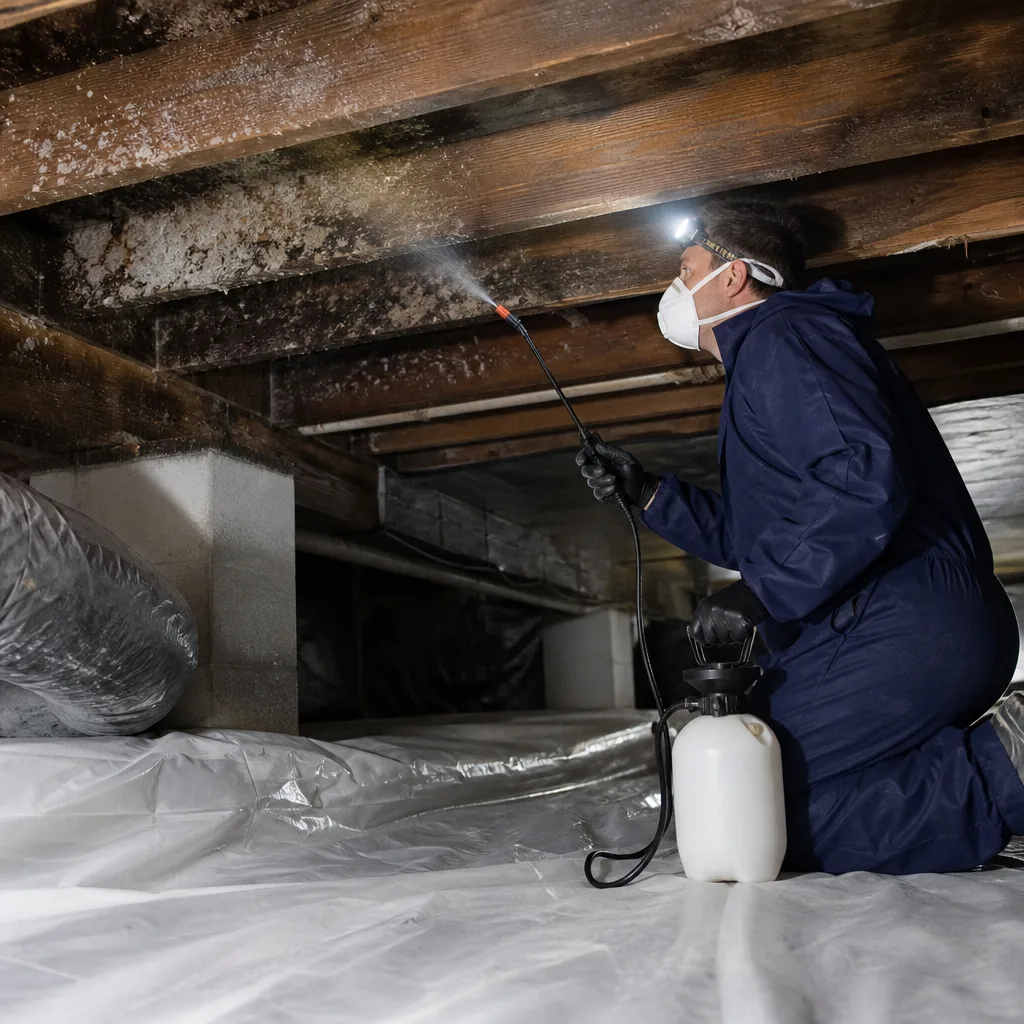
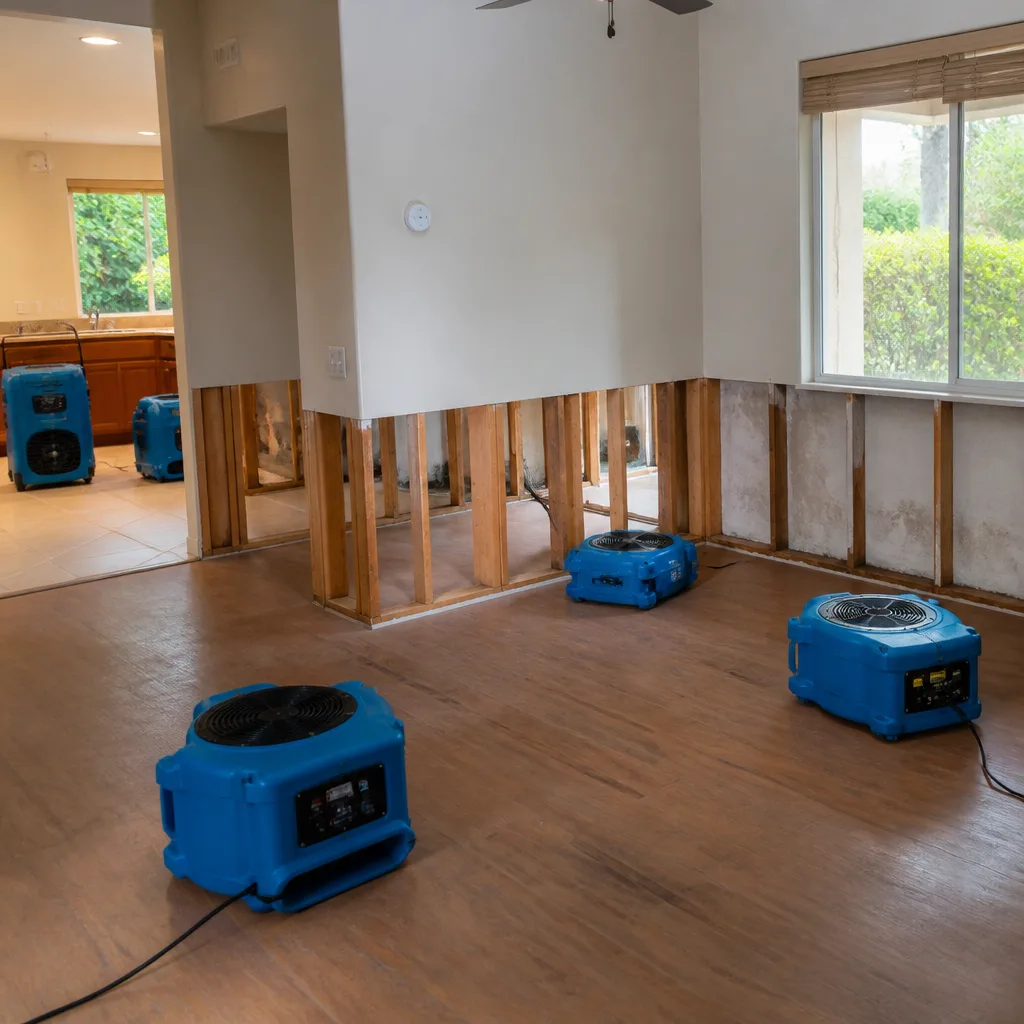
Free visual inspection and a written scope of work before any mitigation begins - photos, moisture readings, and drying logs go in your claim file
The scope we write is the scope we bill. Anything new gets shown to you, in writing, before we touch it.
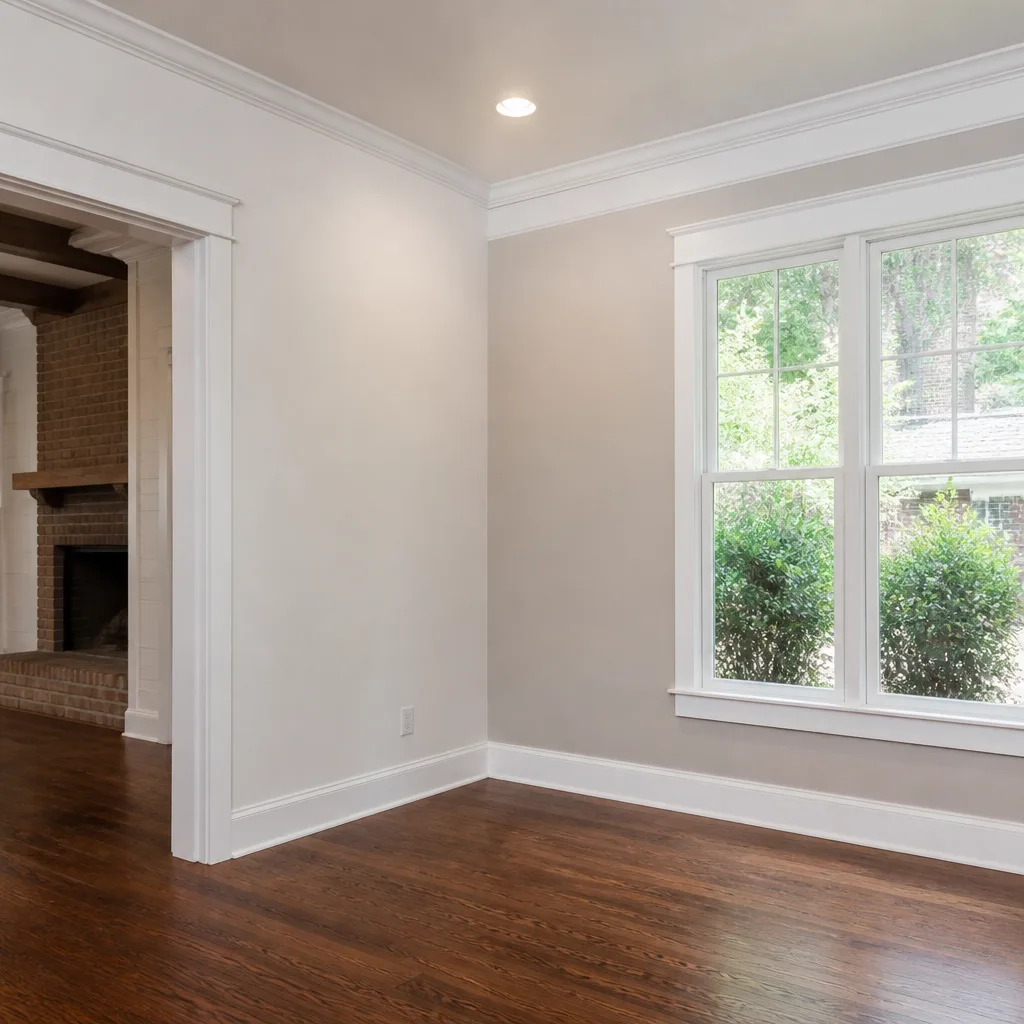
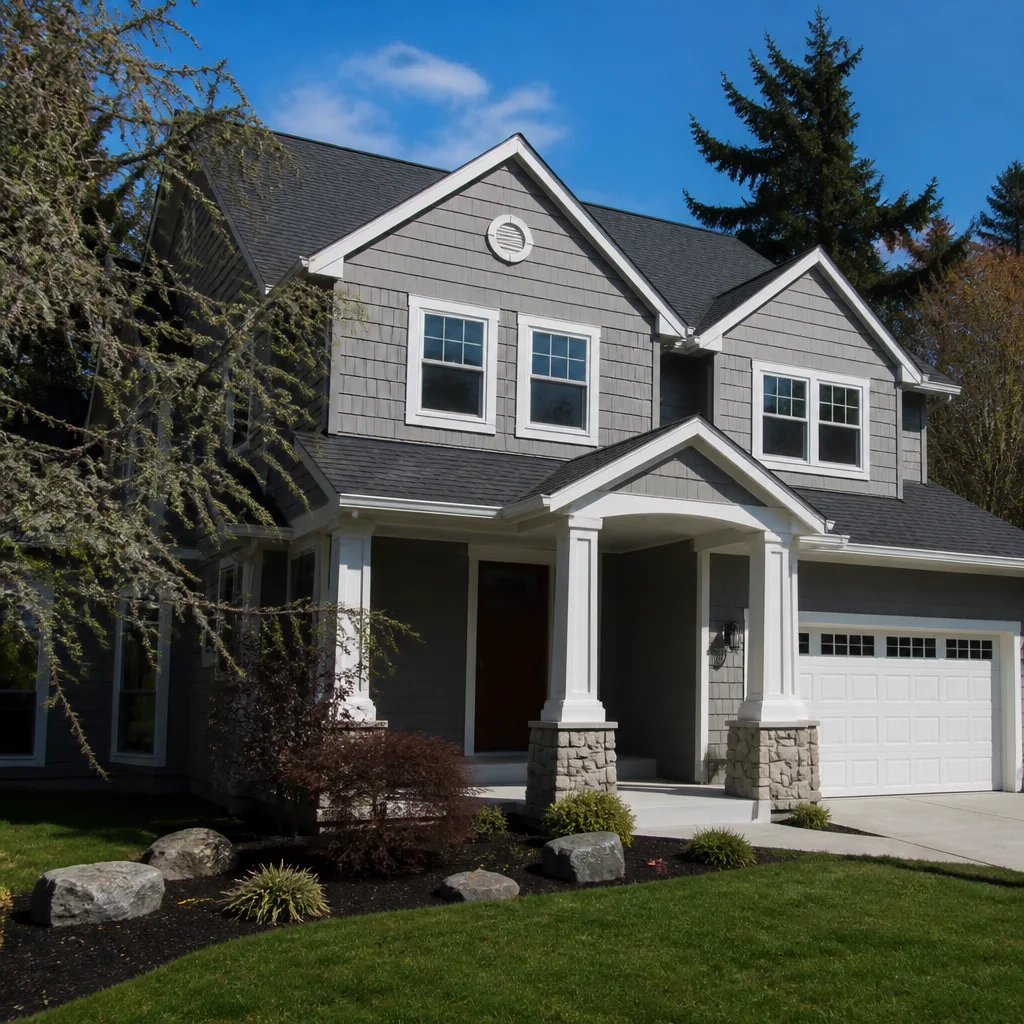
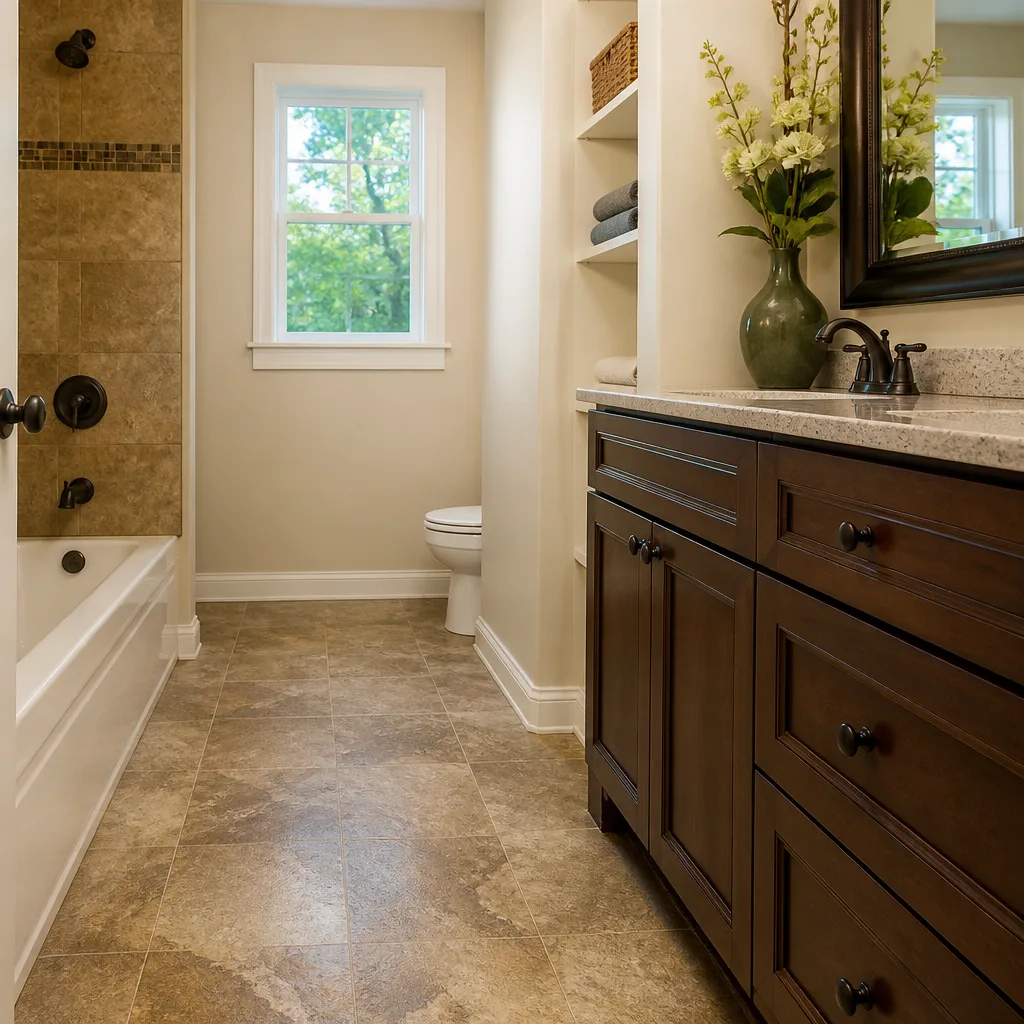
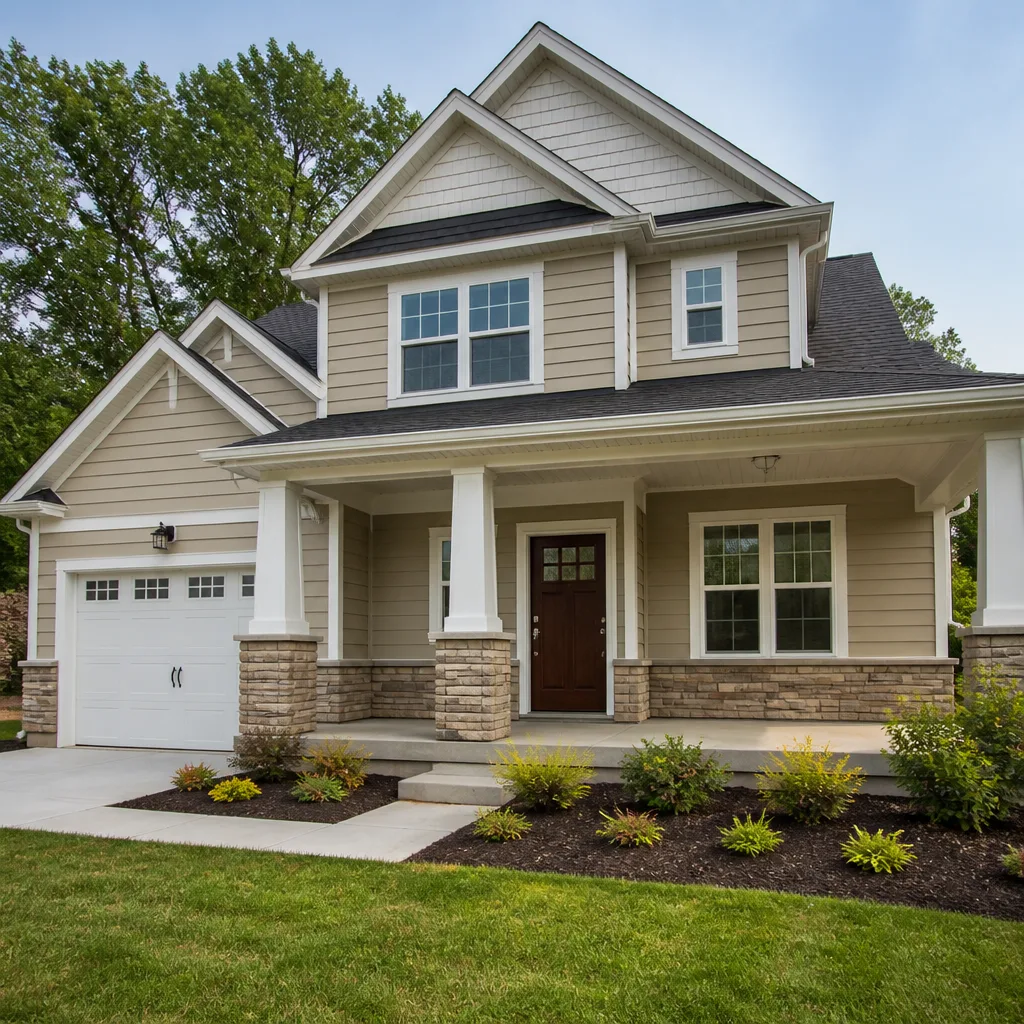
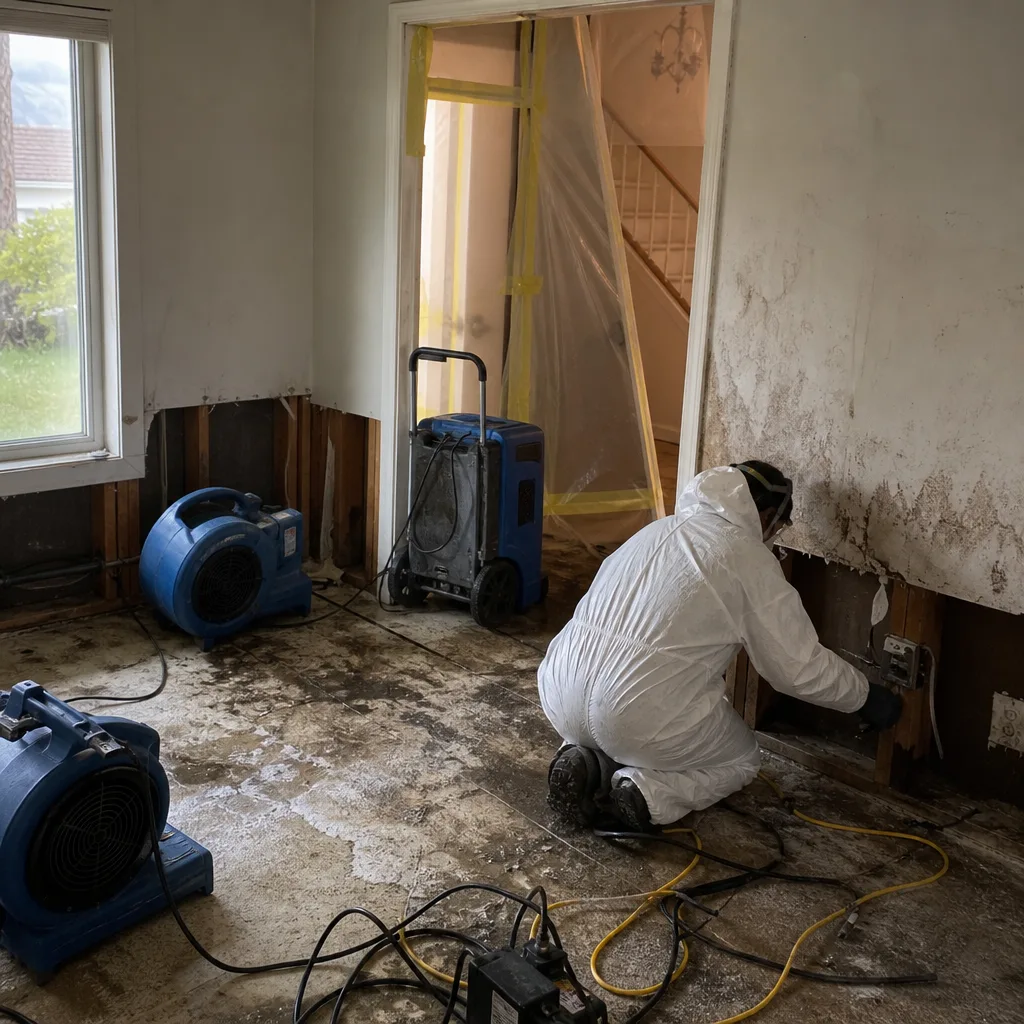 Before
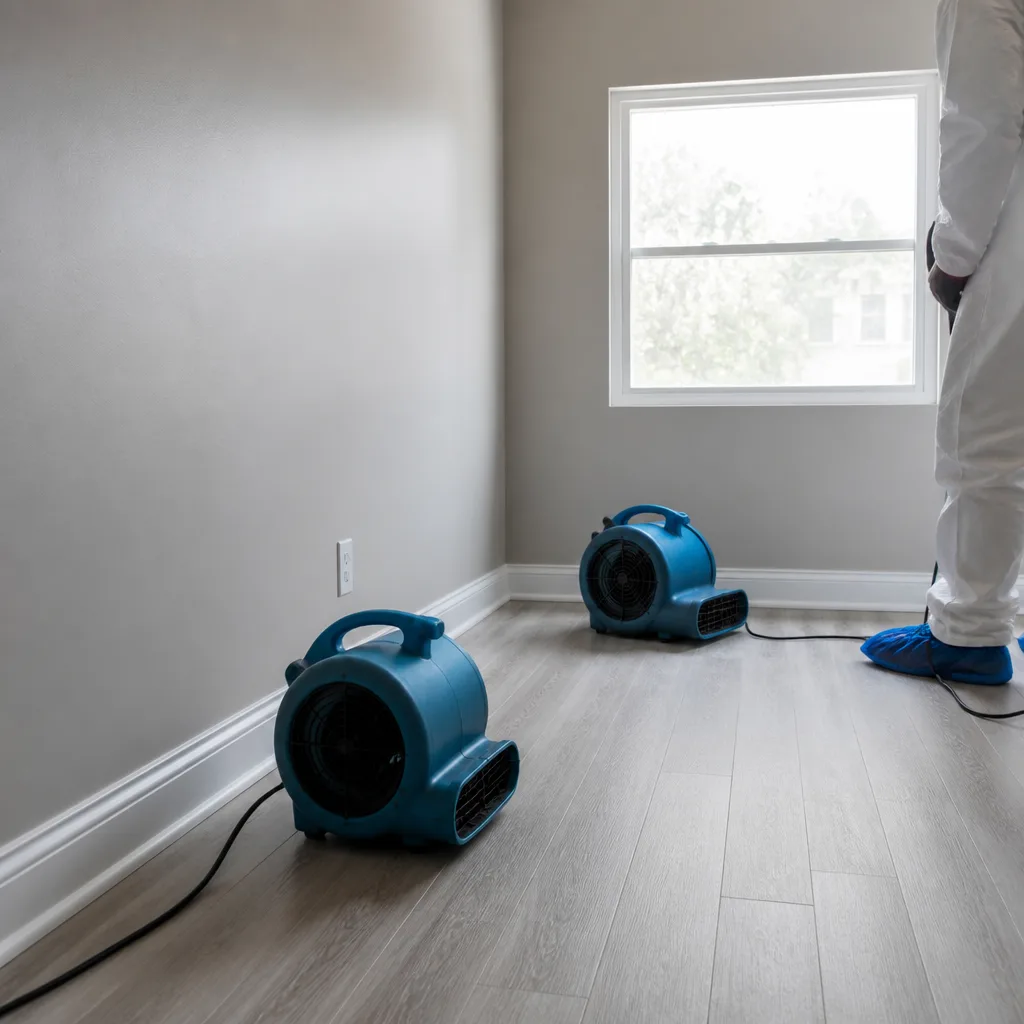 After
After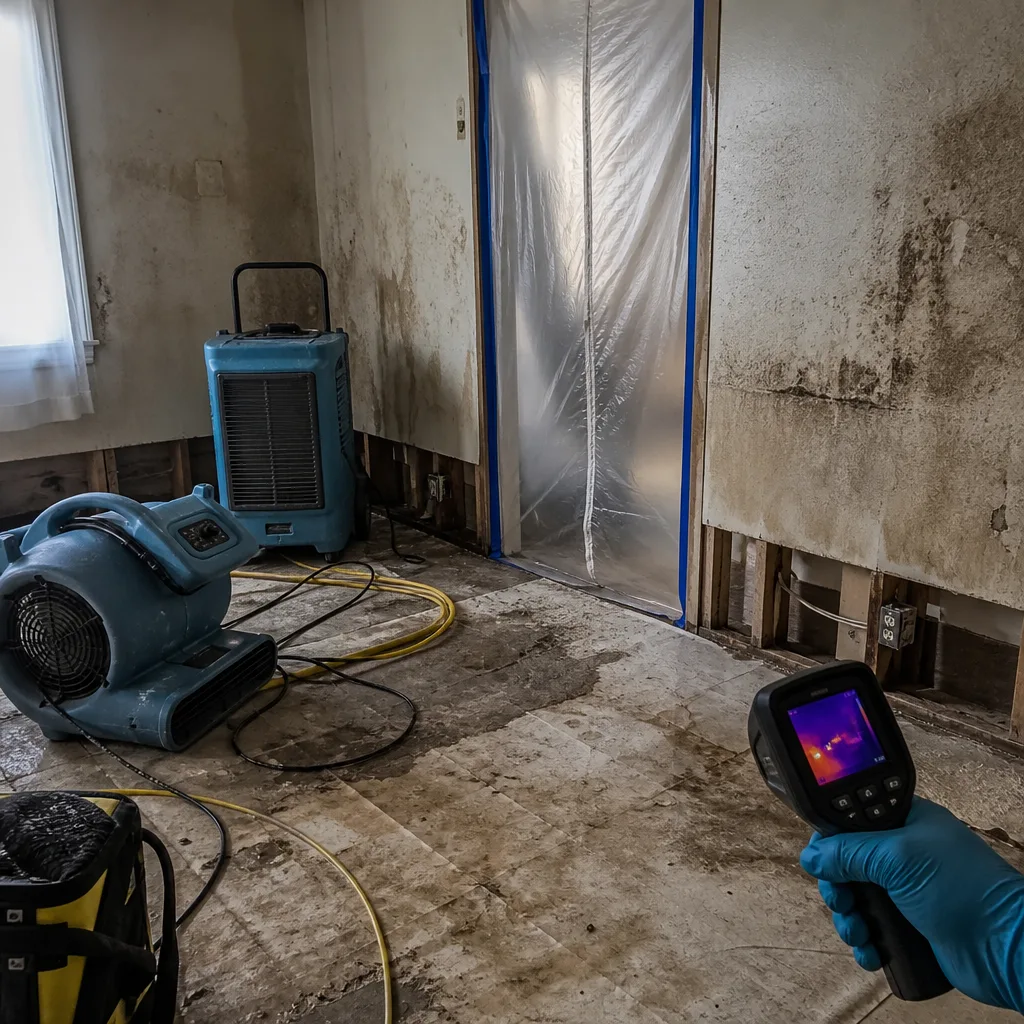 Before
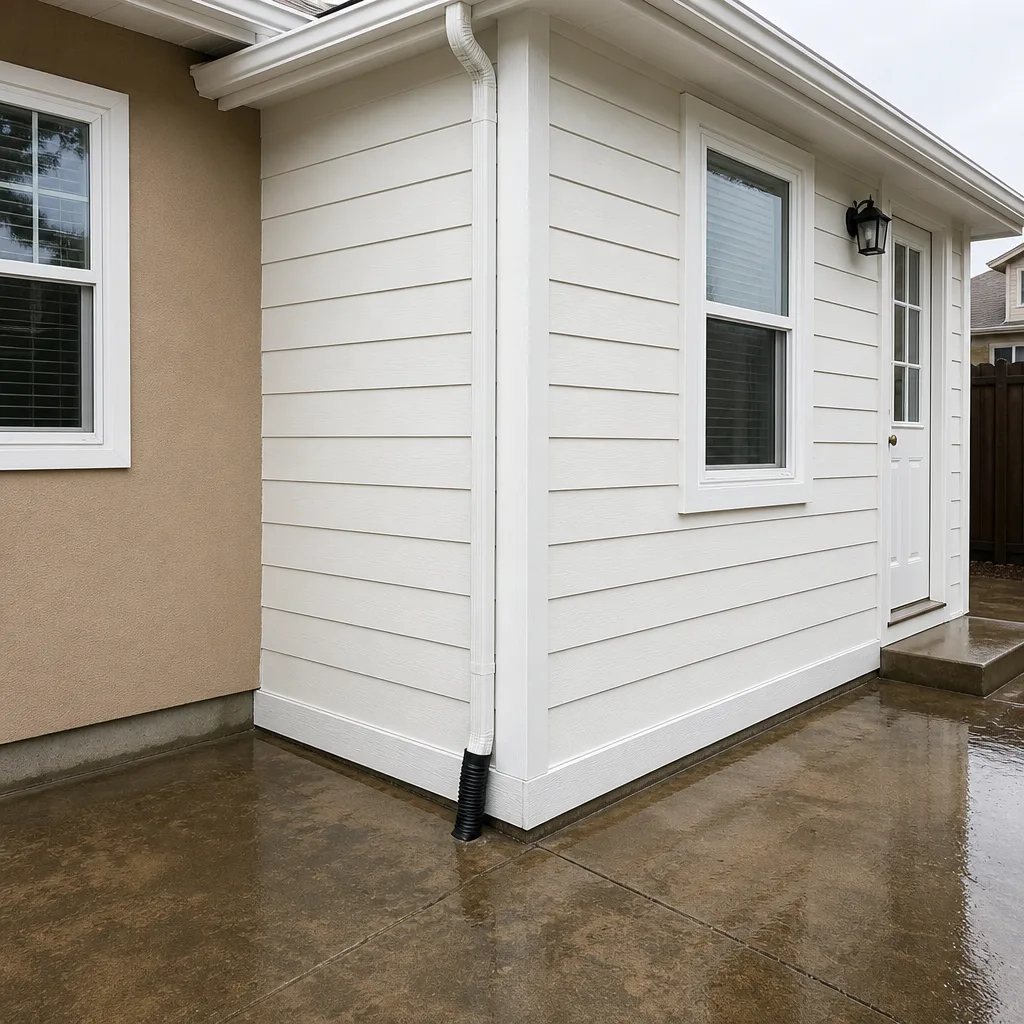 After
After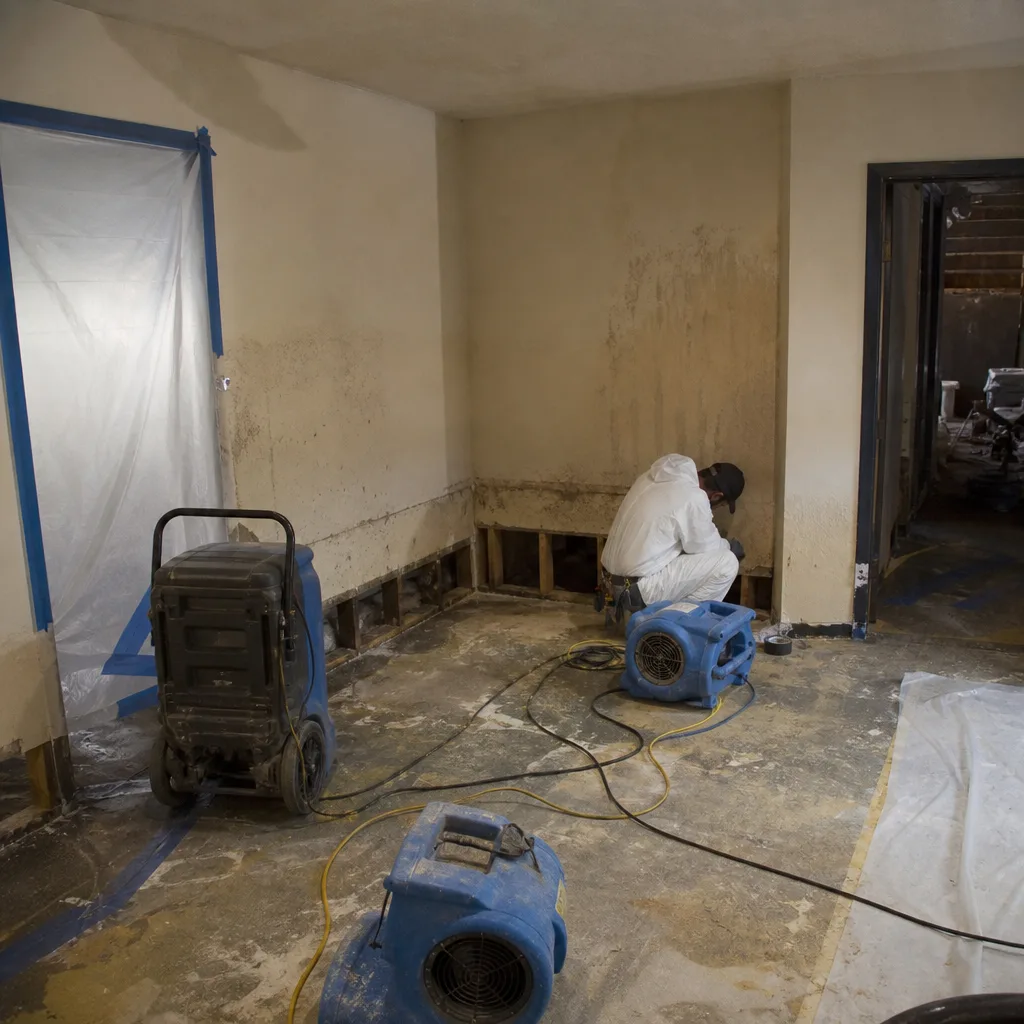 Before
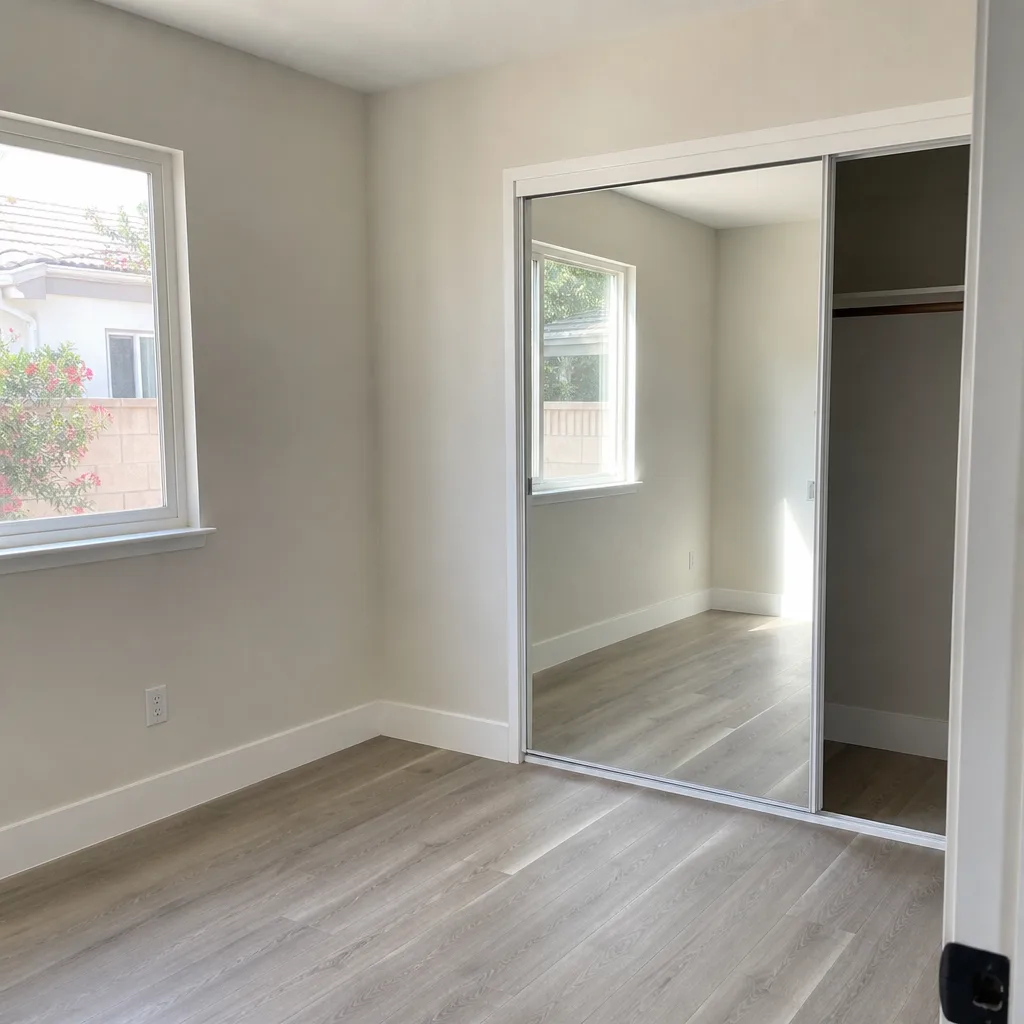 After
After24/7 Emergency Mold Remediation in Torrance
Mold remediation in Torrance typically costs $1,800-$6,500 depending on affected square footage, with containment and air-scrubbing jobs on the lower end and full-structure remediation after Category 2 or 3 water losses on the higher end. Most Torrance properties we assess are reached within 45 minutes, and crews are available around the clock at (424) 305-3365. The first hour matters because mold colonies double in mass every 24 to 48 hours under the persistent marine-layer humidity that blankets this part of the South Bay, and by the time you smell it, the colony has already established a foothold behind drywall or under slab.
We answer live, 24 hours a day, 7 days a week. No voicemail trees. A real person takes your call, dispatches a crew, and schedules your free visual inspection. Our Mold Remediation teams carry thermal imaging, moisture meters, and air-quality baselining equipment on every truck because Torrance homes demand all three.
Understanding Mold Remediation Severity in Torrance Properties
Mold severity in Torrance is graded by affected square footage, material porosity, and the water category that preceded it. Category 1 water - clean supply-line breaks - can escalate to Category 2 within 48 hours in a Torrance garage or north-facing bedroom where the marine layer keeps relative humidity above 60 percent. Category 3 water, from sewage backup or ground flooding, triggers immediate full-containment protocols with negative air pressure and HEPA scrubbing.
The city’s housing stock shapes every assessment. Most Torrance homes are single-story ranch-style structures built 1950 to 1975 on slab-on-grade foundations with original galvanized or early copper supply lines. Slab construction hides moisture migration under concrete; without thermal imaging and invasive probing, subfloor mold colonies can spread laterally for weeks before surfacing as musty odor or wall discoloration. We document moisture readings in every room, classify materials by porosity (drywall versus tile versus solid wood), and establish a psychrometric baseline - temperature, relative humidity, and vapor pressure differential - before any containment goes up.
Why Torrance Property Owners Choose DryMark Restoration Carson
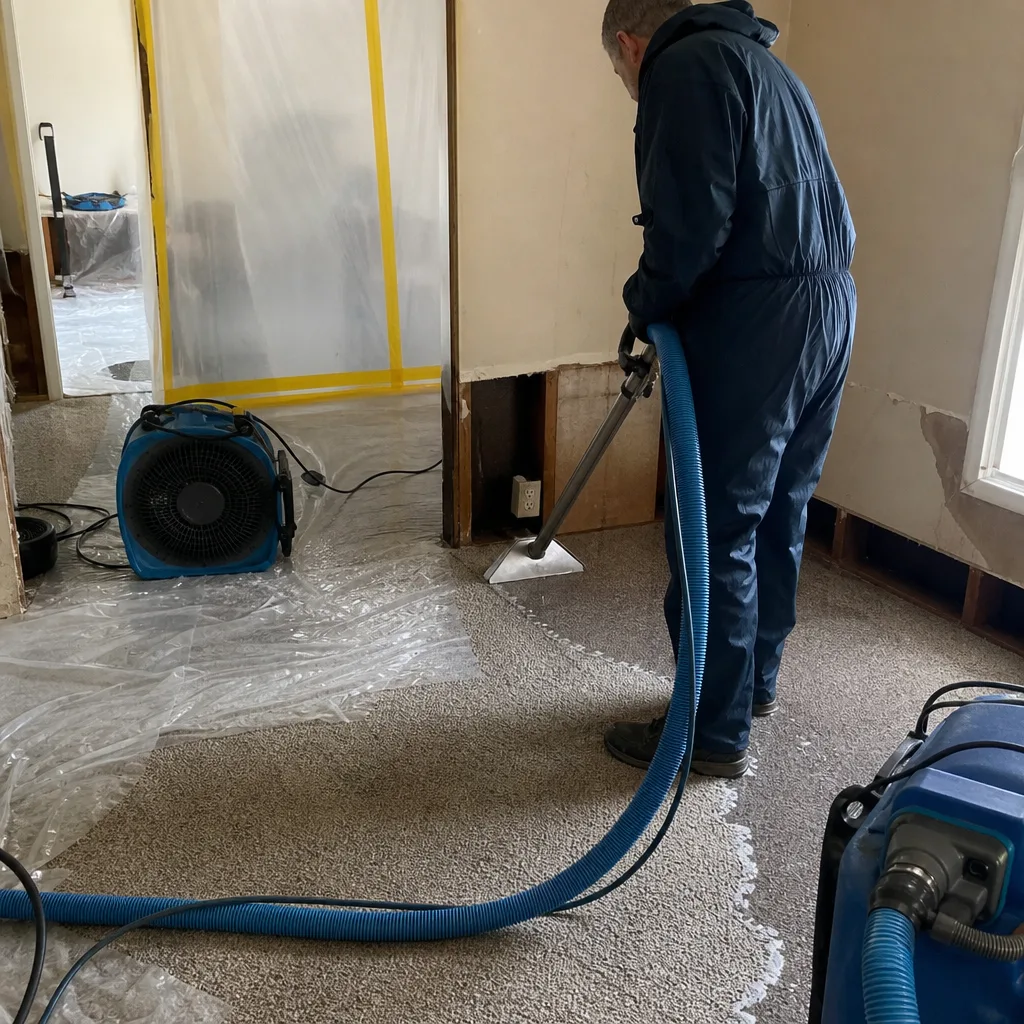
- 45-minute response commitment to Torrance addresses, with crews staged for the South Bay coastal corridor.
- 24/7 live answer - a real person, never an automated system or callback queue, on every call to (424) 305-3365.
- IICRC-certified crews holding WRT (Water Damage Restoration Technician), AMRT (Applied Microbial Remediation Technician), and FSRT (Fire & Smoke Restoration Technician) credentials where the job demands cross-training.
- Free visual inspection with moisture mapping and thermal imaging included, not gated behind a paid assessment.
- Direct insurance billing with photo-documented estimates formatted to carrier standards, plus adjuster coordination from day one.
- One team from containment to reconstruction - no handoffs between mitigation and rebuild contractors that lose documentation in translation.
 Before
 After
AfterOur Mold Remediation Process
1. Inspection & Assessment
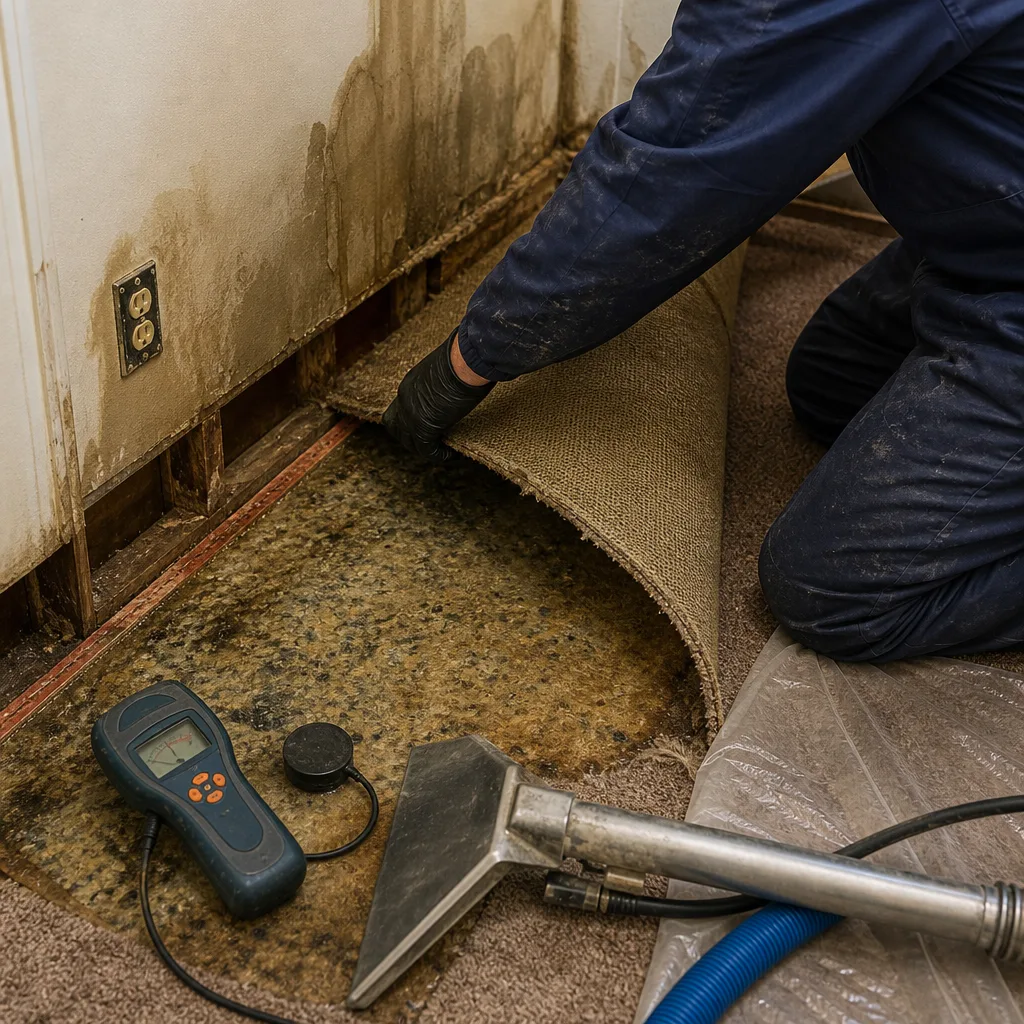
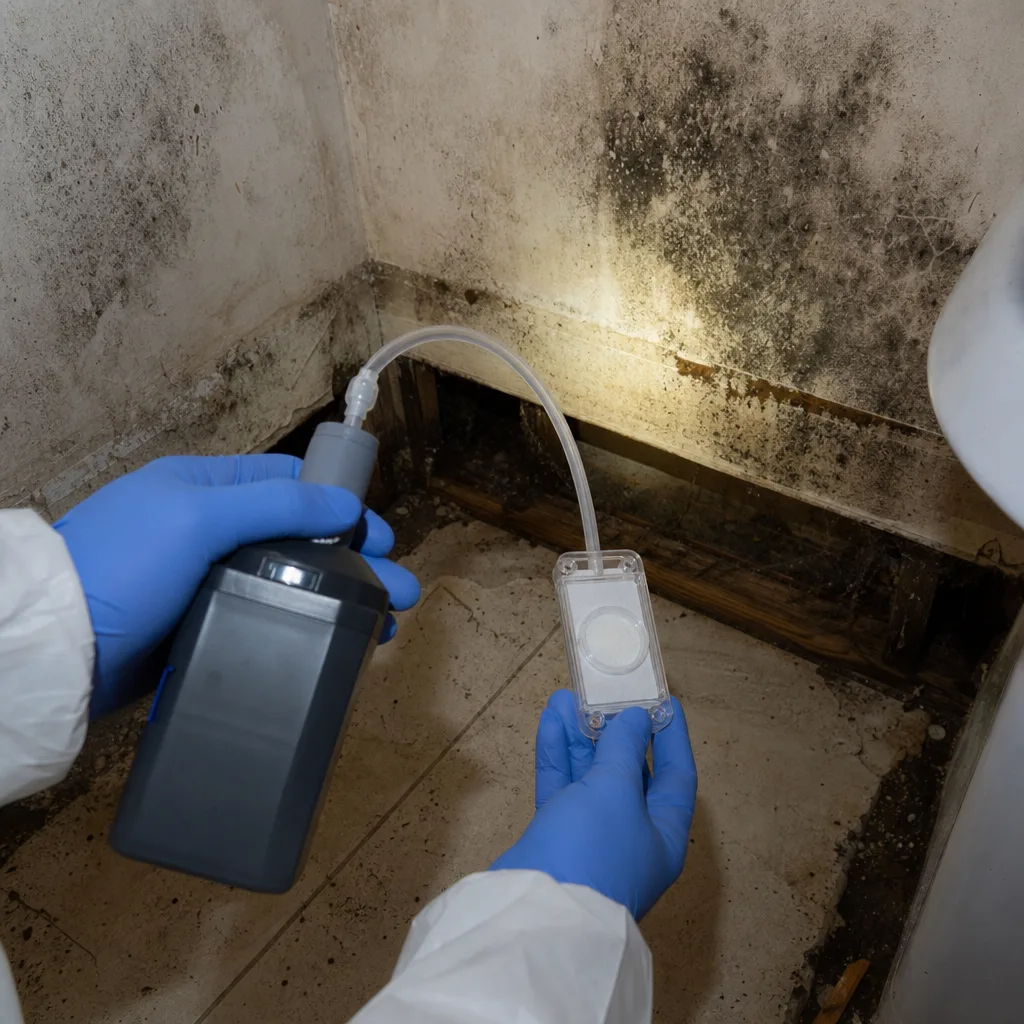
We arrive with FLIR thermal cameras, penetrating and non-penetrating moisture meters, and hygrometers to map the full extent of water migration. In Torrance slab-on-grade homes, we probe perimeter walls and test concrete moisture content because visible damage rarely marks the colony’s true boundary. Air samples and surface swabs are collected when contamination type is uncertain.
2. Containment & Air Filtration
Polyethylene barriers create negative-pressure containment zones. HEPA air scrubbers (Phoenix and Dri-Eaz units rated at 99.97% efficiency to 0.3 microns) run continuously to prevent cross-contamination. In refinery-corridor neighborhoods, we baseline ambient air quality before containment so pre-existing particulates are not mistaken for remediation-generated dust.
3. Moisture & Humidity Control
Dehumidification targets the vapor pressure differential that keeps mold viable. We deploy LGR dehumidifiers and desiccant systems sized to the cubic volume, with daily psychrometric readings logged until equilibrium is reached. Torrance’s marine layer extends this phase compared to inland markets; we do not rush the numbers.
4. Removal & Cleaning
Non-salvageable porous materials - water-stained drywall, compromised insulation, degraded carpet pad - are removed under containment. Hard surfaces receive HEPA vacuuming followed by antimicrobial treatment. We document every square foot removed with photos and moisture readings.
5. Air Quality Restoration & Clearance
Post-remediation air sampling verifies spore counts at or below outdoor baseline levels. In north Torrance, we also confirm hydrocarbon and particulate baselines are unchanged from pre-work readings. Third-party laboratory analysis is available; we provide chain-of-custody documentation for every sample.
6. Repairs & Moisture-Proofing
Our rebuild scope addresses the intrusion source: failing stucco, original single-pane window seals, corroded garage-door hardware that signaled chronic humidity entry. Every repair is quoted in writing before work begins, per Haven Standard, Clause 1.
Need Emergency Mold Remediation in Torrance Now?
Crews minutes away, answering live 24 hours a day. The sooner we start, the less it costs.
Working With Your Insurance Company
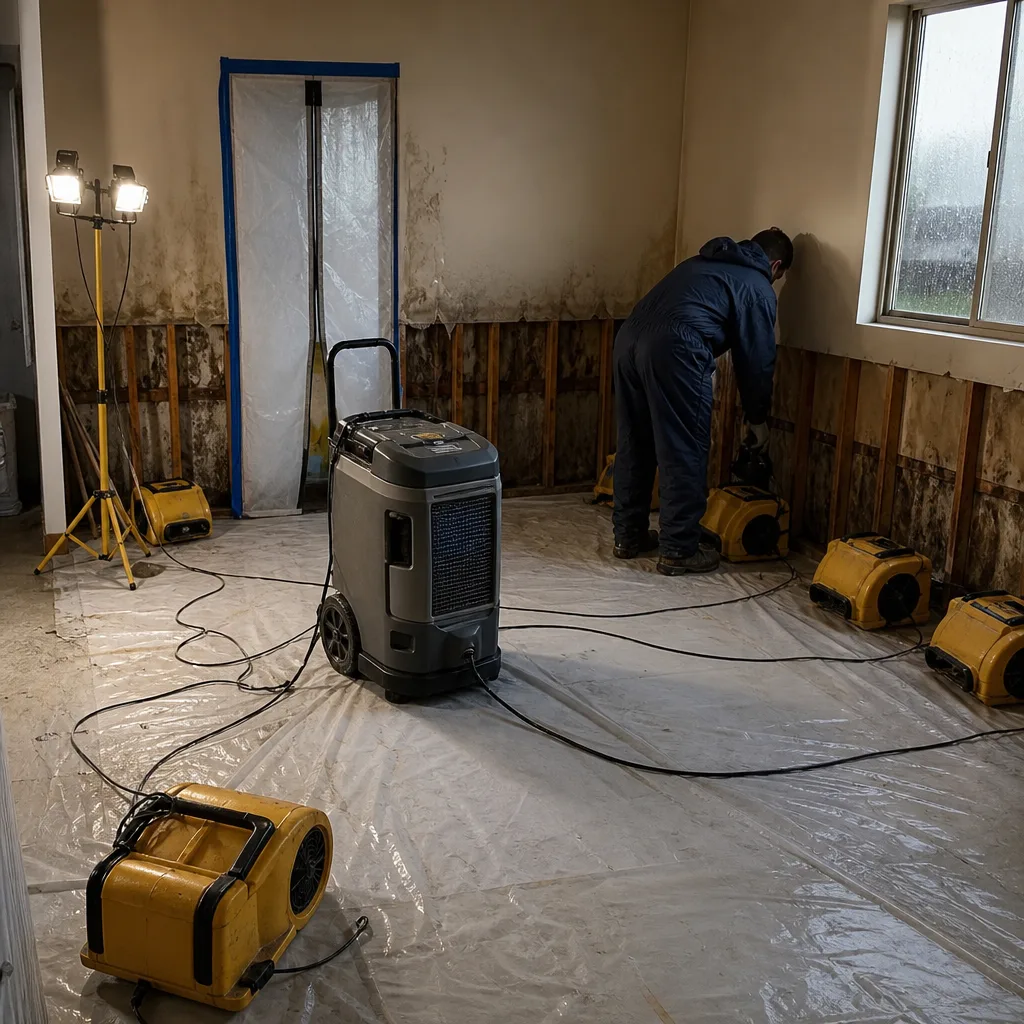
Insurance claims succeed or fail on documentation. We begin building your file from the first phone call: time-stamped photos, room-by-room moisture logs, material classifications, and a line-item scope written to Xactimate or Symbility standards. Your adjuster receives the same documentation we show you - nothing withheld, nothing summarized after the fact.
Direct billing is available with most major carriers. We coordinate inspection appointments, supplement requests, and code-upgrade discussions so you are not translating between a mitigation contractor and a claims department. Our estimates include the photo record, drying logs, and written warranty that turn restoration invoices into payable claims.
What We Provide Your Insurer
- Thorough documentation of the loss
- Photos of all damage, room by room
- Moisture readings and drying logs
- A detailed, line-item scope of work
- Direct coordination with your carrier
Built for Torrance’s Loss Calendar
January through March brings atmospheric-river rain events that saturate Torrance’s flat terrain quickly. Homes with aging exterior stucco or original single-pane windows in north and east Torrance see recurring envelope intrusion; water finds the path of least resistance through deteriorated flashing and settles in wall cavities.
April through June, the marine layer thickens and humidity rises while temperatures stay moderate - ideal mold conditions. July and August bring brief warming, but coastal fog keeps overnight humidity elevated; structural drying that takes three days in Gardena routinely requires five to six in Torrance. September through November is peak Santa Ana wind season, which cracks stucco and loosens roof flashing, creating new intrusion points before winter rains return.
Year-round, the salt-air corrosion pattern attacks garage-door hardware - springs, hinges, rollers, tracks - exposing chronic humidity intrusion that feeds mold behind garage walls before homeowners notice interior damage. We inspect this hardware on every Torrance assessment.
Mold Remediation Across Torrance’s Neighborhoods
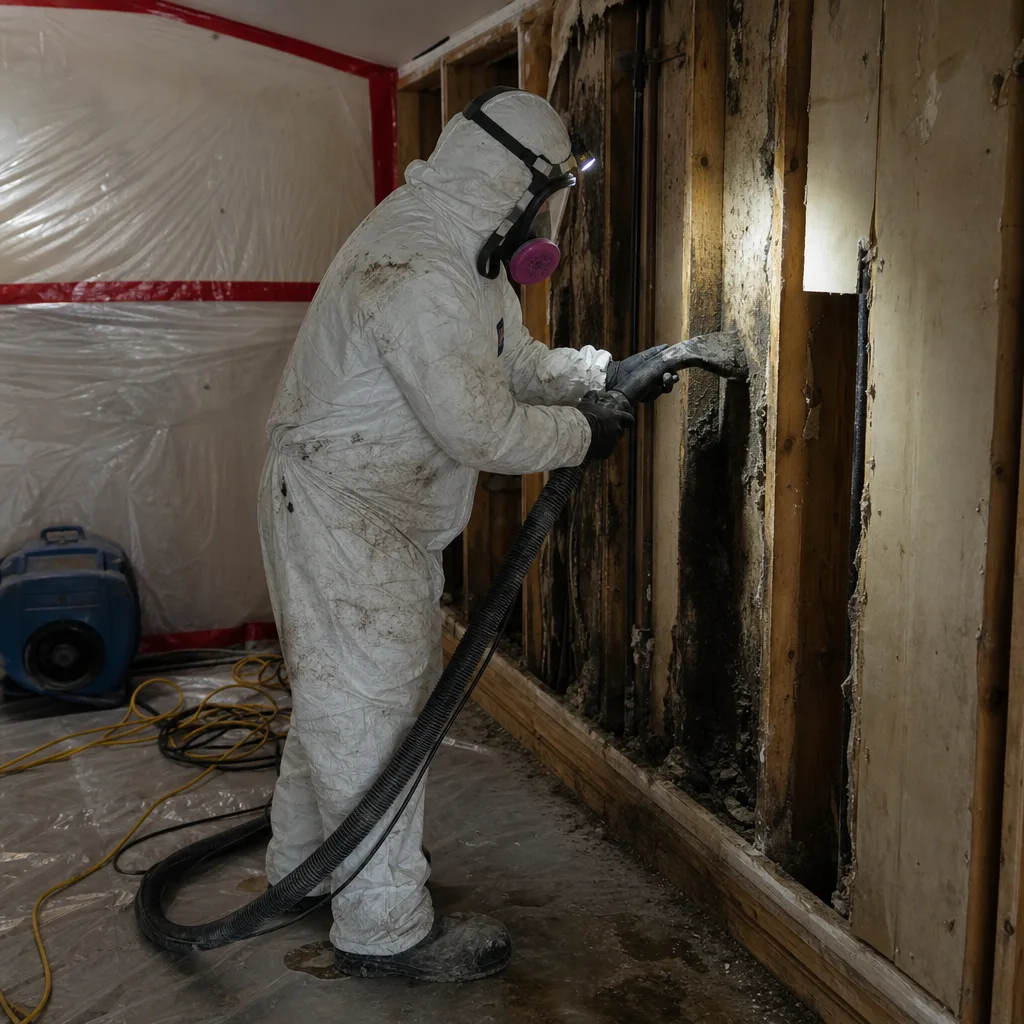
North Torrance, adjacent to the PBF Energy refinery corridor, demands dual-capability crews. We baseline air quality and surface wipe tests before any containment because residual hydrocarbon particulates pre-exist in many structures. The 2015 explosion taught local homeowners to document everything; we learned to lead with documentation. Slab-on-grade ranches here, built 1960 to 1975, hide moisture under concrete that thermal imaging alone can map.
Old Torrance, with its pre-war and immediate post-war bungalows, presents tighter crawl spaces and original plaster-and-lath construction. Mold in these walls requires more invasive access; we quote the full scope in writing before cutting plaster, per Haven Standard, Clause 1.
South Torrance and the Hollywood Riviera area climb toward the Palos Verdes Peninsula, where coastal exposure intensifies salt-air corrosion. Garage-door spring failures here run two to three times the inland rate. We flag corroded hardware as a moisture-intrusion indicator on every assessment.
Walteria and the eastern flatlands see more slab-on-grade construction with original galvanized supply lines now past sixty years. Pinhole leaks under concrete are silent until mold blooms; our moisture-mapping protocol is designed for exactly this failure mode.
Specialized Mold Remediation Services We Offer in Torrance
Mold Inspection & Testing
Every Torrance inspection includes thermal imaging, moisture-meter probing, and air-quality baselining. In refinery-corridor neighborhoods, we add surface wipe tests for hydrocarbon particulates. Lab analysis with chain-of-custody documentation is available for disputed claims or health-sensitive occupants.
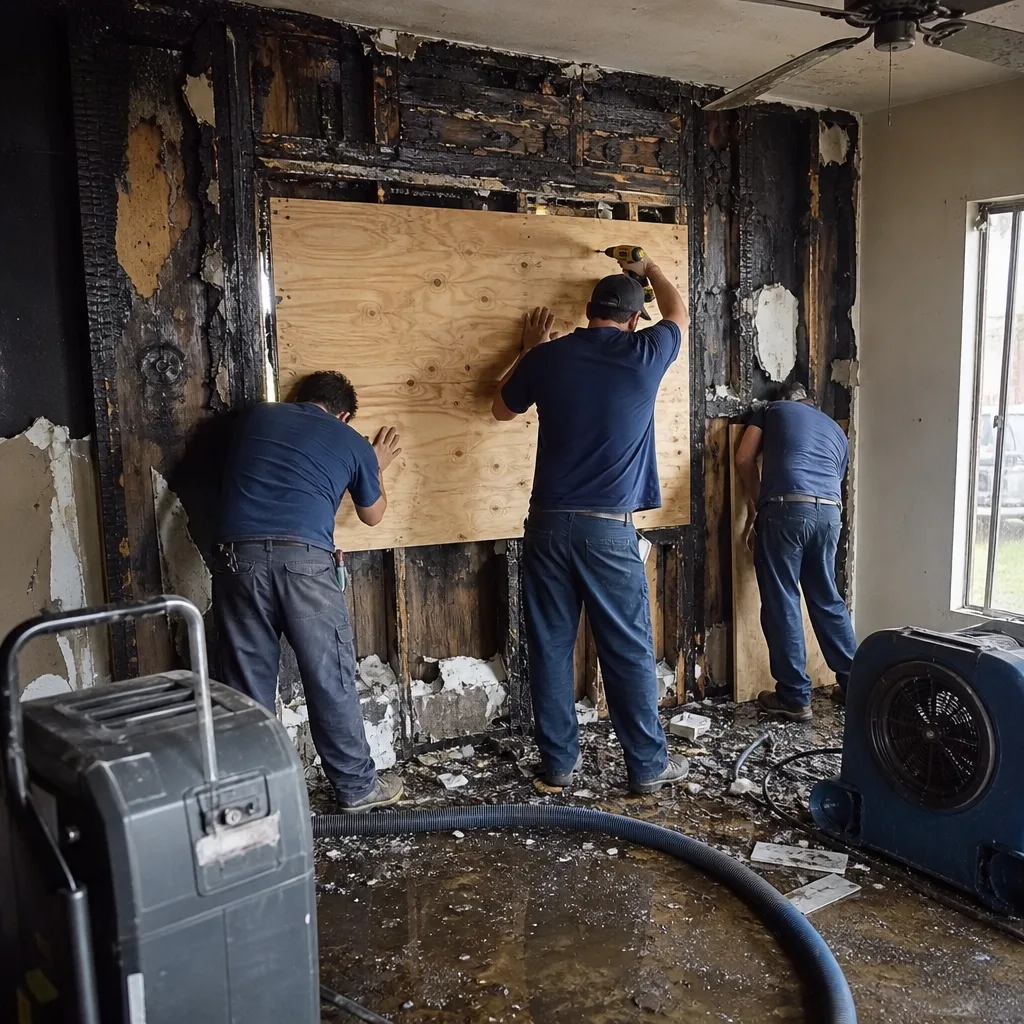
Mold Removal
Containment, negative air pressure, HEPA filtration, and controlled demolition of non-salvageable materials. We classify every removed item by material type and document square footage, because your insurer and your records both require specificity.
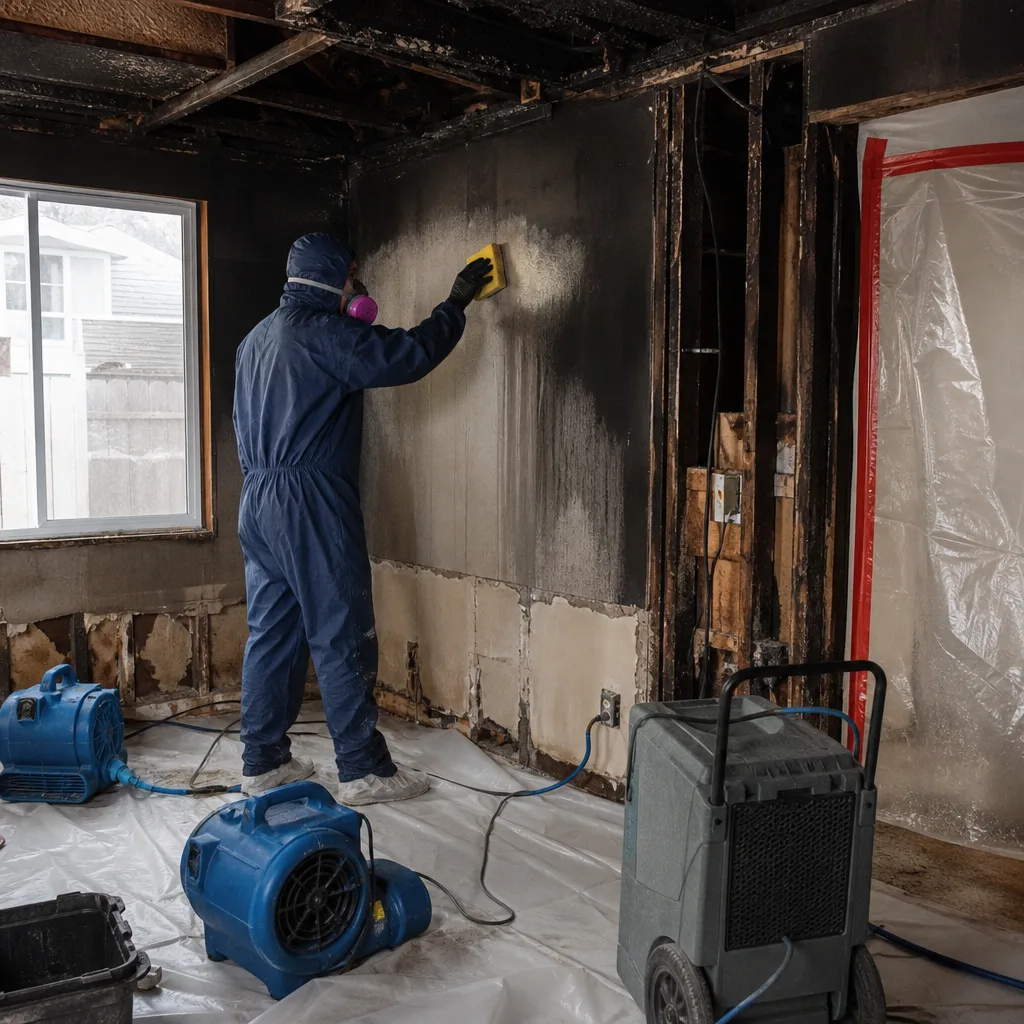
Black Mold Remediation
Stachybotrys and other toxigenic species require extended containment protocols and specialized PPE. We do not guess at species; surface or air samples identify the organism before remediation scope is finalized.
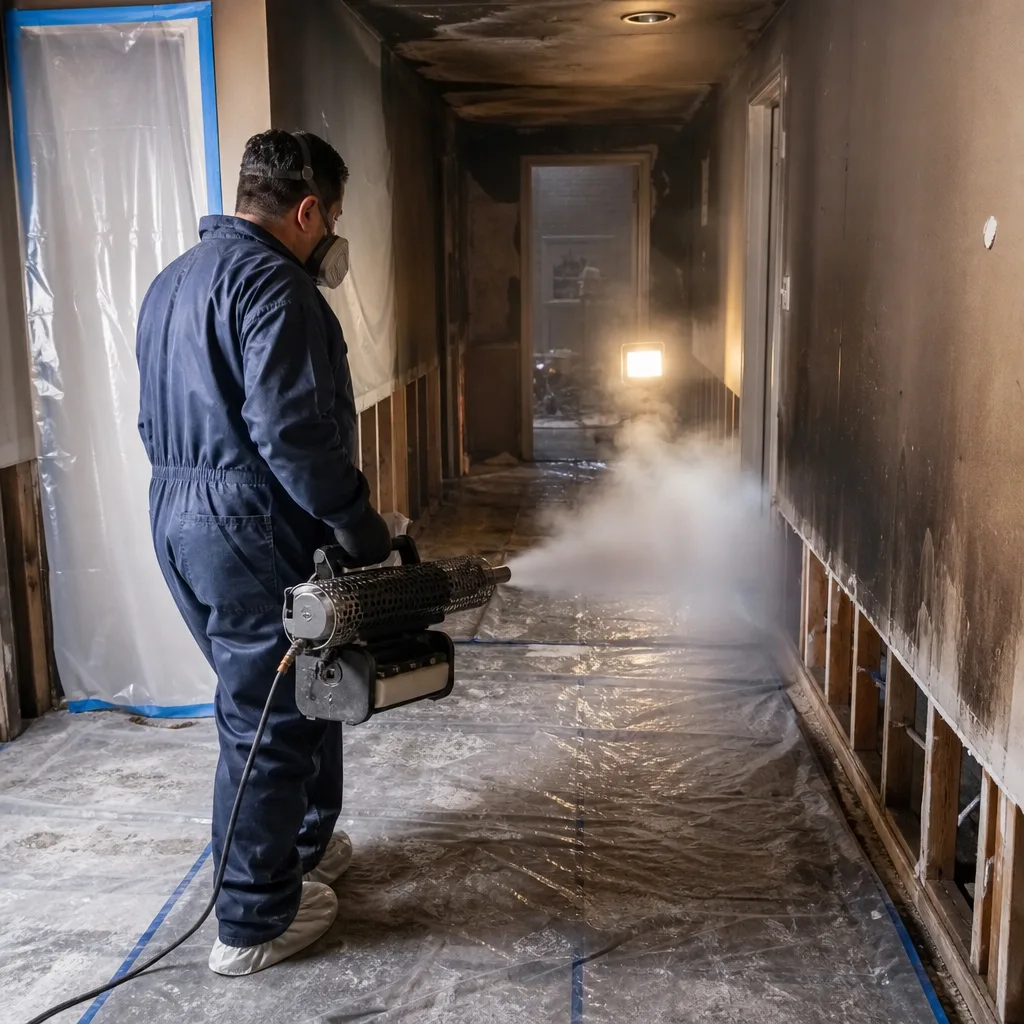
Air Quality Restoration
Post-remediation verification includes spore-count comparison to outdoor baseline, plus particulate monitoring in north Torrance where industrial pre-load complicates interpretation. Third-party clearance testing is available.
Crawl Space Treatment
Old Torrance bungalows and some hillside homes have accessible crawl spaces where vapor pressure differentials drive condensation. We install vapor barriers, dehumidification, and ventilation corrections sized to the specific cubic volume.
Moisture & Humidity Control
The core of prevention in Torrance’s marine-layer climate. We analyze psychrometric data - temperature, relative humidity, and vapor pressure - then specify dehumidification, ventilation, or envelope repair to maintain conditions below mold growth thresholds.
What happens when you call
- 1
A real person answersNo phone trees - you reach a local pro.
- 2
You get an upfront price rangeHonest numbers before anyone is dispatched.
- 3
A background-checked tech heads outLicensed & insured, dispatched right away.
- 4
You approve before work beginsNothing starts until you say go.
Mold Remediation Costs in Torrance, CA
Containment and air-scrubbing for limited visible mold in a single room: $1,800-$3,200. Full-structure remediation after Category 2 or 3 water loss with multiple affected rooms, subfloor involvement, and rebuild: $4,500-$6,500+. Slab-on-grade homes with invasive moisture mapping and concrete drying add $400-$800 to baseline estimates.
What moves the price: square footage of containment, material classification (porous versus non-porous), whether HVAC ductwork requires cleaning, and whether third-party clearance testing is requested. Insurance typically covers mold remediation when it results from a covered water loss; long-term humidity damage or maintenance neglect is usually out-of-pocket.
We deliver a written price before any work begins, every time, with no exceptions. Haven Standard, Clause 1. Call (424) 305-3365 for your free visual inspection and firm scope.
We Also Serve Cities Near Torrance
Our crews respond throughout the South Bay coastal corridor. We maintain active response routes to Torrance and neighboring Carson, Lakewood, Wilmington, and Redondo Beach with the same 45-minute commitment, live-answer dispatch, and documentation standards.
Serving Torrance, CA - Our Local Coverage Area
We’re based in the Torrance area and know this community well. Use the map below to see our service coverage - if you’re nearby, we can almost certainly help.
Torrance Mold Remediation Questions, Answered
Why does mold show up so fast in Torrance compared to Gardena or Hawthorne?
The persistent marine layer off the South Bay coast keeps Torrance’s relative humidity elevated even through summer months, compressing the window for structural drying and giving mold a faster foothold than crews encounter in drier inland markets.
Homes 10 miles inland dry faster naturally; Torrance properties need active dehumidification longer, and delays of even a day or two between water loss and mitigation often mean visible mold. Call (424) 305-3365 if you suspect delayed drying - we assess at no charge.
How do you find mold under a slab-on-grade floor?
Thermal imaging detects temperature differentials where moisture has migrated under concrete, and penetrating moisture meters confirm elevated readings through drilled test ports.
Most Torrance slab homes were built 1950 to 1975; original copper or galvanized supply lines fail slowly, spreading moisture laterally beneath the slab before any interior sign appears. We map the full perimeter and document every reading. If thermal imaging shows anomaly, we probe to confirm before quoting remediation scope.
Does the refinery in north Torrance affect mold remediation here?
Yes, in neighborhoods adjacent to the PBF Energy facility. We baseline air quality readings and surface wipe tests before any work begins because residual hydrocarbon particulates and soot can pre-exist in structures.
Without documentation, a homeowner or insurer may later attribute pre-existing industrial contamination to the remediation process. We eliminate that dispute by establishing the baseline and confirming it post-work. This protocol is standard for our north Torrance jobs.
What does the coastal salt-air corrosion pattern tell you about a mold job?
Corroded garage-door springs, hinges, rollers, and tracks signal chronic humidity intrusion through the garage envelope, often feeding mold in wall cavities before interior spaces show damage.
We inspect garage hardware on every Torrance assessment. When corrosion is advanced, we probe adjacent walls and ceiling planes for moisture migration. The salt-air pattern is an early warning system; addressing it prevents the larger remediation that follows unchecked intrusion.
Can you leave Category 2 or 3 water to dry on its own?
No. Category 2 water - gray water from dishwasher or washing-machine discharge - degrades to Category 3 within 48 to 72 hours in Torrance’s humid conditions. Category 3 water, from sewage or ground flooding, is immediately hazardous.
Both require professional extraction, antimicrobial treatment, and controlled drying with documented moisture logs. Self-drying guarantees mold colonization and often forces costlier remediation than the original water loss. Call (424) 305-3365 for immediate assessment.
How fast can a crew actually get to my Torrance address?
Our commitment is 45 minutes from dispatch confirmation, with crews staged for the South Bay coastal corridor including all Torrance neighborhoods.
Live answer at (424) 305-3365 means no voicemail delay; the person who takes your call dispatches the crew and confirms ETA. Night, weekend, holiday - same standard.
Will my insurance cover mold remediation?
Insurance covers mold remediation when it results from a sudden, covered water loss - burst pipe, appliance failure, storm intrusion. Long-term humidity damage, maintenance neglect, or pre-existing conditions are typically excluded.
We document the loss origin with photos, moisture readings, and material analysis formatted to carrier standards. Direct billing and adjuster coordination are available. Bring any competitor’s written estimate for our free second opinion.
Can my family stay in the home during remediation?
For limited, contained mold in non-essential areas with active air scrubbing, occupancy may be possible. For whole-structure remediation, toxigenic species, or HVAC contamination, temporary relocation is recommended.
We specify occupancy status in the written scope before work begins, per Haven Standard, Clause 1, so you are not surprised by a mid-project displacement. Health-sensitive occupants - asthma, immunocompromised, infants - warrant stricter precautions regardless of contamination level.
Call (424) 305-3365 for 24/7 live answer and free visual inspection. Written price before work begins, every time.
Written by Alicia Brennan, Owner at Back to Dry Restoration, serving Torrance since 2011.
Mold Remediation in Nearby Areas