
Last updated September 23, 2026
Free visual inspection and a written scope of work before any mitigation begins - photos, moisture readings, and drying logs go in your claim file
The scope we write is the scope we bill. Anything new gets shown to you, in writing, before we touch it.
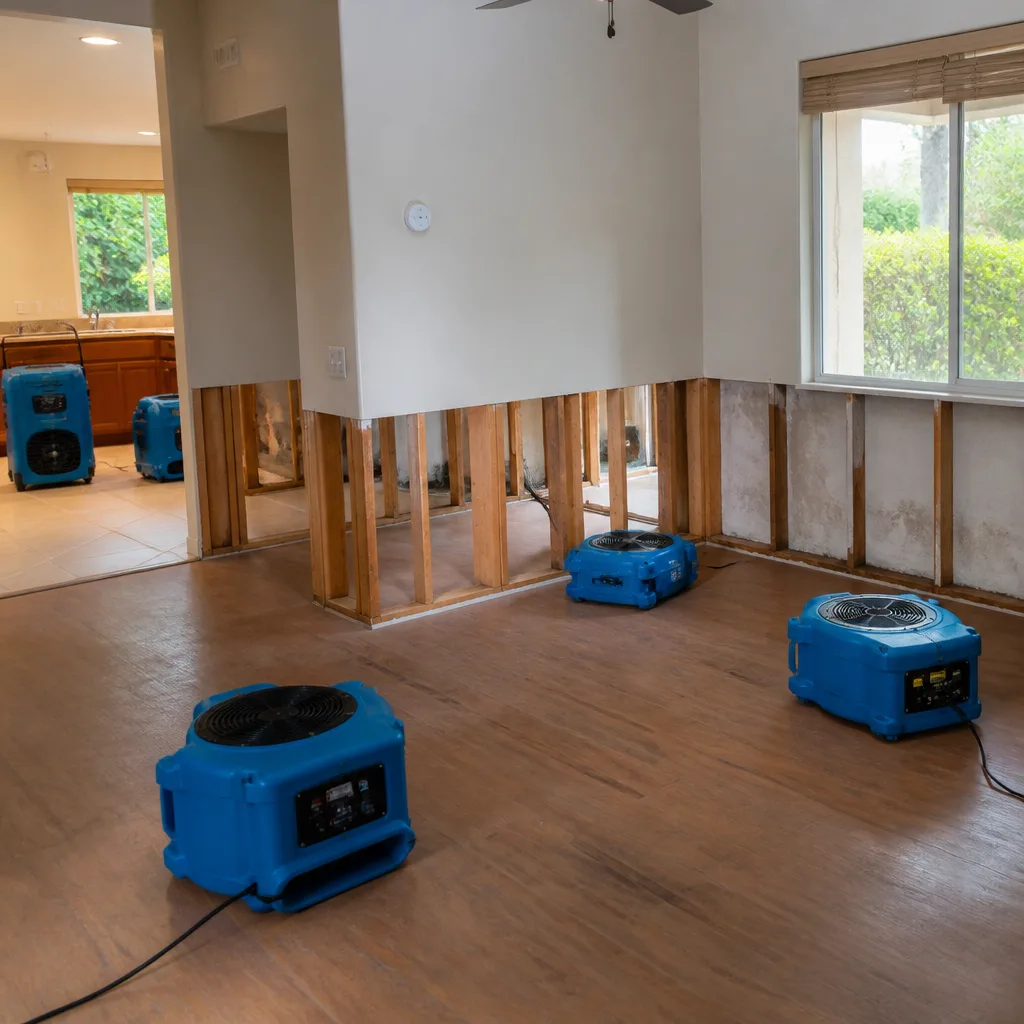
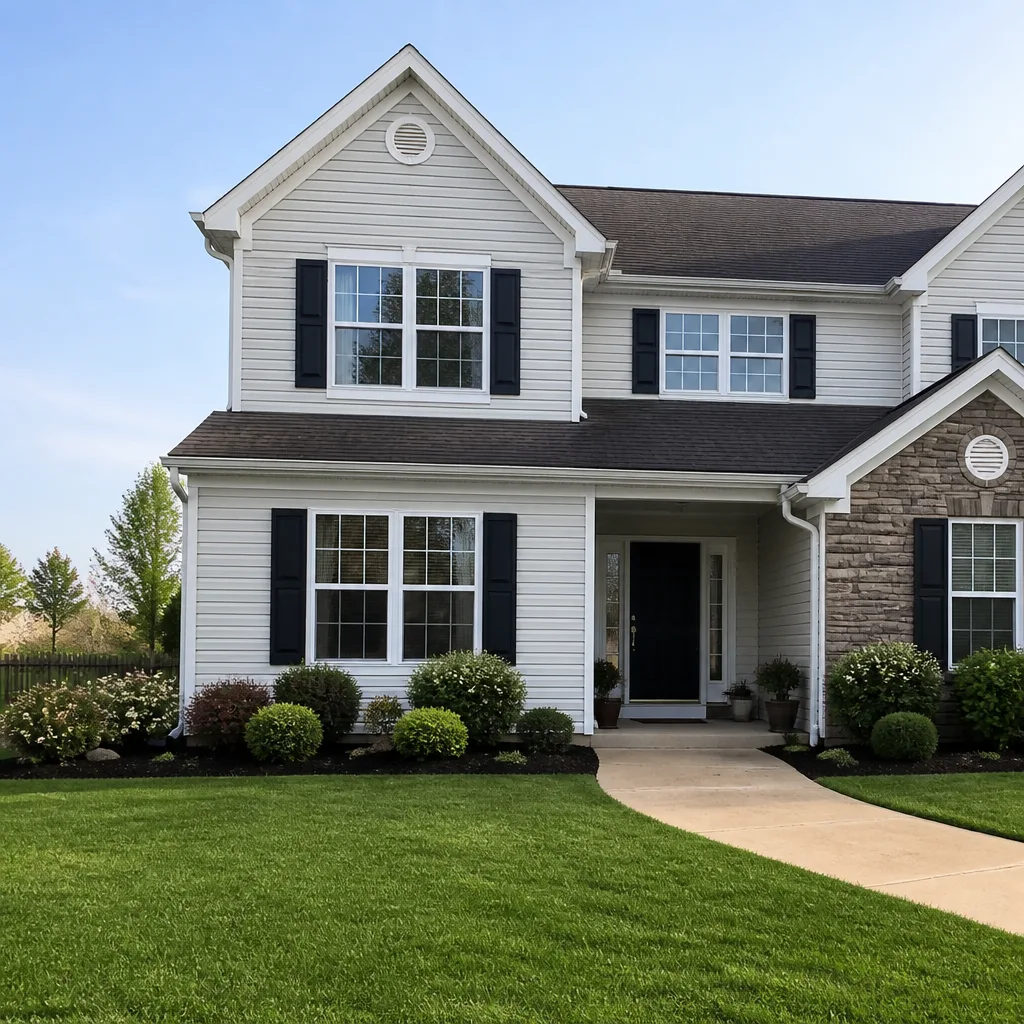
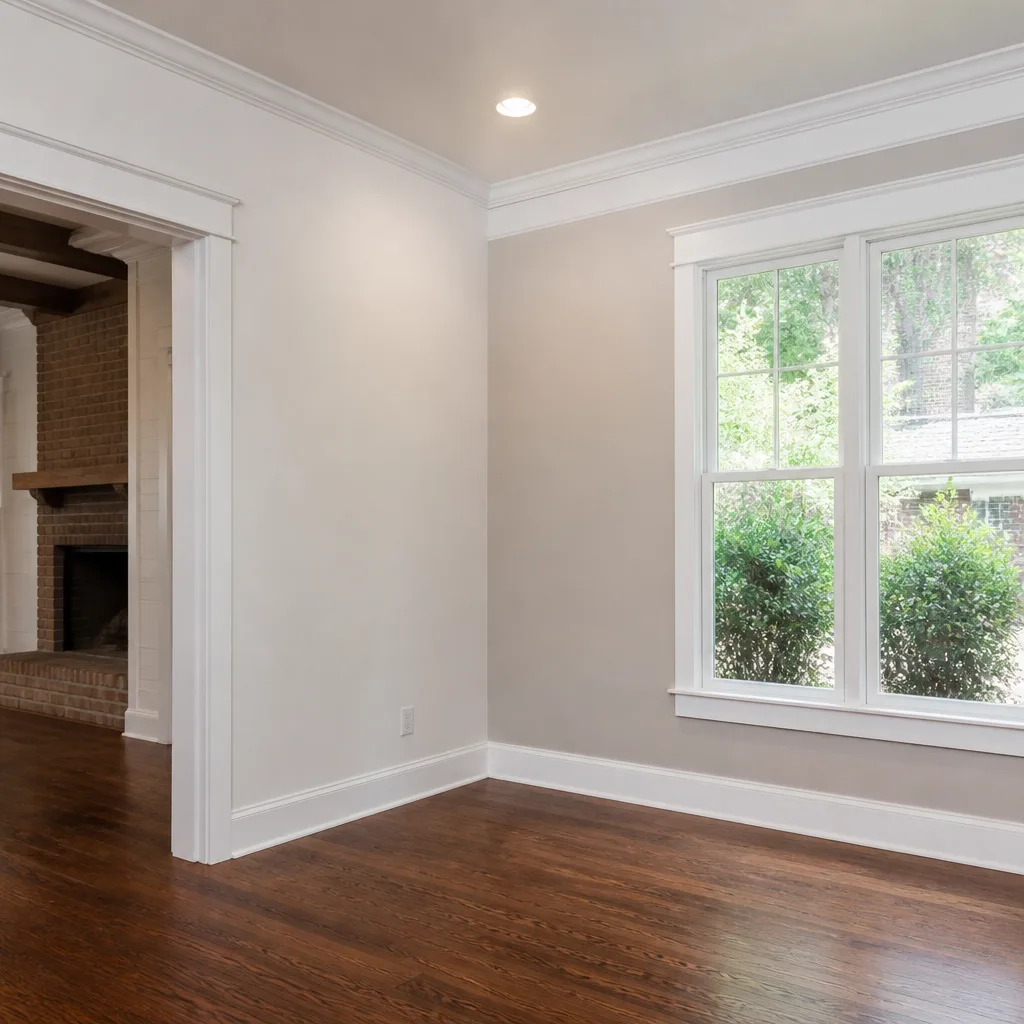
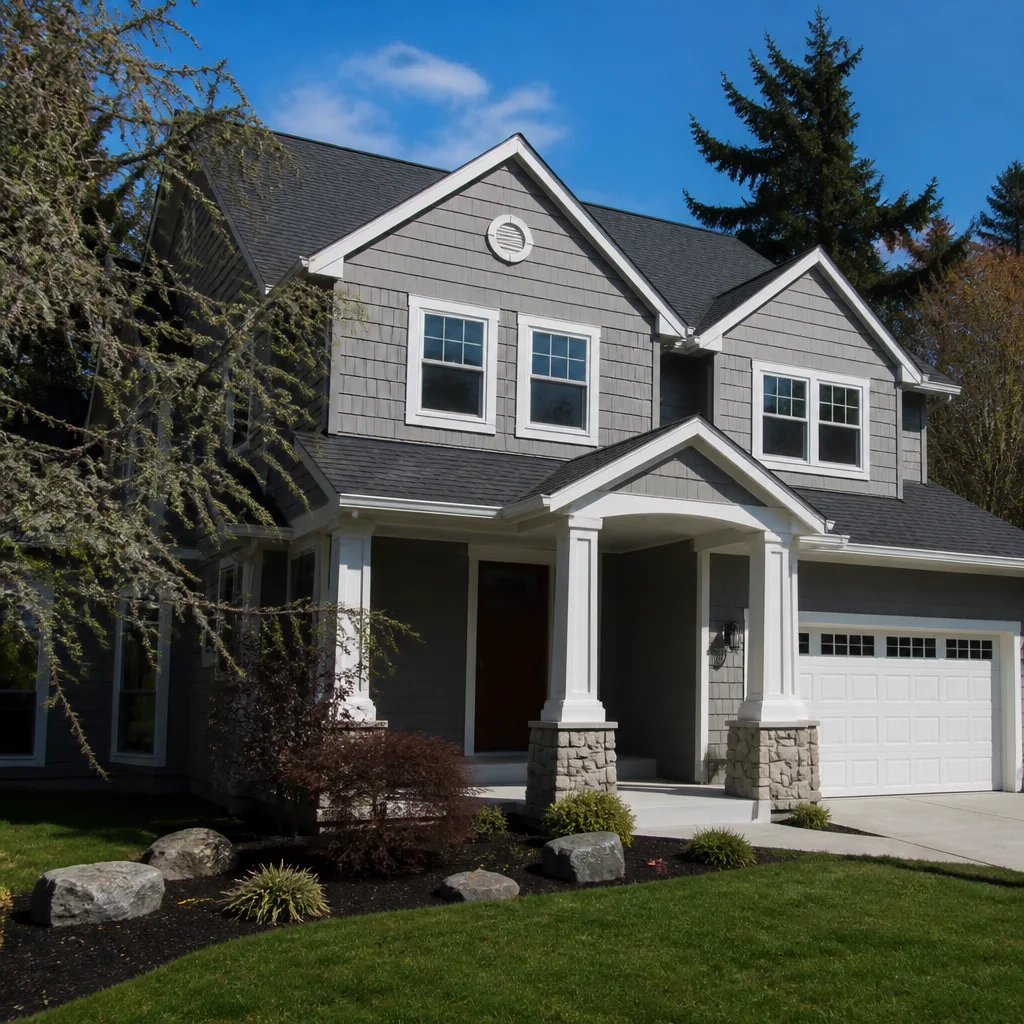
 Before
 After
After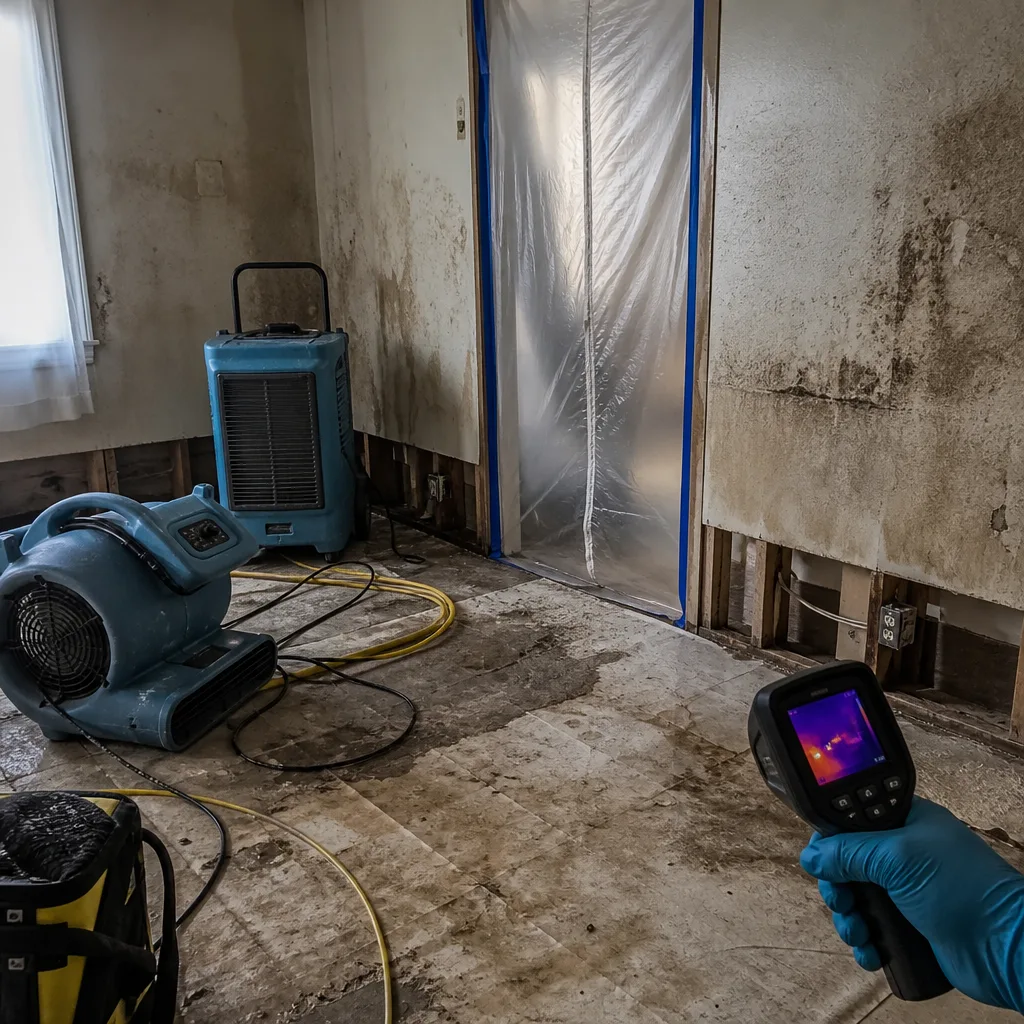 Before
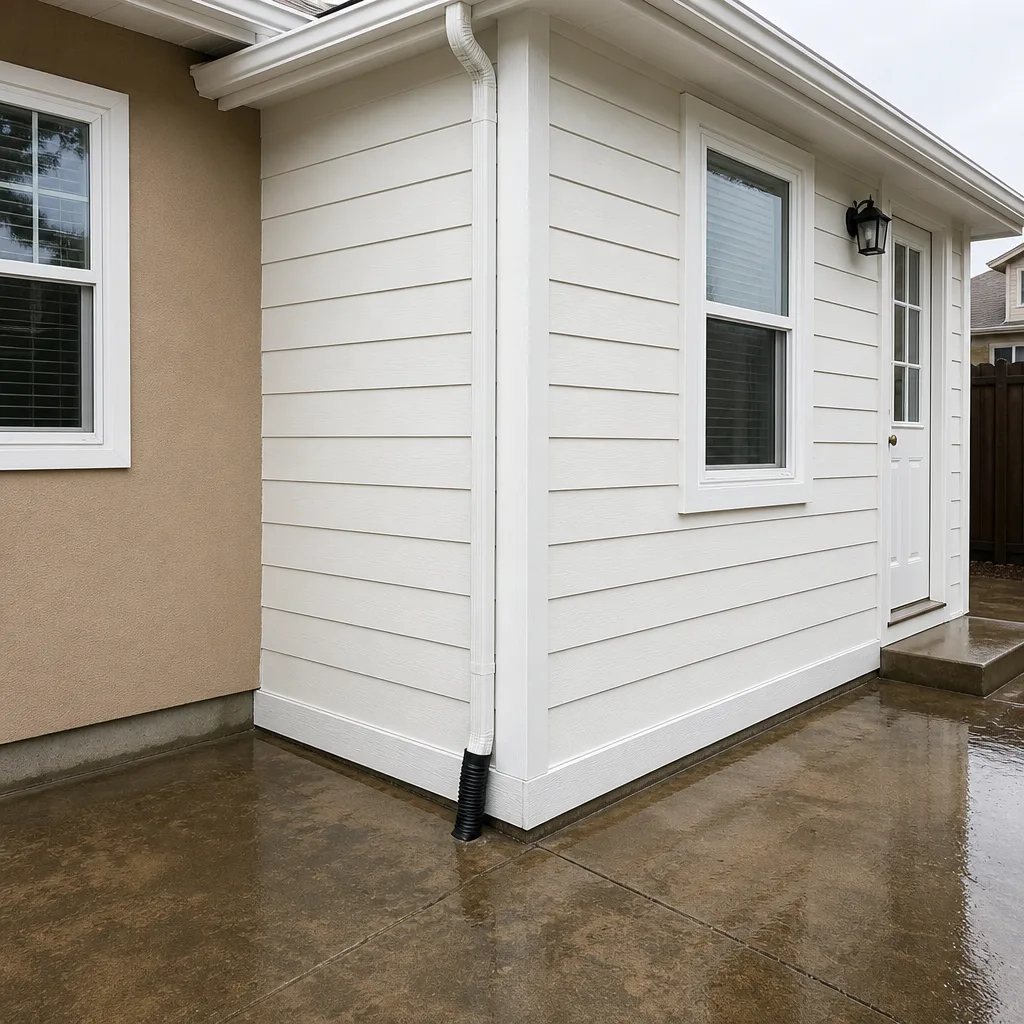 After
After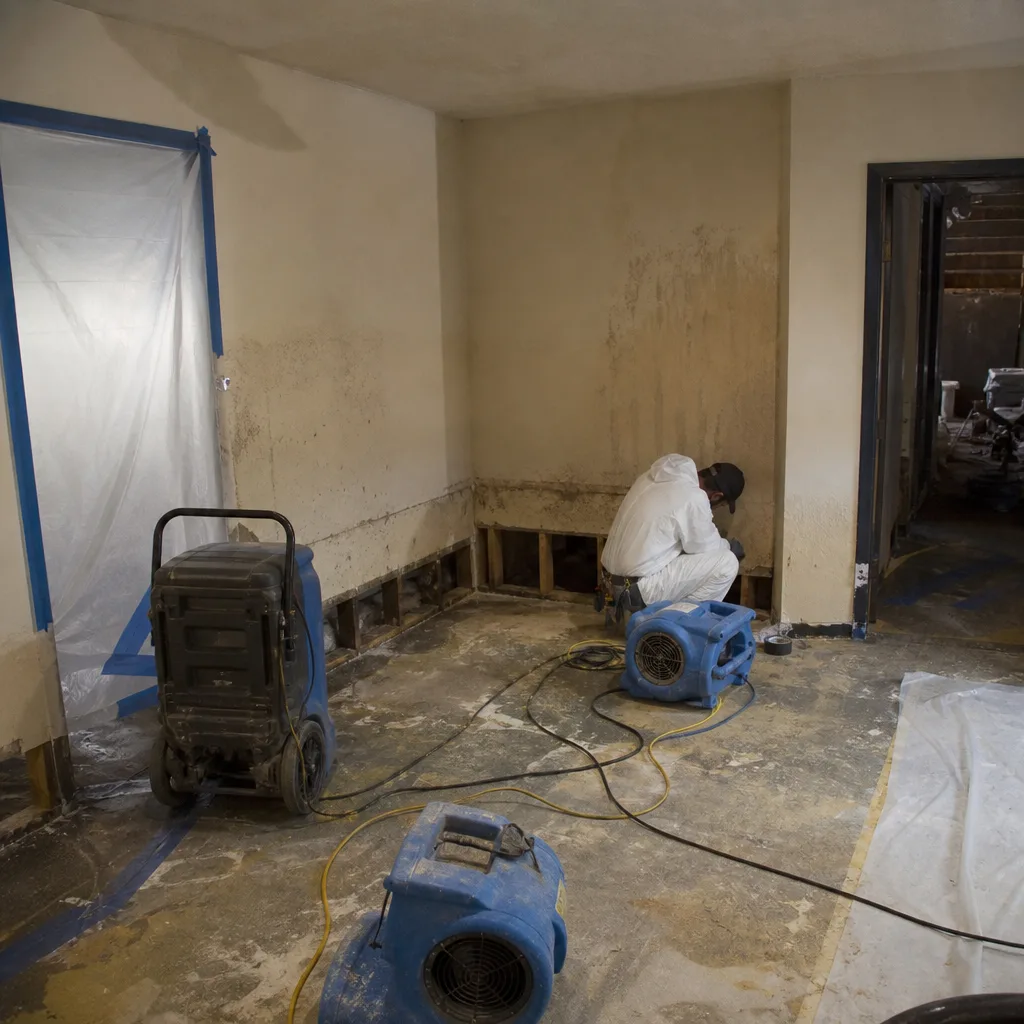 Before
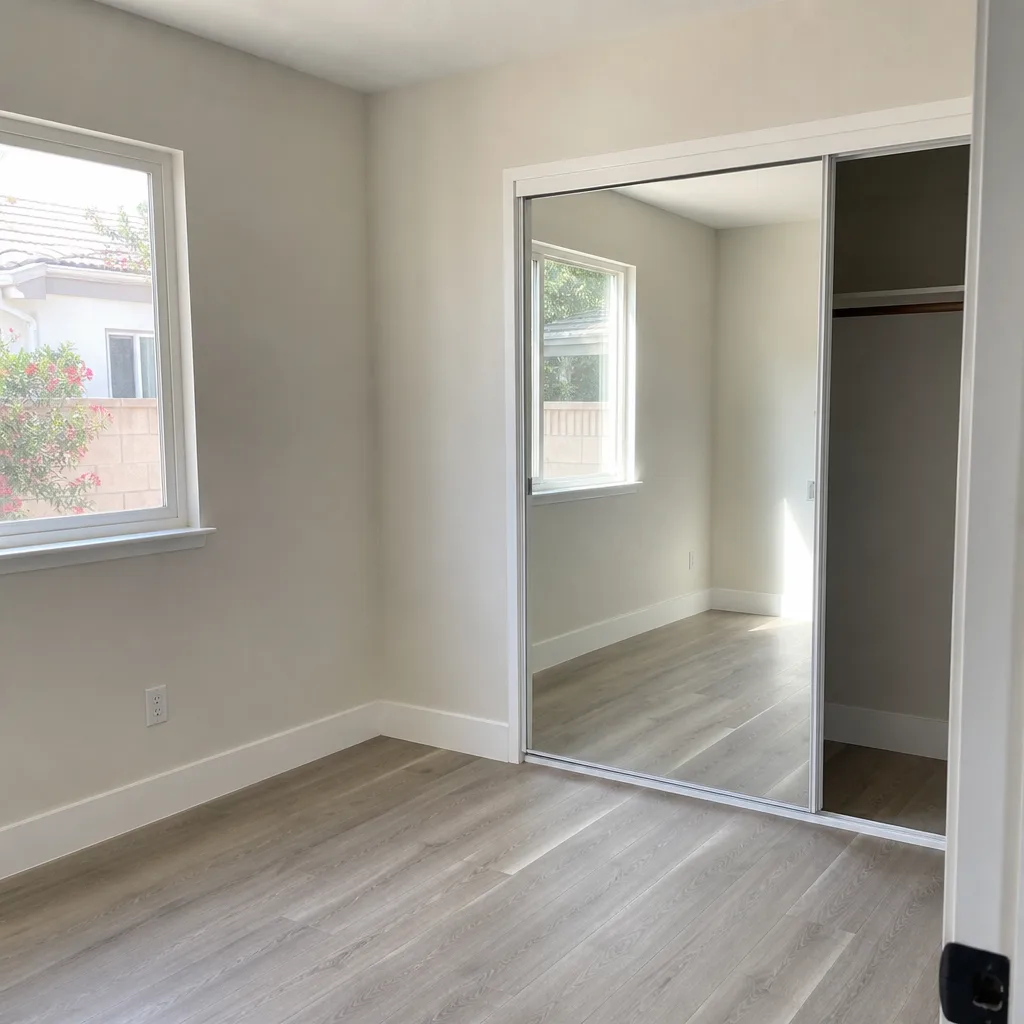 After
AfterDIY vs Professional Damage Restoration: The Carson Homeowner’s Decision Guide
California Insurance Code Section 2695.7 gives insurers 40 days to accept or deny a claim once they receive proof of loss. Here’s what most Carson homeowners miss: a DIY restoration that produces no moisture logs, no drying records, and no third-party verification often fails to constitute proof of loss at all. The clock restarts. The claim stalls. And the homeowner who saved $800 on a wet-dry rental discovers they’ve spent eight months in coverage limbo while secondary damage compounds. In this guide, we’ll show you exactly where DIY ends and professional restoration begins, what documentation actually matters to your insurer, and why the cheapest upfront option rarely survives a claims review. For related reading, see our step-by-step guide on hiring a damage restoration contractor in Carson.
Quick Answer
DIY damage restoration is legally defensible in Carson only for Category 1 clean-water losses under 10 square feet with no structural materials affected and no insurance claim intended. For every other scenario - including any loss where you’ve already contacted your insurer, any Category 3 sewage backup, or any mold growth exceeding 10 square feet - professional restoration costs less in total because the documentation it produces (IICRC-standard moisture logs, psychrometric data, and signed certificates of drying completion) is what insurers pay out on. A DIY restoration without this documentation typically triggers claim reductions or denials that erase any upfront savings.
Table of Contents
- When DIY Is Legally and Practically Defensible in California
- The Documentation Gap: What DIY Cannot Produce
- How DIY Restoration Can Void Your Insurance Coverage
- True Cost Comparison: DIY Receipts vs. Professional Documentation
- Three Carson Scenarios Where Professional Always Wins
- What Professional Restoration Actually Delivers
- The Equipment Reality: Rental Store vs. Professional-Grade Systems
- Common Mistakes to Avoid
- When to Call a Professional
- Frequently Asked Questions
 Before
 After
AfterWhen DIY Is Legally and Practically Defensible in California
California law and IICRC standards create a narrow corridor where DIY water damage restoration is both legal and financially rational. The conditions are specific, and violating any one of them shifts the risk profile dramatically.
A Carson homeowner can reasonably self-remediate when all five conditions are met:
- Category 1 clean water only: This means water originating from a sanitary source - a broken supply line, a tub overflow with no contaminants, or a failed ice-maker line. Once water has contacted carpet padding, flowed through wall cavities, or sat for more than 24 hours, it degrades to Category 2. Carson’s warm climate accelerates this; we’ve measured Category 1 degradation to Category 2 in 18 hours during August conditions.
- Less than 10 square feet of affected area: This is a hard ceiling. At 10 square feet and above, Cal/OSHA and most insurer guidelines trigger professional remediation requirements. Measure the wetted area, not the room size. A 12-square-foot water stain on a ceiling tile crosses the threshold even if the room is 200 square feet.
- No structural materials affected: Surface water on tile or sealed vinyl is manageable. Water that has reached drywall, subfloor, insulation, or wall studs requires professional drying with penetrating moisture meters. DIY surface drying leaves structural moisture that breeds mold and triggers “known condition” exclusions later.
- No insurance claim intended: This is the decisive factor. Once you file a claim, your insurer has a duty to investigate - and a duty to deny if remediation was inadequate. DIY restoration with an open claim is a documented path to partial or total denial.
- No mold visible or suspected: Any mold growth, even under 10 square feet, shifts the work to Cal/OSHA-regulated remediation. Carson’s coastal humidity means mold can establish visible colonies in 48-72 hours on water-affected drywall.
We’ve seen Carson homeowners in the Dominguez Hills area attempt DIY on what appeared to be a simple washing machine supply line failure. The water had run under LVP flooring and reached the plywood subfloor. Six months later, a musty smell prompted a professional inspection. Moisture readings at the subfloor were still elevated. The insurer denied the subsequent mold claim citing “failure to mitigate” - the DIY restoration had no documentation, no drying logs, and no proof the structure was ever actually dry.
If all five conditions above are satisfied, DIY is defensible. The moment any condition fails, the math inverts.
The Documentation Gap: What DIY Cannot Produce
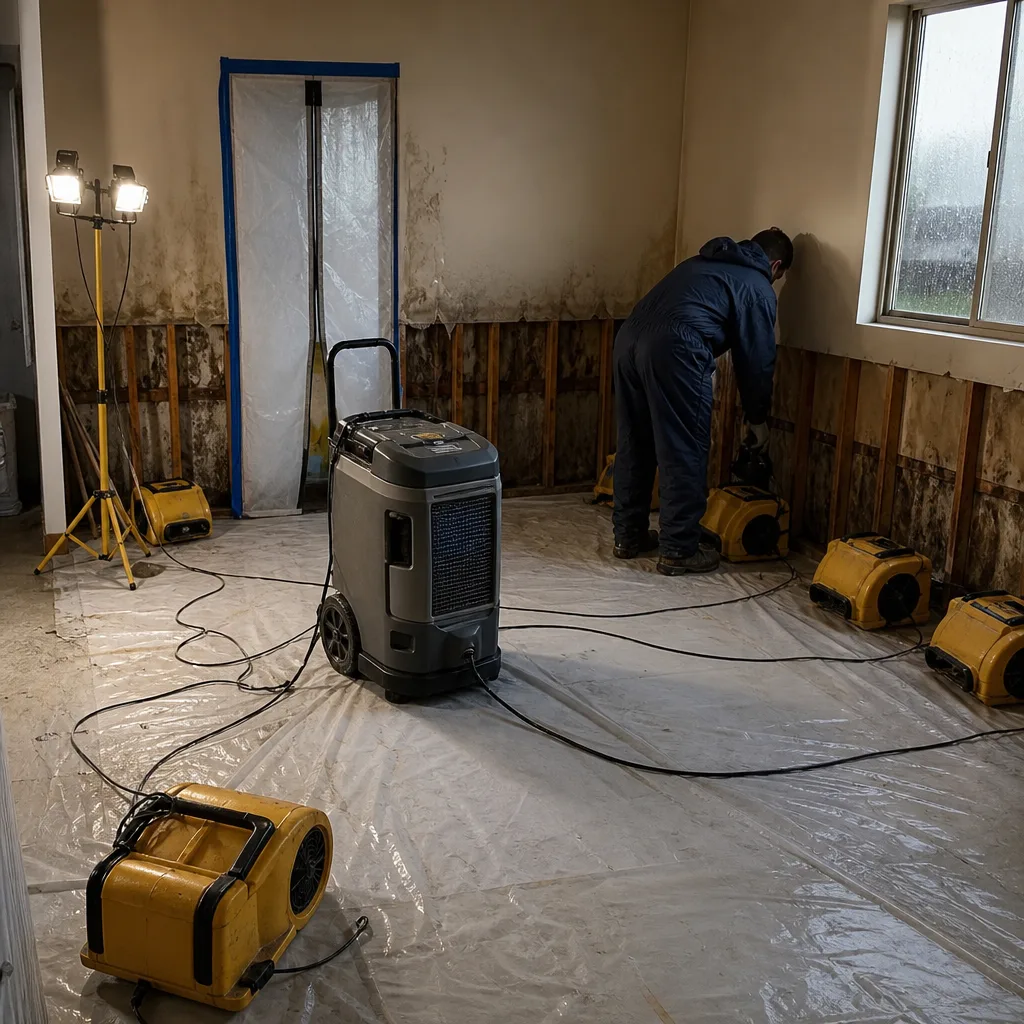
Insurance claims are paid on evidence, not effort. A homeowner who rents three fans and runs them for four days has produced effort. A professional restoration company produces evidence. The gap between these two outputs is where claims live or die.
Here is what professional restoration documentation includes that no DIY effort can replicate:
- Psychrometric data: This is the measurement of air temperature, relative humidity, and vapor pressure differential - the actual conditions that determine whether materials are drying or merely circulating moist air. We log this hourly during active drying with calibrated sensors. A homeowner cannot rent this capability; the meters cost $400-800 and require training to interpret. Psychrometric data proves the drying environment was controlled, not guessed at.
- Calibrated moisture readings at structural members: Surface moisture meters read the top 1/8 inch of material. Pin-type penetrating meters read to 3/4 inch or deeper. Professional restoration requires both, taken at multiple points across the affected area, with readings recorded daily until the material reaches “dry standard” - typically within 2-4 points of a control reading from an unaffected area of the same home. DIY efforts rarely penetrate beyond the surface, and almost never document readings over time.
- Daily drying logs: IICRC S500 standards require a chronological record of equipment placement, moisture readings, psychrometric conditions, and adjustments made. These logs are submitted with the invoice as proof that drying was actively managed, not passively hoped for. Insurers review these for gaps; a three-day gap in readings triggers scrutiny.
- Photo documentation with timestamps: Every visit, every reading, every equipment placement is photographed and logged. This isn’t for marketing - it’s for the adjuster who questions whether the dehumidifier was actually running on day three. DryMark Restoration Carson home includes this as standard deliverable on every job, not an upsell.
- Signed certificate of drying completion: This document states that the structure has been returned to pre-loss moisture content, lists the final readings, and is signed by the restoration contractor. It functions as a warranty against future moisture-related claims and is often required before reconstruction begins.
The critical point: none of this documentation can be produced retroactively. You cannot rent equipment, dry a room, and then hire a company to “document” what happened. The readings must be taken during the process, with calibrated equipment, by technicians who can testify to their accuracy if the claim is challenged.
Carson’s proximity to the coast means ambient humidity runs higher than inland Los Angeles County. A DIY drying effort in Carson that would succeed in Riverside often fails here because the vapor pressure differential - the actual driver of evaporation - remains too low. Professional-grade dehumidification from Phoenix and Dri-Eaz systems changes that equation, but the documentation proving it changed is what gets the claim paid. For year-round preparation tips, review our Seasonal Damage Restoration Care for Carson: Year-Round Homeowner’s Guide.
How DIY Restoration Can Void Your Insurance Coverage
Most Carson homeowners discover the insurance problem after the fact, when a secondary claim is denied. The mechanism is the “known condition” or “failure to mitigate” exclusion, and it operates more aggressively than most policyholders expect.
Here’s the sequence we see repeatedly:
- Homeowner experiences water loss, attempts DIY remediation.
- DIY appears successful; visible water is gone, surfaces feel dry.
- Months later, mold appears, or structural damage emerges, or a smell prompts investigation.
- Homeowner files new claim for this secondary damage.
- Insurer investigates, finds no documentation of proper initial drying, invokes “known condition” exclusion - the homeowner knew or should have known the initial loss was incompletely addressed.
- Claim denied. Homeowner now faces full cost of professional remediation plus reconstruction, often $15,000-40,000 for a loss that would have been covered if documented properly.
The “known condition” exclusion is standard in California HO-3 and HO-5 policies. It states that damage resulting from a condition the insured was aware of and failed to address is not covered. An insurer can argue that visible water damage, even if “dried,” constituted a known condition if no professional verification occurred. Without moisture logs, without a signed certificate of drying completion, the homeowner has no evidence to rebut this.
There’s a second, subtler risk: the duty to mitigate. California law requires policyholders to take reasonable steps to prevent further damage after a loss. DIY that is later found inadequate can be framed as breach of this duty, reducing or eliminating coverage for the original loss itself. We’ve reviewed claims where the insurer paid nothing on a $30,000 water loss because the homeowner’s DIY drying - fans from Home Depot, no dehumidification - was deemed insufficient mitigation effort.
Carson homeowners in the Avalon Village and Carson Street corridor areas, where many homes date to the 1960s-1970s, face compounded risk. Older construction with lath-and-plaster or early drywall systems traps moisture differently than modern materials. What reads as “dry” on the surface often conceals saturation in wall cavities. Professional thermal imaging and penetrating meters find this; DIY surface checks do not. The documentation gap becomes a coverage gap.
True Cost Comparison: DIY Receipts vs. Professional Documentation
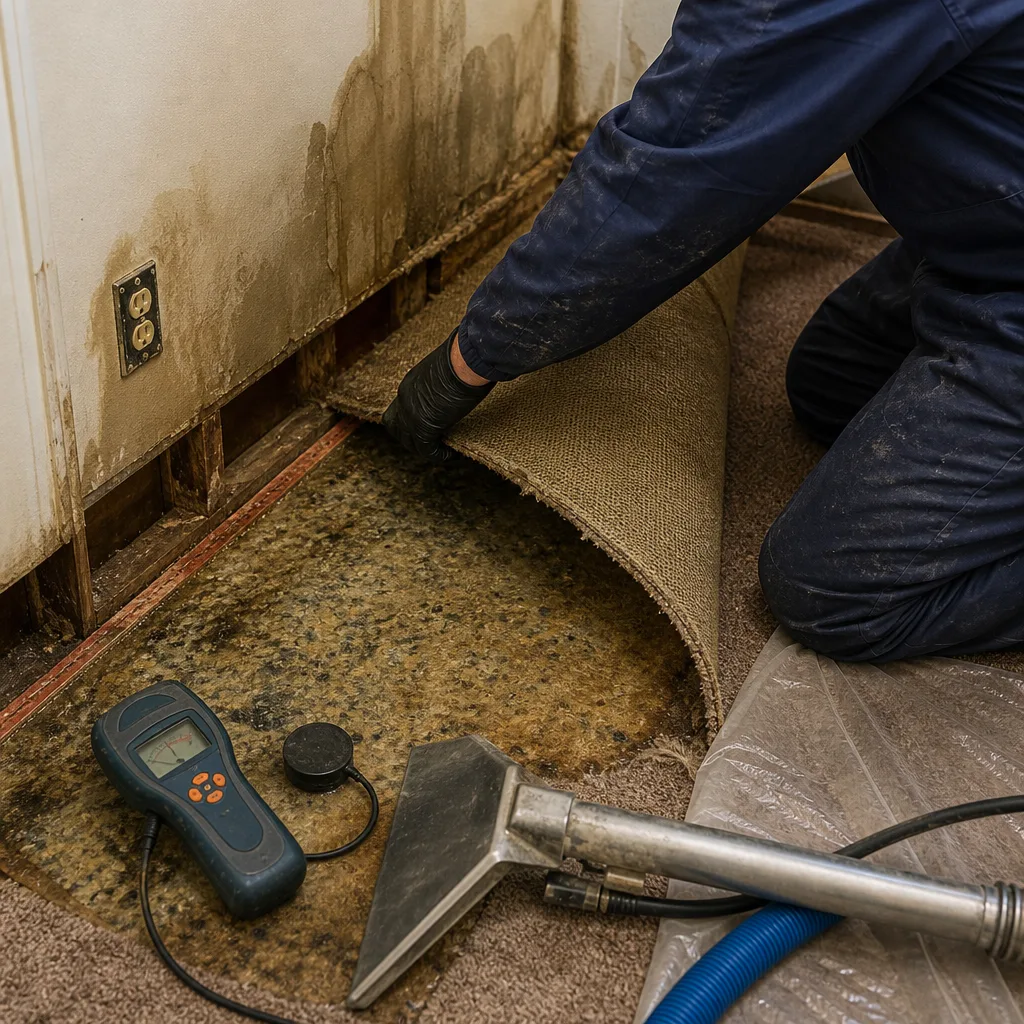
The standard online comparison shows a $200 wet-dry rental against a $3,500 professional invoice and declares DIY the winner. This comparison is incomplete to the point of being misleading. The relevant comparison includes the insurer’s response to each approach.
DIY cost structure (Category 2 loss, approximately 150 square feet, one room):
- Wet-dry vacuum rental: $45/day x 3 days = $135
- Box fans (purchase): $35 x 4 = $140
- Consumer dehumidifier (purchase): $280
- Moisture meter (basic pinless): $45
- Antimicrobial spray, PPE, misc.: $85
- Time: 16-24 hours over 4-5 days
- Subtotal out-of-pocket: $685
Professional restoration cost structure (same loss):
- Emergency service call and assessment: $0 (most Carson companies, including ours, waive this)
- Water extraction and setup: $850
- Dehumidification and air movement (3-day dry): $1,800
- Antimicrobial application: $340
- Moisture monitoring and documentation: included
- Certificate of drying completion: included
- Subtotal invoice: $2,990
At this point, DIY appears to save $2,305. But this ignores the insurer’s position. With professional restoration, the documented invoice is typically paid at 80-100% after deductible, depending on policy terms and coverage limits. With DIY, the insurer may:
- Apply a “reasonable mitigation” cap and reimburse only $400-600 of the $685 outlay
- Deny the claim entirely if secondary damage emerges, citing failure to document proper drying
- Reduce the structure coverage payout if structural moisture is later found, treating it as pre-existing
The more accurate comparison:
| Scenario | Out-of-Pocket | Insurer Pays | Future Claim Risk |
|---|---|---|---|
| DIY, no issues | $685 | $0-400 | Elevated - no documentation |
| DIY, secondary damage | $685 + $15,000-40,000 | $0 | Claim denied |
| Professional, documented | $500-1,000 (deductible) | $2,490-2,990 | Minimal - certificate on file |
The professional route costs more only if you ignore the insurer’s contribution and the future claim protection. For Carson homeowners who purchased between 2015 and 2025 at elevated prices, the equity at risk in a denied claim far exceeds the deductible gap.
Our Water Damage Restoration in Carson service includes Haven Standard, Clause 1: a written price before any work starts, every time. No scope-creep additions once the crew is inside. The price you approve is the price on the invoice, and that invoice is documented to IICRC standards for direct adjuster submission.
Three Carson Scenarios Where Professional Always Wins
There are losses where DIY is not merely inadvisable but legally prohibited or practically impossible. These three scenarios account for the majority of serious coverage disputes we encounter in Carson.
1. Sewage Backup (Category 3 Water Loss)
California Health and Safety Code and IICRC S500 classify sewage-contaminated water as Category 3 - “grossly contaminated.” This triggers specific remediation requirements: full PPE for workers, containment barriers, negative air pressure, and antimicrobial treatment with EPA-registered disinfectants. Homeowners cannot legally perform this work themselves in occupied structures; the liability exposure alone prohibits it.
More critically for insurance purposes, Category 3 losses require documentation of contamination extent, removal of porous materials, and verification of sanitization through ATP testing or equivalent. No DIY approach produces this documentation. Insurers routinely deny Category 3 claims where remediation was self-performed, citing health code violations and inadequate mitigation.
Carson’s aging sewer infrastructure, particularly in the Victoria Park and South Carson areas, makes sewage backup more common than many residents expect. We’ve responded to backups where the homeowner attempted surface cleaning, only to have the insurer deny the entire claim - including structural damage - because the contamination was not professionally remediated per code.
2. Mold Growth Exceeding 10 Square Feet
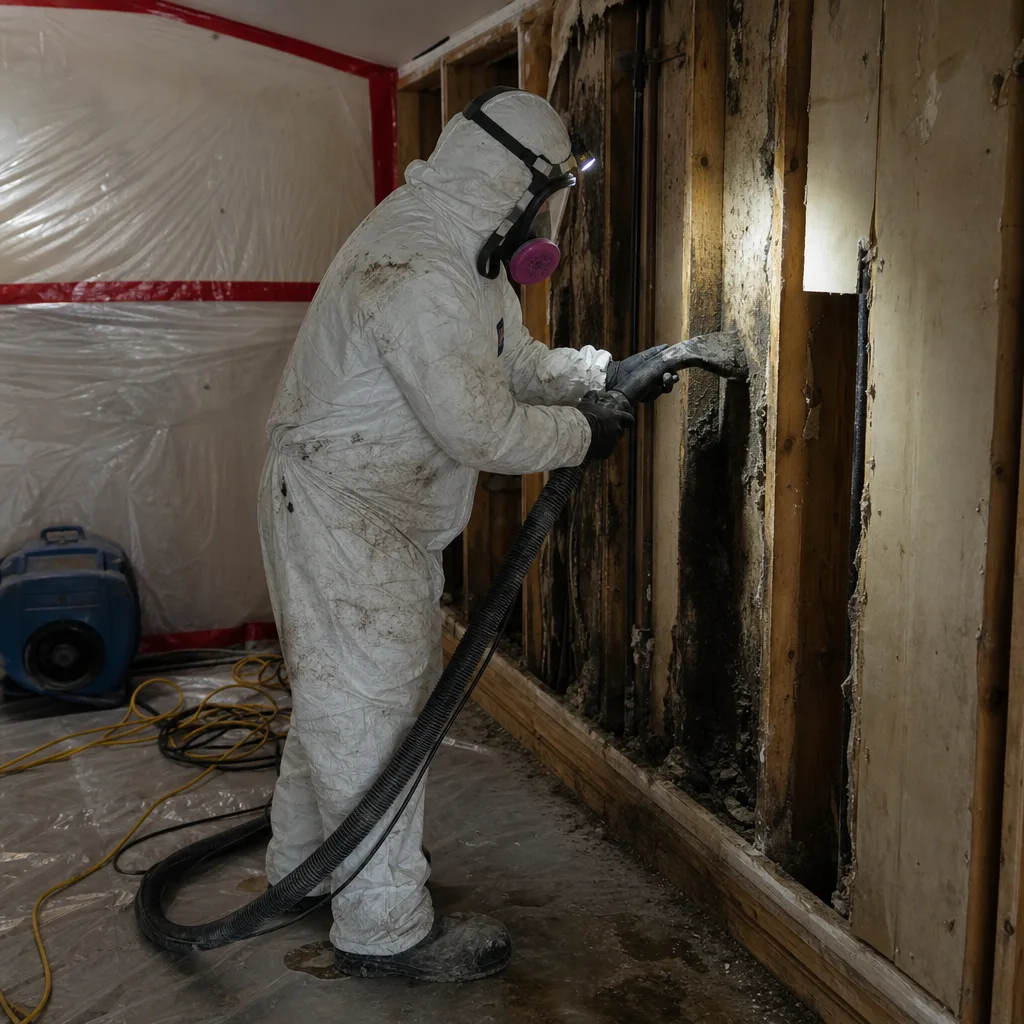
Cal/OSHA Section 5141.1 and the California Department of Public Health guidelines require professional remediation for mold-impacted areas above 10 contiguous square feet. This is not a suggestion; it’s a regulatory threshold that triggers specific work practices, containment, and worker protection requirements.
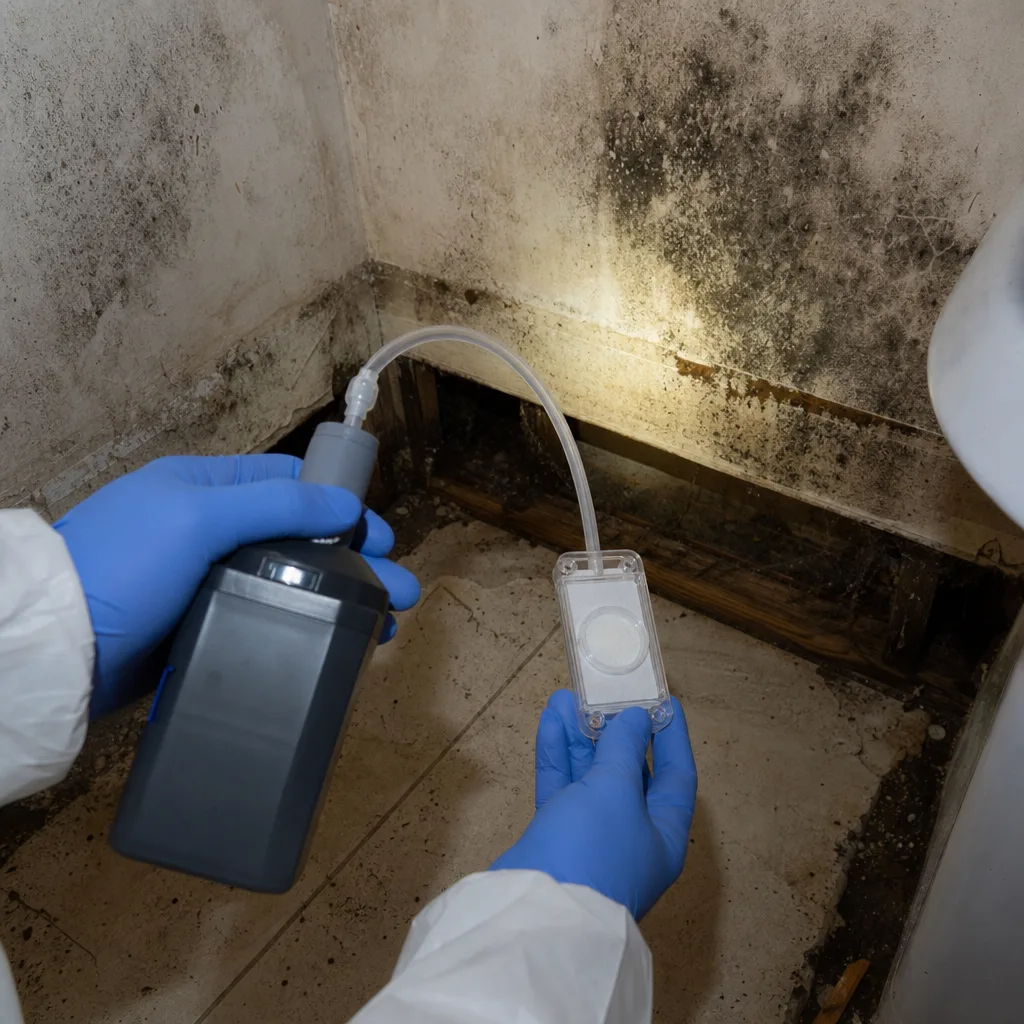
DIY mold remediation above this threshold creates three problems: legal liability if workers (even the homeowner) are exposed without proper protection; insurance denial if the remediation is later found inadequate; and health risk from disturbed spore loads. Professional remediation produces air sampling data, clearance testing, and a written report that satisfies both regulatory and insurance requirements.
Carson’s coastal climate means mold establishes faster here than in drier inland areas. We’ve documented mold growth from Category 1 water losses that were “dried” with consumer equipment. The homeowner saved $2,000 on drying, then faced $8,000-12,000 in mold remediation that was denied as a “known condition” because the initial moisture problem was never properly documented or resolved.
Our Mold Remediation in Carson service includes third-party clearance testing and a written certificate of remediation completion - the documentation that closes the file with both the insurer and any future property transaction.
3. Any Loss With an Open Insurance Claim
This is the simplest rule and the most frequently violated. Once you’ve reported a loss to your insurer, you have triggered a claims process with specific documentation requirements. DIY remediation in this context is not cost-saving; it’s claim-endangering.
The insurer has a right to inspect, to demand documentation, and to apply policy exclusions if mitigation was inadequate. A homeowner who proceeds with DIY after filing a claim is essentially wagering that no adjuster will ever question the work. In our experience across 12,000+ homes since 2011, adjusters always question work that lacks documentation. It’s their job.
The correct sequence: report the loss, secure the property to prevent further damage (this is your duty to mitigate), and engage professional restoration that produces the documentation the claim requires. The cost is borne largely by the insurer; the risk of inadequate documentation is borne entirely by the homeowner.
What Professional Restoration Actually Delivers
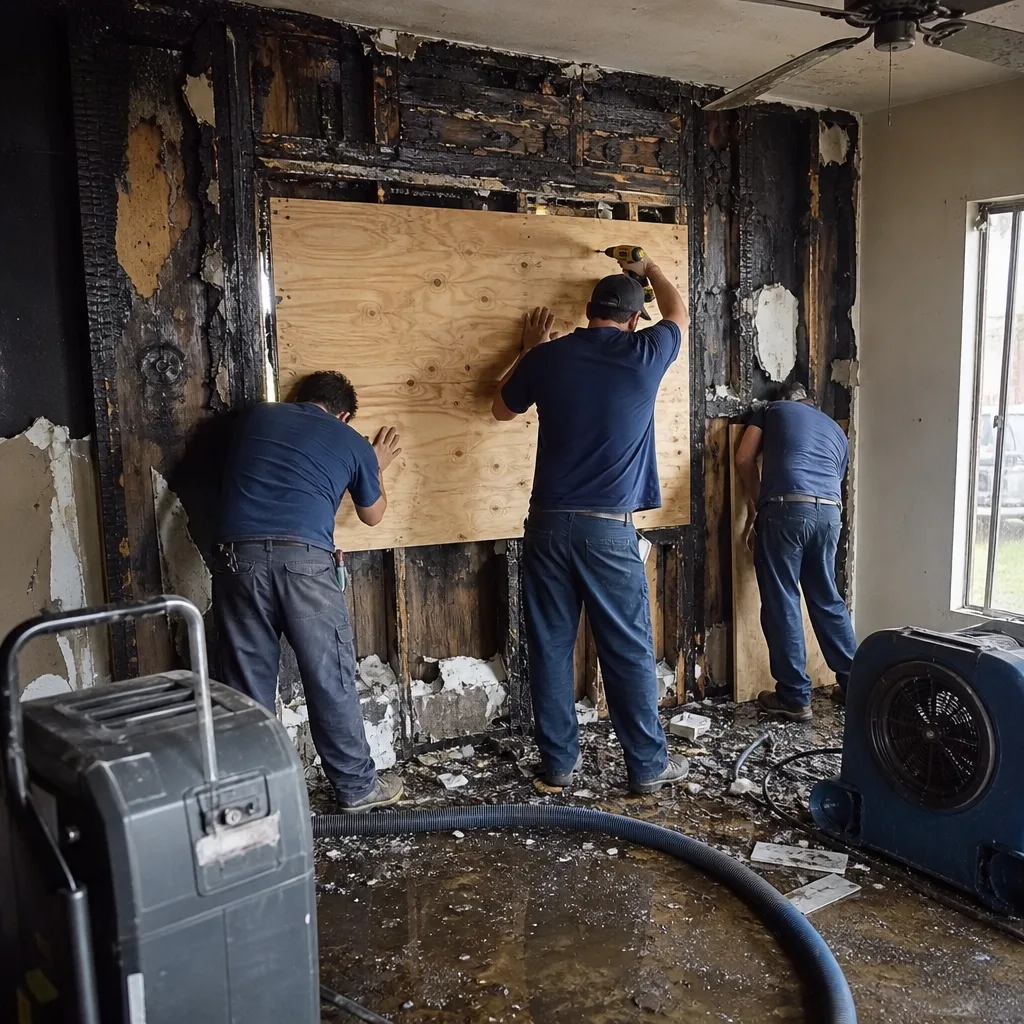
Professional restoration is not merely “more equipment and more people.” It is a documented process with specific outputs that serve distinct purposes: technical, regulatory, and financial. Understanding these outputs helps a Carson homeowner evaluate what they’re actually paying for.
The technical output: A structure returned to pre-loss moisture content, verified by calibrated instruments, with no residual moisture that supports microbial growth. This requires understanding of vapor pressure differential (the force that actually moves moisture from wet materials to dry air), specific humidity ratios, and the drying capacity of professional-grade equipment from Phoenix, XPOWER, and B-Air systems. A Phoenix 200HT dehumidifier removes approximately 30 gallons per day at standard conditions; the largest consumer unit available removes 8-12 gallons. The difference is not incremental - it’s the difference between drying in 3 days and not drying in 10.
The regulatory output: Compliance with IICRC S500 (water damage), S520 (mold), and applicable California codes. This matters when the work is inspected, when the property is sold, or when a subsequent claim references the prior loss. Unlicensed, undocumented remediation creates a permanent record gap.
The financial output: An invoice with supporting documentation that an insurer can pay without further investigation. This is where DryMark Restoration Carson’s documentation-first approach originates. Our founder, Alicia Brennan, built this company after years as a claims adjuster watching homeowners lose legitimate claims to documentation gaps. The daily drying logs, the photo record on every visit, the written scope agreed before work begins - these are not customer service flourishes. They are the evidence that turns restoration costs into covered losses.
Every job under The Haven Standard includes:
- Haven Standard, Clause 1: Written price before any work starts, with no scope-creep additions
- Documented photo record on every visit, timestamped and included as standard deliverable
- Daily moisture logs with psychrometric data, submitted with the final invoice
- 365-Day Done Right Promise: if it’s not done right, we make it right - a signed guarantee, not a verbal assurance
- Free Second Opinion on any competitor’s written estimate
These outputs exist because we’ve seen what their absence costs. A homeowner in Carson’s West Carson neighborhood once showed us a $4,200 invoice from a competitor that consisted of a single line item: “Water damage remediation.” No breakdown, no readings, no photos. The adjuster reduced the payable amount to $1,800 and invited the homeowner to sue for the balance. The documentation gap became a $2,400 gap in the homeowner’s pocket.
The Equipment Reality: Rental Store vs. Professional-Grade Systems
The equipment gap between DIY and professional restoration is frequently understated. It’s not just “better fans” - it’s different categories of technology operating on different physical principles.
Consumer-grade equipment (available at rental centers):
- Air movers: 1,600-2,400 CFM, single speed, no positioning optimization
- Dehumidifiers: refrigerant-based, 8-12 gallons/day capacity, effective only above 60°F and 40% RH
- Moisture detection: pinless surface meters, 1/4-1/2 inch depth, no calibration certificate
- No heat drying capability, no desiccant option for low-temperature conditions
Professional-grade equipment (DryMark Restoration Carson deployment):
- Air movers: 3,000-4,000 CFM, variable speed, optimized for laminar airflow across wet surfaces
- Refrigerant dehumidifiers: 25-40 gallons/day, effective across broader temperature/humidity ranges
- Desiccant dehumidifiers: for low-temperature or low-humidity conditions where refrigerant units fail
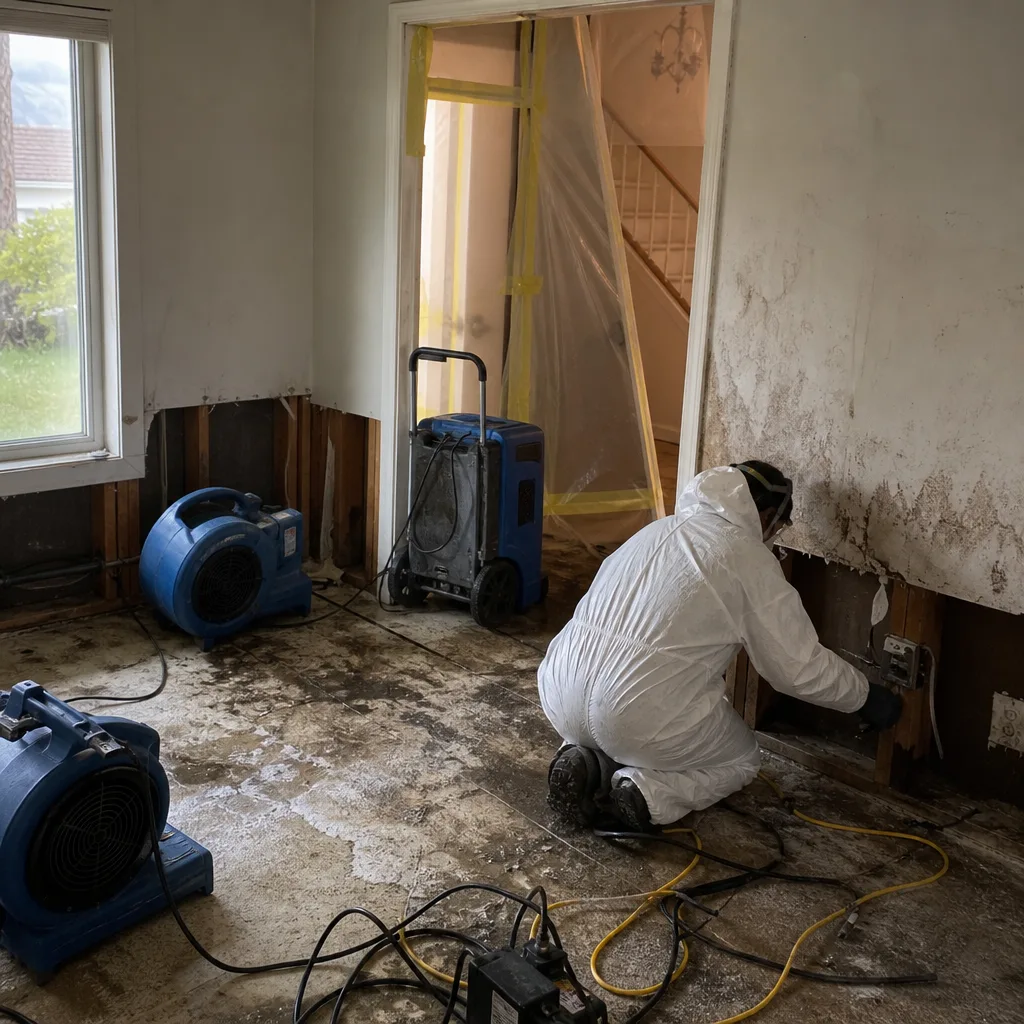
- Injectidry systems: direct wall-cavity and subfloor drying without demolition
- Penetrating moisture meters with calibration certificates, thermal imaging for non-invasive detection
- Psychrometric data loggers: continuous recording of temperature, RH, and vapor pressure differential
The Injectidry system deserves specific mention because it changes the reconstruction calculus. This system uses targeted air injection into wall cavities and subfloor spaces through small access points, drying structural materials without removing drywall or flooring. In Carson’s condominium and townhome market, where HOA requirements often restrict demolition scope, this capability can save thousands in reconstruction costs. No rental equipment offers equivalent function.
The operational difference: professional equipment is sized to the loss through calculation, not guesswork. We measure affected square footage, material types, and class of water loss (Class 1: minimal moisture; Class 4: deep saturation in low-permeance materials) to determine equipment count and placement. A Class 3 loss in a Carson home with plaster walls and hardwood flooring requires fundamentally different equipment configuration than a Class 2 loss with drywall and carpet. Consumer rental assumes one-size-fits-all, and the size rarely fits.
Common Mistakes to Avoid
- Assuming visible dryness equals structural dryness. Surface moisture meters read what they touch. Water wicks upward in drywall and inward in subflooring, creating saturated zones that surface checks miss. We’ve found 28% moisture content in plywood subfloors that read “dry” on the surface tile.
- Running fans without dehumidification. This is the most common DIY error. Fans accelerate evaporation, but without dehumidification, that evaporated moisture re-condenses on cooler surfaces - often inside wall cavities where it causes more damage than the original loss. Professional drying requires balanced air movement and moisture removal.
- Using bleach on mold-affected porous materials. Bleach kills surface mold but leaves roots intact in drywall, wood, and fabric. It also adds moisture to the material. The mold returns, often worse, and the bleach residue complicates professional remediation. Carson’s humidity makes this recurrence especially likely.
- Failing to document the loss before cleanup. Photograph everything before touching anything: water lines, damaged materials, source of loss, affected personal property. Insurers deny contents claims where pre-cleanup documentation is absent. This is separate from restoration documentation; it’s the proof of loss itself.
- Delaying professional assessment to “see if DIY works.” Every hour of delay increases the water degradation category and the remediation cost. Category 1 becomes Category 2 in 24-48 hours; Category 2 becomes Category 3 in another 24-48. The money “saved” by waiting is typically lost multiplied.
- Accepting a verbal estimate or scope. Haven Standard, Clause 1 exists because we’ve seen the consequences. A verbal “$2,500 to dry it out” becomes $5,800 on the final invoice with “unforeseen” charges for equipment, antimicrobial, and “extended drying.” The written price before work starts is your protection; anything less is a gamble.
- Neglecting to verify contractor documentation standards. Not all restoration companies produce equal documentation. Ask specifically: Will I receive daily moisture logs? A photo record on every visit? A signed certificate of drying completion? If the answer is vague, the documentation gap persists - just with a higher invoice.
When to Call a Professional
Call professional restoration immediately when: the water loss exceeds 10 square feet or has affected structural materials; the water is Category 2 (gray) or Category 3 (black/sewage); mold is visible or suspected; an insurance claim has been or will be filed; the loss involves fire, smoke, or chemical contamination; or you lack the equipment to measure and document structural moisture content.
For Carson homeowners, the decision framework is simple: if documentation matters - to your insurer, to a future buyer, to your own protection - professional restoration is the only path that produces it. DIY saves money only in the narrow corridor where no documentation is ever needed, no claim is ever filed, and no future issue ever emerges. For proactive maintenance that can prevent losses, see our Water Damage Restoration Maintenance Checklist for Carson Homeowners. That corridor is real, but it’s narrow.
DryMark Restoration Carson offers free estimates in Carson. Our assessment includes moisture readings, a written scope, and a fixed price before any work begins - Haven Standard, Clause 1. Call (424) 305-3365 to schedule. For losses where you’ve already received a competitor’s estimate, we provide a Free Second Opinion at no charge. Explore more guides & resources on protecting your Carson home.
Frequently Asked Questions
Most residential water damage restoration in Carson ranges from $2,500 to $6,500 for standard drying of a single affected area, with costs scaling based on square footage, material class, and equipment days required. Category 3 sewage losses or mold-contaminated jobs typically start at $4,500 due to containment and remediation requirements. We deliver a written price before any work starts - Haven Standard, Clause 1 - so the estimate you approve is the invoice you receive. Call (424) 305-3365 for an exact quote; estimates are free.
Your policy covers “reasonable and necessary” mitigation, which insurers interpret as professionally performed and documented. DIY costs may be reimbursed at a reduced rate or denied entirely if the insurer determines the mitigation was inadequate. More critically, DIY without documentation exposes you to “failure to mitigate” and “known condition” exclusions on future claims. Professional restoration produces the documentation insurers pay on; DIY typically does not.
Live person answers every call, 24 hours a day, 7 days a week - no voicemail trees, no next-business-day callbacks while water is still moving. Emergency response teams are dispatched immediately for active water losses, with arrival times depending on current call volume and your location within Carson. For non-emergency assessments, we typically schedule same-day or next-day appointments. The critical factor is speed on mitigation topics; reconstruction work is scoped, scheduled, and priced in writing like any remodel.
Visible damage is rarely the complete damage. Water travels along paths of least resistance: inside wall cavities, under flooring, through insulation. Professional moisture detection finds this hidden damage; surface cleaning ignores it. If an insurance claim is involved, the insurer may require proof that all damage was addressed, not merely the visible portion. We document both the visible and the hidden, with readings to prove the distinction.
We coordinate directly with your adjuster, providing the documentation package - daily drying logs, photo record, written scope, certificate of completion - that supports claim payment. Our documentation is formatted to IICRC, RIA, and IFA standards for direct adjuster review. You remain the policyholder and must authorize all communications, but the technical documentation burden shifts to us. This is the core of our documentation-first approach, built from founder Alicia Brennan’s experience on the adjuster side of the table.
Yes, but with important caveats. The sooner you switch, the more we can document. If you’ve already removed materials or moved equipment, some evidence is lost. We can still assess current conditions, establish drying protocols, and document from that point forward. However, the insurer may question why professional restoration wasn’t engaged immediately, and any damage that occurred during the DIY period may be contested. If you’re considering the switch, call now rather than later - documentation quality degrades with time.
The Bottom Line
The DIY-versus-professional question is not primarily about skill or even upfront cost. It’s about documentation - the evidence that transforms restoration expenses into covered losses. For Carson homeowners with insurance, professional restoration pays for itself through higher claim recovery, future claim protection, and the elimination of “known condition” risk. DIY is defensible only in the narrow corridor of small, clean, uninsured losses with no structural involvement. Everywhere else, the documentation gap becomes a coverage gap, and the savings evaporate in the adjuster’s review. The Haven Standard was built to close that gap: written price before work starts, documented record on every visit, and a 365-Day Done Right Promise that outlasts the final invoice.
Written by Alicia Brennan, Owner at DryMark Restoration Carson, serving Carson since 2011.