
Free visual inspection and a written scope of work before any mitigation begins - photos, moisture readings, and drying logs go in your claim file
The scope we write is the scope we bill. Anything new gets shown to you, in writing, before we touch it.
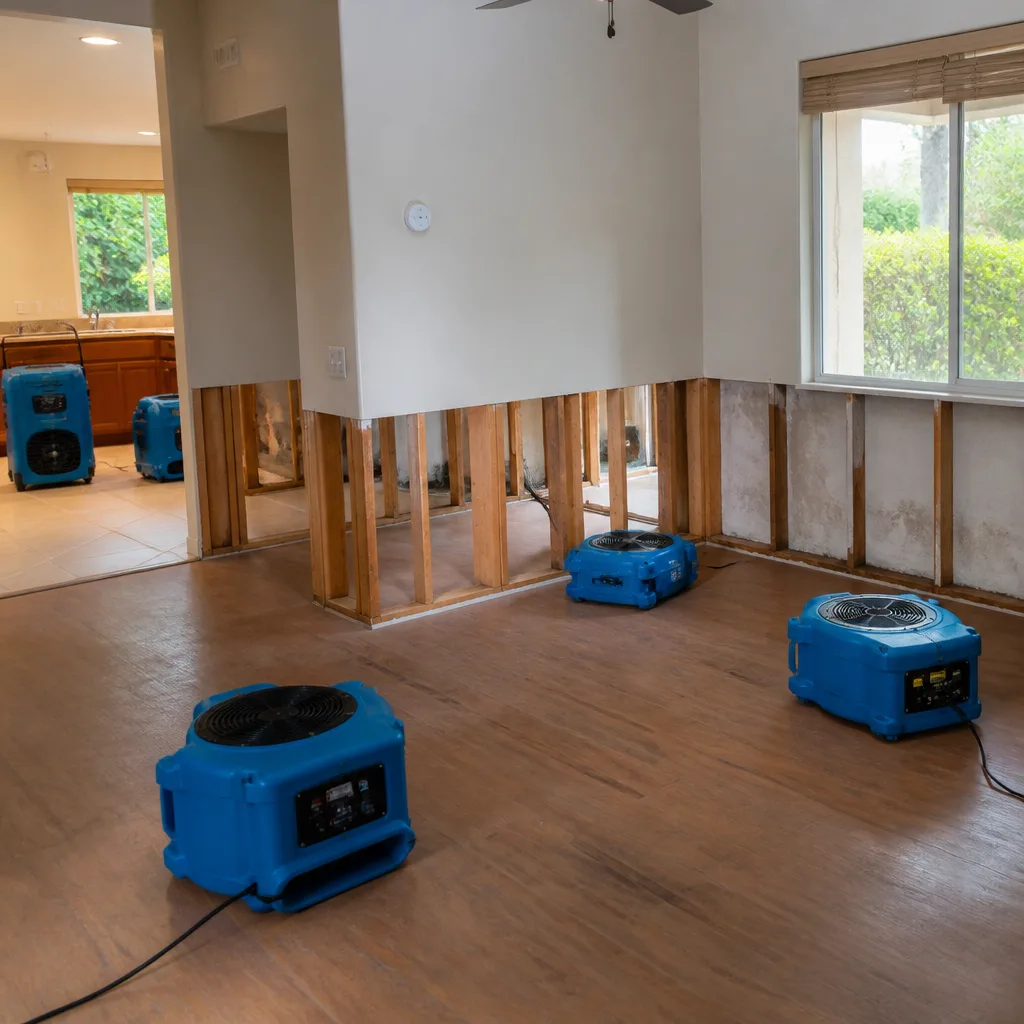
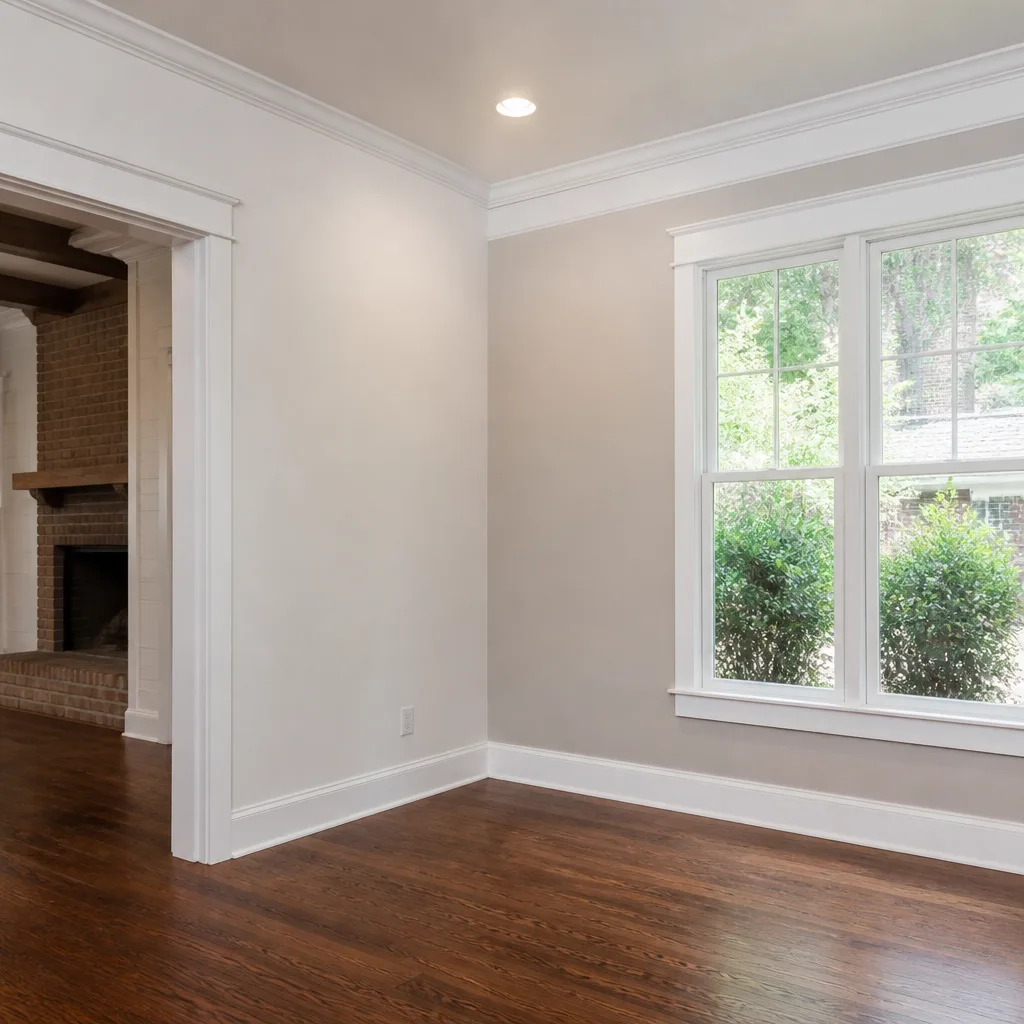
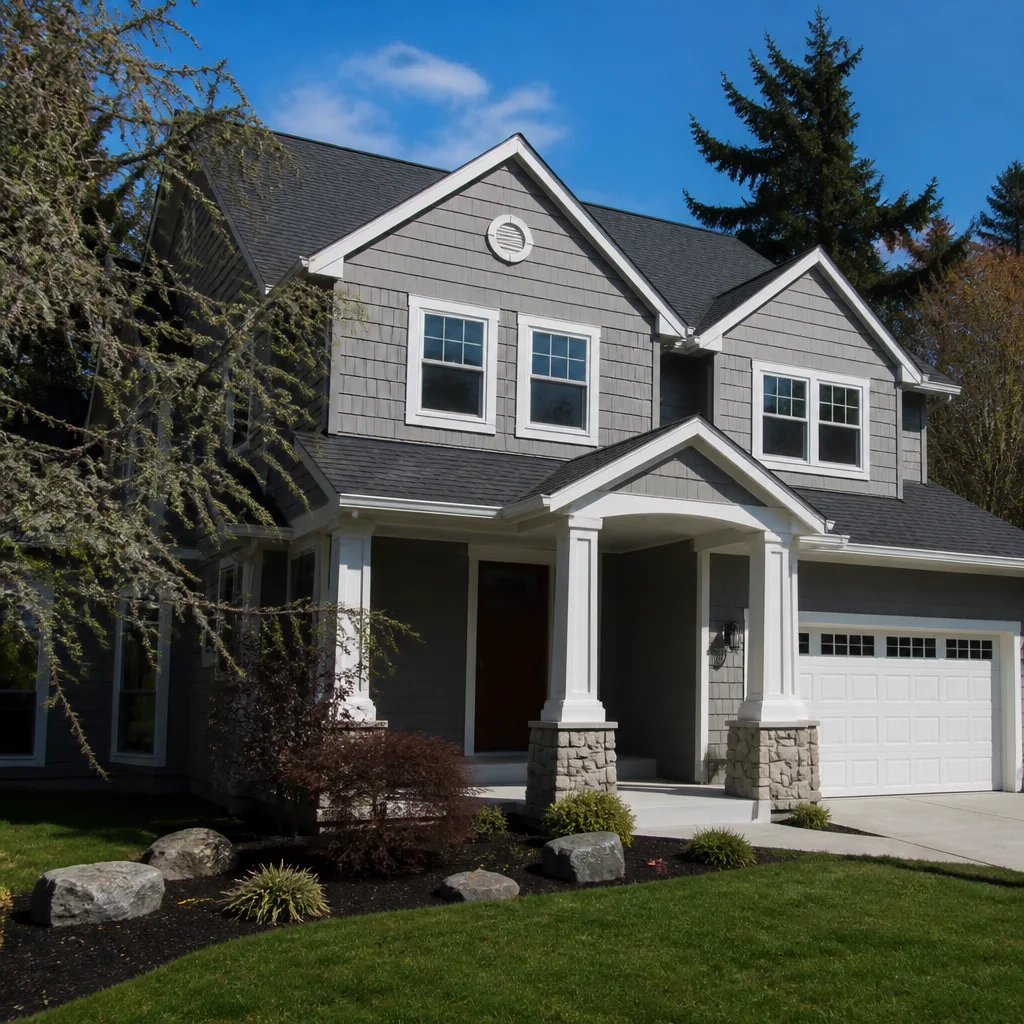
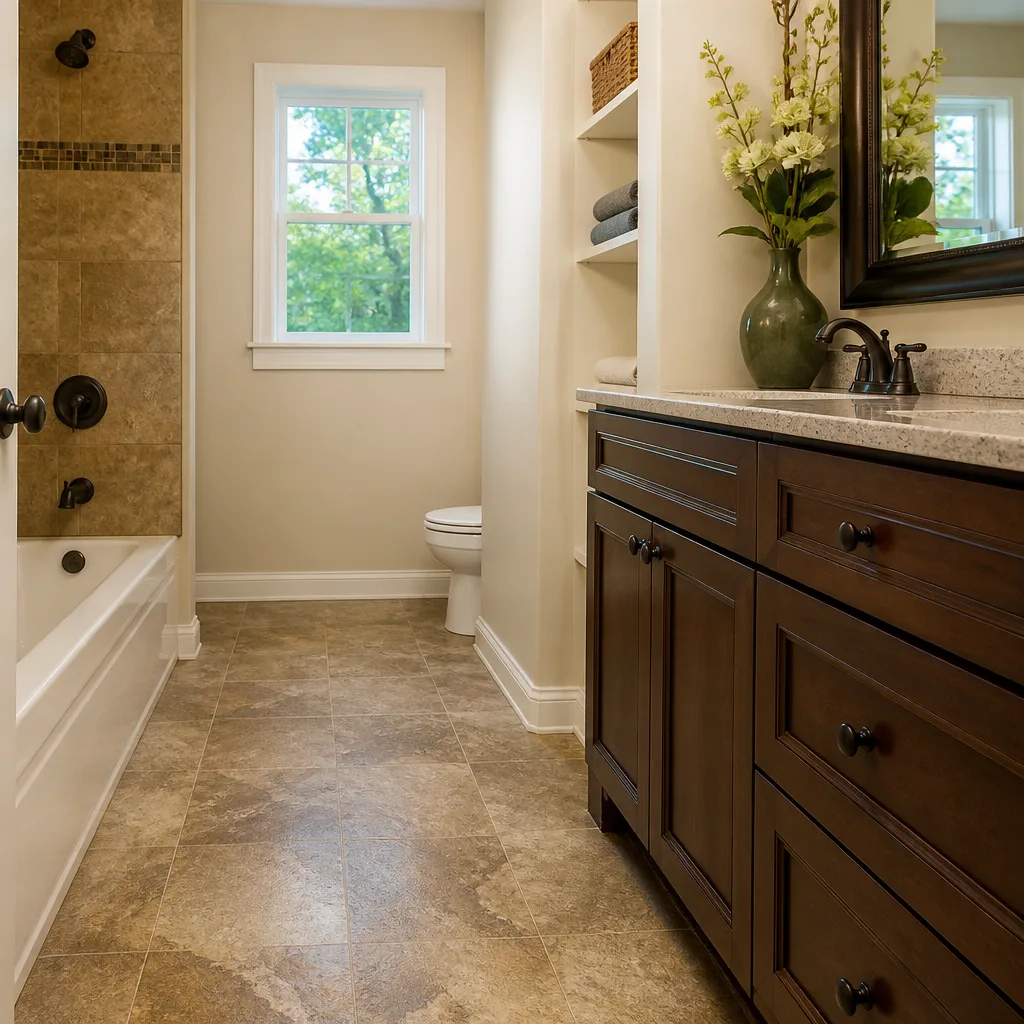
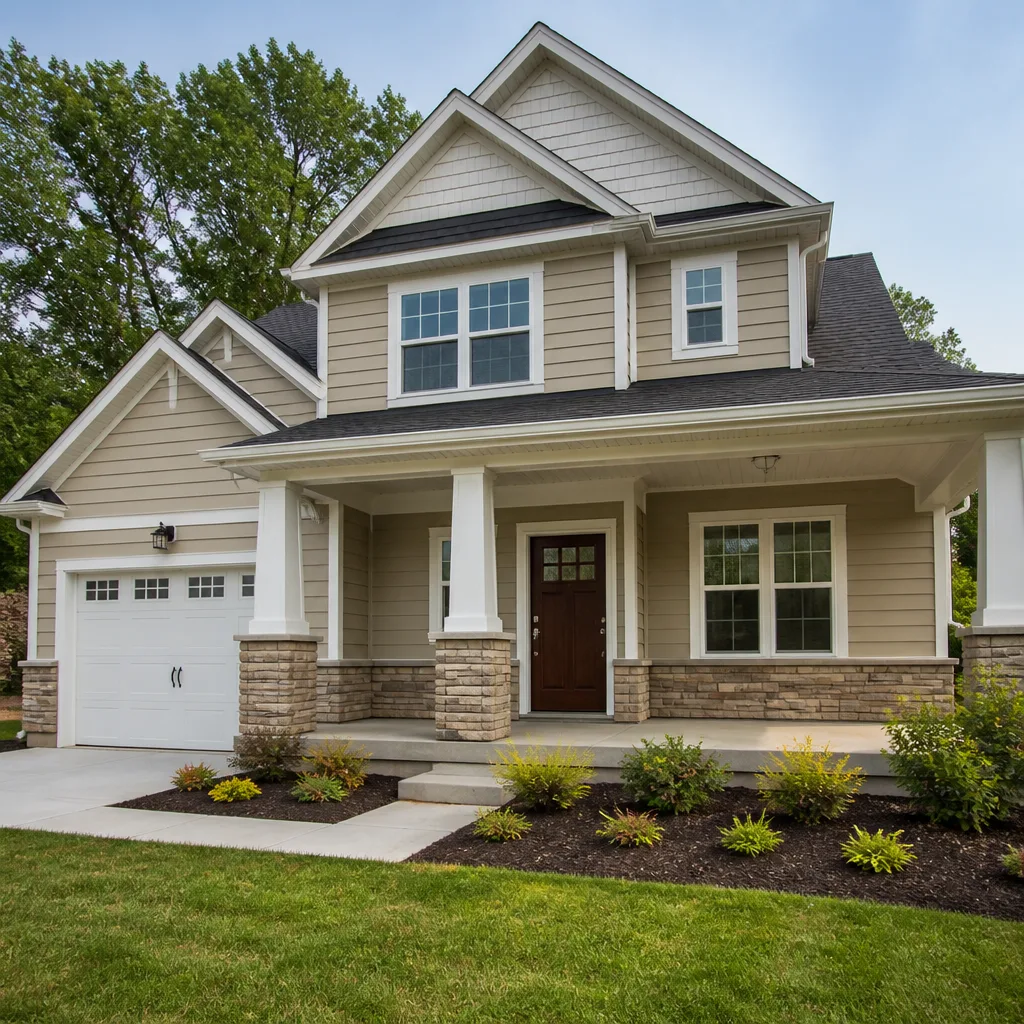
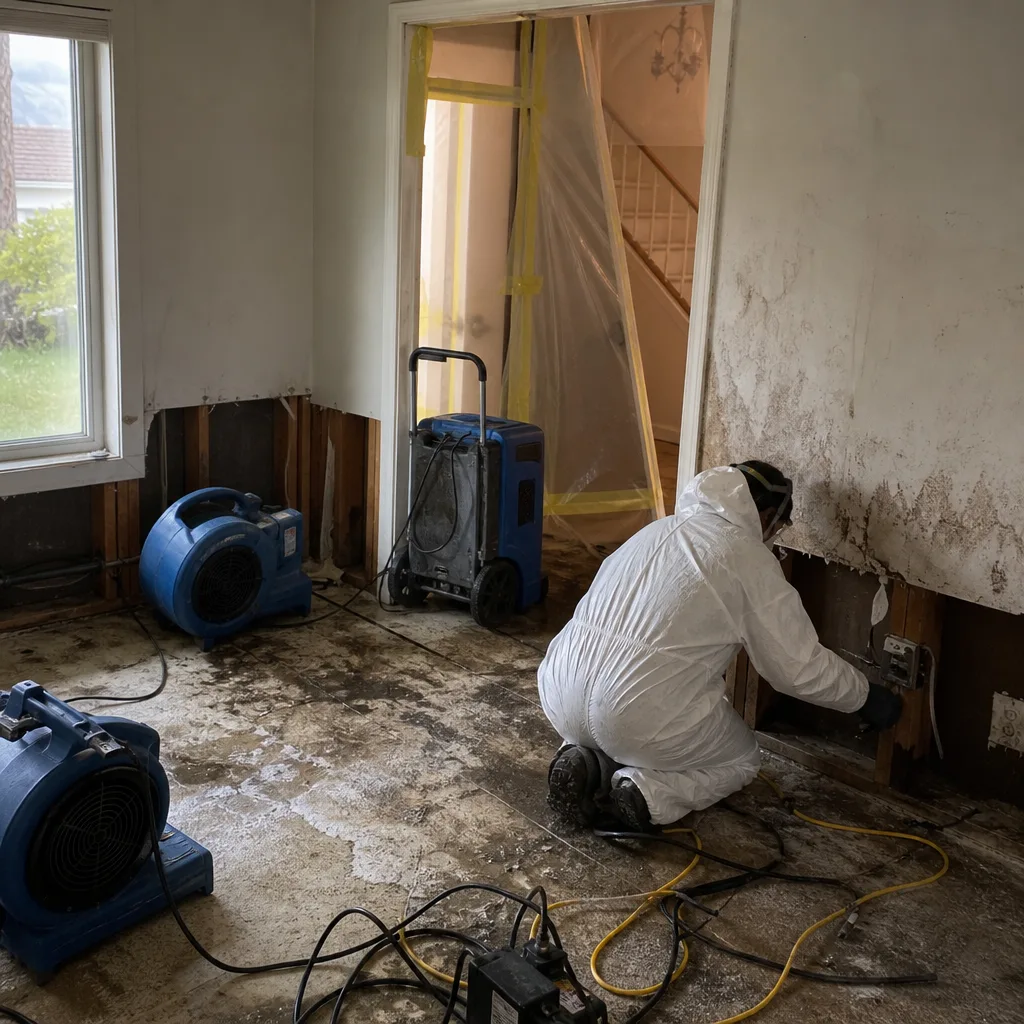 Before
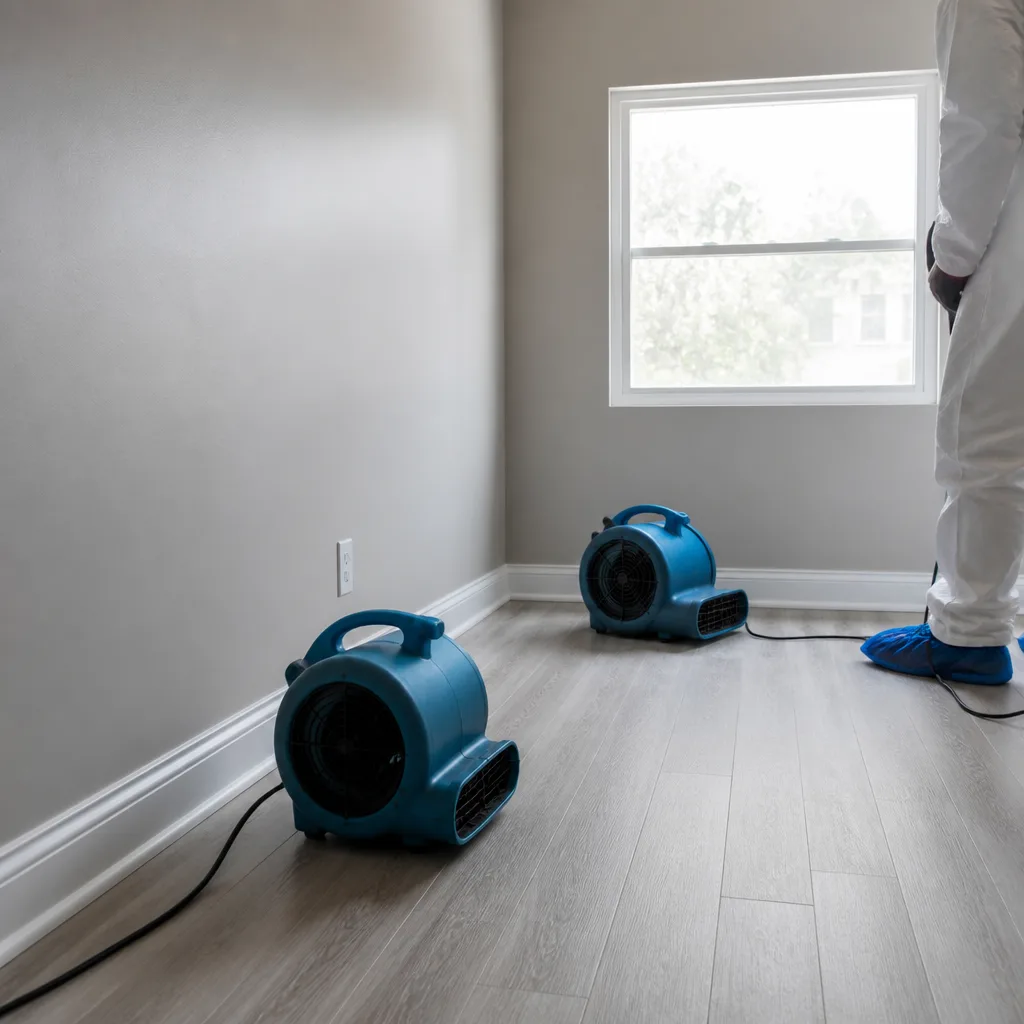 After
After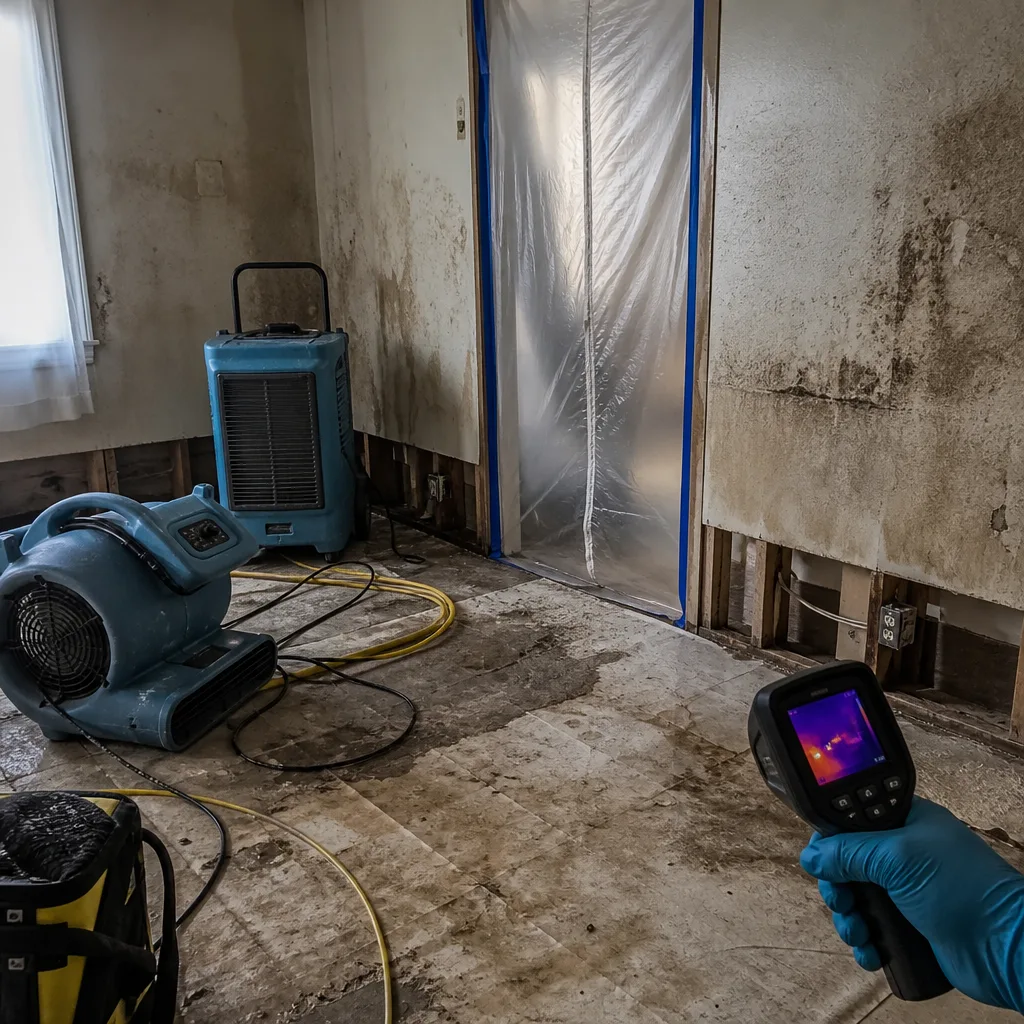 Before
 After
After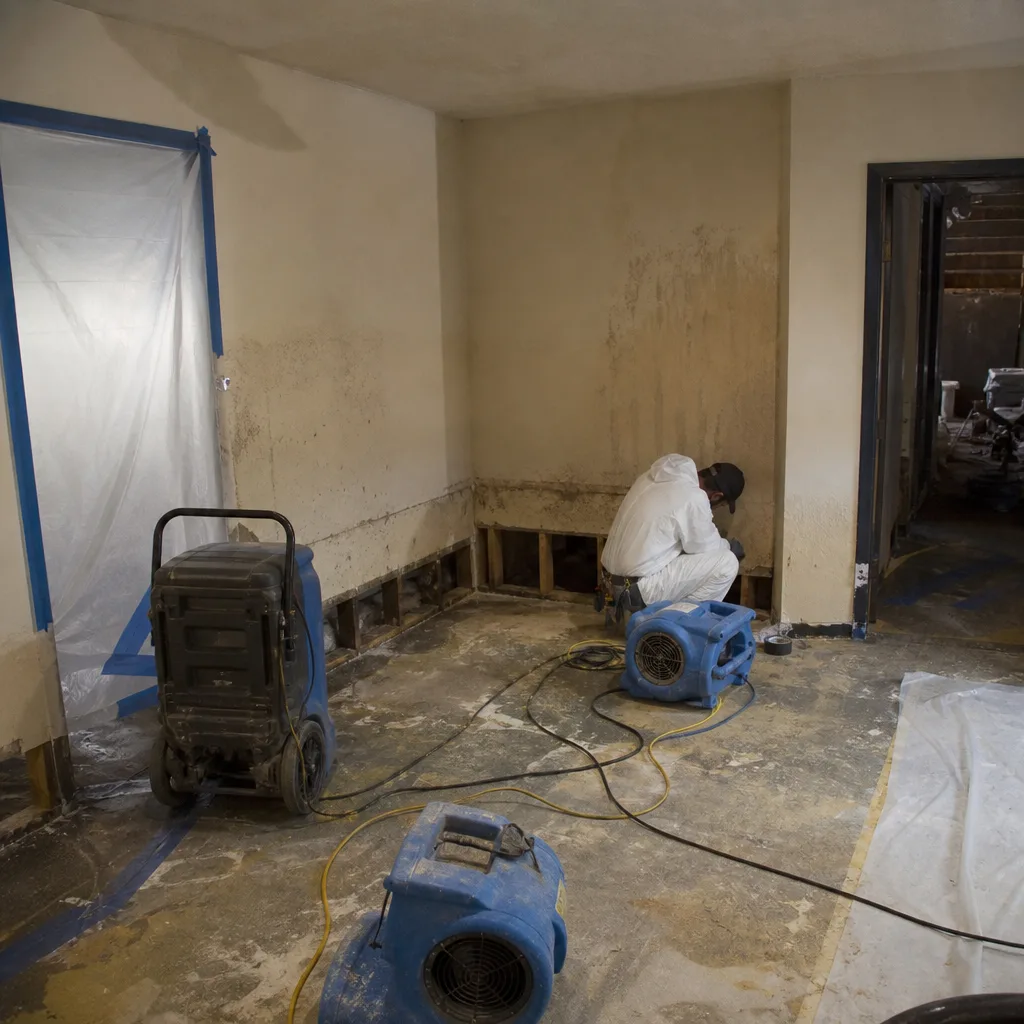 Before
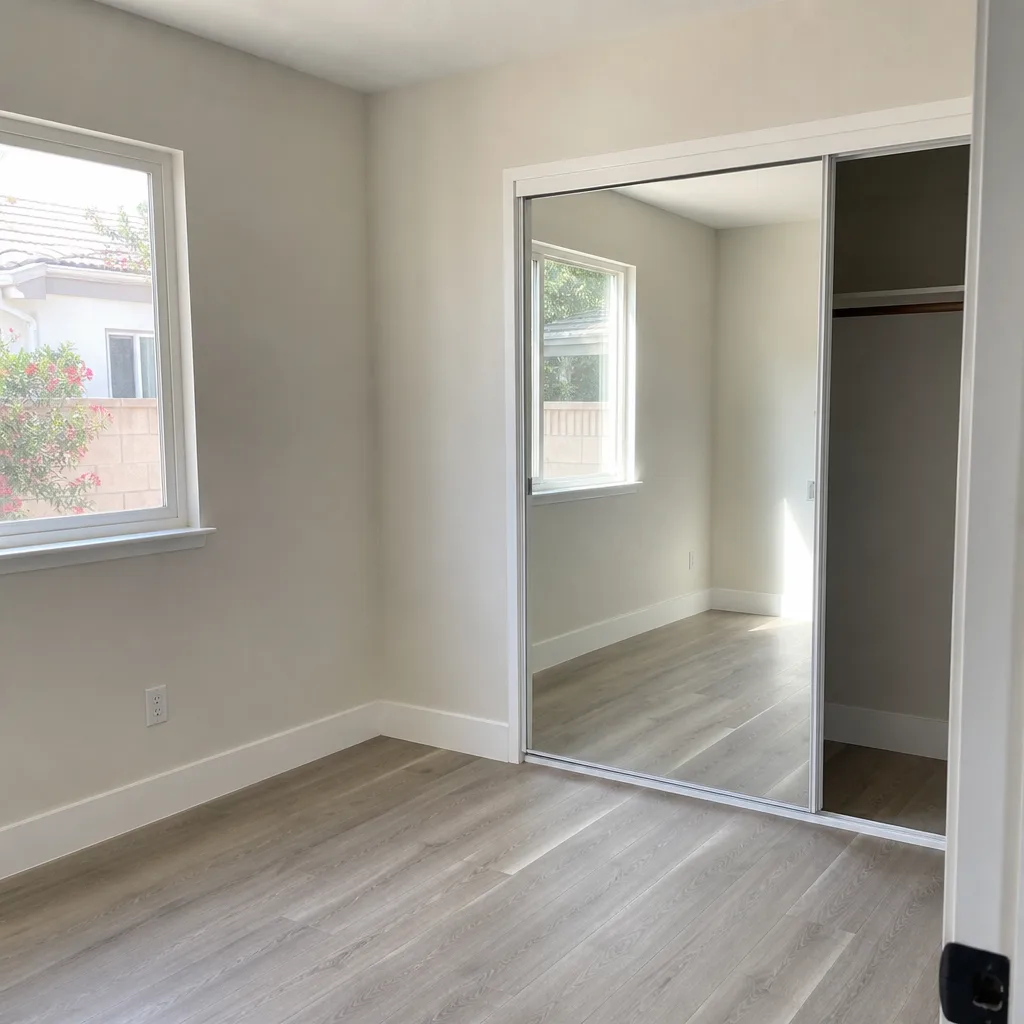 After
After24/7 Emergency Fire & Smoke Damage Restoration in Hawthorne
A fire in your Hawthorne home demands immediate response. Call (424) 305-3365 now. Our Fire & Smoke Damage Restoration team answers live, 24 hours a day, 7 days a week. No voicemail. No callback queues. Crews are dispatched from our Los Angeles office and can be on-site anywhere in Hawthorne within 45 minutes.
The first hour after a fire determines how far smoke and soot migrate through your property. Hot smoke rises through wall cavities, attic spaces, and HVAC ducts, depositing acidic residue on every surface it touches. In Hawthorne’s 1945-1965 Northrop-era tract homes, that smoke finds original asbestos acoustic ceiling texture, 9×9 floor tiles, and unsealed wall cavities that trap odor for months if not properly addressed. We provide a free visual inspection on arrival, document everything with photos, and deliver a written scope before any work begins - Haven Standard, Clause 1.
Understanding Fire & Smoke Damage Restoration Severity in Hawthorne Properties
Fire damage in Hawthorne follows a severity scale that maps directly to the city’s housing stock. Light smoke exposure, or Class 1, affects a single room with minimal structural involvement - common in kitchen fires contained to the origin area. Class 2 extends smoke residue to multiple rooms and requires content pack-out. Class 3 involves structural compromise: charred framing, compromised roof decking, or firefighting water saturation of wall cavities.
The dominant housing in Hawthorne - single-story stucco ranches built during the South Bay aerospace boom - introduces compounding factors rarely seen in newer markets. Original low-slope built-up roofing systems, common on these homes, absorb firefighting water and coastal fog humidity simultaneously, creating a vapor pressure differential that drives moisture into charred structural members. Soot residue types vary by fuel source: protein fires from kitchen grease produce nearly invisible but pungent residues; synthetic fires from plastics and polymers leave thick, acidic deposits; natural fires from wood and paper create dry, powdery soot that’s easier to remove but more widely distributed.
Smoke migration follows the path of least resistance. In Hawthorne’s poorly insulated post-war homes, that means through unsealed top plates, around electrical boxes, and into attic spaces with no vapor barrier. Tertiary smoke damage - odor and residue that reappear weeks after initial cleaning - occurs when crews skip psychrometric monitoring of hidden cavities. Our crews use thermal imaging to trace migration paths and document moisture readings to IICRC S500 and S700 standards.
Why Hawthorne Property Owners Choose DryMark Restoration Carson
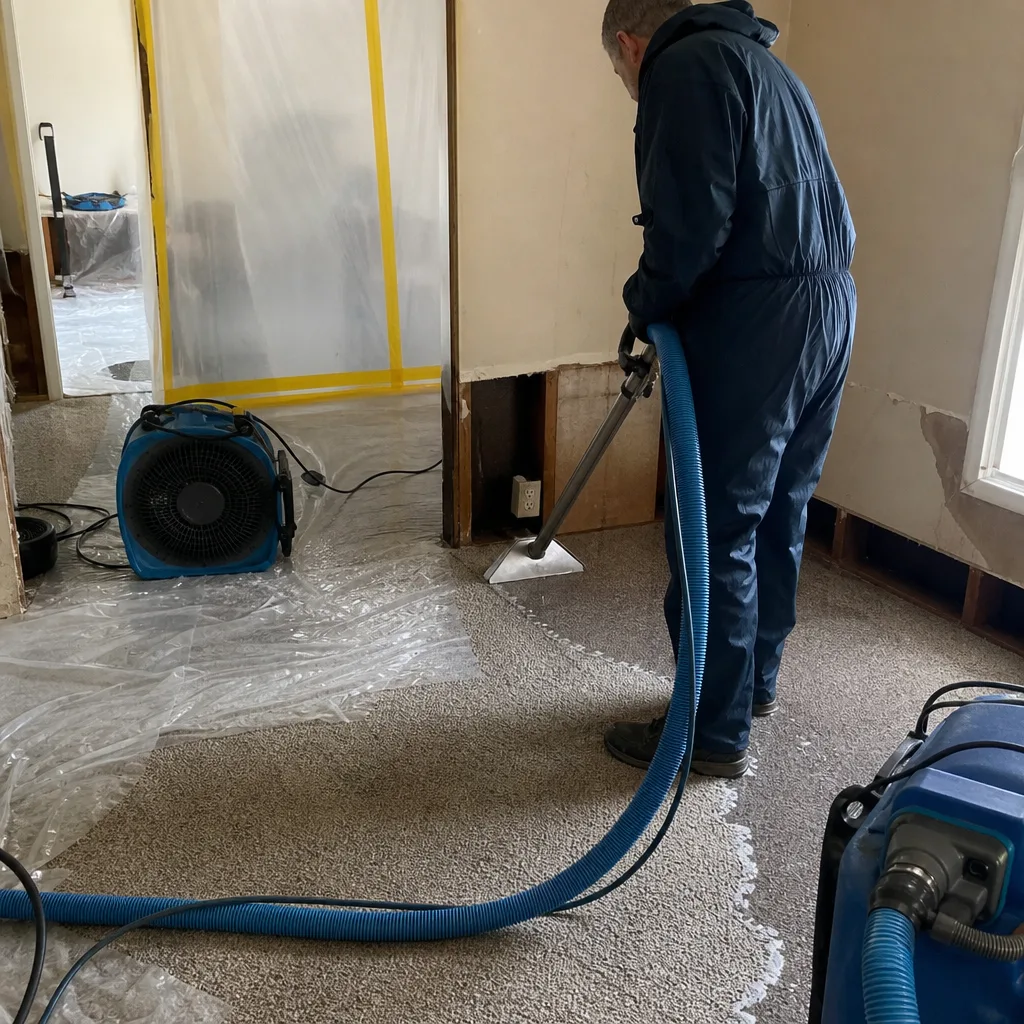
- 45-minute response commitment to any Hawthorne address, with crews staged for the South Bay marine-layer corridor.
- 24/7 live answer - a real person, never an automated system, picks up every call to (424) 305-3365.
- IICRC-certified crews holding FSRT (Fire & Smoke Restoration Technician) and WRT (Water Damage Restoration Technician) certifications, with AMRT (Applied Microbial Remediation Technician) credentials for the mold that follows firefighting water.
- Free visual inspection on every call, with a written scope delivered before any equipment is powered on.
- Direct insurance billing with photo-documented estimates that adjusters recognize and pay without dispute.
- One team from board-up to reconstruction - no handoffs between mitigation and rebuild contractors that delay your return home.
 Before
 After
AfterOur Fire & Smoke Damage Restoration Process
1. Inspection & Assessment
We arrive with thermal imaging cameras, moisture meters, and hygrometers to map smoke migration and water saturation. In Hawthorne’s Northrop-era homes, we immediately flag original asbestos materials that require hazmat containment before any air movers or soot removal equipment can be deployed. Every finding is photographed and logged.
2. Emergency Board-Up & Tarping
Broken windows, compromised roofing, and fire-damaged doors are secured to prevent weather intrusion and unauthorized entry. On Hawthorne’s 1950s ranches with original low-slope built-up roofs, we use reinforced tarps rated for the South Bay’s persistent coastal winds, not standard blue tarps that fail in marine-layer conditions.
3. Structural Drying & Dehumidification
Firefighting water saturates wall cavities, subfloors, and roof decking. We deploy Phoenix dehumidification systems and XPOWER air movers with calculated air changes per hour, documented to psychrometric standards. In Hawthorne’s humid coastal environment, drying logs are critical - coastal fog can reintroduce moisture to partially dried structures if not monitored daily.
4. Smoke & Soot Removal
Soot is chemically aggressive. We match cleaning agents to residue type: dry sponges for light natural soot, alkaline cleaners for protein fires, solvent-based products for synthetic residues. On Hawthorne’s salt-air-corroded galvanized hardware, oxidized metal surfaces require specialized chemistries that neutralize both soot acidity and corrosion byproducts.
5. Odor Removal & Deodorization
Smoke odor in Hawthorne’s older homes wicks into original asbestos acoustic ceiling texture and porous stucco. Surface cleaning fails. We use thermal fogging, ozone treatment, and hydroxyl generators to penetrate these materials, with moisture mapping confirming that roof deck humidity isn’t reintroducing odor after treatment. B-Air HEPA air scrubbers run continuously during this phase.
6. Repairs & Restoration
Charred framing is sistered or replaced. Drywall, insulation, and flooring are reinstalled to pre-loss condition. Our 365-Day Done Right Promise, backed by The Haven Standard, covers every repair. If it’s not done right, we make it right - in writing, not as a verbal assurance.
Need Emergency Fire & Smoke Damage Restoration in Hawthorne Now?
Crews minutes away, answering live 24 hours a day. The sooner we start, the less it costs.
Working With Your Insurance Company
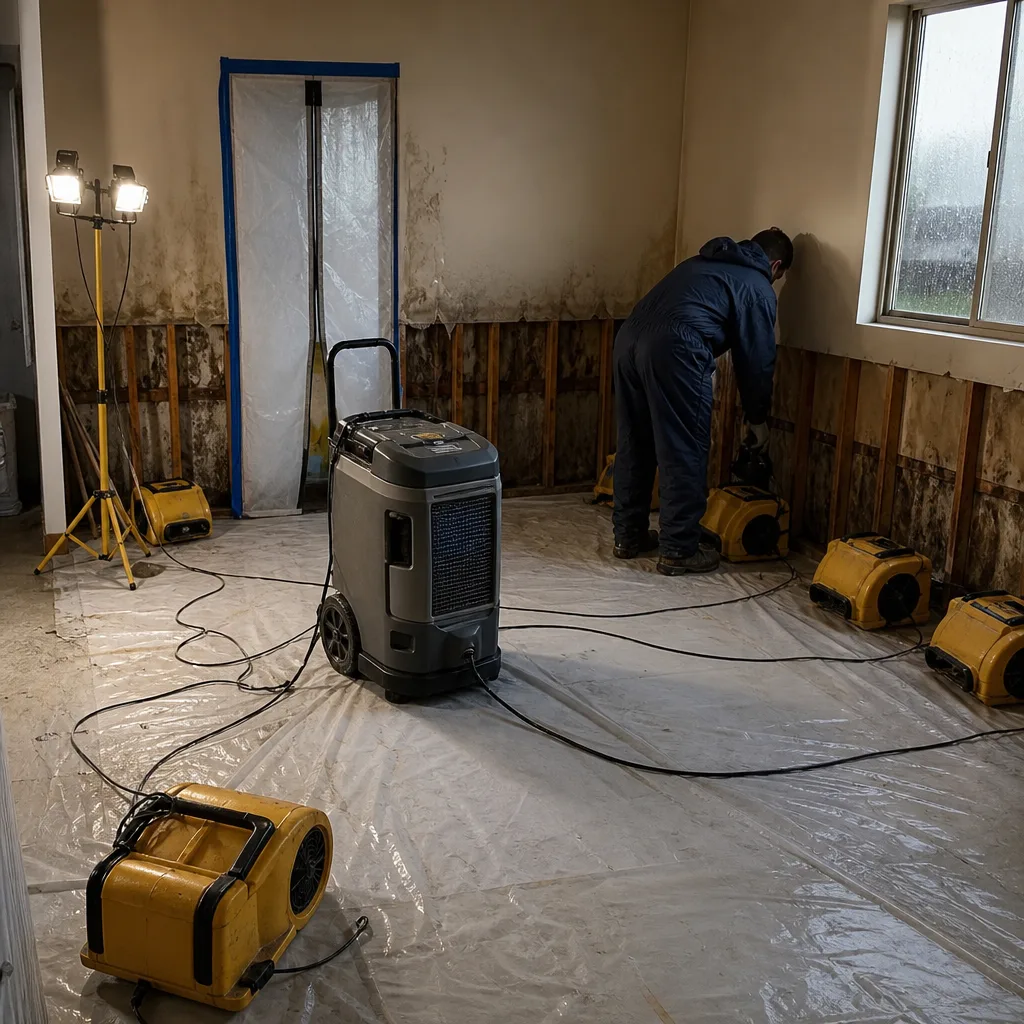
Fire claims live or die on documentation. Adjusters see hundreds of estimates monthly; the ones that get paid without dispute have photo evidence, moisture logs, and line-item scopes written to industry-standard formats. Our founder built Back to Dry around the documentation gap that costs homeowners their claims - the photos that weren’t taken, the readings that weren’t logged, the scope that wasn’t itemized.
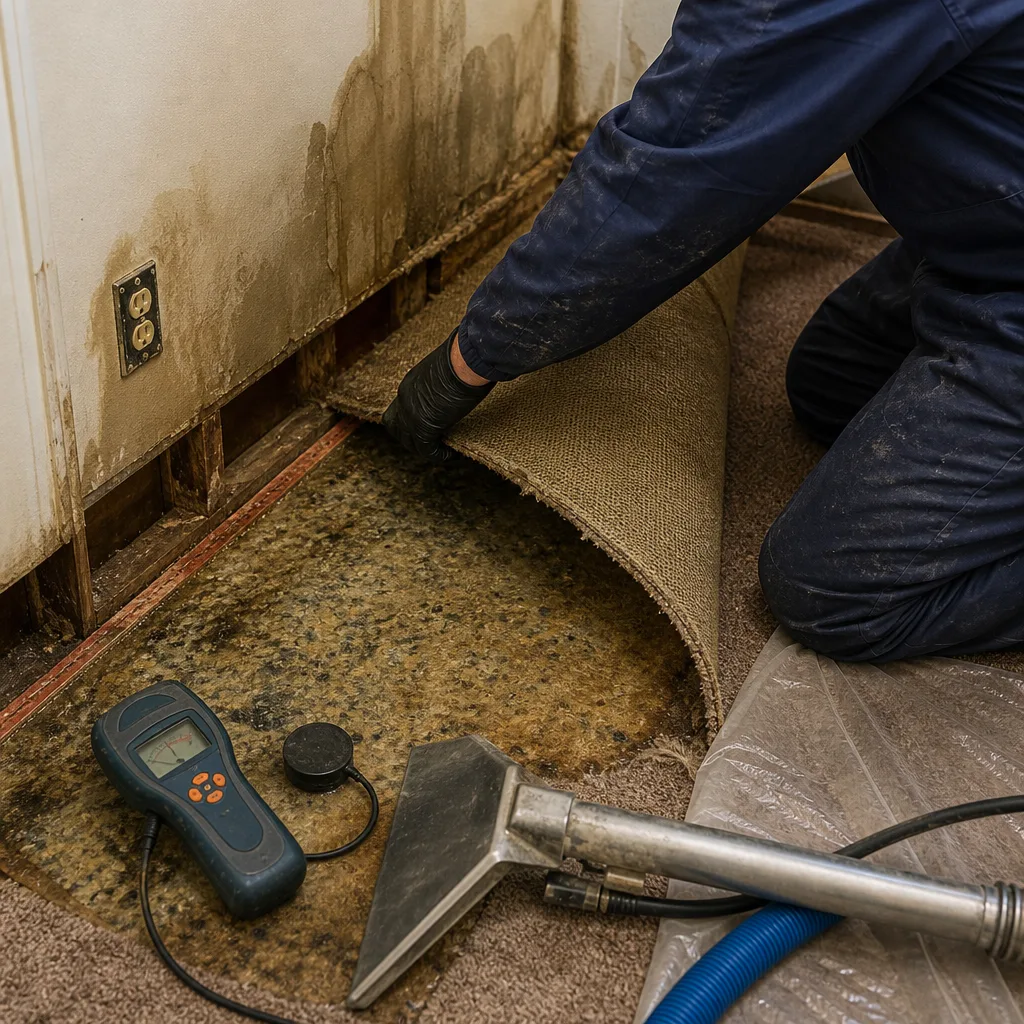
From the first hour on your Hawthorne property, we photograph every room, every surface, every hidden cavity our thermal cameras reveal. We produce daily drying logs with psychrometric data: temperature, relative humidity, and specific humidity readings that prove structural members reached pre-loss moisture content. Your adjuster receives this package directly, with a written scope that matches Xactimate pricing standards. Direct billing means you don’t float costs while waiting for approval.
What We Provide Your Insurer
- Thorough documentation of the loss
- Photos of all damage, room by room
- Moisture readings and drying logs
- A detailed, line-item scope of work
- Direct coordination with your carrier
Built for Hawthorne’s Loss Calendar
Hawthorne’s fire risk follows distinct seasonal patterns tied to its coastal position and aging housing stock. December through February brings portable heater and fireplace incidents as marine-layer dampness drives residents to supplemental heat sources in poorly insulated homes. These fires often involve original galvanized gas lines with decades of salt-air corrosion at fittings.
May through August, the “June Gloom” season, elevates electrical fire risk. Coastal fog humidity penetrates unsealed wall cavities, corroding original knob-and-tube remnants and aging aluminum branch circuits that still exist in unrenovated Hawthorne ranches. Attic temperatures spike when fog burns off by afternoon, creating condensation on cool electrical components.
Year-round, kitchen grease fires dominate - Hawthorne’s dense residential blocks mean rapid mutual-aid response, but also significant firefighting water deployment in homes with no vapor barriers and original built-up roofing that traps moisture. The result: a fire loss that becomes a water loss that becomes a mold remediation, all documented under a single claim with our photo record and drying logs.
Fire & Smoke Damage Restoration Across Hawthorne’s Neighborhoods
We respond across Hawthorne’s full footprint, from the residential core to commercial corridors, with crews who know the local building stock.
Bodger Park and the 90250 core - dense concentrations of 1950s stucco ranches between El Segundo Boulevard and Rosecrans Avenue. Fires here typically start in original kitchens with ungrounded electrical and spread into attic spaces with no fire stops. Smoke odor lingers in asbestos acoustic texture that contractors unfamiliar with Northrop-era housing often miss entirely.
The Ramona Park area near 138th Street - where our crew handled the 1958 ranch kitchen fire that required full asbestos containment before air movers could run. Homes here sit on slightly higher ground but share the same post-war construction, with original low-slope roofs that leak slowly for years before any fire event exposes the damage.
Hawthorne Boulevard corridor - mixed commercial and multi-family buildings from the 1960s and 1970s. Fires in these structures involve shared attic spaces and common HVAC systems that distribute smoke across multiple units. Board-up here requires coordination with property management and often involves securing multiple tenant entrances.
West Hawthorne toward Crenshaw Boulevard - some of the city’s oldest 1940s construction, with original galvanized plumbing that has seen seventy-plus years of hard water and salt-air corrosion. Firefighting water finds these corroded supply lines and causes secondary leaks inside walls that aren’t discovered until moisture mapping reveals elevated readings days later.
Every Hawthorne neighborhood shares the marine-layer vulnerability. Every response accounts for it.
Specialized Fire & Smoke Damage Restoration Services We Offer in Hawthorne
Fire Damage Cleanup
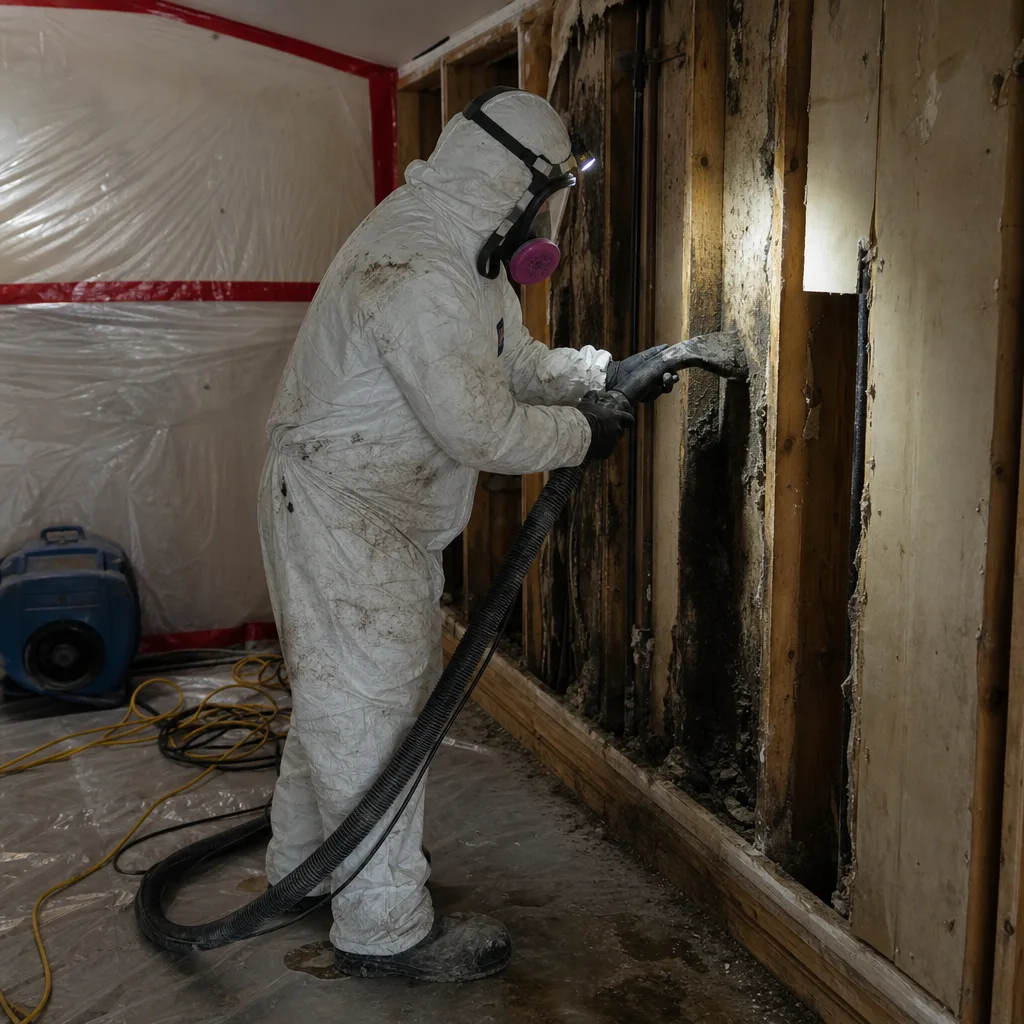
Structural debris removal, charred material demolition, and site preparation for rebuild. In Hawthorne’s asbestos-era homes, this phase cannot begin until hazmat containment is established and documented. We coordinate certified abatement contractors and fold their timeline into our overall scope so your claim isn’t fragmented across multiple vendors.
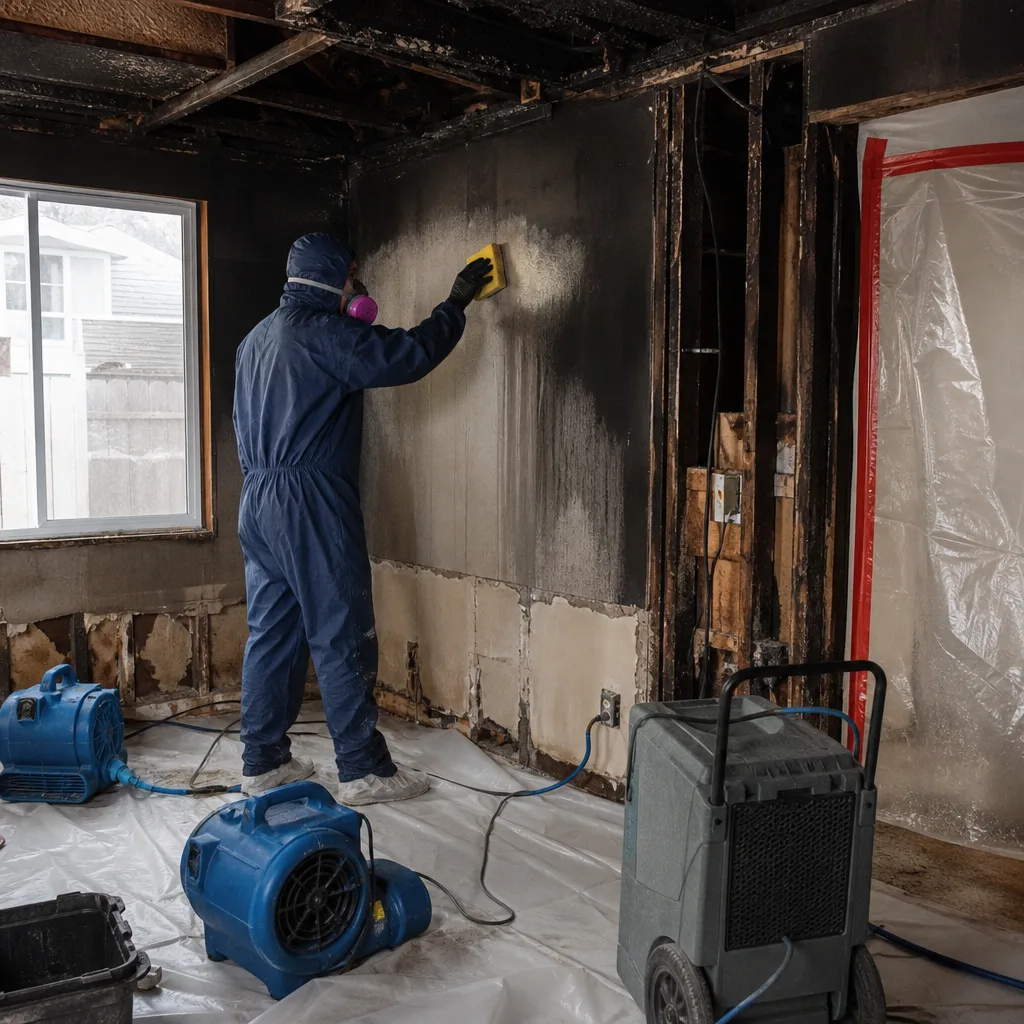
Smoke & Soot Removal
Acidic soot residue continues degrading surfaces for hours after the fire is out. On Hawthorne’s salt-air-corroded metal hardware, this chemical attack is accelerated. We use HEPA vacuuming, chemical sponges, and targeted cleaning agents matched to fuel source, with moisture mapping confirming that coastal humidity hasn’t created secondary corrosion beneath the soot layer.
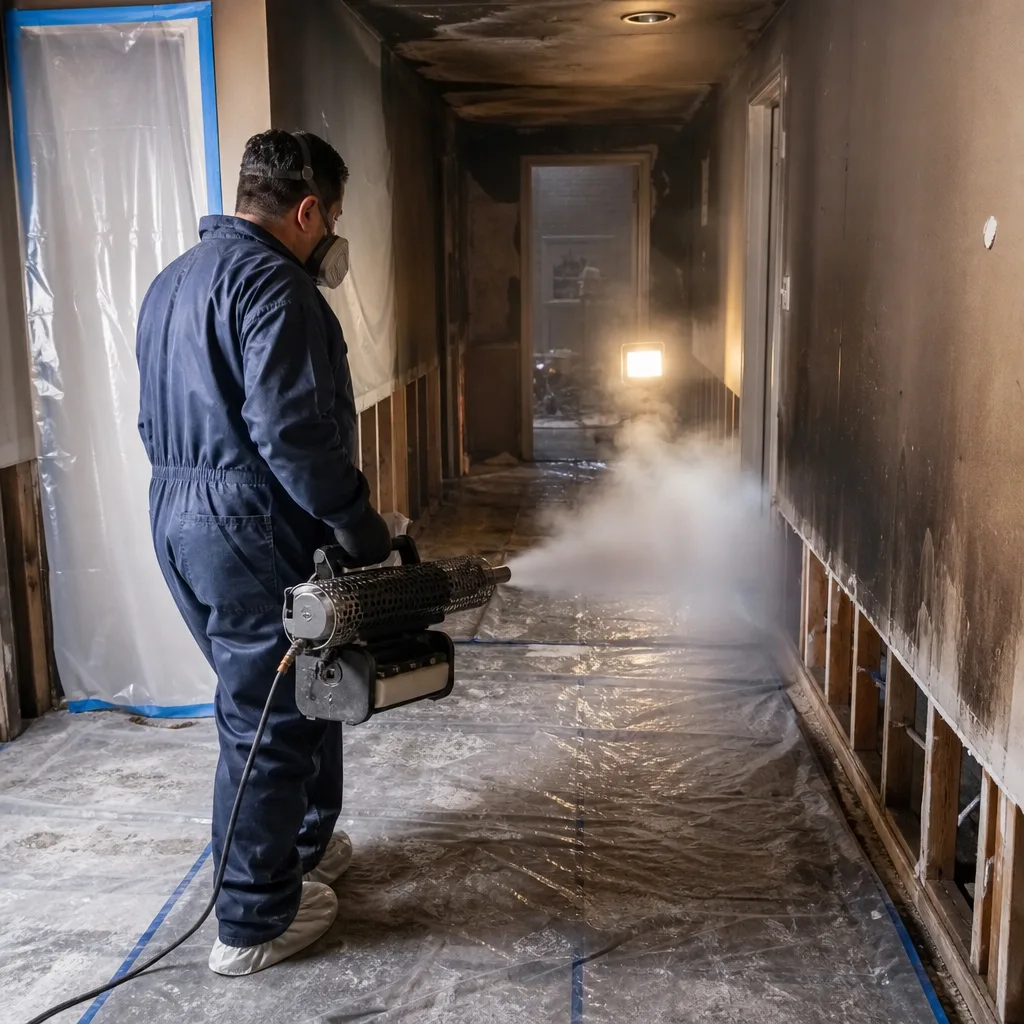
Odor Removal & Deodorization
Smoke odor in Hawthorne’s older ranch homes wicks into porous materials that surface cleaning cannot reach. Thermal fogging, ozone, and hydroxyl treatment penetrate these cavities. Critical: deodorization fails when crews skip moisture mapping of the roof deck above the fire room. Coastal fog reintroduces humidity that reactivates odor molecules weeks after initial treatment.
Contents Cleaning & Pack-Out
Salvageable items are inventoried, photographed, and transported to our cleaning facility. Non-salvageable items are documented for your claim with replacement cost research. In Hawthorne’s compact 1950s floor plans, pack-out often reveals hidden fire or water damage in closets and storage areas that weren’t visible during initial assessment.
Emergency Board-Up & Tarping
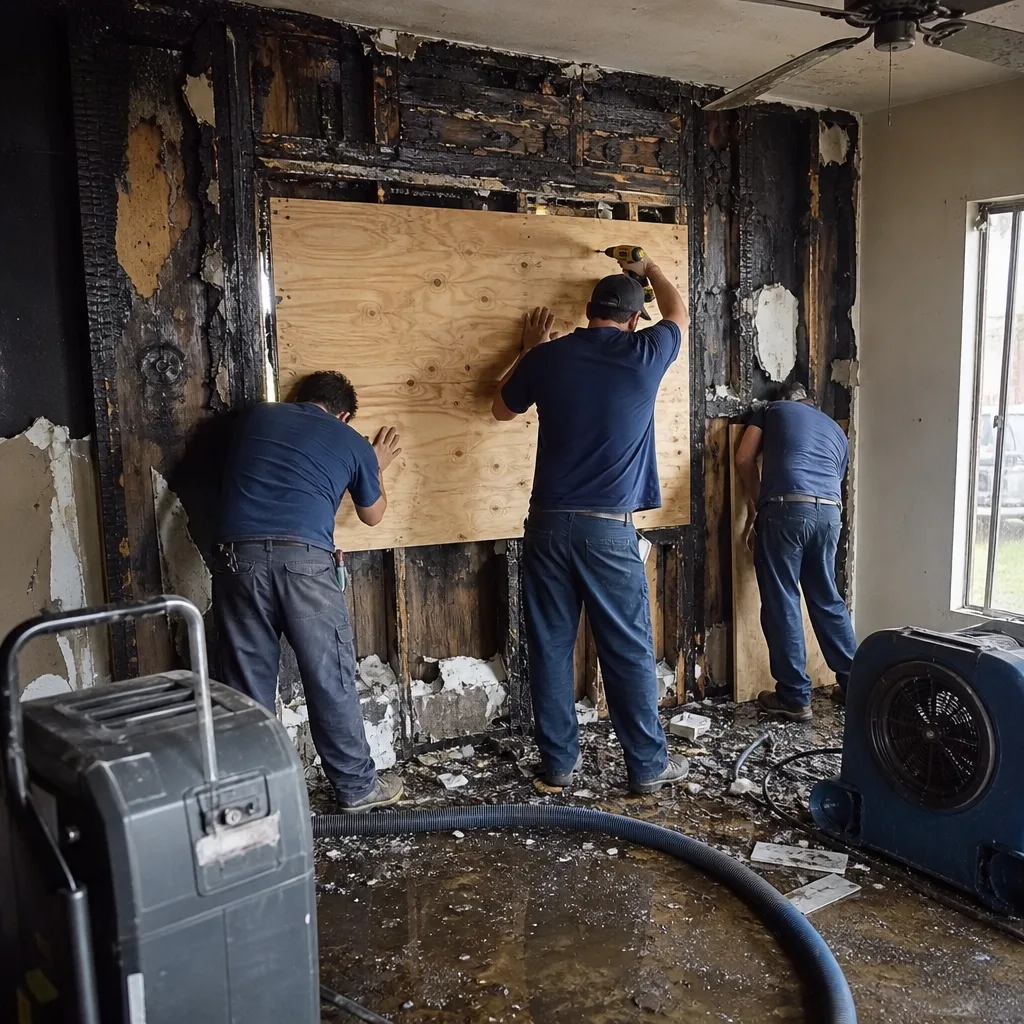
Securing your property against weather intrusion and unauthorized entry is immediate and mandatory for most insurance policies. We use reinforced materials rated for South Bay wind conditions, with documentation that satisfies your adjuster’s requirements for “reasonable temporary repairs.” Same-day board-up is standard on every Hawthorne fire call.
What happens when you call
- 1
A real person answersNo phone trees - you reach a local pro.
- 2
You get an upfront price rangeHonest numbers before anyone is dispatched.
- 3
A background-checked tech heads outLicensed & insured, dispatched right away.
- 4
You approve before work beginsNothing starts until you say go.
Fire & Smoke Damage Restoration Costs in Hawthorne, CA
Actual pricing for Hawthorne’s market, delivered in writing before work begins - Haven Standard, Clause 1:
| Service | Typical Range in Hawthorne |
|---|---|
| Emergency board-up & tarping | $450 - $1,200 |
| Smoke & soot removal (single room) | $1,800 - $3,500 |
| Smoke & soot removal (whole house, Class 2-3) | $4,500 - $9,000 |
| Odor removal & deodorization | $800 - $2,400 |
| Contents pack-out & cleaning | $1,200 - $4,000 |
| Structural drying (firefighting water) | $2,500 - $6,500 |
| Asbestos abatement (when required) | $2,000 - $7,500 |
What moves the price: extent of smoke migration, presence of asbestos-era materials requiring abatement, firefighting water volume, and whether roof deck moisture demands extended drying. Insurance typically covers all fire and smoke damage, plus firefighting water, under your dwelling and personal property coverage. Out-of-pocket costs are usually limited to your deductible. We provide a free second opinion on any competitor’s written estimate - bring their scope and we’ll review it at no charge.
We Also Serve Cities Near Hawthorne
Our Fire & Smoke Damage Restoration in Hawthorne crews respond throughout the South Bay, including Inglewood to the north, Manhattan Beach and Redondo Beach along the coast, and Gardena to the east. Each city’s housing stock and climate conditions shape our approach, but our documentation standards remain identical - written price before work, photo record on every visit, 365-Day Done Right Promise.
Serving Hawthorne, CA - Our Local Coverage Area
We’re based in the Hawthorne area and know this community well. Use the map below to see our service coverage - if you’re nearby, we can almost certainly help.
Hawthorne Fire & Smoke Damage Restoration Questions, Answered
Why does smoke odor in Hawthorne’s older ranch homes keep coming back after cleaning?
Smoke odor returns because surface cleaning misses the porous materials where odor molecules are trapped. In Hawthorne’s 1945-1965 Northrop-era homes, original asbestos acoustic ceiling texture and unsealed stucco wall cavities act like sponges for smoke particles. Coastal fog humidity reactivates these molecules when the roof deck above the fire room retains moisture. Proper remediation requires thermal fogging or hydroxyl treatment that penetrates these materials, plus moisture mapping that confirms the roof deck is dry. Call (424) 305-3365 for an inspection that traces the true source.
Does a fire in a 1950s Hawthorne home require asbestos testing before restoration?
Yes, almost always. Hawthorne’s dominant housing stock was built during the asbestos era, with 9×9 floor tiles and acoustic ceiling texture present in most unrenovated homes. Disturbing these materials during soot removal without containment creates a regulated hazmat exposure. We test and contain before any air movers or aggressive cleaning begins. This adds time upfront but prevents a costly abatement delay mid-project. Call (424) 305-3365 and we’ll walk through the testing protocol.
How fast does smoke damage escalate in Hawthorne compared to inland cities?
Smoke damage escalates faster in Hawthorne due to coastal humidity. Soot residue is hygroscopic - it absorbs moisture from air, becoming more acidic and bonding more tightly to surfaces. Hawthorne’s marine-layer humidity, especially during May-August, accelerates this bonding on metal surfaces already compromised by salt-air corrosion. A soot removal job that might wait 48 hours in drier Compton becomes urgent within 12 hours in Hawthorne. Our 45-minute response targets this acceleration. Call (424) 305-3365 for immediate dispatch.
Will my Hawthorne fire claim cover board-up and tarping the same day?
Yes, virtually all homeowner policies cover reasonable temporary repairs to prevent further damage, including board-up and tarping. We document these services with photos and itemized scopes that adjusters recognize. Same-day board-up is standard on every Hawthorne fire call we receive. Your policy likely requires you to mitigate further damage; failing to board up can compromise coverage for subsequent weather intrusion. Call (424) 305-3365 and we’ll coordinate directly with your adjuster.
What’s the difference between a Category 2 and Category 3 water loss when firefighting water is involved?
Category 2 water, or “gray water,” contains significant contamination and can cause discomfort or sickness if contacted - firefighting water that has passed through structural materials and mixed with soot, ash, and household chemicals falls here. Category 3, or “black water,” is grossly contaminated with pathogenic agents - this occurs when firefighting water contacts sewage, or when a fire compromises a sewer line. In Hawthorne’s older homes with original galvanized plumbing, fire damage can crack corroded waste lines, elevating a Category 2 loss to Category 3. We test and classify water on every job, with documentation that determines proper remediation protocol and insurance coverage. Call (424) 305-3365 for classification and scope.
How long does the full fire restoration process take in Hawthorne?
Light smoke damage with no structural involvement: 3-5 days. Moderate damage with content pack-out and soot removal: 1-2 weeks. Major structural fires with asbestos abatement, reconstruction, and coastal-humidity drying: 4-8 weeks. Hawthorne’s marine-layer conditions extend drying times compared to inland markets - roof decks and wall cavities that read dry in Torrance may need additional days in Hawthorne’s persistent humidity. We document daily moisture readings so you know exactly when each phase completes. Call (424) 305-3365 for a timeline based on your specific loss.
Can my family stay in the home during fire damage restoration?
Usually not during active remediation. Smoke residue and soot particles are respiratory irritants, and ozone or thermal fogging treatments require temporary evacuation. Asbestos containment work makes occupancy impossible. For light, contained fires with no hazmat and minimal odor treatment, partial occupancy of unaffected rooms may be possible with HEPA air scrubbers running. We assess this during our free inspection and advise based on air quality readings, not guesswork. Call (424) 305-3365 to discuss your situation.
What certifications do your Hawthorne fire restoration technicians hold?
Our lead technicians hold IICRC FSRT (Fire & Smoke Restoration Technician) certification for soot removal and odor control, WRT (Water Damage Restoration Technician) for firefighting water mitigation, and AMRT (Applied Microbial Remediation Technician) for the mold that follows water damage in Hawthorne’s humid environment. All technicians are background-checked, licensed, and insured, with license numbers documented on every job. Equipment is maintained to IICRC, RIA, and IFA standards. Call (424) 305-3365 to verify credentials for your specific crew.
Every fire in Hawthorne is different because every Hawthorne home carries the specific legacy of Northrop-era construction, coastal salt-air exposure, and marine-layer humidity that inland crews simply don’t encounter. Our documentation-first approach - written price before work, photo record on every visit, daily drying logs - exists because our founder, a former claims adjuster, watched homeowners lose legitimate claims to sloppy paperwork. We don’t repeat that mistake.
Call (424) 305-3365 now. Live answer. Free inspection. Written scope before any work begins. The Haven Standard, Clause 1.
Written by Alicia Brennan, Owner at Back to Dry Restoration, serving Hawthorne since 2011.
Fire & Smoke Damage Restoration in Nearby Areas