
Last updated September 23, 2026
Free visual inspection and a written scope of work before any mitigation begins - photos, moisture readings, and drying logs go in your claim file
The scope we write is the scope we bill. Anything new gets shown to you, in writing, before we touch it.
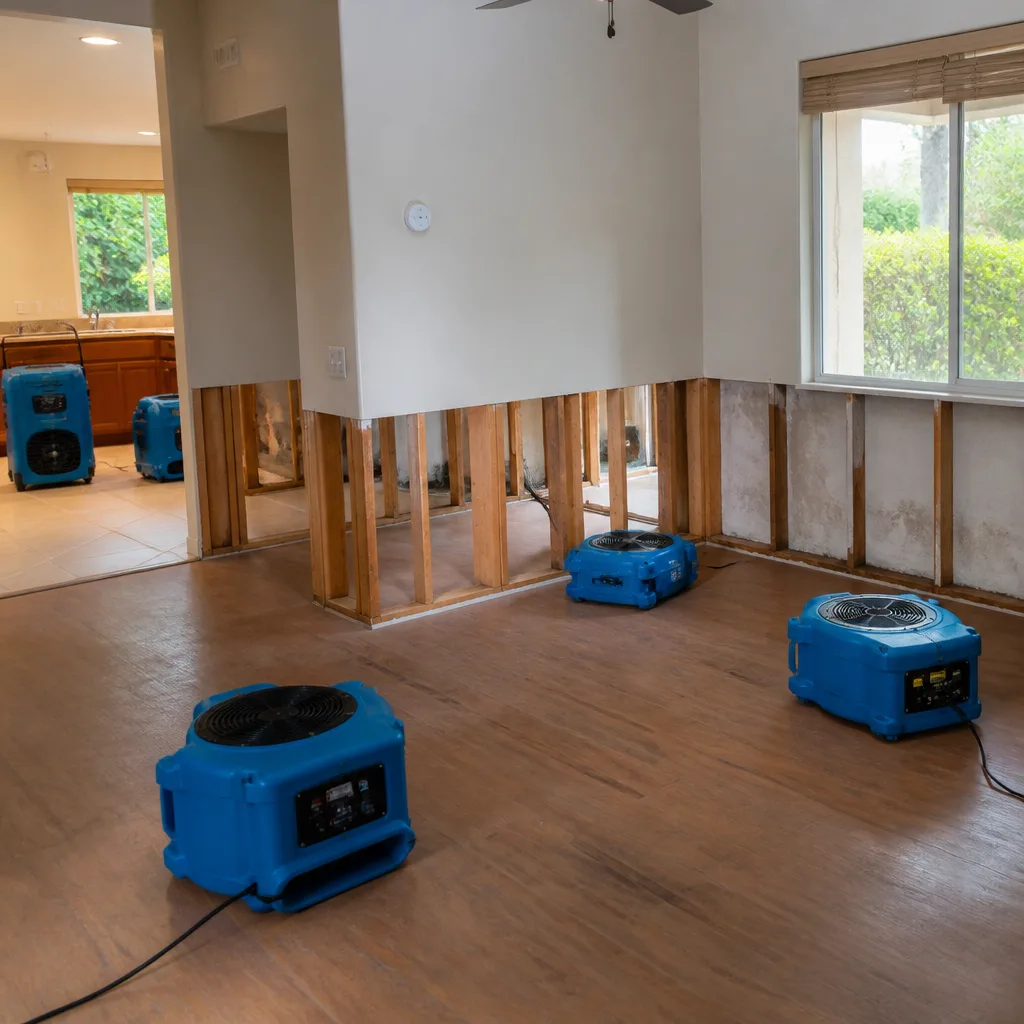
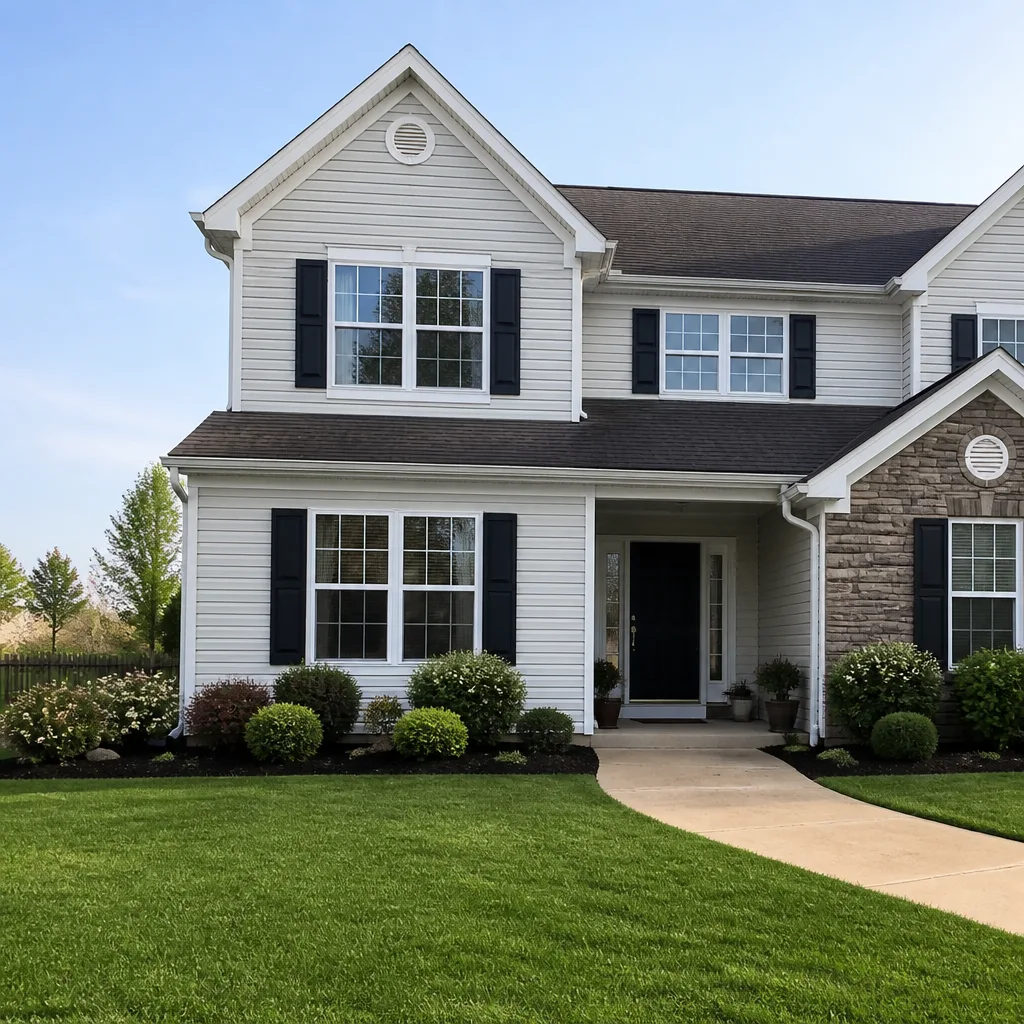
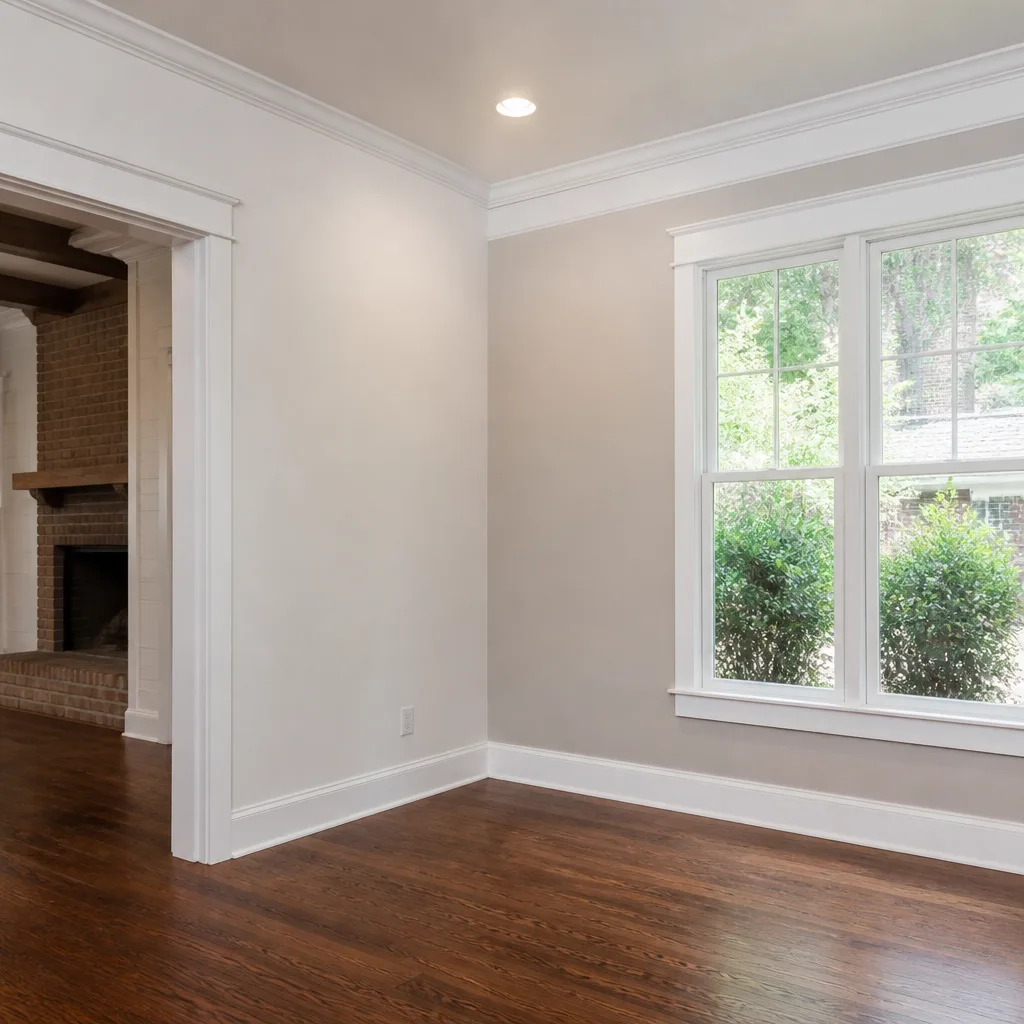
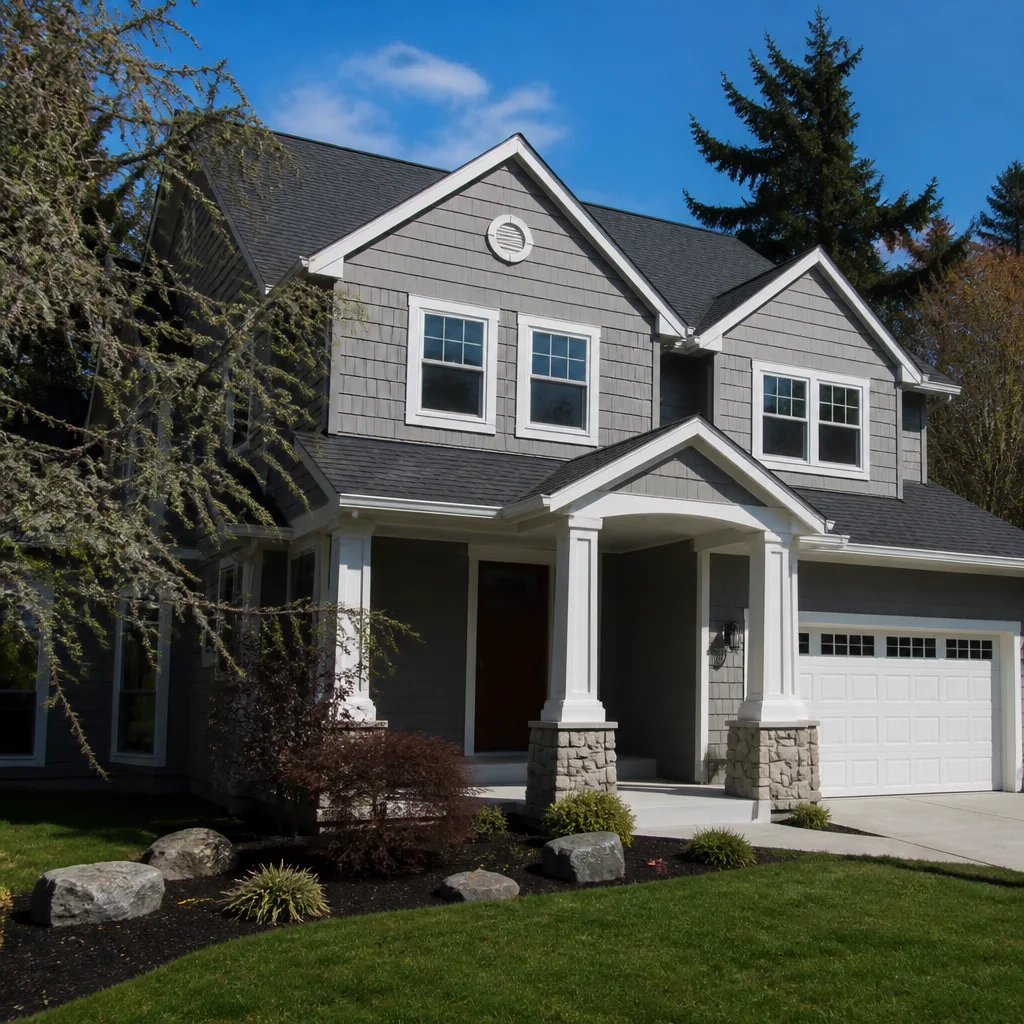
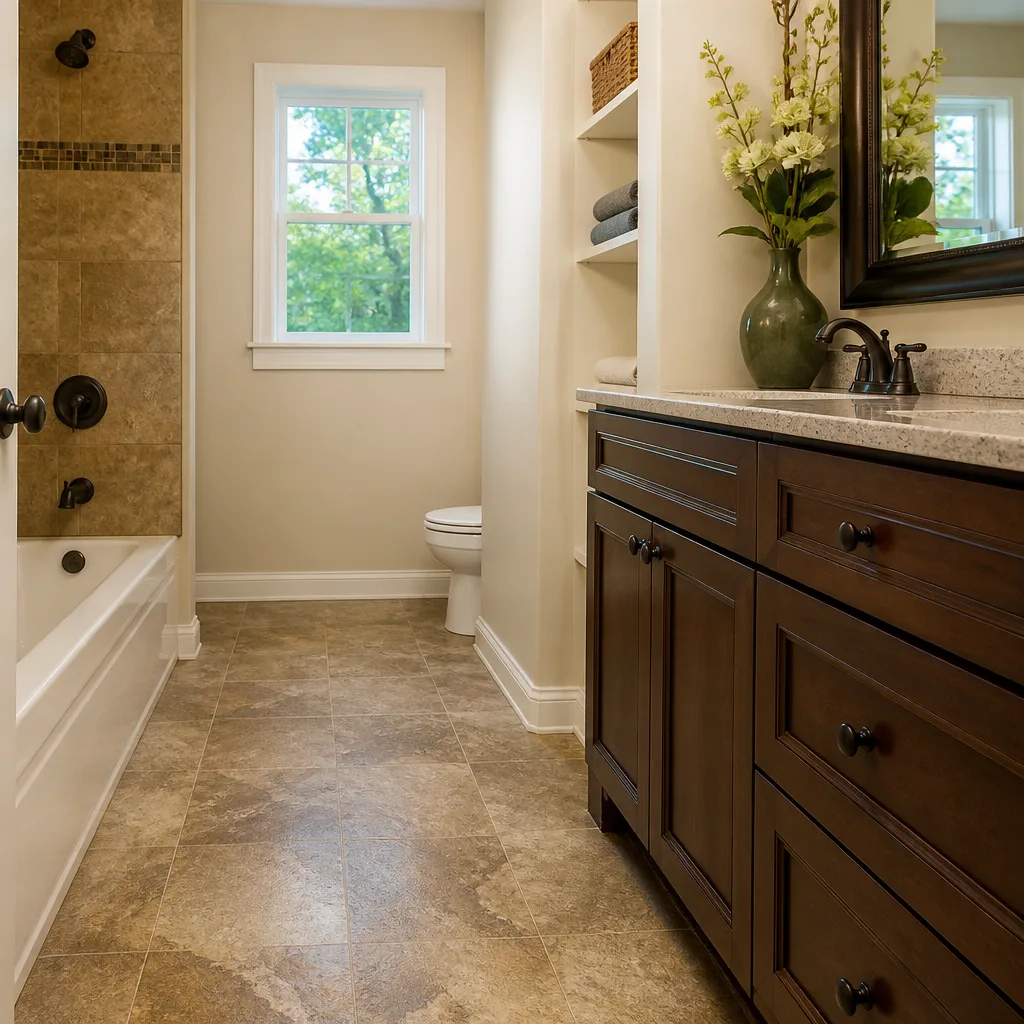
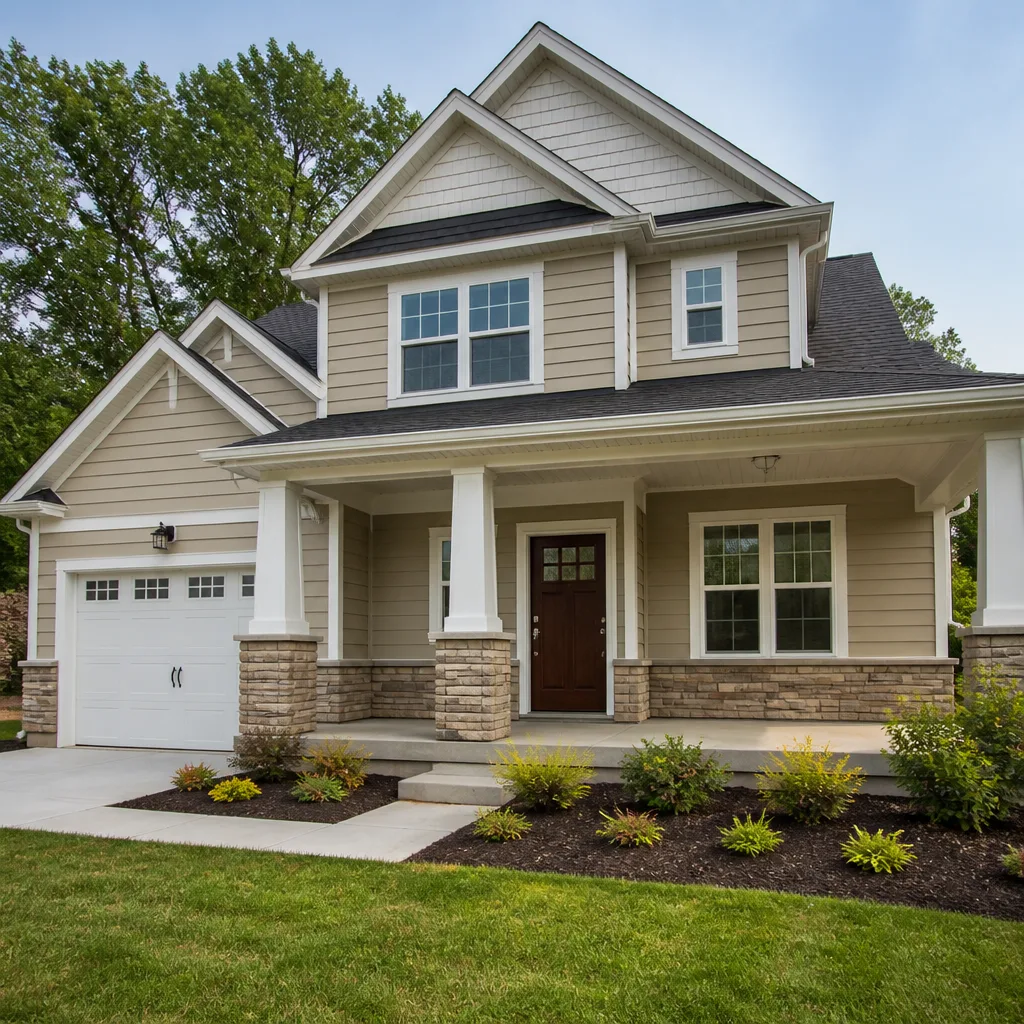
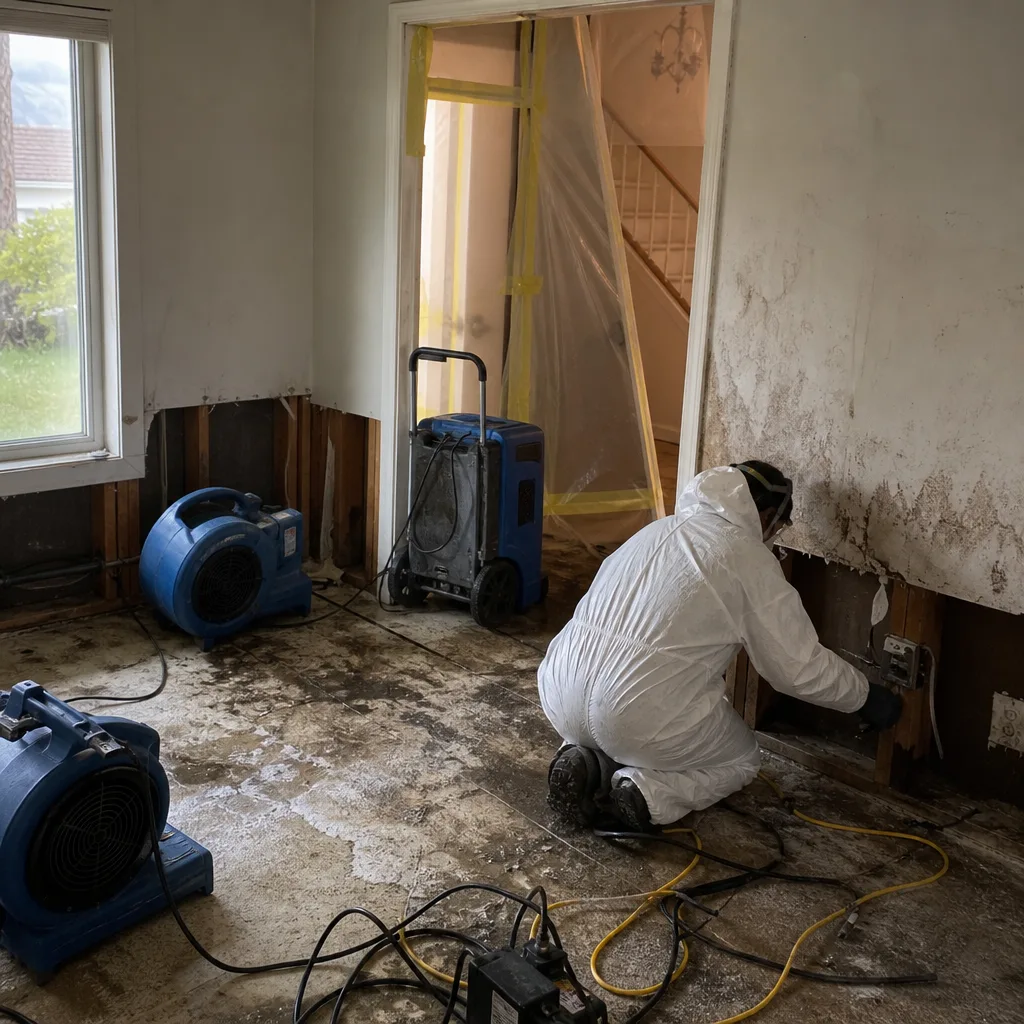 Before
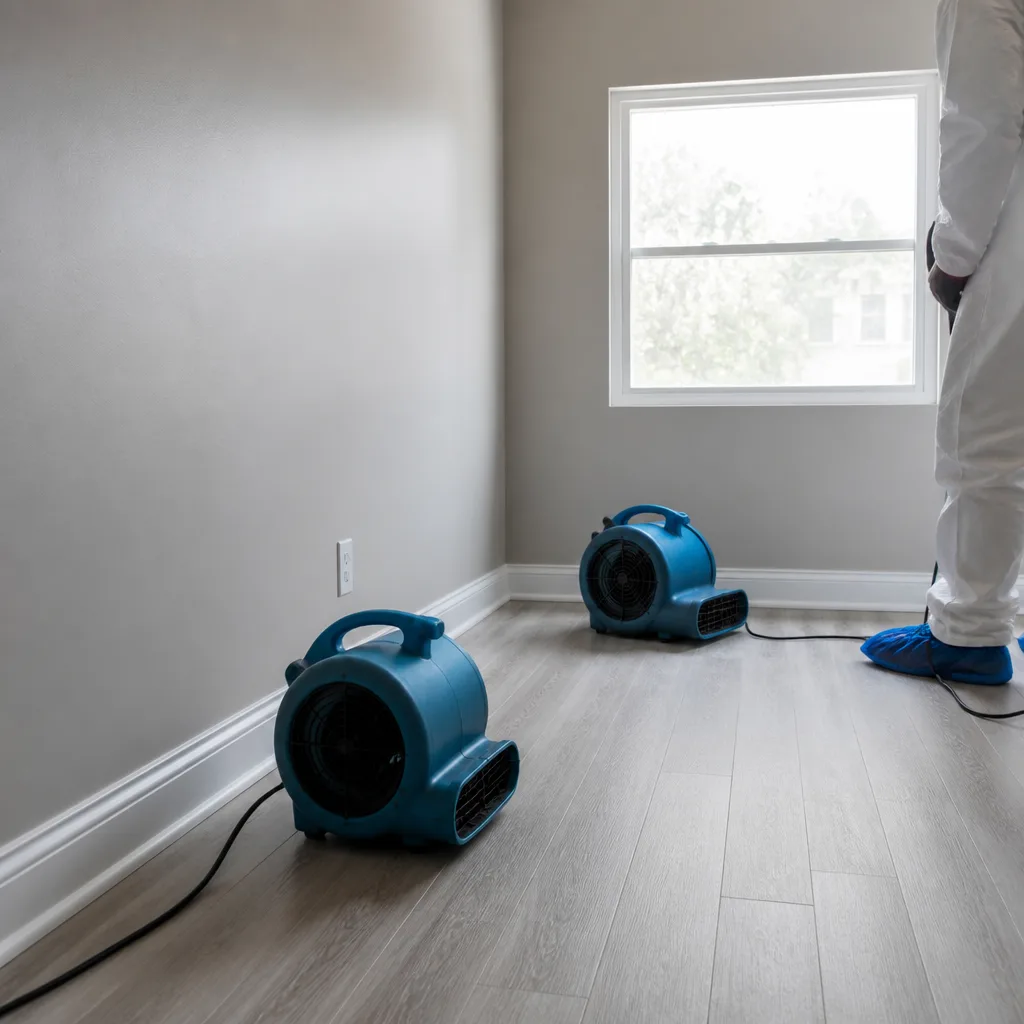 After
After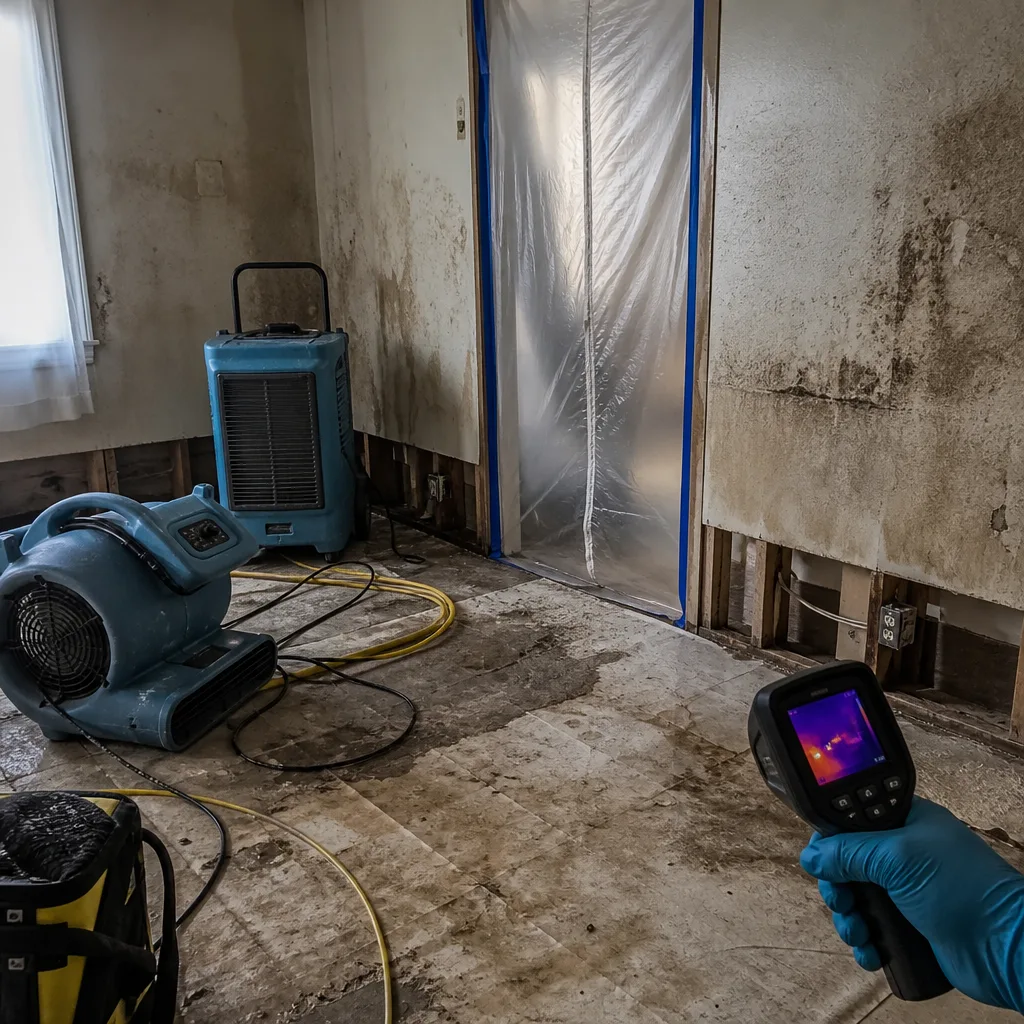 Before
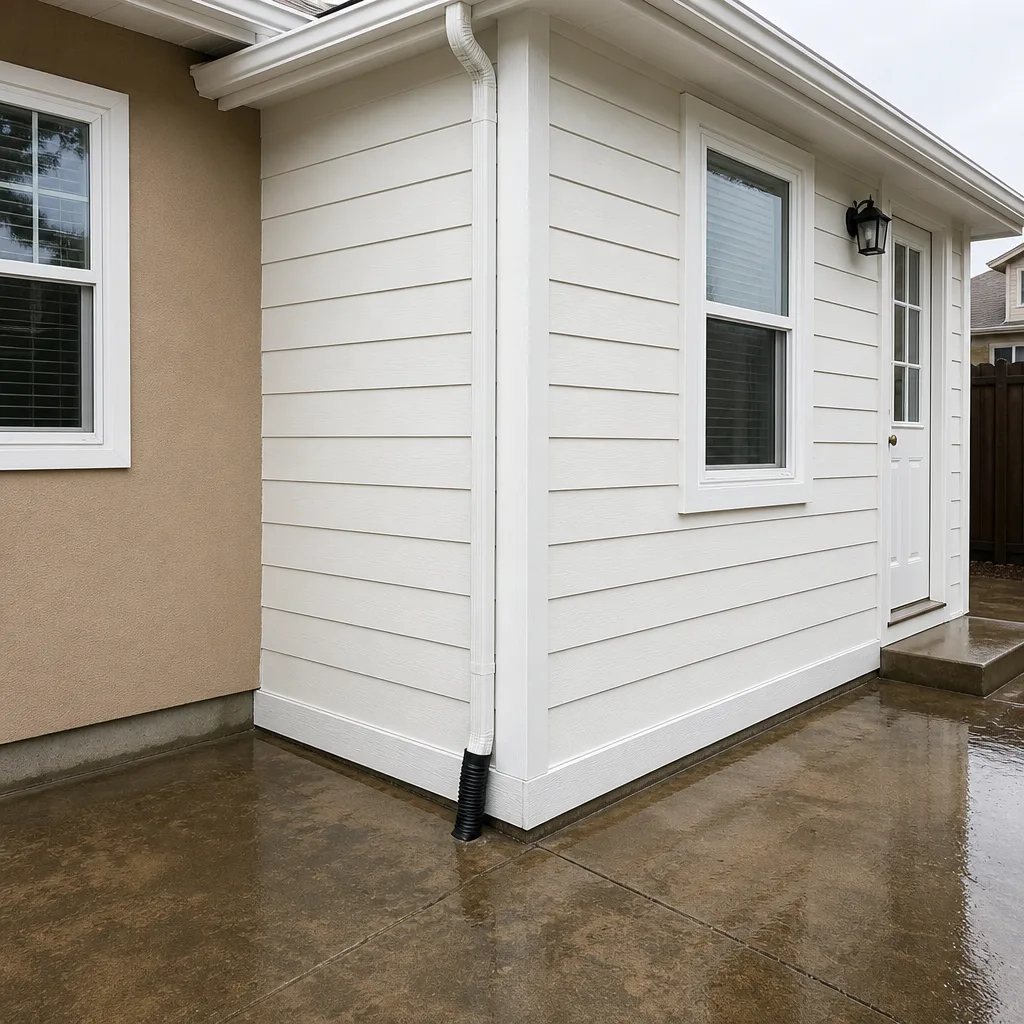 After
After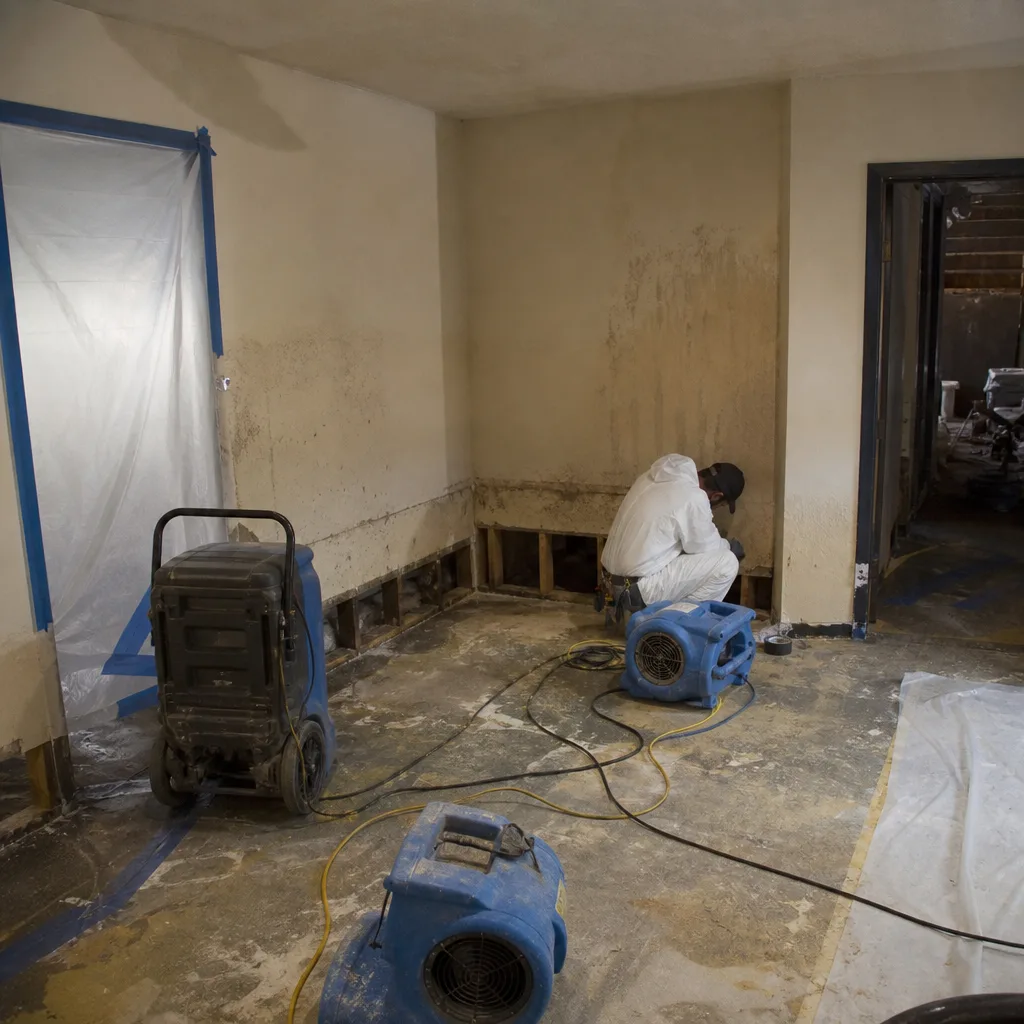 Before
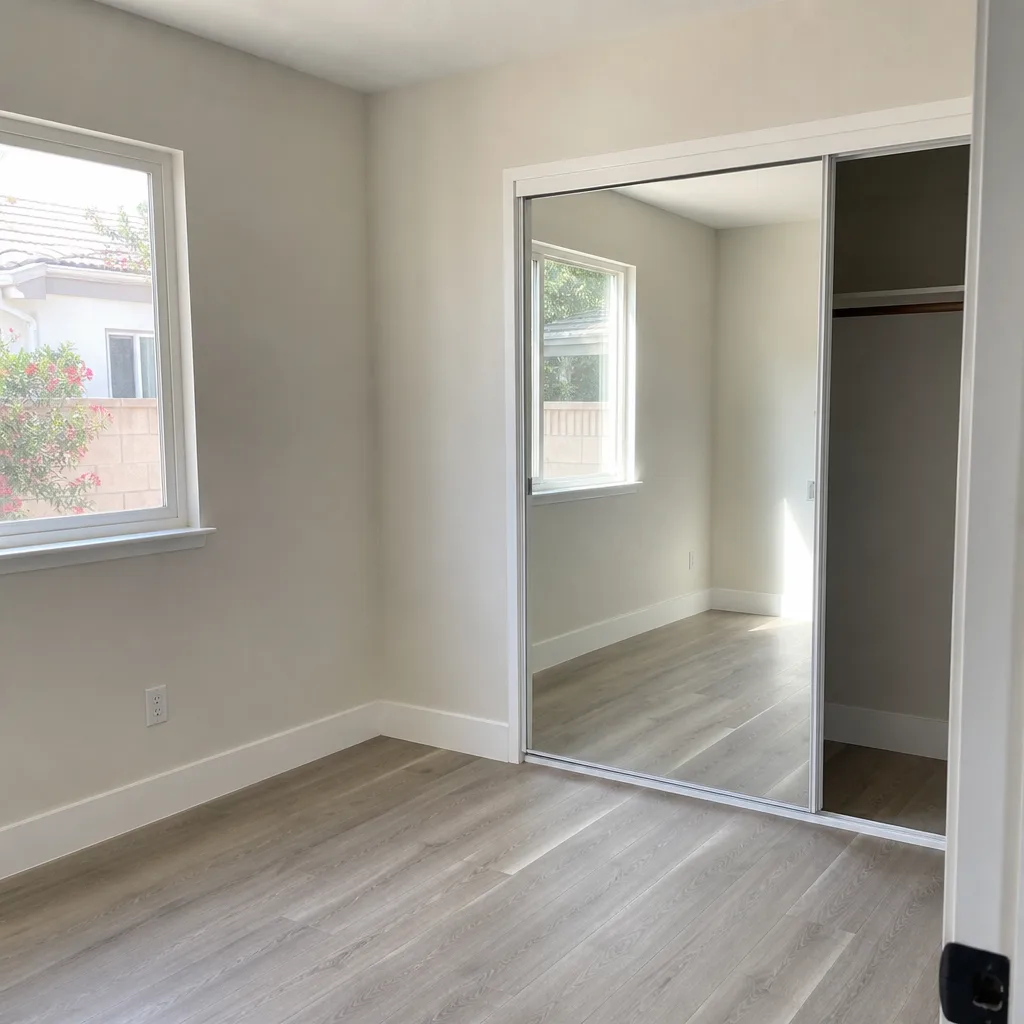 After
AfterThe Complete Guide to Damage Restoration in Carson
In 2023, a Carson homeowner on East 213th Street received a $34,000 restoration invoice after a crawlspace flood. The insurer paid $11,000. The contractor had torn out drywall, set fans, and sent a bill. What they never produced: moisture readings, daily drying logs, or a written scope signed before the first cut. The work was not wrong. The file was empty. This guide explains what Carson homeowners actually need to know - that restoration produces two deliverables, a repaired structure and a documented file, and the second one determines whether the first gets paid for.
Quick Answer
Damage restoration in Carson involves returning a property to pre-loss condition after water, fire, mold, storm, or biohazard events, documented to IICRC standards with a written scope, photo record, and drying log that an insurer can audit. In Carson’s specific climate - marine-layer moisture, Santa Ana wind cycles, and slab-on-grade construction common in postwar neighborhoods - the documentation strategy must match the damage type or the claim faces reduction.
Table of Contents
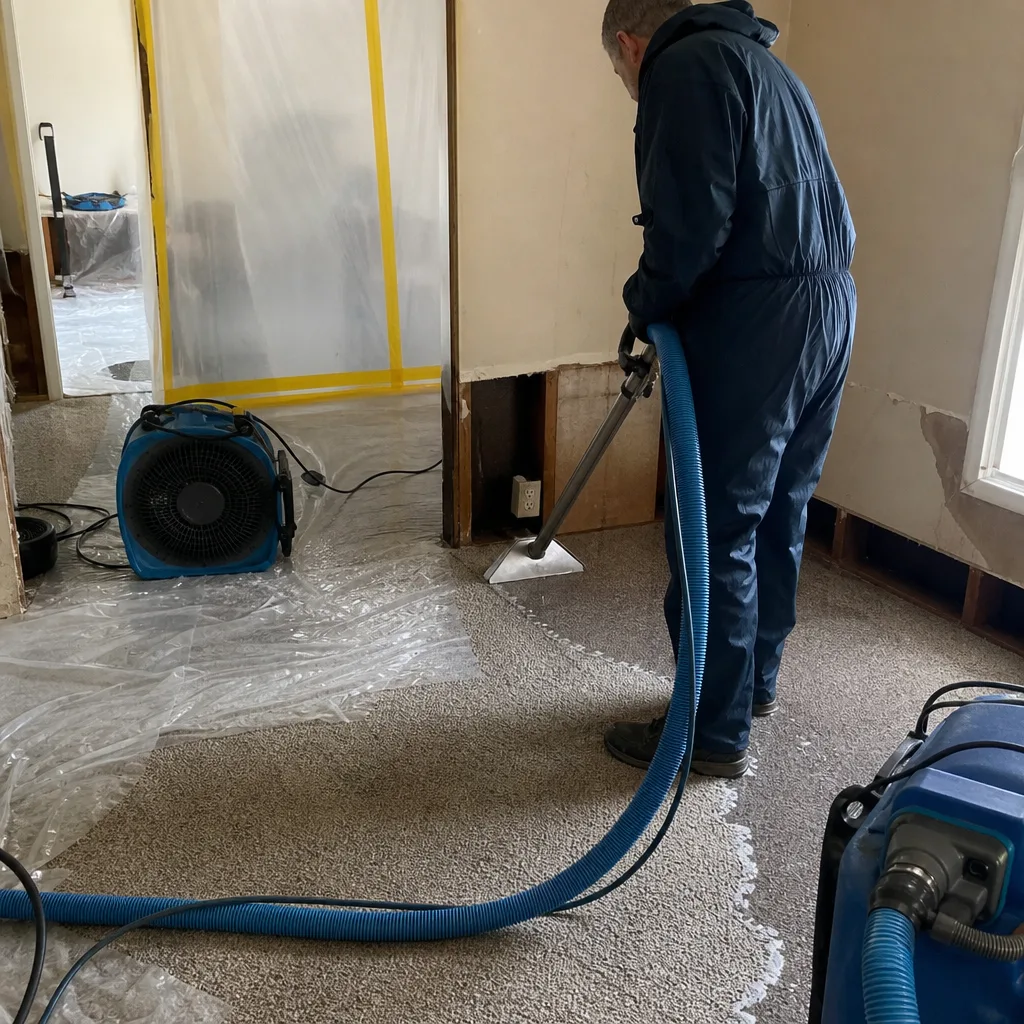
- How Carson’s Geography Shapes Damage Patterns
- Documentation as a Construction Material
- Water Damage Restoration in Carson
- Mold Remediation in Carson’s Marine Climate
- Fire & Smoke Damage Restoration
- Storm, Disaster & Sewage Events
- Reconstruction, Permits, and the Certificate of Occupancy Gap
- What ‘Restoration Complete’ Actually Means in California
 Before
 After
AfterHow Carson’s Geography Shapes Damage Patterns
Carson sits at the western edge of the Los Angeles Basin, 12 miles south of downtown and 4 miles inland from the Port of Long Beach. This position creates three distinct damage profiles that require different documentation approaches.
Slab leaks and foundation moisture. Much of Carson’s housing stock - particularly in the Dominguez Hills and Avalon Village areas - sits on postwar slab-on-grade construction with copper or galvanized supply lines embedded in concrete. When these leak, water travels laterally through the slab before surfacing. By the time staining appears on flooring, the moisture front may extend 15 to 20 feet. Documentation must include thermal imaging of the full slab footprint, not just the visible stain. We regularly see Carson homes where the visible damage is 30 square feet and the actual affected area exceeds 400 square feet.
Marine-layer condensation. From May through October, moist Pacific air pushes inland overnight, dropping relative humidity to saturation on cooler surfaces. In Carson’s older neighborhoods near Victoria Park, unventilated crawlspaces and garage conversions built without vapor barriers accumulate condensation that mimics active leaks. Insurers often classify these as “maintenance issues” unless the contractor can demonstrate vapor pressure differential - the measurable force driving moisture into the structure - with psychrometric data logged over multiple days.
Santa Ana wind events. The dry easterly winds that peak October through January create the opposite problem: rapid desiccation that cracks stucco, separates roofing membranes, and turns minor water intrusion into major structural exposure within 48 hours. After the December 2024 wind event, we documented 23 Carson properties where wind-driven rain entered through separations that were invisible before the storm. The critical documentation: timestamped exterior photos showing the wind damage mechanism, paired with interior moisture mapping within 24 hours.
Each pattern demands a different equipment deployment and a different file structure. A contractor who treats all water damage the same produces a file that adjusters reduce.
Documentation as a Construction Material
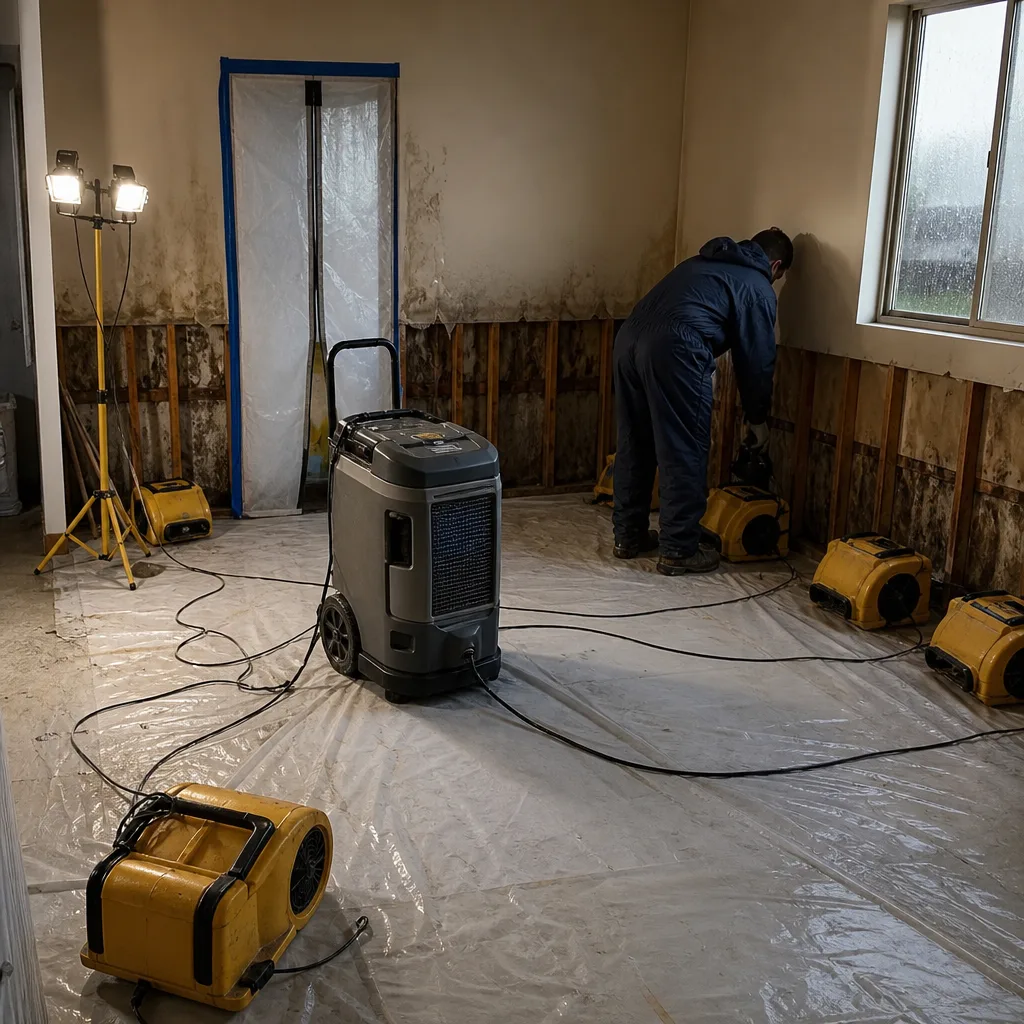
Most homeowners assume documentation supports the claim. In practice, documentation is the claim. An insurer’s field adjuster in Los Angeles County typically reviews five to eight files per day. Each file receives about 12 minutes of initial review. The adjuster is not evaluating whether the work was good. They are evaluating whether the file contains the components that justify payment under the policy.
The essential components:
- Written scope-of-work signed before work begins. This document defines the boundary between restoration (covered) and betterment (not covered). Without it, the insurer may apply a “betterment reduction,” arguing that new materials improved the property beyond pre-loss condition. Haven Standard, Clause 1: written price before work begins.
- IICRC S500 drying targets by material class. Carpet (Class 1) requires 30% moisture content or below. Wood framing (Class 3) requires 16% or below. Gypsum drywall (Class 2) requires 12% or below. The contractor must specify which standard applies to each room and demonstrate achievement.
- Psychrometric data logged daily. Temperature, relative humidity, and vapor pressure recorded at the same time each day, with equipment serial numbers noted. This proves the drying system was actively controlling the environment, not just running fans.
- Photo timestamps matching the written log. Every photo must correspond to a log entry. Gaps in the sequence invite the adjuster to assume work was done but not documented - and undocumented work is unpaid work.
- Material classification by trade name. “Drywall” is insufficient. “1/2-inch USG Sheetrock Brand UltraLight Panels, Class C fire-rated” is documentable. The specificity protects against substitution disputes at final inspection.
At DryMark Restoration Carson home, we produce these five components on every job. The 365-Day Done Right Promise under The Haven Standard applies only to jobs with complete files, because a promise without documentation is unenforceable.
Water Damage Restoration in Carson
Water Damage Restoration in Carson follows a sequence that most contractors execute poorly: they extract standing water, set equipment, and invoice. The documentation sequence matters more.
Step 1: Moisture mapping with documented starting readings. We use penetrating meters and thermal imaging to establish the moisture boundary before any material is disturbed. In a Carson slab home near Cal State Dominguez Hills, we recently mapped a kitchen leak that appeared to affect 80 square feet. The actual boundary: 340 square feet, including a bedroom closet with no visible damage. The initial map prevented a supplemental claim dispute.
Step 2: Category classification per IICRC S500. Clean water (Category 1), gray water (Category 2), or black water (Category 3). Carson’s aging sewer infrastructure in neighborhoods near the 110 Freeway creates frequent Category 2 upgrades - a washing machine line that backs up through a floor drain becomes Category 2 once it contacts the drain system. The classification determines salvageability: Category 2 carpet pad is removed, not dried. Category 3 drywall is removed to 24 inches above the highest water mark. Misclassification is a common source of claim denial.
Step 3: Equipment specification and placement rationale. We deploy Dri-Eaz and Phoenix dehumidifiers sized to the affected cubic footage, with air movers from XPOWER or B-Air positioned to create laminar airflow across wet surfaces. Injectidry systems are used for hardwood and tile assemblies where direct airflow is insufficient. Each unit’s serial number, placement time, and removal time is logged.
Step 4: Daily monitoring with adjusted targets. Drying is not linear. A Carson home with marine-layer condensation may show initial progress, then plateau when overnight humidity reintroduces moisture. The daily log must show target adjustment, not just data collection.
Step 5: Verification drying and final documentation. We do not declare completion when readings reach target. We declare completion when readings hold at target for 24 hours with equipment removed. This “verification dry” prevents the callback that occurs when concealed moisture rebounds.
Typical Water Damage Restoration in Carson costs range from $2,800 for a contained Category 1 leak with Class 1 materials to $18,000+ for a Category 3 slab leak with Class 4 hardwood assemblies requiring Injectidry mat systems and full reconstruction.
Mold Remediation in Carson’s Marine Climate
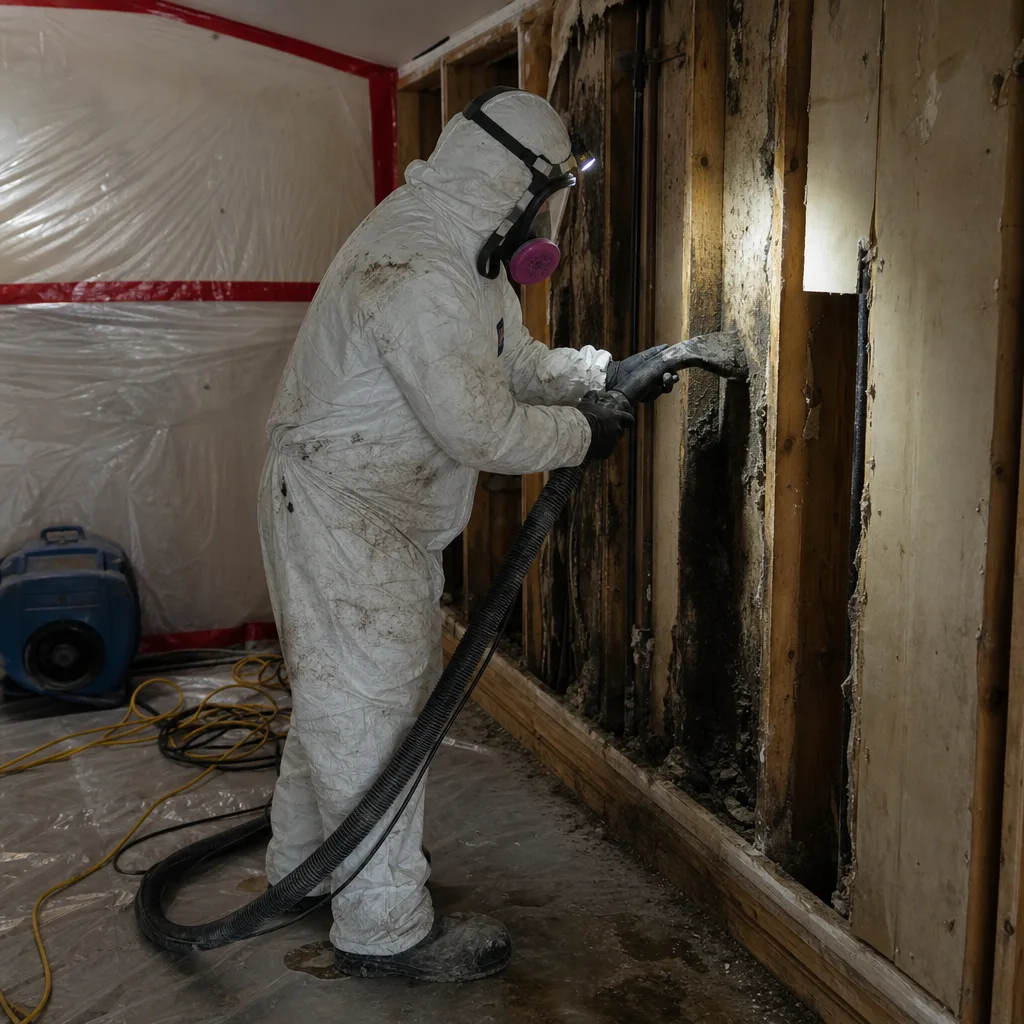
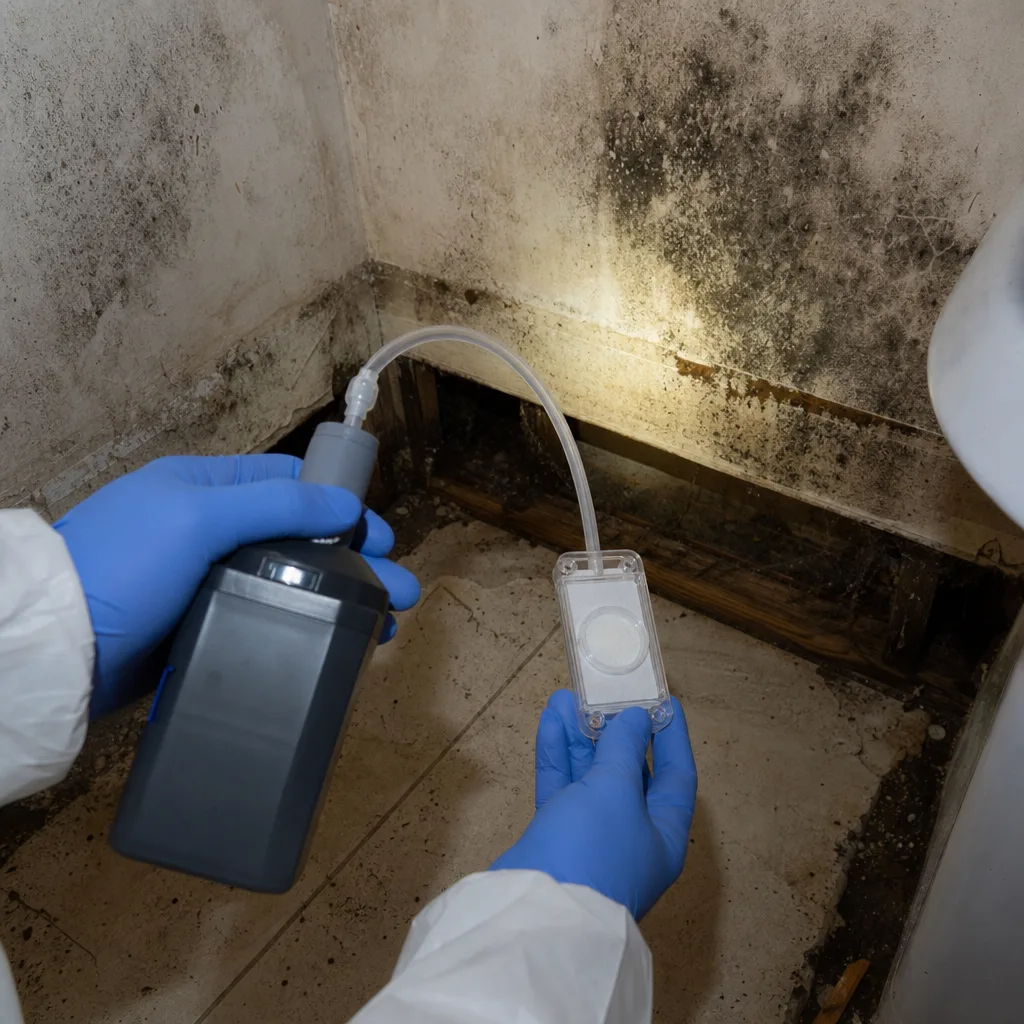
Mold Remediation in Carson presents a documentation problem that water damage does not: mold is often visible before it is measurable, and insurers increasingly require pre-remediation sampling that contractors cannot provide themselves without conflict of interest.
Carson’s marine layer creates conditions for Stachybotrys chartarum and Chaetomium growth in wall cavities with relative humidity sustained above 60% for 72 hours. The 2023 flood season produced widespread growth in Carson’s garage conversions, where unpermitted drywall installation over concrete slabs created vapor traps.
The documentation sequence for mold:
- Third-party air and surface sampling. We coordinate with independent hygienists, never sample ourselves. The sample establishes baseline spore counts and species identification. Post-remediation clearance sampling confirms reduction to ambient levels.
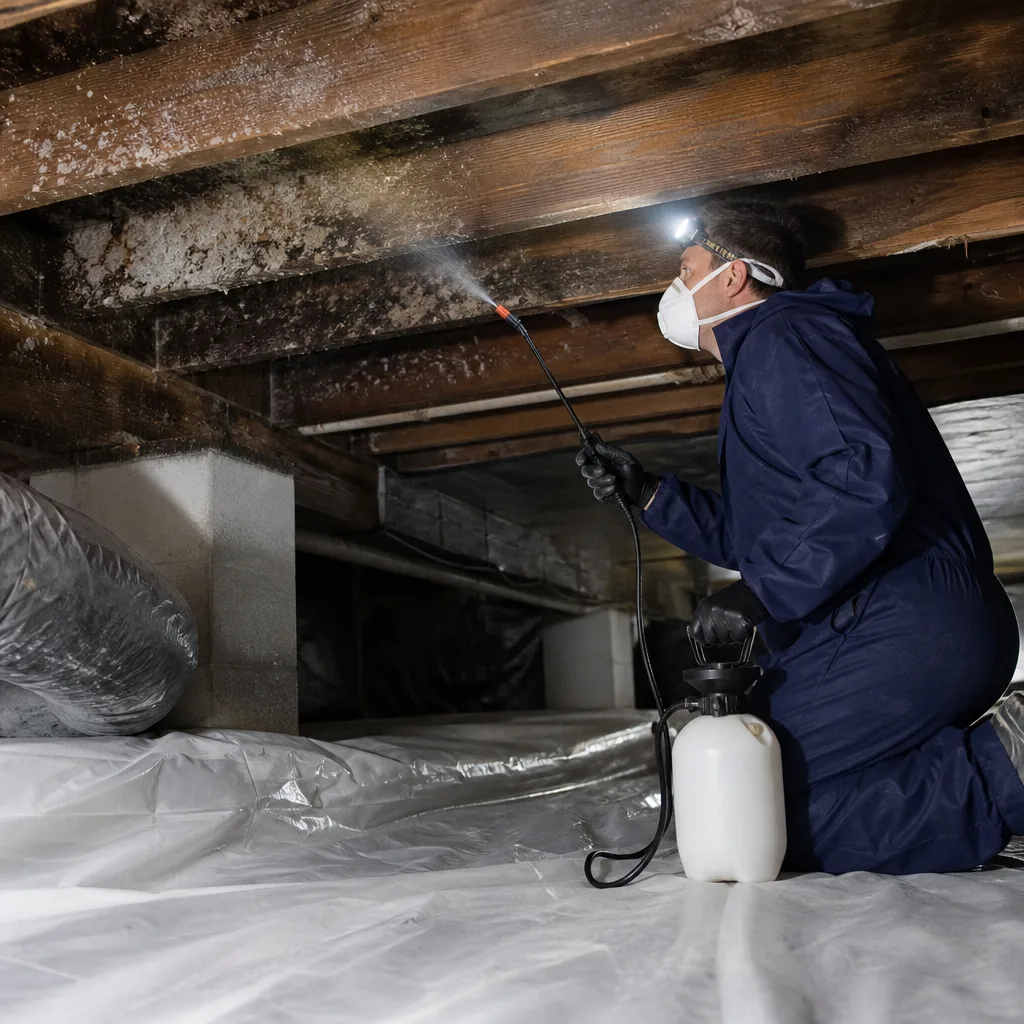
- Containment diagram with negative air pressure log. Remediation disturbs spores. Containment prevents cross-contamination. The negative air machine, typically HEPA-filtered at 99.97% efficiency at 0.3 microns, runs continuously with pressure differential logged every four hours.
- Removal scope by square footage and material. “Remediate mold in bathroom” is insufficient. “Remove 32 square feet of mold-damaged 1/2-inch gypsum from north and east walls, 8 feet AFF, including fiberglass insulation batts R-13, and treat exposed studs with EPA-registered antimicrobial” is documentable and priceable.
- Disposal documentation. Mold-contaminated debris in California requires manifest tracking. The homeowner receives a copy.
Typical Mold Remediation in Carson costs range from $1,800 for a contained 10-square-foot bathroom colony to $9,500 for whole-room remediation with HVAC decontamination and clearance testing.
A critical Carson-specific issue: many garage conversions in the South Bay area were built without permits. Remediation that disturbs these structures may trigger code compliance requirements. We document existing conditions with photos before any disturbance, so the homeowner has evidence of what was present versus what remediation altered.
Fire & Smoke Damage Restoration
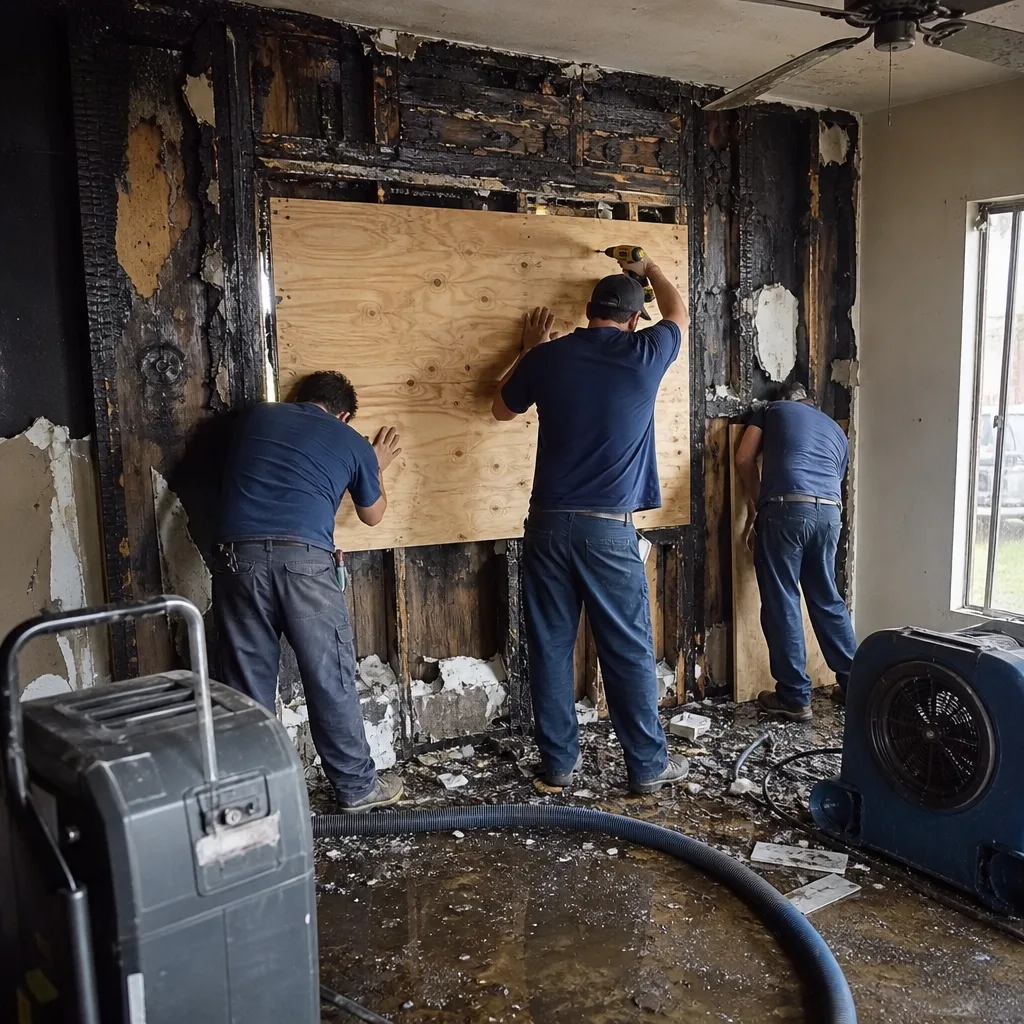
Fire & Smoke Damage Restoration in Carson requires the most complex documentation of any restoration type because multiple damage mechanisms occur simultaneously: thermal damage, smoke residue deposition, water damage from suppression, and chemical corrosion from acidic soot.
Carson’s proximity to industrial facilities and the Port of Long Beach adds a local variable: smoke from residential fires often contains petrochemical residues that standard cleaning protocols do not address. We encountered this in a 2024 kitchen fire near Carson Street, where protein smoke from cooking oil combined with airborne industrial particulates to create a residue that standard alkaline cleaners could not remove. The documentation required material-specific testing before cleaning scope development.
The documentation sequence:
- Safety and structural assessment. Fire-damaged structures may have compromised load paths. We document structural conditions before entry, with photos of ceiling and roof assemblies.
- Residue identification by location and type. Dry smoke (fast-burning, powdery), wet smoke (slow-burning, sticky), protein smoke (invisible, odor-intensive), or fuel oil soot. Each requires different cleaning chemistry. The identification is documented room by room.
- Content inventory with condition classification. Salvageable, cleanable, or non-salvageable. Each item is photographed and listed. This inventory becomes the basis for contents claims.
- Water damage documentation from suppression. Often overlooked. The water used to extinguish the fire may cause more damage than the fire itself. Separate moisture mapping is required.
- Odor control scope with equipment specification. Thermal fogging, ozone treatment, or hydroxyl generation. Each method is documented with runtime, concentration, and re-entry timing.
Typical Fire & Smoke Damage Restoration in Carson costs range from $4,500 for a contained kitchen fire with light smoke to $35,000+ for whole-structure remediation with structural drying, content pack-out, and reconstruction.
Storm, Disaster & Sewage Events
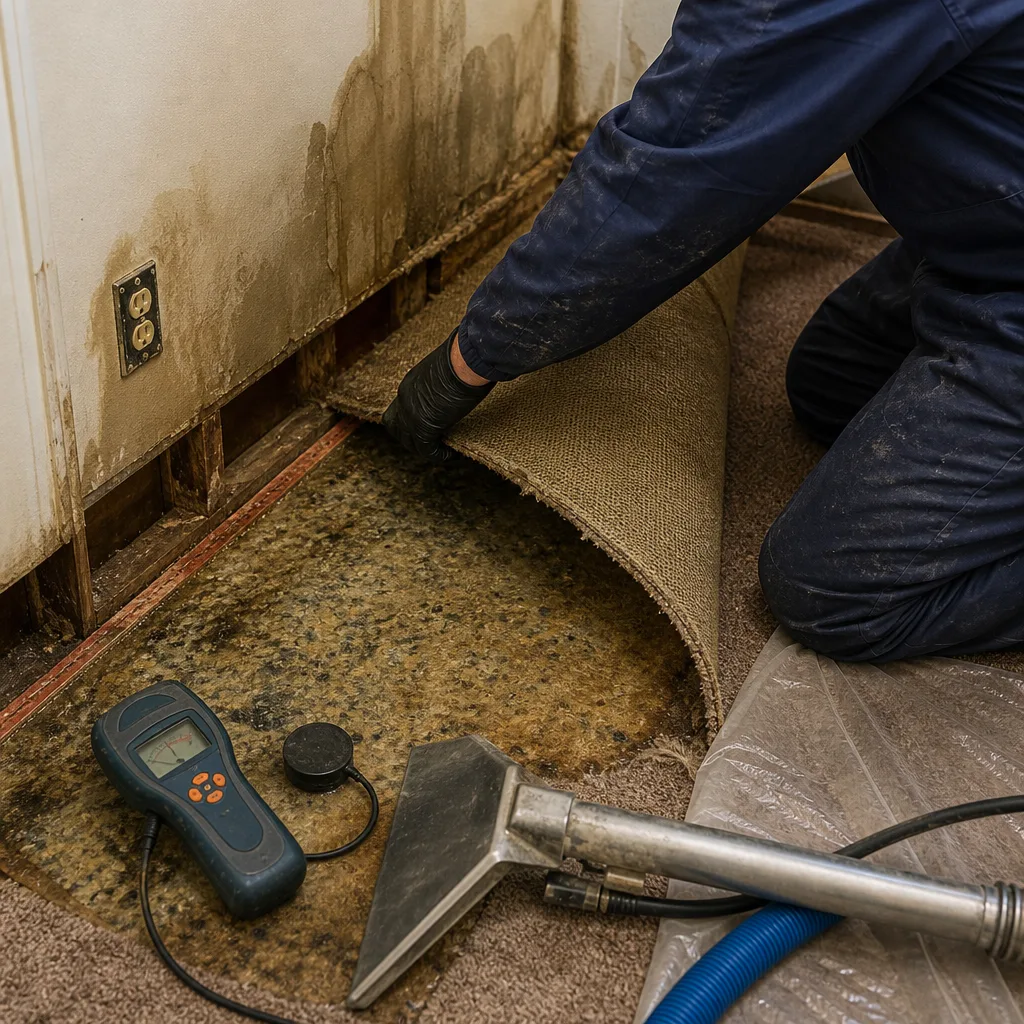
Storm and sewage damage in Carson combines the documentation requirements of water damage with the health and safety protocols of biohazard work. The critical distinction: speed of response affects documentation quality, not just damage extent.
Carson’s storm drainage infrastructure, particularly in the low-lying areas near the Dominguez Channel, can be overwhelmed by intense rainfall. The January 2023 storm produced sewage backups in 14 Carson homes we serviced, all from the same overwhelmed main line. The documentation challenge: proving that the backup originated from the municipal system, not the private lateral, to support coverage arguments.
The documentation sequence:
- Source identification and third-party verification. Municipal sewer backups require documentation from the local sanitation district. We photograph the backup point, collect samples where appropriate, and coordinate with district inspectors for written confirmation.
- Category 3 classification and health protocol. Sewage is Category 3 by definition. All affected porous materials are removed, not cleaned. The removal scope is documented with square footage and material specifications.
- Antimicrobial treatment with EPA registration documentation. The specific product, concentration, and contact time are logged.
- Structural drying with Category 3 protocols. Framing must reach 16% moisture content with verification that no fecal coliform contamination remains. This requires specialized testing beyond standard moisture meters.
Typical sewage cleanup in Carson ranges from $3,200 for a contained basement backup to $22,000 for whole-house Category 3 flooding with HVAC contamination and reconstruction.
Storm damage documentation must also address wind-driven rain mechanisms. We photograph exterior conditions before any temporary repairs, documenting the failure point that allowed water entry. Without this, insurers may classify damage as “flood” (typically excluded) rather than “wind-driven rain” (typically covered).
Reconstruction, Permits, and the Certificate of Occupancy Gap
Reconstruction is where restoration documentation intersects with municipal code, and where many Carson contractors create future liability.
The City of Carson requires permits for structural repairs, electrical work, plumbing modifications, and HVAC replacement. The permit process includes plan review, inspection at rough-in and final, and issuance of a Certificate of Occupancy or completion. Contractors who skip permits to expedite billing produce work that cannot be legally occupied and cannot be sold without disclosure.
We have purchased homes in Carson where previous restoration work was done without permits. The seller’s disclosure showed “new kitchen after water damage.” The buyer’s inspection revealed unpermitted electrical, no insulation where drywall had been removed, and a missing vapor barrier. The cost to bring the work to code: $14,000, borne by the seller at closing.
The documentation sequence for reconstruction:
- Pre-reconstruction scope with permit requirements identified. We specify which trades require permits and include permit costs in the written price.
- Permit application with plans. Submitted before work begins. The permit number is recorded in the job file.
- Inspection scheduling and documentation. Each inspection pass or correction is logged with inspector name, date, and findings.
- Final inspection and Certificate of Occupancy or completion. This document is delivered to the homeowner, not just filed with the city.
The Haven Standard requires permit compliance on all reconstruction work. A written price that excludes permit costs is incomplete and violates Clause 1.
Carson-specific permit considerations: the city’s proximity to Caltrans right-of-way and the Port of Long Beach means some properties fall under additional review for noise, air quality, or coastal zone requirements. We verify these before scope finalization.
What ‘Restoration Complete’ Actually Means in California
California law and insurance contracts define “restoration complete” differently than most contractors do. The gap creates the disputes that land in appraisal or litigation.
Under California Insurance Code Section 2051.5, an insurer’s obligation is to repair, rebuild, or replace damaged property to a condition “substantially equivalent” to its pre-loss condition. This does not mean new for old. It means functionally equivalent, with allowance for depreciation on materials that have exceeded their useful life.
A contractor’s invoice, by contrast, typically lists all work performed at current replacement cost. If the insurer applies depreciation, the homeowner receives a check for actual cash value, not replacement cost. The difference is the homeowner’s responsibility unless the policy includes replacement cost coverage and the homeowner completes the work within the policy time limit.
The documentation that closes this gap:
- Pre-loss condition photos. We request these from the homeowner or insurer at project start. They establish the baseline for “substantially equivalent.”
- Written scope that distinguishes repair from replacement. Salvaged materials are noted. New materials that exceed pre-loss grade are flagged with upgrade pricing separated.
- Depreciation schedule by item. We provide this on request, though final depreciation determination rests with the insurer.
- Certificate of completion with warranty. The 365-Day Done Right Promise under The Haven Standard provides enforceable recourse if the completed work does not perform as specified.
The final walk is critical. We conduct it with the homeowner, photograph each completed area, and obtain signed acceptance. This documentation prevents the “it wasn’t done right” dispute that arises months later when the homeowner has no record of what was accepted.
Common Mistakes to Avoid
- Starting work before the insurer inspects. In Carson’s competitive restoration market, some contractors begin demolition immediately to “secure the job.” This destroys evidence the adjuster needs to confirm coverage scope. We document conditions first, then proceed with insurer acknowledgment or homeowner written direction.
- Accepting a verbal estimate. Haven Standard, Clause 1 exists because verbal estimates are unenforceable and routinely disputed. A written price before work begins protects both parties.
- Ignoring marine-layer moisture in drying protocols. Contractors from inland markets often set equipment for arid conditions and declare completion based on readings taken at midday. Carson’s overnight humidity rebound requires 24-hour monitoring cycles.
- Skipping permit research on reconstruction. The Certificate of Occupancy gap surfaces at sale, not at completion. We verify permit history before any reconstruction scope.
- Failing to document the wind-driven rain mechanism. After Santa Ana events, insurers frequently reclassify damage as flood. Timestamped exterior photos showing wind damage to roofing or siding prevent this.
- Using the same documentation for all damage types. Slab leaks, marine-layer condensation, and wind events each require distinct file components. Template documentation gets reduced.
- Not requesting the free second opinion. We offer this because competitor estimates often omit permit costs, verification drying, or documentation deliverables that the homeowner will pay for later.
When to Call a Professional
Call a professional when water has affected more than a single small area you can dry with household fans, when mold is visible on more than 10 square feet, when fire or smoke damage extends beyond a single room, when sewage is involved, or when structural damage is suspected. These are not DIY situations: improper documentation now creates claim problems later.
DryMark Restoration Carson offers free estimates in Carson - call (424) 305-3365. Every estimate includes a written scope with pricing, a documentation plan, and a timeline. We also provide free second opinions on any competitor’s written estimate.
Frequently Asked Questions
Costs range from $1,800 for contained mold remediation to $35,000+ for major fire restoration with reconstruction. Most water damage restoration in Carson falls between $2,800 and $18,000 depending on water category, material class, and whether slab or structural drying is required. Call (424) 305-3365 for a written estimate with exact pricing for your situation - estimates are free.
Most homeowners policies cover sudden and accidental damage from water, fire, and wind-driven rain. Coverage depends on documentation quality: a file with moisture readings, drying logs, and a pre-work written scope is paid at higher rates than one without. We coordinate directly with adjusters and provide photo-documented assessments. Call (424) 305-3365 to discuss your specific policy and damage.
For water, fire, storm, and sewage emergencies, live phone coverage is available 24 hours a day, 7 days a week with no voicemail. Response time depends on current call volume and damage severity, but documentation begins at first contact: we guide you through immediate steps to preserve evidence while dispatching. For reconstruction and non-emergency remediation, we schedule within 24 to 48 hours. Call (424) 305-3365 for current availability.
Visible mold on porous materials like drywall or insulation requires remediation - removal of affected materials, not surface cleaning. Contained growth under 10 square feet may be handled with proper containment; larger areas require professional remediation with negative air pressure and clearance testing. We coordinate independent hygienist sampling to establish scope. Call (424) 305-3365 for assessment.
We document every job to adjuster standards - IICRC protocols, photo timestamps, written scopes - and coordinate directly with your adjuster on scope and pricing. The homeowner remains the policyholder and final decision-maker, but our documentation reduces the back-and-forth that delays payment. Call (424) 305-3365 to discuss direct adjuster coordination for your claim.
You should receive: a final written scope showing all work performed; daily drying logs with moisture readings and equipment serial numbers; timestamped photo records from every site visit; permit and inspection documentation for reconstruction; and a signed 365-Day Done Right Promise under The Haven Standard. If your previous contractor provided less, we offer a free file review. Call (424) 305-3365.
The Bottom Line
Restoration in Carson produces two deliverables: a repaired structure and a documented file. The second determines whether the first gets paid for. Carson’s specific climate patterns - marine-layer moisture, slab-on-grade construction, Santa Ana wind events - require documentation strategies that template approaches cannot provide. The homeowners who fare best are those who demand a written scope before work begins, verify that daily logs and photo records are produced, and ensure reconstruction includes permits and final inspection. Documentation is not paperwork. It is construction material.
Written by Alicia Brennan, Owner at DryMark Restoration Carson, serving Carson since 2011.