
Free visual inspection and a written scope of work before any mitigation begins - photos, moisture readings, and drying logs go in your claim file
The scope we write is the scope we bill. Anything new gets shown to you, in writing, before we touch it.
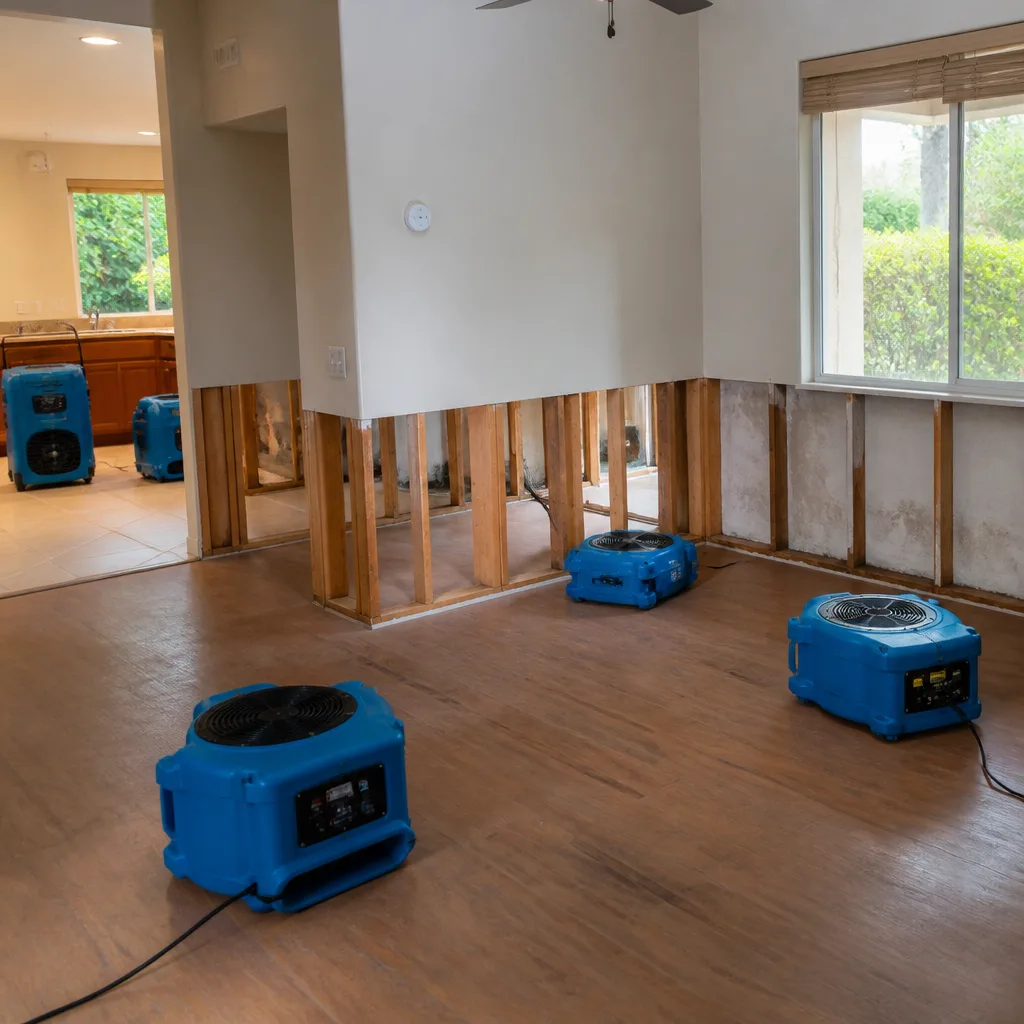
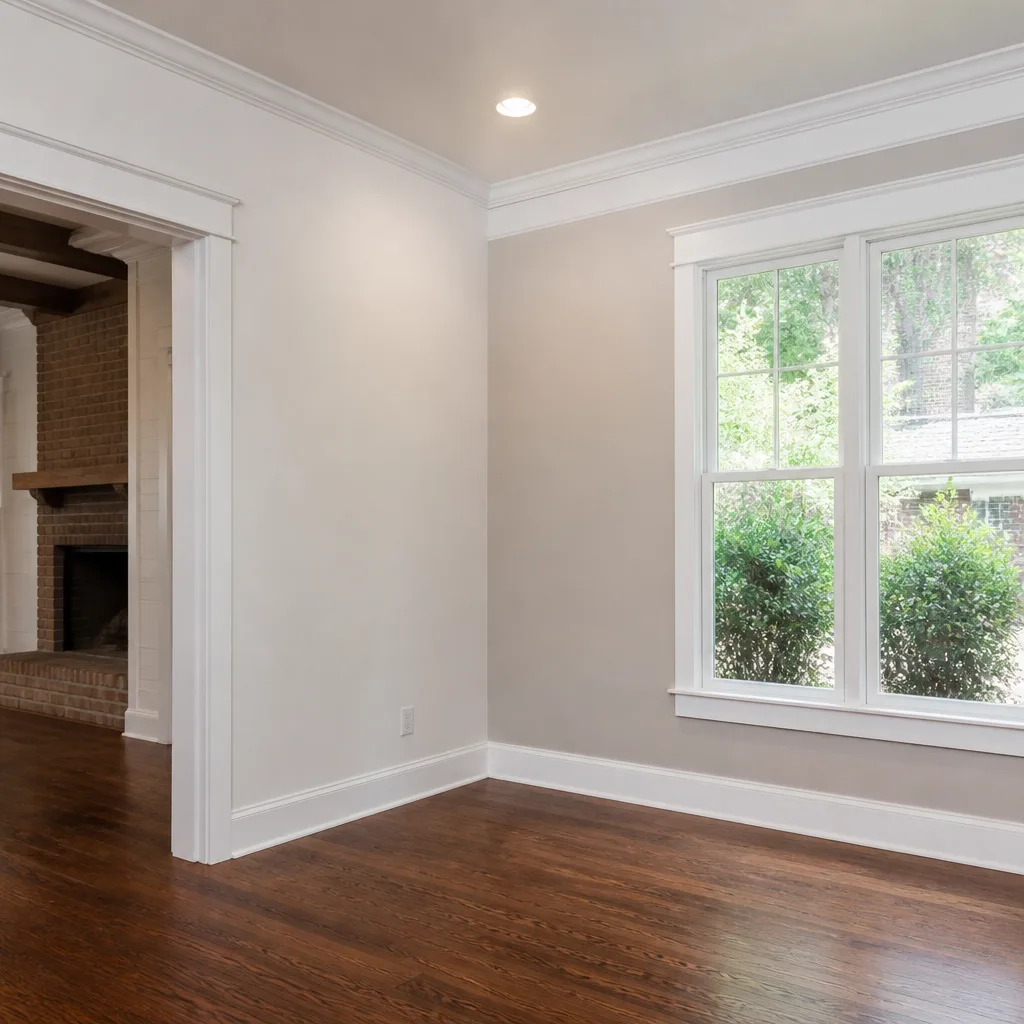
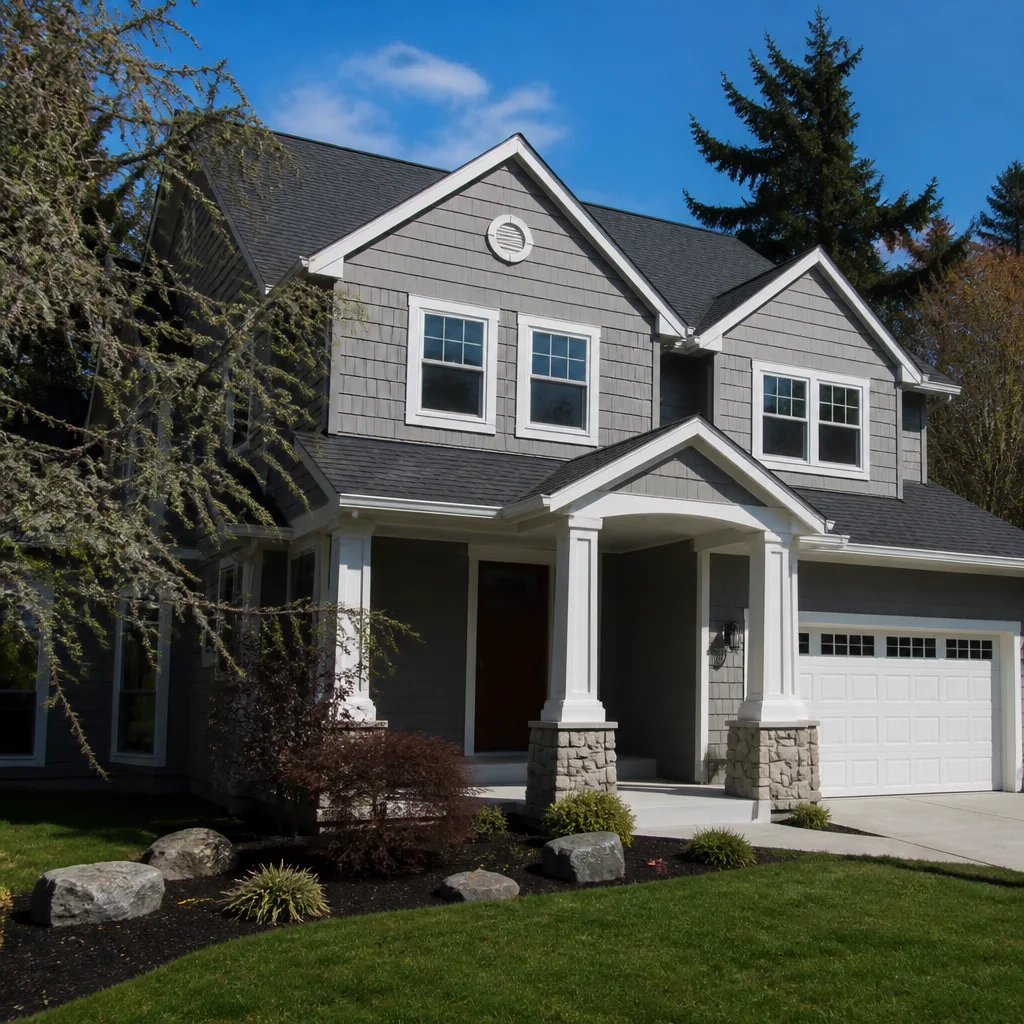
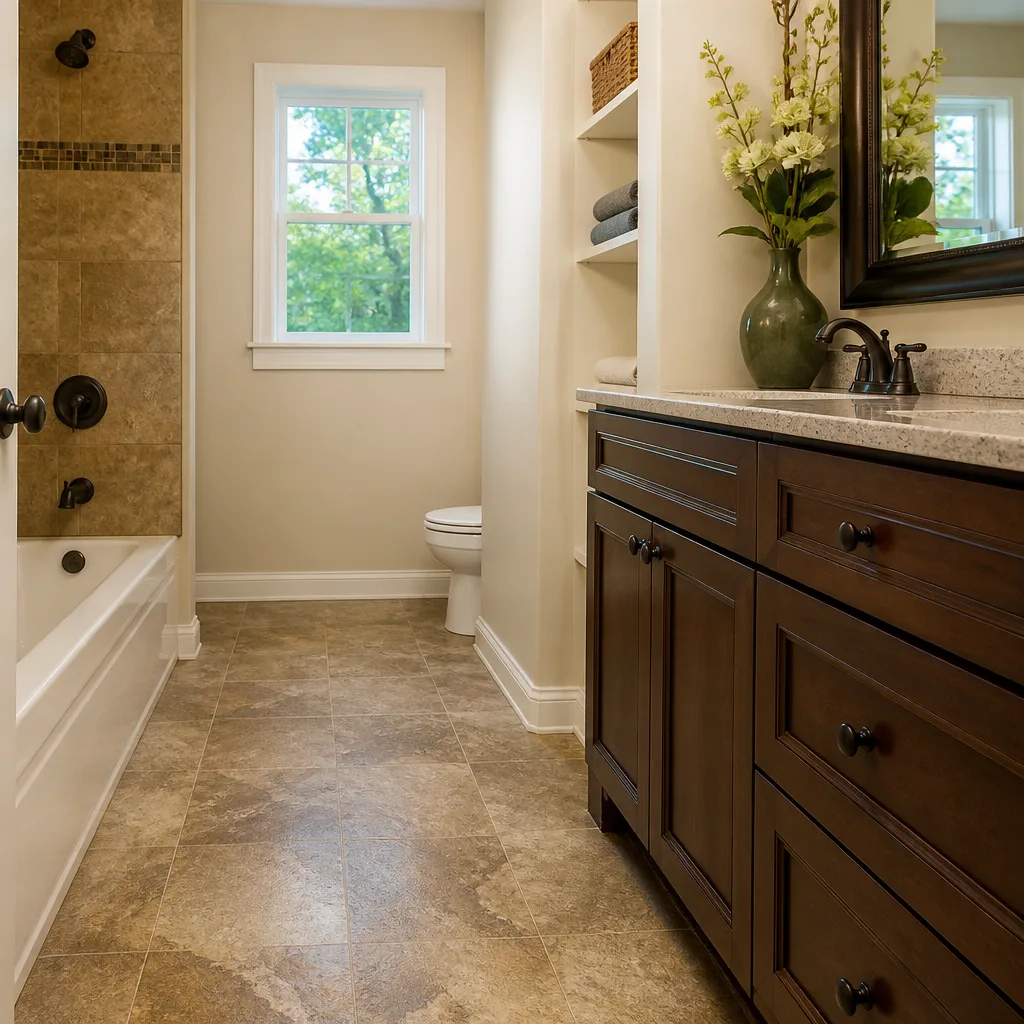
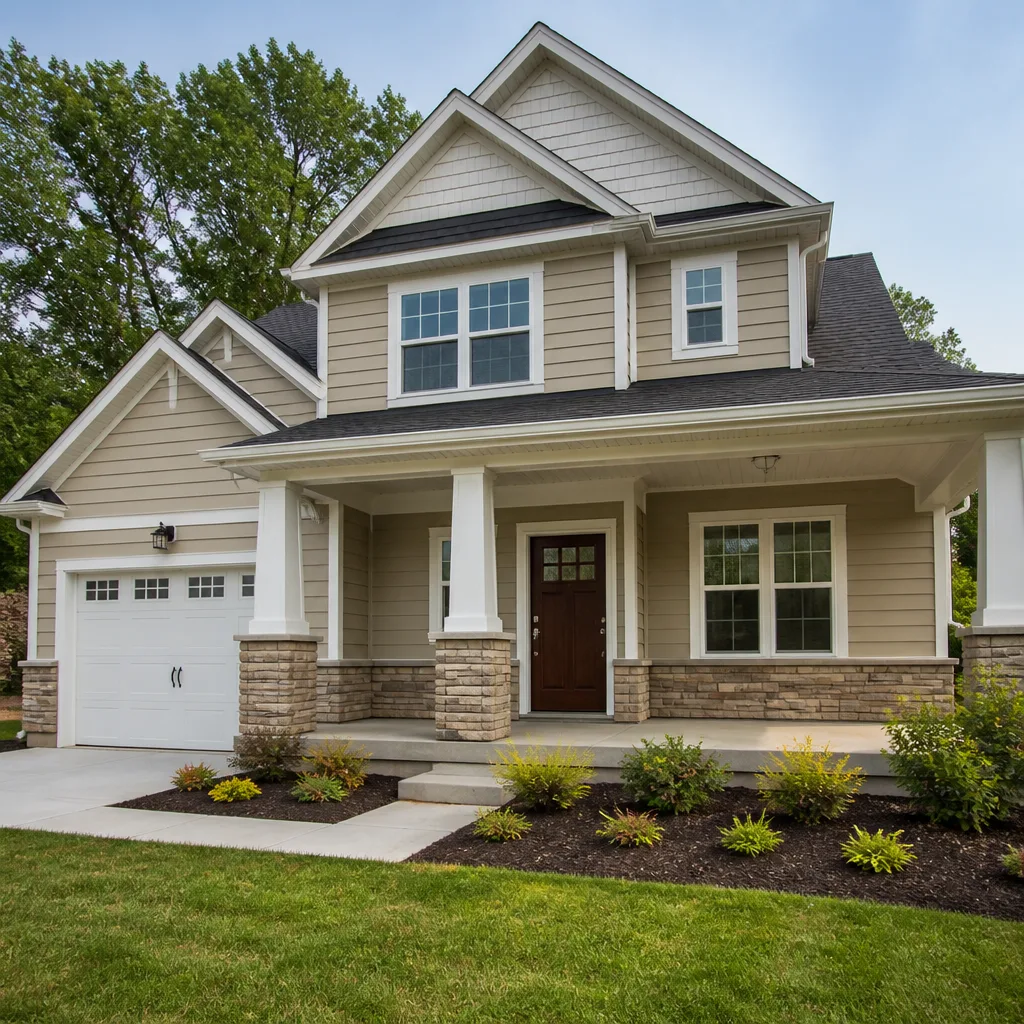
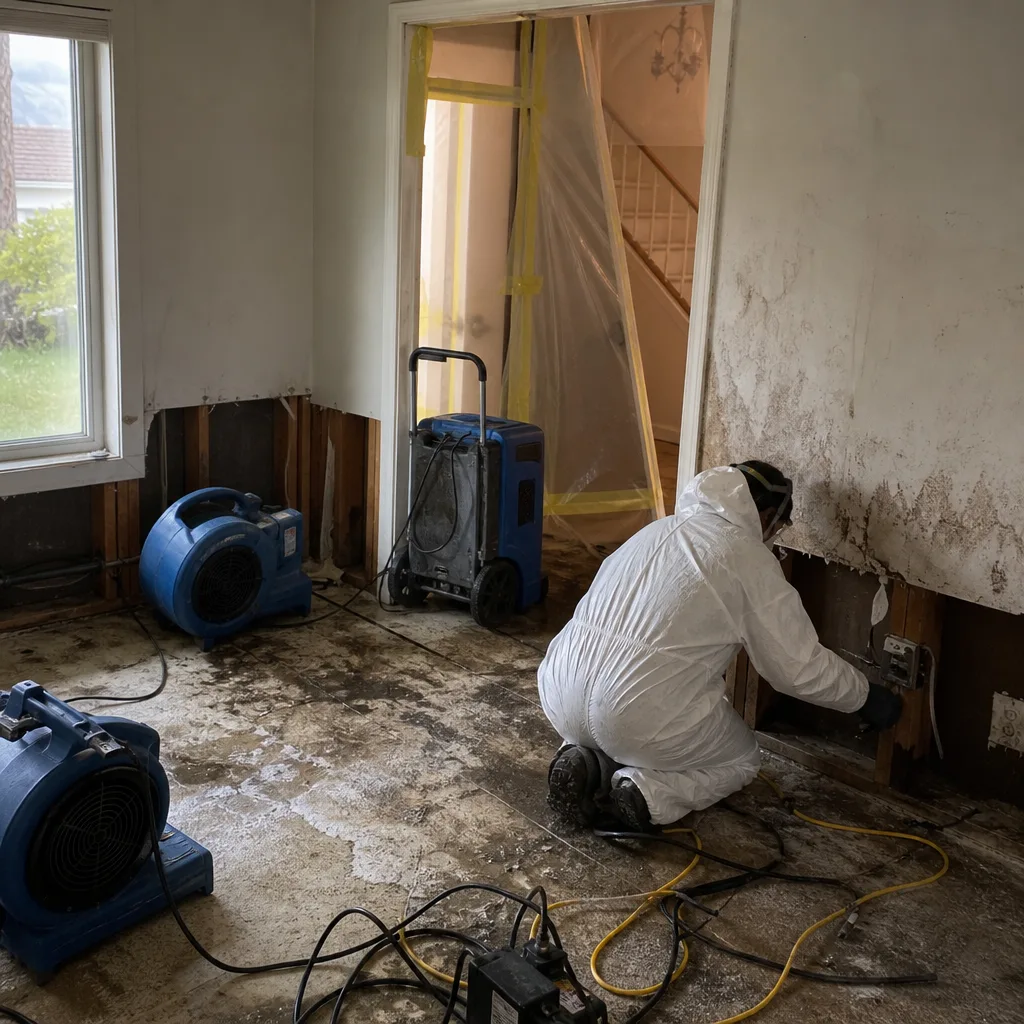 Before
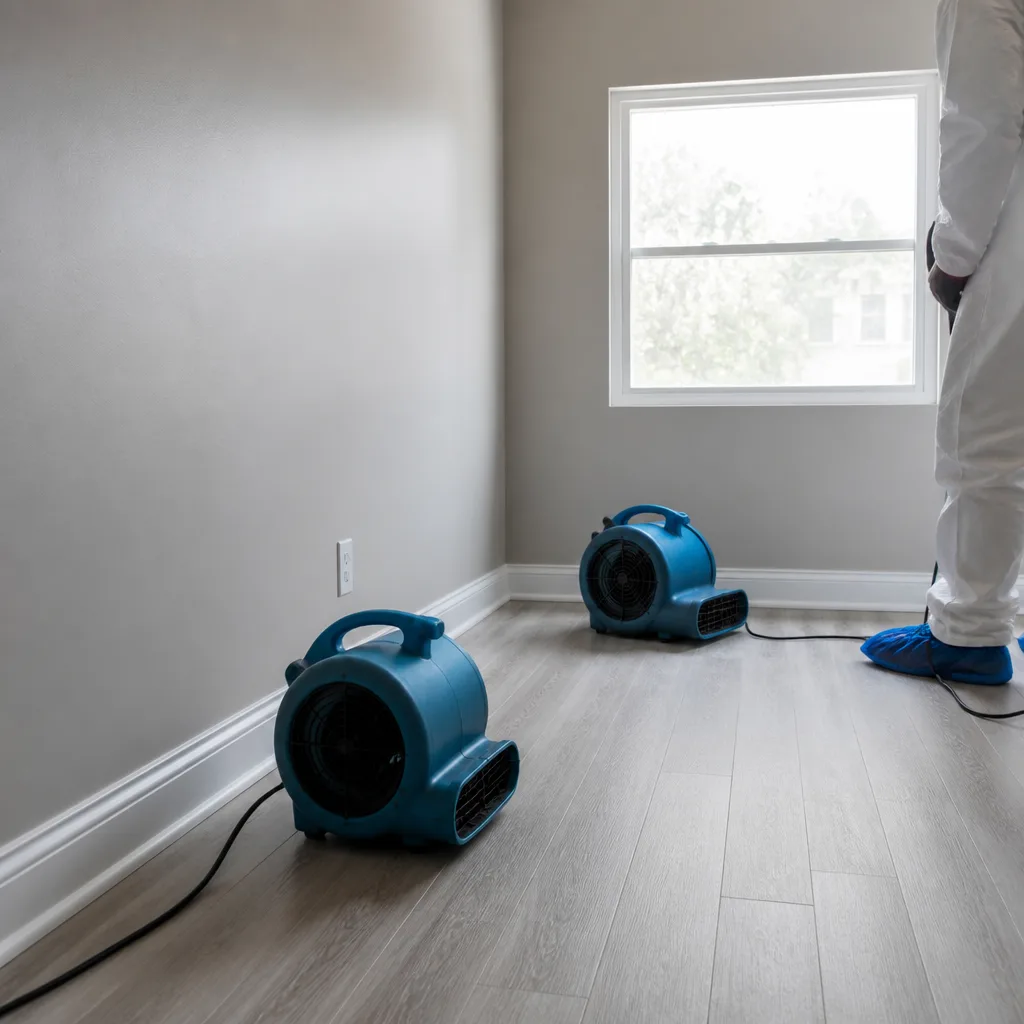 After
After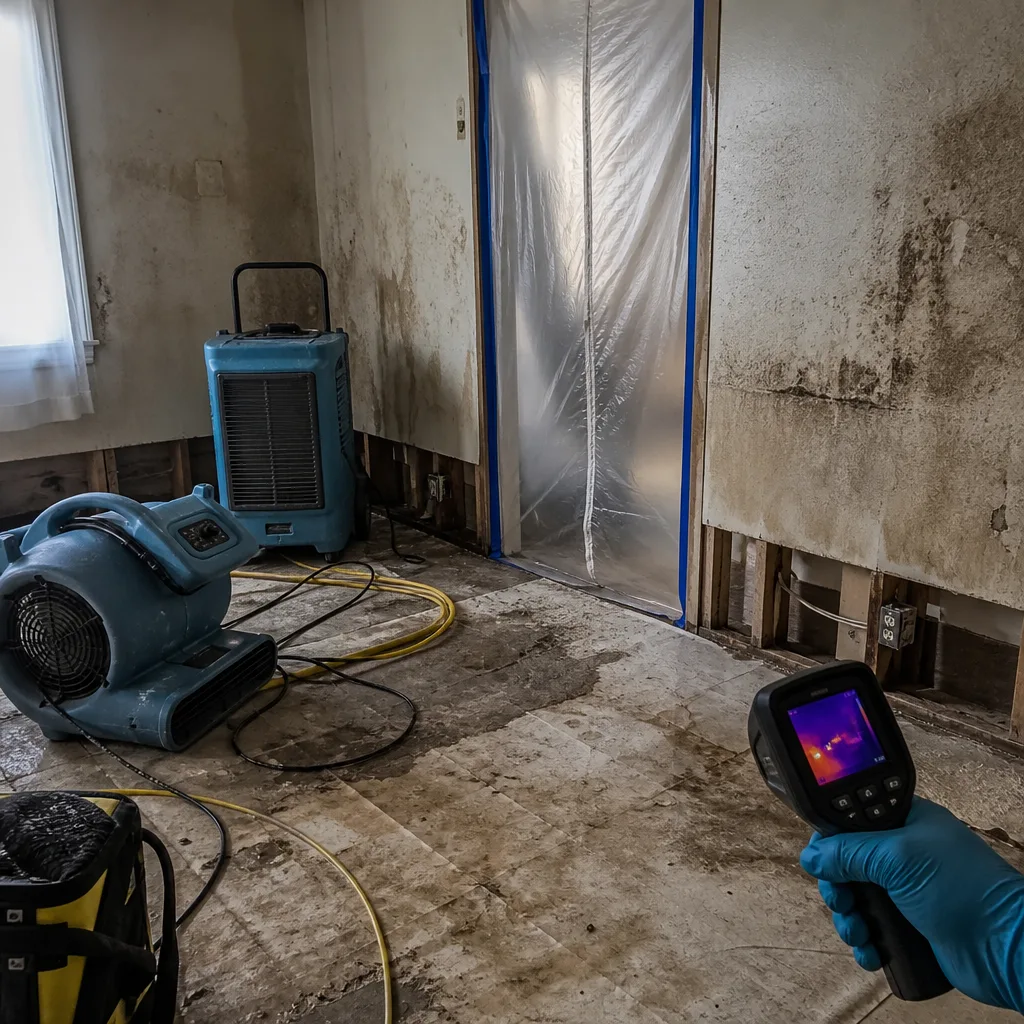 Before
 After
After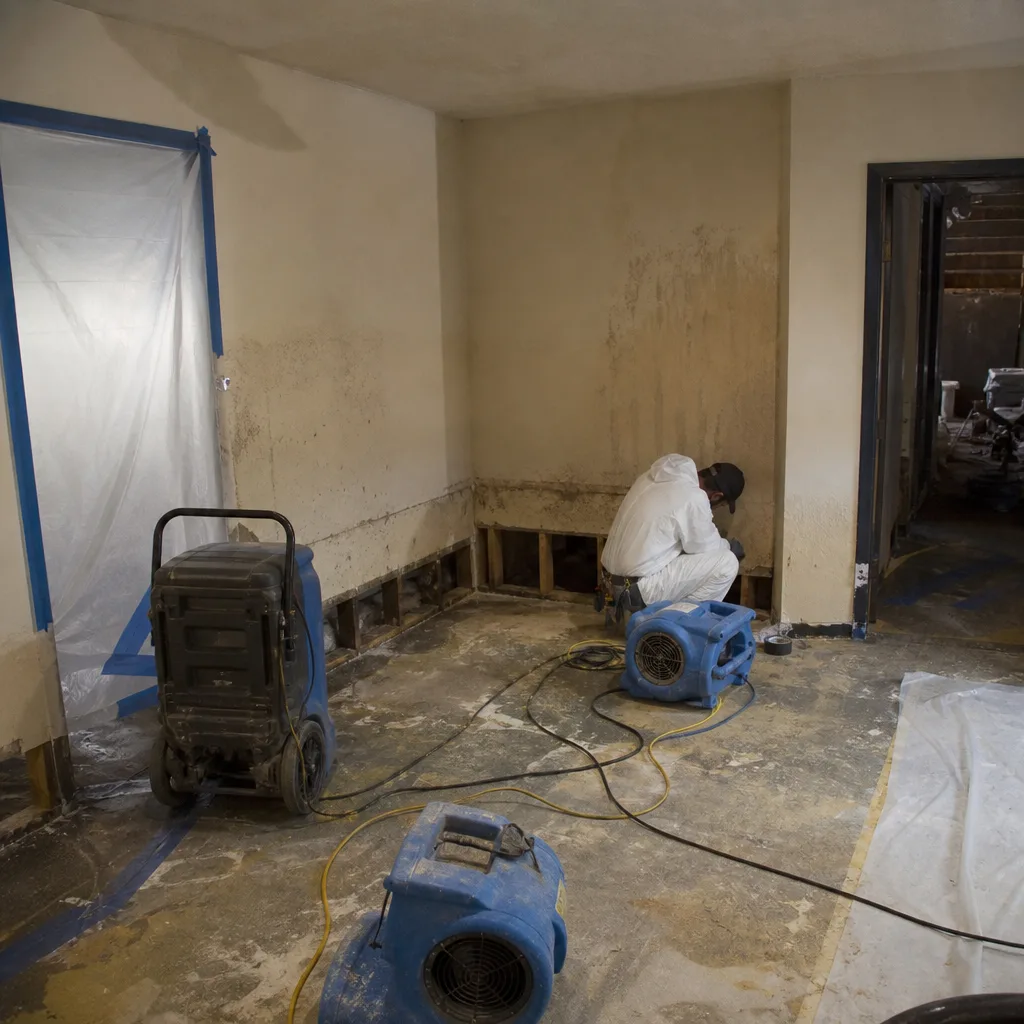 Before
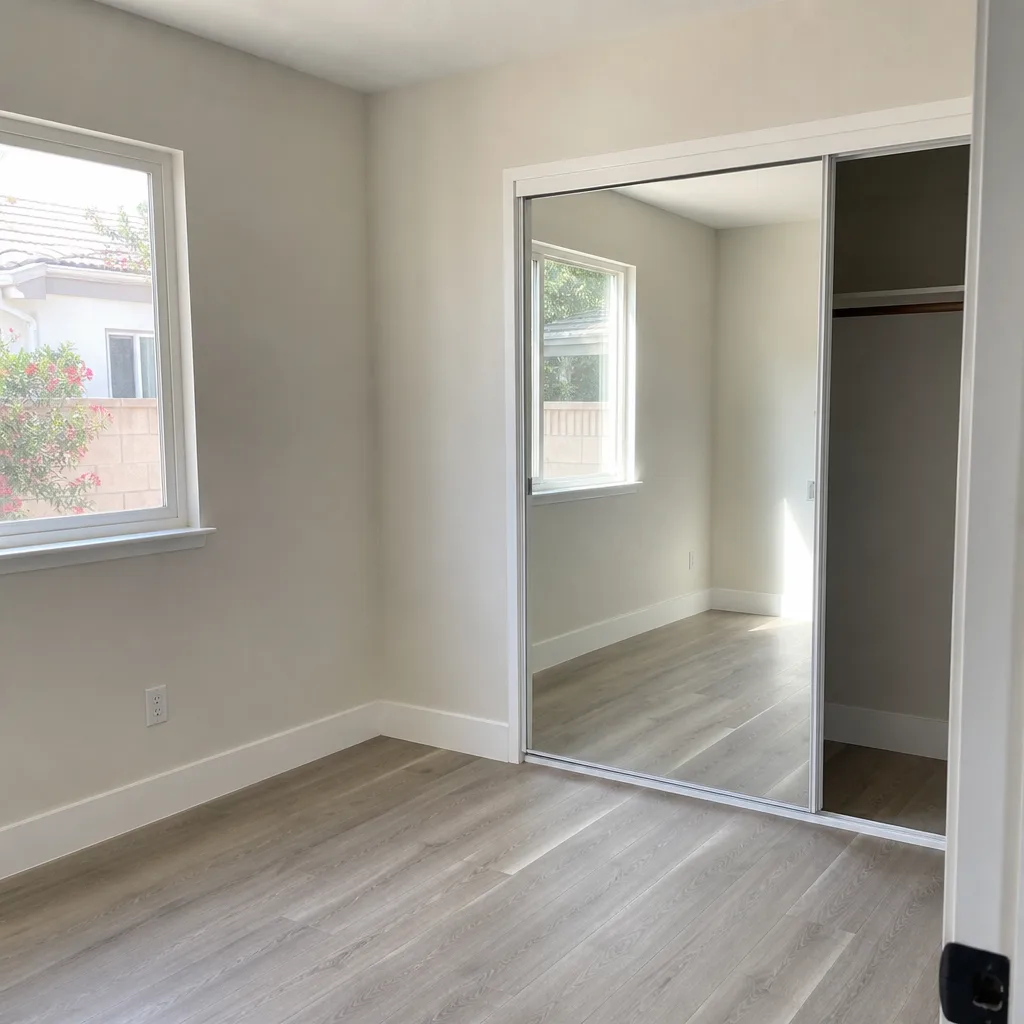 After
After24/7 Emergency Fire & Smoke Damage Restoration in Lakewood
Fire and smoke damage restoration in Lakewood typically costs $3,800-$14,500 depending on the affected square footage, and our crews are dispatched within 45 minutes of your call to (424) 305-3365. We answer live, 24 hours a day, 7 days a week - no voicemail, no callback queues. The first hour after a fire is critical: smoke residues begin etching surfaces within minutes, and the water used for suppression creates a secondary damage pathway that compounds hourly if not contained and mapped.
Our Fire & Smoke Damage Restoration team serves Lakewood from our Los Angeles office, with crews carrying IICRC FSRT (Fire and Smoke Restoration Technician) certification and the hazardous-material testing equipment that Lakewood’s mid-century housing stock demands. Every emergency call begins with a free visual inspection, a written scope of work, and a documented photo record before any equipment is powered on.
Understanding Fire & Smoke Damage Restoration Severity in Lakewood Properties
Fire damage in Lakewood follows a predictable pattern because the housing stock is nearly uniform. The city was mass-built between 1950 and 1954 as one of America’s first large-scale planned suburban tracts, so every property we enter carries the same generation of aging infrastructure: corroding galvanized supply lines, asbestos-containing floor tiles and joint compound, and post-war framing now exceeding 70 years old. Unlike neighboring Long Beach or Bellflower where housing vintages vary across decades, Lakewood restoration work is almost universally a mid-century remediation project.
Smoke migration behaves differently in these homes than in modern construction. The minimal insulation and vapor-barrier-deficient walls typical of 1950s slab-on-grade construction allow smoke to travel through wall cavities and ceiling plenums with little resistance. We classify soot residue by type - dry smoke (fast-burning, high-heat fires), wet smoke (slow-burning, low-heat fires), protein residue (nearly invisible but pungent), and fuel oil soot - because each requires a distinct cleaning protocol and each responds differently to the high humidity that Lakewood’s marine layer maintains year-round.
The marine layer that sits over Lakewood six to seven miles from the Pacific coast keeps indoor relative humidity elevated enough to accelerate corrosion of metal components and to prevent natural drying of water-damaged materials. This means our psychrometric calculations - measuring vapor pressure differential, grains per pound, and dew point - must account for ambient conditions that inland cities simply do not face.
Why Lakewood Property Owners Choose DryMark Restoration Carson
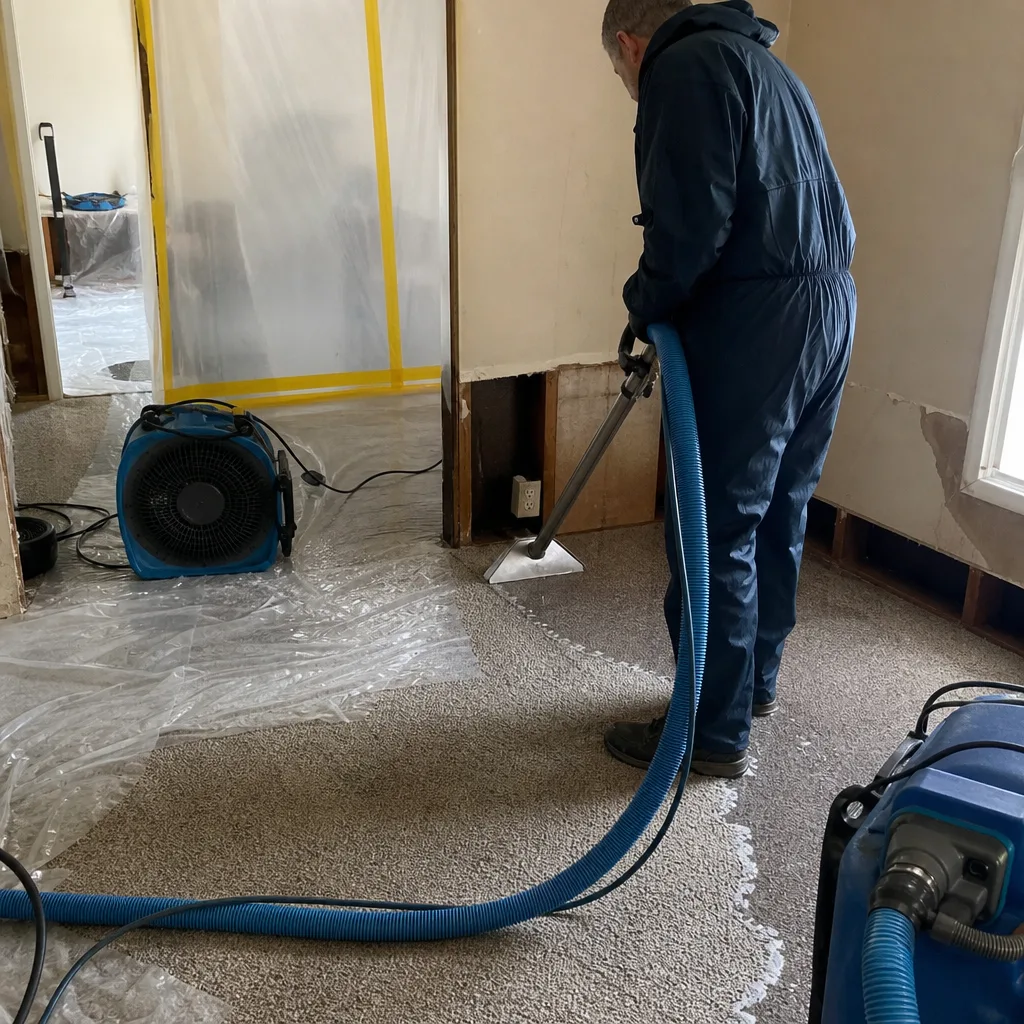
- 45-minute response commitment to Lakewood addresses, with crews staged for the Lakewood Center and Del Amo Boulevard corridors.
- 24/7 live answer - a real person, never an automated system - on every call, because fire damage does not observe business hours.
- IICRC-certified crews holding WRT (Water Damage Restoration Technician), FSRT (Fire and Smoke Restoration Technician), and AMRT (Applied Microbial Remediation Technician) credentials.
- Free visual inspection with a written scope delivered before any work begins, per Haven Standard, Clause 1.
- Direct insurance billing with photo-documented estimates that adjusters recognize and approve without dispute.
- One team from emergency board-up through reconstruction - no handoffs to subcontractors who have not seen the loss from hour one.
 Before
 After
AfterOur Fire & Smoke Damage Restoration Process
1. Inspection & Assessment
We arrive with thermal imaging cameras, moisture meters, and hygrometers to map the full extent of fire, smoke, and water damage. In Lakewood homes, this includes testing for asbestos-containing materials in floor tiles, joint compound, and pipe insulation before any disturbance begins. A written scope and price are delivered before work starts.
2. Emergency Board-Up & Stabilization
We secure compromised openings with plywood and roof tarps to prevent weather intrusion and unauthorized entry. On Lakewood’s flat-graded lots, we also assess whether suppression water is pooling against the slab perimeter and beginning sub-slab moisture intrusion.
3. Water Extraction & Structural Drying
Using truck-mounted extraction units and portable units from Dri-Eaz and Phoenix, we remove standing water and deploy air movers and LGR dehumidifiers to establish drying goals. Daily moisture logs track progress to IICRC S500 standards.
4. Smoke & Soot Removal
HEPA vacuums, dry sponges, and chemical sponges remove loose particulate before wet cleaning begins. We select cleaning agents based on the soot classification identified during inspection, with particular attention to protein residues from kitchen fires that are common in Lakewood’s compact 1950s floor plans.
5. Odor Removal & Deodorization
Thermal fogging, ozone treatment, and hydroxyl generators neutralize odor molecules at their source. In Lakewood’s minimally insulated homes, where smoke has penetrated deep into wall cavities, we may need to implement vapor-phase deodorization with sealed containment and negative air pressure from XPOWER or B-Air scrubbers.
6. Repairs & Restoration
Our reconstruction team replaces damaged drywall, insulation, flooring, and structural elements to pre-loss condition. All work is documented with a final photo record and covered by our 365-Day Done Right Promise under The Haven Standard.
Need Emergency Fire & Smoke Damage Restoration in Lakewood Now?
Crews minutes away, answering live 24 hours a day. The sooner we start, the less it costs.
Working With Your Insurance Company
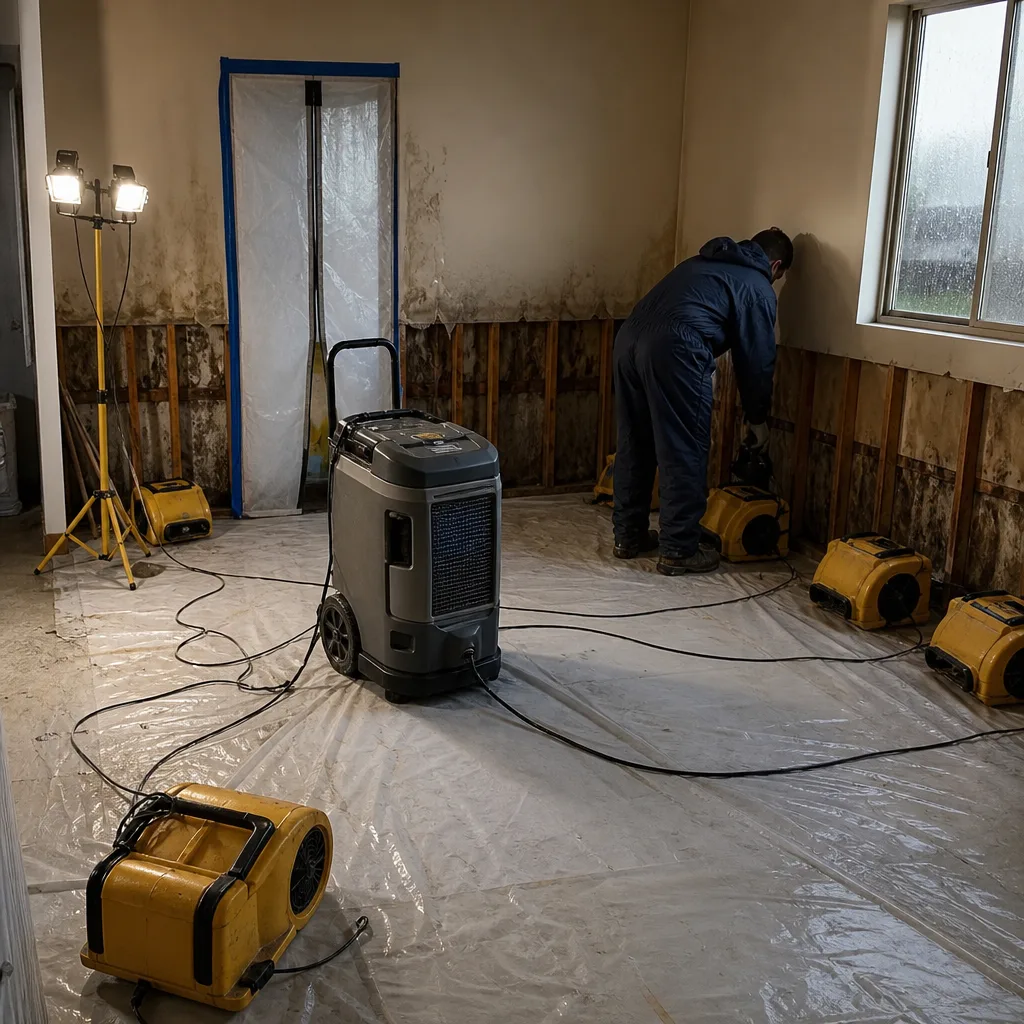
Fire claims are documentation battles. Adjusters approve what they can verify, and they deny what they cannot. From our first hour on site, we build a file that supports your claim: time-stamped photos of every room, moisture readings with psychrometric data, a line-item scope referencing IICRC standards, and direct adjuster communication that keeps the claim moving without your intervention.
Our founder built this company in 2011 after seeing how many homeowners lost legitimate claims to incomplete documentation. That origin shapes every job we touch. We do not leave until the photo record, drying log, and written scope are complete and submitted.
What We Provide Your Insurer
- Thorough documentation of the loss
- Photos of all damage, room by room
- Moisture readings and drying logs
- A detailed, line-item scope of work
- Direct coordination with your carrier
Built for Lakewood’s Loss Calendar
Lakewood’s fire damage patterns track closely to its climate and construction era. Winter brings the highest risk: space heaters and overloaded electrical circuits in 70-year-old systems, combined with holiday cooking in compact kitchens with limited ventilation. The El Niño rainfall cycles that overwhelm the city’s aging mid-century storm drains also create conditions where electrical faults spark fires in moisture-compromised panels and junction boxes.
Spring and summer see more garage fires, often originating in corroded electrical components or improperly stored flammables. The salt air that accelerates corrosion of garage-door hardware also attacks electrical connections in attached garages, creating intermittent arcs that can ignite accumulated dust and debris. Fall brings Santa Ana wind events that can spread exterior fires rapidly across Lakewood’s tightly spaced tract lots with minimal defensible space.
Year-round, the marine layer maintains humidity levels that prevent natural drying and sustain smoke odor in porous materials. This is not a seasonal problem we can wait out. It requires active dehumidification and vapor pressure management on every job.
Fire & Smoke Damage Restoration Across Lakewood’s Neighborhoods
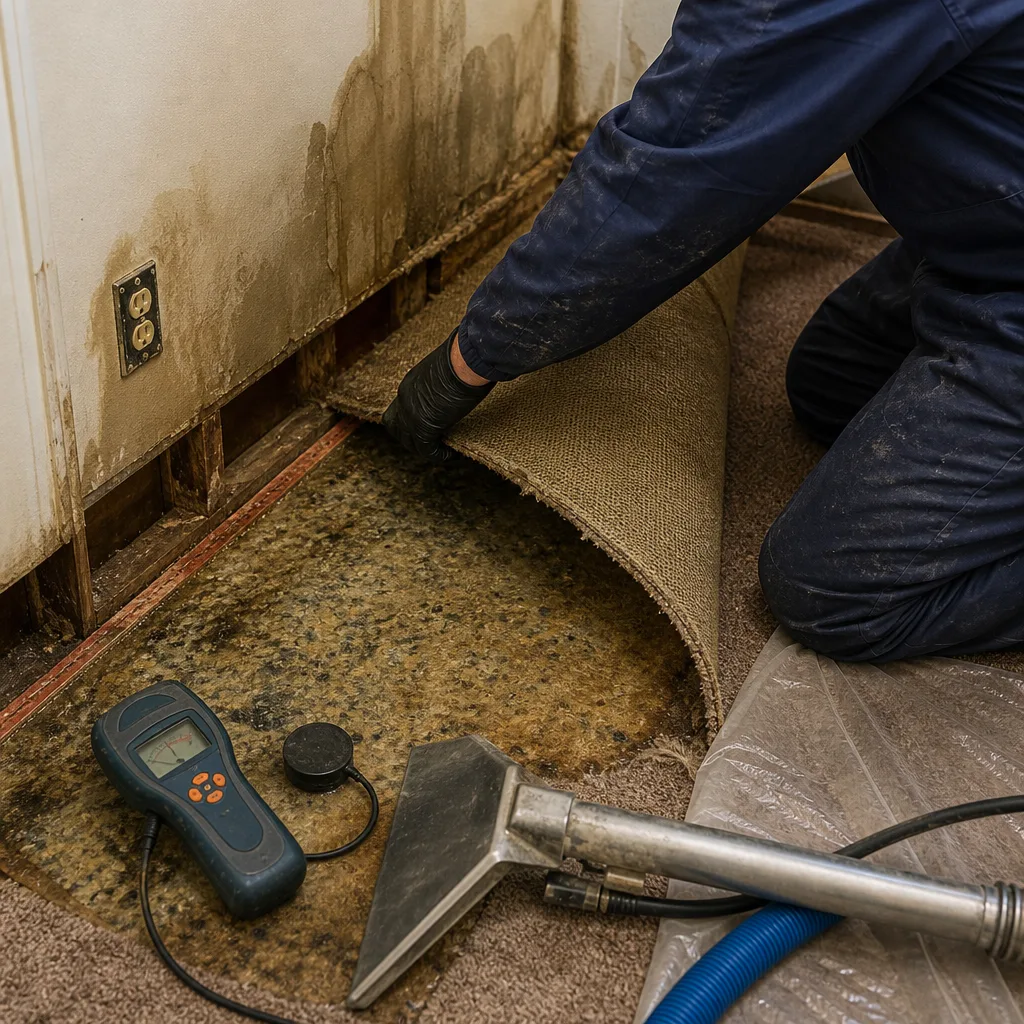
Near Lakewood Center and the Del Amo Boulevard corridor, we see frequent kitchen fires in the original 1,100-square-foot three-bedroom plans where cooking smoke migrates through the entire house before the alarm triggers. The compact layout means protein residues from a single pan fire can require whole-home deodorization.
Along Palo Verde Avenue and the neighborhoods approaching the San Gabriel River, garage fires are more common. These homes often have detached or semi-detached garages with original electrical service that was never upgraded for modern loads. The salt-air corrosion we find on garage-door springs and opener chains in this zone is consistently more advanced than inland, and fire suppression water pools against slabs that sit on Lakewood’s famously flat grading.
Near Mayfair Park and the Long Beach Boulevard corridor, we handle more contents-heavy losses. These homes have been renovated more frequently than the eastern tracts, so pack-outs involve a mix of original built-ins and newer furnishings that require different cleaning protocols. The proximity to major arterials also means faster response times, but more complex traffic coordination for large equipment.
In the neighborhoods south of Carson Street approaching the 605 corridor, we see the highest concentration of asbestos-containing materials in original condition. Homes here were among the first completed in the 1950 build wave, and fewer have undergone the gut renovations that remove hazardous materials. Every job in this zone begins with testing, and every scope includes abatement before structural work can proceed.
Specialized Fire & Smoke Damage Restoration Services We Offer in Lakewood
Fire Damage Cleanup
We remove debris, damaged materials, and contaminated contents with full hazardous-material protocols for Lakewood’s asbestos and lead-paint era. Every removal is documented with pre- and post-condition photos.
Smoke & Soot Removal
Our FSRT-certified technicians identify soot type and select the appropriate cleaning chemistry. In Lakewood’s humid environment, we often encounter wet smoke residues that smear when dry-cleaned, requiring specialized solvent-based agents and careful sequencing.
Odor Removal & Deodorization
Thermal fogging, ozone, and hydroxyl generation target odor molecules in porous materials. For Lakewood’s minimally insulated homes where smoke has penetrated wall cavities, we implement containment with negative air pressure and vapor-phase treatment using professional-grade equipment from Dri-Eaz and Phoenix.
Contents Cleaning & Pack-Out
On a slab-on-grade home near Del Amo Boulevard and Paramount Boulevard, our tech arrived after a garage fire and found the torsion spring snapped and the hinges seized from salt-air corrosion, so we had to cut the door free before we could even begin pack-out. We set up containment, ran air movers and dehumidification to dry the structure, applied antimicrobial treatment to the smoke- and soot-affected framing, and documented pre-loss condition with moisture mapping and drying logs for the scope of work. The homeowner was relieved that we treated the corroded hardware and smoke residue together rather than just wiping down the walls. Pack-outs are inventoried with photo documentation and cleaned at our facility using ultrasonic, immersion, or dry-cleaning methods matched to material type.
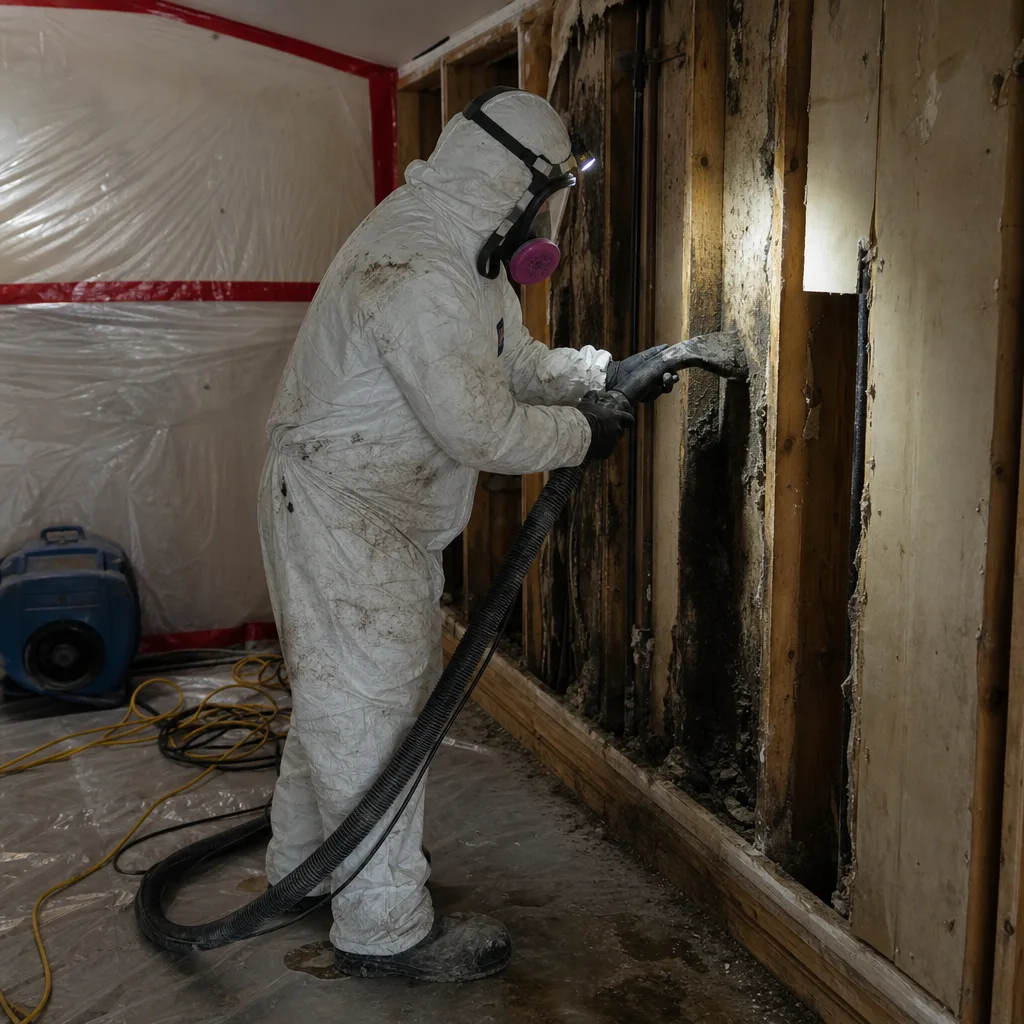
Emergency Board-Up & Tarping
We secure compromised structures within hours of your call, with particular attention to Lakewood’s corrosion-weakened garage-door hardware that may fail under stress and require reinforcement before board-up is effective.
What happens when you call
- 1
A real person answersNo phone trees - you reach a local pro.
- 2
You get an upfront price rangeHonest numbers before anyone is dispatched.
- 3
A background-checked tech heads outLicensed & insured, dispatched right away.
- 4
You approve before work beginsNothing starts until you say go.
Fire & Smoke Damage Restoration Costs in Lakewood, CA
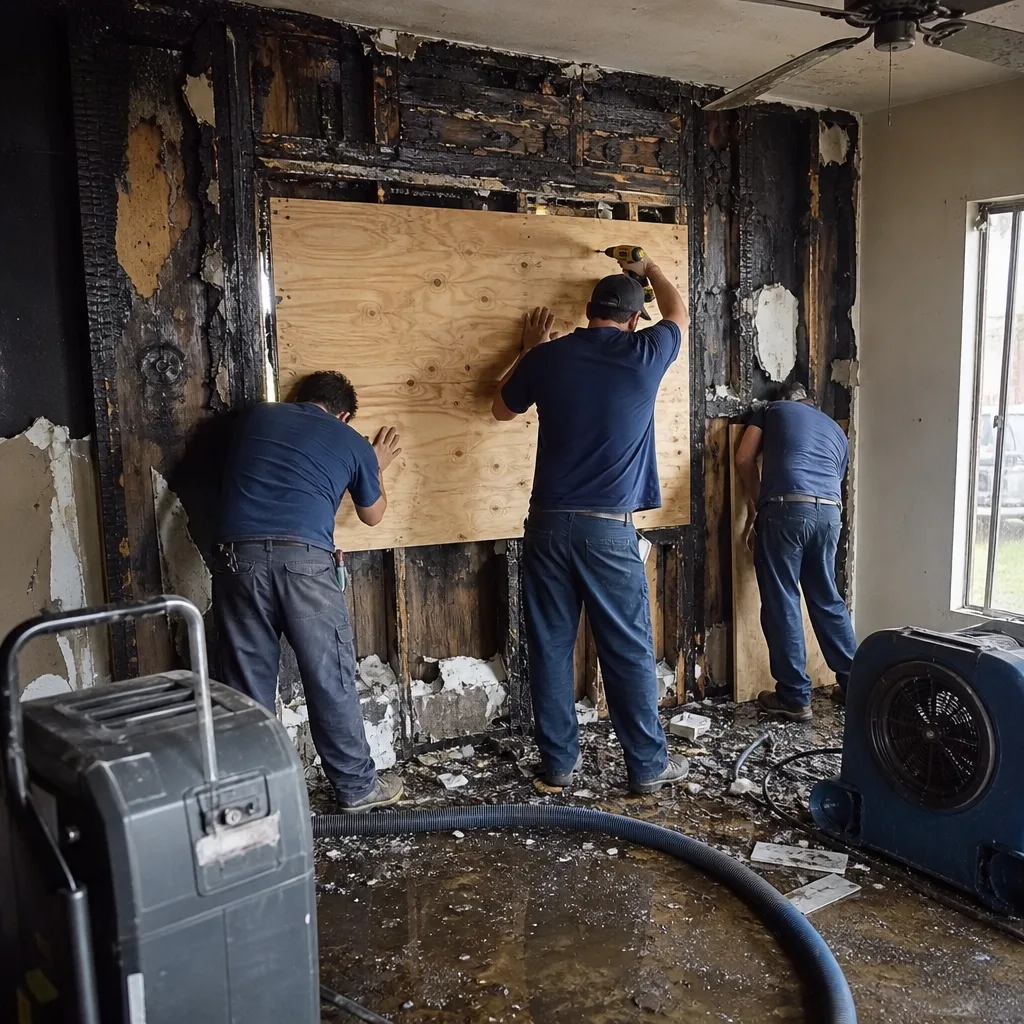
A typical fire damage cleanup in Lakewood runs $3,800-$8,500 for a contained kitchen or garage fire affecting under 400 square feet. Smoke and soot removal for a single room with no structural damage typically costs $1,200-$3,400. Whole-home odor removal and deodorization runs $2,500-$6,000 depending on the number of affected rooms and the deodorization methods required. Contents cleaning and pack-out for a typical Lakewood three-bedroom home ranges $1,800-$5,500 based on volume and material sensitivity. Emergency board-up and tarping is typically $800-$2,200 for a standard single-family home.
What moves the price: the square footage affected, the soot classification (wet smoke requires more labor than dry), whether asbestos abatement is required before cleaning can begin, and whether suppression water has created secondary damage needing full structural drying. Insurance typically covers fire, smoke, and water damage from suppression when the policy includes standard homeowner’s coverage; we provide the documentation your adjuster needs and bill directly when possible. Call (424) 305-3365 for an exact quote - estimates are free.
We Also Serve Cities Near Lakewood
Our crews respond daily to fire and smoke damage throughout the surrounding area, including Lakewood, Wilmington, Torrance, Carson, and San Pedro. Each community has distinct housing stock and loss patterns, and we adjust our protocols accordingly rather than applying a one-size-fits-all approach.
Serving Lakewood, CA - Our Local Coverage Area
We’re based in the Lakewood area and know this community well. Use the map below to see our service coverage - if you’re nearby, we can almost certainly help.
Lakewood Fire & Smoke Damage Restoration Questions, Answered
Why do garage-door springs and hinges in Lakewood corrode faster than in neighboring cities?
The marine layer that rolls in from the Pacific six to seven miles away deposits salt air on metal components year-round, accelerating galvanic corrosion on springs, hinges, rollers, and opener chains years faster than in inland cities like Bellflower. We regularly find hardware seized solid on homes within a few blocks of major corridors like Del Amo Boulevard. Call (424) 305-3365 if you’re concerned about corrosion-weakened hardware - we inspect and document condition as part of every fire restoration scope.
After a garage fire in Lakewood, can I just clean the smoke myself?
No. Smoke residues are acidic and begin etching surfaces within hours; improper cleaning can set stains permanently and drive odors deeper into porous materials. More critically, Lakewood’s 1950-1954 homes contain asbestos in floor tiles, joint compound, and pipe insulation that requires professional testing and abatement before any disturbance. DIY cleaning without hazardous-material clearance is a health risk and a liability that insurers will not cover. Call (424) 305-3365 for a free inspection and written scope.
Does the age of Lakewood’s housing stock affect how you handle smoke and soot removal?
Yes. The uniform 1950s construction means we encounter the same hazardous-material profiles, the same minimal insulation that allows smoke migration, and the same vapor-barrier-deficient walls on nearly every job. Our protocols are built around this reality: asbestos testing before disturbance, specialized cleaning agents for the era’s materials, and moisture management that accounts for the marine-layer humidity these homes already struggle with. Call (424) 305-3365 - we know this housing stock.
How does Lakewood’s flat grading affect fire damage restoration?
Because the entire city was scraped flat from former dairy farmland before construction began, no lot has natural drainage away from the foundation. Fire suppression water pools against slab perimeters and wicks into vapor-barrier-deficient walls, creating hidden Category 2 or 3 water damage that must be mapped with moisture meters and dried with professional dehumidification. Without this step, mold colonizes behind walls within 48 to 72 hours in Lakewood’s humid conditions, which is why we also offer Mold Remediation in Lakewood as part of our comprehensive response. Call (424) 305-3365 for moisture mapping and drying.
What does a fire and smoke restoration pack-out involve for a Lakewood home?
We inventory every item with photo documentation, pack contents in labeled containers, and transport them to our cleaning facility where ultrasonic, immersion, or dry-cleaning methods are matched to material type. For Lakewood’s mid-century homes, this often includes original built-in cabinetry, vintage fixtures, and family belongings accumulated over decades in the same tract house. A detailed inventory and condition report is provided to you and your insurer. Call (424) 305-3365 to discuss your specific contents.
How fast can your crew actually get to my Lakewood home after a fire?
We commit to a 45-minute response time to Lakewood addresses, with crews staged for the Lakewood Center and Del Amo Boulevard corridors. Our phones are answered live 24 hours a day, 7 days a week - no voicemail, no callback delays. The first hour matters: smoke residues etch surfaces, and suppression water begins secondary damage immediately. Call (424) 305-3365 and we will be en route.
Will my insurance cover fire and smoke damage restoration in Lakewood?
Standard homeowner’s policies typically cover fire, smoke, and water damage from suppression efforts. We provide the documentation your adjuster needs: time-stamped photos, moisture readings, drying logs, and a detailed line-item scope referencing IICRC standards. We bill directly when your carrier accepts assignment, and we offer a free second opinion on any competitor’s written estimate. Call (424) 305-3365 to discuss your specific policy and coverage.
How long does the full fire and smoke restoration process take in Lakewood?
A contained kitchen or garage fire with no structural damage typically requires 3 to 7 days for cleaning, deodorization, and contents return. Larger losses with structural damage, asbestos abatement, or extensive water damage from suppression can extend to 2 to 4 weeks or more. Every job receives a written timeline with milestones, and daily moisture logs document drying progress to IICRC standards. Call (424) 305-3365 for a timeline specific to your loss.
Fire damage in Lakewood demands more than standard restoration protocols. The city’s uniform mid-century housing, salt-air corrosion, and flat grading create a repeatable remediation pattern that contractors unfamiliar with the local context will miss. We have restored homes across Lakewood’s neighborhoods since 2011, and we build every scope around the documentation that turns a restoration invoice into a claim your insurer pays without a fight.
Call (424) 305-3365 now for a free inspection and written estimate. A real person answers 24 hours a day. Every job starts with a written price before work begins, per Haven Standard, Clause 1, and every job ends with a 365-Day Done Right Promise backed by The Haven Standard.
Written by Alicia Brennan, Owner at Back to Dry Restoration, serving Lakewood since 2011.