Free visual inspection and a written scope of work before any mitigation begins - photos, moisture readings, and drying logs go in your claim file
The scope we write is the scope we bill. Anything new gets shown to you, in writing, before we touch it.
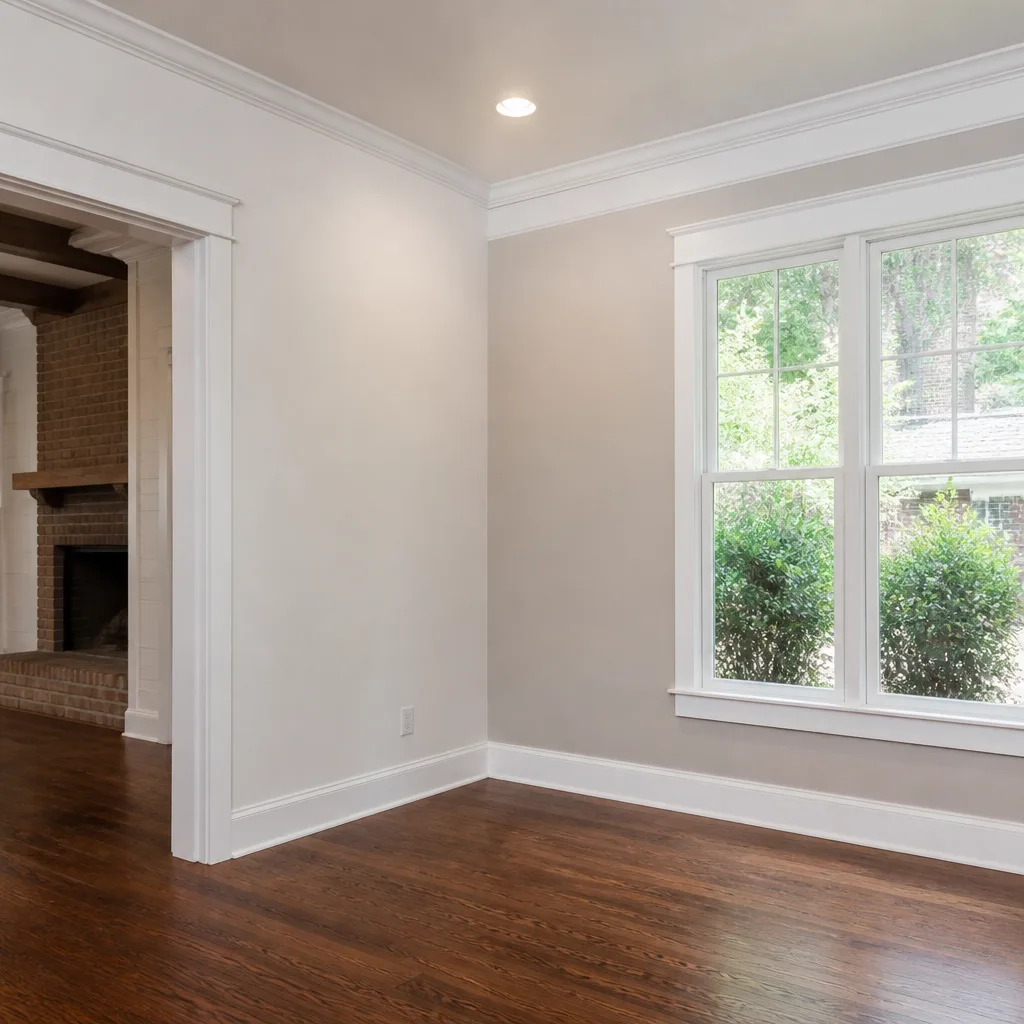
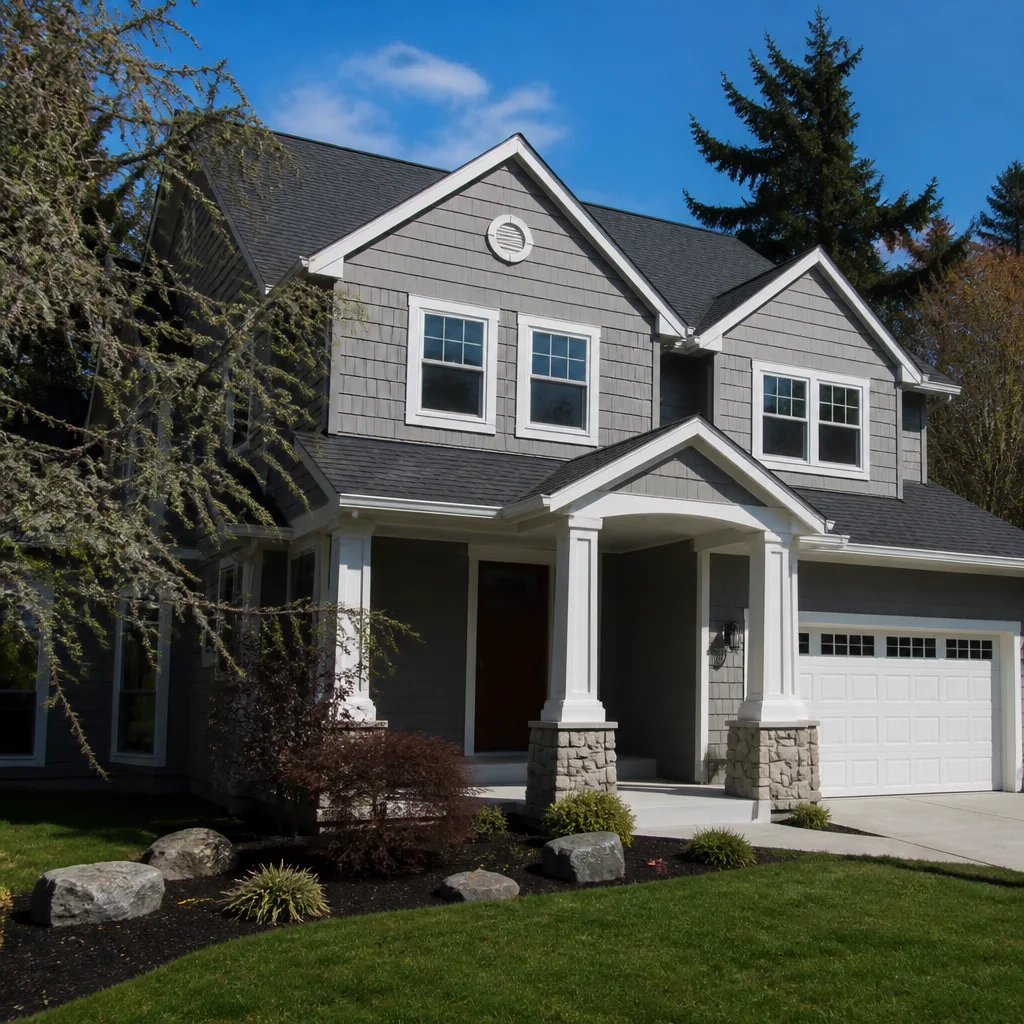
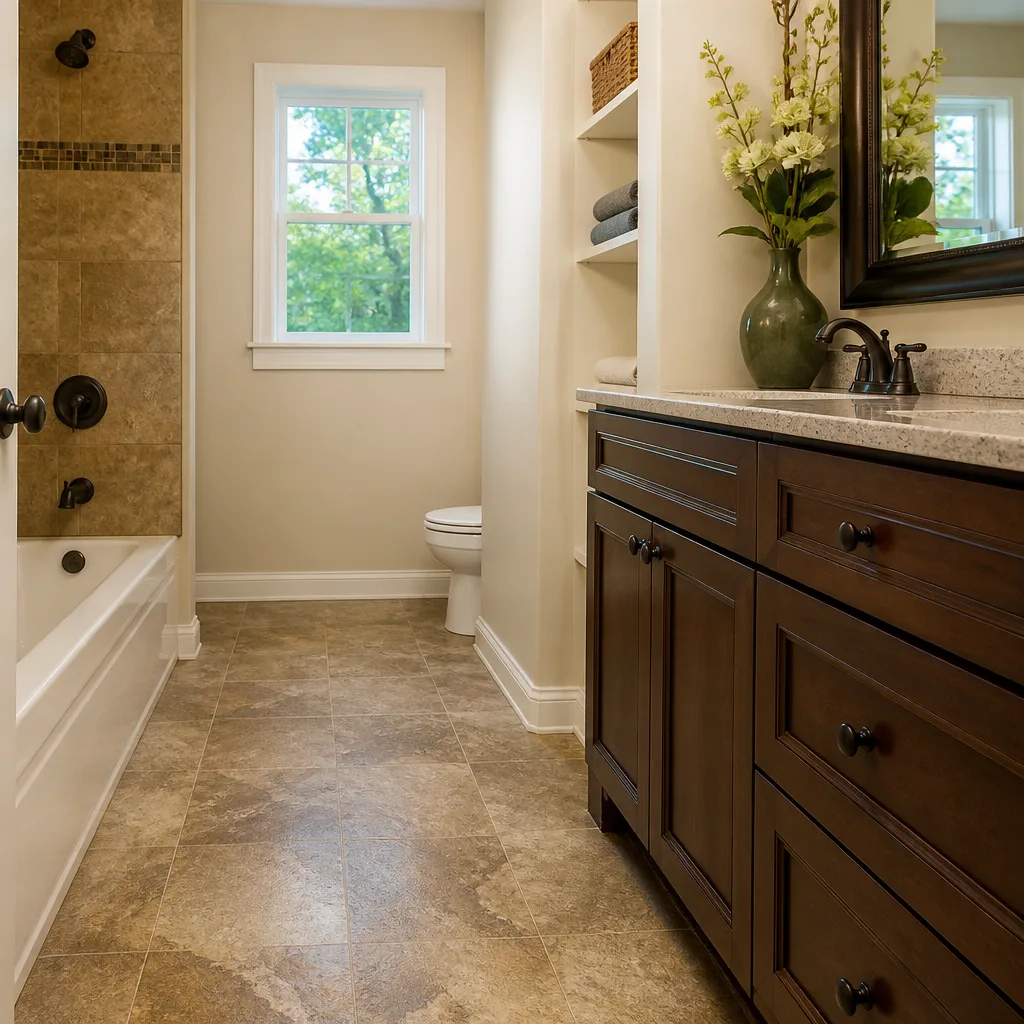
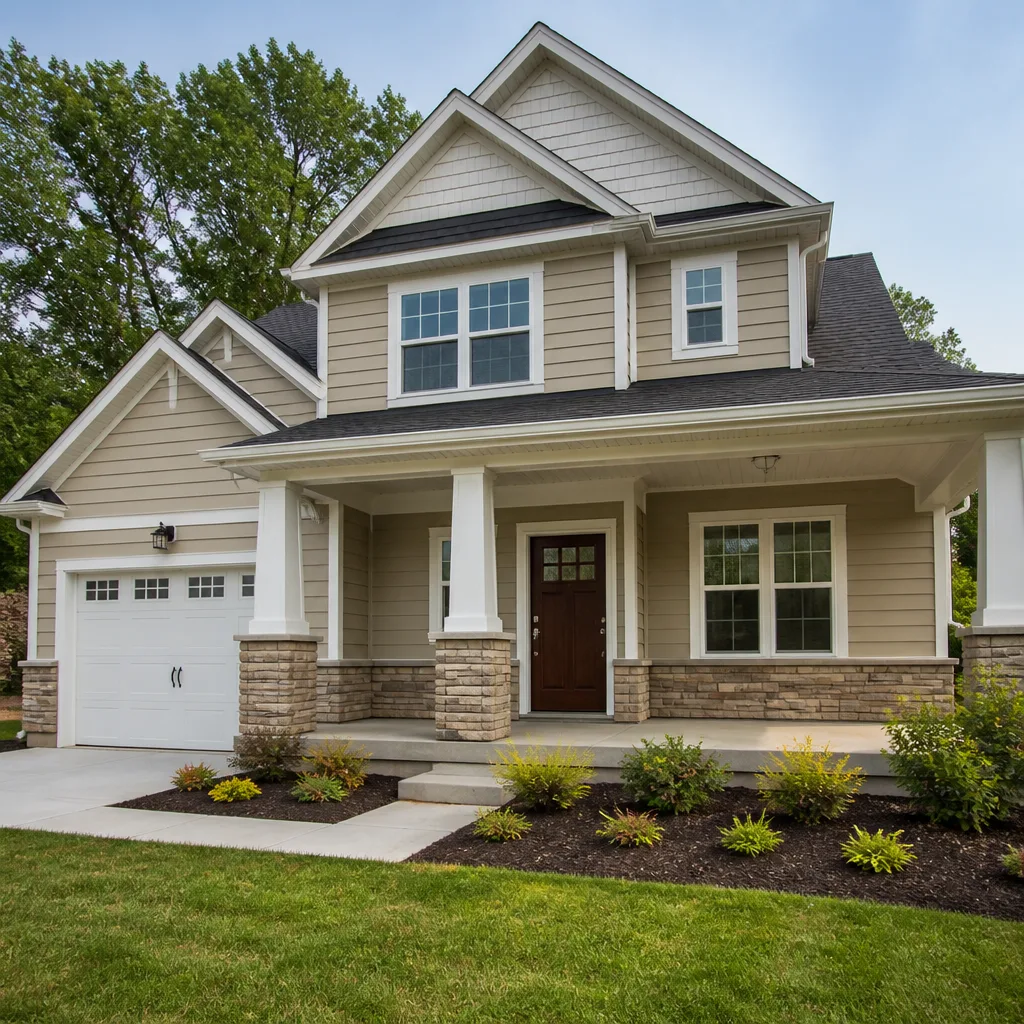
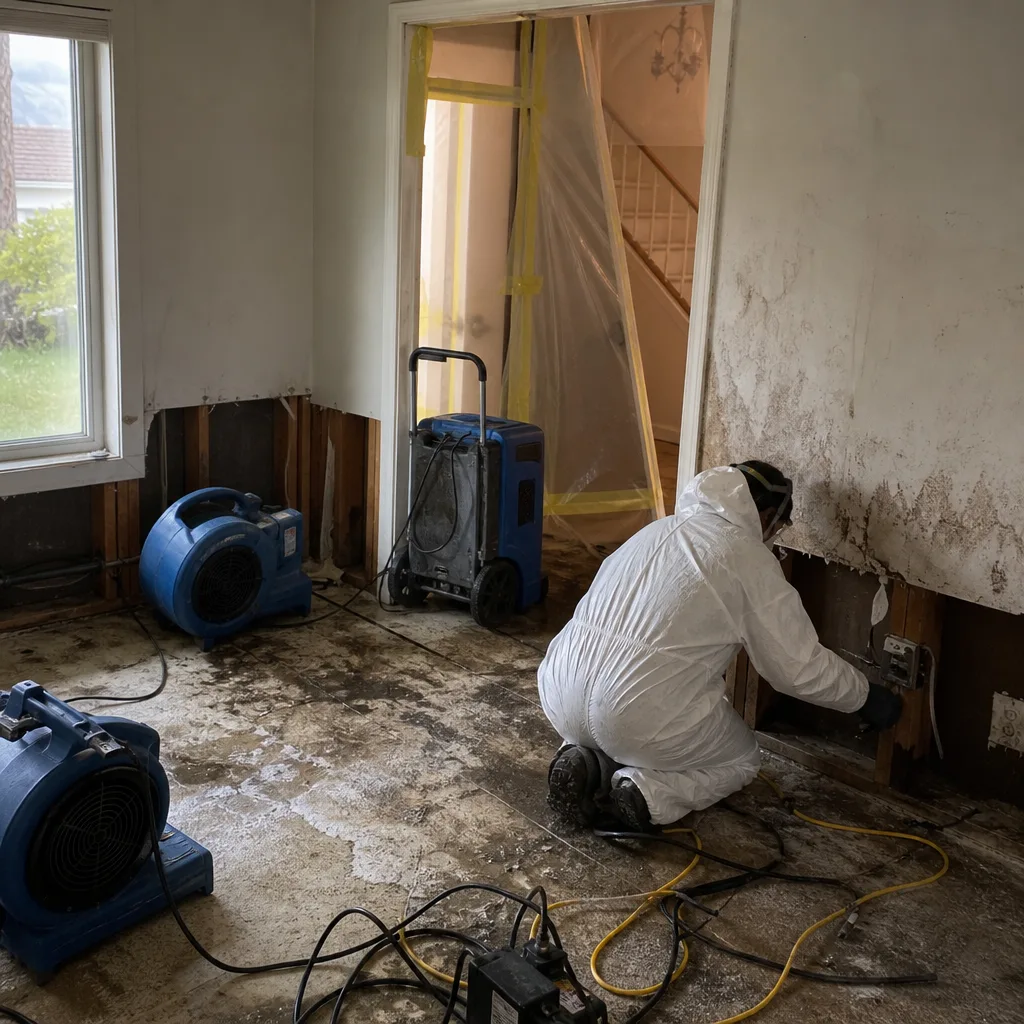 Before
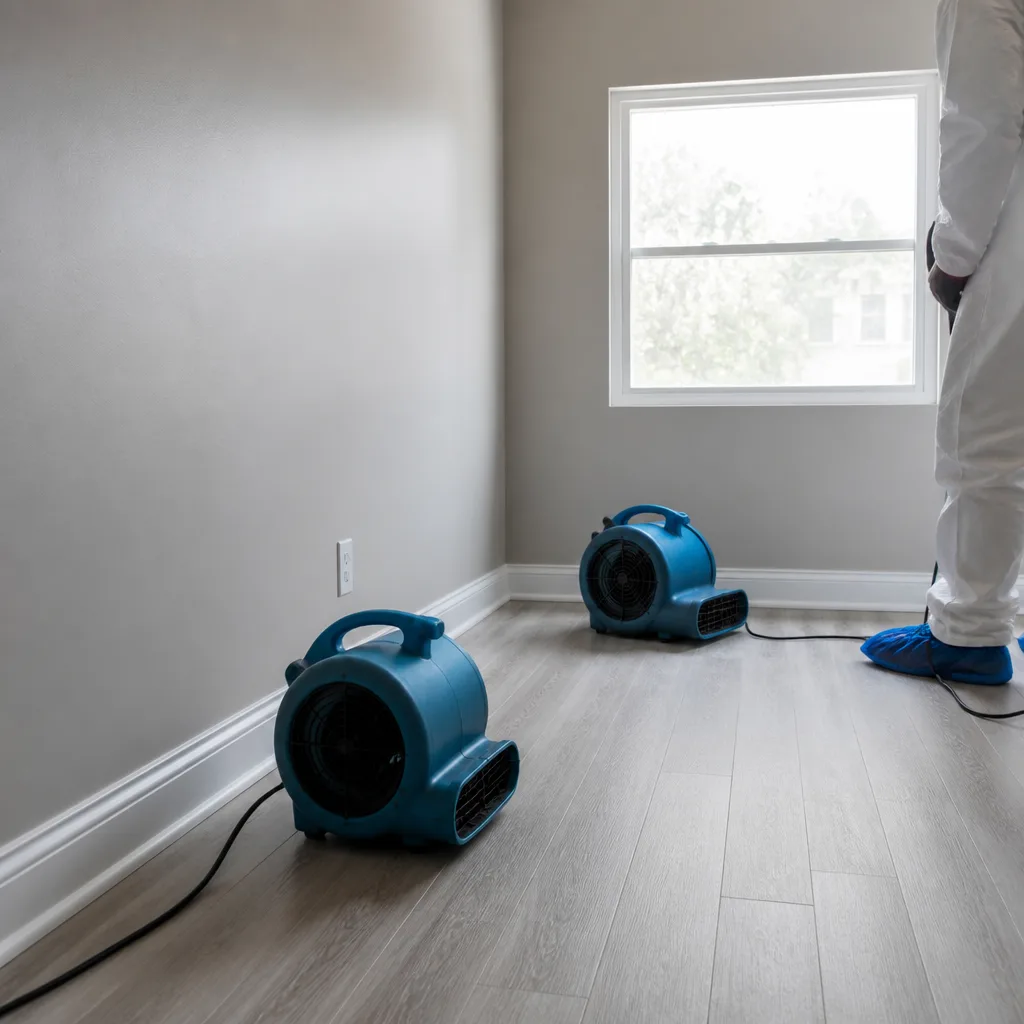 After
After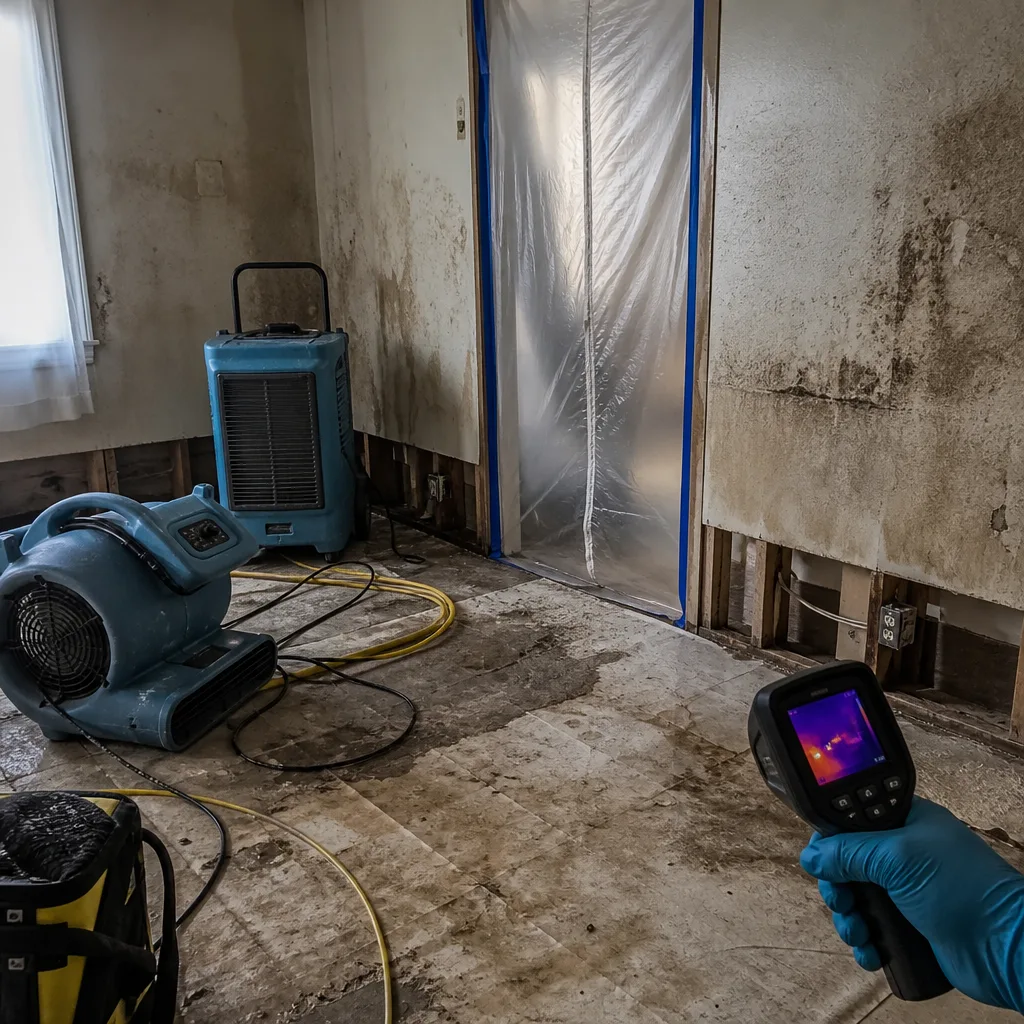 Before
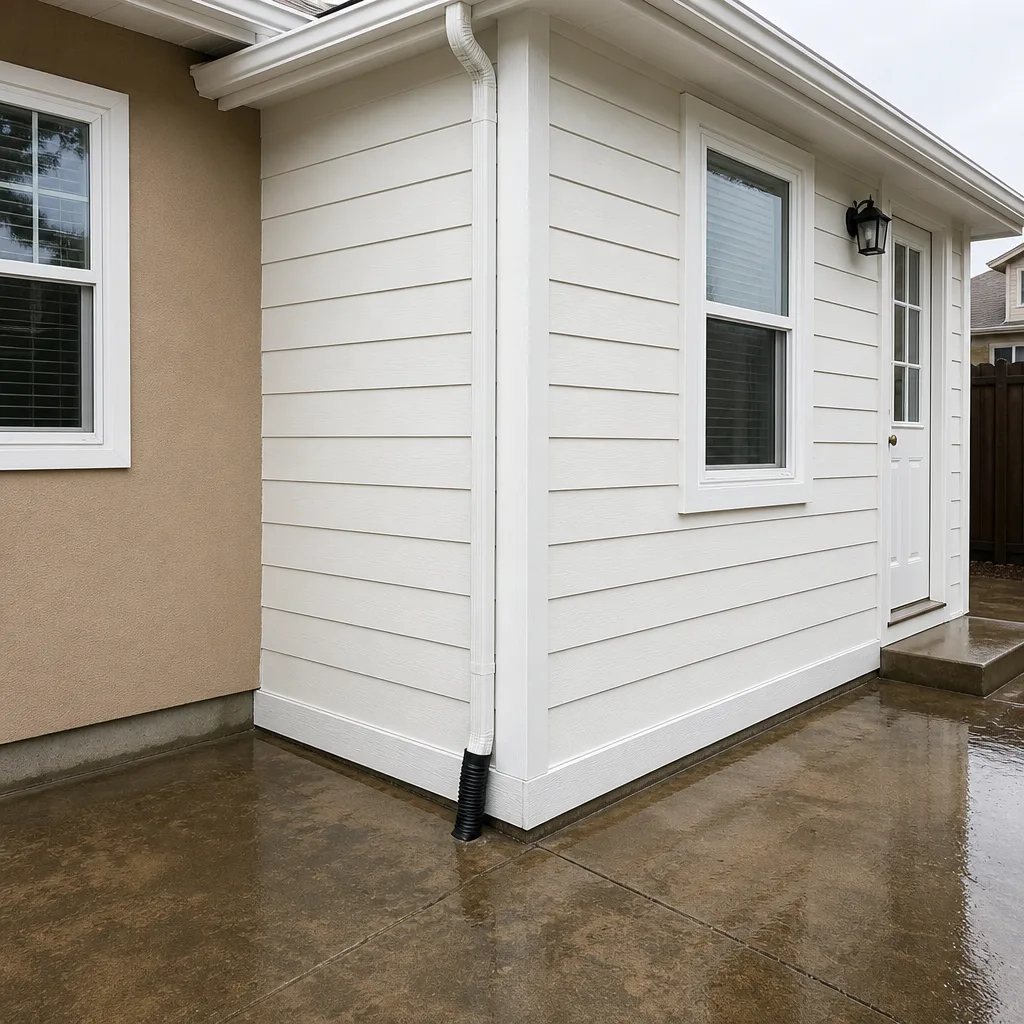 After
After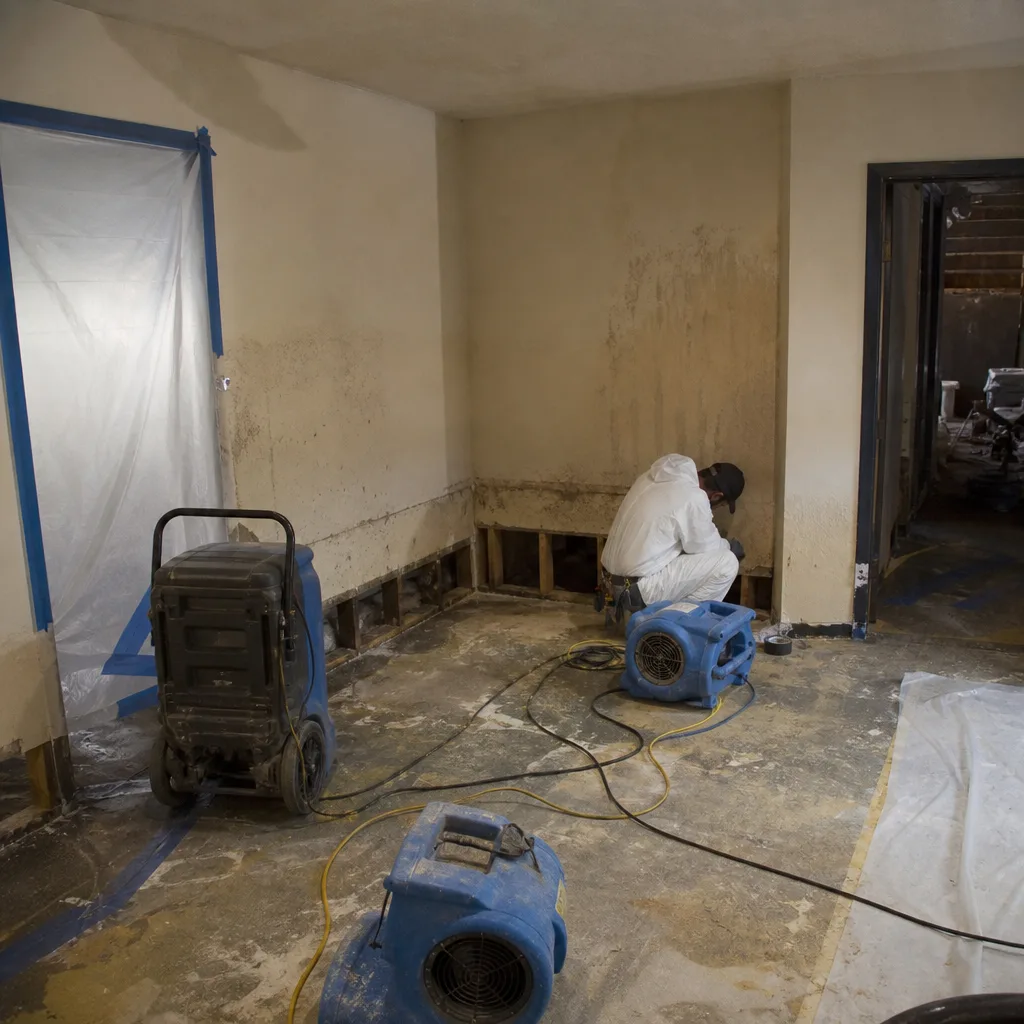 Before
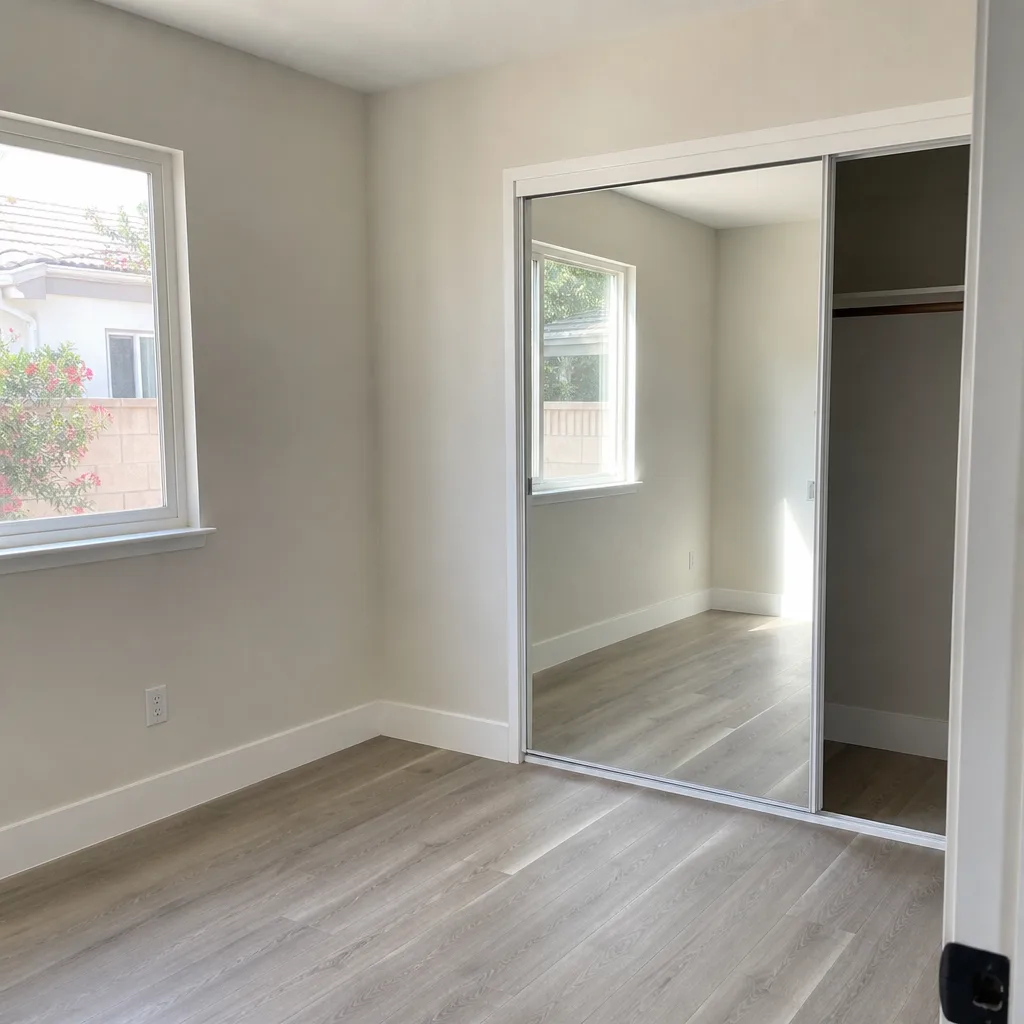 After
After24/7 Emergency Fire & Smoke Damage Restoration in Wilmington
Fire and smoke damage restoration in Wilmington typically costs $4,200-$18,500 depending on the fire class and square footage affected, with emergency board-up and stabilization available within 45 minutes of your call. Our crews answer live at (424) 305-3365, 24 hours a day, 7 days a week, with no voicemail trees or next-day callbacks while smoke residue continues to etch surfaces and absorb into porous materials.
We dispatch from our Los Angeles office to Wilmington properties across the 90744 ZIP and surrounding corridors. The first hour after a fire is contained determines whether smoke odor becomes a permanent fixture in your home’s wall cavities and HVAC system. Heat opens pores in drywall, wood, and textiles; as surfaces cool, they lock in acidic soot and synthetic smoke particles. Rapid stabilization, controlled ventilation, and immediate documentation of the loss scene preserve both your property and your insurance claim.
Our Fire & Smoke Damage Restoration team arrives with thermal imaging cameras, HEPA air scrubbers, and moisture meters to assess hidden smoke migration and any water damage from suppression efforts. Every job starts with a free visual inspection and a written scope of work delivered before any equipment is powered on.
Understanding Fire & Smoke Damage Restoration Severity in Wilmington Properties
Fire damage in Wilmington falls into three categories that dictate our response: light smoke damage limited to a single room with superficial soot, moderate damage involving structural materials and contents in multiple rooms, and heavy damage requiring full gutting and reconstruction with engineered drying of saturated framing. Smoke migration follows unexpected paths, driven by pressure differentials and HVAC airflow, often depositing the most concentrated residue in rooms far from the fire origin.
Wilmington’s housing stock complicates every severity assessment. The post-WWII bungalows and stucco homes built between the 1940s and 1960s for refinery and port workers contain original galvanized plumbing, knob-and-tube or early Romex wiring, and confirmed asbestos in floor tiles, pipe insulation, and textured ceilings. These materials require licensed abatement before demolition or structural repair can proceed, adding mandatory hold points to our timeline that newer construction simply does not have. The Haven Standard, Clause 1 requires us to identify these conditions in writing before work begins, so your price reflects reality, not optimism.
Pre-existing subsidence damage from the Wilmington Oil Field beneath the neighborhood introduces a documentation burden unique to this market. Our crew photographs every diagonal stress crack at window corners and measures floor levelness before touching anything fire-related. This baseline protects you from liability disputes and gives your adjuster clear evidence of what the fire caused versus what decades of petroleum extraction already did.
Why Wilmington Property Owners Choose DryMark Restoration Carson
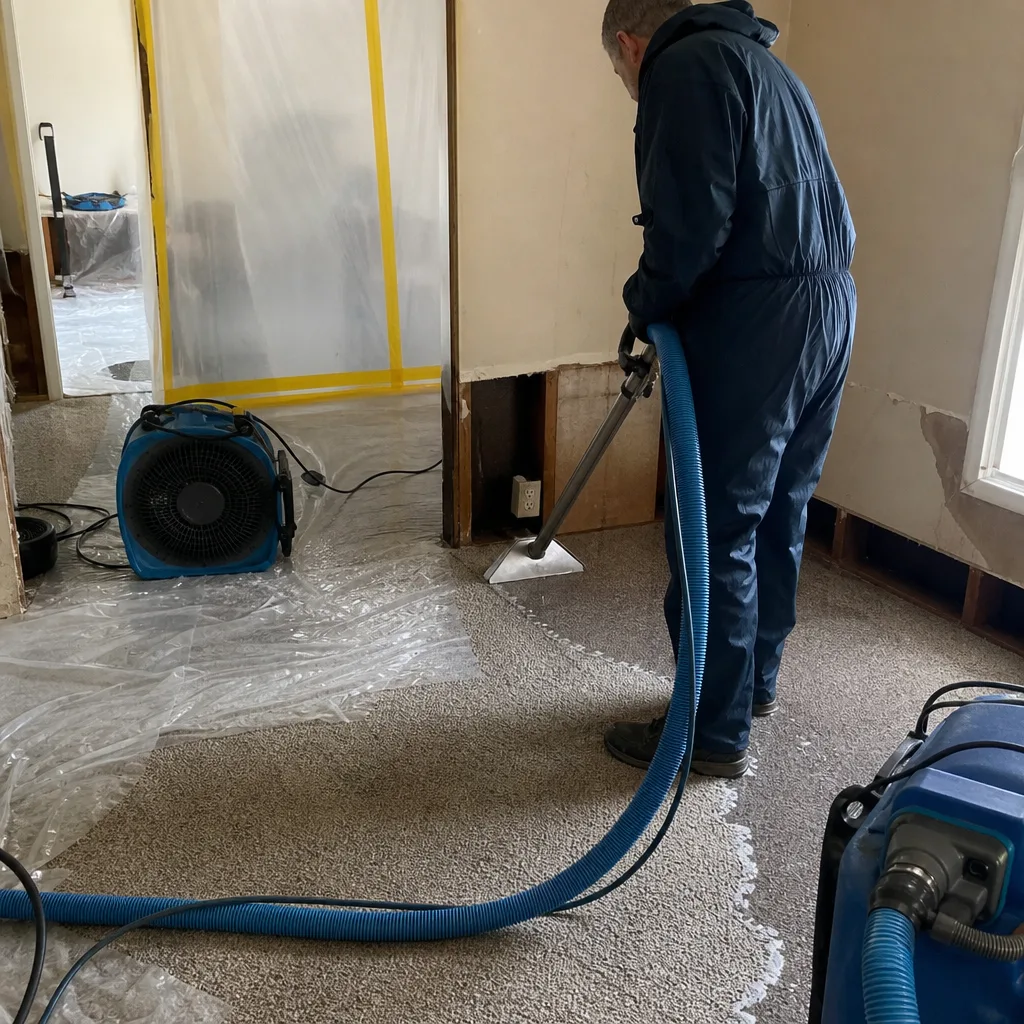
- 45-minute response commitment to Wilmington properties from initial call to crew arrival, because smoke damage compounds with every minute of delay.
- 24/7 live answer by a real person, never an automated system or voicemail tree, on every call to (424) 305-3365.
- IICRC-certified crews holding FSRT (Fire and Smoke Restoration Technician) and WRT (Water Damage Restoration Technician) credentials, with certification numbers verified before they arrive at your door.
- Free visual inspection with a written scope and line-item price delivered before any work begins, per Haven Standard, Clause 1.
- Direct insurance billing with photo-documented loss files and daily drying logs that adjusters recognize and pay without dispute.
- One team from emergency board-up through final reconstruction, eliminating handoff errors and accountability gaps between mitigation and rebuild phases.
 Before
 After
AfterOur Fire & Smoke Damage Restoration Process
1. Inspection & Assessment
We arrive with thermal imaging cameras, hygrometers, and combustion residue testing kits to map smoke migration beyond the visible burn zone. In Wilmington’s tight bungalows, we pay special attention to attic spaces and wall cavities where smoke pressure forces residue into construction voids. Every pre-existing subsidence crack is photographed, measured, and logged before any fire-related work begins.
2. Emergency Board-Up & Stabilization
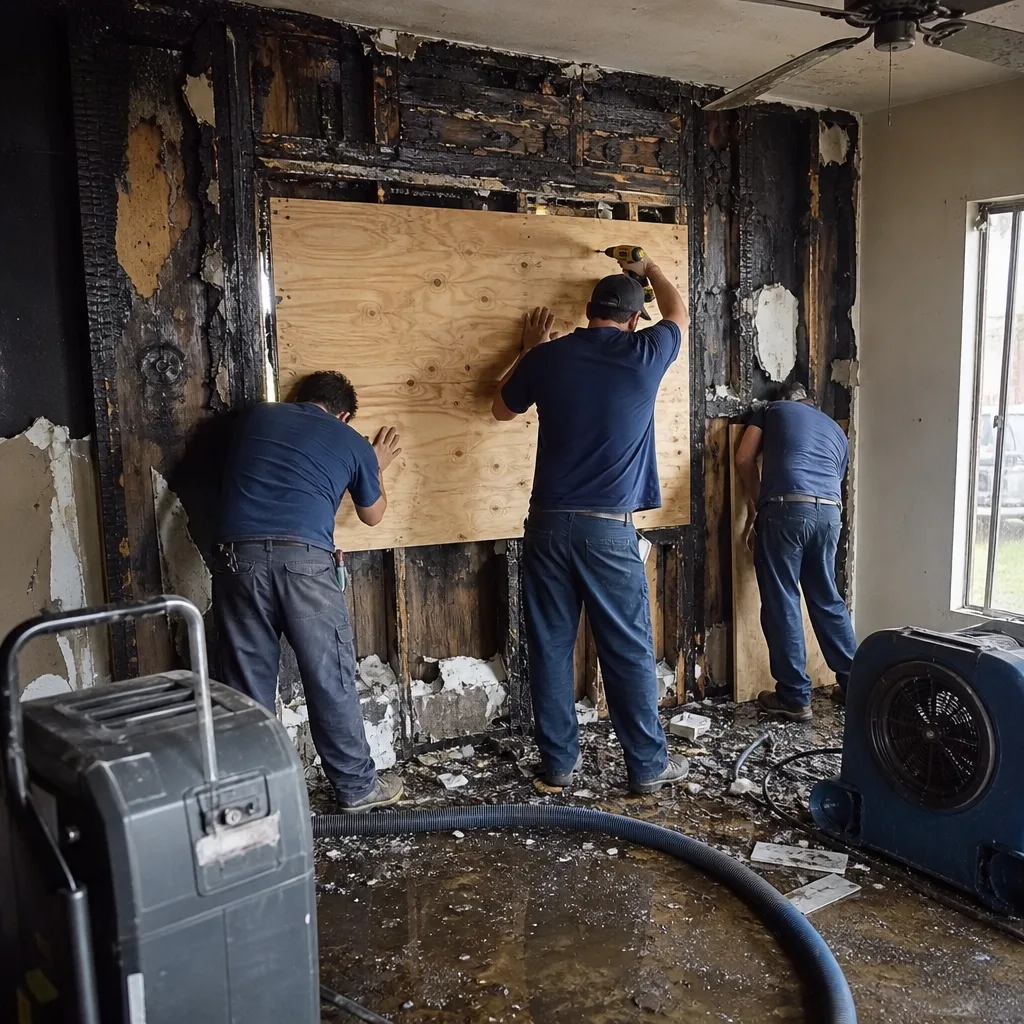
Broken windows, compromised roofs, and damaged doors are secured with plywood and weatherproof tarps to prevent secondary water intrusion from Wilmington’s persistent marine layer. We establish temporary power and ventilation to halt further smoke absorption while the full scope is developed.
3. Smoke & Soot Extraction
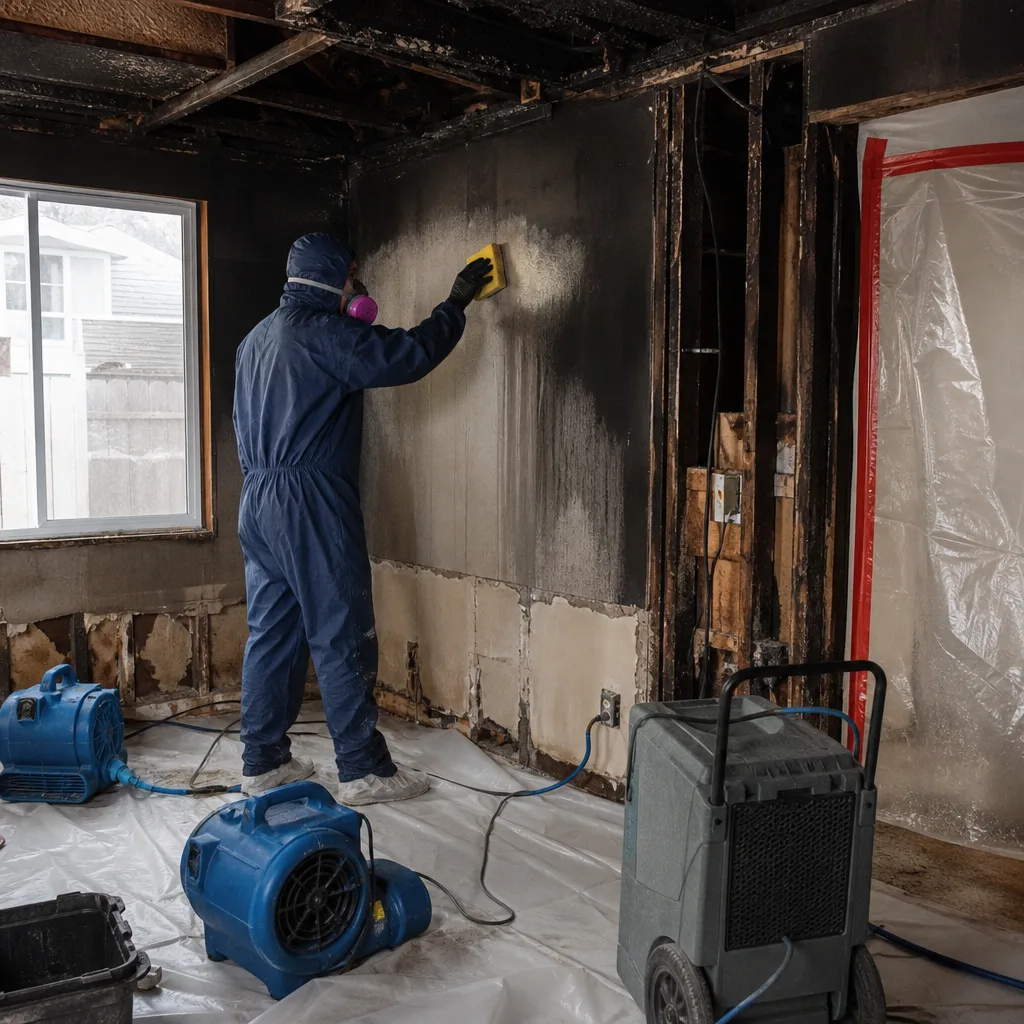
Using HEPA-filtered vacuums and dry sponges on dry soot, wet-cleaning agents on oily residues, we remove smoke deposits before they etch or stain permanently. XPOWER and B-Air air movers create controlled airflow patterns that direct suspended particles toward HEPA scrubbers rather than redistributing them through the structure.
4. Cleaning & Sanitization
All salvageable surfaces receive appropriate cleaning chemistry based on residue type: protein fires require enzyme digesters, synthetic fires need solvent-based cleaners, natural material fires respond to low-pH detergents. Contents are evaluated for pack-out to our off-site cleaning facility or on-site restoration depending on damage severity and space constraints.
5. Odor Neutralization & Deodorization
We deploy hydroxyl generators and thermal fogging systems to reach odor molecules trapped in porous materials and inaccessible cavities. In Wilmington’s salt-laden coastal air, corrosion of metal fasteners and HVAC components accelerates, so we inspect and document these conditions during odor treatment to prevent future system failures attributed to the fire.
6. Structural Repair & Restoration
Reconstruction follows only after asbestos abatement clearance, when required, and full deodorization verification. We replace damaged framing, drywall, flooring, and finishes to match pre-loss condition, with the 365-Day Done Right Promise backing every repair. Your photo record, drying logs, and signed warranty are delivered at completion.
Need Emergency Fire & Smoke Damage Restoration in Wilmington Now?
Crews minutes away, answering live 24 hours a day. The sooner we start, the less it costs.
Working With Your Insurance Company
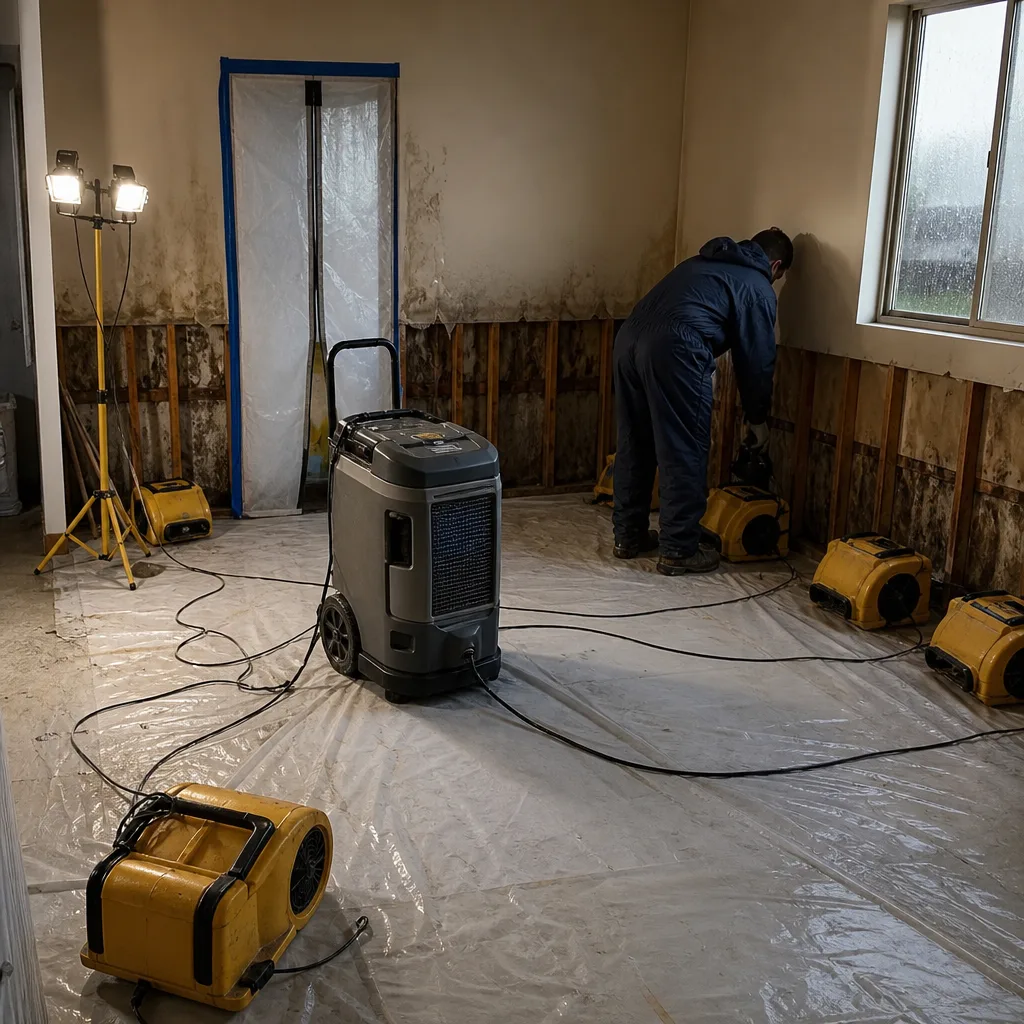
Fire claims succeed or fail on documentation quality. From our first hour on your Wilmington property, we build a file that mirrors how adjusters evaluate losses: dated photos with room identifiers, moisture readings where suppression water affected structure, material classifications with replacement cost references, and a narrative that separates the insured event from pre-existing conditions.
We were called to a 1950s stucco bungalow near the intersection of Avalon Blvd and Pacific Coast Highway after a kitchen fire sent smoke through the attic and living areas. Using Dri-Eaz and Phoenix air movers, we set up containment and ran a hydroxyl generator to neutralize smoke odor, then performed a pack-out of contents for off-site cleaning. The original knob-and-tube wiring and asbestos floor tiles required licensed abatement before we could complete structural repairs, but we documented that the diagonal cracks at the window corners were from historic subsidence, not the fire, and the homeowner’s claim covered only the fire damage.
This kind of precise documentation, distinguishing insured loss from excluded pre-existing damage, is why carriers pay our invoices without prolonged dispute. We coordinate directly with your adjuster, attend inspections when requested, and provide supplemental documentation for any scope expansion.
What We Provide Your Insurer
- Thorough documentation of the loss
- Photos of all damage, room by room
- Moisture readings and drying logs
- A detailed, line-item scope of work
- Direct coordination with your carrier
Built for Wilmington’s Loss Calendar
Wilmington’s fire damage patterns track with its industrial heritage and coastal position. Winter brings increased electrical load on aging systems in 1940s-1960s bungalows, with knob-and-tube wiring and overloaded panels causing more residential fires from November through February than any other period. The holiday season adds cooking fires and decorative lighting failures to this baseline.
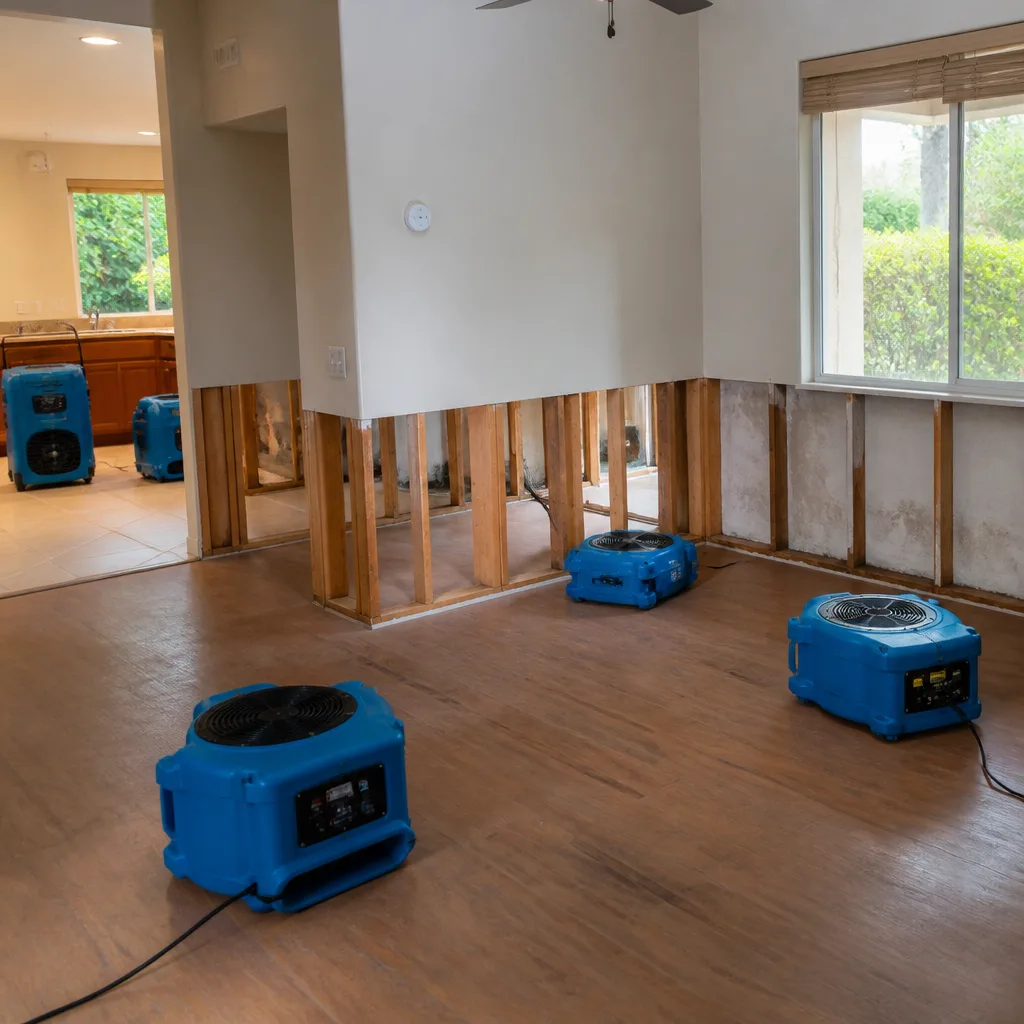
Spring and summer see refinery and port activity peak, with occasional industrial incidents that can affect adjacent residential blocks through radiant heat or ember spread. Wilmington’s persistent marine layer, trapped between the Port of Los Angeles and Dominguez Hills, keeps humidity elevated year-round, which means any fire suppression water left in wall cavities or attics will trigger mold colonization within 48-72 hours if not aggressively dried. This environmental pressure makes our rapid dry-out protocol, using Injectidry cavity drying systems and documented psychrometric data, essential to every Wilmington fire job even when the visible fire damage seems contained.
Fall brings Santa Ana wind conditions that dry vegetation and increase wildfire risk in the surrounding hills, with ember travel threatening older homes with wood shake roofs and unsealed eave vents. We pre-position board-up materials during red flag warnings to protect Wilmington properties in the highest-risk corridors.
Fire & Smoke Damage Restoration Across Wilmington’s Neighborhoods
We serve Wilmington properties from the port-adjacent blocks near Harry Bridges Boulevard through the residential core around Avalon Boulevard and Pacific Coast Highway, extending to the western edge near the 110 freeway corridor. Each zone presents distinct restoration challenges.
Near the port and tank farms, homes show the most severe subsidence effects: uneven floors, sticking doors, and the diagonal window-corner cracks that our crews document before every job. These properties also face the highest concentration of salt-laden harbor air, accelerating corrosion of electrical panels and HVAC components that must be inspected after any fire event.
The Avalon Boulevard corridor, with its denser commercial-residential mix and tighter lot lines, demands compact equipment staging and careful coordination with parking enforcement. Our crews use smaller-format Phoenix dehumidifiers and portable HEPA units that fit through narrow gates and alley accesses without blocking traffic.
West of the 110, where housing stock transitions to slightly newer 1960s-1970s construction, we encounter fewer asbestos concerns but more aluminum wiring and early plastic plumbing that requires special handling during fire-related demolition. The terrain rises toward Dominguez Hills here, improving drainage but exposing properties to stronger wind-driven ember exposure during Santa Ana events.
Throughout all zones, we maintain response routes that avoid the worst port-traffic congestion on Anaheim Street and Pacific Coast Highway during peak hours, ensuring our 45-minute commitment holds even when the bridges and rail crossings back up.
Specialized Fire & Smoke Damage Restoration Services We Offer in Wilmington
Fire Damage Cleanup
We remove charred structural materials, damaged contents, and compromised insulation following IICRC S700 standards for fire and smoke damage restoration. In Wilmington’s post-WWII bungalows, this often reveals hidden asbestos that must be abated before reconstruction proceeds, a mandatory pause we build into every scope and price upfront.
Smoke & Soot Removal
Different fire sources produce different residues: protein fires from kitchens leave nearly invisible but pungent deposits; synthetic fires from plastics and petroleum products create thick, acidic soot; natural material fires generate dry, powdery ash. We test residue type before selecting cleaning chemistry, protecting Wilmington’s original plaster, hardwood, and vintage tile from inappropriate treatment.
Odor Removal & Deodorization
Smoke odor persists when molecules penetrate porous materials and re-emit when temperature and humidity fluctuate. Our hydroxyl generators and thermal fogging systems reach these trapped compounds, while Injectidry systems deliver ozone or neutralizing agents directly into wall cavities. Wilmington’s marine layer humidity makes this step especially critical; incomplete deodorization means odor returns within weeks.
Contents Cleaning & Pack-Out
Salvageable belongings are inventoried, photographed, and transported to our climate-controlled cleaning facility for ultrasonic, immersion, or dry-cleaning treatment depending on material type. We return items only after deodorization verification, with documentation that supports your contents claim.
Emergency Board-Up & Tarping
Securing your property against weather, intrusion, and further damage is our first physical action on every Wilmington fire call. We use fire-rated plywood and mechanical fasteners, not nails driven into already-compromised structure, and document the securement for your insurance file.
Structural Fire Repair
Reconstruction of damaged framing, roofing, and finishes follows abatement clearance and full structural assessment. In Wilmington, this means accounting for load paths altered by decades of subsidence, sistering damaged joists on uneven bearing points, and ensuring new work integrates with settled but stable existing structure.
What happens when you call
- 1
A real person answersNo phone trees - you reach a local pro.
- 2
You get an upfront price rangeHonest numbers before anyone is dispatched.
- 3
A background-checked tech heads outLicensed & insured, dispatched right away.
- 4
You approve before work beginsNothing starts until you say go.
Fire & Smoke Damage Restoration Costs in Wilmington, CA
Emergency board-up and stabilization in Wilmington typically runs $800-$2,400 depending on access difficulty and the number of openings to secure. Light smoke damage cleanup with surface soot removal and deodorization in a single room ranges $2,800-$5,500. Moderate fire damage involving multiple rooms, contents pack-out, and structural material removal runs $7,500-$14,000. Heavy damage requiring full gutting, asbestos abatement, and reconstruction can reach $18,000-$45,000 or more for larger homes.
What moves your price: the fire classification (protein, synthetic, or natural combustion), square footage affected, presence of asbestos or lead requiring licensed abatement, structural damage from suppression water, and the extent of contents requiring off-site restoration. Insurance typically covers direct fire and smoke damage plus necessary water damage from suppression efforts; gradual deterioration, code upgrade requirements beyond mandated coverage, and pre-existing subsidence damage are generally excluded.
We deliver a written, line-item price before any work begins, per Haven Standard, Clause 1. Our free visual inspection includes combustion residue testing and a preliminary scope; you receive the full written price within 24 hours, often same-day for smaller losses. Bring a competitor’s written estimate and we’ll review it at no charge with our Free Second Opinion.
We Also Serve Cities Near Wilmington
Our crews respond throughout the harbor area, including Lakewood to the north with its mid-century ranch stock, Carson to the east with similar refinery-era housing and subsidence concerns, San Pedro to the south with its hillside exposure and marine layer intensity, and Torrance to the west with newer construction but comparable coastal corrosion challenges. Each city receives the same documentation-first protocol and written-price guarantee.
Serving Wilmington, CA - Our Local Coverage Area
We’re based in the Wilmington area and know this community well. Use the map below to see our service coverage - if you’re nearby, we can almost certainly help.
Wilmington Fire & Smoke Damage Restoration Questions, Answered
How do you handle pre-existing subsidence cracks when restoring fire damage in Wilmington?
We photograph, measure, and formally document every diagonal stress crack at window corners and every uneven floor section before touching any fire-damaged material. This baseline, recorded with dated photos and written descriptions, protects you from liability for settlement damage caused by decades of oil field subsidence rather than the insured fire event. Your adjuster receives this documentation as part of our standard deliverable. Call (424) 305-3365 to schedule an inspection with full pre-existing condition documentation.
Does the coastal marine layer in Wilmington affect smoke odor removal?
Yes. Wilmington’s persistent marine layer, trapped between the port and Dominguez Hills, maintains elevated humidity that keeps porous materials open and receptive to odor absorption longer than drier inland climates. This same humidity accelerates mold colonization in any fire-suppression water left in cavities, and corrodes metal fasteners and HVAC components that can later harbor odor. We account for this by extending initial deodorization cycles and using more aggressive cavity drying with Injectidry systems, documented to IICRC standards. Call (424) 305-3365 for a scope that addresses Wilmington’s specific environmental pressures.
What should I do if my Wilmington home has asbestos in floor tiles after a fire?
Stop all disturbance of the material immediately and notify our crew before we arrive. We work with licensed asbestos abatement contractors who can sample, test, and remove confirmed asbestos in floor tiles, pipe insulation, or textured ceilings under proper containment and air monitoring. This abatement is a mandatory hold point in our restoration timeline; we cannot proceed with demolition or reconstruction until clearance documentation is issued. The abatement cost is typically covered as a necessary part of the insured loss when the fire damage required access to the asbestos-containing material. Call (424) 305-3365 and we’ll coordinate the entire sequence with one written price.
How quickly can you respond to a fire damage emergency in Wilmington?
Our commitment is 45 minutes from your call to crew arrival at Wilmington properties, 24 hours a day, 7 days a week. A live person answers every call to (424) 305-3365; no voicemail, no callbacks tomorrow while smoke residue etches your finishes. Crews staged from our Los Angeles office use routes that avoid port-traffic congestion on Anaheim Street and Pacific Coast Highway during peak hours.
Will you pack out my belongings during fire damage restoration?
Yes. Contents affected by smoke, soot, or suppression water are inventoried, photographed, and transported to our climate-controlled cleaning facility for appropriate treatment: ultrasonic cleaning for hard goods, immersion or dry cleaning for textiles, and specialized deodorization for porous items. We return only verified-clean, odor-free contents, with full documentation supporting your personal property claim. Items that cannot be economically restored are documented for replacement valuation. Call (424) 305-3365 to discuss pack-out timing with your scope.
Will insurance cover my fire damage restoration in Wilmington?
Most homeowner policies cover direct fire and smoke damage, necessary water damage from suppression efforts, and reasonable emergency services like board-up. Coverage typically excludes pre-existing conditions such as subsidence cracks, code upgrade costs beyond mandated limits, and damage from delayed reporting. Our documentation package, delivered to your adjuster, clearly separates covered loss from excluded conditions using the baseline photos and measurements we collect before work begins. We bill your carrier directly and coordinate supplemental claims if hidden damage is discovered during restoration. Call (424) 305-3365 for a free inspection and insurance coordination discussion.
How long does fire damage restoration take in Wilmington?
Light smoke damage with surface cleaning and deodorization: 3-5 days. Moderate damage with contents pack-out, material removal, and reconstruction: 2-4 weeks. Heavy damage requiring asbestos abatement, structural rebuilding, and full finish restoration: 6-12 weeks or longer. Wilmington’s mandatory abatement holds for asbestos in vintage homes add 3-10 days depending on lab turnaround and permitting. We provide a written timeline with every scope, updated daily as conditions change. Call (424) 305-3365 for a timeline specific to your loss.
Can I stay in my home during fire damage restoration?
Usually not during the initial emergency phase. Smoke residue is toxic, air quality is unsafe without HEPA-controlled ventilation, and structural stability may be compromised. Once stabilization and initial cleaning are complete, limited occupancy of unaffected areas may be possible depending on odor control effectiveness and your insurer’s temporary living coverage. We document air quality readings and provide written clearance recommendations for your adjuster’s housing coverage decisions. Call (424) 305-3365 to discuss your specific situation.
Every Wilmington fire damage restoration we perform is backed by the 365-Day Done Right Promise under The Haven Standard: if it’s not done right, we make it right. Alicia Brennan built this company in 2011 around the documentation gap that costs homeowners their claims, and that founding principle governs every job we touch. Written price before work begins. Photo record on every visit. Direct adjuster coordination. No exceptions.
Written by Alicia Brennan, Owner at DryMark Restoration Carson, serving Wilmington since 2011.
Fire & Smoke Damage Restoration in Nearby Areas